Archeology
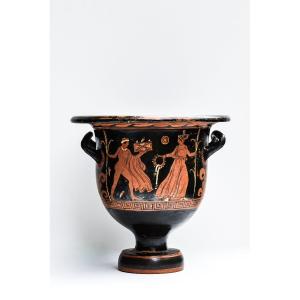
Bell-shaped Red-figure Krater—magnia—archaeology—pottery—greek—va[...]
Before 16th century

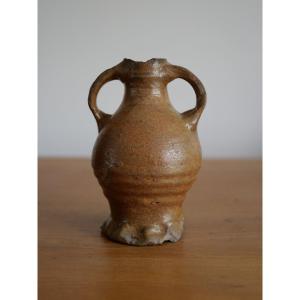
Small Rhenish Stoneware Jug From Raeren, Late 15th–early 16th Cen[...]
Before 16th century
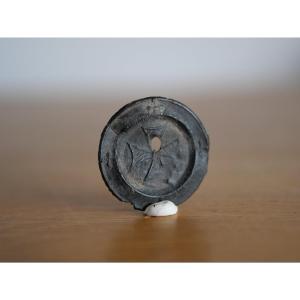
Medieval Pewter Dinner Plate With Cross Motif — Flanders, 14th–15[...]
Before 16th century
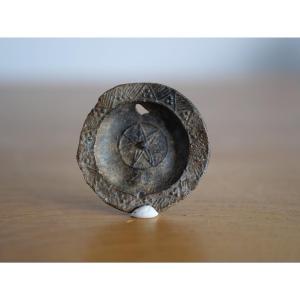
Medieval Pewter Dinner Plate — Bruges, 14th–15th Century — Archae[...]
Before 16th century
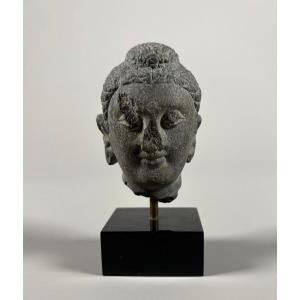
Buddha Head Sculpture In Gray Gandhara Schist, Indo-greek Kingdom[...]
Before 16th century
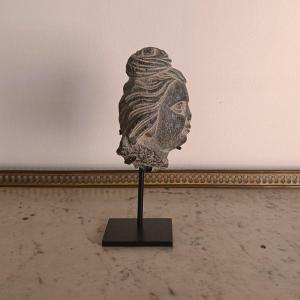
Greco-buddhist Art From Gandhara, Bodhisattva Head, 1st Century B[...]
Before 16th century
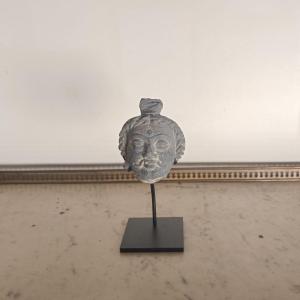
Greco-buddhist Art From Gandhara, Bodhisattva Head, 1st Century B[...]
Before 16th century
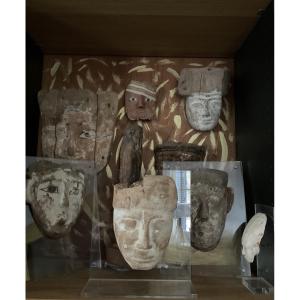
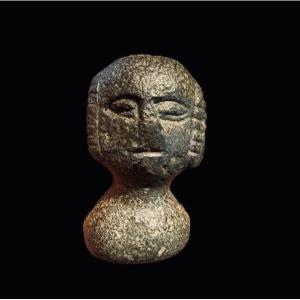
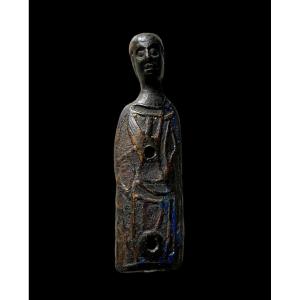
Medieval Bucket Handle Clasp With A Female Figure, Circa The 15th[...]
Before 16th century
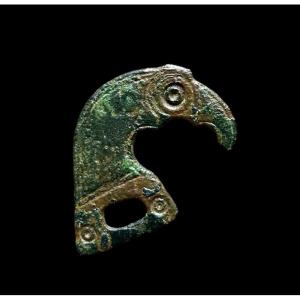
Early Medieval Belt Fitting In The Shape Of An Eagle Or Raven, Ci[...]
Before 16th century
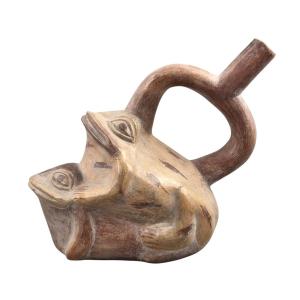
Pre-columbian Terracotta Moche Vessel Mating Frogs (1st Millenniu[...]
Before 16th century
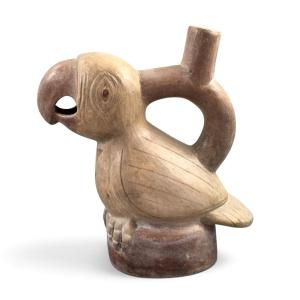
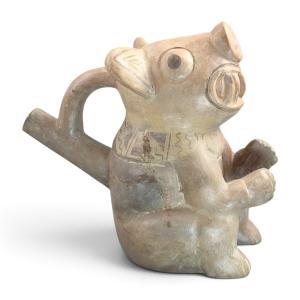
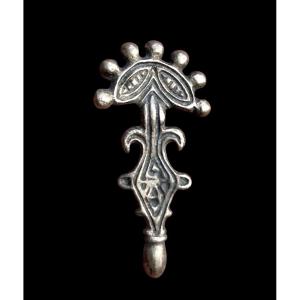
Frankish Or Anglo-saxon Fibula Brooch With A Concealed Face Motif[...]
Before 16th century
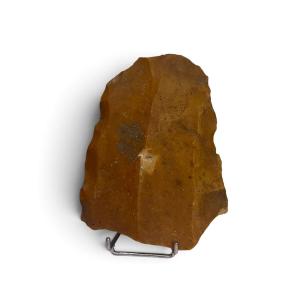
Collection: A Flint Nucleus Known As The “neolithic Butter Book”[...]
Before 16th century
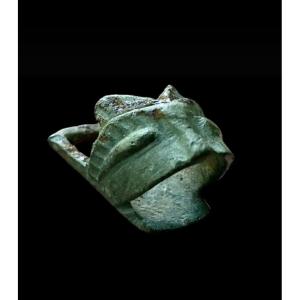
A Zoomorphic Bronze Buckle From The Romanesque Period, 11th–12th [...]
Before 16th century
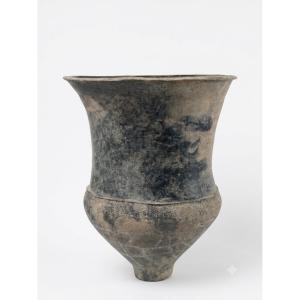
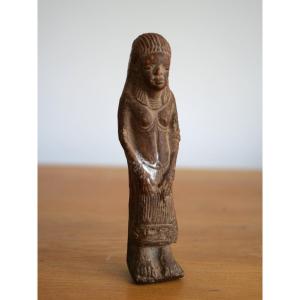
Egyptian Ushabti From The Roman Period, Female Figure In Terracot[...]
Before 16th century
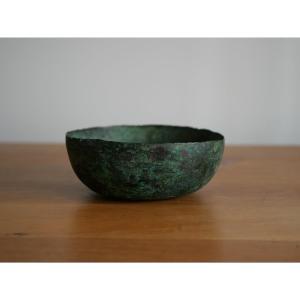
Hammered Bronze Cup From The Sassanid Period, 3rd–7th Century – A[...]
Before 16th century
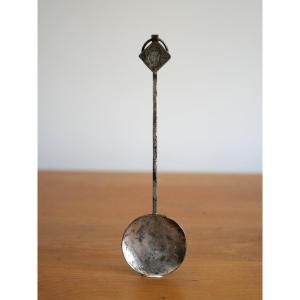
Byzantine-era Silver Spoon, 6th–9th Century, Christ, Archaeology,[...]
Before 16th century
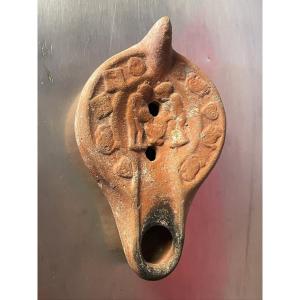
Orange Terracotta Oil Lamp, Roman Empire "carthage," Byzantine Pe[...]
Before 16th century
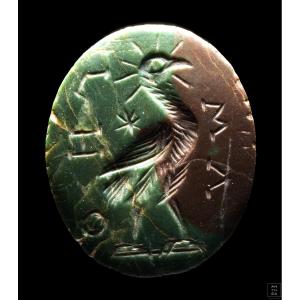
Magical Roman Engraving On Brown-green Jasper. Phoenix.
Before 16th century
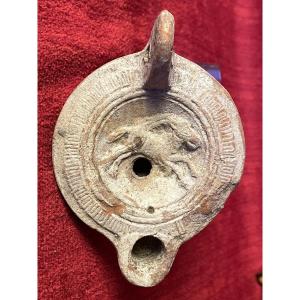
Terracotta Oil Lamp Depicting A Galloping Horse, Roman Empire.
Before 16th century
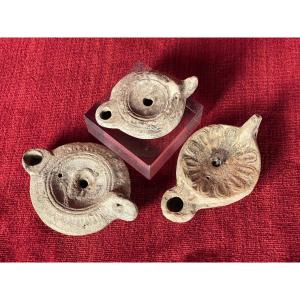
Three Roman Empire-period Terracotta Oil Lamps, 2nd–3rd Centuries[...]
Before 16th century
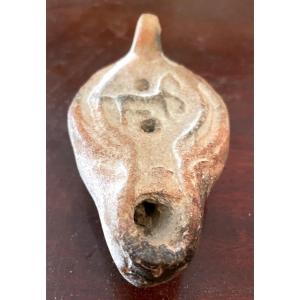
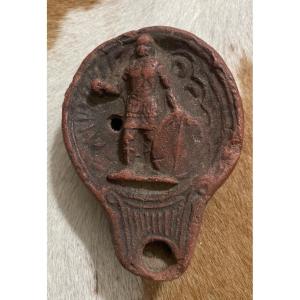

Hollow Terracotta Female Head – Hellenistic Or Roman Tradition; R[...]
Before 16th century
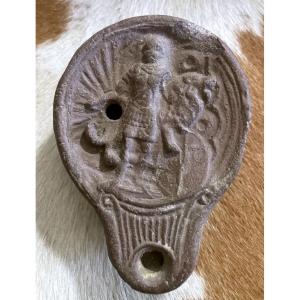
Roman Terracotta Oil Lamp Decorated With A Military Figure And A [...]
Before 16th century
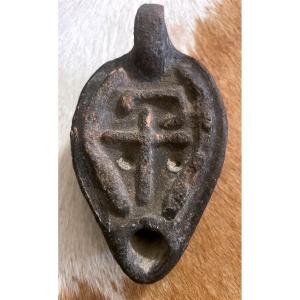
Roman Terracotta Oil Lamp – Cross Motif – Late Antiquity – 10 Cm[...]
Before 16th century
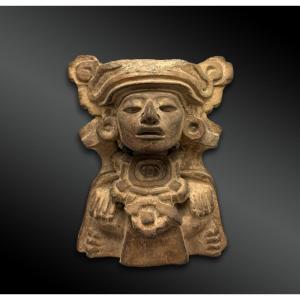
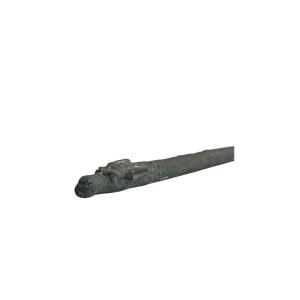
Large Bronze Pin With A Deer's Head – Roman Period – Bessonneau C[...]
Before 16th century
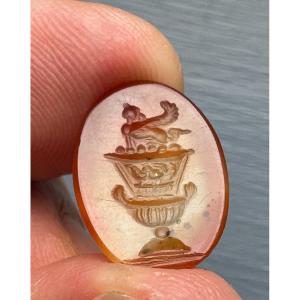
Large Roman Agate Intaglio. Sphinx On A Bell-shaped Krater.
Before 16th century
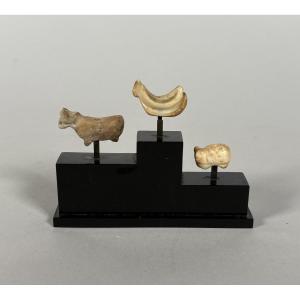
Djemdet-nasr 3100–2900 Bce. Amulet Pendant. Mesopotamian Art
Before 16th century
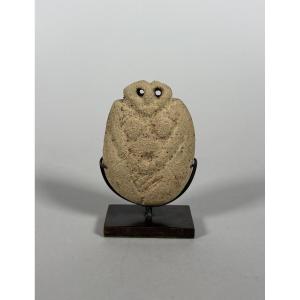
Bell-shaped Idol With Eyes, Tell Brak, Archaeology, 4th Millenniu[...]
Before 16th century
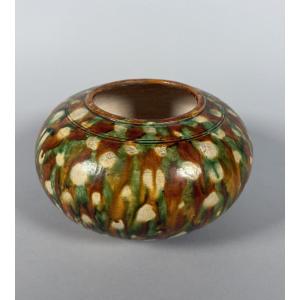
Tang Dynasty (618–907) Sancai Stoneware Vase, Ancient China
Before 16th century
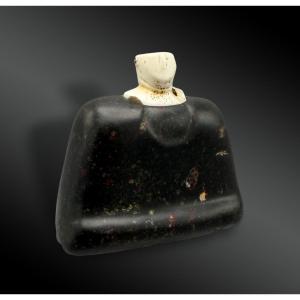
Statuette - Bactrian Culture, Central Asia - Circa 2000 B.c.
Before 16th century
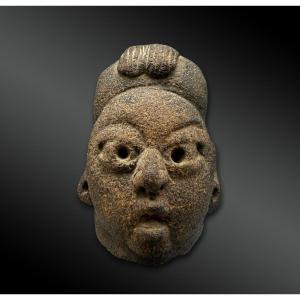
Anthropomorphic Head Known As "baby-face" - Olmec Culture, Mexico[...]
Before 16th century
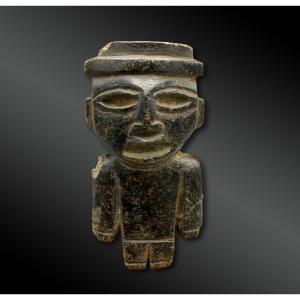
Anthropomorphic Statuette - Teotihuacan Culture, Central Mexico -[...]
Before 16th century
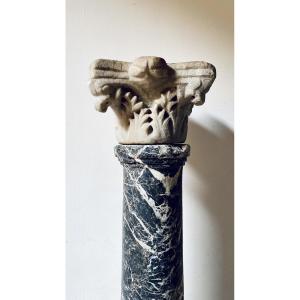
Ancient Roman-byzantine Corinthian Capital, Antique Marble, Circa[...]
Before 16th century
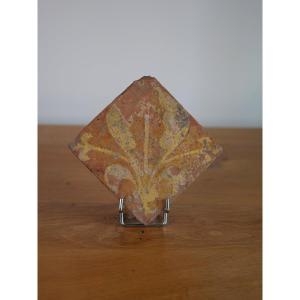
Medieval Terracotta Paving Tile – Fleur-de-lis – 13th/14th Centur[...]
Before 16th century
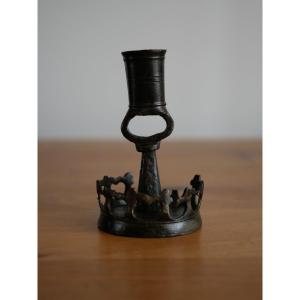
Miniature Gothic Bronze Candlestick – “ringkandelaar” Type – Flan[...]
Before 16th century
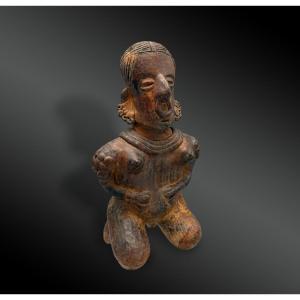
Female Statuette, Maternity “parturientes” — Nayarit Culture, Wes[...]
Before 16th century
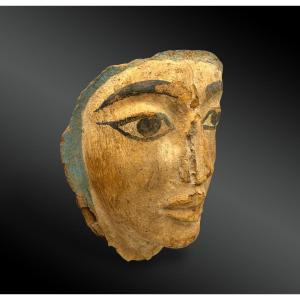
Mummy Mask - Egypt - New Kingdom Or Third Intermediate Period (12[...]
Before 16th century
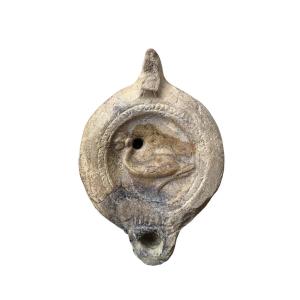
Artifact – Antiquity – Terracotta Oil Lamp With Documentation – D[...]
Before 16th century
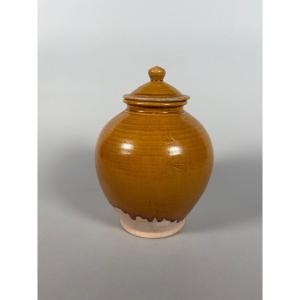
Covered Terracotta Vase With Amber Glaze From The Tang Dynasty (6[...]
Before 16th century
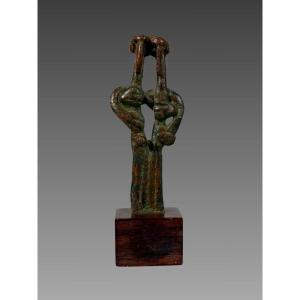
Idol, Amlash, Early 1st Millennium B.c.e., Bronze, Archaeology
Before 16th century
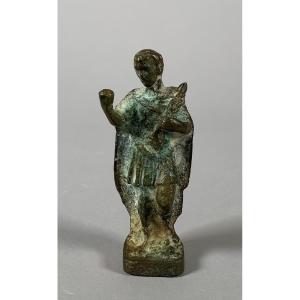
Bronze Statuette Of A Roman Emperor In The Ancient Roman Style, 1[...]
Before 16th century
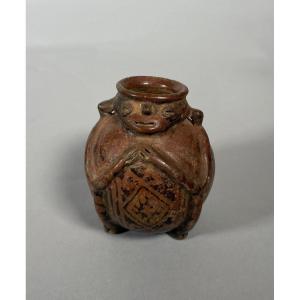
Shamanic Pendant Vase, Quimbaya Culture, Colombia, Circa 500–1500[...]
Before 16th century
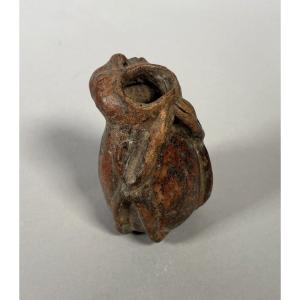
Shamanic Pendant Vase, Quimbaya Culture, Colombia, Circa 500–1500[...]
Before 16th century
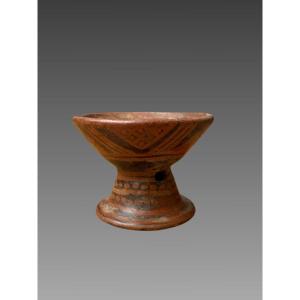
Terracotta Bowl, Colima Culture, Mexico, 100 Bce – 250 Ce, Pre-co[...]
Before 16th century
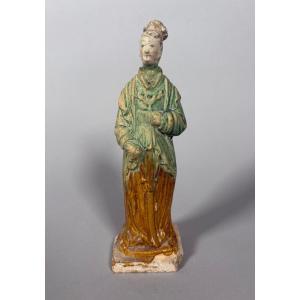
Sculpture Of A Servant, Mingqi, China, Ming Dynasty (1368–1644)
Before 16th century
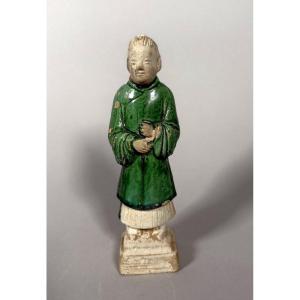
Sculpture Of A Servant, Mingqi, China, Ming Dynasty (1368–1644)
Before 16th century
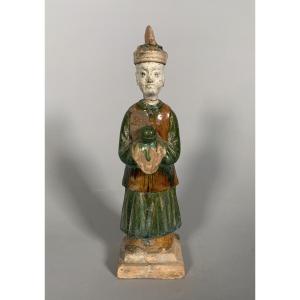
Sculpture Of A Servant, Mingqi, China, Ming Dynasty (1368–1644)
Before 16th century
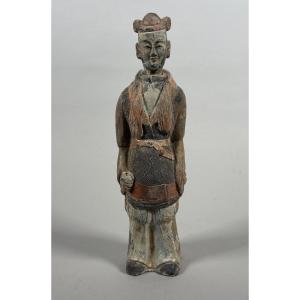
Sculpture Of A Mingqi Attendant With A Removable Head, China, Tan[...]
Before 16th century
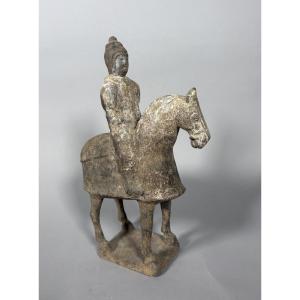
Sculpture Of A Horseman, Mingqi, China, Tang Dynasty (618–907)
Before 16th century
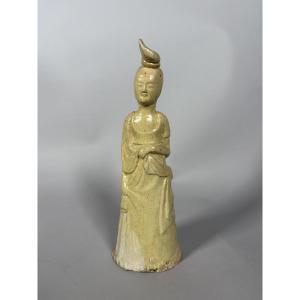
Sculpture Of A Court Lady From The Sui Dynasty (581–618), China; [...]
Before 16th century
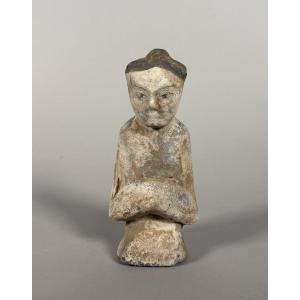
Sculpture Of A Mingqi, Han Dynasty, China (206 B.c. To 221)
Before 16th century
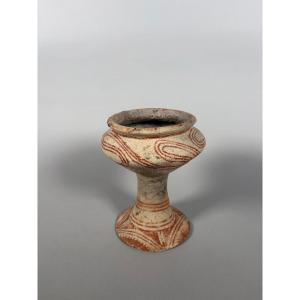
Terracotta Vases From Ban Chiang, Thailand: Archaeology, 1000 Bc
Before 16th century
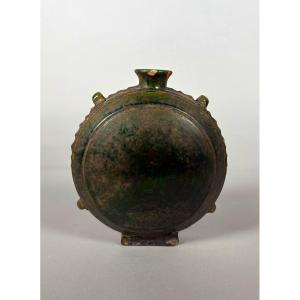
Green-glazed Earthenware Water Bottle Of A Nomadic Horseman, Tang[...]
Before 16th century
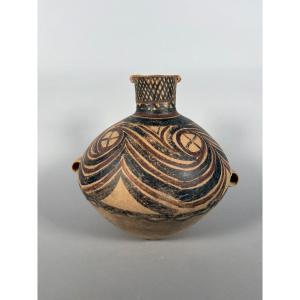
Painted Terracotta Vase From The Neolithic Period, Yangshao Cultu[...]
Before 16th century

China - Exceptional High-relief Decorative Brick Depicting A Qili[...]
Before 16th century

China - Large Basin On A Dou-style Pedestal With Taoties - Wester[...]
Before 16th century
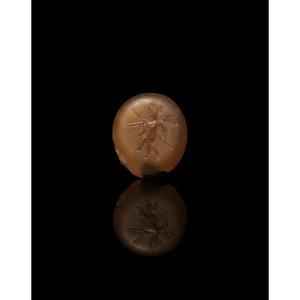
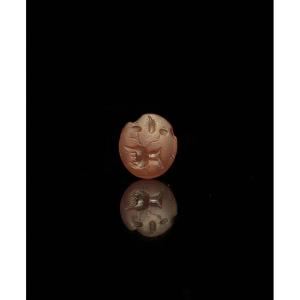
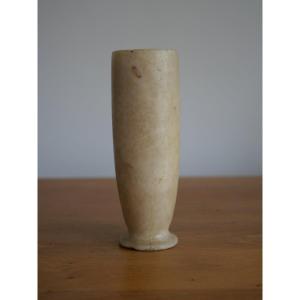
Egyptian Alabaster Funerary Vase, Middle Kingdom (2033–1786 B.c.)[...]
Before 16th century
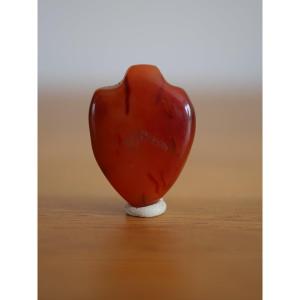
Egyptian Carnelian Amulet – Stylized Heart – New Kingdom Or 26th [...]
Before 16th century