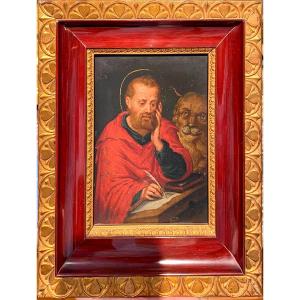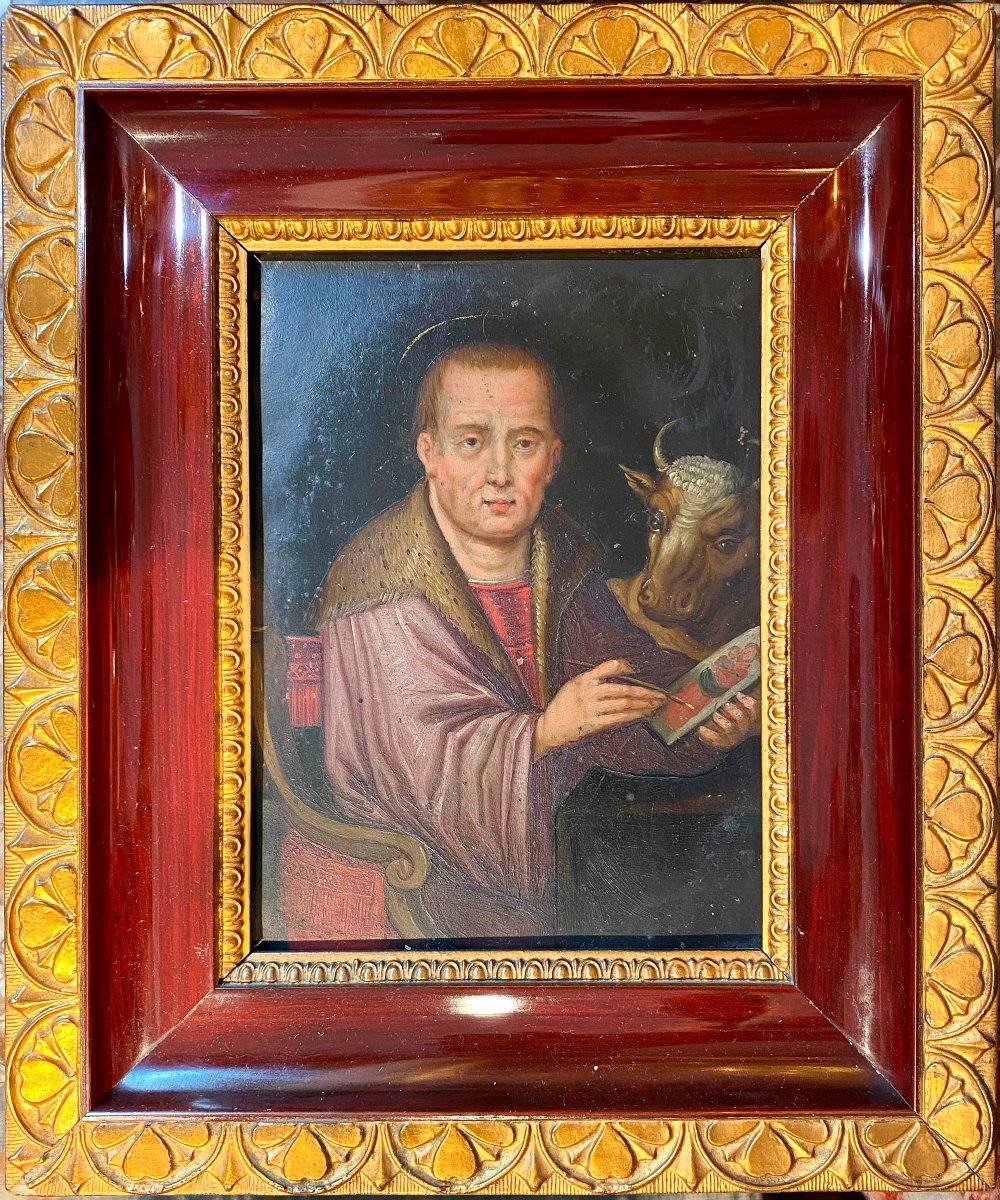
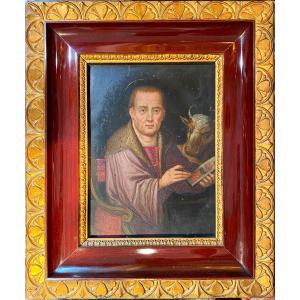


Saint Luke, Oil On Copper, Spanish School, 17th Century
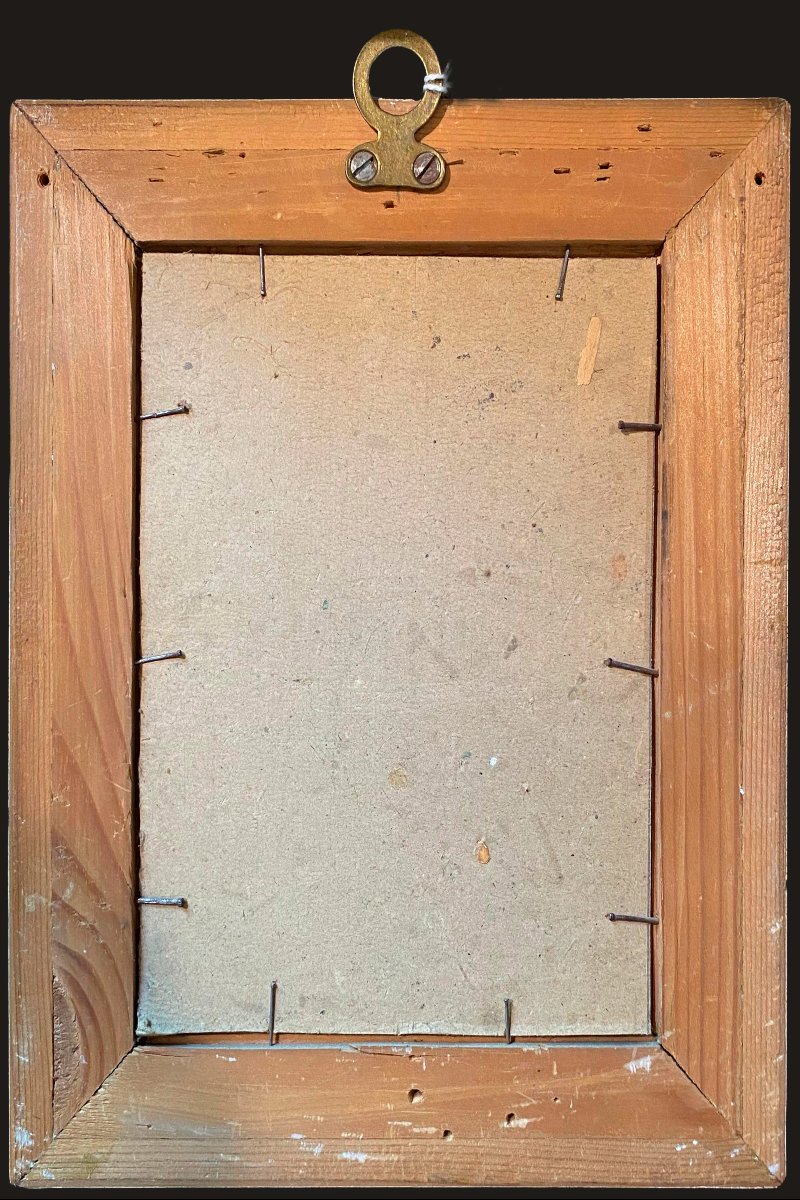
Dimensions with frame: 25 cm high x 21 cm wide
Dimensions without frame: 17.5 cm high x 13 cm wide
Saint Luke was one of the evangelists and the author of the third Gospel as well as the Acts of the Apostles. According to tradition, he was born in Antioch, Syria. He was also a physician, which earned him the nickname “the beloved physician” from Saint Paul.
Luke accompanied Saint Paul on several of his missionary journeys and remained by his side even during his captivity in Rome. He was one of his most faithful collaborators, and, according to Paul’s letters, he stayed with him even when many others had abandoned him.
His Gospel is characterized by its emphasis on God’s mercy and its concern for the poor, repentant sinners, and marginalized people. It is thanks to him that we know such important parables as the Good Samaritan, the Prodigal Son, and the story of Lazarus and the Rich Man.
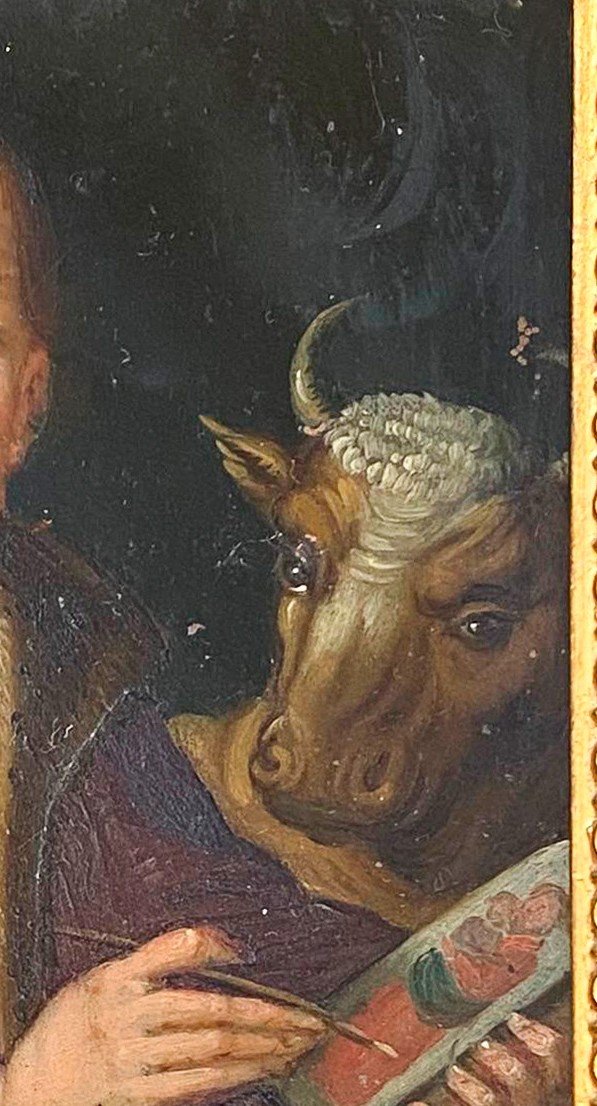
Furthermore, his Gospel opens with the story of Zechariah and the sacrifices at the Temple in Jerusalem, where animals were offered to God. The bull that represents him symbolizes sacrifice, humble service, and the redemptive dimension of Christ.
He also had a special relationship with the Virgin Mary. Thanks to his account, we know of episodes such as the Annunciation, the Visitation, the Magnificat, and the childhood of Jesus. This is why tradition has regarded him as particularly close to Mary and even credits him with creating some of her earliest images.
The circumstances of his death remain uncertain. Some traditions claim that he died a martyr, while others indicate that he passed away at an advanced age in Greece, around 84 years old, after devoting his life to preaching the Gospel and writing his works.
In the 17th century, at the height of Spain’s “Golden Age,” art was strongly influenced by the Counter-Reformation, which sought to convey the faith in a clear and moving way. The figure of Saint Luke held particular importance, as he was considered the author of one of the Gospels and, according to tradition, also the painter of the Virgin Mary. This is why he was named the patron saint of painters and art academies.
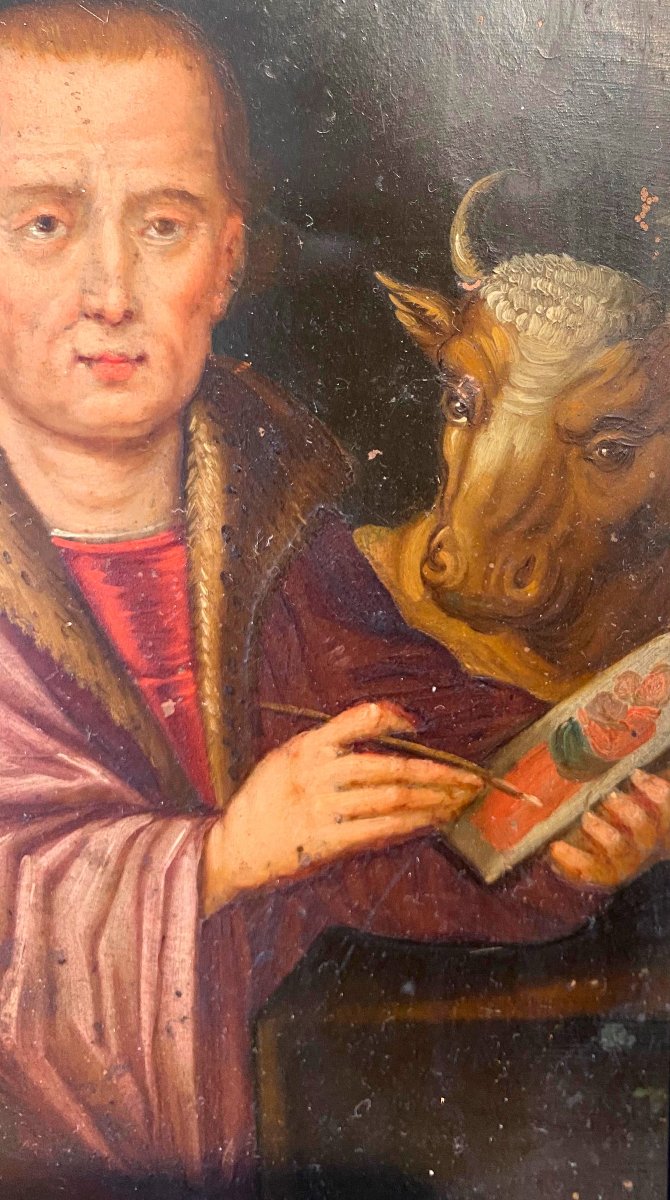
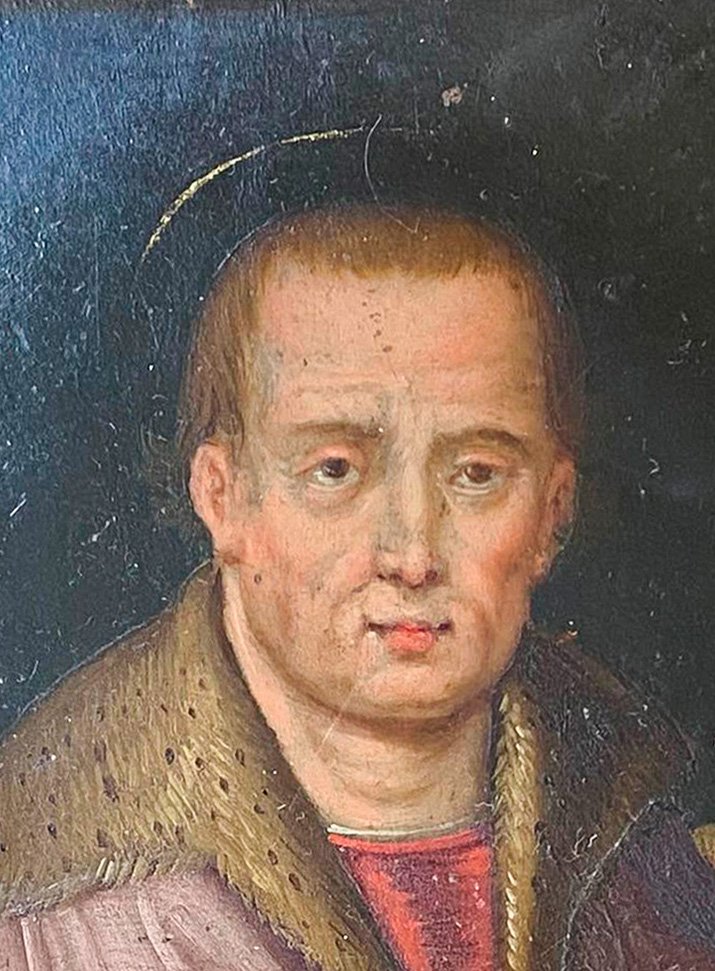
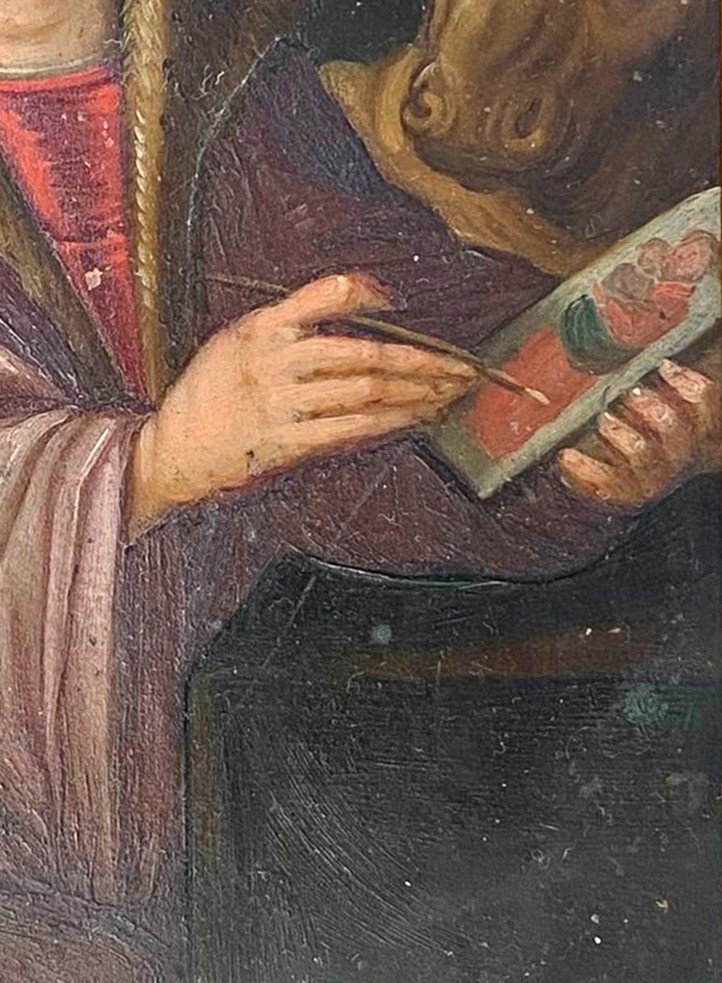
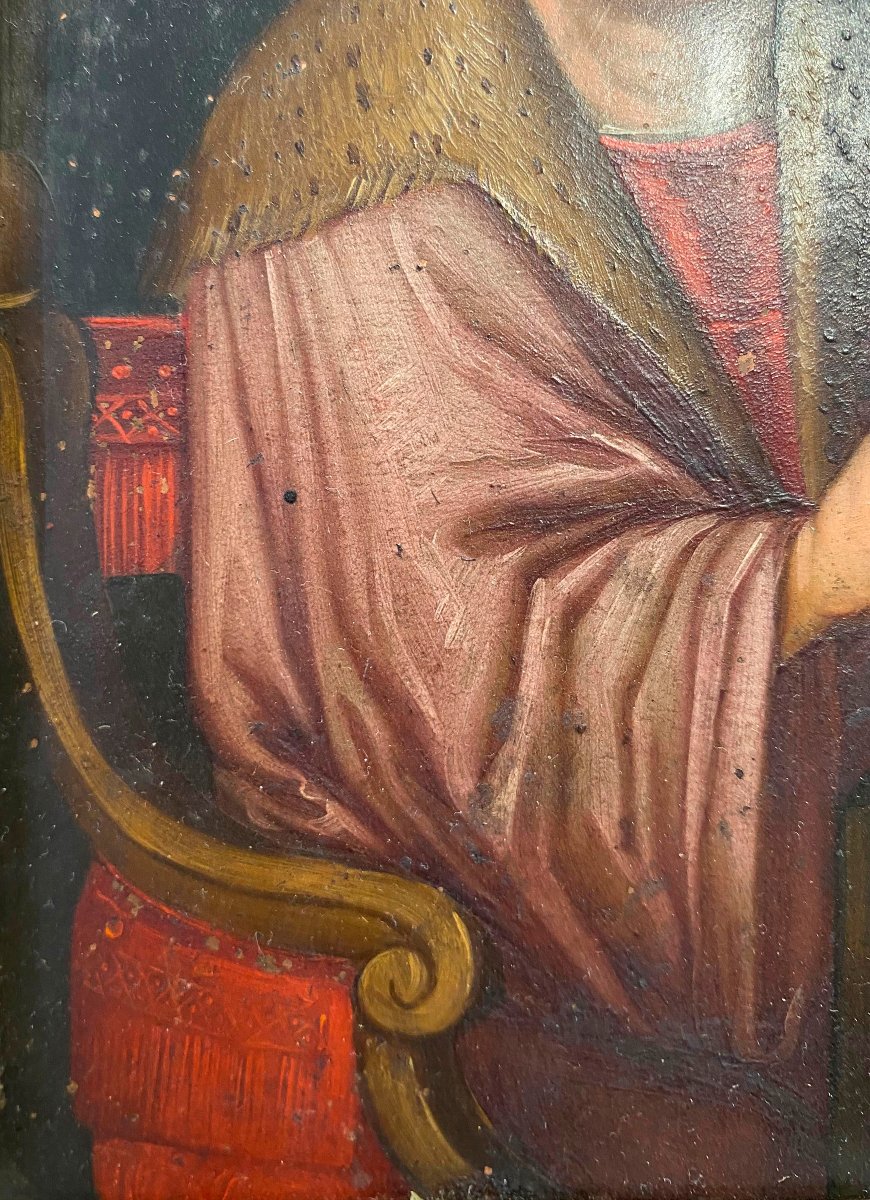
The work before us depicts Saint Luke alongside a bull, which helps identify the saint. Furthermore, in keeping with tradition, he is shown painting, thus alluding to the creation of images of the Virgin Mary and conferring an almost apostolic dignity upon the practice of art.
Dimensions without frame: 17.5 cm high x 13 cm wide
Saint Luke was one of the evangelists and the author of the third Gospel as well as the Acts of the Apostles. According to tradition, he was born in Antioch, Syria. He was also a physician, which earned him the nickname “the beloved physician” from Saint Paul.
Luke accompanied Saint Paul on several of his missionary journeys and remained by his side even during his captivity in Rome. He was one of his most faithful collaborators, and, according to Paul’s letters, he stayed with him even when many others had abandoned him.
His Gospel is characterized by its emphasis on God’s mercy and its concern for the poor, repentant sinners, and marginalized people. It is thanks to him that we know such important parables as the Good Samaritan, the Prodigal Son, and the story of Lazarus and the Rich Man.
Furthermore, his Gospel opens with the story of Zechariah and the sacrifices at the Temple in Jerusalem, where animals were offered to God. The bull that represents him symbolizes sacrifice, humble service, and the redemptive dimension of Christ.
He also had a special relationship with the Virgin Mary. Thanks to his account, we know of episodes such as the Annunciation, the Visitation, the Magnificat, and the childhood of Jesus. This is why tradition has regarded him as particularly close to Mary and even credits him with creating some of her earliest images.
The circumstances of his death remain uncertain. Some traditions claim that he died a martyr, while others indicate that he passed away at an advanced age in Greece, around 84 years old, after devoting his life to preaching the Gospel and writing his works.
In the 17th century, at the height of Spain’s “Golden Age,” art was strongly influenced by the Counter-Reformation, which sought to convey the faith in a clear and moving way. The figure of Saint Luke held particular importance, as he was considered the author of one of the Gospels and, according to tradition, also the painter of the Virgin Mary. This is why he was named the patron saint of painters and art academies.
The work before us depicts Saint Luke alongside a bull, which helps identify the saint. Furthermore, in keeping with tradition, he is shown painting, thus alluding to the creation of images of the Virgin Mary and conferring an almost apostolic dignity upon the practice of art.
600 €
Period: 17th century
Style: Other Style
Condition: Good condition
Material: Oil painting on copper
Width: 21
Height: 25
Reference (ID): 1784949
Availability: In stock
Print