

Nerva — Libertas Pvblica — Certificate Of Authenticity
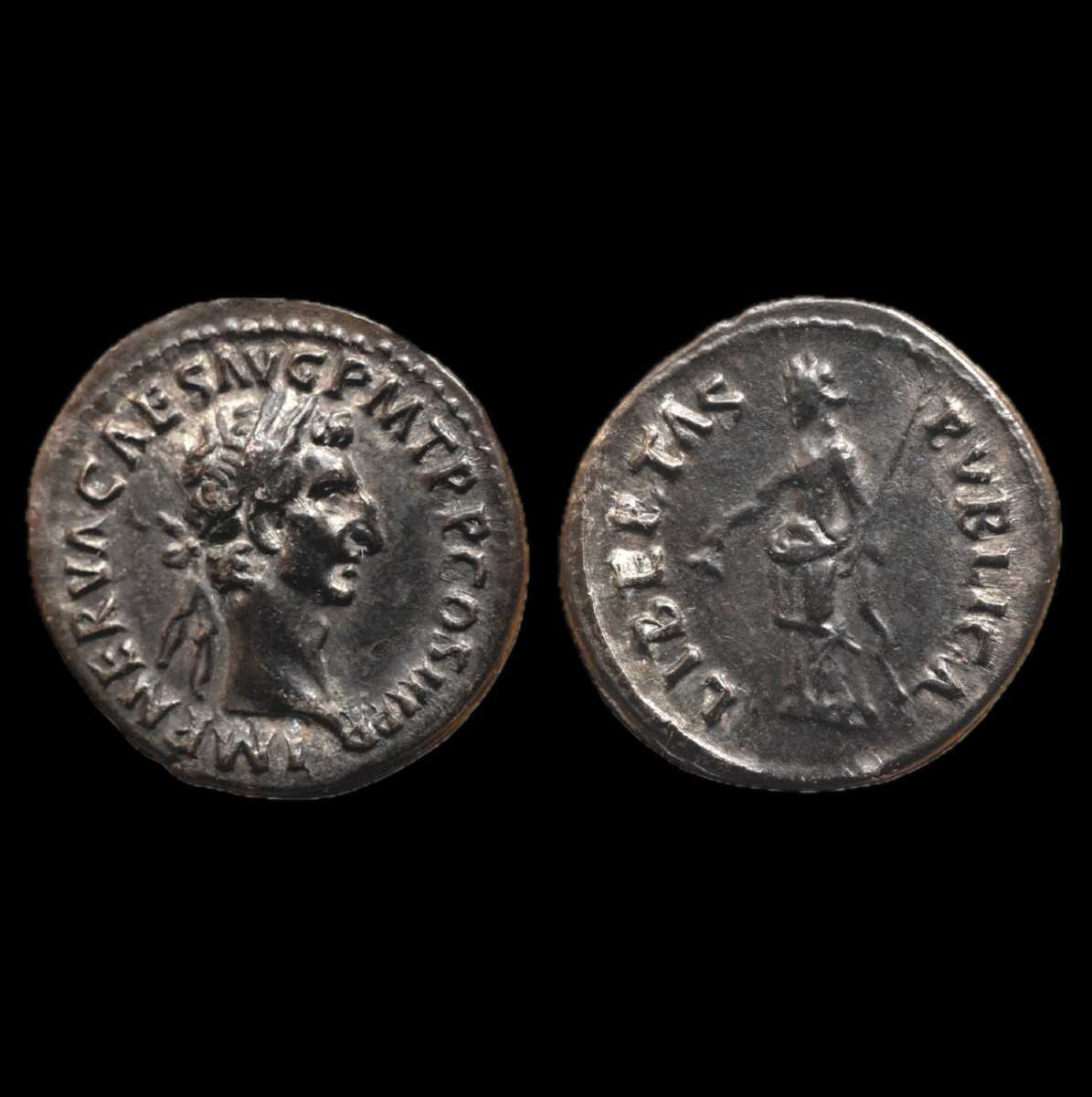
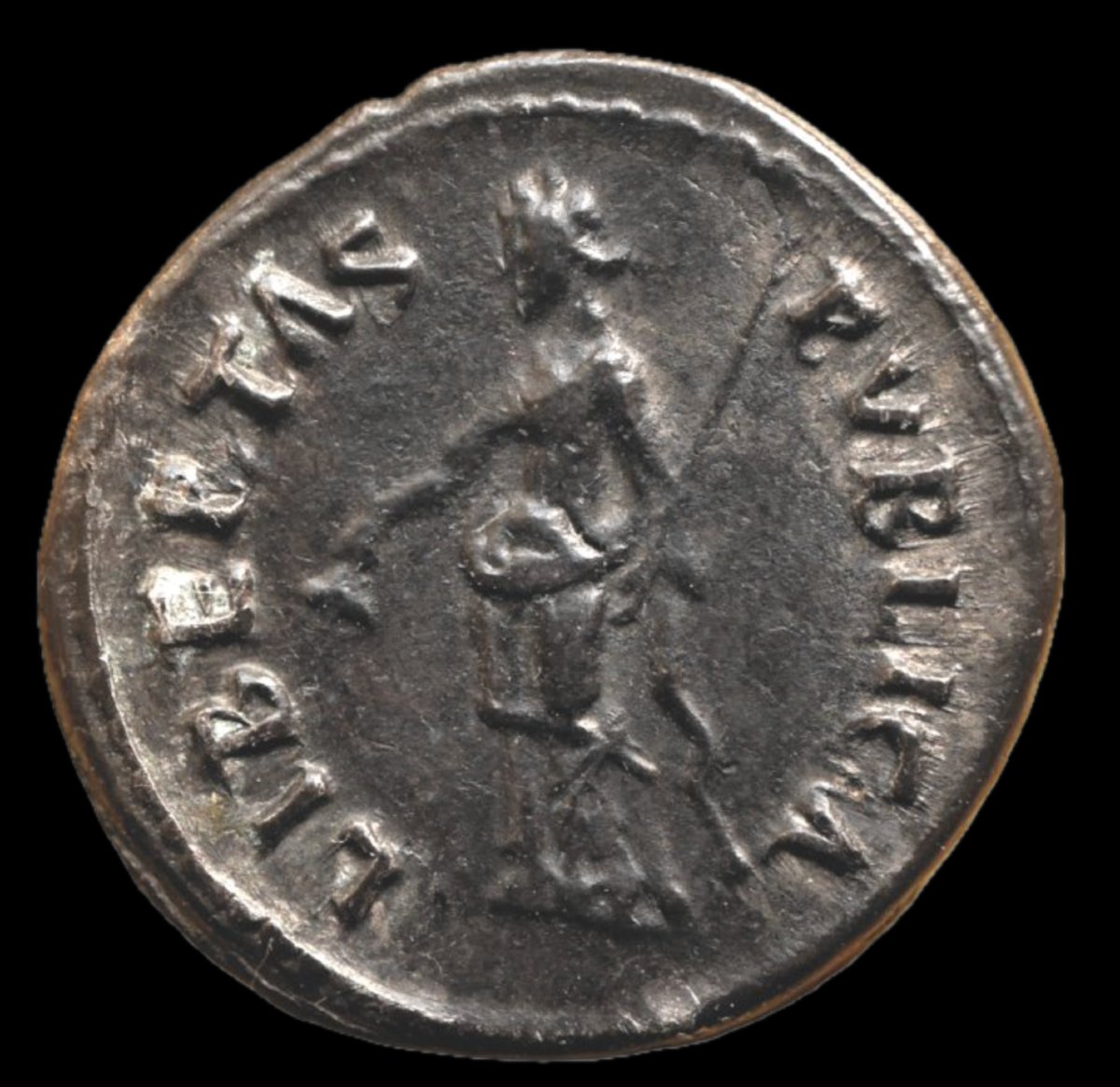
A silver denarius of Nerva, struck at Rome in AD 97, selected for its immediately intelligible symbolic weight and the clarity of its civic message, since the reverse legend LIBERTAS PVBLICA presents Libertas standing, holding the pileus (cap of manumission) and the scepter—an iconography precisely described and easily verifiable in the major collecting references under RIC 19 / BMC 46 / Cohen 113 / CBN 32, allowing the attribution to rest on a published, stable, and verifiable typological basis.
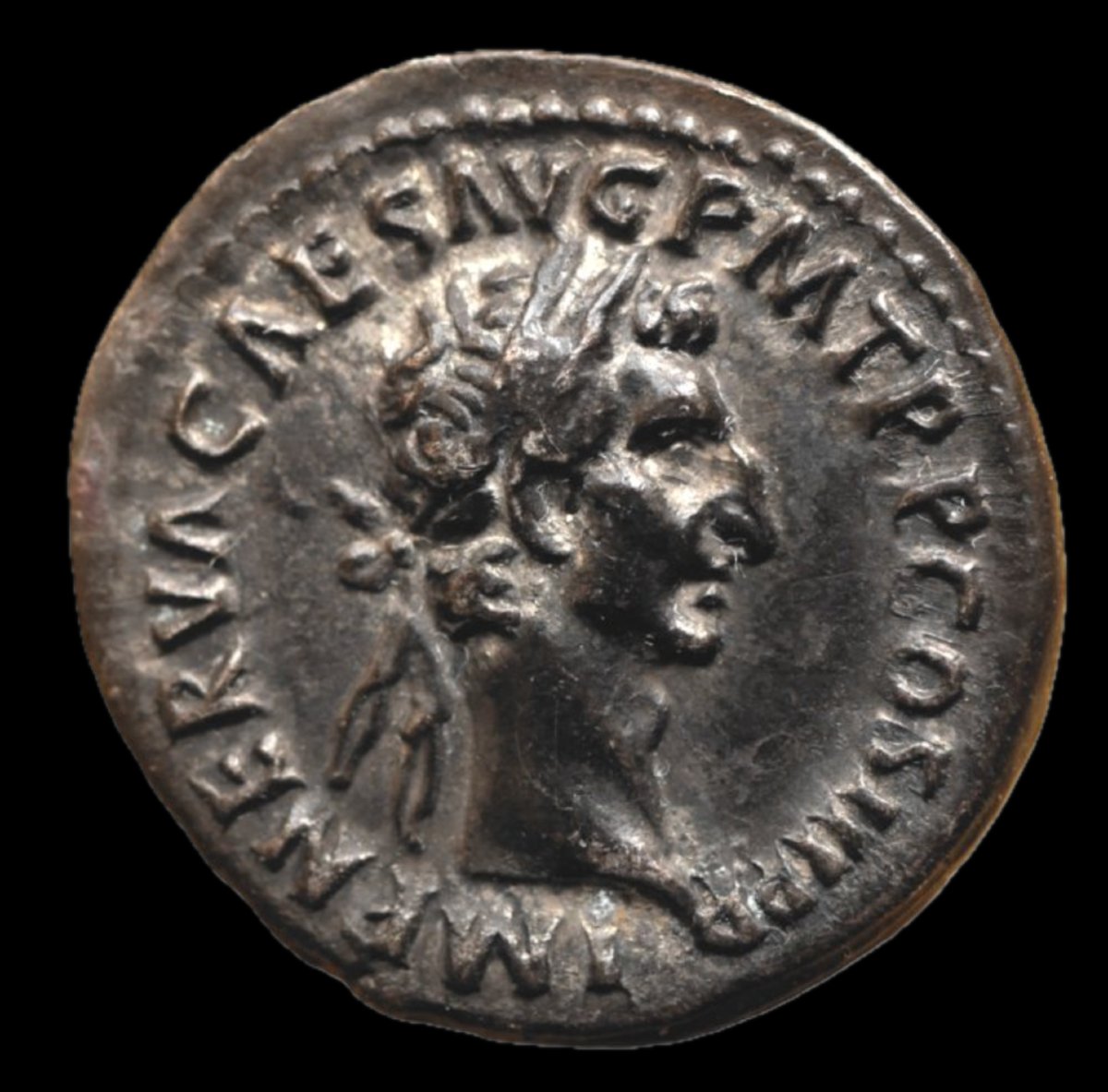
Careful observation under ×10 magnification and raking light: the specimen shows a silver strike with readable relief, a crisp peripheral beading, and a laureate portrait of distinctly Roman presence, while the reverse clearly preserves the two decisive attributes—pileus and scepter—making the reading of the type comfortable and the recognition of the legend LIBERTAS PVBLICA fully consistent with reference descriptions; the whole is on a flan whose slight marginal irregularities remain compatible with the hammer striking characteristic of 1st-century imperial denarii.
SpecificationsAuthority / period: Nerva (AD 96–98).
Mint / date: Rome, 97.
Denomination / metal: Denarius, silver (AR).
Weight / diameter: 3.46 g; 19 mm (as stated).
Obverse (legend / type): IMP NERVA CAES AVG P M TR P COS III P P, laureate head right.
Reverse (legend / type): LIBERTAS PVBLICA, Libertas standing left, holding the pileus and the scepter.
References: C 113; BMC 46; RIC 19; CBN 32.
Historical contextIn the immediate aftermath of Domitian, Nerva builds a legitimacy founded on institutional appeasement and the restoration of a less oppressive civic order, and coinage becomes one of the most direct vehicles of this program, with Libertas Publica serving as a condensed formula to signify—across the Empire—a return to civic guarantees and a tempered authority.
Cultural valueThe reverse is especially eloquent for the collector, because the pileus is not a mere iconographic accessory but the social sign of manumission, traditionally associated with entry into freedom, while the scepter gives that freedom a public, ordered dimension—granting this denarius a natural place in a collection focused on Roman civic virtues, dynastic transitions, or coinages where the political message is readable at a glance.
Traceability & guaranteesThe provenance is European, from an established numismatic dealer, and the acquisition was carried out through a specialized international transaction, conducted within a recognized numismatic network and validated to the highest standards of the art and heritage market; the attribution rests on a strict, verifiable concordance of legends and types with RIC 19 / BMC 46 / Cohen 113, as consistently cited in numismatic catalogues and archives.
Each specimen is examined, described, and accompanied by a certificate of authenticity consistent with the standards of the art and heritage market, this notice deliberately limiting itself to observable and documented elements so that the collector’s confidence is grounded on a controllable basis.
Period: Before 16th century
Style: Rome and Antic Greece
Condition: Good condition
Reference (ID): 1722168
Availability: In stock