


Antoninianus Libertas Avgg Of Trebonianus Gallus — Certificate Of Authenticity
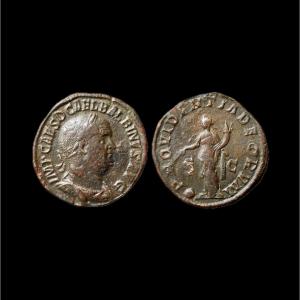
This antoninianus in the name of Trebonianus Gallus (AD 251–253), struck at Rome and classified as RIC IV.3, 39 (OCRE ric.4.tr_g.39), is among the most sought-after issues of the reign thanks to its reverse legend LIBERTAS AVGG. The reverse depicts Libertas leaning on a column, holding the pileus (the emblem of manumission) and a transverse scepter—a highly legible political iconography, firmly recorded in standard corpora.
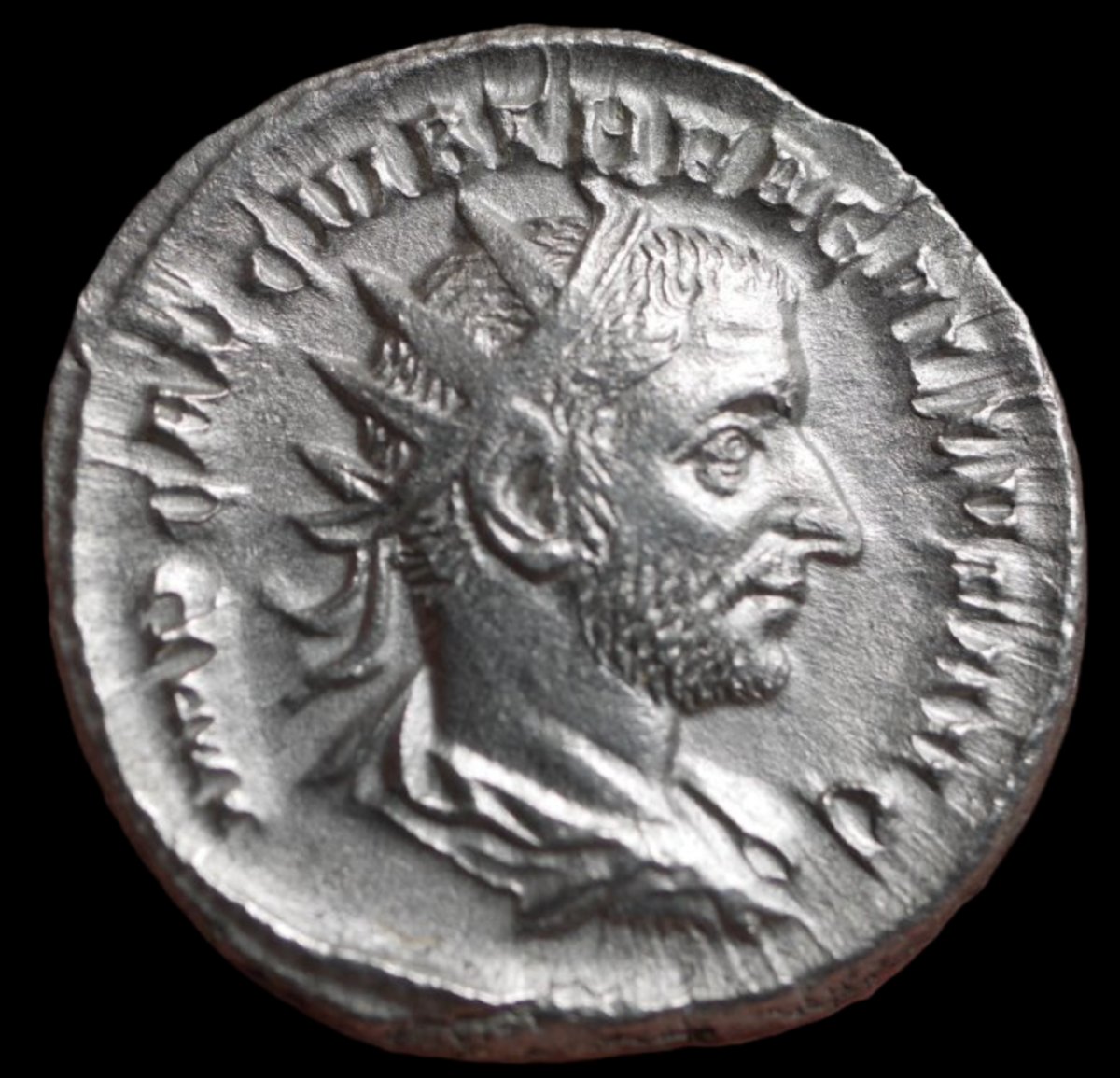
Careful observation under ×10 magnification and raking light (from the photographs): the coin is struck on a flan that is overall well rounded, with a lively edge and minor peripheral weaknesses typical of ancient hammer striking. The surface shows a uniform silver-gray tone with a gentle satin sheen, plus fine micro-striations and contact marks consistent with ancient circulation. The relief catches the light strongly: on the obverse, the radiate crown stands out with readable rays, and the facial volumes (eye, nose, beard) remain well structured; on the reverse, the column, pileus, and scepter are clearly separated in the field. Within the strict limits of non-destructive visual assessment, the overall coherence (metal, strike structure, lettering style, and relief logic) fully accords with the reference type.
ObverseThe obverse presents the radiate, draped and cuirassed bust right, with an energetic portrait: short beard, well-set cheekbone and jawline, and a clear reading of the neck and shoulder armor/drapery planes. The legend IMP CAE C VIB TREB GALLVS AVG can be followed widely around the circumference; centering appears favorable, and the letter cutting remains crisp, supporting quick and confident identification.
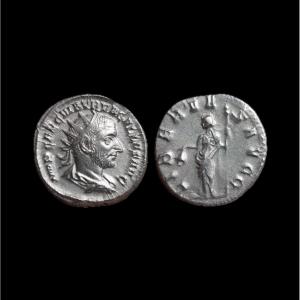
ReverseThe reverse bears LIBERTAS AVGG: Libertas standing left, legs crossed, leaning on a column, holding the pileus in the right hand and a transverse scepter. The composition is very readable in the images: the column forms the vertical axis, the pileus appears as a small raised “cap” above the hand, and the scepter crosses the field in the characteristic manner. The whole matches point-for-point the standardized description of RIC 39.
SpecificationsAuthority: Trebonianus Gallus (251–253)
Denomination: Antoninianus (AR)
Mint: Rome
Obverse: IMP CAE C VIB TREB GALLVS AVG — radiate, draped and cuirassed bust right
Reverse: LIBERTAS AVGG — Libertas standing left, leaning on column, holding pileus and transverse scepter
References: RIC IV.3, 39; Sear 67; OCRE ric.4.tr_g.39
Weight: 4.06 g
Diameter: 21 mm
Trebonianus Gallus’ reign sits at the heart of the 3rd-century crisis: military pressures, usurpations, and external threats. Standard historical syntheses note that the emperor was ultimately killed by his own troops during the crisis triggered by the elevation of Aemilian in AD 253.
Within the same chronological horizon, modern scholarship also highlights that the earliest testimonies of the “Plague of Cyprian” appear precisely under Gallus, helping to illuminate the atmosphere of instability to which contemporary coin messages responded.
The LIBERTAS AVGG reverse condenses a powerful Roman symbol set: Libertas is classically linked to the pileus, the cap given to freed slaves and later adopted as a clear emblem of freedom. Coinage extends this political language by making it visible and widely circulating.
For collectors, the appeal is twofold: a radiate portrait highly representative of the antoniniani of AD 251–253, and a strongly “thematic” reverse among the most expressive of the reign, easily documented through corpus references and the OCRE identifier.
In accordance with our practices, each specimen is examined, described, and accompanied by a certificate of authenticity consistent with the standards of the art and heritage market; the study is conducted under ×10 magnification and raking light, relying on non-destructive technical criteria (typological coherence, legend reading, strike structure, engraving style, and surface assessment within observable limits).
The provenance is professional European; the acquisition forms part of a specialized international transaction carried out within a recognized numismatic network and validated by expertise.
Secure shippingFrance: Colissimo, with signature and insurance (€20).
Abroad: UPS, with signature and insurance (€35).
We accept: Cheque (shipment after effective receipt of funds) • Bank transfer • Payment link (CB, Visa, Mastercard, American Express, Apple Pay).
Sales restriction — United StatesWe do not sell to the United States due to import requirements applicable to cultural goods, specific customs controls, and related insurance constraints.
Period: Before 16th century
Style: Rome and Antic Greece
Condition: Good condition
Reference (ID): 1716327
Availability: In stock