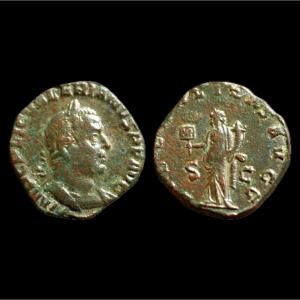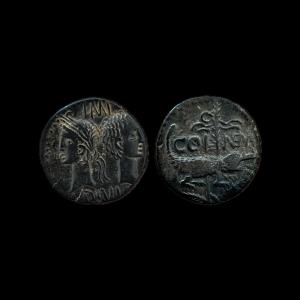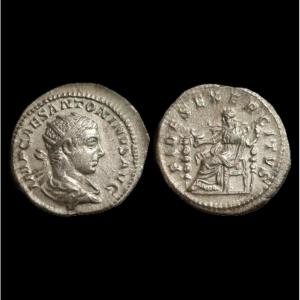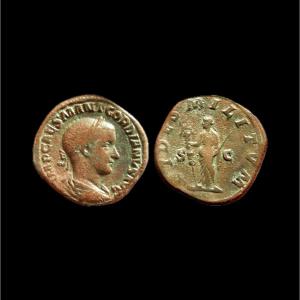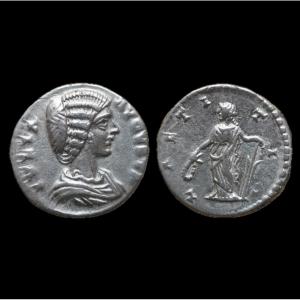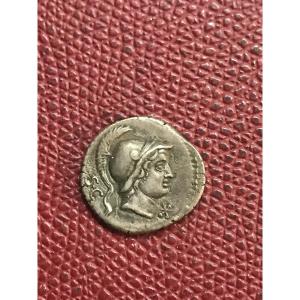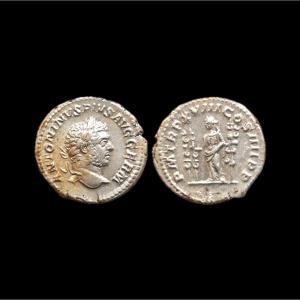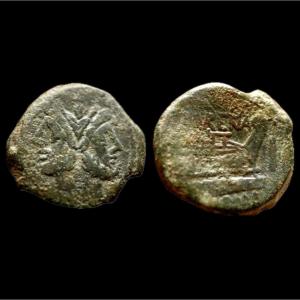


Germanicus Dupondius “signis Recept Devictis Germ” — Rome — Certificate Of Authenticity
COIN AVAILABLE — THE DIFFERENT PAYMENT METHODS ARE LISTED AT THE END OF THE DESCRIPTION.
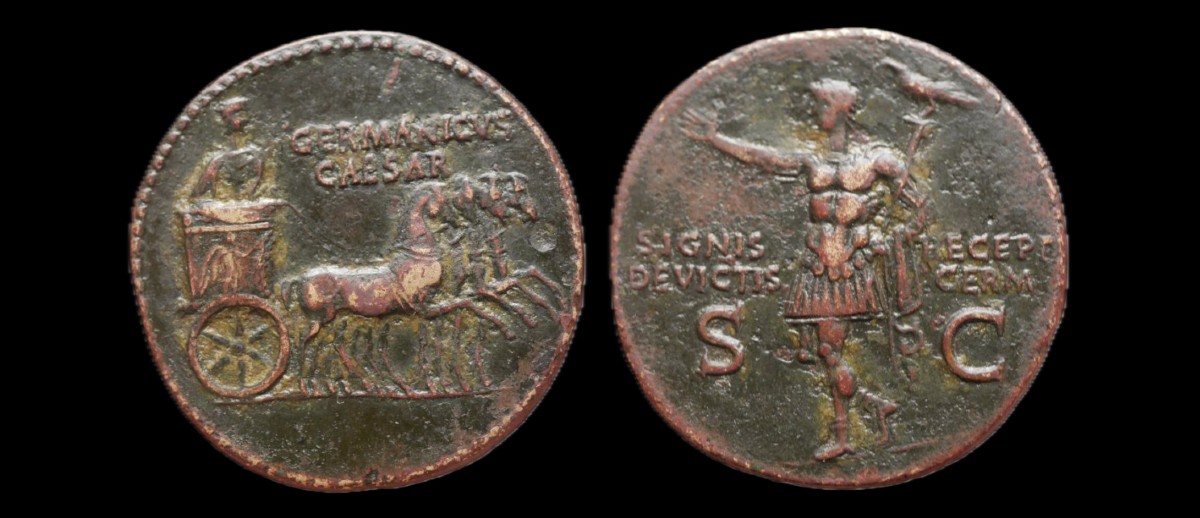
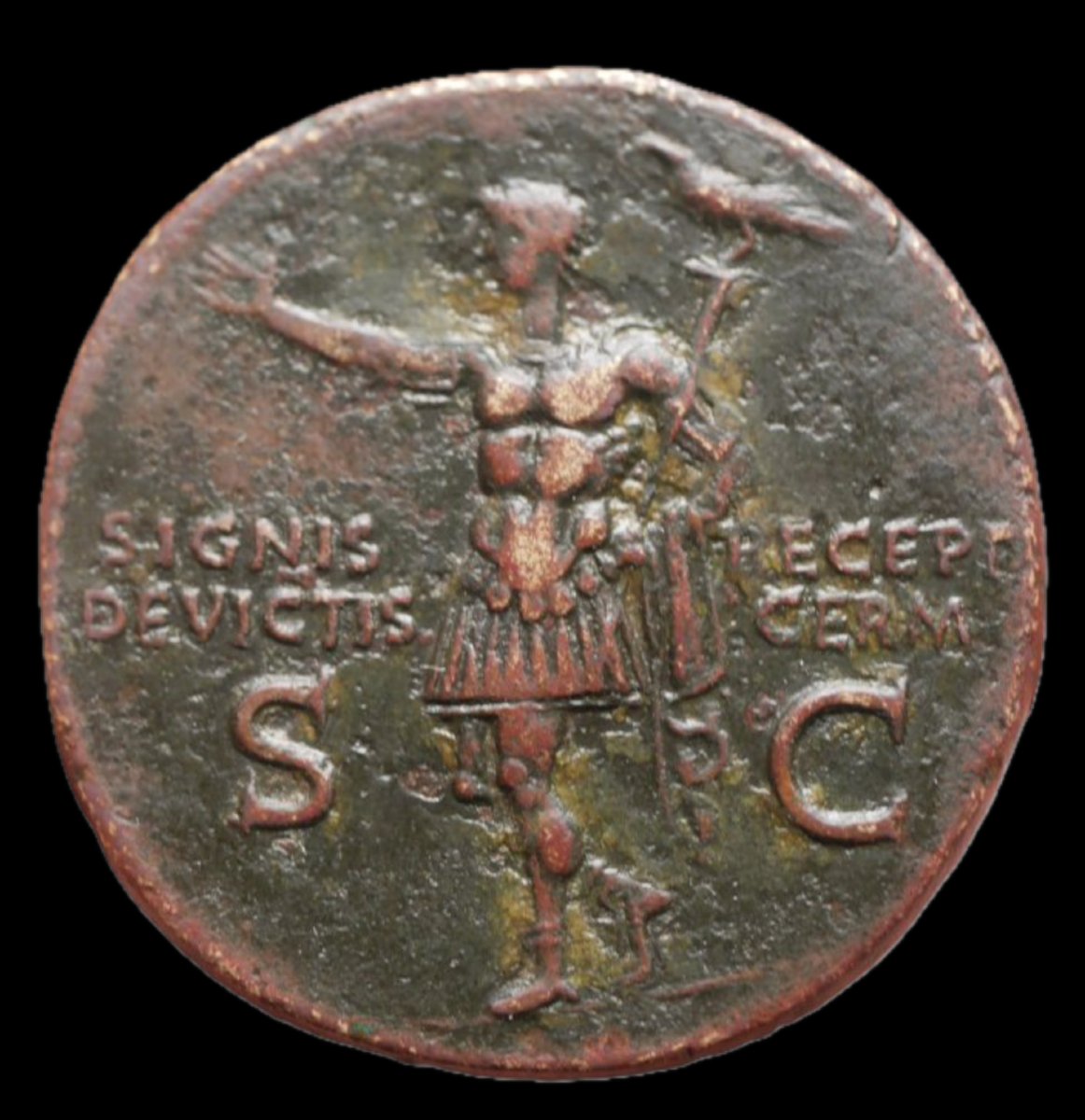
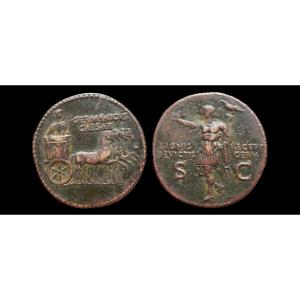
Analysis & expertiseThis dupondius of Germanicus, struck at Rome under the reign of Caligula (AD 37–41), corresponds to the type recorded as RIC 57 (Gaius); BMCRE 93–100 (Caligula); BN 140–51 (Caligula). Its paired scenes—triumph in a quadriga on the obverse and the recovery of the standards on the reverse with S C in the field—fit squarely within the Julio-Claudian commemorative tradition celebrating the memory and victories of the prince.
Close examination with a ×10 loupe and raking light: a methodical review of the photographs—edge, fields, relief, and legends—shows a broad bronze flan of a size consistent with a dupondius, with a nuanced brown-green patina and areas of stabilized copper oxidation visible on the surface, notably in the recesses of the relief and around the lettering, a phenomenon consistent with long-term preservation and extended circulation.
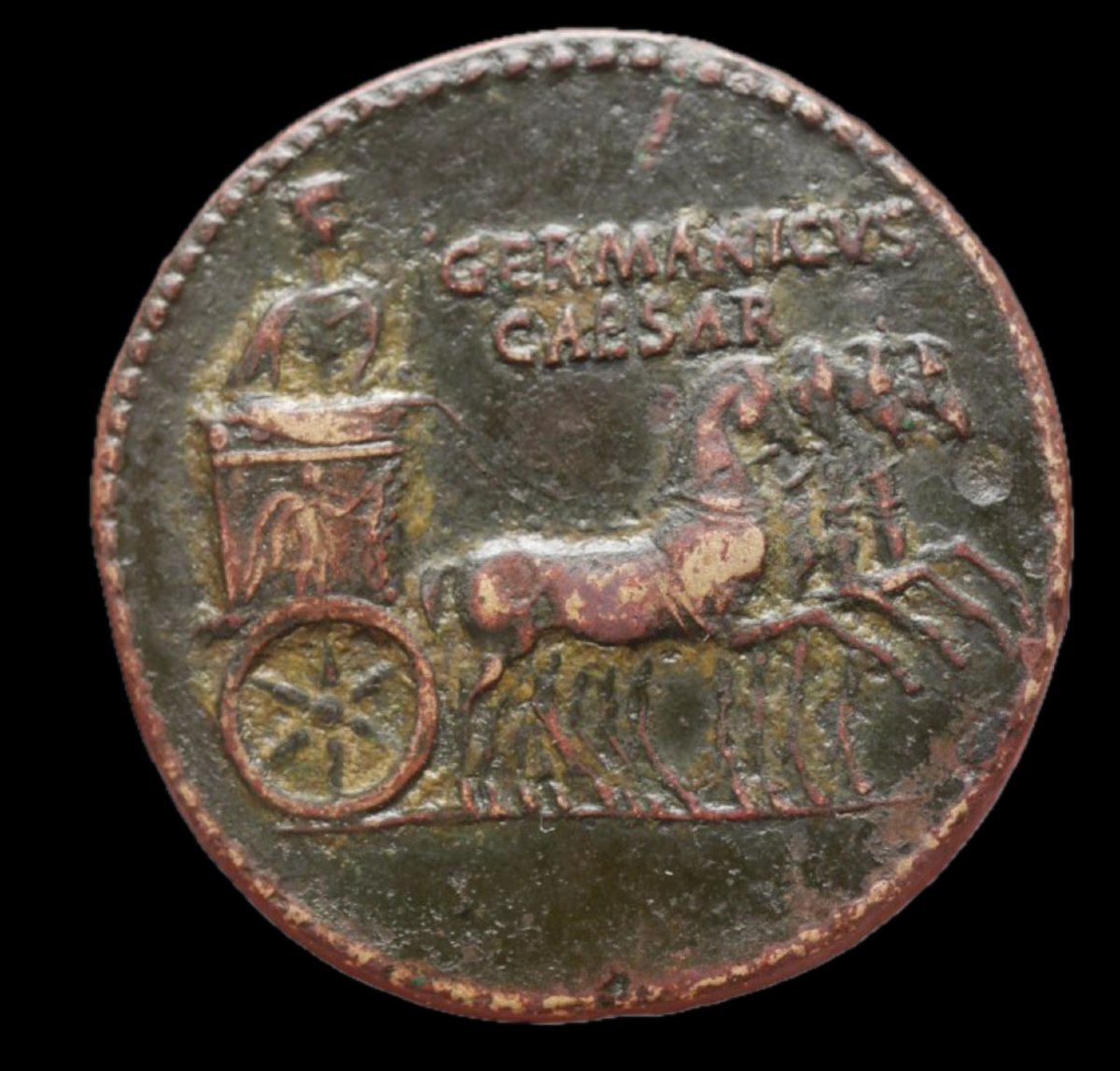
On the obverse, the triumphal scene remains readable: GERMANICVS CAESAR, Germanicus, bareheaded and draped, standing right in a chariot, holding an eagle-tipped sceptre and the reins in the left hand, driving a quadriga to the right. The chariot, decorated with a figure of Victory advancing right, remains identifiable despite wear on the highest relief, while the surrounding legend is overall intelligible, with localized weakening of certain letters at the edge.
On the reverse, the type SIGNIS RECEPT DEVICTIS GERM is discernible: Germanicus, bareheaded, wearing cuirass and short tunic, standing left, right leg bent at the knee and drawn back behind the left, with cloak over the left arm in which he cradles an aquila, and extending the right hand in a gesture of authority. The letters S – C appear across the fields, in keeping with senatorial issues of the large bronzes, and the composition remains structured despite wear and patina variation.
SpecificationsAuthority: Germanicus (issue under Caligula)
Denomination / metal: Dupondius, Æ
Mint: Rome
Date: AD 37–41
Weight / diameter: 13.13 g; 30 mm
Obverse: GERMANICVS CAESAR, Germanicus, bareheaded and draped, standing right in chariot, holding eagle-tipped sceptre and reins in left hand, driving triumphal quadriga right; chariot decorated with figure of Victory advancing right.
Reverse: SIGNIS RECEPT DEVICTIS GERM, Germanicus, bareheaded, wearing cuirass and short tunic, standing left, right leg bent at knee and drawn back behind left, with cloak over left arm in which he cradles an aquila, and extending right hand in gesture of command; S-C across fields.
References: RIC 57; BMCRE 93–100; BN 140–51
This issue belongs to Caligula’s politics of memory. By honoring Germanicus—a popular military figure and a prominent member of the Julio-Claudian dynasty—the imperial regime anchors its legitimacy in the continuity of successes against the Germans. The recovery of lost standards and the celebration of the triumph become, here, an iconographic language serving dynastic memory and political cohesion.
Cultural valueFor collectors, this dupondius offers the distinctive appeal of a large imperial bronze with a strong symbolic charge, combining triumph, recovery of the standards, and a gesture of authority. The whole illustrates how Roman coinage becomes a medium for historical narrative and dynastic propaganda, presenting a piece in which metal, patina, and iconography directly engage with the history of Roman power.
Traceability & guaranteesEach specimen is examined, described, and accompanied by a certificate of authenticity consistent with the standards of the art and heritage market. The study is conducted with close observation under a ×10 loupe and raking light. Provenance is European, sourced from an established numismatic dealer, and the acquisition stems from a specialized international transaction carried out within a recognized numismatic network and validated by reference experts, according to the highest standards of the art and heritage market.
Payment termsFor payment methods, please send us a message providing the location as well as the delivery address.
If in France: shipment via Colissimo with signature and insurance (€20).
If abroad: shipment via UPS with signature and insurance (€35).
We accept cheques (France only), but shipment is made after receipt of the funds.
We accept bank transfers; simply ask us for our bank details.
We can also send you a bank payment link (cards accepted: CB, Visa, Mastercard, American Express, Apple Pay).
We do not sell to the United States; this limitation is motivated by the complexity of import requirements applicable to cultural goods, the variability of customs controls, and the insurance and liability constraints attached to the international transport of heritage objects, within which we prioritize compliance and shipping channels whose traceability remains fully controlled.
Period: Before 16th century
Style: Rome and Antic Greece
Condition: Good condition
Reference (ID): 1709505
Availability: In stock