

Geta Denarius “minerva Sancta” — Certificate Of Authenticity
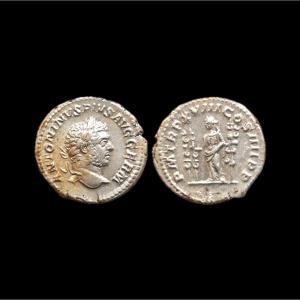
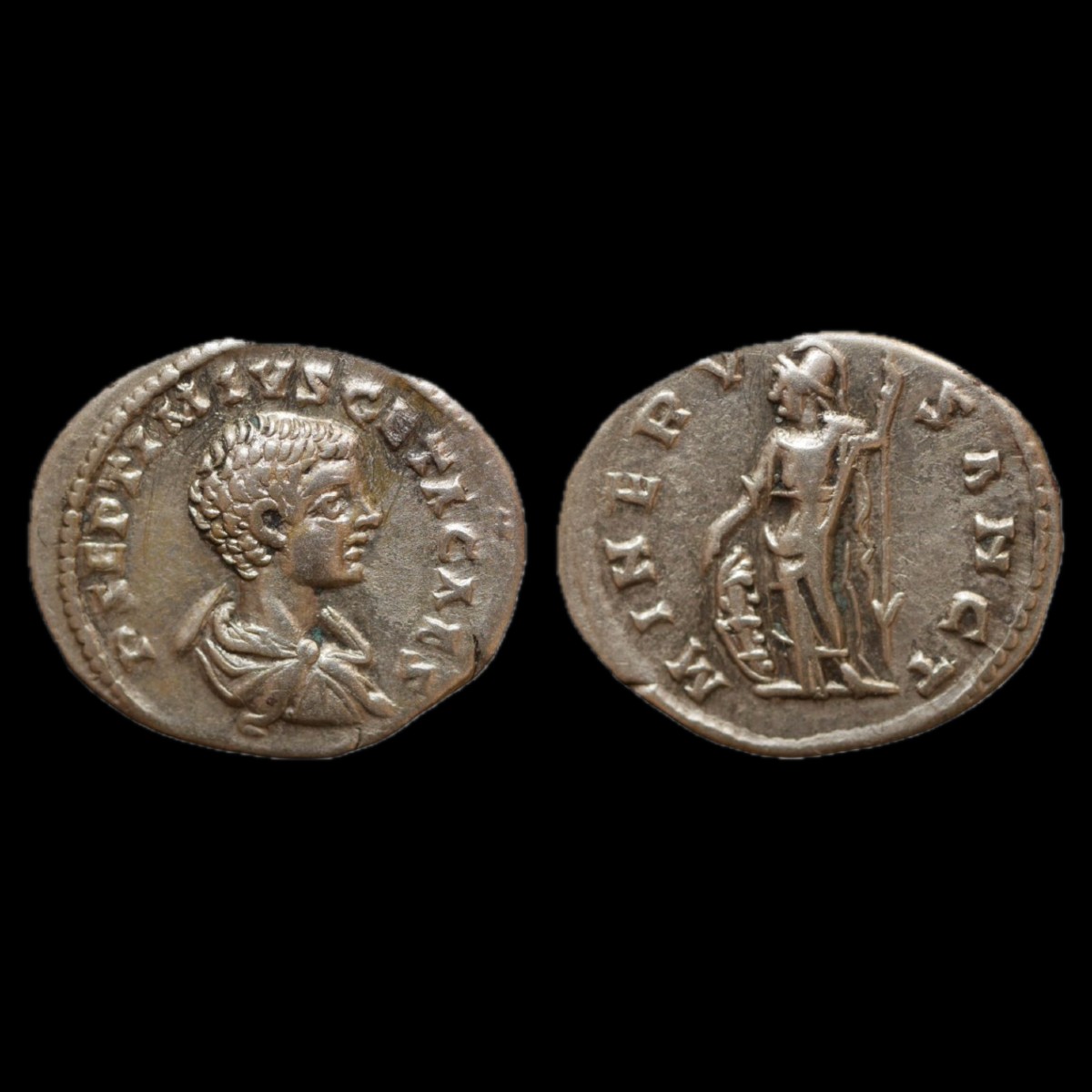
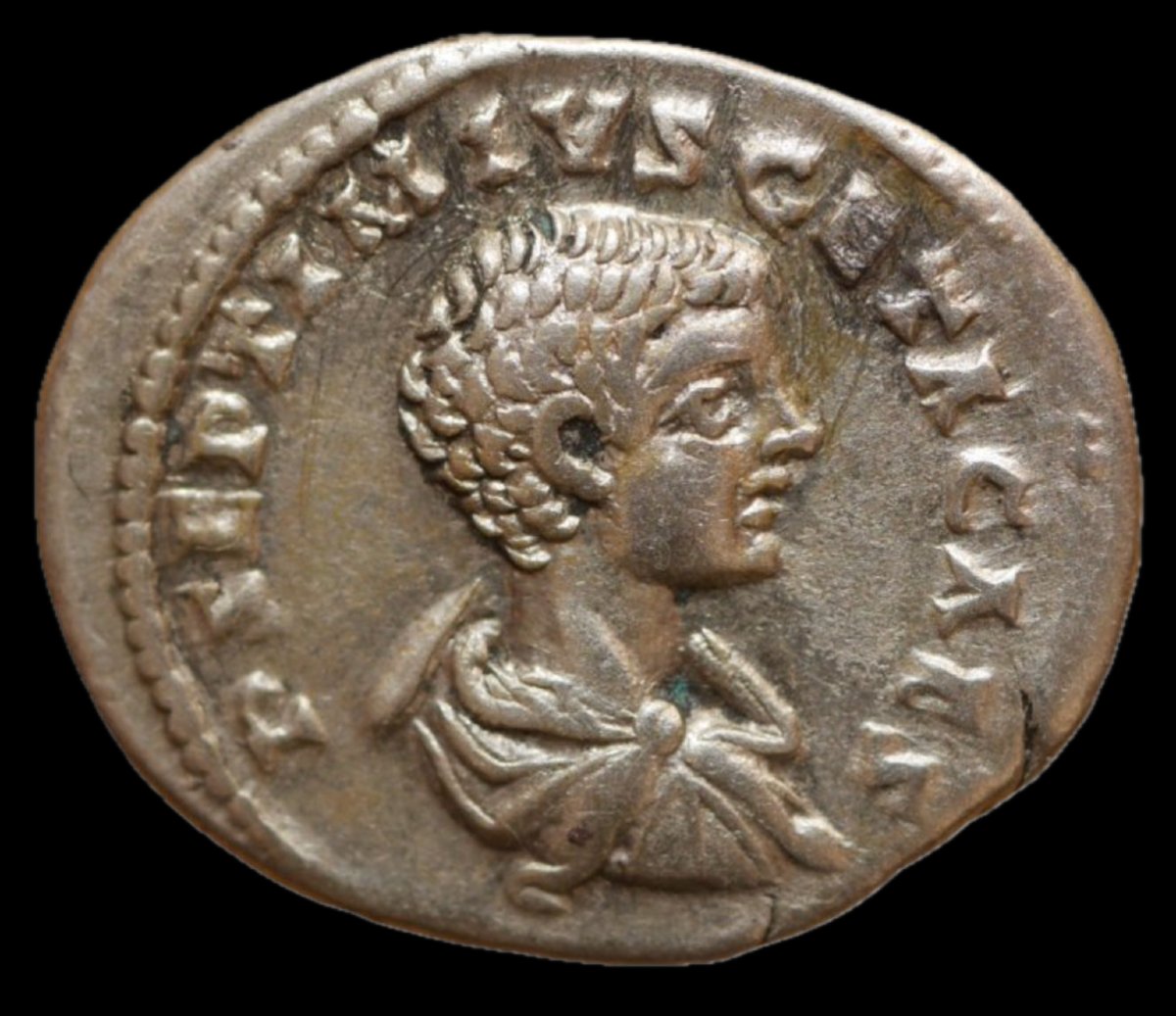
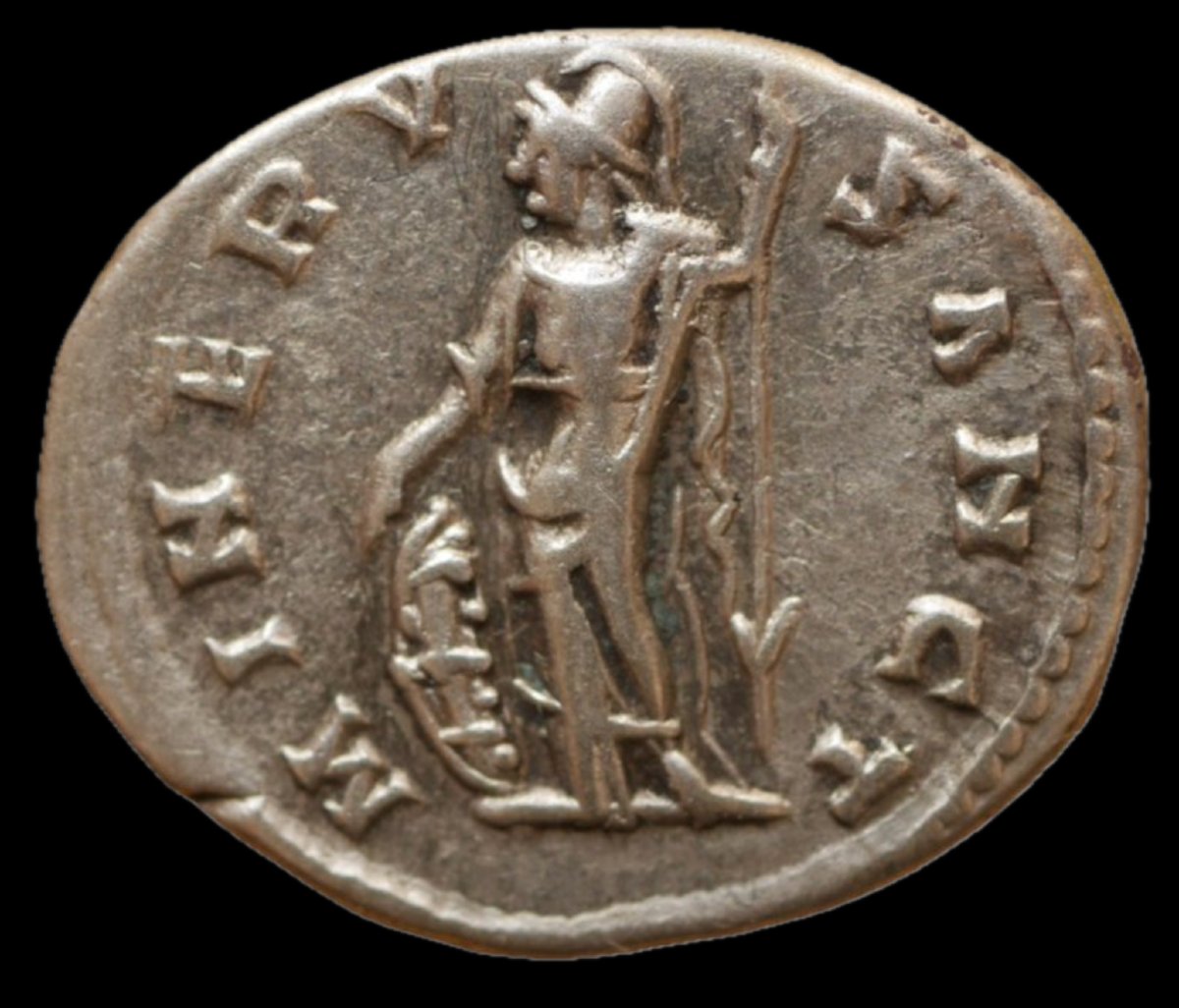
A silver denarius of Geta, Caesar, attributed to the mint of Laodicea ad Mare and dated to around AD 202, a piece particularly sought after by collectors of the Severan dynasty for its eastern issue, its highly characteristic youthful portrait, and a “Sancta” Minerva reverse whose iconography, immediately legible, can be linked with certain concordance to the major corpora under RIC IV 105a / BMC 750 / Cohen 83 var.
Careful observation under ×10 magnification and raking light: the examination highlights a regular-module silver flan bordered by a well-present peripheral beading, with nuanced grey toning and small, localized circulation marks; the crispness of the volumes—portrait relief, articulation of the drapery, and readability of the Minerva scene—ensures a stable identification, pleasing to the eye, and fully consistent with the published type.
SpecificationsAuthority / status: Geta, Caesar (AD 198–209).
Mint: Laodicea ad Mare.
Denomination / metal: Denarius, silver (AR).
Diameter / weight: 19 mm; 3.42 g (as stated).
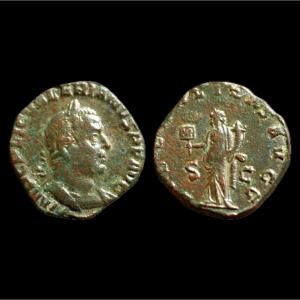
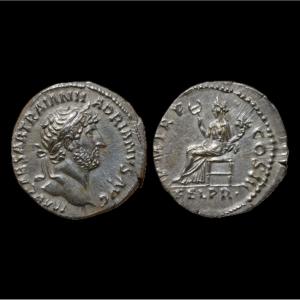
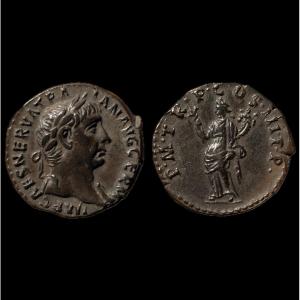
Obverse (type and legend): P SEPTIMIVS GETA CAES, bare-headed, draped and cuirassed bust right, with a portrait construction in which the short, curly hair, the nose line, and the cut of the chin read with clarity, and in which the shoulder shows the expected arrangement between drapery and equipment.
Reverse (type and legend): MINERV SANCT, helmeted Minerva standing facing, head turned left, right hand resting on a shield set on the ground, holding in the left a reversed spear, a highly typified composition that gives this issue its full “classical” strength.
References: RIC IV 105a; BMC 750; Cohen 83 var. (variant noted depending on bust treatment in certain notices).
Historical contextLaodicea ad Mare, a provincial mint active under Septimius Severus, produced a silver coinage whose style—more incisive and often more “nervous” than certain strictly Roman strikes—served to disseminate the image of the young Caesar across the imperial East; the choice of Minerva, guarantor of discipline, prudence, and measured victory, places the princely figure within a language of serene authority, in which military virtue presents itself as protection rather than threat.
Cultural valueWithin a Severan cabinet, this denarius holds a choice place, because it pairs a portrait of Geta still as Caesar—a period especially appreciated for the finesse of the effigies—with a reverse of great legibility, and because it belongs to a Laodicea issue regularly noted as less common in certain sale groupings, a factor that enhances select appeal without ever sacrificing typological clarity.
Traceability & guaranteesThe provenance is European, from an established numismatic dealer, and the acquisition was made via a specialized international transaction, conducted within a recognized numismatic network and validated to the highest standards of the art and heritage market; the attribution rests on concordance of legends and iconographic details with RIC 105a / BMC 750 / Cohen 83 var., as described in published references and comparanda.
Each specimen is examined, described, and accompanied by a certificate of authenticity consistent with the standards of the art and heritage market, the description remaining strictly grounded in observable elements and consultable reference works, so that the collector’s confidence rests on a fully verifiable basis.
Period: Before 16th century
Style: Rome and Antic Greece
Condition: En l'etat
Reference (ID): 1721419
Availability: In stock