




Fragment Of Roman Imperial Porphyry Sculpture – Antiquity, Archaeology, Egypt, Sculpture
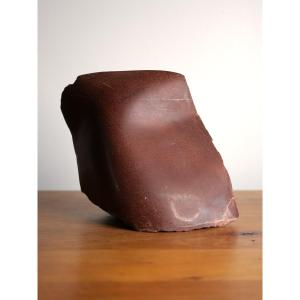
A rare and substantial fragment of Roman sculpture in red porphyry, this prestigious stone, intimately associated with imperial power, ranks among the most distinctive materials used in ancient sculpture.
In Antiquity, porphyry was far more than a stone: it embodied power, majesty and political legitimacy. Its deep purple-red colour, associated with imperial dignity, together with its exceptional hardness, made it a material of extraordinary distinction. Emperors and dignitaries used it for portraits, statues and the decoration of their palaces, as well as for imperial sarcophagi during Late Antiquity.
Imperial porphyry came primarily from an exceptional deposit located in Egypt’s Eastern Desert, at Mons Porphyrites, which was exploited as early as the Ptolemaic period. This remarkable source contributed greatly to the rarity and prestige of the stone, whose extraction and transportation required considerable resources.
It was not until the 18th century that other deposits, particularly in Sweden and Russia, were discovered and exploited. Thus, all porphyry objects dating from before the 18th century were necessarily made from ancient blocks, making this stone a particularly sought-after imperial material whose symbolic and historical significance remains exceptional.
Of volcanic origin, porphyry is an exceptionally hard rock, with a hardness of approximately 7 on the Mohs scale, depending on its mineral composition. This resistance presented a considerable challenge to ancient craftsmen. In the absence of modern tools, roughing out, shaping and polishing required an extraordinarily long and painstaking process, often taking months or even years. Creating a porphyry sculpture therefore demanded exceptional technical skill and considerable resources.
This symbolic significance endured in the Eastern Roman Empire. In Constantinople, the imperial chamber known as the Porphyra, associated with imperial births, gave its name to the porphyrogennetoi, literally meaning “born in the purple”. This title emphasised the legitimacy of their birth and their membership of the ruling dynasty.
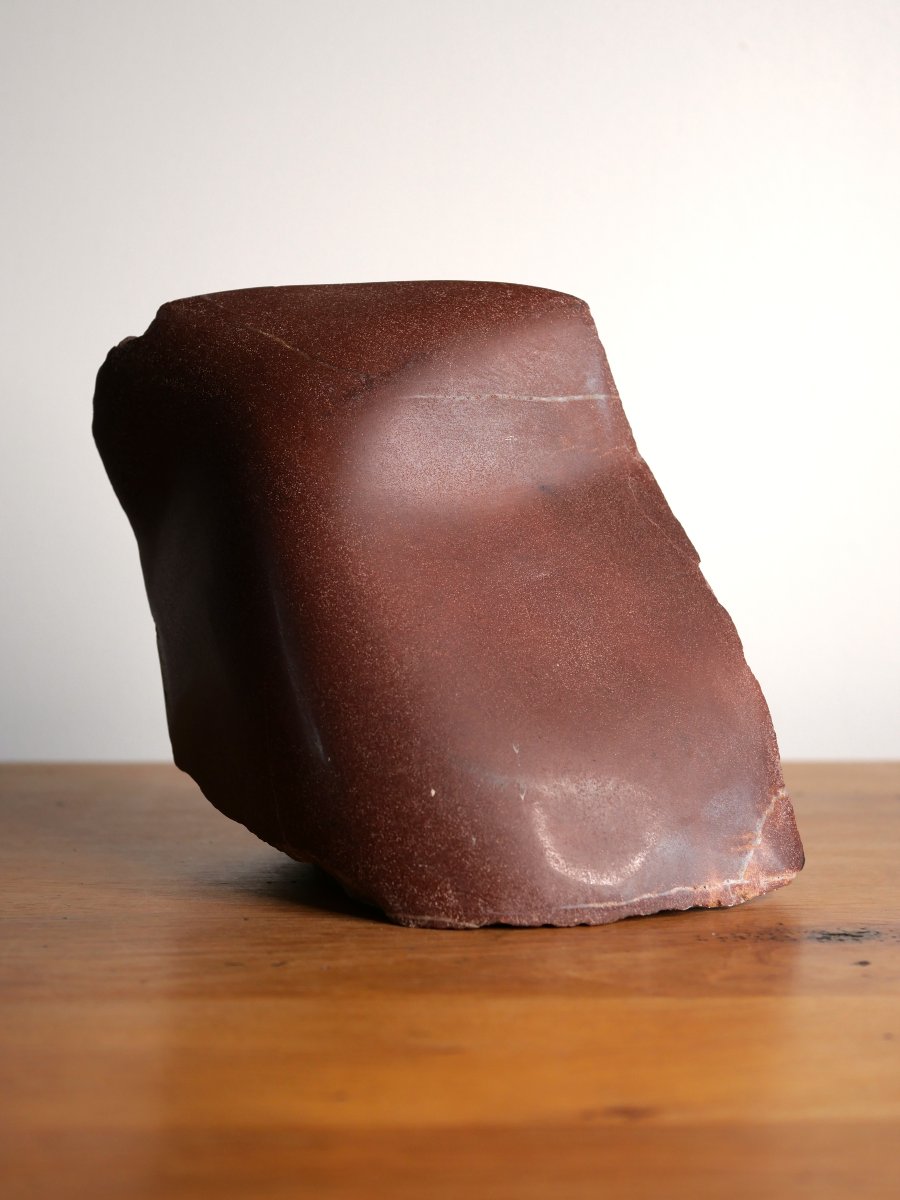
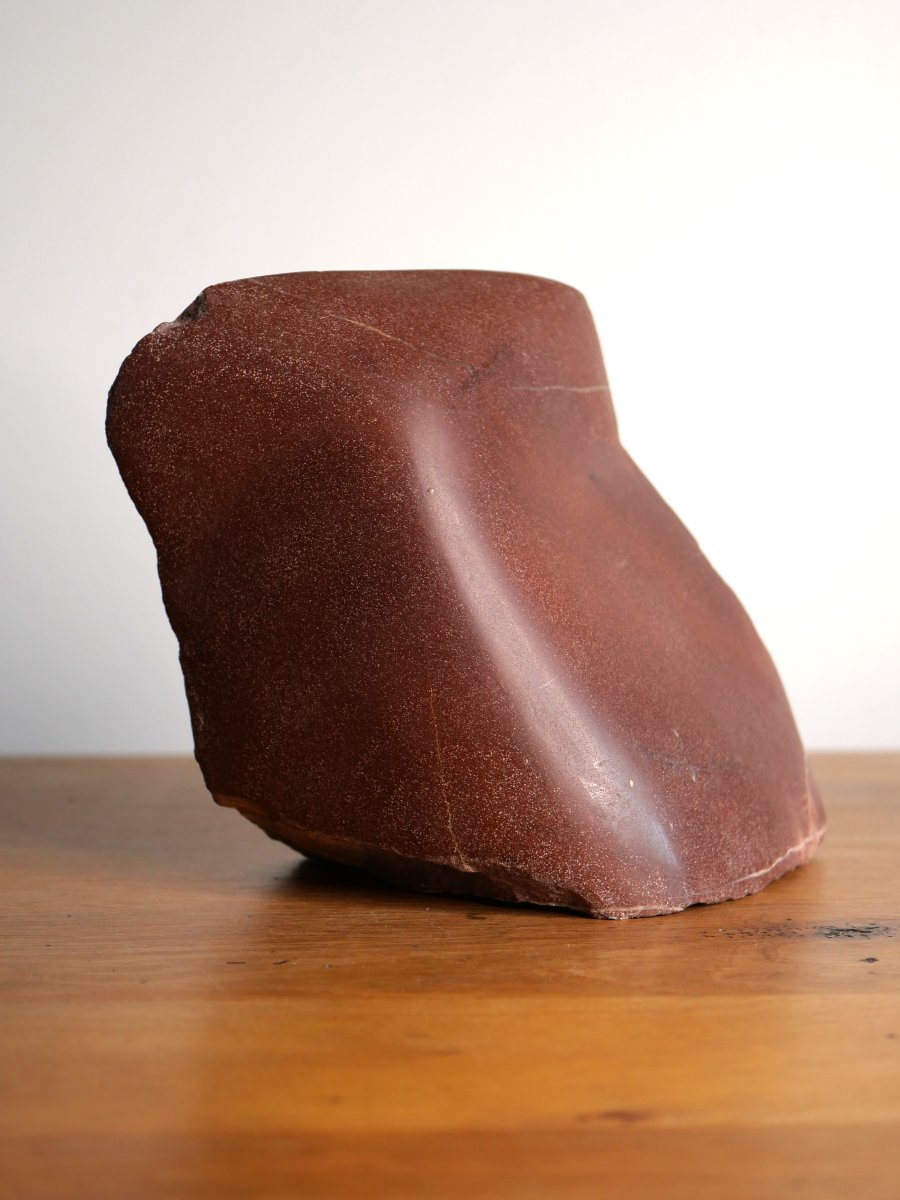
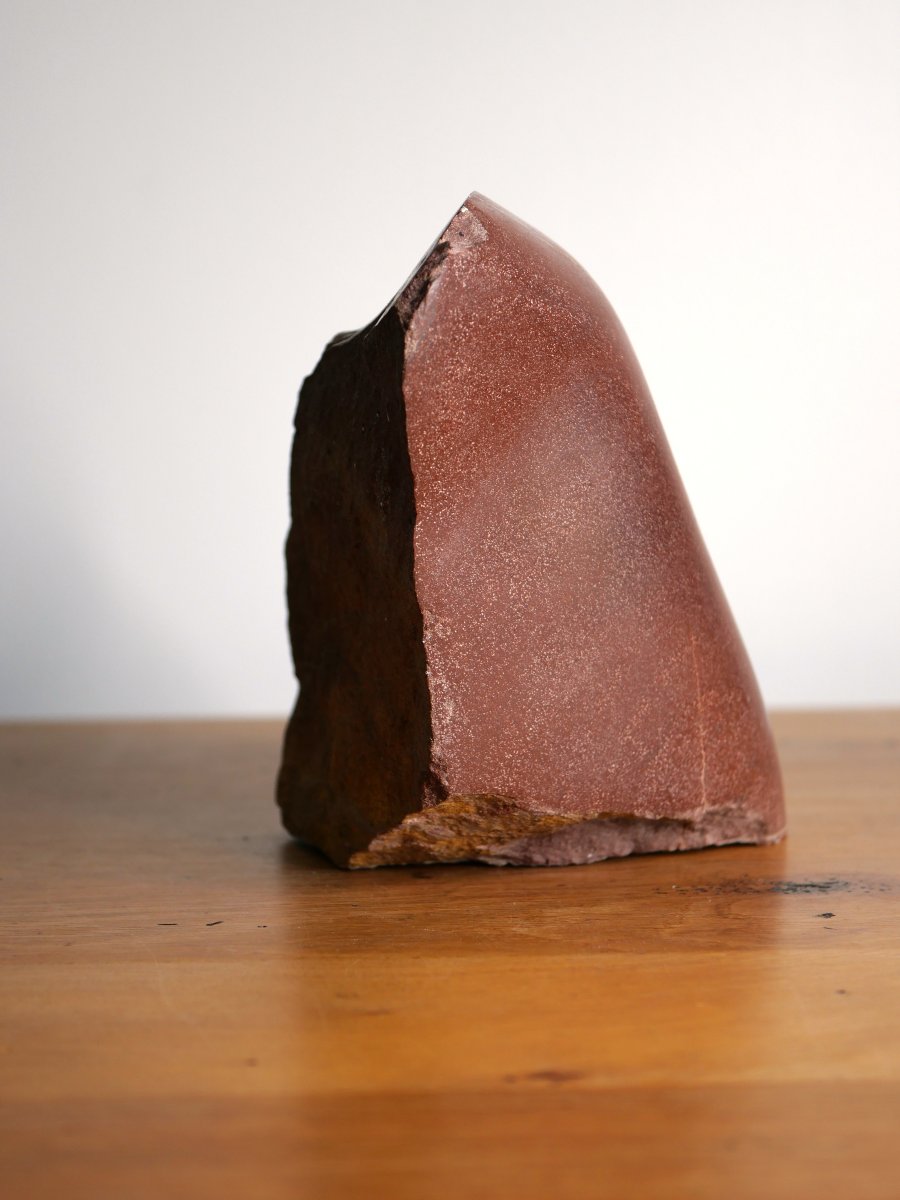
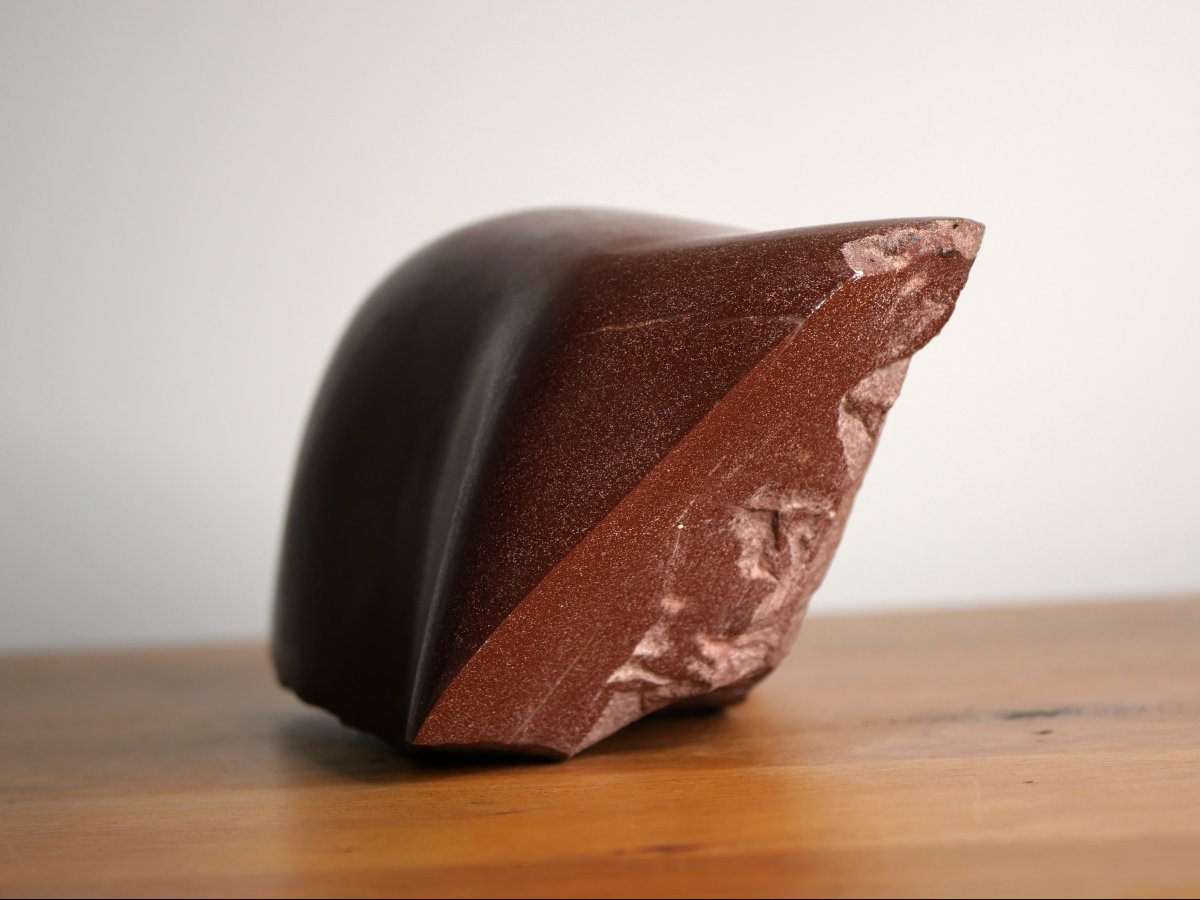
The present fragment, measuring 18 cm in height, retains a fully polished surface on one side, as well as a particularly prominent edge, also polished. Identifying the precise part of the original statue from which it came remains difficult: it cannot be confidently attributed to an anatomical element, a muscular feature or a fold of drapery.
Traces of tool marks can also be observed on the polished surface. These may indicate later intervention or even the deliberate destruction of the original sculpture, although the circumstances cannot be established with certainty.
Despite its fragmentary condition, this piece retains the powerful mineral presence and symbolic significance of one of the most prestigious stones of Antiquity. It is a remarkable testament to Roman sculpture and to the fascination that porphyry exerted over imperial rulers for centuries.
From an old private collection, this fragment formerly belonged to an ambassador from northern France, adding a distinguished private-collection provenance to its archaeological interest.
For further insight into the history and symbolism of this exceptional material, I recommend the catalogue of the Louvre Museum exhibition: Porphyry: The Purple Stone from the Ptolemies to the Bonapartes, 2003–2004.
Dimensions: Height 18 cm.
Price excludes shipping costs.
Police Register Reference: A262
Professional Antique Dealer – Authenticity and Peace of MindAs a professional antique dealer, I am committed to offering only authentic objects, carefully selected and legally available for sale. Each piece is chosen for its historical, aesthetic or collecting interest and undergoes a rigorous assessment of its provenance.
Invoice and traceability. Every purchase is accompanied by a detailed invoice and a certificate of authenticity, providing information about the object's provenance and ensuring complete transparency.
Legal compliance. All objects comply with applicable French and European legislation. Archaeological objects, where applicable, are offered in accordance with the French Heritage Code (Articles L.542-1 et seq.). Objects subject to specific regulations, including cultural property, antiquities and particular materials, are sold in strict compliance with the law.
International buyers. Buyers outside France are invited to check the regulations applicable in their country concerning the importation of cultural property and antiquities.
Right of withdrawal. In accordance with French law (Article L.221-18 of the Consumer Code), you have 14 days from receipt of the item to exercise your right of withdrawal. Return shipping costs are borne by the buyer. The item must be returned in its original condition.
Commitment to quality. Buying from a professional dealer means benefiting from security, transparency and reliability. I remain at your disposal for any further information before purchase.
Period: Before 16th century
Style: Rome and Antic Greece
Condition: Condition of use
Material: Stone
Height: 18 cm
Reference (ID): 1846554
Availability: In stock