

Processional Sun Monstrance In Silver And Ivory – Naples, C. 1799 & 19th Century - Cities
Rare Processional Monstrance / Ostensorium in Silver and Ivory – Naples, c. 1799 & 19th Century
General Description
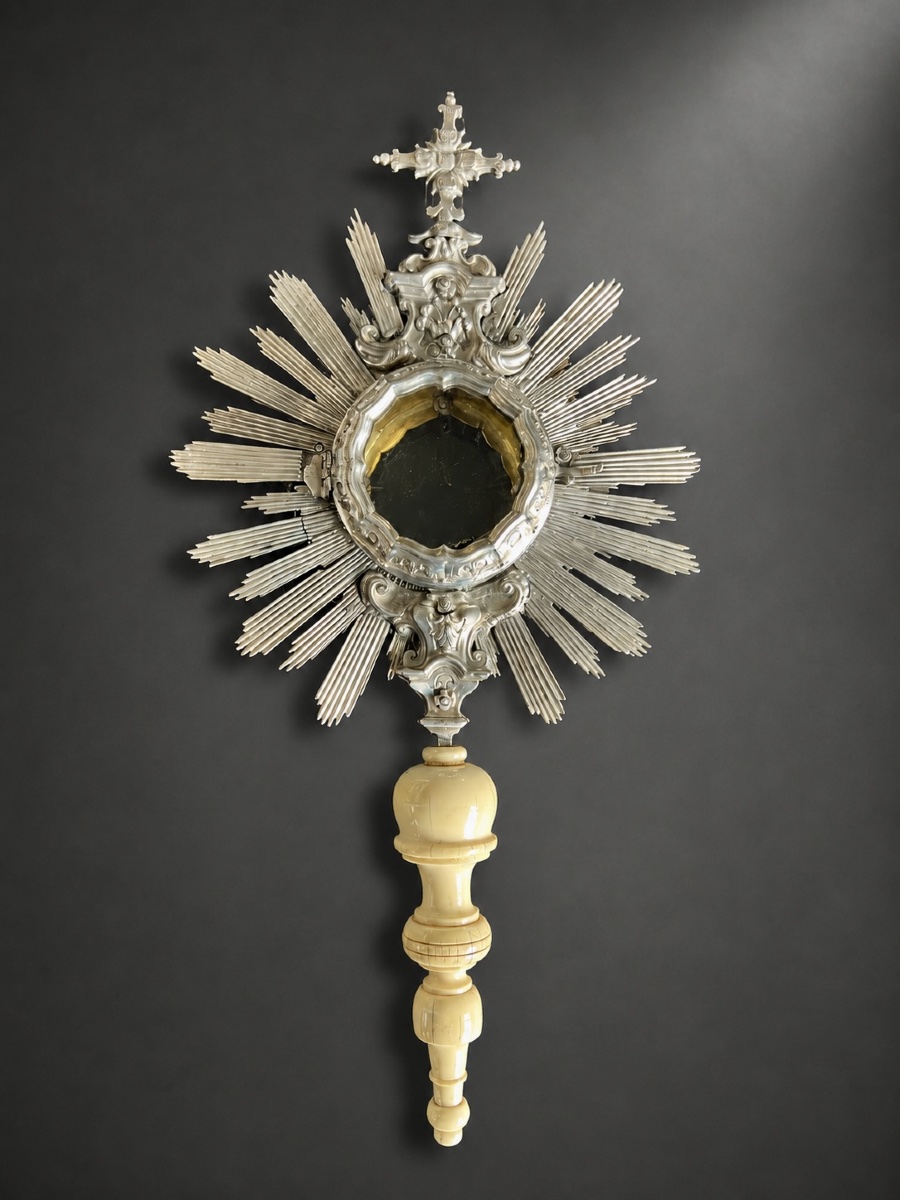
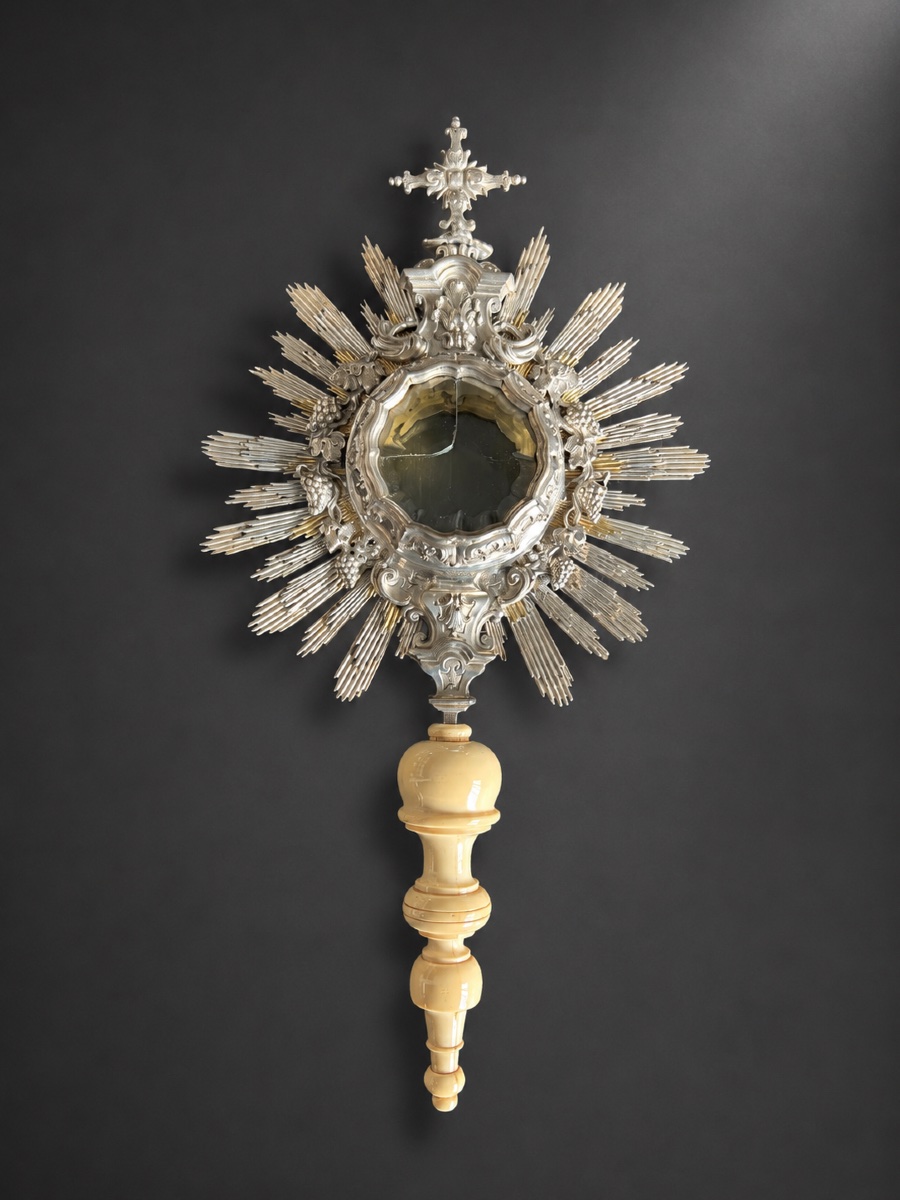
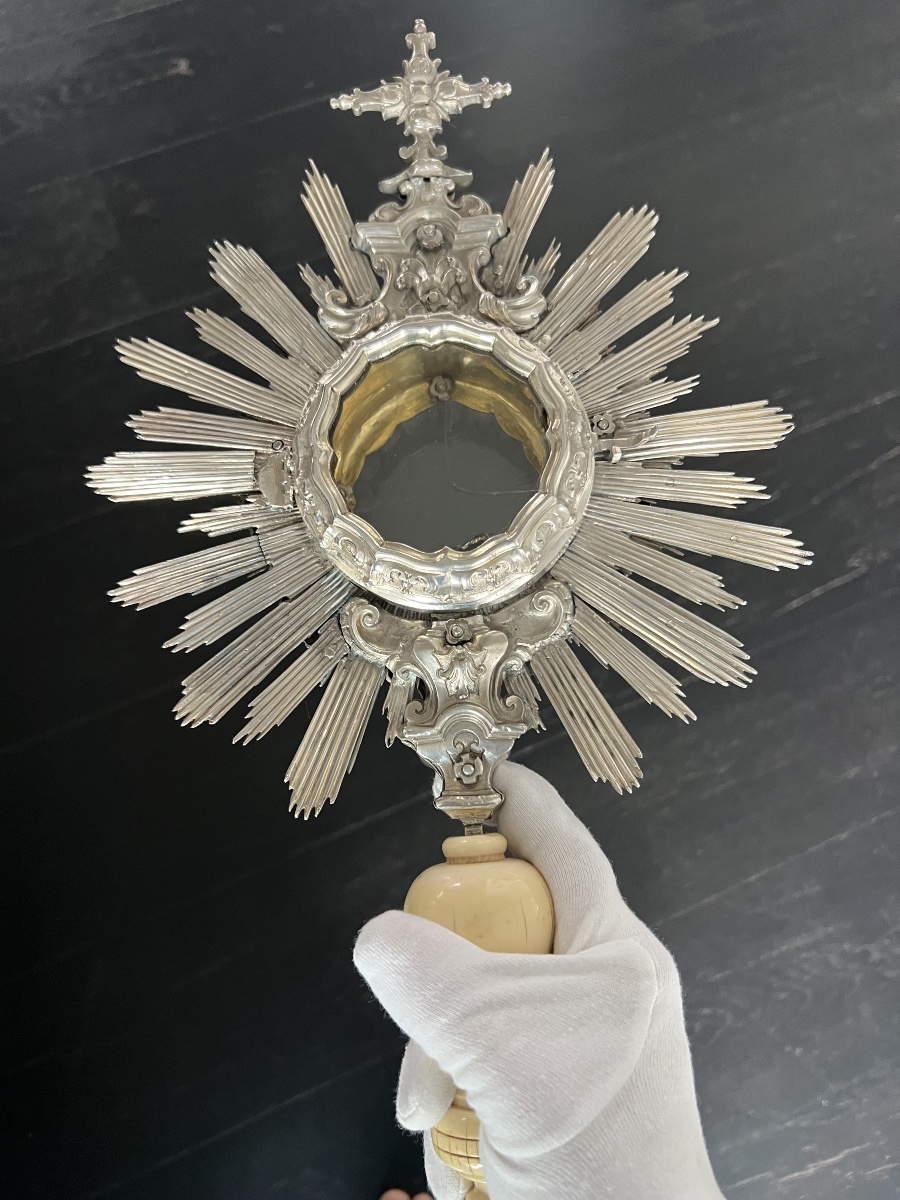
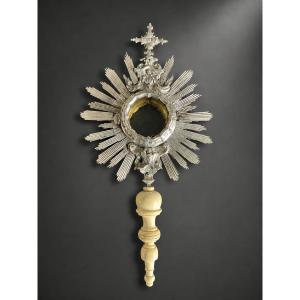
An elegant and rare portable processional monstrance (ostensoir-soleil), combining a remarkable Late Baroque repoussé silver monstrance from the Neapolitan school with a finely turned 19th-century ivory handle.
This exceptional piece of sacred art stands as a direct witness to the political upheavals in Southern Italy at the very end of the 18th century, and showcases the ingenuity of 19th-century craftsmen who worked to preserve it.
The Monstrance (18th Century):
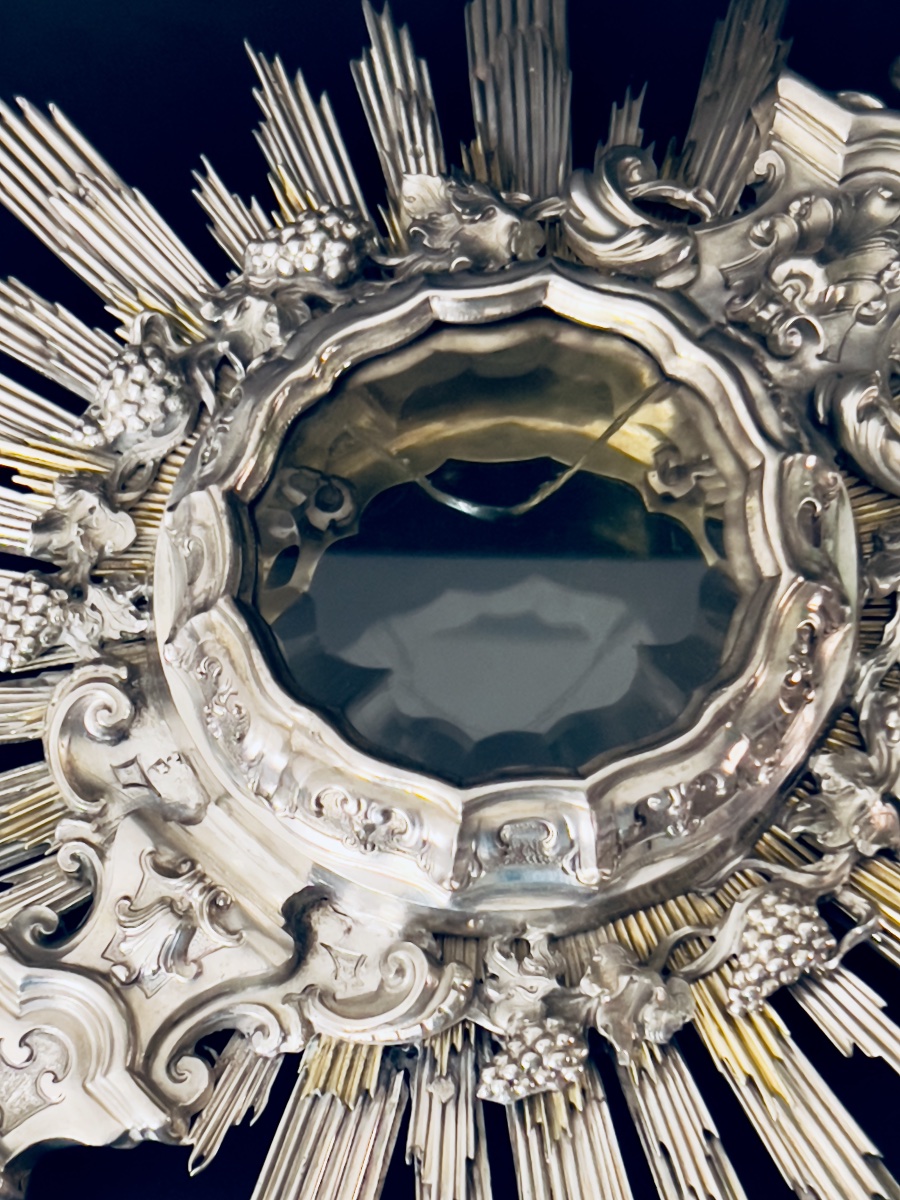
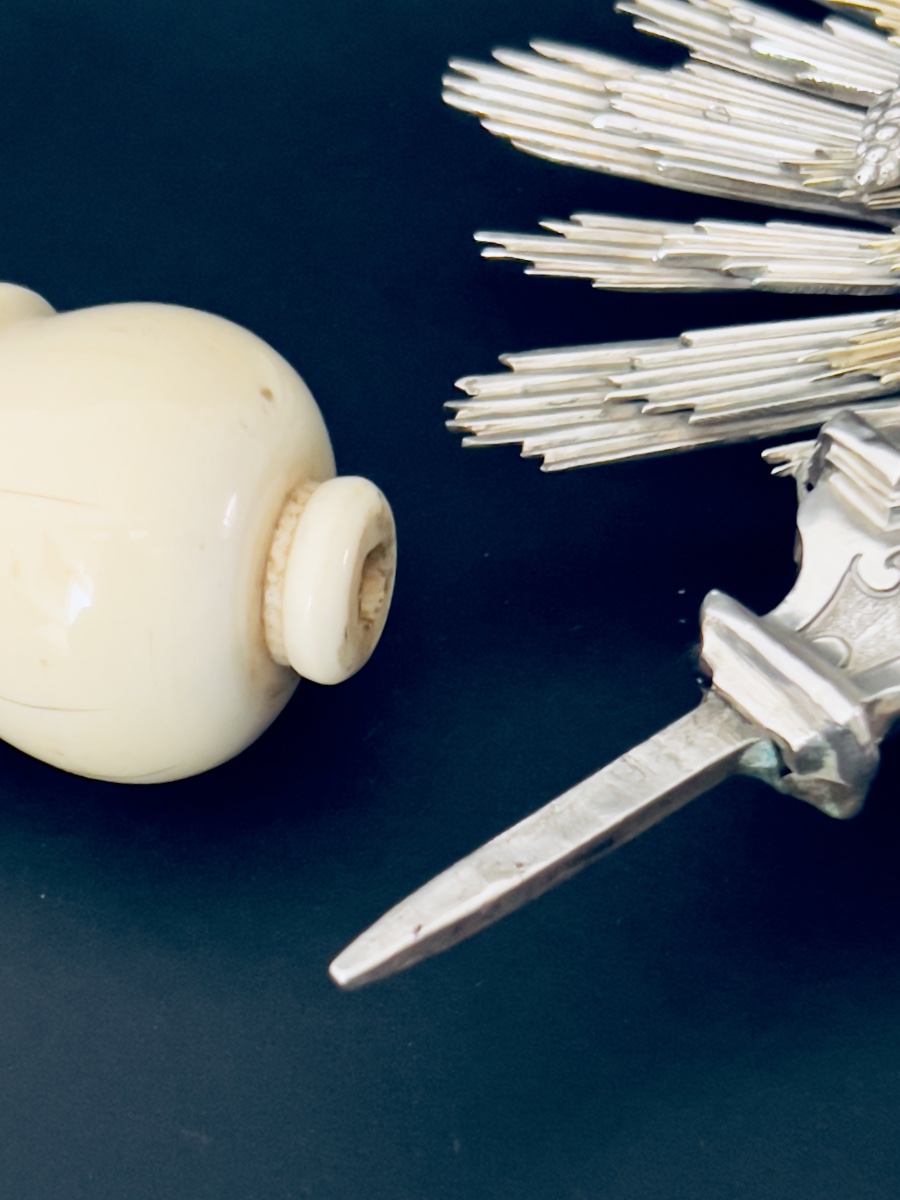
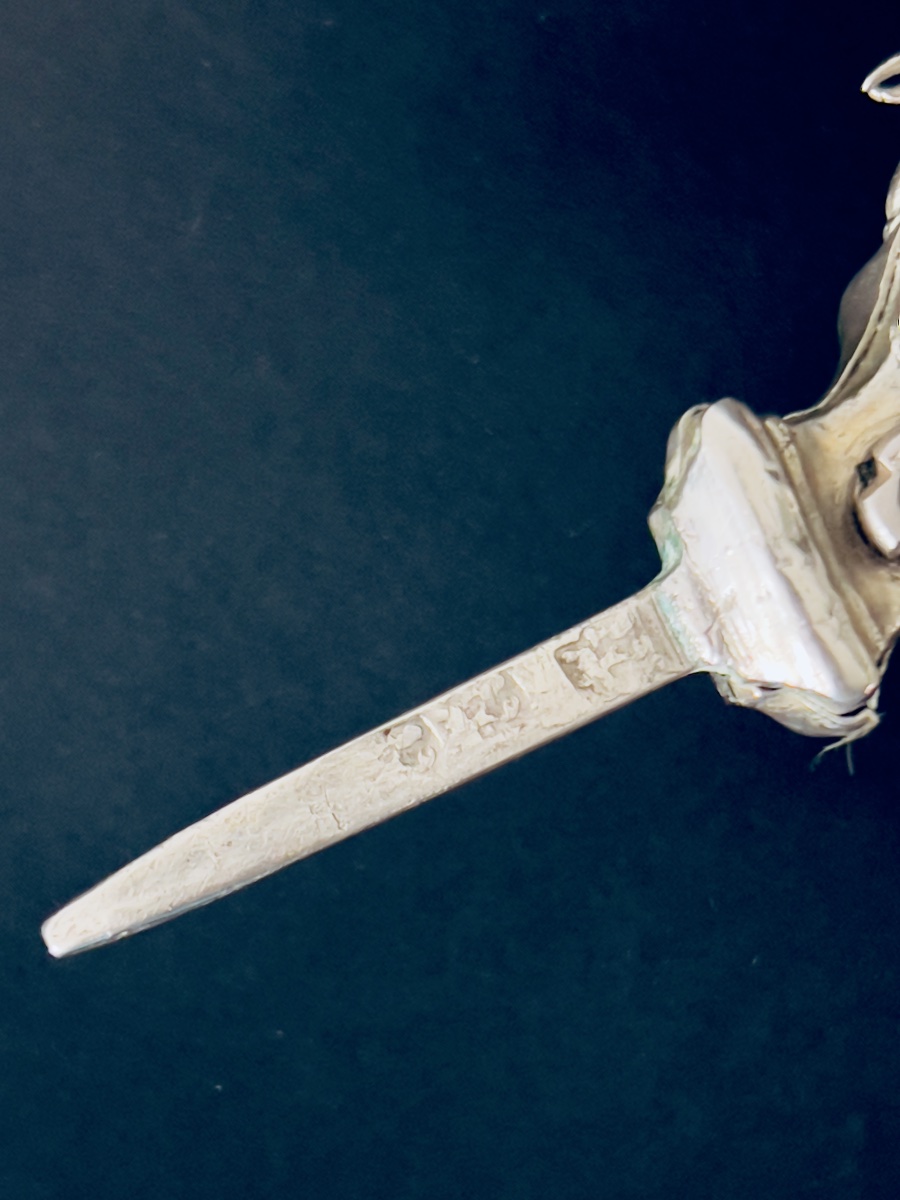
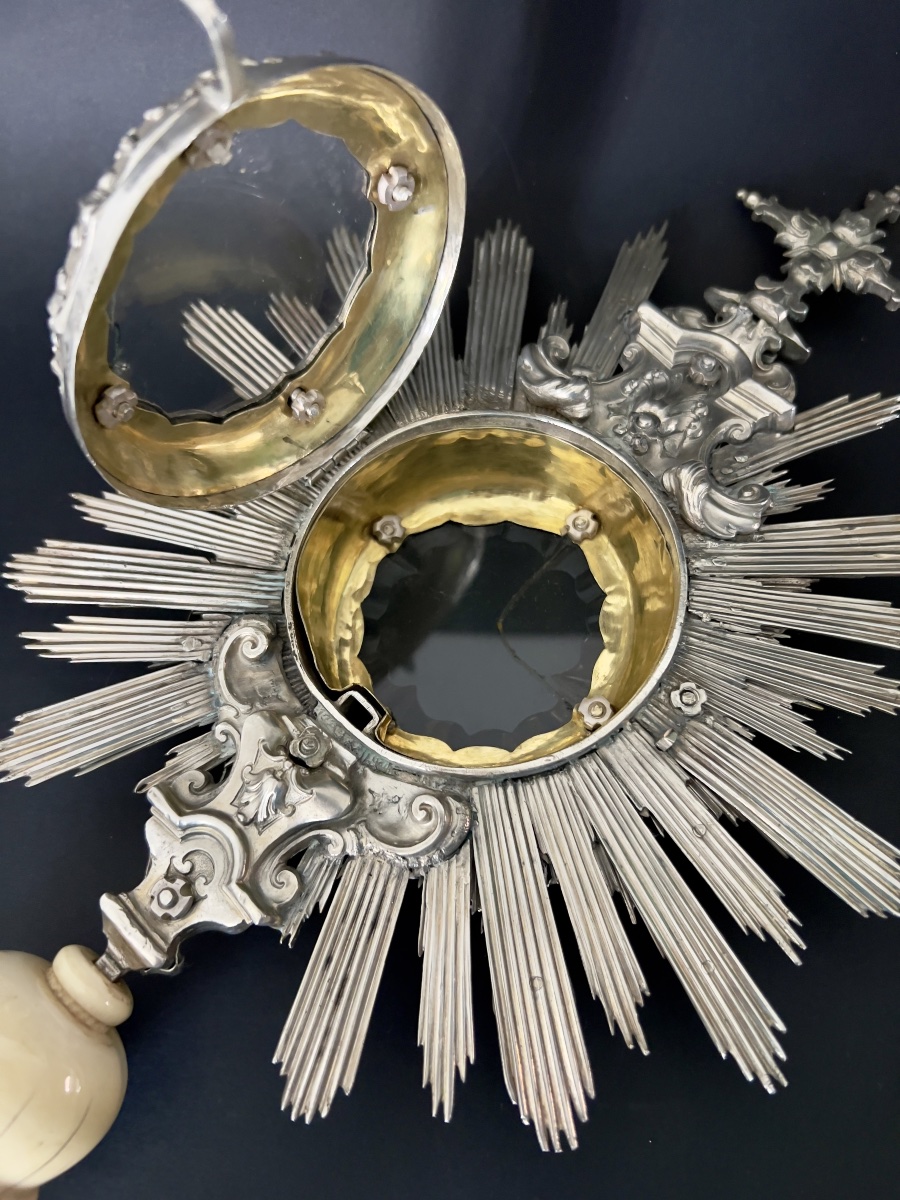
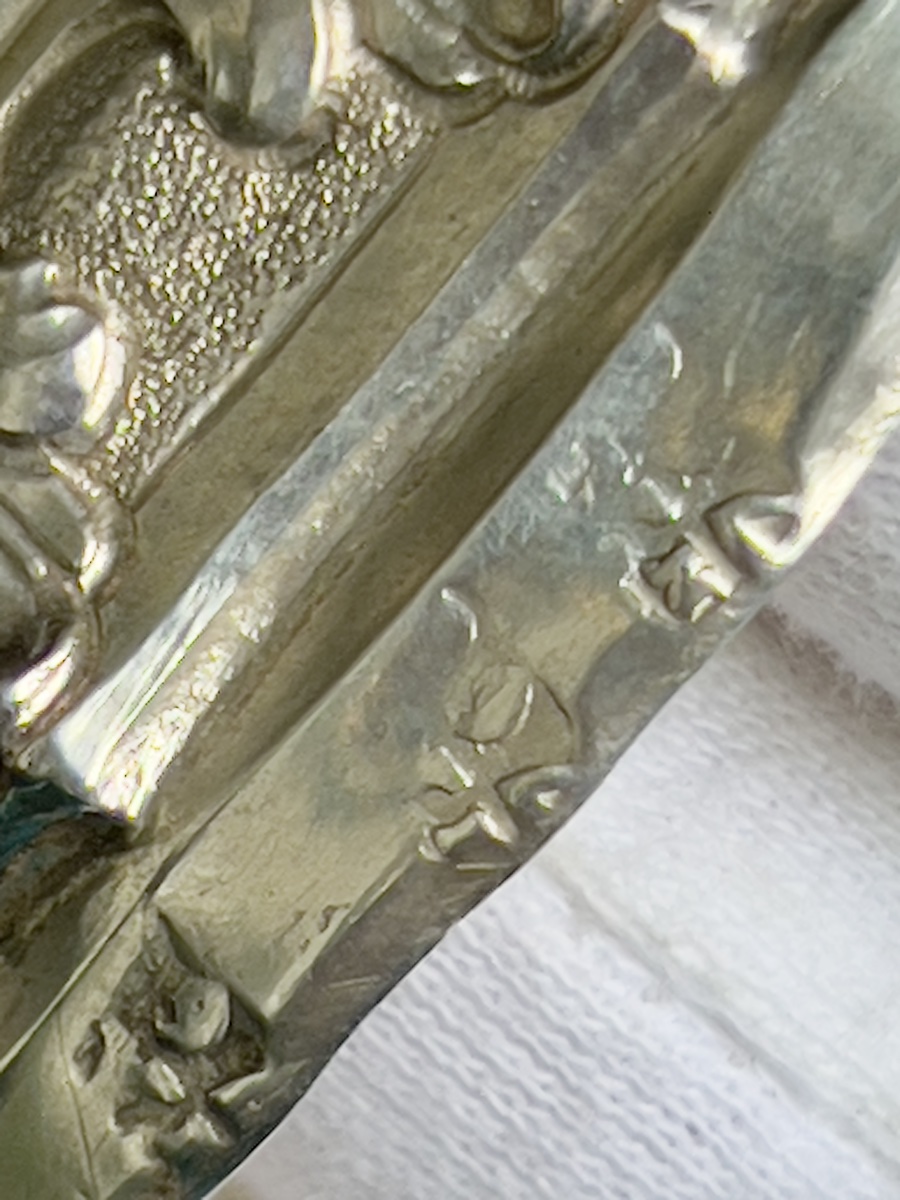
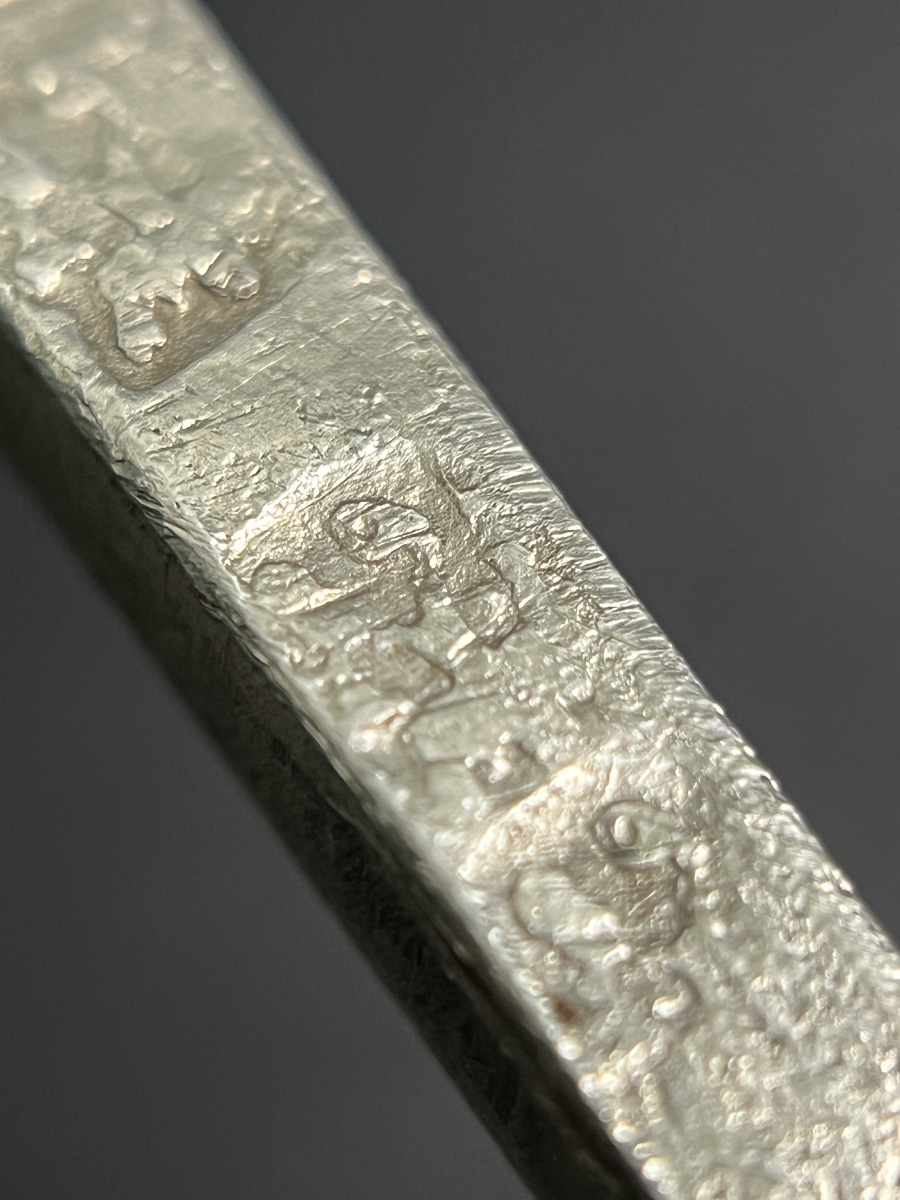
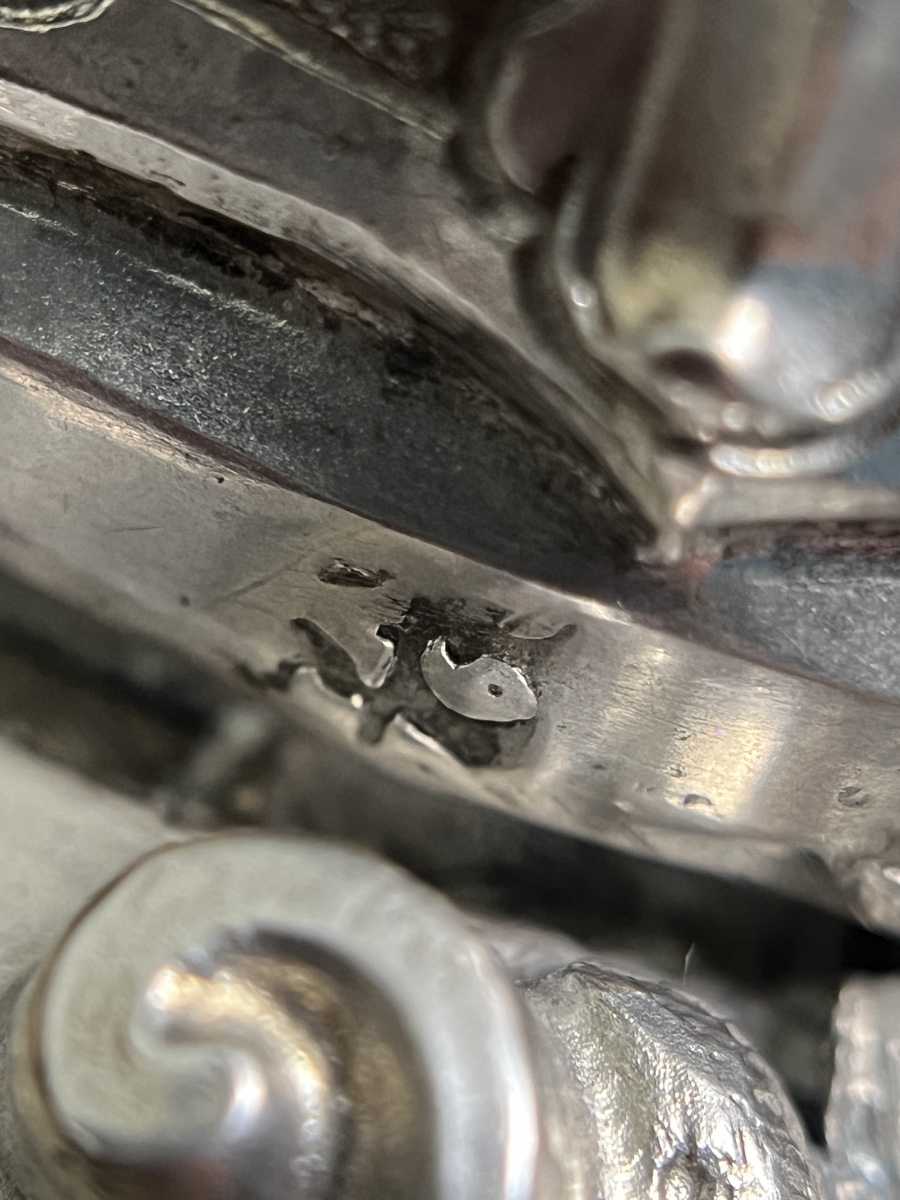
Neapolitan Craftsmanship at the Heart of HistoryThe upper section (the glory) is crafted from chased and repoussé solid silver. The central housing, adorned with high-relief, finely detailed cherub heads, is surrounded by alternating straight and flaming rays, all surmounted by a delicately worked cross.The rim of the lunette casing bears the official hallmarks of the Maison Commune of the City of Naples (the letters NAP beneath an open royal crown), alongside the mark of a guild essayist (Saggiatore). The distorted stamps and the manual file marks on the internal mounting rod precisely place the production around 1799. This pivotal year corresponds to the fall of the Bourbons of Naples and the brief rise of the Parthenopean Republic. Due to the systematic requisition of precious metals by invading French troops, workshop conditions were critical: the slightly lower silver purity (explaining the light verdigris oxidation at the base of the stem) and the hasty distortion of the royal hallmarks are typical features of emergency productions during this civil war period.
The Ivory Stem (19th Century):
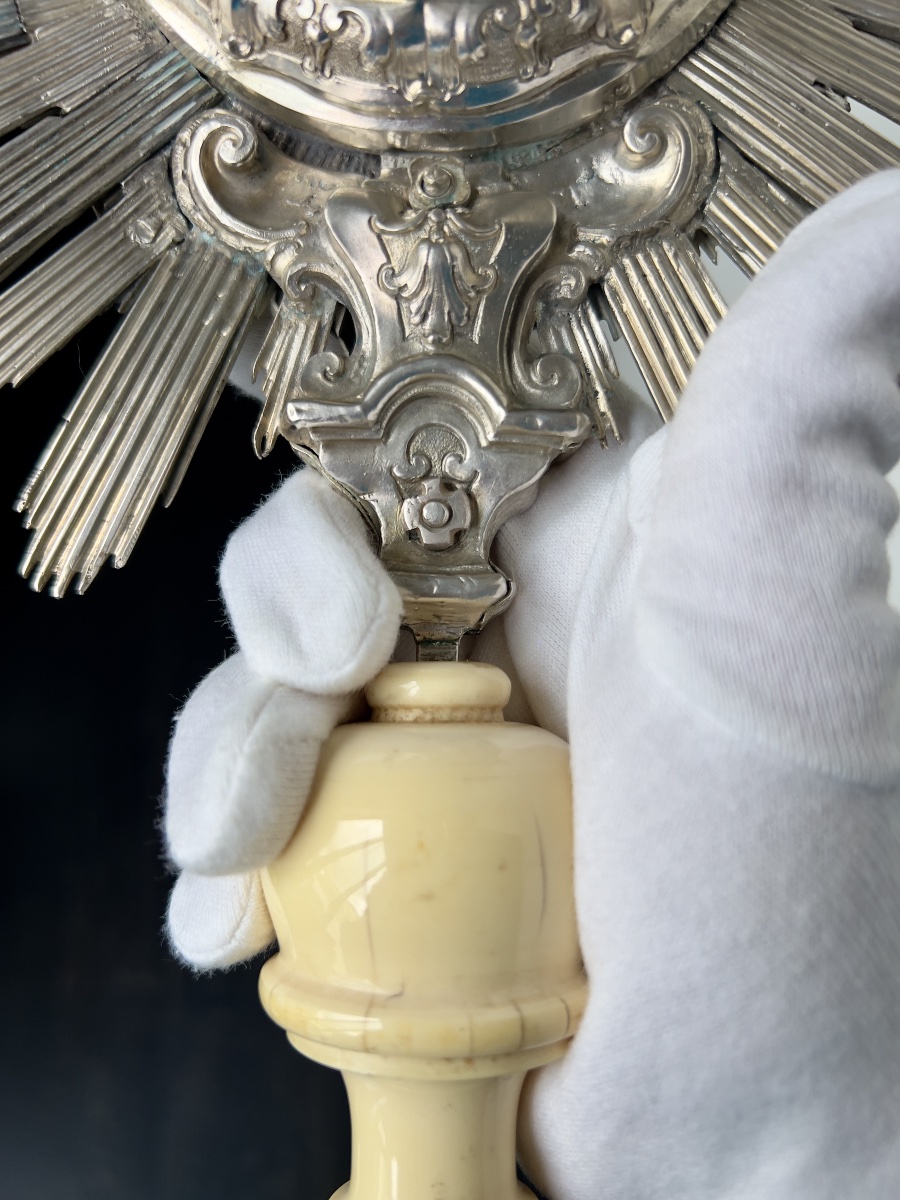
A Prestigious Processional ConversionDuring the 19th century, in order to return this precious sunburst—which miraculously survived the revolutionary melts—to active liturgical use, a master silversmith and tablet-maker converted the original altar monstrance into a portable processional model (specifically used for outdoor feasts such as Corpus Christi).
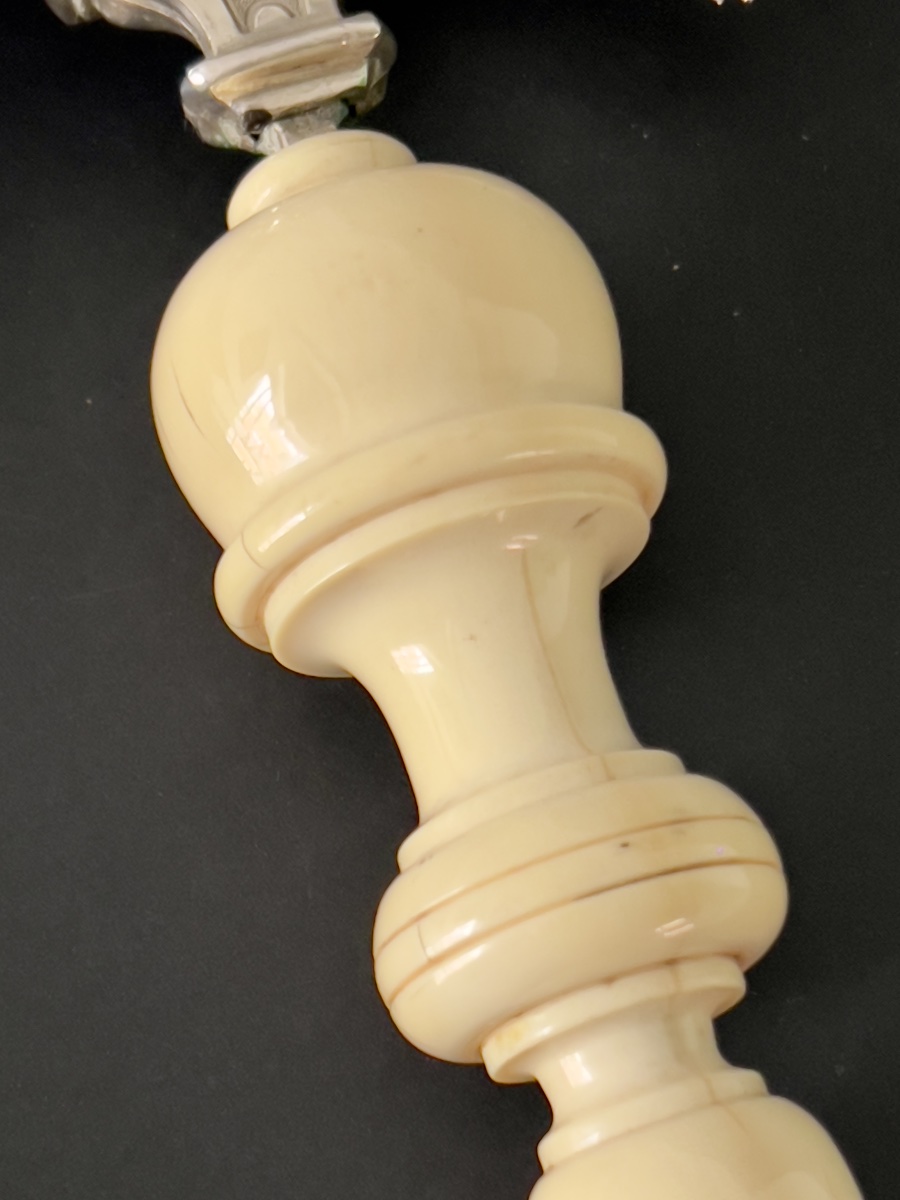
The original attachment rod was carefully filed down by hand and marked with an workshop assembly cross to securely fit into a magnificent ivory handle turned in a molded baluster shape. This noble, pristine material offered the priest a solemn, thermally insulating, and highly dignified grip while carrying the Blessed Sacrament during long street processions under the canopy.
Historical Provenance and Context
While the lack of engraved armorials prevents a definitive, named attribution, the dual timeline of this composite piece offers fascinating historical avenues for discerning collectors:
The High Confraternities of the Neapolitan Nobility:
Immensely powerful at the end of the 18th century (such as the Augustissima Arciconfraternita della Trinità dei Pellegrini), these wealthy lay organizations routinely commissioned high-end sacred silver just before the 1799 collapse.
19th-Century Liturgical Restoration:
The premium addition of a finely turned ivory handle suggests a costly commission ordered by a prominent church or high-ranking prelate eager to breathe new life into a masterpiece rescued from Napoleonic spoliations.
Dimensions: total height 47 cm.
Weight: approx. 1 kg.
Condition: good overall condition with wear from use, slight deformation and old traces consistent with its liturgical use. One of the glasses on the lunula is cracked.
Correct condition.
Due to the presence of antique ivory, this item will be accompanied by a CITES certificate for any transaction requiring this document.
Do not hesitate to contact me for any further information or request for additional photos concerning the items offered for sale.
Period: 18th century
Style: Other Style
Condition: Good condition
Material: Sterling silver
Width: 23 cm
Height: 47 cm
Reference (ID): 1770700
Availability: In stock