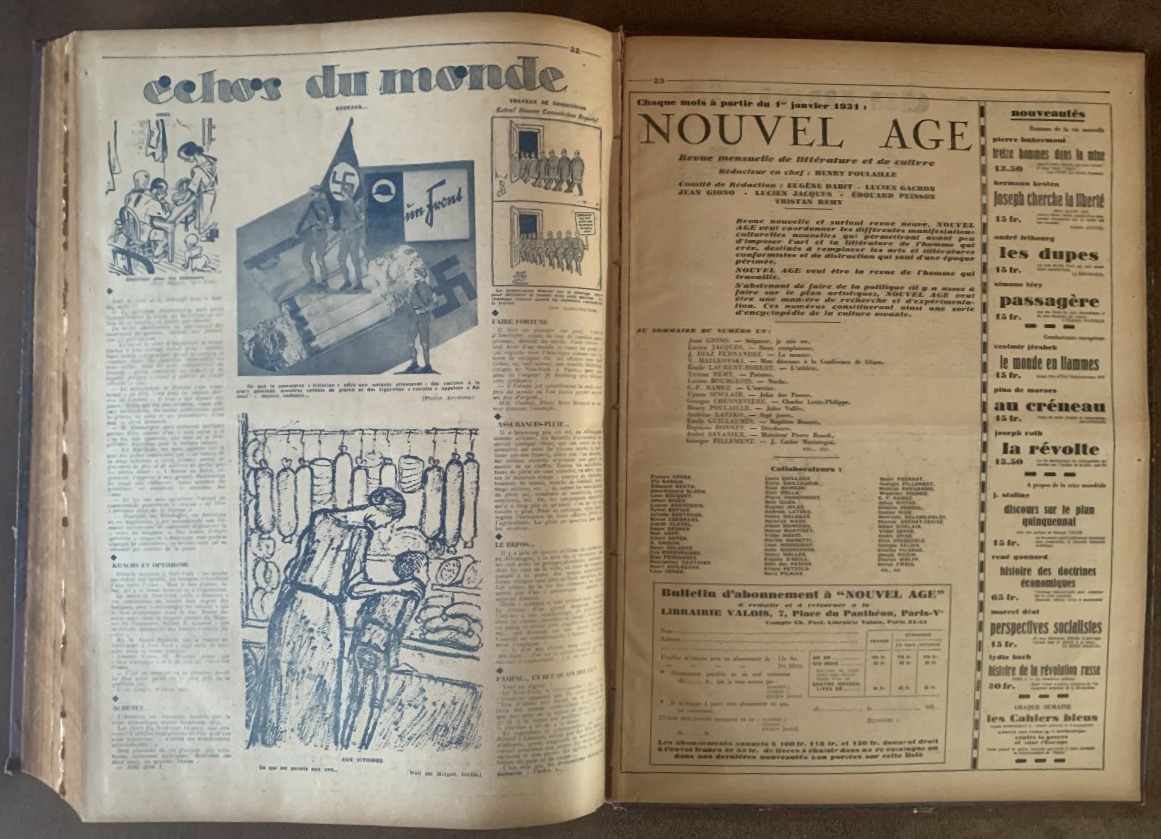

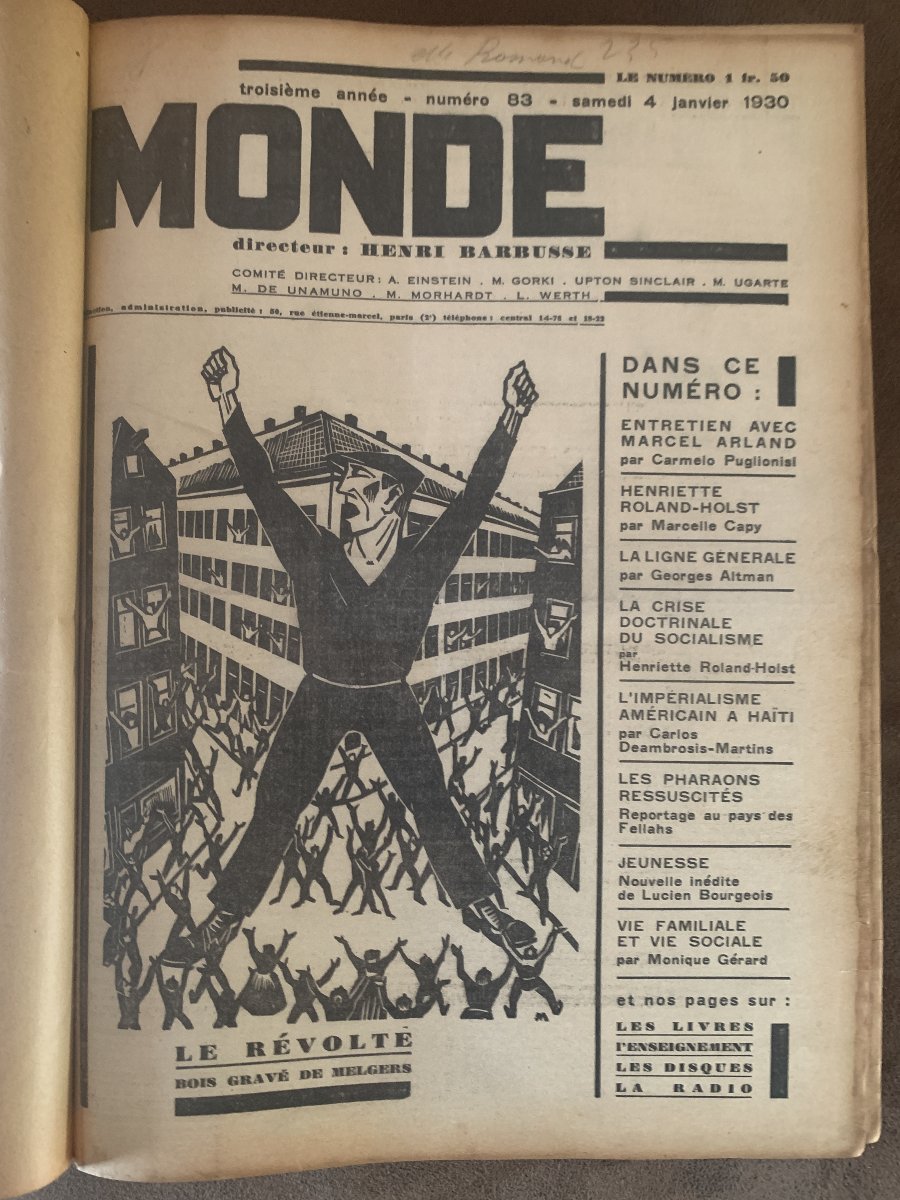



Revue Monde (henri Barbusse) - Complete Collection, 1930
The magazine *Monde* is a particularly interesting publication from the interwar period, at the intersection of literature, the arts, intellectual engagement, and European political history.
It was founded in 1928 in Paris by Henri BARBUSSE (1873–1935), who also served as its editor-in-chief.
Its subtitle was particularly explicit:
“A weekly magazine covering literary, artistic, scientific, economic, and social news.”
Barbusse, winner of the 1916 Prix Goncourt for *Le Feu*, had become a leading figure in the pacifist and French communist movements.
He wanted to create an international publication that would bring together intellectuals, artists, and workers, without confining the magazine to an overly narrow political line.
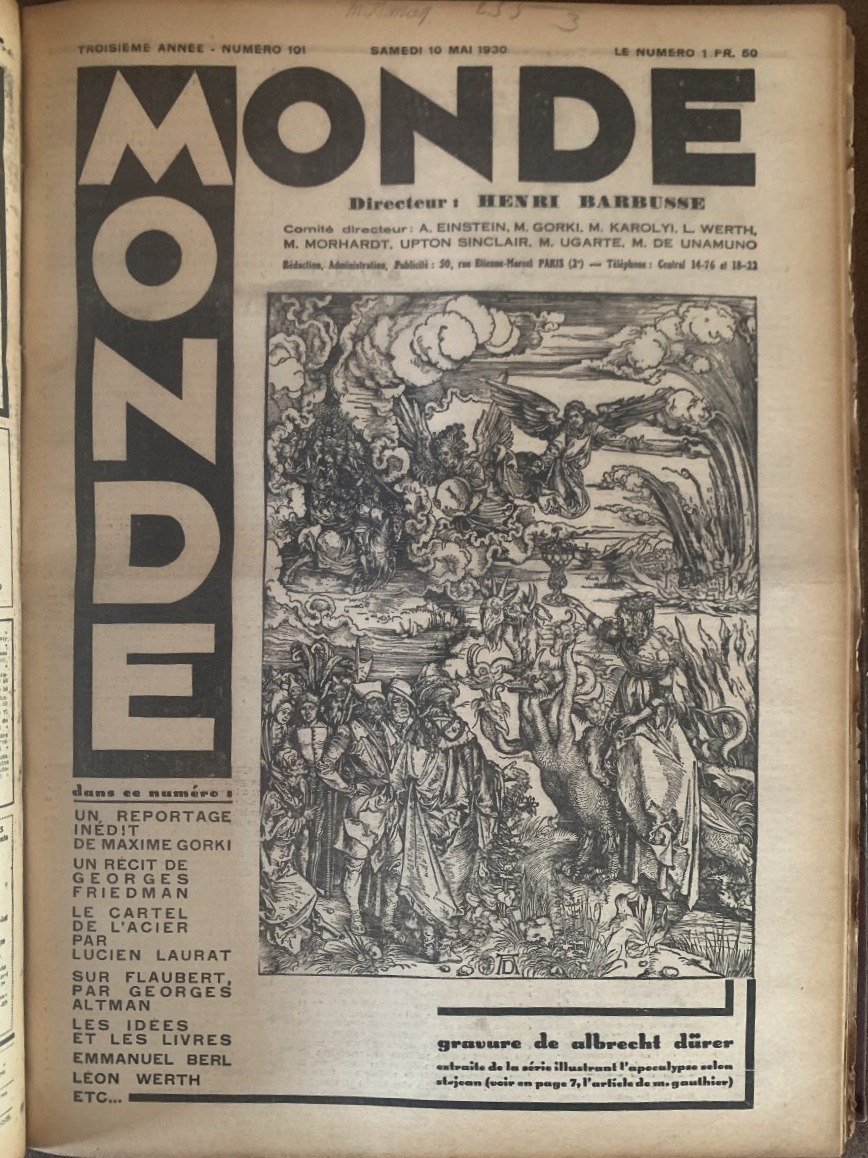
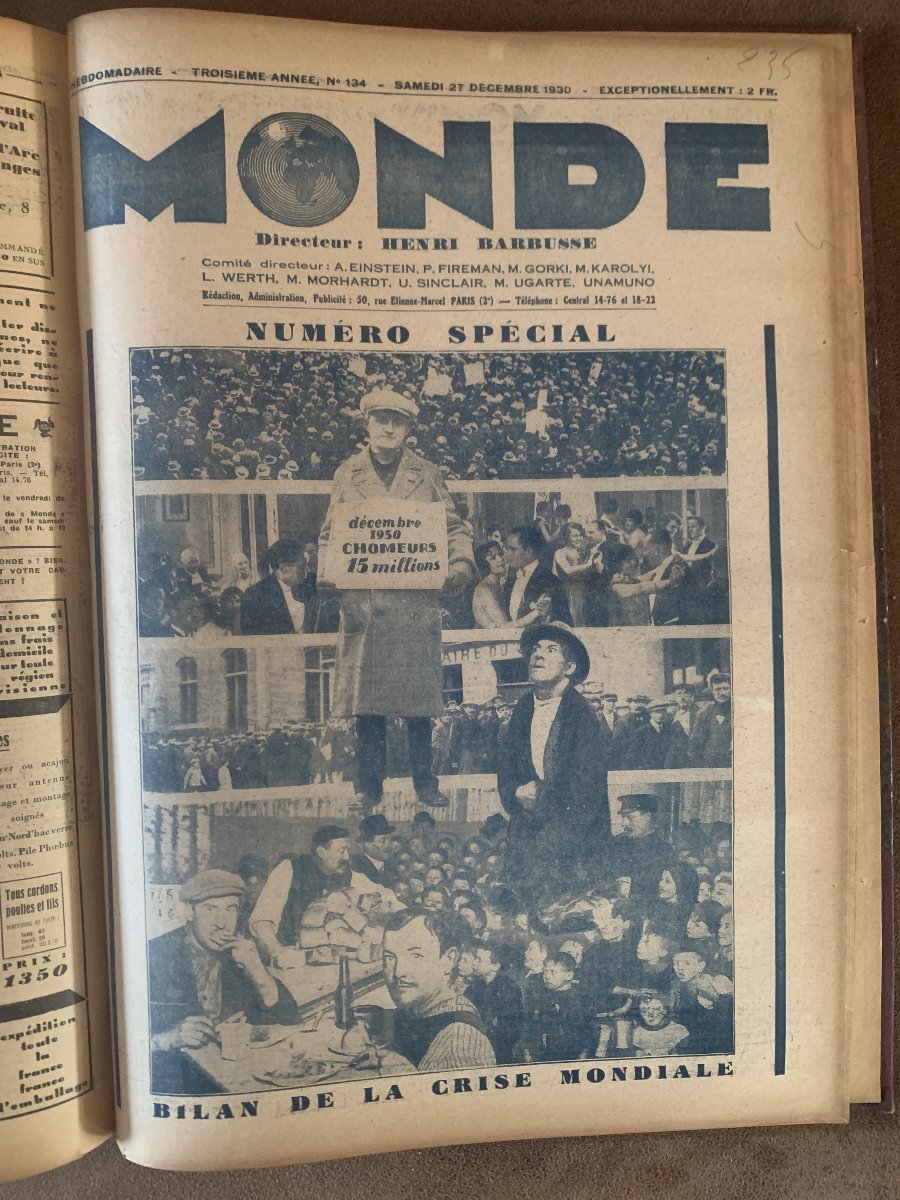
Its international steering committee notably included:
Albert Einstein, Maxim Gorky, Upton Sinclair, Miguel de Unamuno, and Léon Werth, to name just a few.
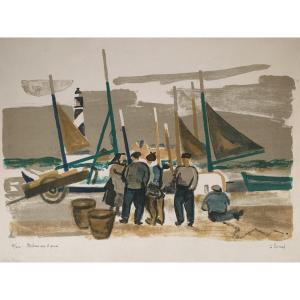
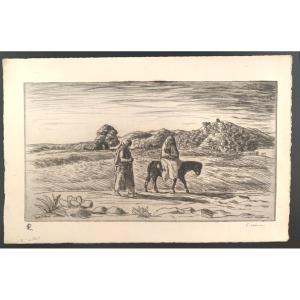
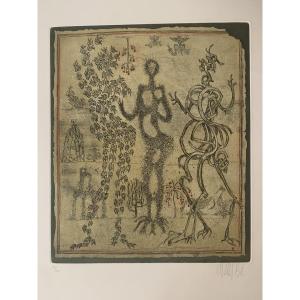
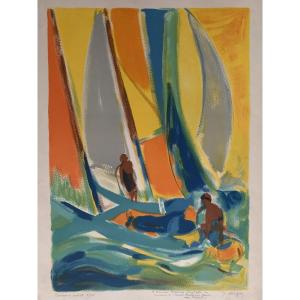
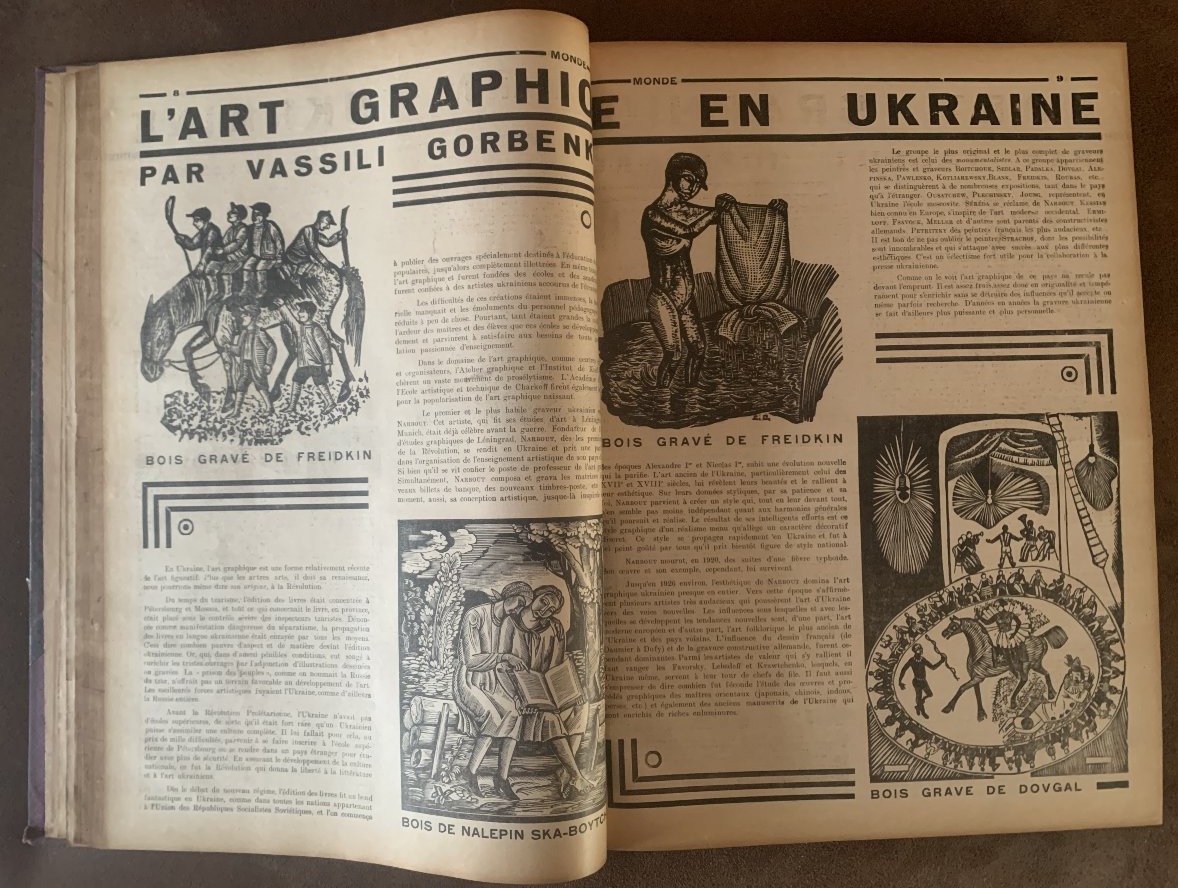
But the magazine was also a space for artistic expression.Notable names featured in it included Pablo Picasso, Joan Miró, and Frans Masereel.
Max Lingner also created numerous covers, illustrations, and graphic designs for *Monde*. He even devised a special alphabet used as drop caps in the articles.
Politically, the publication also had a very specific objective...
Barbusse had been a member of the French Communist Party since 1923. The magazine had a communist orientation and received funding, notably from the Soviet Union.
But *Monde* was not merely a communist propaganda organ.
It welcomed intellectuals of various persuasions, including figures critical of Stalin and the USSR.
This led to tensions with the most orthodox communist factions.
Its main causes were:
- Pacifism and opposition to war.
- The fight against fascism.
- Internationalism.
- The defense of a culture accessible to the masses.
- Bringing together intellectual and manual workers.
She also played a role in the Amsterdam-Pleyel movement, founded in 1932 by Barbusse and Romain Rolland.
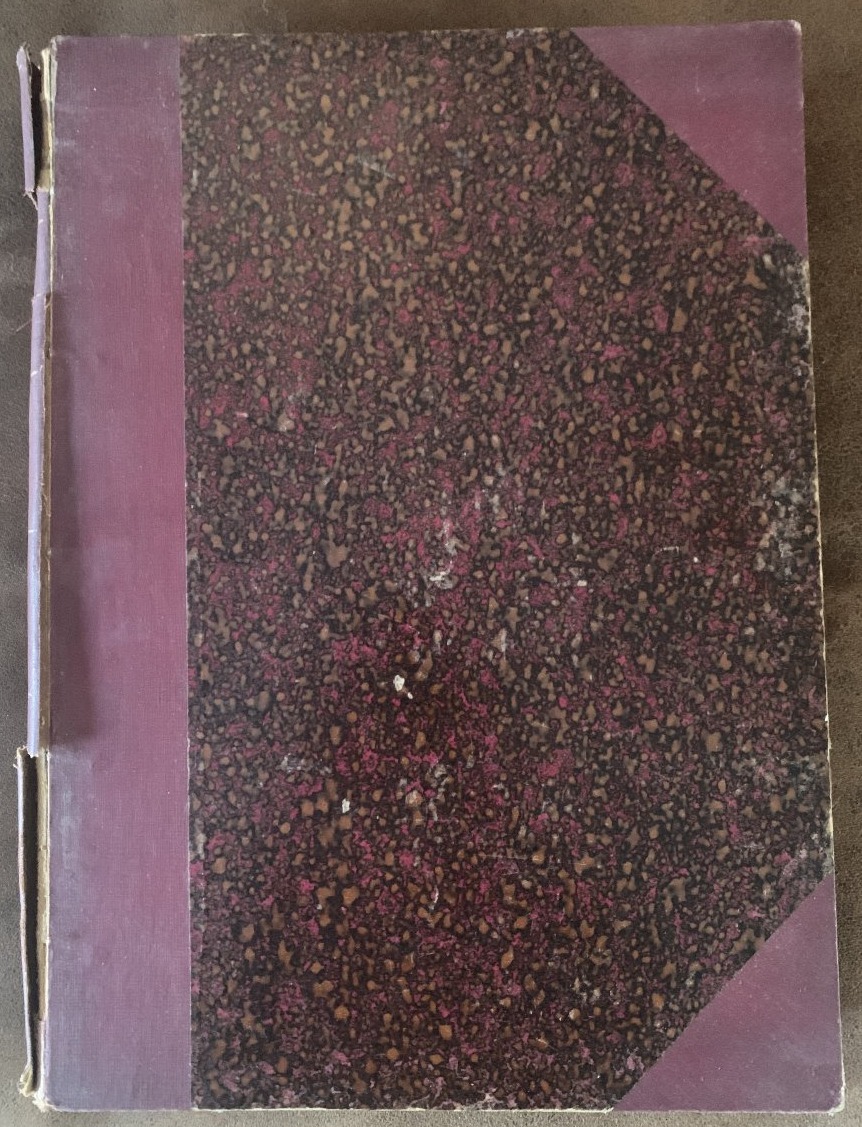
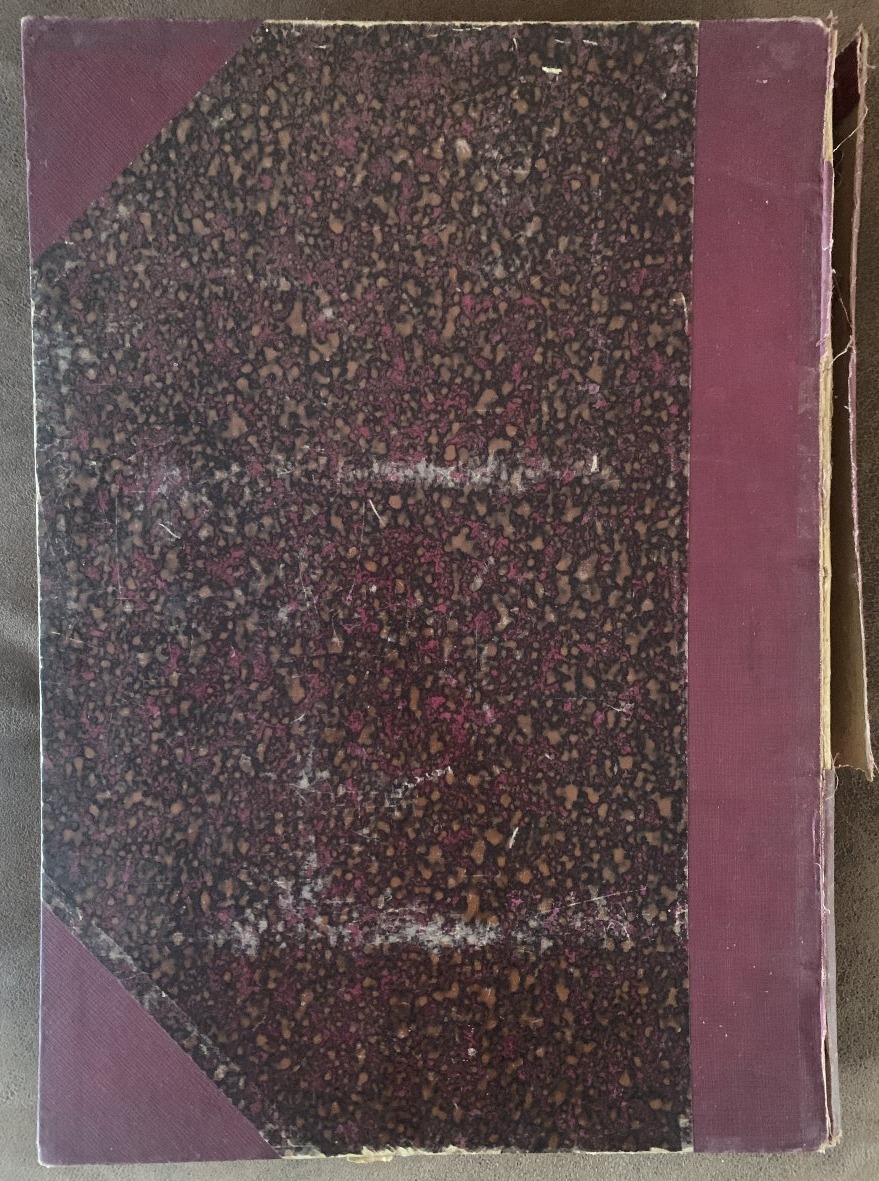
The copies are in very good condition, but the cover has served its protective purpose and shows some wear:the spine is split and torn in places (but still intact), the covers show fairly significant wear, and the corners are scuffed.
Period: 20th century
Style: Other Style
Condition: Condition of use
Width: 31 cm
Height: 43 cm
Reference (ID): 1853269
Availability: In stock