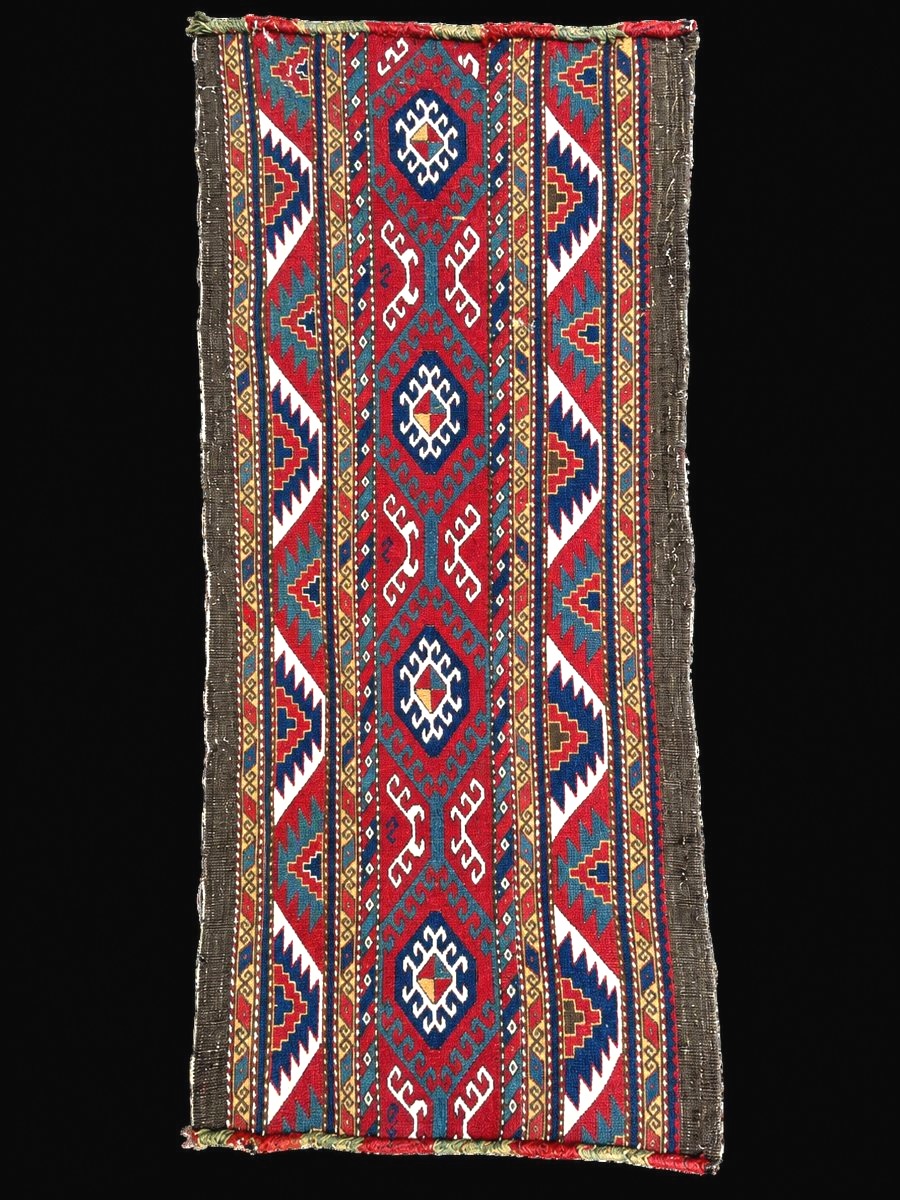
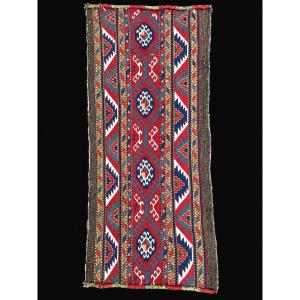


Maffrash Panel From Karabakh, Armenia. Circa 1850. 110 X 48 Cm. Rug
This piece belongs to that category of antique textiles whose state of preservation seems almost miraculous.
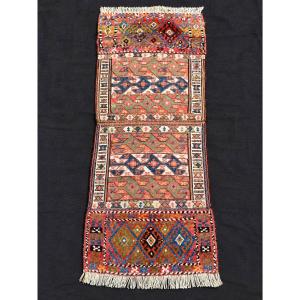
Made in the mid-19th century, this mafrash panel has survived with its natural colors remarkably well preserved, almost exactly as they would have appeared nearly two centuries ago.
This exceptional state of preservation is likely due to the very nature of the object and its history. Some of these pieces have been carefully preserved and passed down from generation to generation, thus remaining protected from prolonged exposure to light and excessive use.
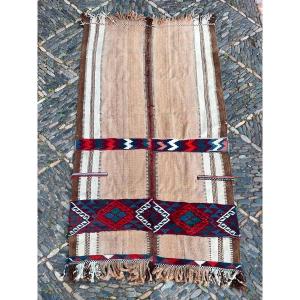
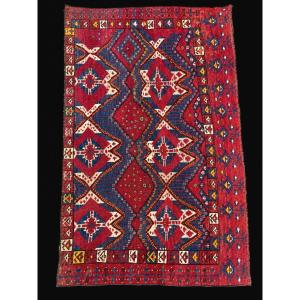
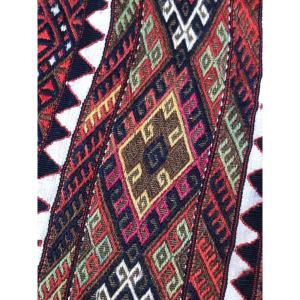
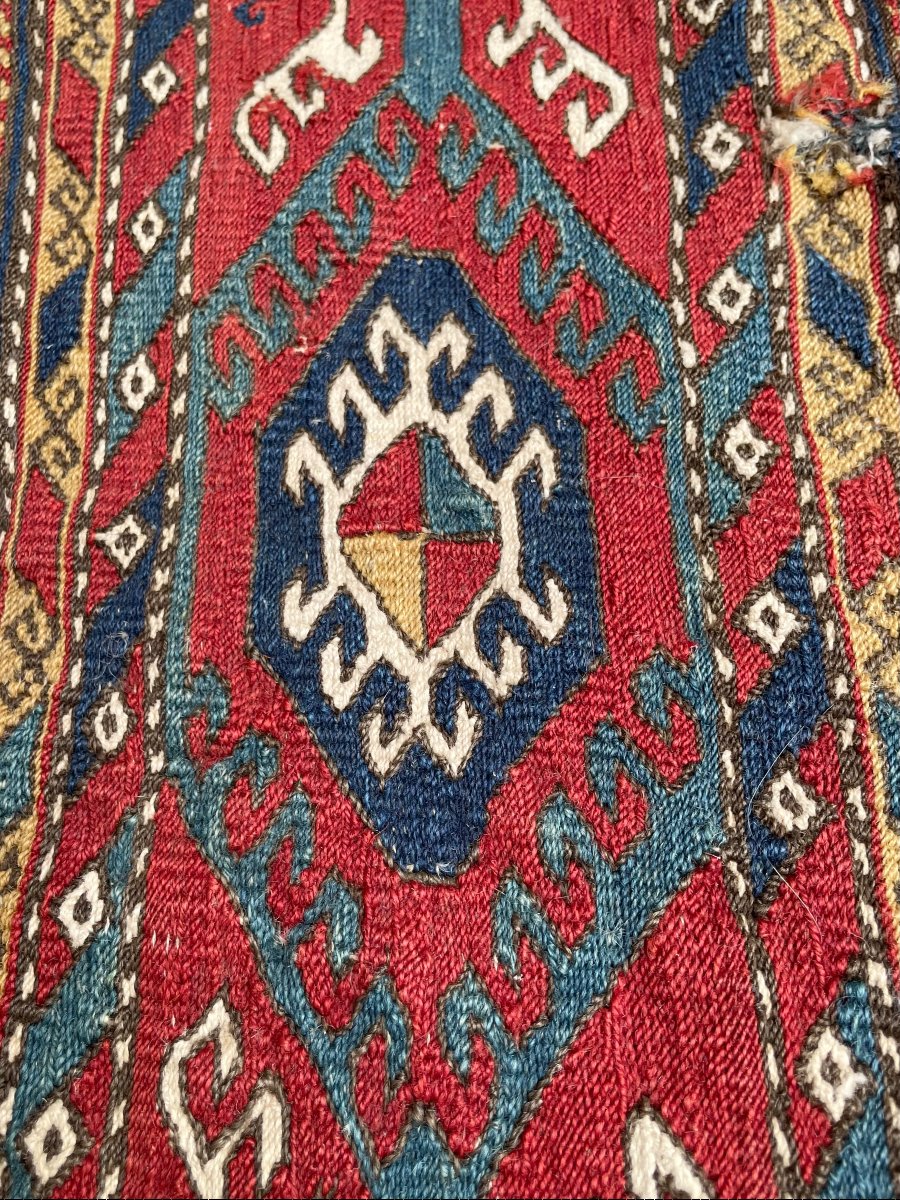
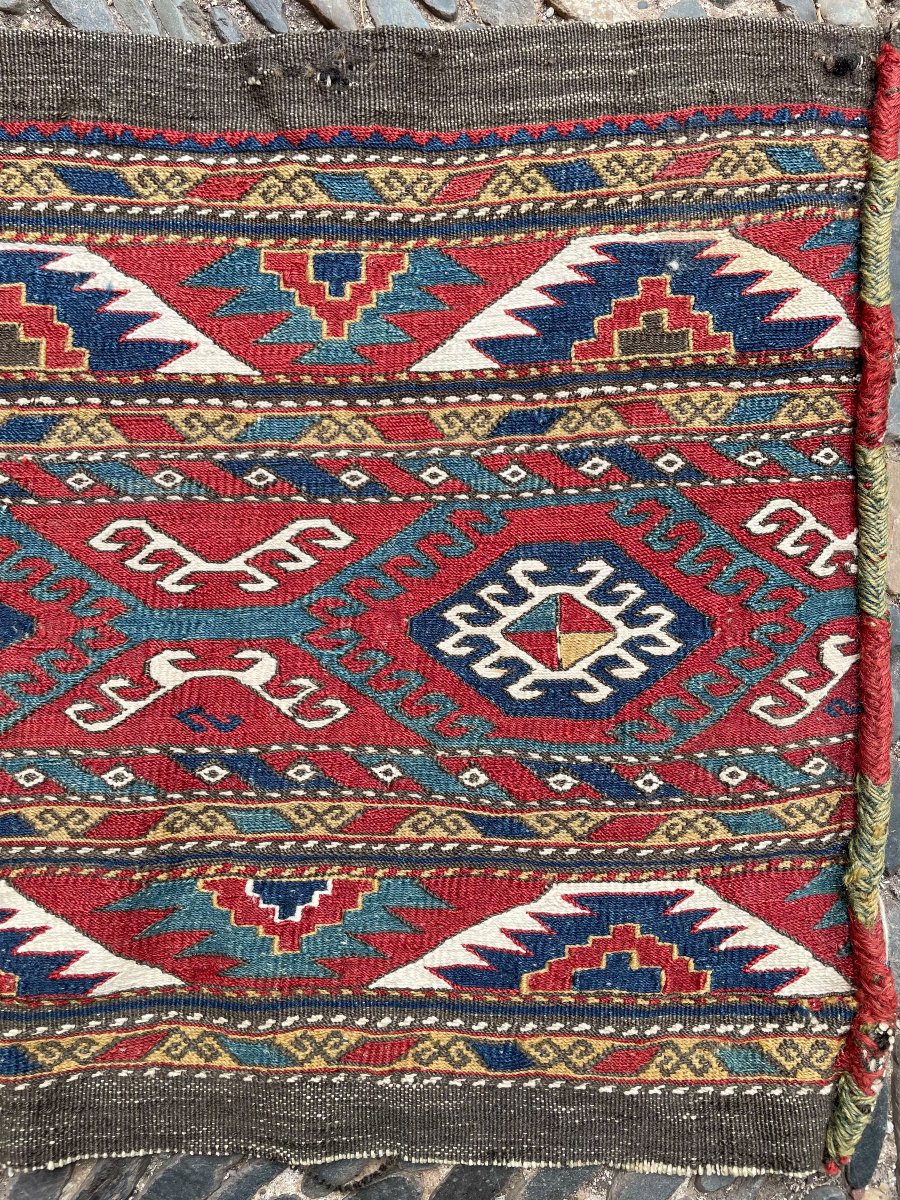
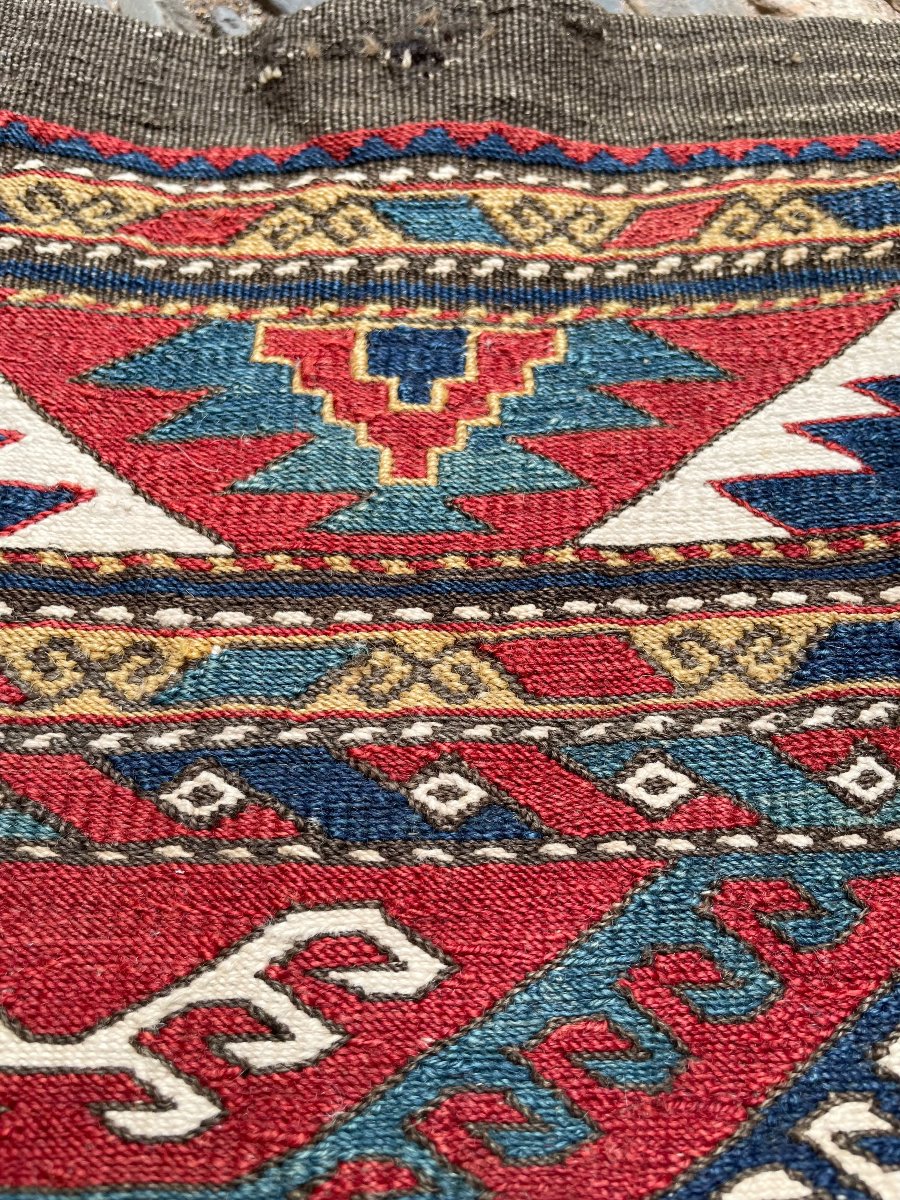
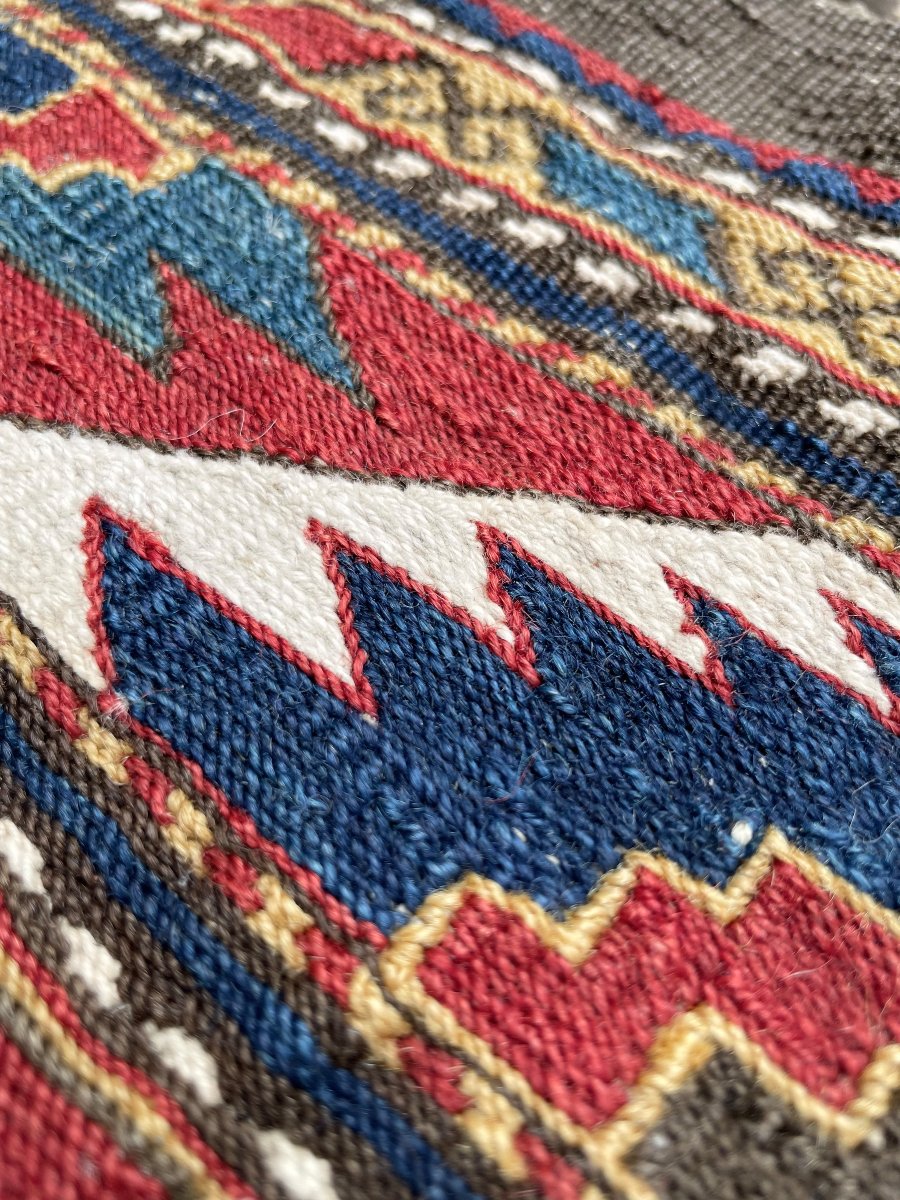
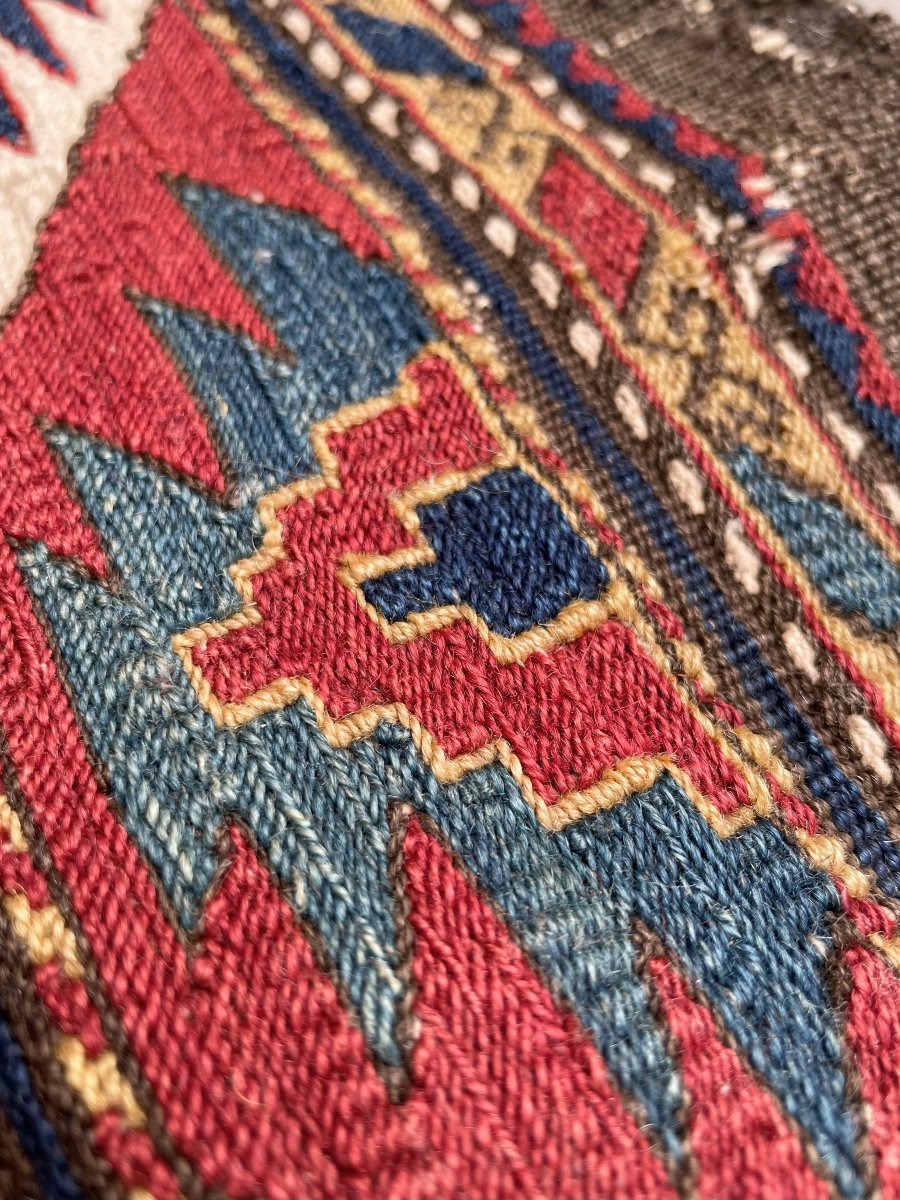
The quality of the workmanship is equally remarkable. What we see here is a piece of exceptional finesse. The sumak technique, woven wool-on-wool, achieves such a high degree of precision that the patterns seem literally carved into the fabric. The evenness of the weave, the sharpness of the contours, and the delicacy of the design attest to a perfect mastery of the craft.
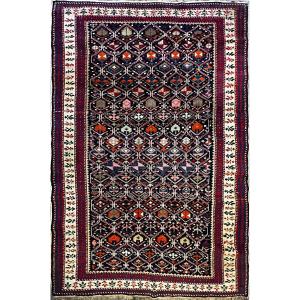
The composition also possesses a particularly interesting sense of movement. The large central band unfolds like an accordion, in a succession of broken lines and changes in direction that lend the whole piece a genuine dynamism. On either side, the two outer borders contain this movement and structure the composition.
The four large ivory motifs that punctuate the piece can be interpreted as stylized scorpions, an ancient figure from the nomadic textile vocabulary. As a protective motif, the scorpion belongs to this repertoire of symbols passed down by weavers through generations, far beyond their mere decorative function.
The color palette plays a key role in the piece’s overall beauty. The deep reds, indigo blues, greens, warmer tones, and ivory whites retain remarkable depth and softness. The use of plant-based dyes creates a unique harmony in which no single color ever seems to dominate the others.
With its delicacy, age, the quality of its wool, and above all its extraordinary state of preservation, this panel is a particularly valuable testament to the textile production of Karabakh in the mid-19th century.
Large Maffrash panel
Karabakh / Caucasus.
Soumak technique
Wool on wool
Circa 1850
Dimensions: 110 x 48 cm
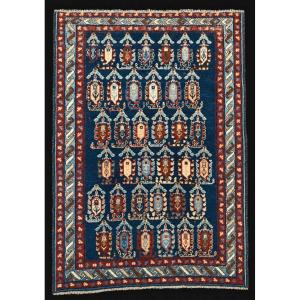
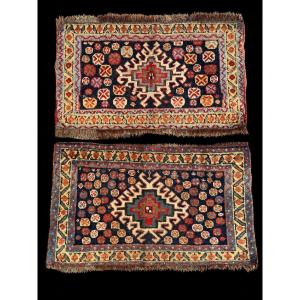
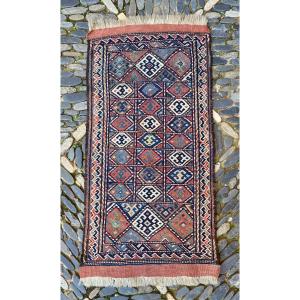
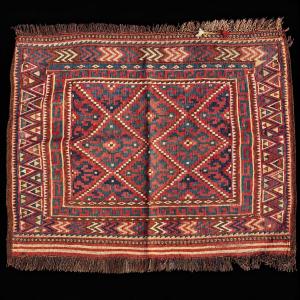
Our collection now includes more than a hundred mafrash, preserved either in their complete form or as fragments and panels, offering a particularly rich testament to the diversity of these nomadic productions.
Choosing an antique rug or textile is often a matter of serendipity.
If one of our pieces catches your eye, or if you’d like more information or photos, I’d be happy to discuss it with you.
Laurent Consul
Beauty of Kilims
06 42 61 73 46
Made in the mid-19th century, this mafrash panel has survived with its natural colors remarkably well preserved, almost exactly as they would have appeared nearly two centuries ago.
This exceptional state of preservation is likely due to the very nature of the object and its history. Some of these pieces have been carefully preserved and passed down from generation to generation, thus remaining protected from prolonged exposure to light and excessive use.
The quality of the workmanship is equally remarkable. What we see here is a piece of exceptional finesse. The sumak technique, woven wool-on-wool, achieves such a high degree of precision that the patterns seem literally carved into the fabric. The evenness of the weave, the sharpness of the contours, and the delicacy of the design attest to a perfect mastery of the craft.
The composition also possesses a particularly interesting sense of movement. The large central band unfolds like an accordion, in a succession of broken lines and changes in direction that lend the whole piece a genuine dynamism. On either side, the two outer borders contain this movement and structure the composition.
The four large ivory motifs that punctuate the piece can be interpreted as stylized scorpions, an ancient figure from the nomadic textile vocabulary. As a protective motif, the scorpion belongs to this repertoire of symbols passed down by weavers through generations, far beyond their mere decorative function.
The color palette plays a key role in the piece’s overall beauty. The deep reds, indigo blues, greens, warmer tones, and ivory whites retain remarkable depth and softness. The use of plant-based dyes creates a unique harmony in which no single color ever seems to dominate the others.
With its delicacy, age, the quality of its wool, and above all its extraordinary state of preservation, this panel is a particularly valuable testament to the textile production of Karabakh in the mid-19th century.
Large Maffrash panel
Karabakh / Caucasus.
Soumak technique
Wool on wool
Circa 1850
Dimensions: 110 x 48 cm
Our collection now includes more than a hundred mafrash, preserved either in their complete form or as fragments and panels, offering a particularly rich testament to the diversity of these nomadic productions.
Choosing an antique rug or textile is often a matter of serendipity.
If one of our pieces catches your eye, or if you’d like more information or photos, I’d be happy to discuss it with you.
Laurent Consul
Beauty of Kilims
06 42 61 73 46
380 €
Period: 19th century
Style: Orientalism
Condition: Excellent condition
Material: Wool
Length: 110 cm
Width: 48 cm
Reference (ID): 1830445
Availability: In stock
Print