

Rare Philip I Antoninianus — “providentia” — Certificate Of Authenticity
COIN AVAILABLE — THE DIFFERENT PAYMENT METHODS ARE LISTED AT THE END OF THE DESCRIPTION.
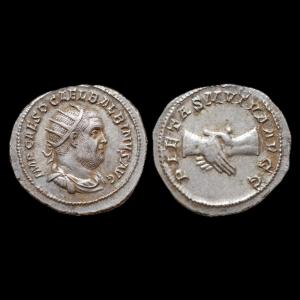
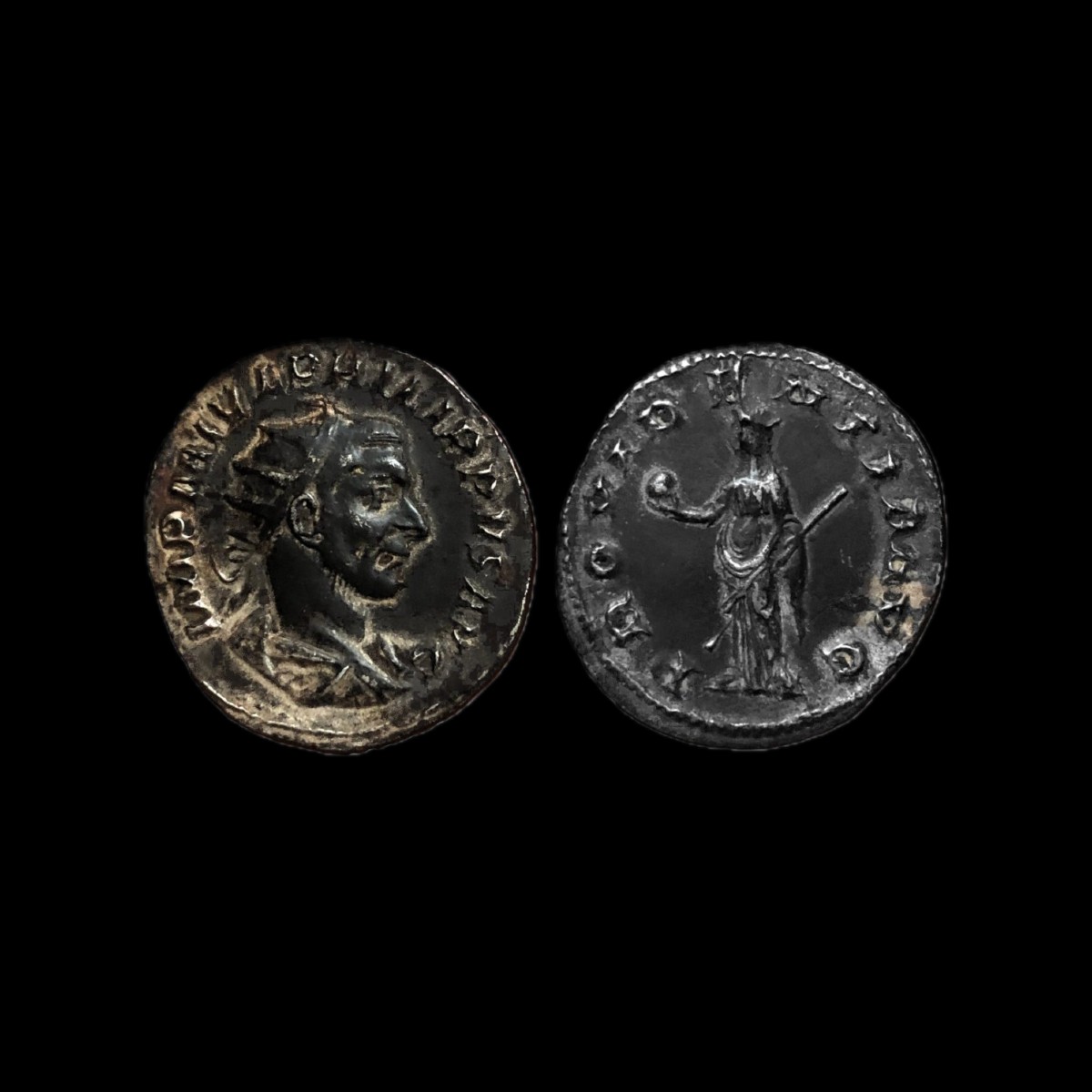
Analysis & expertiseThis silver antoninianus in the name of Philip I “the Arab” (AD 244–249) stands out for the clear pairing of the imperial titulature IMP M IVL PHILIPPVS AVG on the obverse with the reverse PROVIDENTIA AVG, a key iconography of Providentia (foresight / providential governance). Collectors particularly value this type for its political message and for the typological continuity it reflects at the transition from Gordian III to Philip I. The type is recorded in the standard corpora as RIC IV.3, 102.
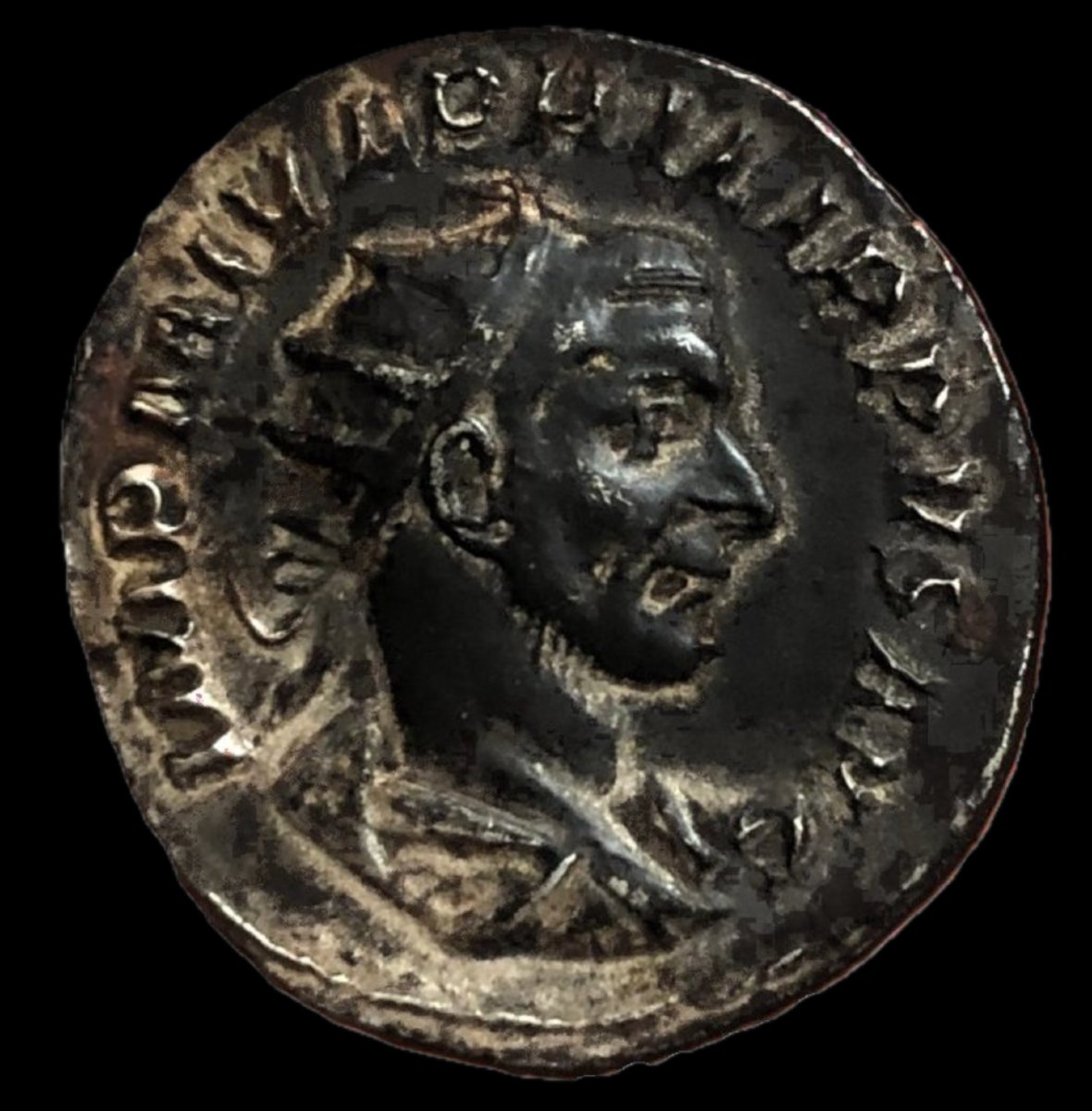
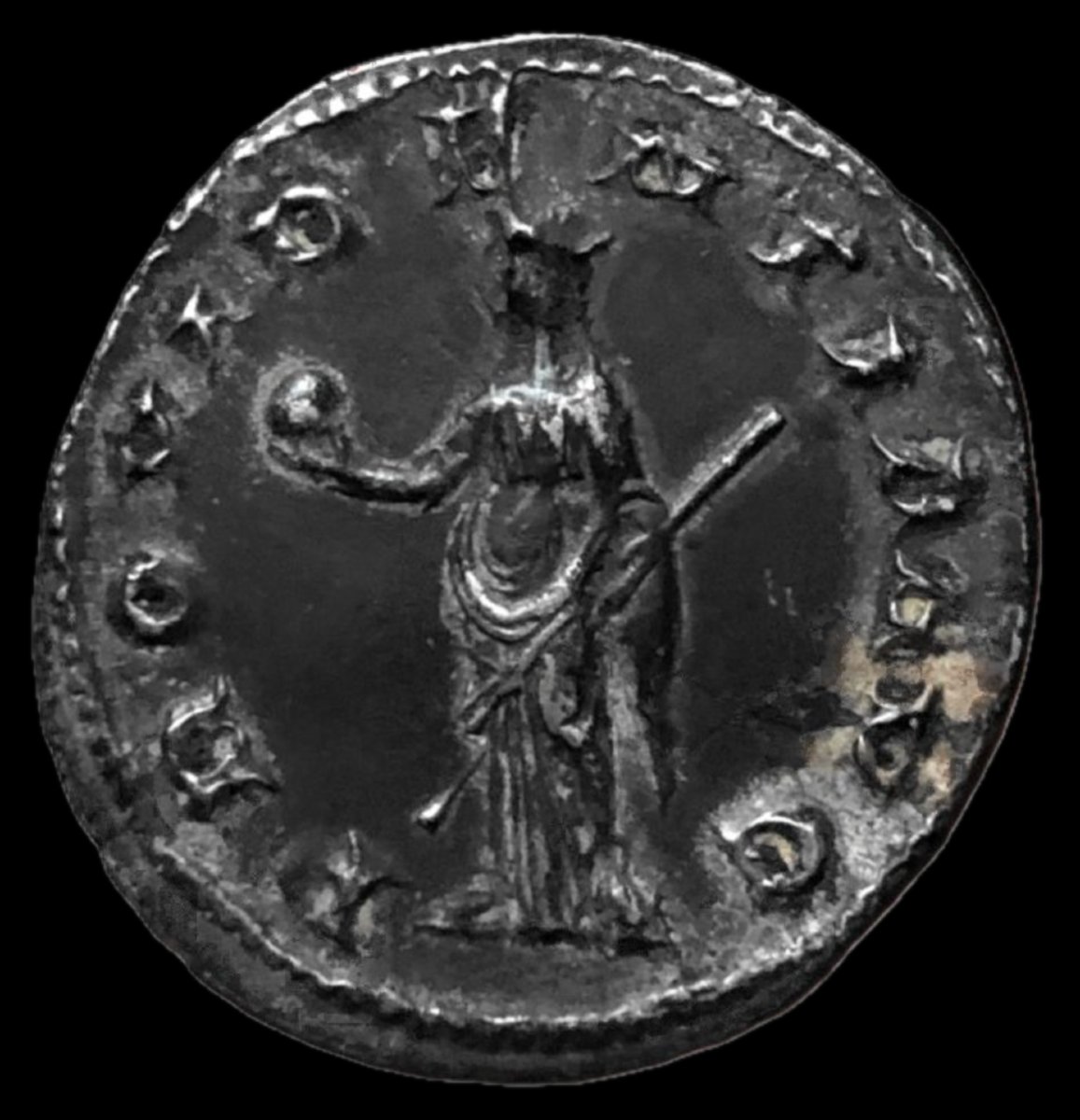
Close examination with a ×10 loupe and raking light: inspection of both sides shows a hammer-struck antoninianus on a slightly irregular flan (typical for the module), with a silver surface in a grey-anthracite tone and lighter highlights on the relief, consistent with ancient circulation and/or an old, non-aggressive cleaning. The perimeter retains a generally coherent rim and beaded border. A fissure/strain line at the top of the reverse (around 12 o’clock) appears compatible with flan or striking stresses commonly encountered on 3rd-century radiates; within the strict limits of what examination allows, no visual element compels the hypothesis of modern manufacture.
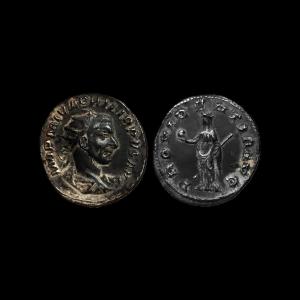
ObverseThe obverse corresponds to the expected type: radiate, draped, and cuirassed bust right (the radiate crown—though partly softened by wear—remains the normal indicator of the antoninianus). The circular legend IMP M IVL PHILIPPVS AVG is visible in regular segments, with occasional losses due to centering and wear, a frequent occurrence on this module. Philip’s physiognomy (energetic profile, short beard) remains well structured, supporting secure identification.
ReverseThe reverse depicts Providentia, draped and standing left, holding a sceptre and associated with a globe (held and/or placed near the ground depending on the variant), with the legend PROVIDENTIA AVG visible in areas. The combined set “legend + personification + globe” matches the standardized descriptions in the references.
Typological note — Hybrid / continuity of typesThe PROVIDENTIA motif is firmly attested under the preceding reign, and specialized literature notes the existence of hybrids (pairings of obverses and reverses not strictly contemporary), sometimes discussed in connection with eastern attributions (notably Antioch) for certain groups. In this context, the expression “hybrid with a Gordian III reverse” should be understood in the numismatic sense (continuity, reuse of schemes and sometimes dies) and must be assessed case by case on finer mint criteria (style, engraving, striking characteristics).
SpecificationsAuthority: Philip I “the Arab,” AD 244–249
Denomination: Antoninianus (AR)
Obverse: IMP M IVL PHILIPPVS AVG, radiate, draped, cuirassed bust right
Reverse: PROVIDENTIA AVG, Providentia standing left, sceptre and globe
Mint: generally attributed to Rome for this RIC/OCRE number; an “Antioch / East” reading may be discussed for certain groups and “hybrids” and is treated on stylistic criteria
References: RIC IV.3, 102; OCRE entry (ric.4.ph_i.102); Numista No. 282186
Weight: 3.85 g
Philip I came to power in AD 244 amid a tense eastern military situation, then moved quickly to consolidate legitimacy and imperial stability. The monetary propaganda of his reign relies on “institutional” personifications (Providentia, Aequitas, Pax, etc.) designed to project orderly governance at the heart of the 3rd-century crisis.
With regard to minting, modern documentation emphasizes the importance of Antioch in the production of 3rd-century antoniniani and the complexity of the series, some of which can display anomalies and hybrid pairings—an essential point in the expert assessment of “rare” specimens with an eastern tradition.
Cultural valueFor collectors, this radiate offers enduring strengths:
a complete and immediately identifiable titulature (IMP M IVL PHILIPPVS AVG);
a PROVIDENTIA reverse with highly legible political language (globe = the governed world; sceptre = authority);
a typology firmly framed by the standard corpora (RIC/OCRE) and readily comparable to published specimens, with rarity frequently noted in collection databases.
In accordance with our practice, each specimen is examined, described, and accompanied by a certificate of authenticity consistent with the standards of the art and heritage market. The study is conducted with close observation under a ×10 loupe and raking light, with technical checks (typological coherence, engraving style, strike structure, and reading of legends and relief).
Provenance is European, sourced through a professional numismatic channel; acquisition results from a specialized international transaction carried out within a network of dealers and experts, in line with standards expected for heritage assets.
Secure shippingFrance: Colissimo, signature + insurance (€20)
International: UPS, signature + insurance (€35)
Reinforced packaging, shock protection, and systematic tracking procedure.
Payment methodsWe accept:
Cheque (shipment after effective receipt of funds)
Bank transfer (details provided upon request)
Bank payment link (CB, Visa, Mastercard, American Express, Apple Pay)
We do not sell to the United States due to the complexity of import requirements applicable to cultural goods, specific customs controls, and associated insurance constraints, in order to ensure fully controlled management of the legal and logistical obligations linked to the international circulation of heritage objects.
Period: Before 16th century
Style: Rome and Antic Greece
Condition: Good condition
Reference (ID): 1710010
Availability: In stock