

Septimius Severus Denarius “restitvtor Vrbis” — Certificate Of Authenticity
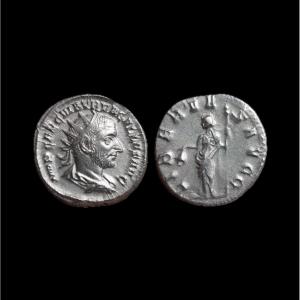
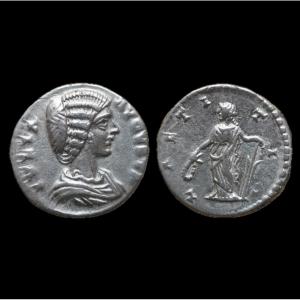
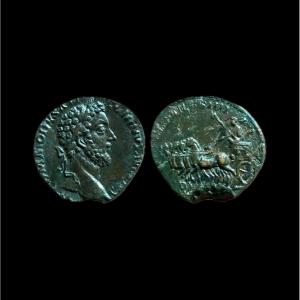
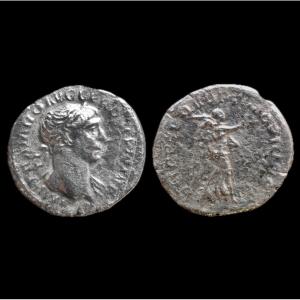
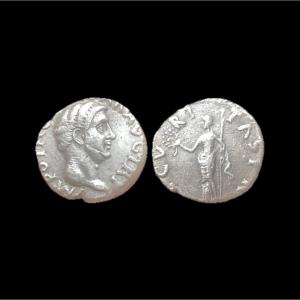
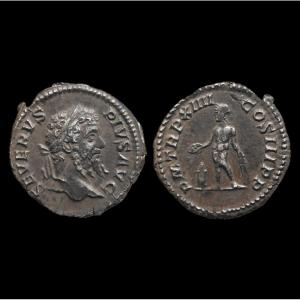
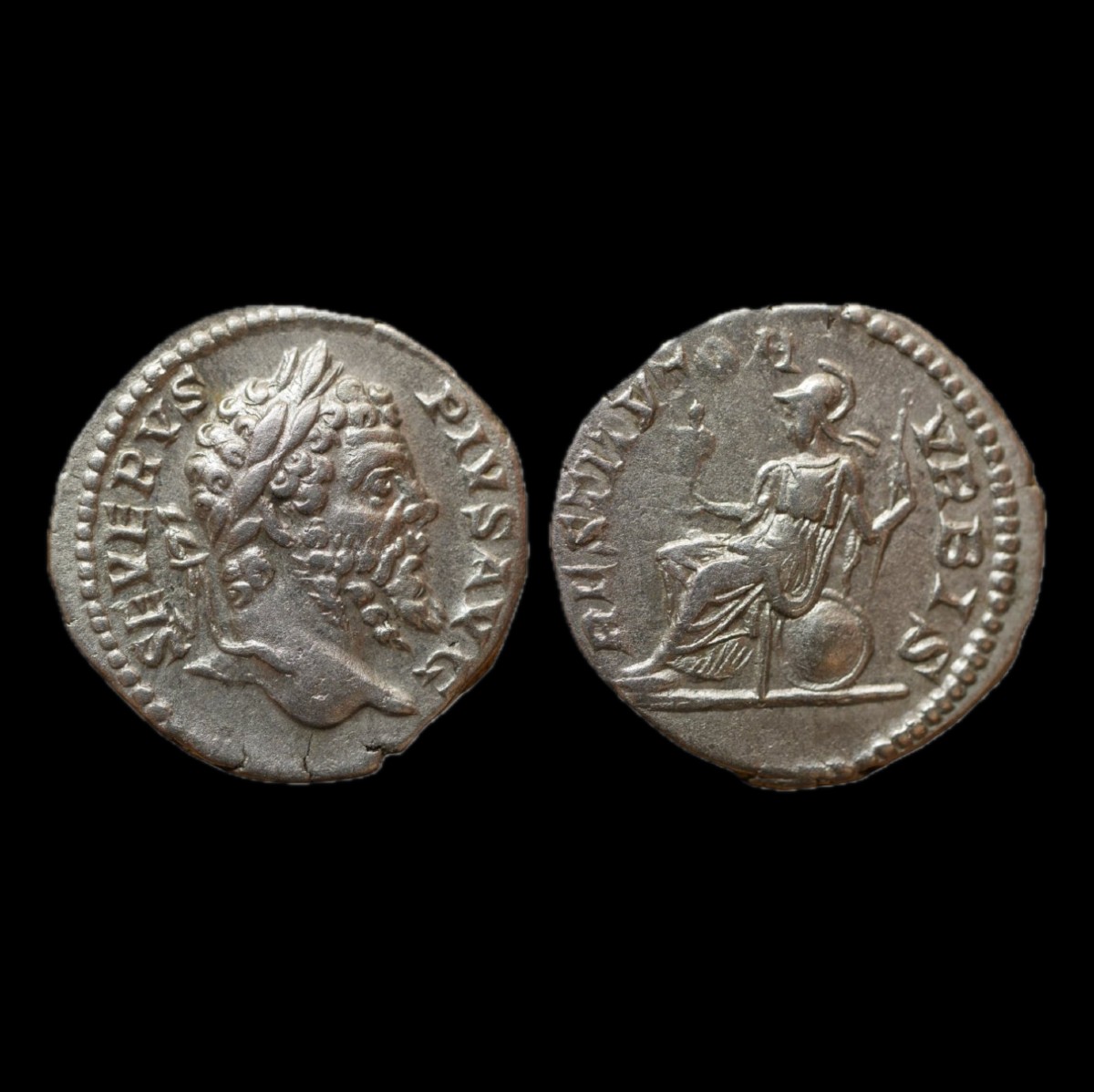
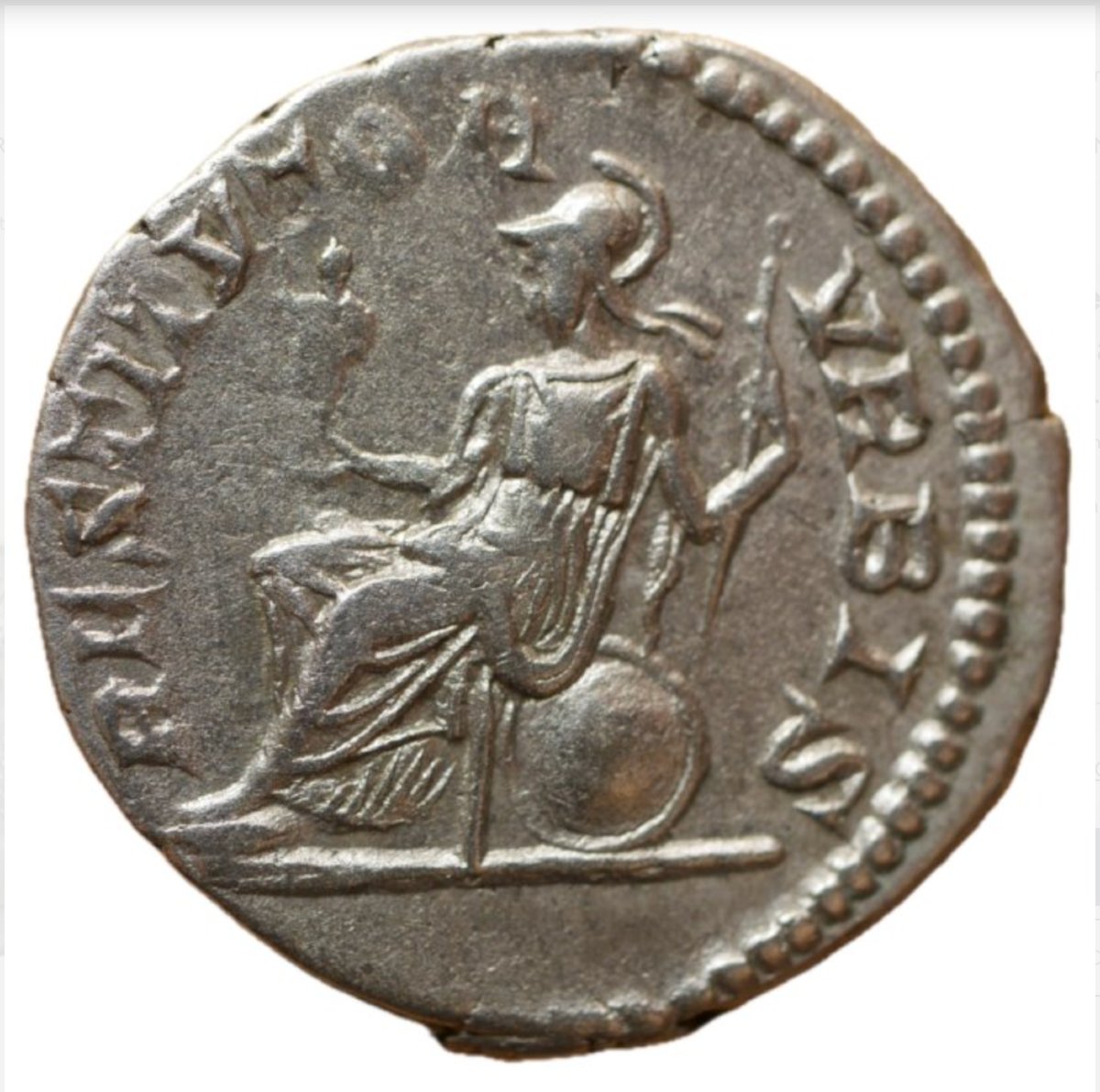
A silver denarius of Septimius Severus, struck at Rome within the range commonly attributed to AD 202–210, a type especially eloquent for the collector because it presents, on the reverse, Roma seated on a shield, holding the palladium and a scepter, beneath the programmatic legend RESTITVTOR VRBIS; an attribution that can be controlled by typological concordance with RIC IV.1 288, as consistently repeated in standard reference catalogues and market comparanda.
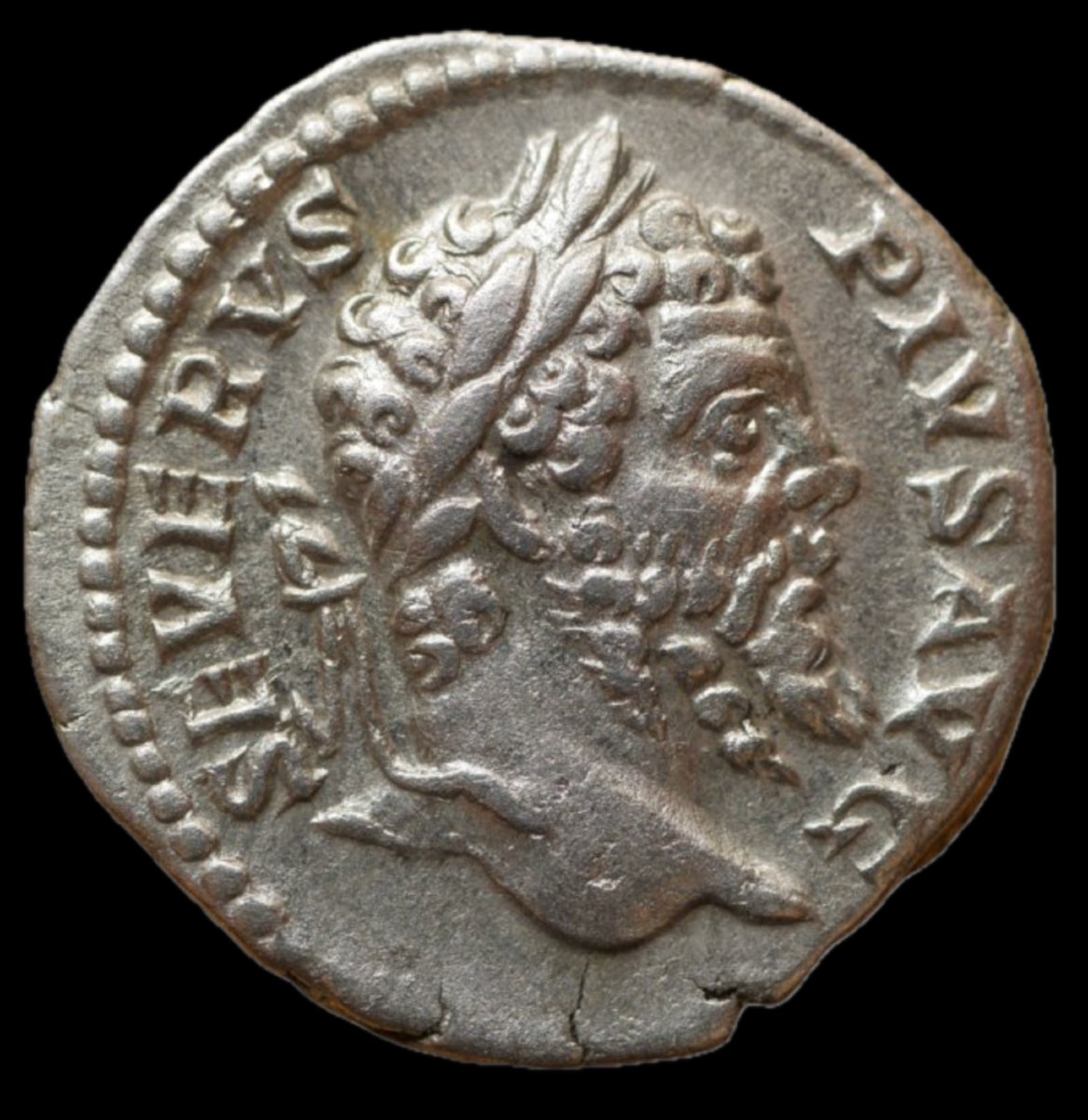
Careful observation under ×10 magnification and raking light: the specimen appears on a flan of naturally irregular outline, with peripheral beading clearly perceptible over a broad portion of the circumference, and small edge flan cracks characteristic of hammer striking and of the material life of Severan denarii; the reading nonetheless remains structured by the decisive elements—on the obverse, the laureate portrait with its Severan physiognomy (curled hair, worked beard, visible wreath ties), and on the reverse, the seated Roma figure, the palladium held in the right hand, and the scepter held in the left—allowing identification to rest on observable, documented markers.
SpecificationsAuthority: Septimius Severus (AD 193–211).
Mint / type dating: Rome, approx. AD 202–210.
Denomination / metal: Denarius, silver (AR).
Diameter / weight: 19 mm; 3.37 g (specimen data).
Obverse: SEVERVS PIVS AVG, laureate head right.
Reverse: RESTITVTOR VRBIS, Roma seated left on shield, palladium in right hand, scepter in left hand.
Reference: RIC IV.I 288 (type and description concordances).
Historical contextThe formula RESTITVTOR VRBIS belongs to the political language through which Severan power stages the restoration and protection of the city, and the choice of Roma seated with the palladium in hand places this message within an iconography of legitimacy and permanence, in which the city—both political body and sacred symbol—is figured as guardian of its own destiny under the aegis of the emperor as “restorer.”
Cultural valueThis type stands out for immediate legibility and strong symbolic density, combining a highly characteristic imperial obverse with a reverse on which Roma, the palladium, and the scepter form a scene that is at once narrative and institutional, particularly sought after in collections devoted to the Severans, personifications of Rome, or coinages expressing urban restoration; certain collection databases assign this type a notable rarity index, a point which—without replacing examination of each specimen—helps to explain the sustained interest it attracts on the numismatic market.
Traceability & guaranteesThe provenance is European, from an established numismatic dealer, and the acquisition was made via a specialized international transaction, conducted within a recognized numismatic network and validated to the highest standards of the art and heritage market; the attribution rests on concordance of the legends and iconographic arrangement with RIC IV.I 288, as repeated in published notices and comparanda.
Each specimen is examined, described, and accompanied by a certificate of authenticity consistent with the standards of the art and heritage market, this notice being deliberately limited to observable and documentable elements so that the collector’s confidence remains solidly grounded.
Period: Before 16th century
Style: Rome and Antic Greece
Condition: Good condition
Reference (ID): 1722201
Availability: In stock