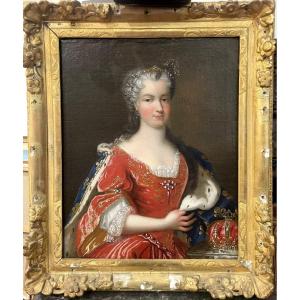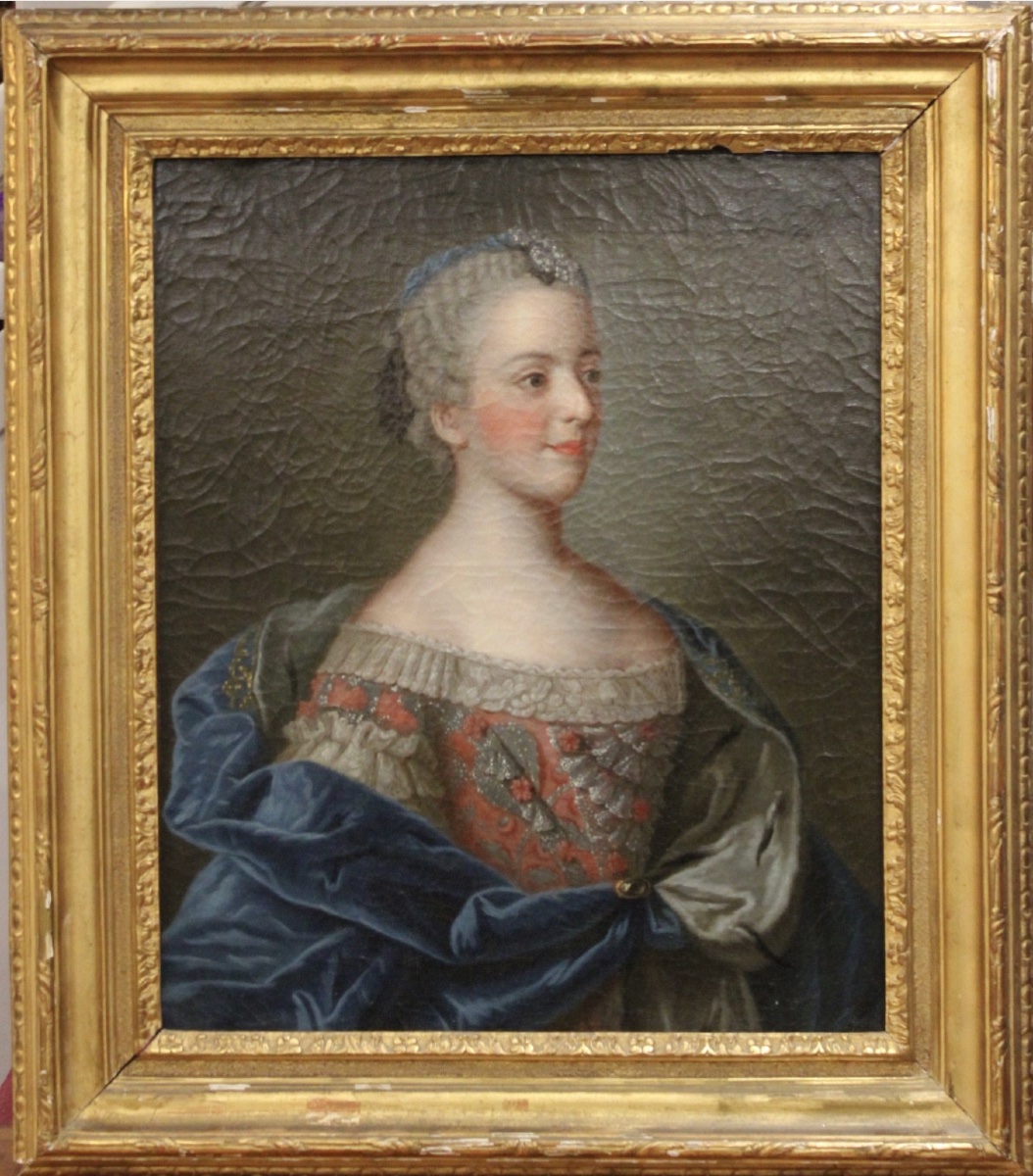
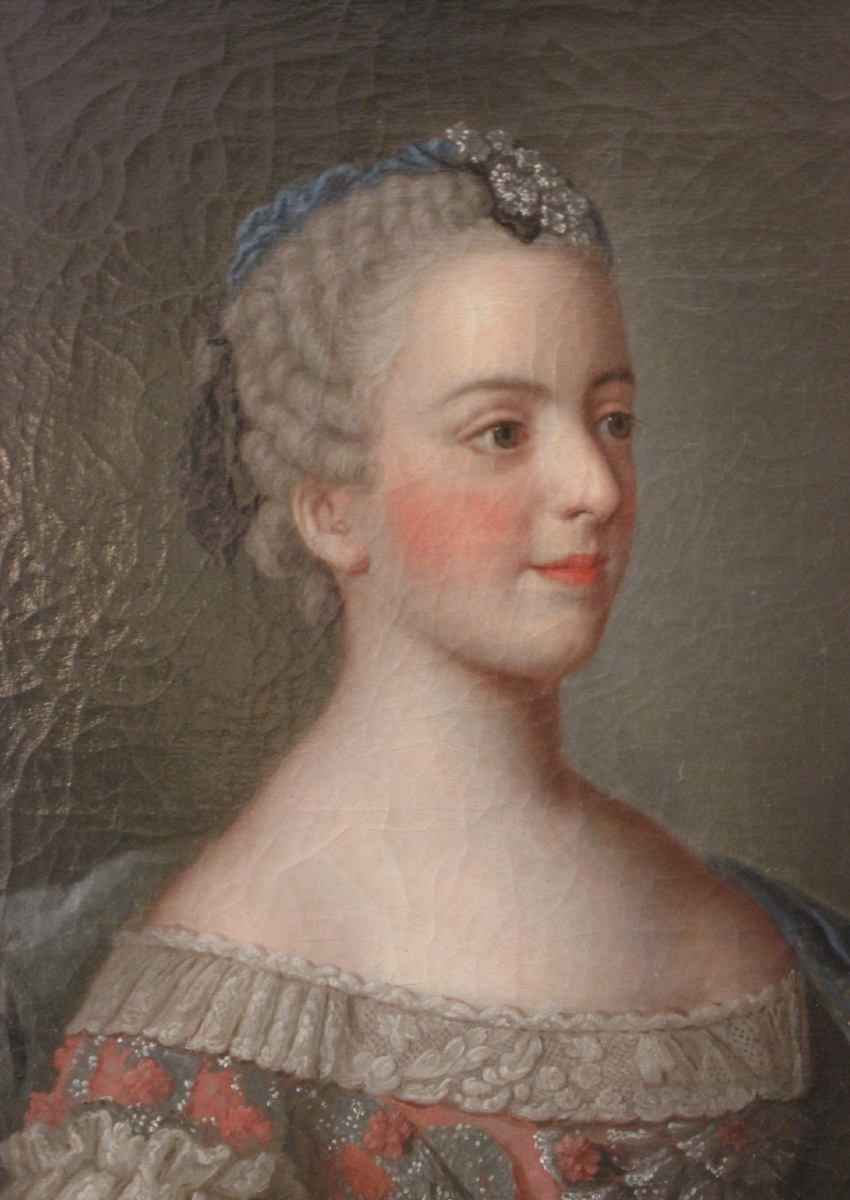
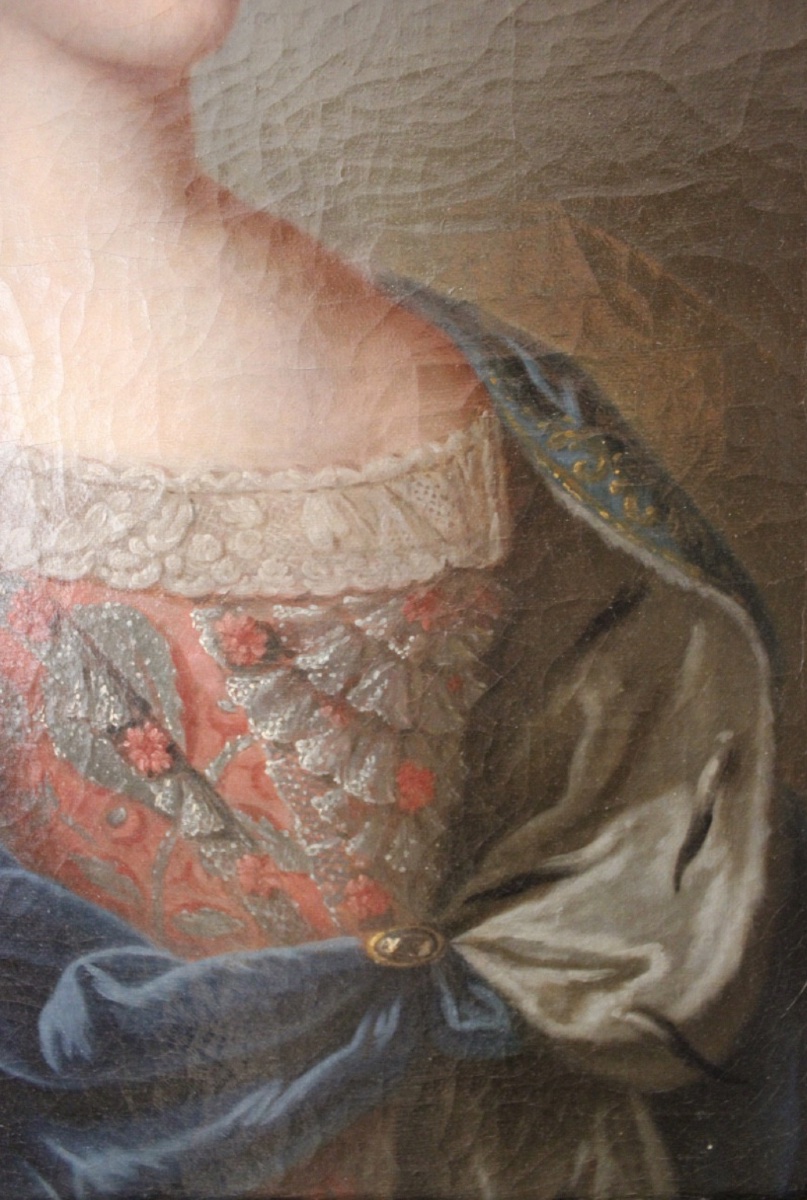
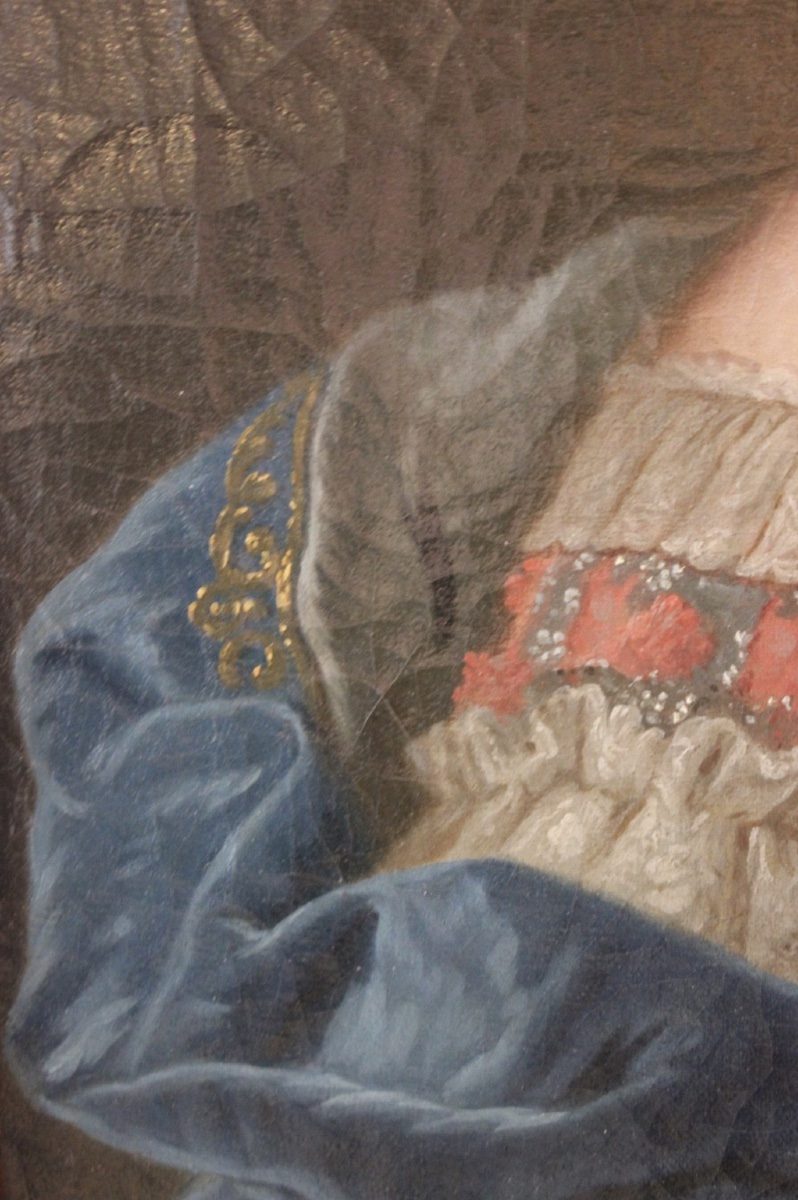
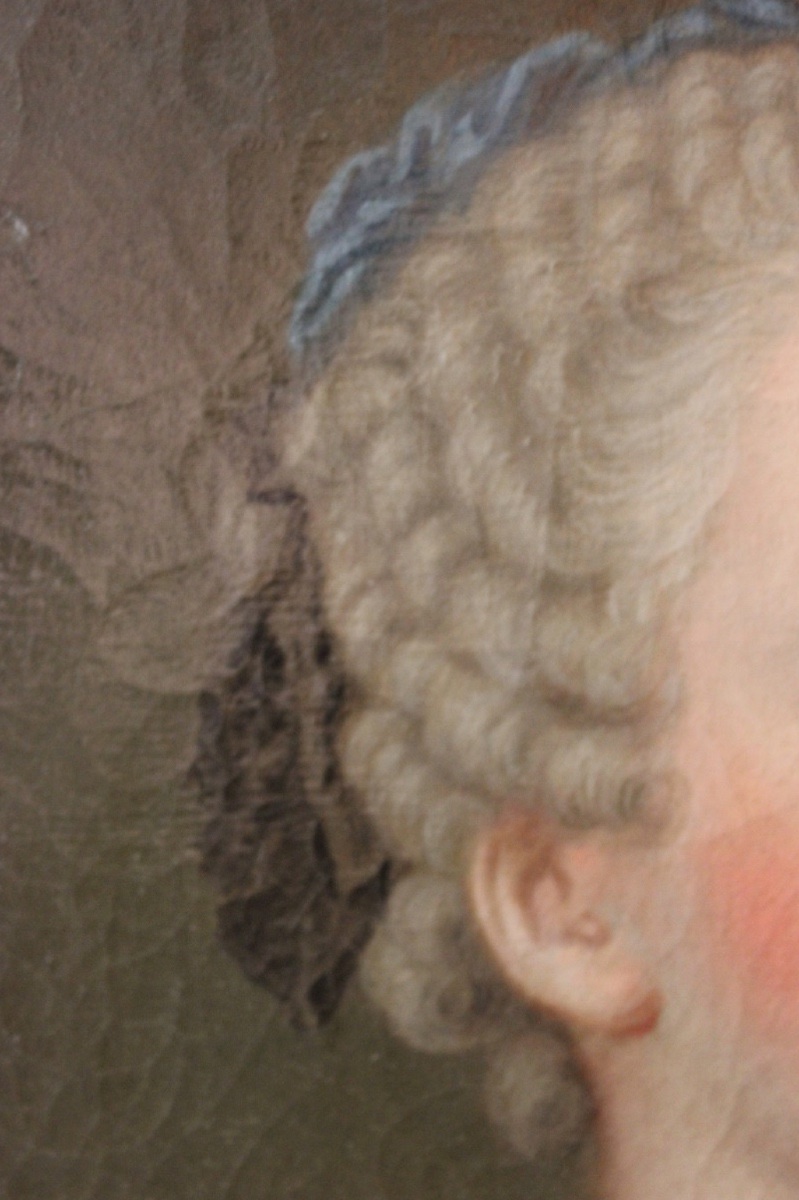
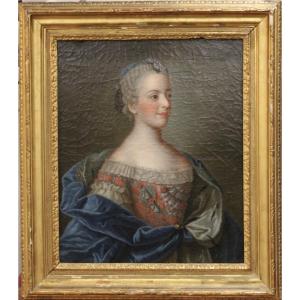


Jean-étienne Liotard (1702–1789) — Portrait Of Louise Of France — Oil On Canvas
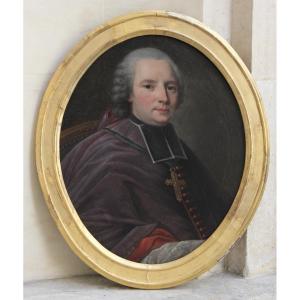
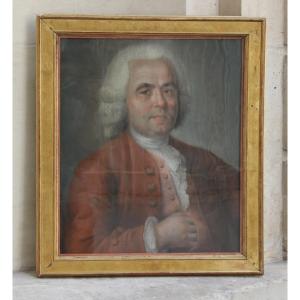
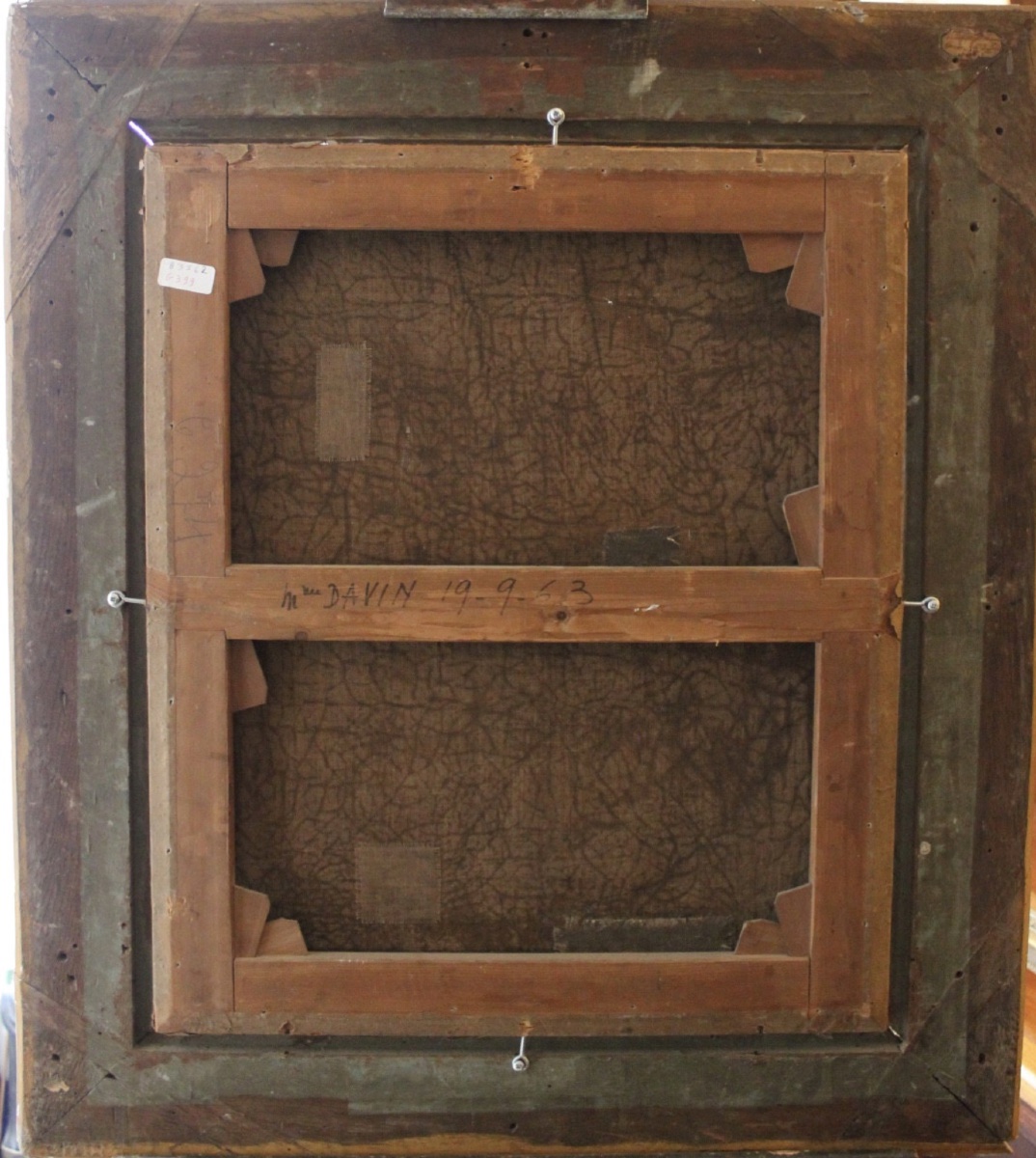
Oil on canvas on its original stretcher (62 × 51 cm, visible area), set in a 19th-century carved and gilded wooden frame.
A very elegant portrait of “Madame Louise,” the eighth daughter of King Louis XV and Queen Marie Leszczyńska.
Born in 1737 in Versailles, she grew up with her sisters at the prestigious Fontevraud Abbey before joining the court at age 13. The king affectionately gave her the nickname “Chiff” (meaning: tender, delicate), contrary to what is known of her notoriously capricious and hot-tempered behavior.
She used her strong-willed nature to fend off the king’s and diplomats’ attempts to marry her off to suitable suitors, notably in 1766 to Emperor Joseph II of the Holy Roman Empire.
As early as 1748, when Louise, aged 11, was still at Fontevraud, rumors circulated that her father intended to betroth her to Prince Charles Edward, the Stuart pretender to the English throne. Madame Louise then declared:
“Do I not have reason to be deeply troubled, since a husband is being chosen for me, when I desire none other than Jesus Christ?” ”
This beautiful portrait was painted around 1750 by the master of his time, Jean-Étienne Liotard. Painting both the powerful and the humble, this eccentric and versatile artist traveled from Rome to Constantinople, then to Paris, London, and Amsterdam.
A painting of Madame Louise’s sister, Marie-Adélaïde of France (1753, oil on canvas), is housed in Florence at the Uffizi Gallery.
The museums in Amsterdam, Bern, and Geneva boast a wealth of examples of his works. In Paris, the Louvre holds 42 of his pastels, and in London, the Victoria and Albert Museum.
To the great surprise of the court and against the king’s wishes, Madame Louise wished to enter the “poorest Carmelite convent in France,” that of Saint-Denis. She abandoned the pomp and depravity of the court and took the veil in 1770. She made this sacrifice in order to “atone for her father’s sins.”
She died suddenly in 1787, according to eyewitness accounts, as a result of poisoning.
The Revolution drove her dynasty from the throne and persecuted the clergy. In 1793, revolutionaries who desecrated the tombs of the kings of France in the Basilica of Saint-Denis also came to the cemetery of her Carmelite convent, located around the cloister, to exhume her body and throw it into a mass grave with the remains of the royal family.
Pope Pius IX initiated her cause for beatification on June 19, 1873. That same year, he declared Mother Teresa of Saint Augustine “Venerable.”
The beatification of Mother Thérèse of Saint Augustine was resumed in Rome on December 13, 1985, as a historical cause for canonization under the new procedure.
An association was founded in January 1986 to support this cause for beatification.
The decrees on the heroic virtues of Thérèse of Saint Augustine were published on December 18, 1997. To date, all that is needed is one officially recognized miracle attributed to Mother Teresa of Saint Augustine for the Church to officially declare her “Blessed.”
Period: 18th century
Style: Louis 15th - Transition
Condition: Excellent condition
Material: Oil painting
Length: 85,3 cm
Width: 73 cm
Reference (ID): 1816703
Availability: In stock