

Septimius Severus Denarius “fvndator Pacis” — Certificate Of Authenticity
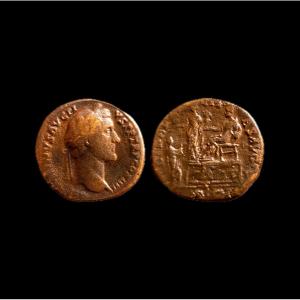
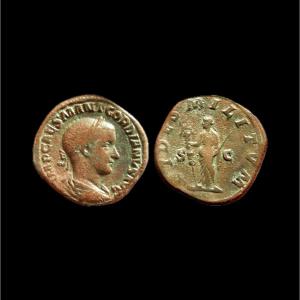
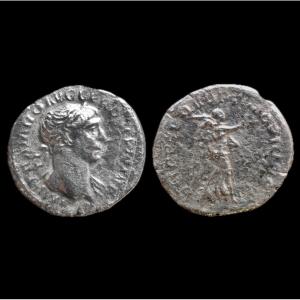
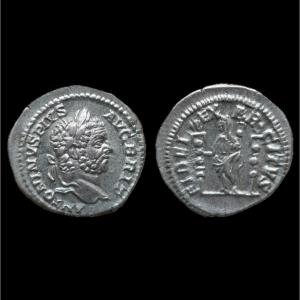
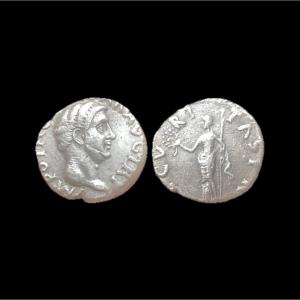
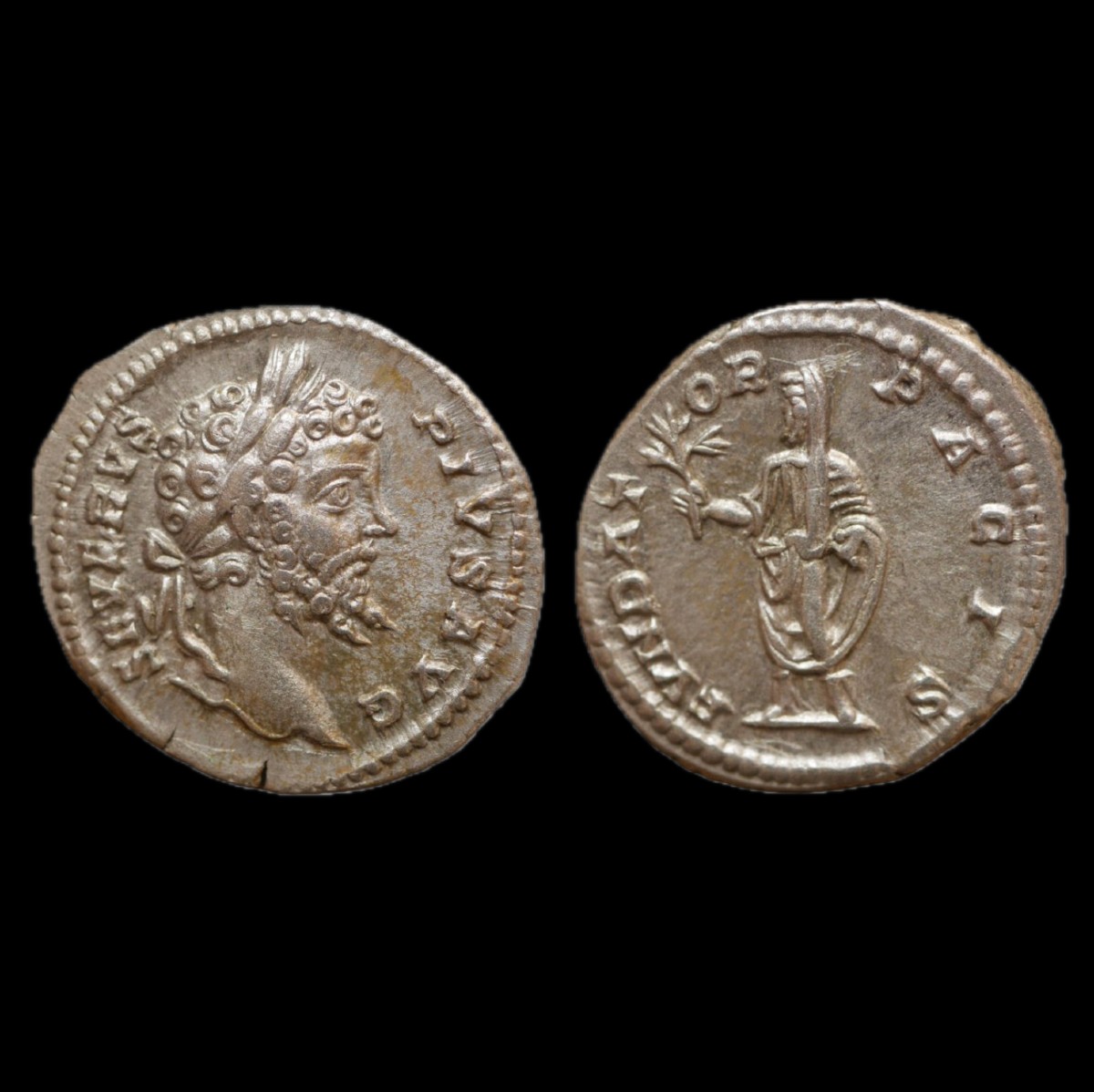
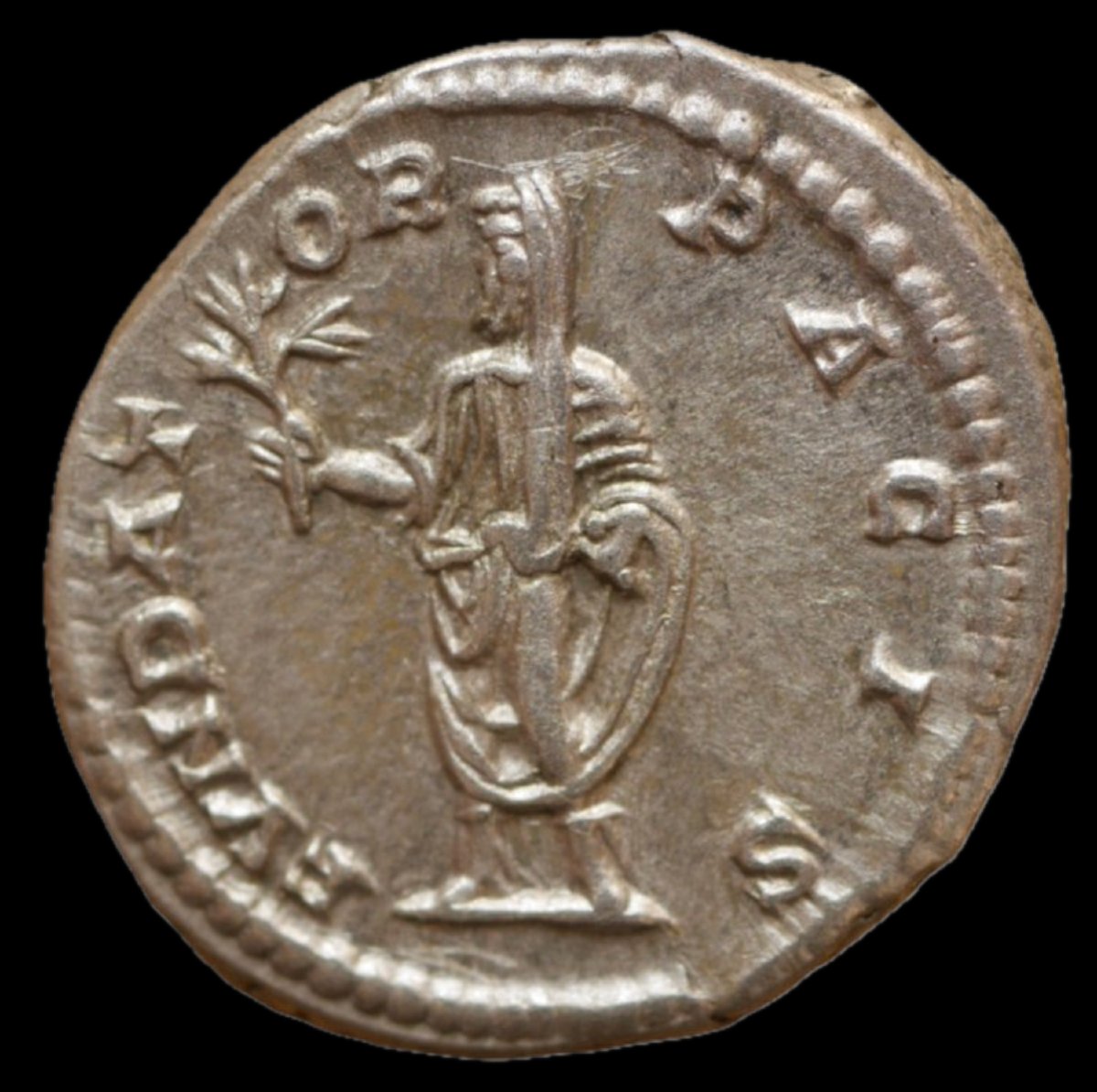
A silver denarius of Septimius Severus, struck at Rome in the AD 201–202 sequence, whose strong appeal to the collector lies in a particularly explicit reverse—FVNDATOR PACIS, “founder of peace”—on which the emperor, veiled and wearing the toga, appears in a ritual and institutional posture, holding a branch (a sign of pacification) and a scroll (a sign of act, norm, and order); a combination solidly attested and easily controllable in the major corpora under RIC IV 265 / BMC 330 / Cohen 205, thereby establishing a fully verifiable typological attribution.
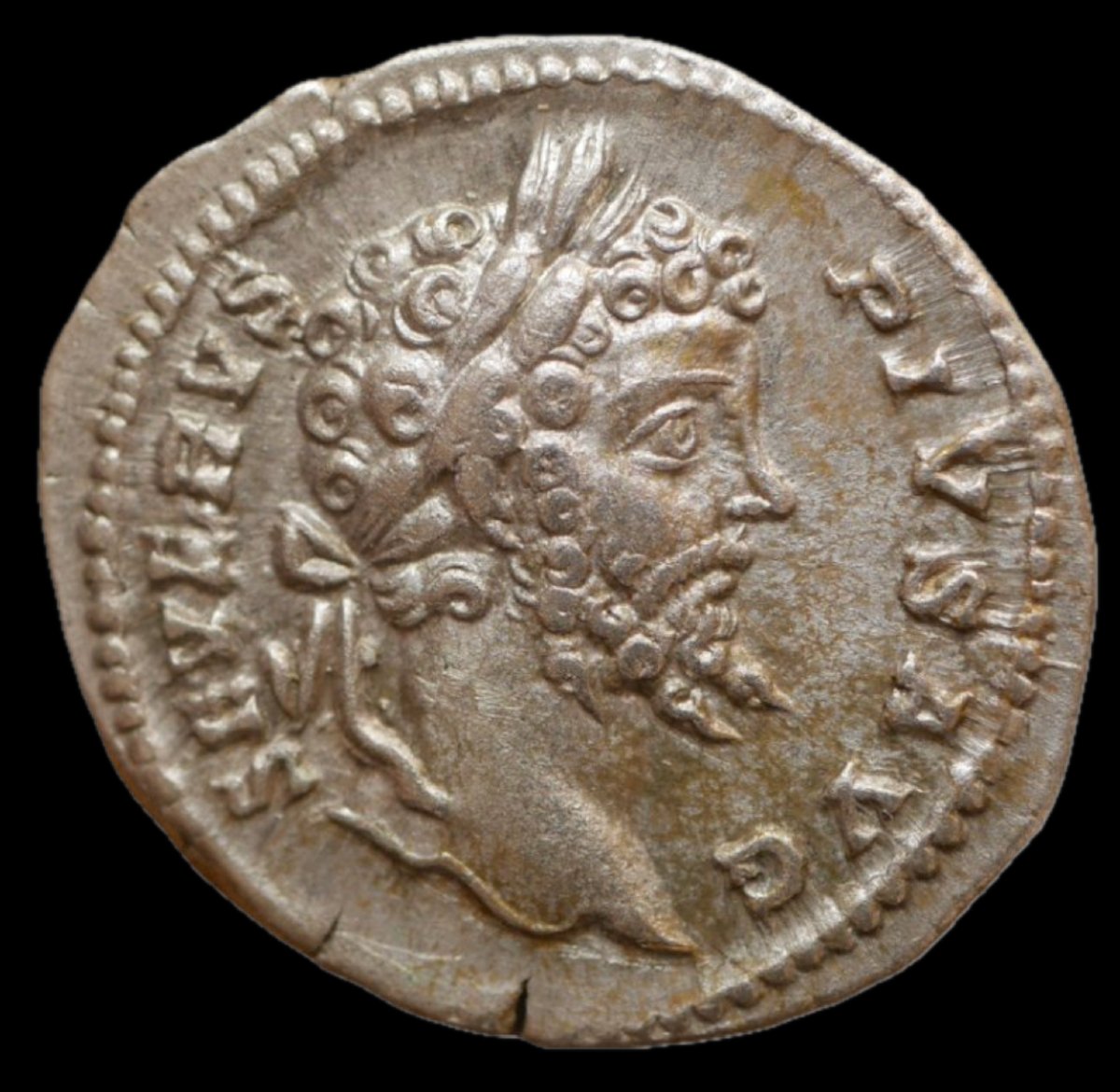
Careful observation under ×10 magnification and raking light: the specimen shows a regular flan with a crisp peripheral beading, an obverse with well-ordered relief in which the laurel wreath, hair, and beard retain comfortable readability, while the fields—of a nuanced grey tone with discreet traces of circulation—display an old micro-texture consistent with normal monetary life; examination of the edges further reveals small irregularities and fine, old flan cracks at the periphery, characteristic of hammer striking on imperial silver, without diminishing overall appeal or the clarity of the scene.
SpecificationsAuthority: Septimius Severus (AD 193–211).
Mint / date: Rome, 201–202 (for the RIC 265 type in comparative notices and sale-archive records).
Denomination / metal: Denarius, silver (AR).
Diameter / weight: 18 mm; 3.60 g (as stated), consistent with same-type specimens observed in market archives and catalogues.
Obverse: SEVERVS PIVS AVG, laureate head right.
Reverse: FVNDATOR PACIS, Septimius Severus veiled, standing, holding branch and scroll.
References: BMC 330; Cohen 205; RIC 265.
Historical contextIn the aftermath of years of civil war and dynastic consolidation, Severan iconography willingly employs legitimizing formulas that combine authority with appeasement, and the legend FVNDATOR PACIS fits precisely within this rhetoric by presenting the emperor as the one who “founds” peace—not as an abstraction, but as a political construction—while the veil and toga, drawn from the ceremonial register, reinforce the idea of a public order guaranteed by civic religion and by norm.
Cultural valueFor an imperial cabinet, this denarius is a particularly eloquent milestone, because it unites a Septimius Severus portrait in an emphatically Roman style with a reverse of strong narrative density, where the pacifying branch dialogues with the scroll—sign of decision and government—so that the specimen naturally integrates into a Severan collection, a series on imperial virtues and programs, or a thematic ensemble devoted to the monetary representation of peace as an instrument of power.
Traceability & guaranteesThe provenance is European, from an established numismatic dealer, and the acquisition was made through a specialized international transaction, conducted within a recognized numismatic network and validated to the highest standards of the art and heritage market; the attribution rests on strict concordance of the legends and figurative arrangement with RIC 265 / BMC 330 / Cohen 205, a concordance confirmed by multiple published sale comparanda.
Each specimen is examined, described, and accompanied by a certificate of authenticity consistent with the standards of the art and heritage market, this notice being deliberately limited to observable and documentable elements so that the collector’s confidence remains grounded in verifiable numismatic truth.
Period: Before 16th century
Style: Rome and Antic Greece
Condition: Good condition
Reference (ID): 1721788
Availability: In stock