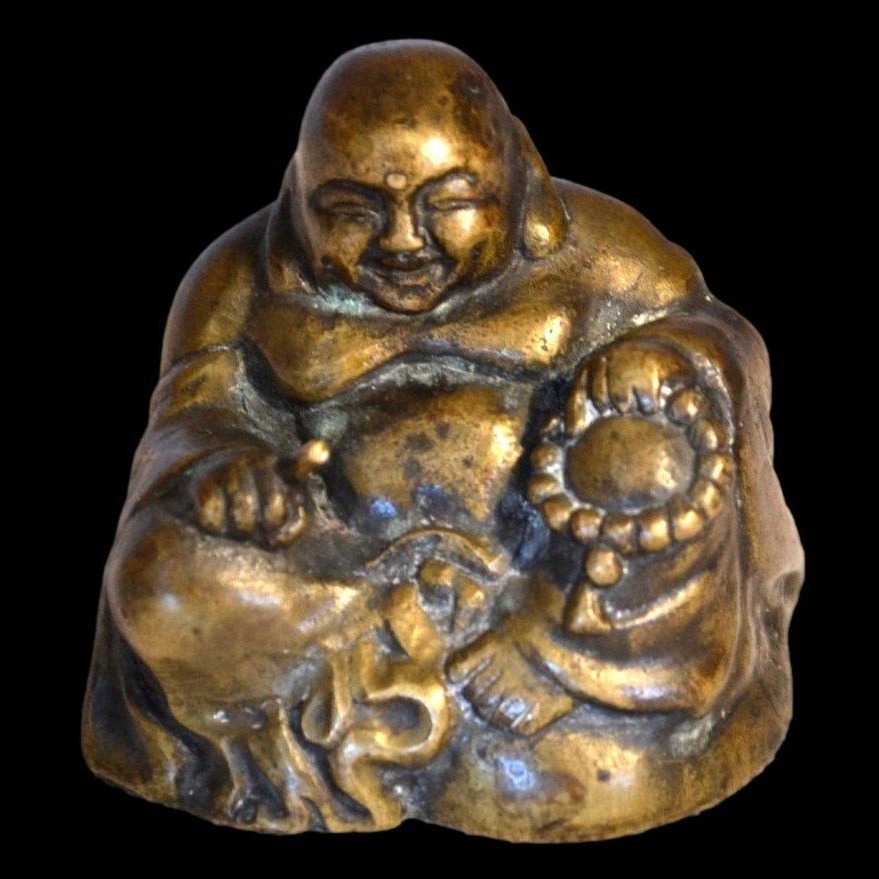
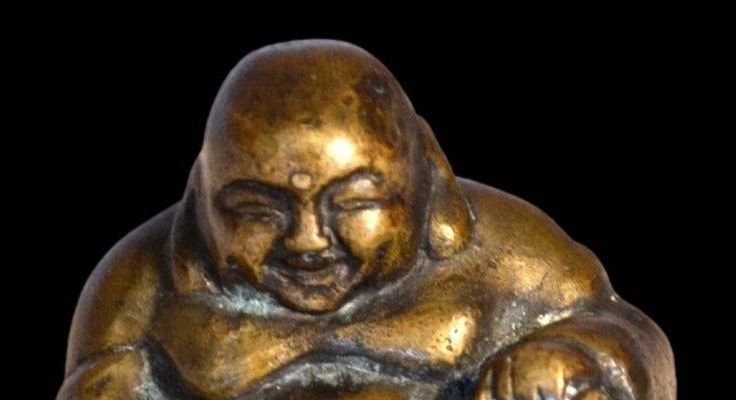



Laughing Buddha, Right Index Finger Raised, Bronze, 19th-century China, Asian Art
Artist: Art D'asie
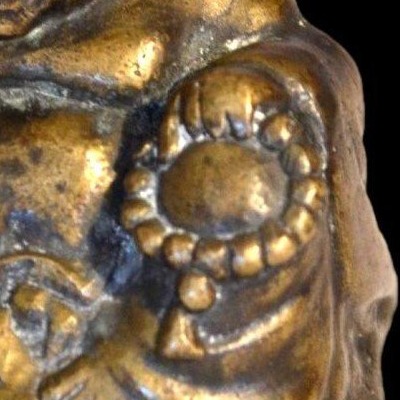
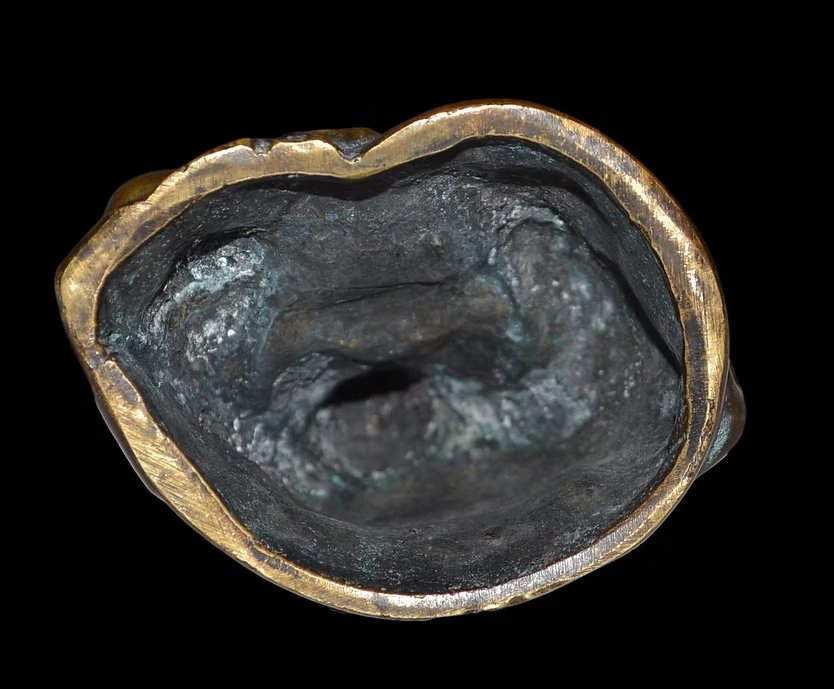
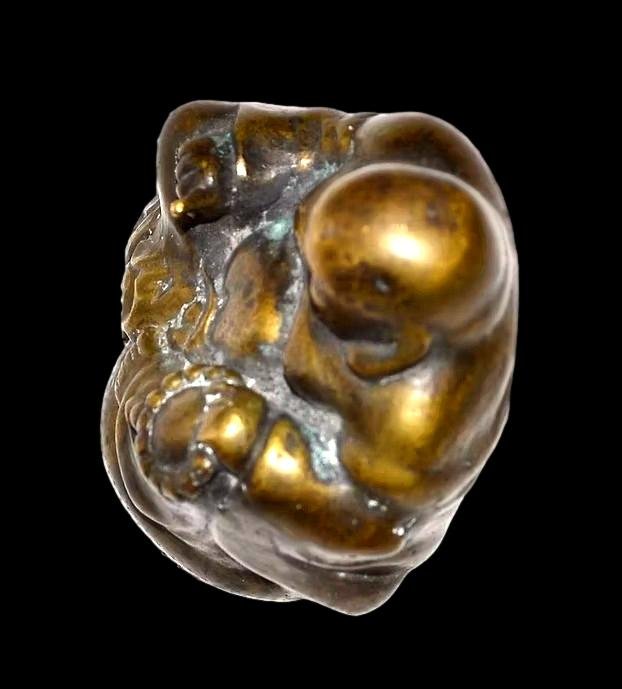
Laughing Buddha in bronze,
19th-century China,
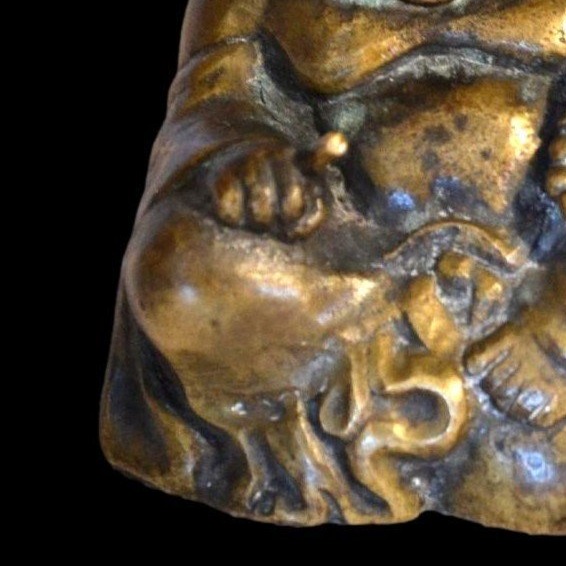
right hand raised in the mudra.
The authentic Buddha, Siddhartha, spent six years practicing strict asceticism before finally realizing that Truth could not be found in extremes......
He is often confused with Pu-Tai, Hotei, the Laughing Buddha, or “Happy Buddha” as he is known in English-speaking countries—the subject of our cheerful model.
The story of our Laughing Buddha dates back to the 10th century A.D. (15 centuries after Buddha) in China, where, while leading a quiet monastic life, he was drawn to the pleasures of the table.
Naturally jovial, he was known for his great generosity and humble kindness.
Over the centuries, Budai became part of Buddhist tradition, simultaneously becoming the deity of happiness and abundance.
Budai (Chinese: 布袋) or Hotei (Japanese: 布袋), Bố Đại (in Vietnamese), also known by the nickname “Laughing Buddha,” is a major figure in Asian folk tradition, particularly in Taoism, Buddhism, and Shintoism.
He generally represents generosity, fortune, and abundance.
Dimensions:
Height: 7.2 cm - Width: 8.1 cm - Weight: 542 grs
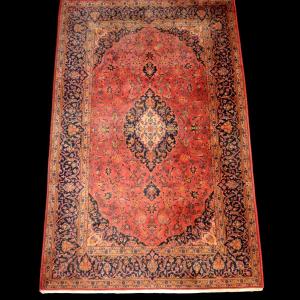
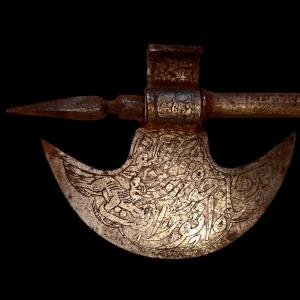
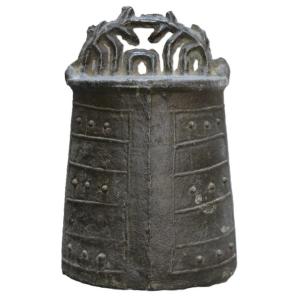
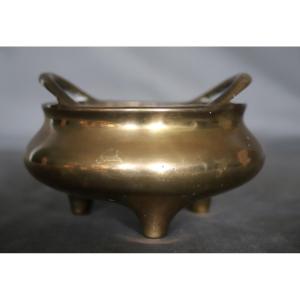
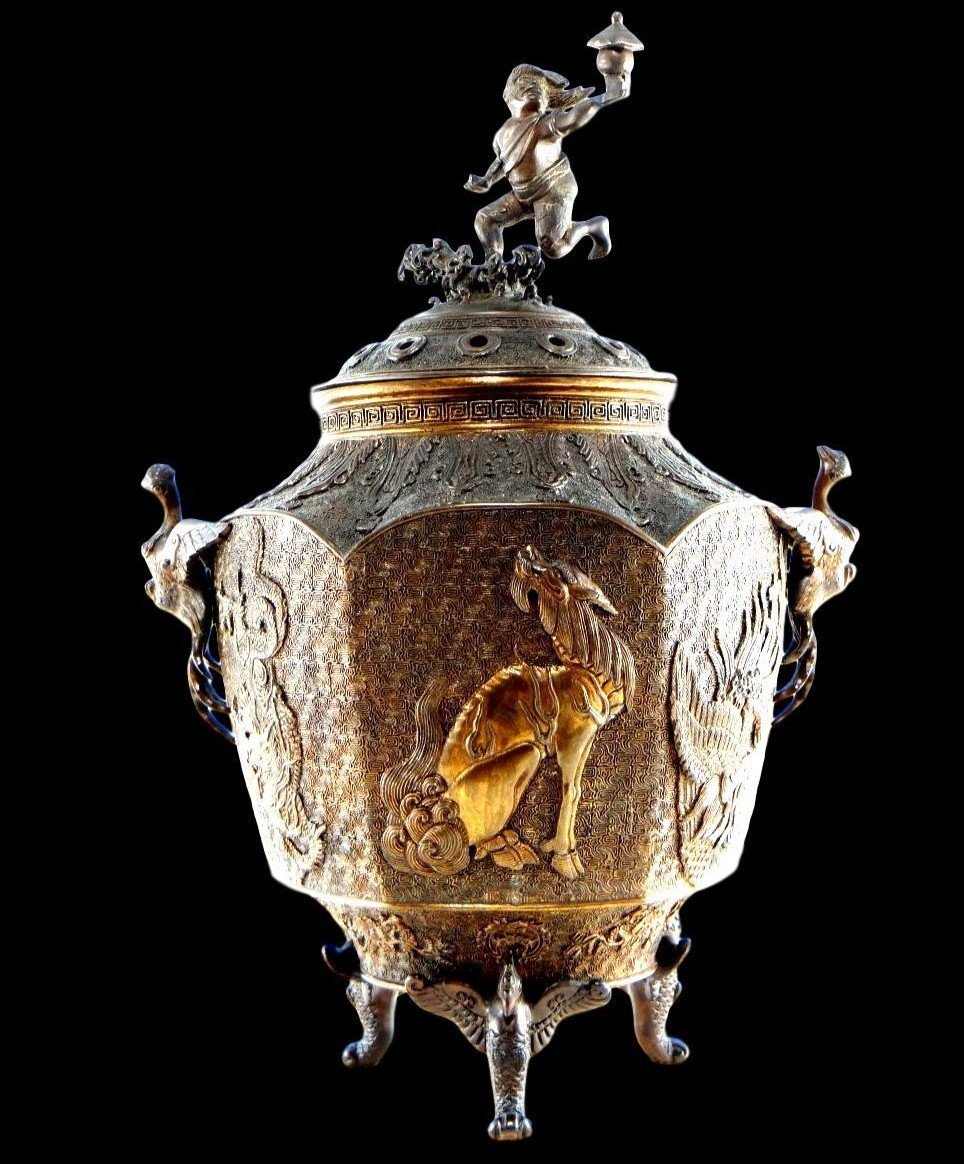
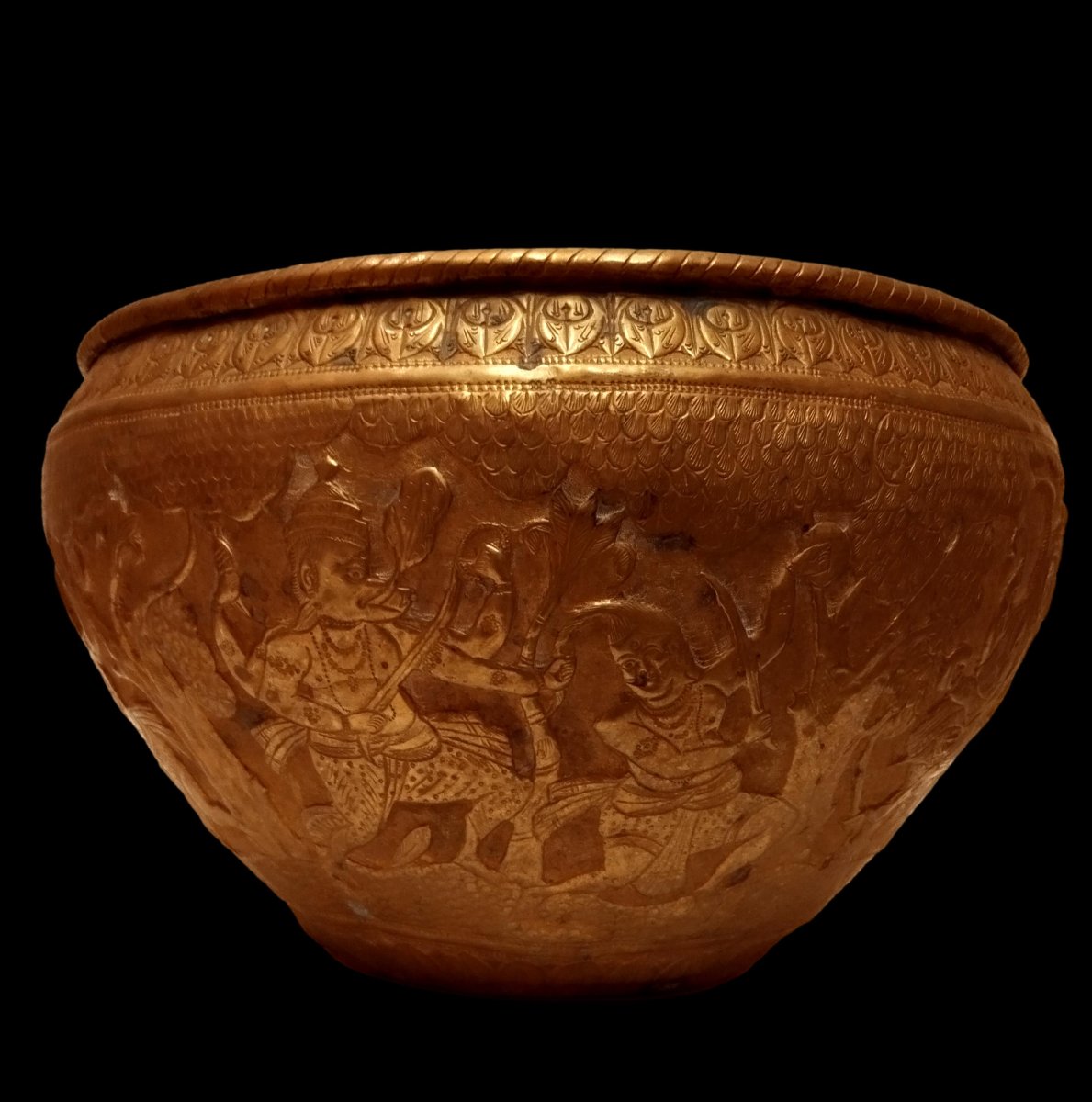
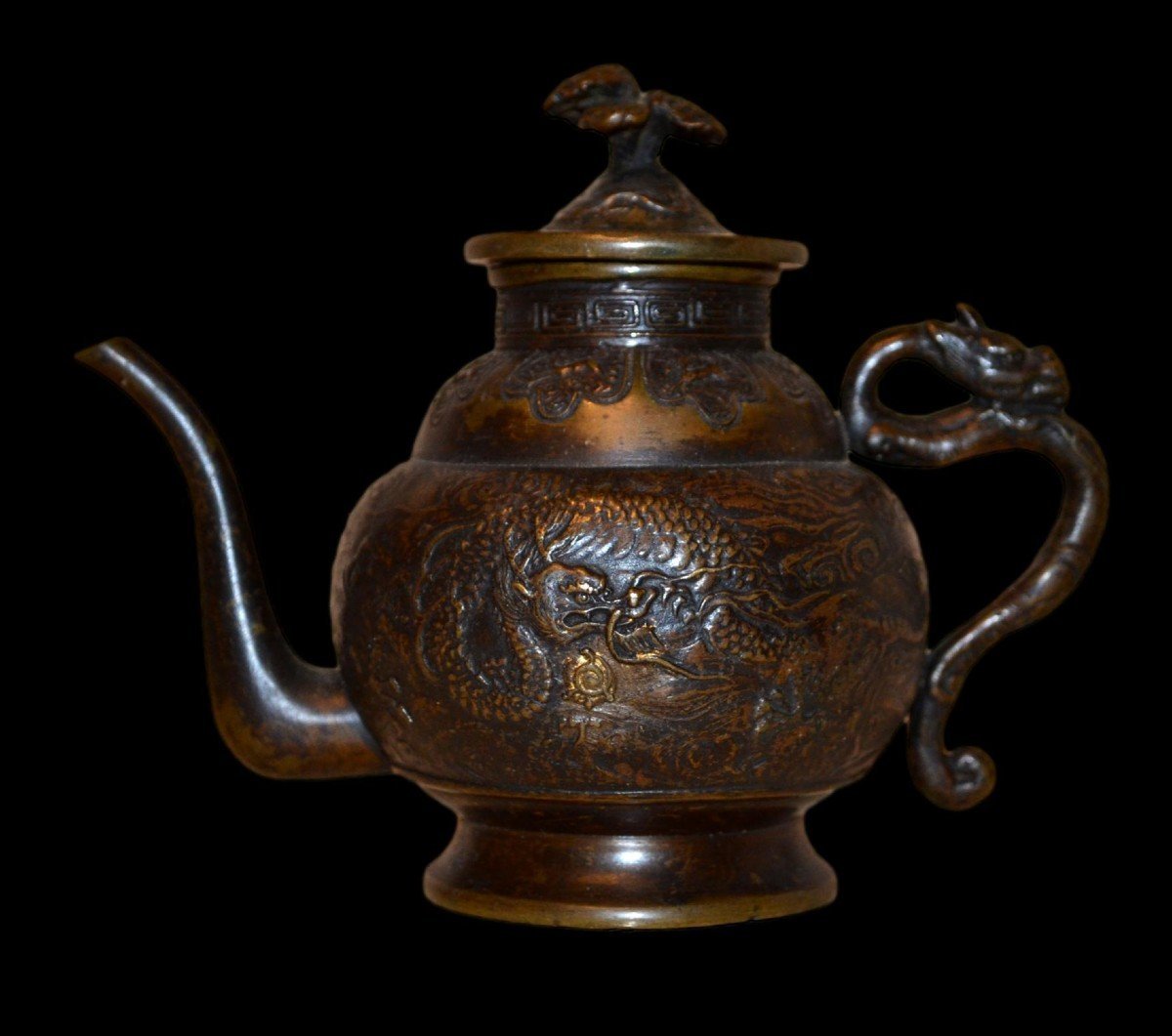
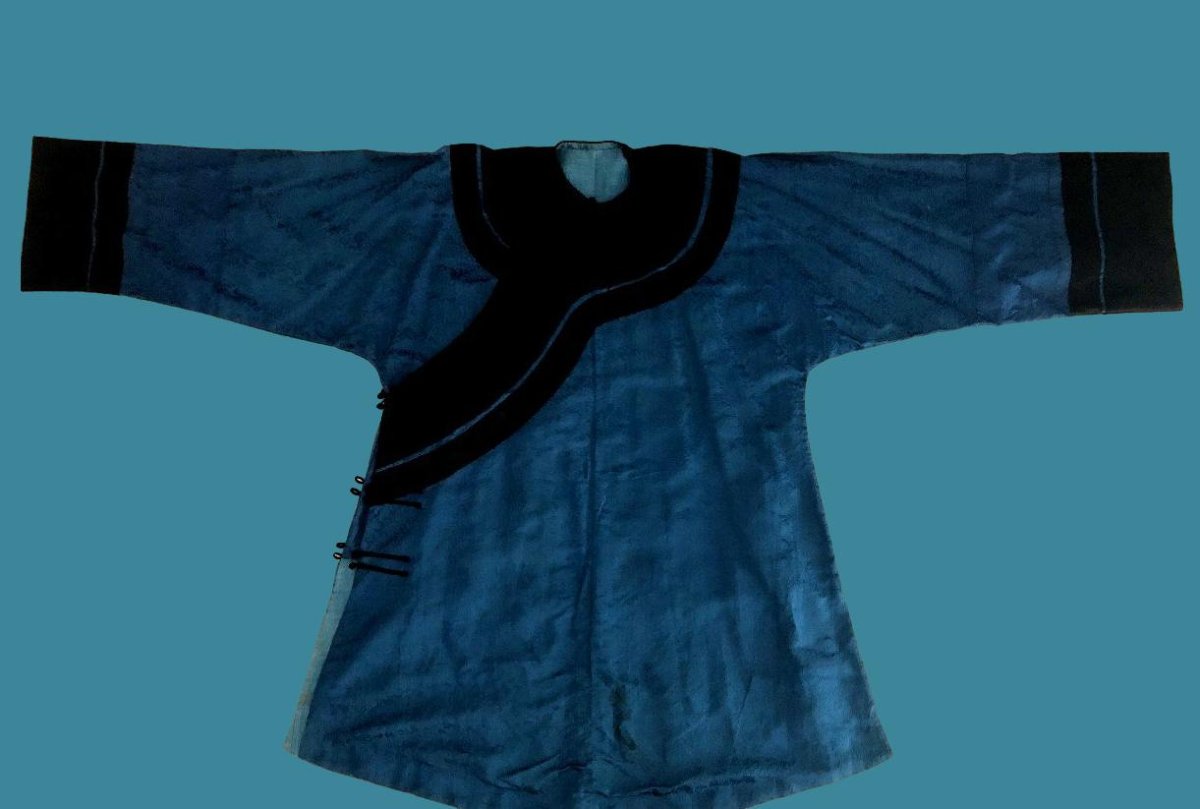
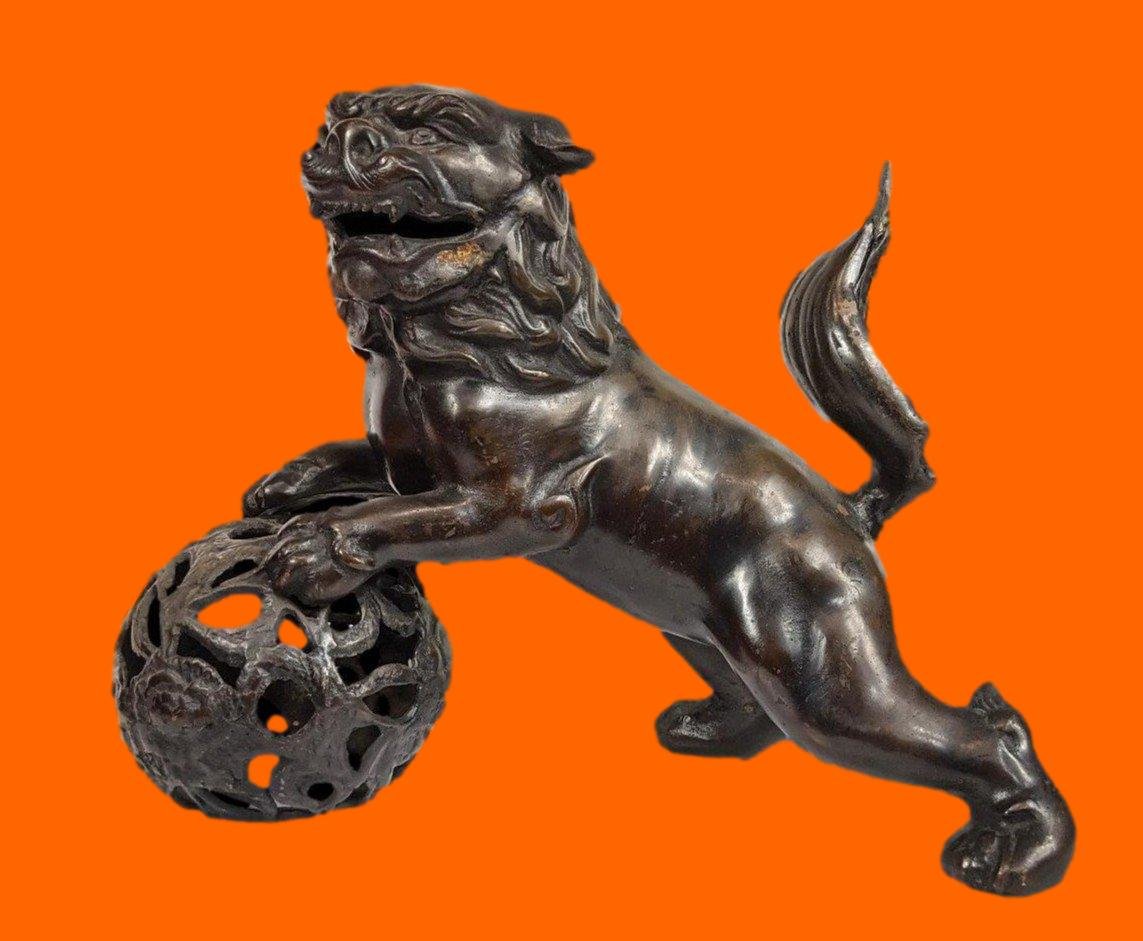
### The photos below our Buddha feature Chinese artifacts available in our Proantic gallery
FREE SHIPPING TO FRANCE 0€ / EUROPE 15€ / WORLD 25€
www.winsteinprovence.com
# For more information or additional photos, please call me at:
06 13 36 09 30 or email winsteinprovence@gmail.com
The Orient, or the Eastern world, refers in geography to a cultural concept primarily used by Europeans.
Broadly speaking, the term refers to “the regions east of Europe,” that is, Asia.
260 €
Period: 19th century
Style: Asian art
Condition: Excellent condition
Material: Bronze
Width: 8,1 cm
Height: 7,2 cm
Reference (ID): 1855791
Availability: In stock
Print