
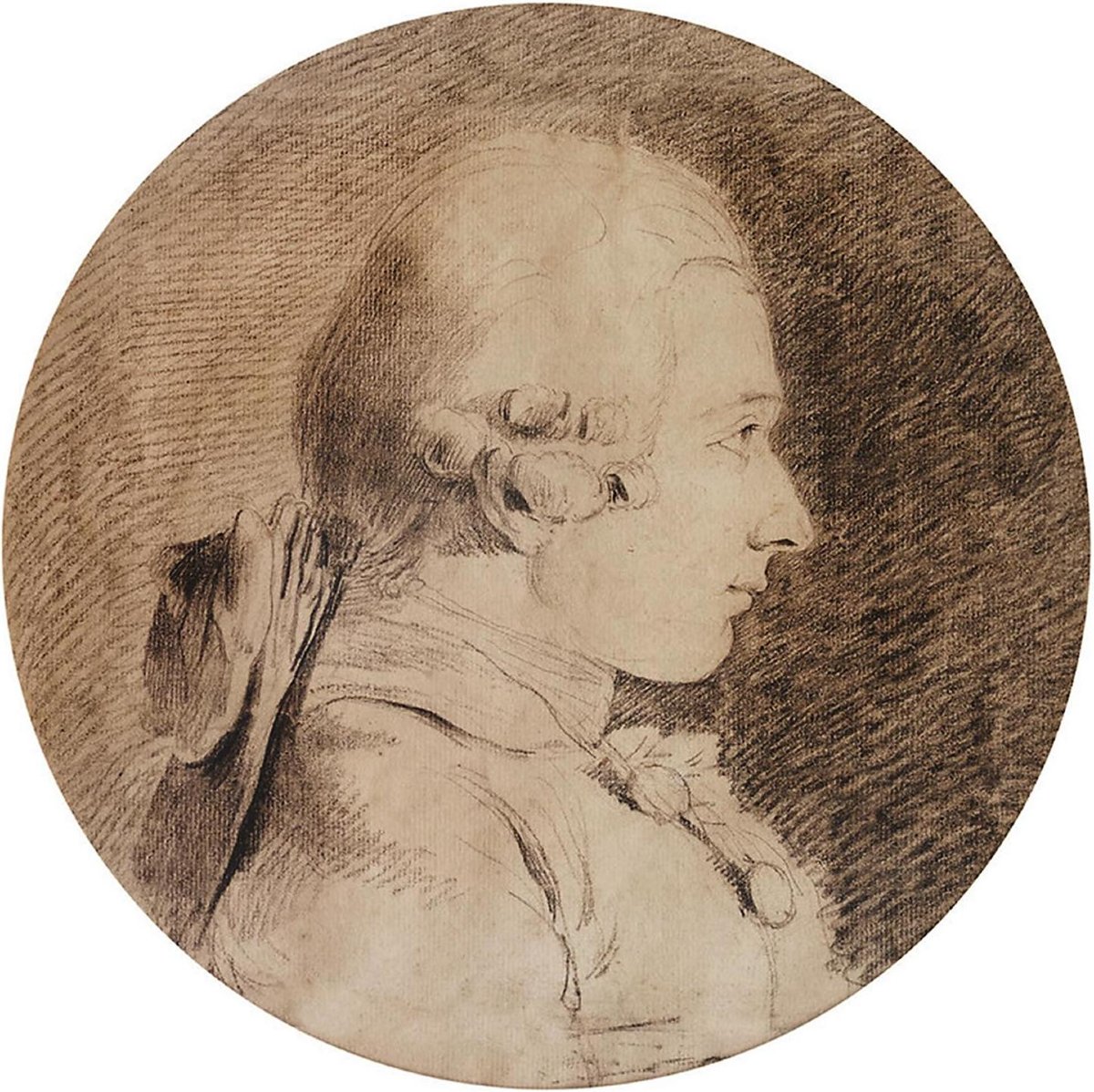


Marquis De Sade - Autograph Letter Signed By The "divine Marquis" Cursing His Children, 1799
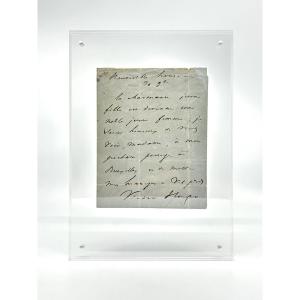
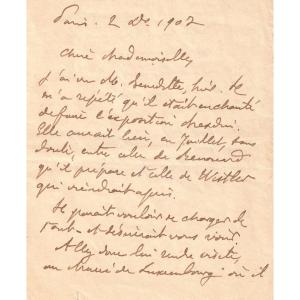
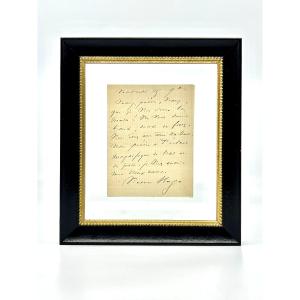
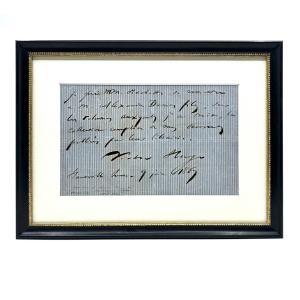
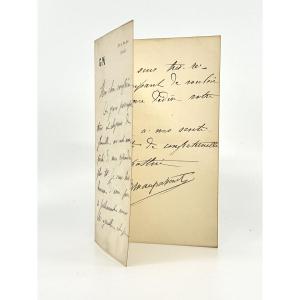
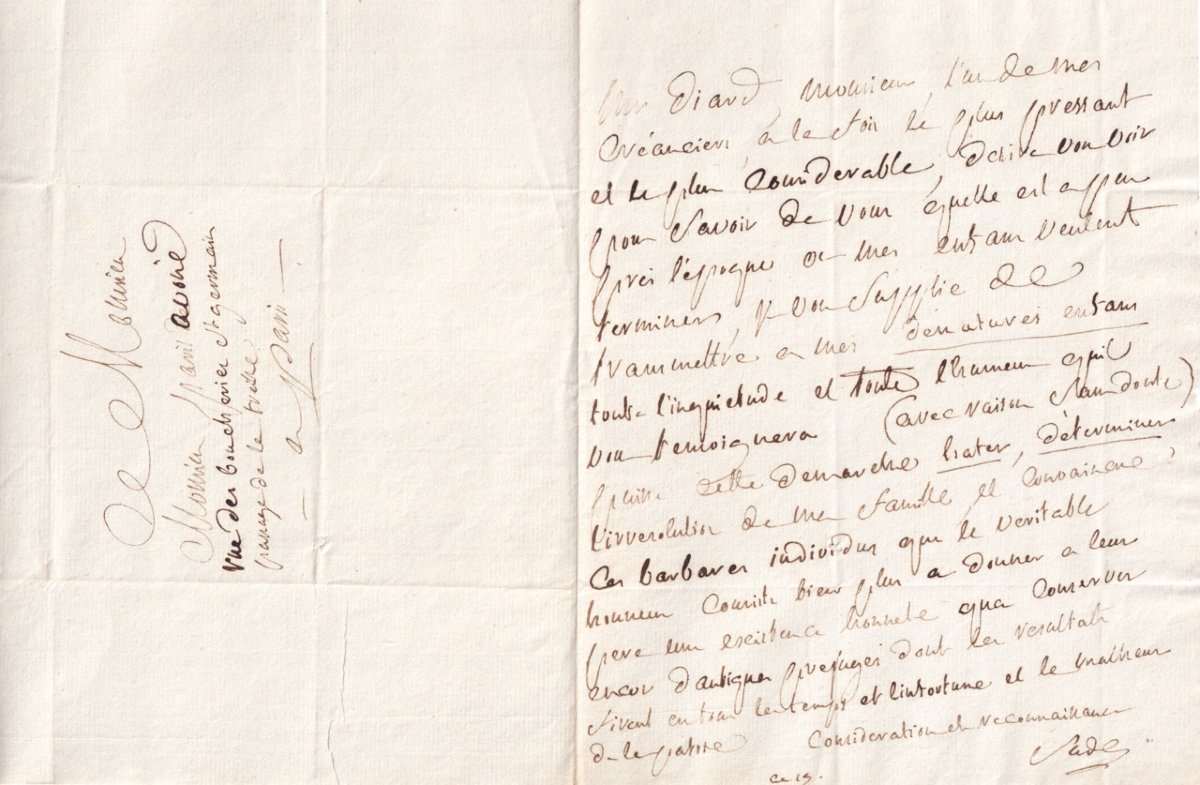
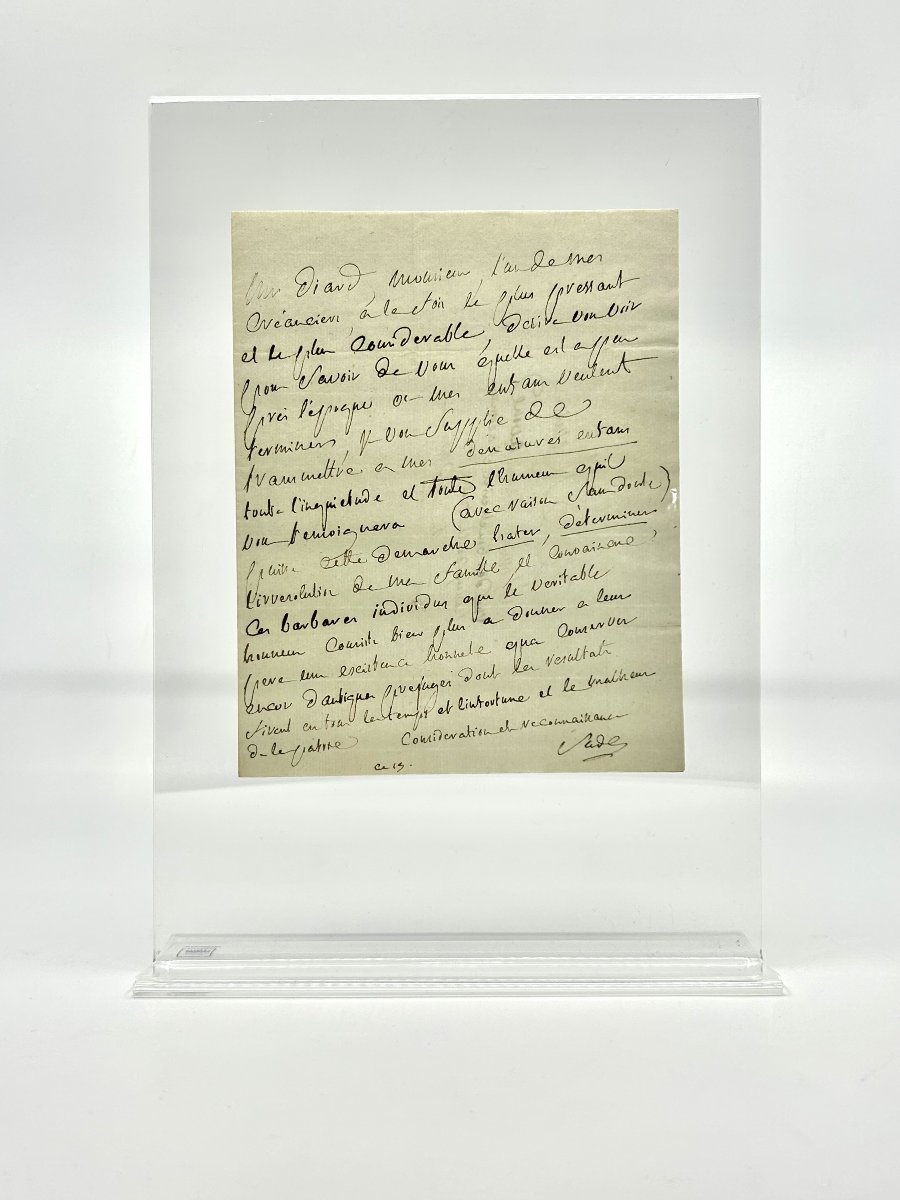
Autograph signed letter from the Marquis de Sade (D. A. F. de Sade, Donatien Alphonse François de Sade, 1740–1814) to his attorney, Monsieur Paris (sometimes referred to as Paris Lamaury or Paris Delamory).
“The 15th” [circa 1799]. A full page on a double sheet with handwritten address. Discreet pinholes and signs of wear. Dimensions: 19.5 × 31 cm when unfolded. Single leaf: 15.5 × 19.5 cm.
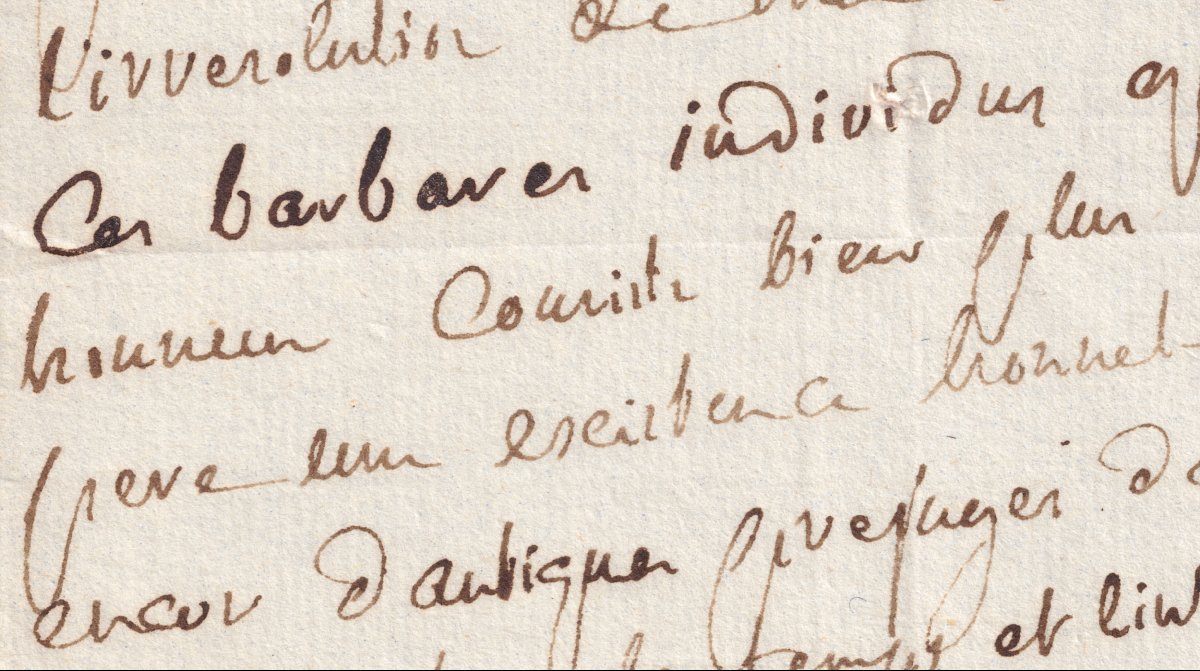
A splendid and precious letter from the “divine marquis” cursing his children, “those barbaric individuals” who, refusing to help their father in distress, cling to “ancient prejudices whose consequences have, throughout history, brought both misfortune and misery upon the fatherland.” ”
Sade regularly accused his children of being enslaved by traditional aristocratic and religious morality—dogmas he held responsible for the divisions and ruin of France—and portrayed himself as a victim of this intolerance. He denounced their rejection of him as the result of blind conformism that destroyed both family ties and the nation. His children, for their part, reproached him for having caused their mother suffering, squandered the family fortune, and dishonored their name through his lawsuits, scandals, and writings.
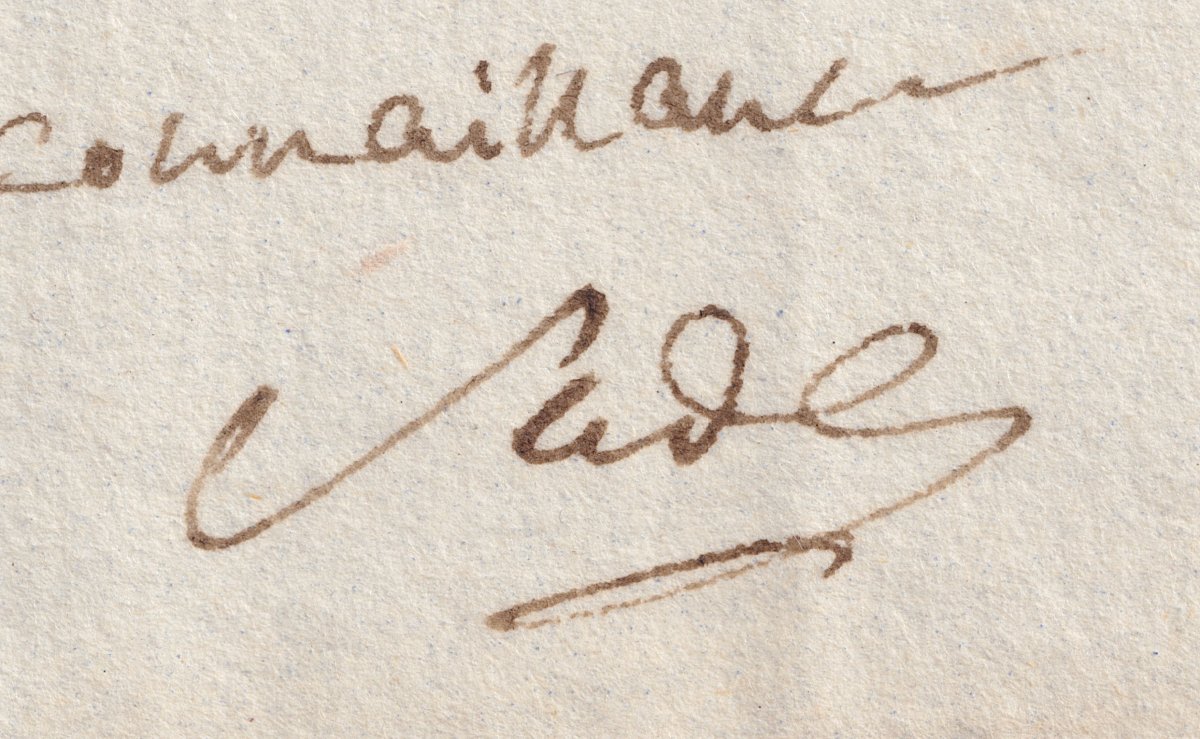
A beautiful signature.
"
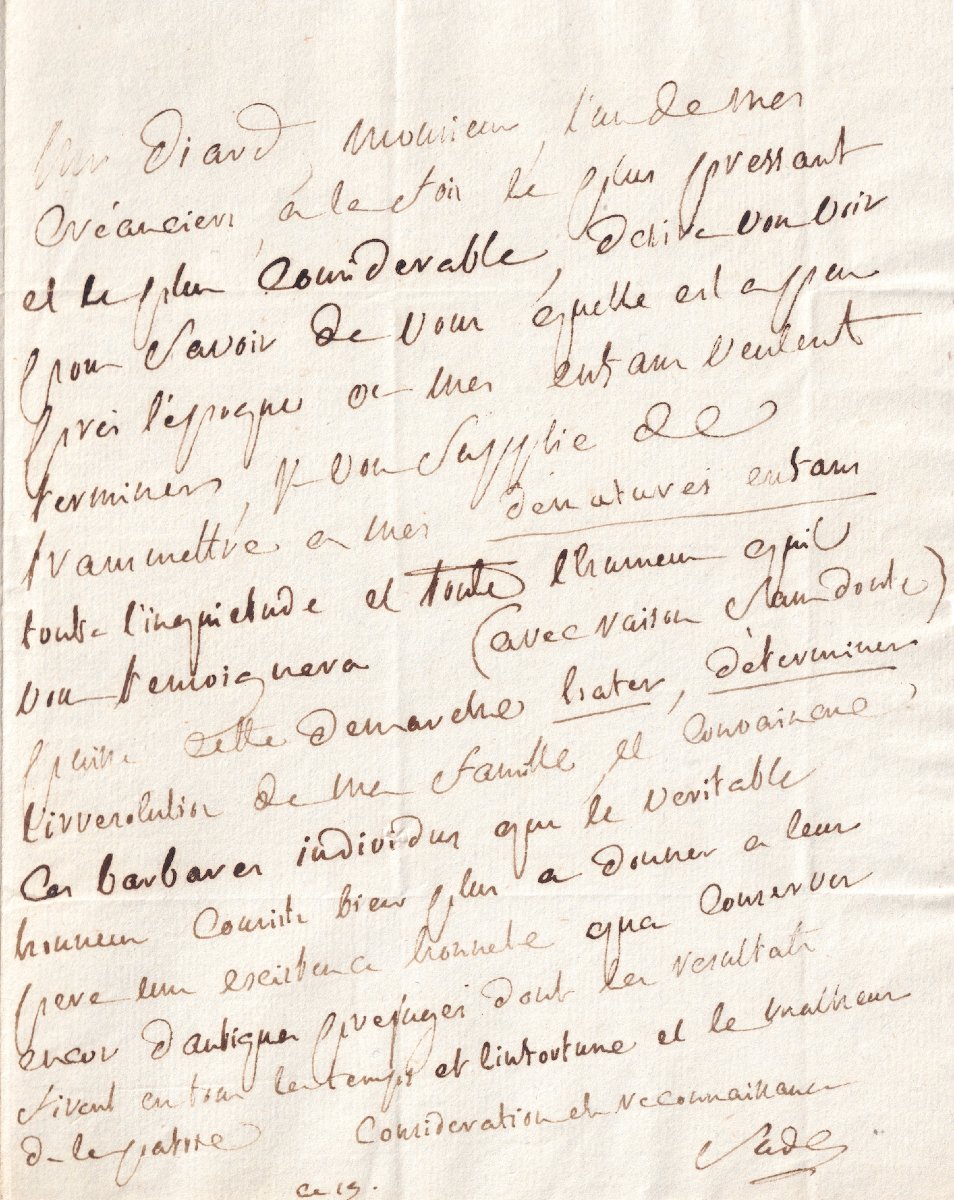
Mr. Diard, one of my creditors—both the most insistent and the most substantial—wishes to see you to find out from you roughly when my children intend to settle their debts; I beg you to convey to my children, the beneficiaries, all the concern and all the displeasure he will express to you (no doubt with good reason).
May this step hasten, resolve my family’s indecision and convince these barbaric individuals that true honor lies far more in providing their father with a decent livelihood than in clinging to antiquated prejudices whose consequences have, throughout history, brought both misfortune and misery to the fatherland.
With respect and gratitude.
Sade
[in small print] On the 15th
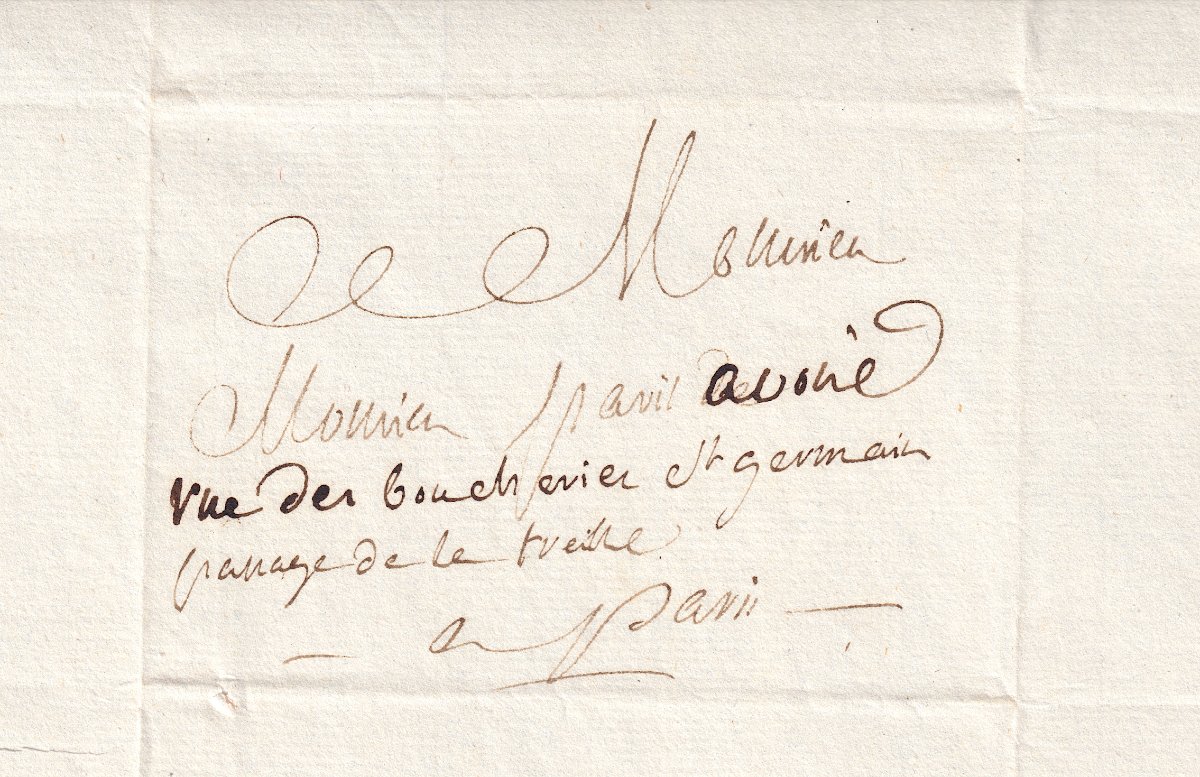
[handwritten address]
Mr. Paris, attorney
Rue des Boucheries-Saint-Germain
Passage de la Treille
in Paris
"
At this time, Sade was in a state of utter destitution. The French Revolution had ruined him by destroying his château at La Coste, by abolishing his seigneurial rights and having his lands seized following his inclusion (unjustified, since he had never left the country) on the list of émigrés (citizens who had fled the Revolution abroad).
He had to transfer his property to his children to prevent it from being seized. He thus found himself at their mercy for a pension and lived in a small room in Saint-Ouen, in hiding to escape his creditors. He then pestered his business associates and attorneys to obtain money from his estates in Provence (La Coste, Mazan), but his children (the “donees”) blocked the funds.
A few months later, in 1800, Sade published Zoloé and Her Three Acolytes, a satirical novel that caricatures the corruption and morals of the Consulate’s elites, which precipitated his final arrest and transfer to the Charenton asylum in 1801, where he would spend the rest of his life until his death in 1814.
Period: 18th century
Style: Other Style
Condition: Excellent condition
Width: 31 cm
Height: 19,5
Reference (ID): 1836061
Availability: In stock