

2 Large Medieval Terracotta Tiles Embossed Lys Flowers, From French Royal Abbey La Réau Poitou
Artist: Provenance Abbaye Royale De La Réau, Sud Du Poitou
HAUTE EPOQUE
XIIth - XIVth century
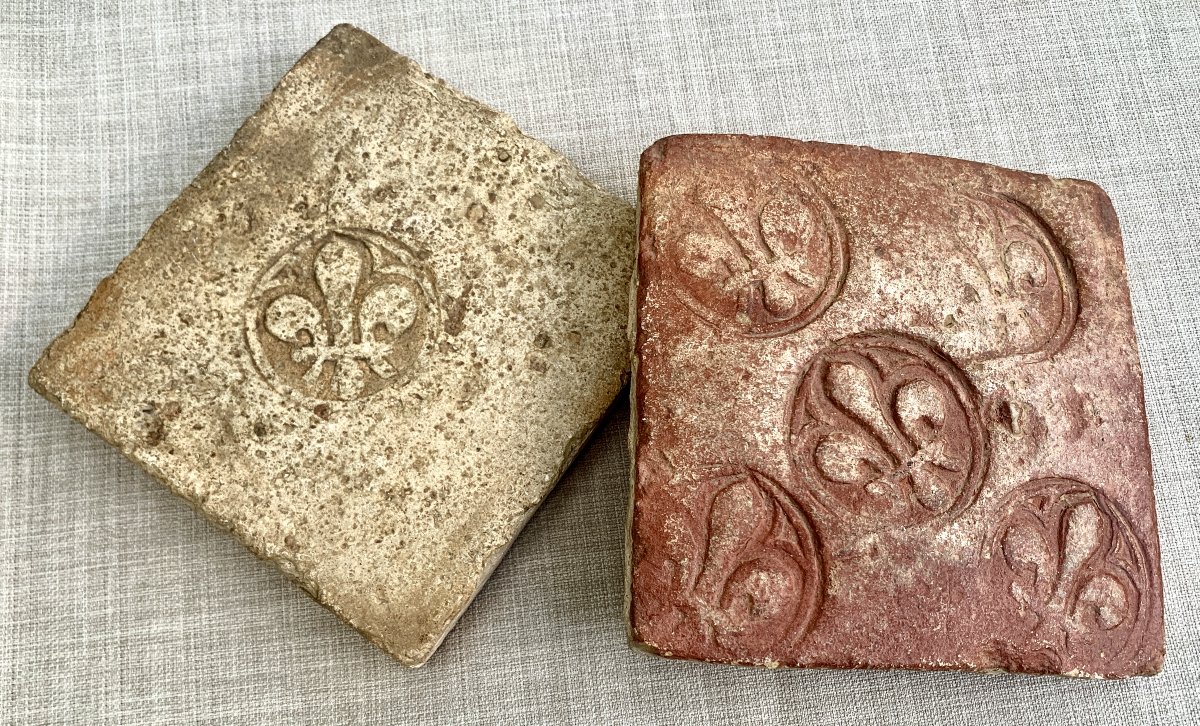
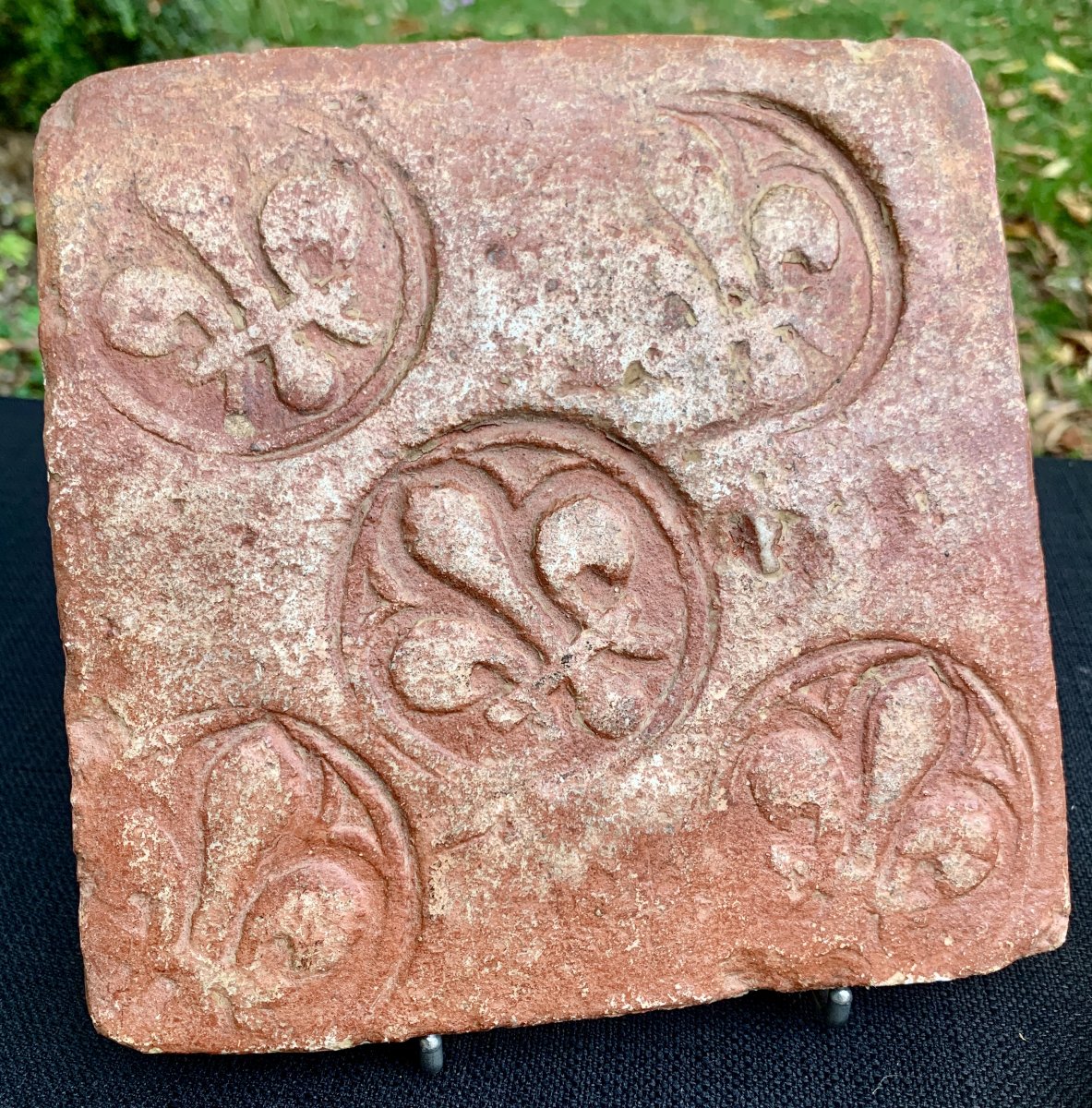
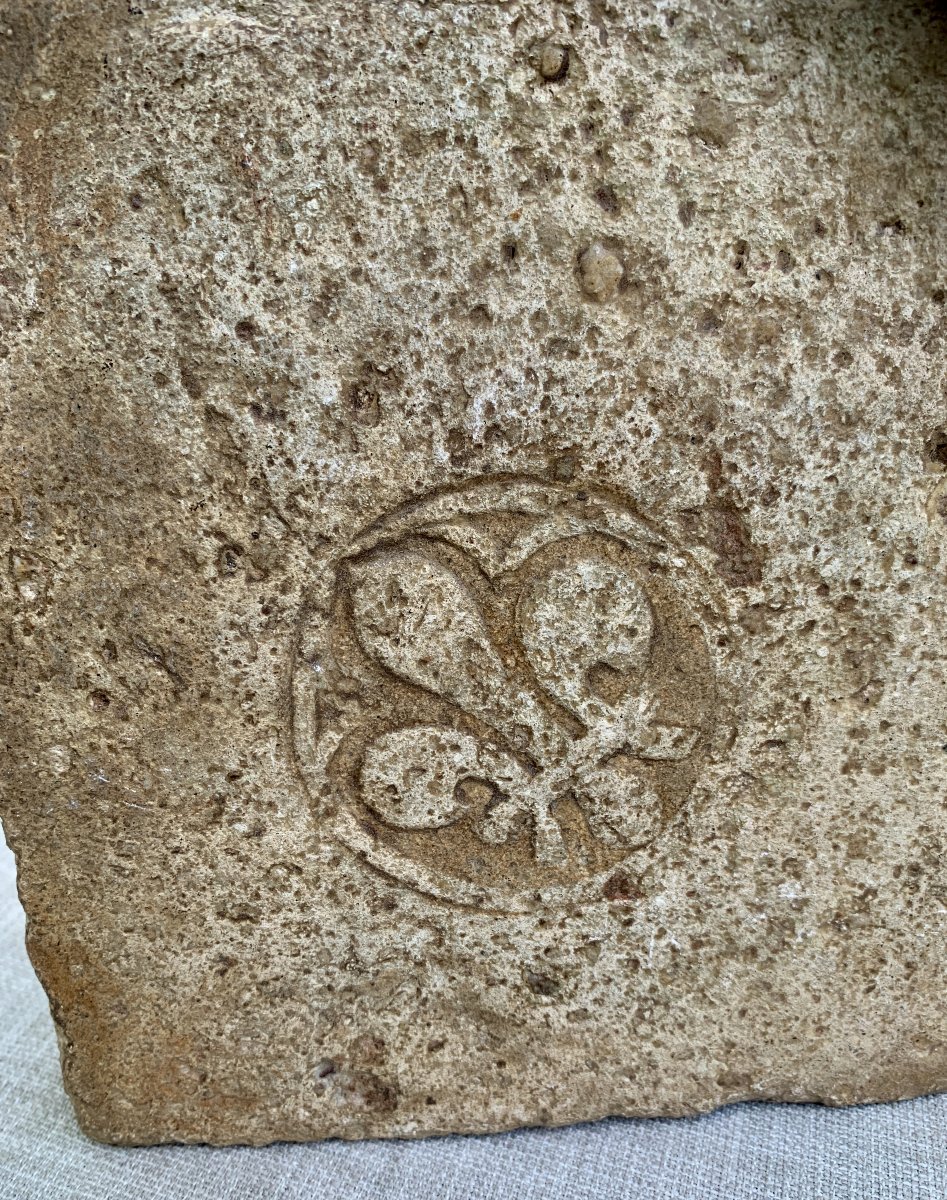
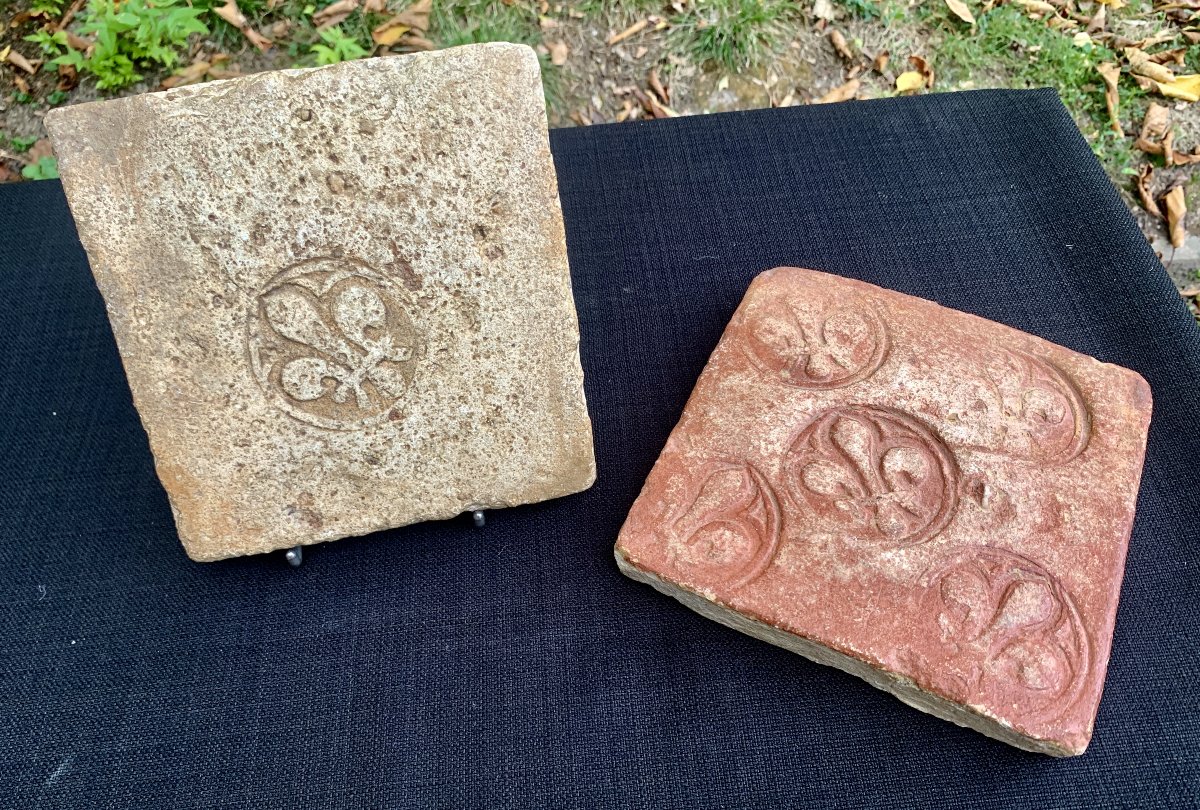
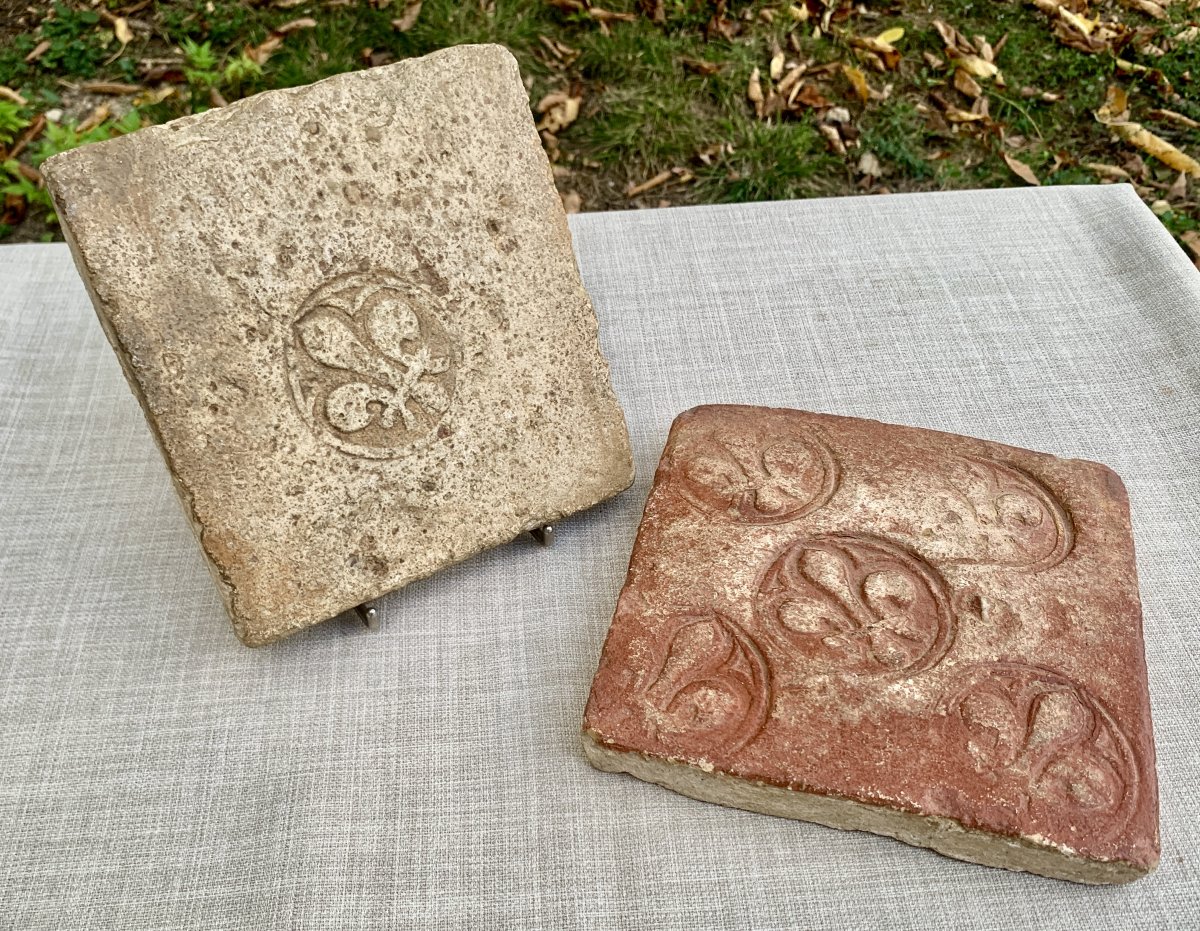
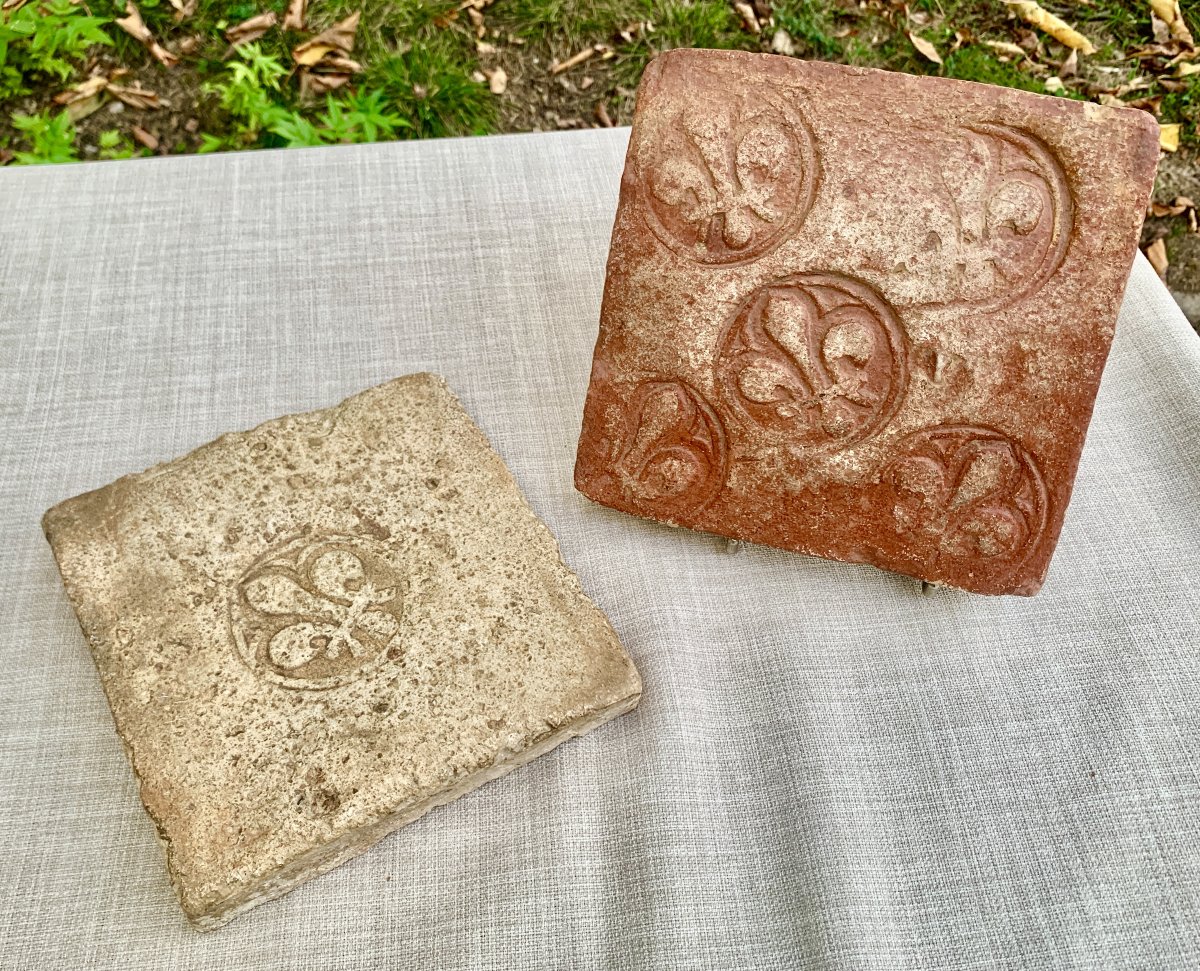
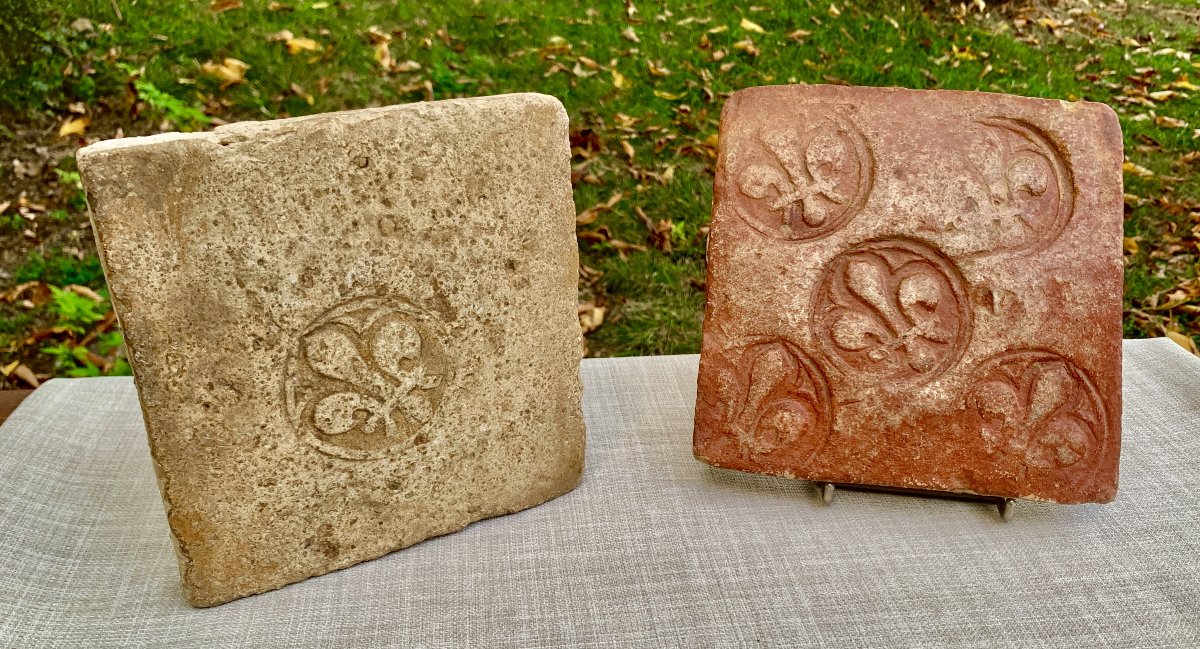
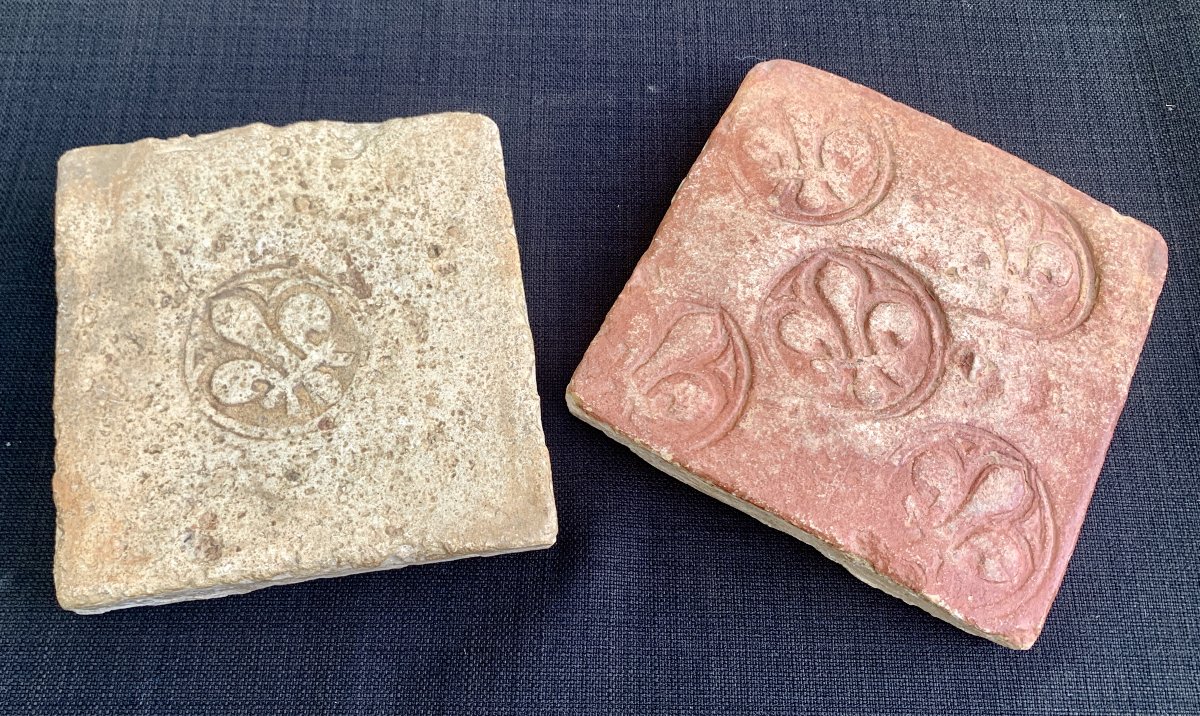
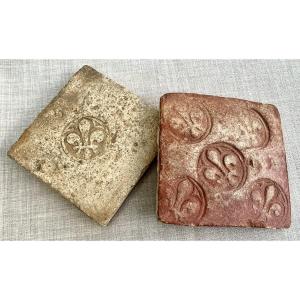
Pendant of 2 medieval terracotta floor tiles, stamped before firing with fleur-de-lis pastillages in circular reserves.
The single stamped motif in the centre on one of the 2 tiles - the one with a cream background is used 5 times on the 2nd tile - with ochre tone - This patina certainly comes here from an old paint frequently added to the floor tiles.
These intaglio motifs all come from the same stamp having applied its mark on the raw earth before firing the floors.
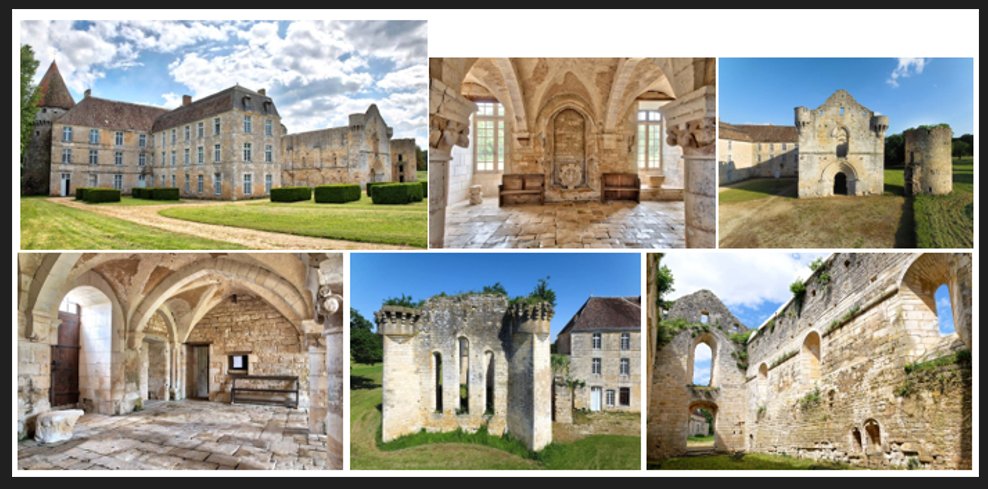
Presumed provenance from Royal abbey Augustine de la Réau , south of Poitou (center of France):
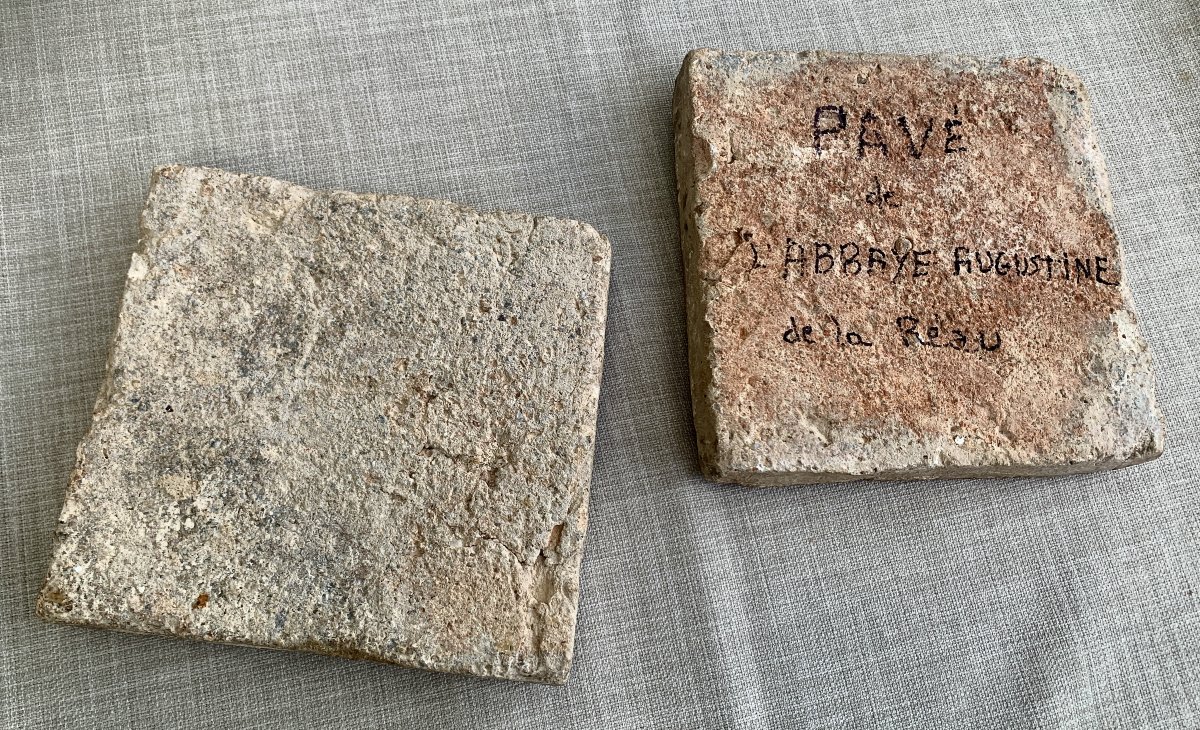
If this provenance indicated by a modern inscription on the back of one of the tiles is not attested by any correspondence with another example in situ, it nevertheless remains plausible by its subject (the fleur-de-lys, symbol of the monarchy, referring to the origin of this historic building) and its dating, but also by the particularly tumultuous history of this building over the centuries.
https://www.abbayeroyaledelareau.fr/histoire/des-siecles-d-histoire
A Royal foundation
Located on the left bank of the Clain, at the border of Basse-Marche and Poitou, La Réau Abbey was founded in the 12th century under the protection of Eleanor of Aquitaine (1122-1204). The remote location was ideal for establishing a community of canons following the Rule of Saint Augustine. The 12th century was a time of prosperity for the monastery, which expanded and founded several priories. In the 14th century, during the Hundred Years’ War, the abbey recognized its allegiance to the King of France, and royal troops often found shelter there. In 1372, the abbey was attacked by English troops who set it on fire. New fortifications were then built to enhance the natural protection provided by the river.
Dimensions;
18.2 * 18.2 cm for one (ochre tone) and 17.8 * 18.2 cm for the other (cream tone)
The various dimensions of the two tiles is due to both serial and artisanal large-scale production, given the large size of pieces of this type of religious building in the Middle Ages.
These two tiles are quite large compared to terracotta floors usually produced at that time, which can be explained by their prestigious destination.
Condition:
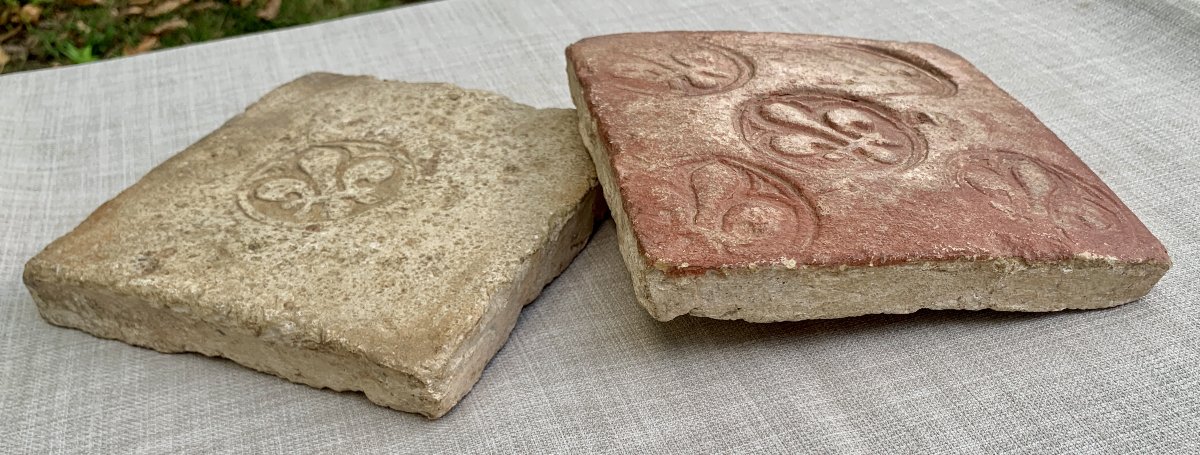
Excellent. Neither of them shows any surface wear or any traces or lime residues on the back, suggesting they were never installed or used.
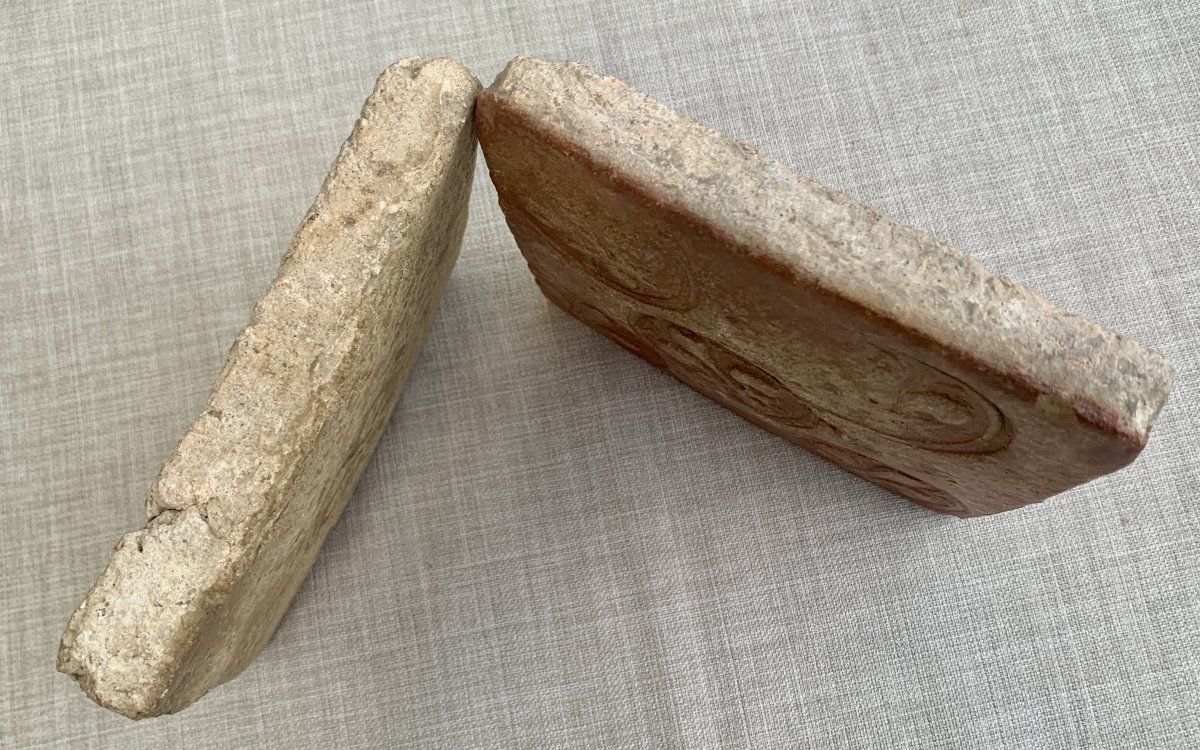
Additionally, both tiles are slightly convex, which is clearly due not to wear from use but to their firing process.
Two very beautiful and rare examples of medieval tiles, with superb patina and in impeccable condition.
XIIth - XIVth century
Pendant of 2 medieval terracotta floor tiles, stamped before firing with fleur-de-lis pastillages in circular reserves.
The single stamped motif in the centre on one of the 2 tiles - the one with a cream background is used 5 times on the 2nd tile - with ochre tone - This patina certainly comes here from an old paint frequently added to the floor tiles.
These intaglio motifs all come from the same stamp having applied its mark on the raw earth before firing the floors.
Presumed provenance from Royal abbey Augustine de la Réau , south of Poitou (center of France):
If this provenance indicated by a modern inscription on the back of one of the tiles is not attested by any correspondence with another example in situ, it nevertheless remains plausible by its subject (the fleur-de-lys, symbol of the monarchy, referring to the origin of this historic building) and its dating, but also by the particularly tumultuous history of this building over the centuries.
https://www.abbayeroyaledelareau.fr/histoire/des-siecles-d-histoire
A Royal foundation
Located on the left bank of the Clain, at the border of Basse-Marche and Poitou, La Réau Abbey was founded in the 12th century under the protection of Eleanor of Aquitaine (1122-1204). The remote location was ideal for establishing a community of canons following the Rule of Saint Augustine. The 12th century was a time of prosperity for the monastery, which expanded and founded several priories. In the 14th century, during the Hundred Years’ War, the abbey recognized its allegiance to the King of France, and royal troops often found shelter there. In 1372, the abbey was attacked by English troops who set it on fire. New fortifications were then built to enhance the natural protection provided by the river.
Dimensions;
18.2 * 18.2 cm for one (ochre tone) and 17.8 * 18.2 cm for the other (cream tone)
The various dimensions of the two tiles is due to both serial and artisanal large-scale production, given the large size of pieces of this type of religious building in the Middle Ages.
These two tiles are quite large compared to terracotta floors usually produced at that time, which can be explained by their prestigious destination.
Condition:
Excellent. Neither of them shows any surface wear or any traces or lime residues on the back, suggesting they were never installed or used.
Additionally, both tiles are slightly convex, which is clearly due not to wear from use but to their firing process.
Two very beautiful and rare examples of medieval tiles, with superb patina and in impeccable condition.
700 €
Period: Before 16th century
Style: Renaissance, Louis 13th
Condition: Excellent condition
Material: Terracotta
Length: 17,8 à 18,2 cm
Width: 17,2 à 18,2cm
Depth: 2,5 à 2,8cm
Reference (ID): 1823515
Availability: In stock
Print