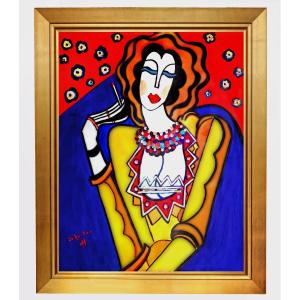


Hugo Scheiber (1873–1950) Art Deco Portrait Of A Woman With A Cigarette
Artist: Hugo Scheiber (1873-1950)
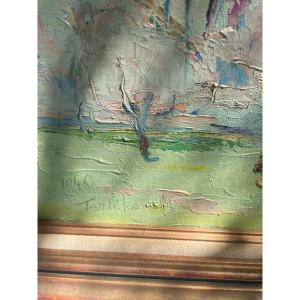
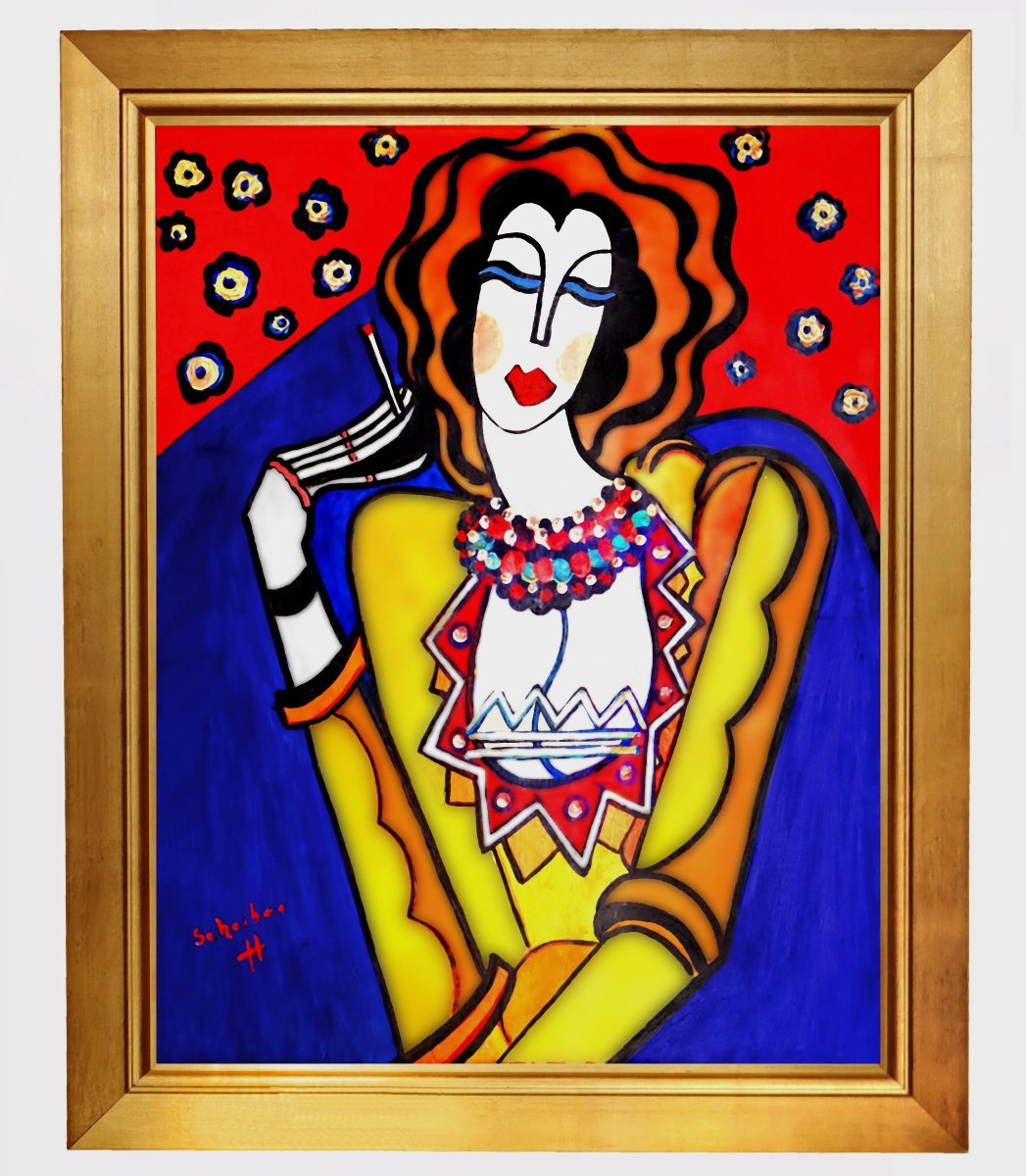
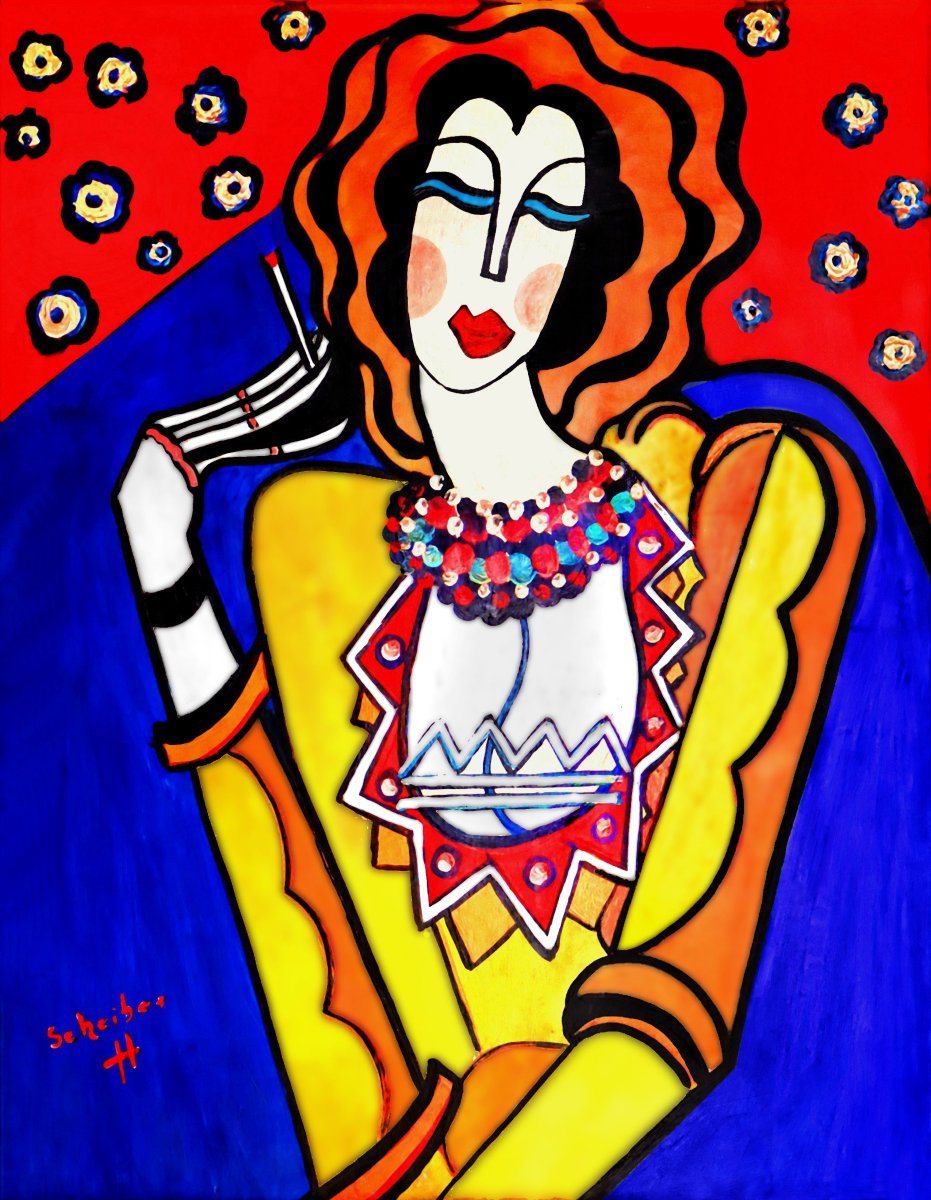
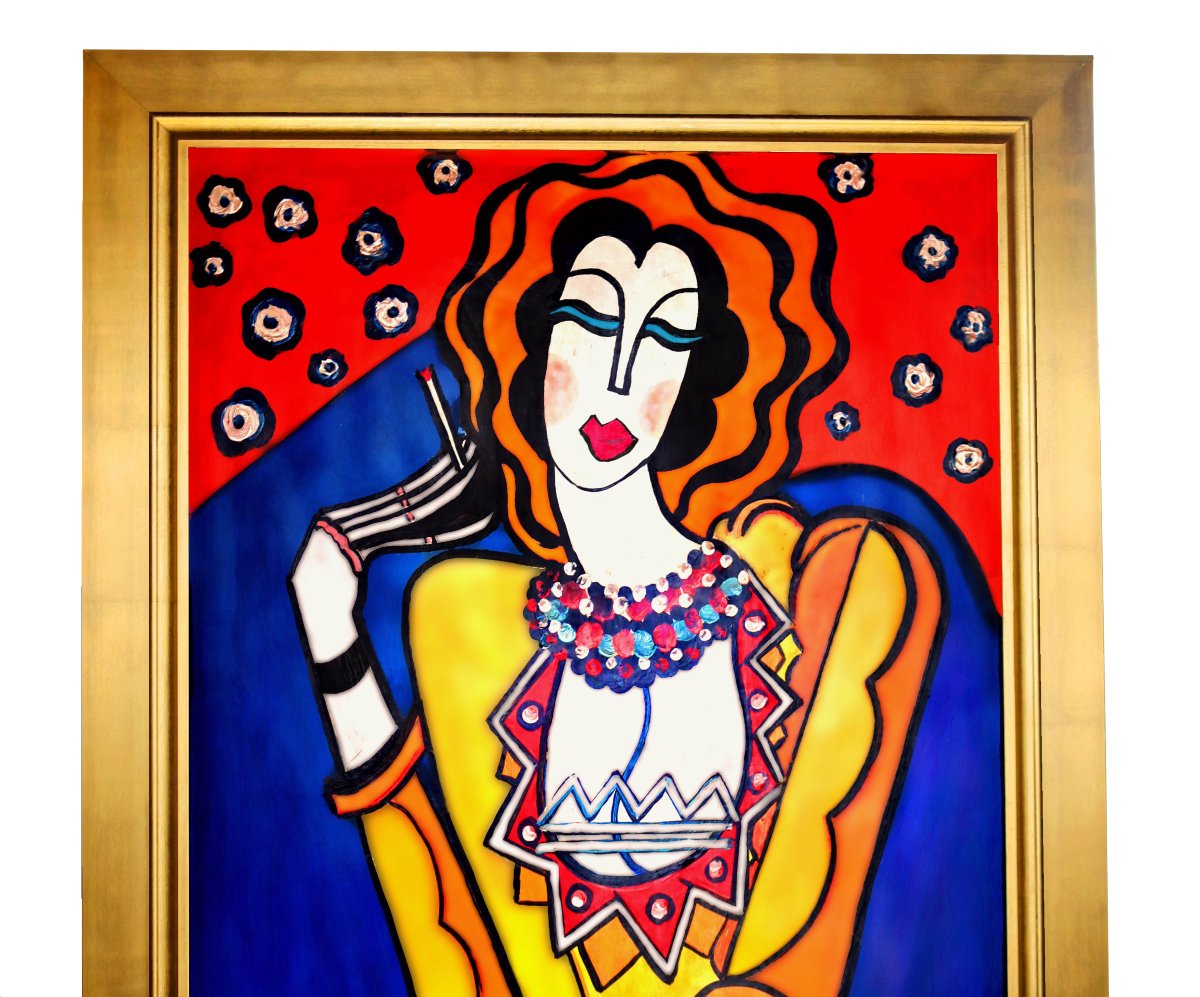
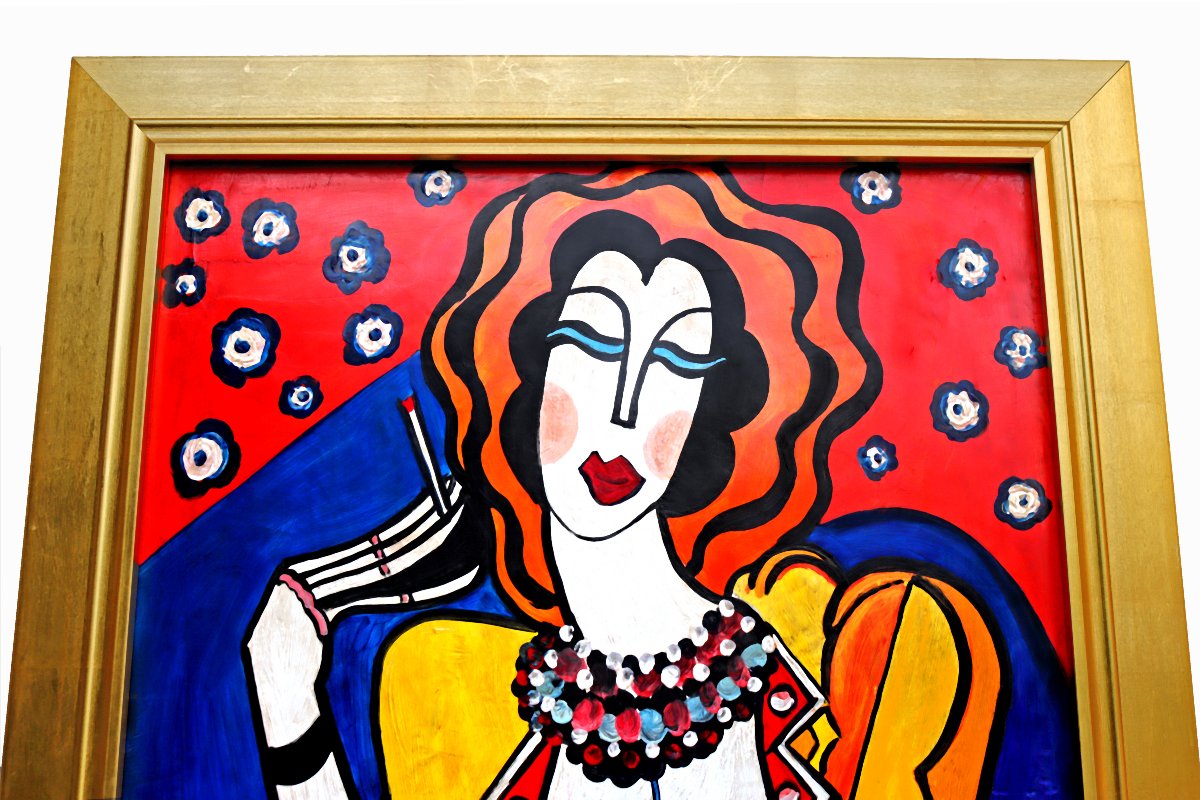
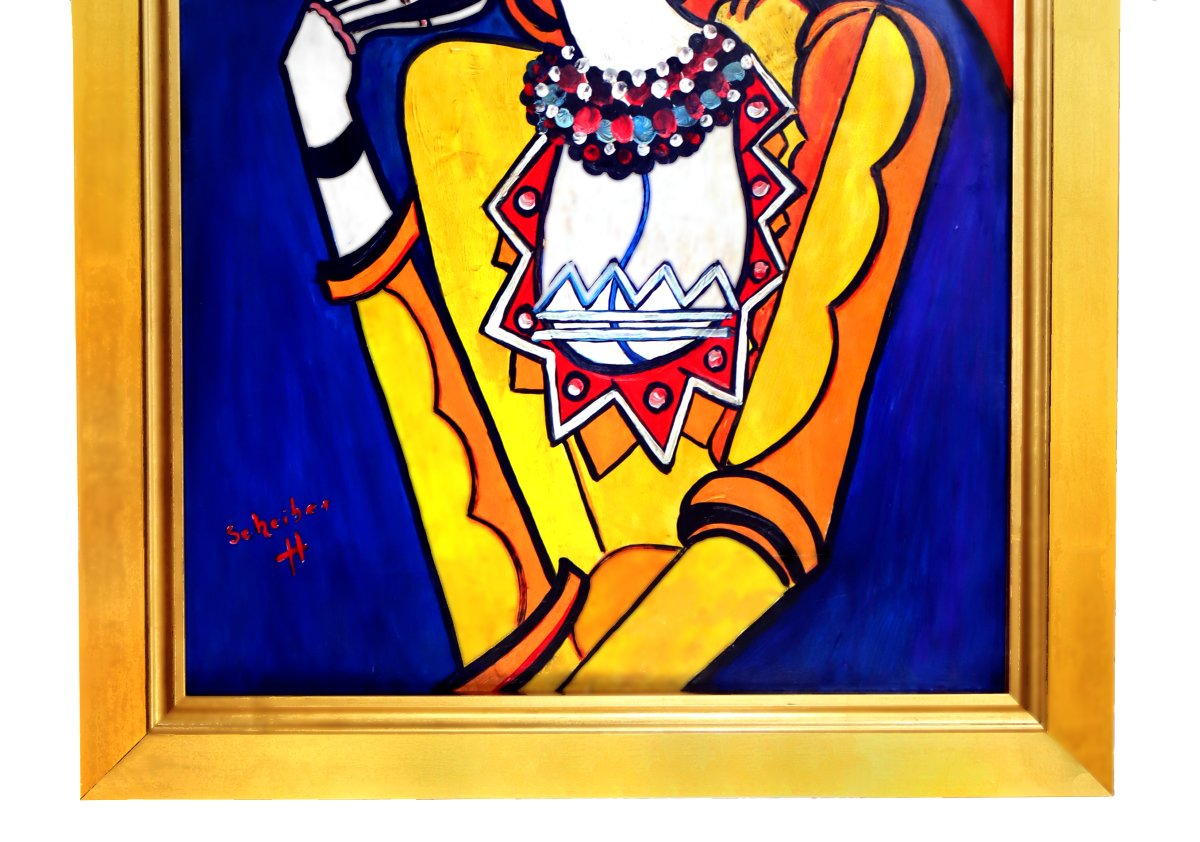
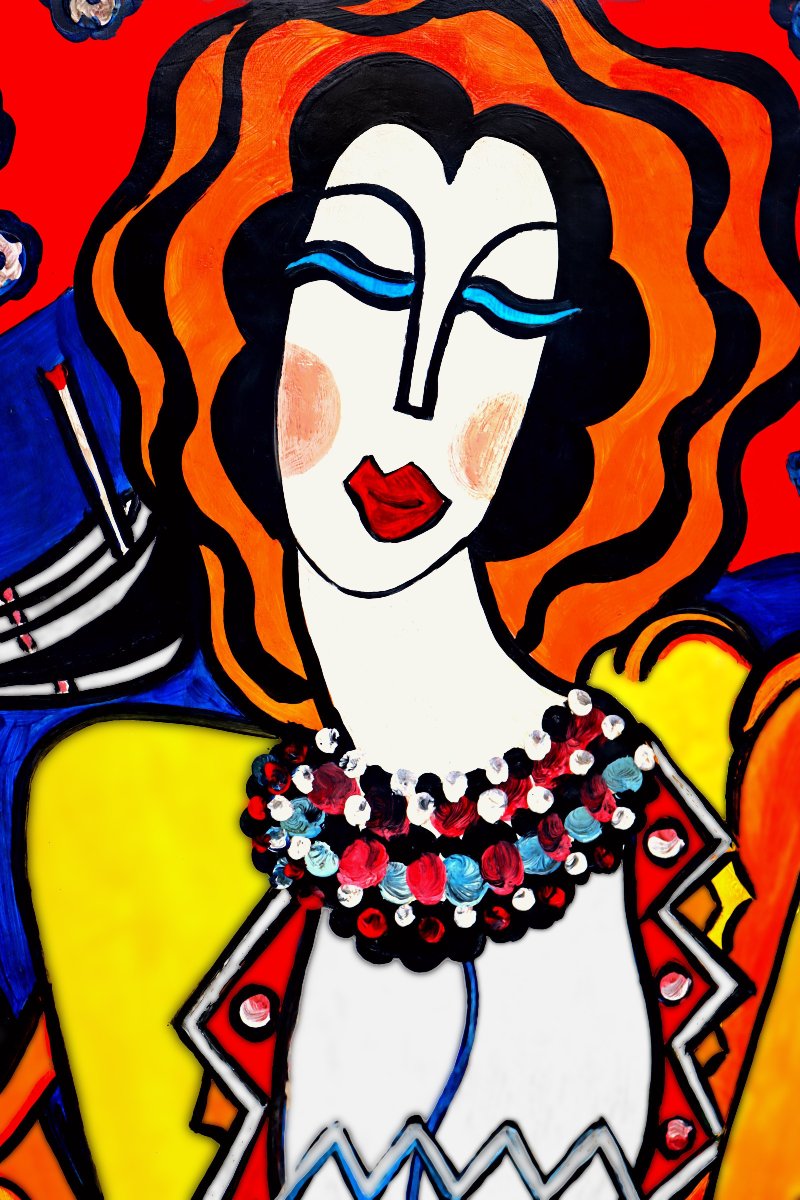
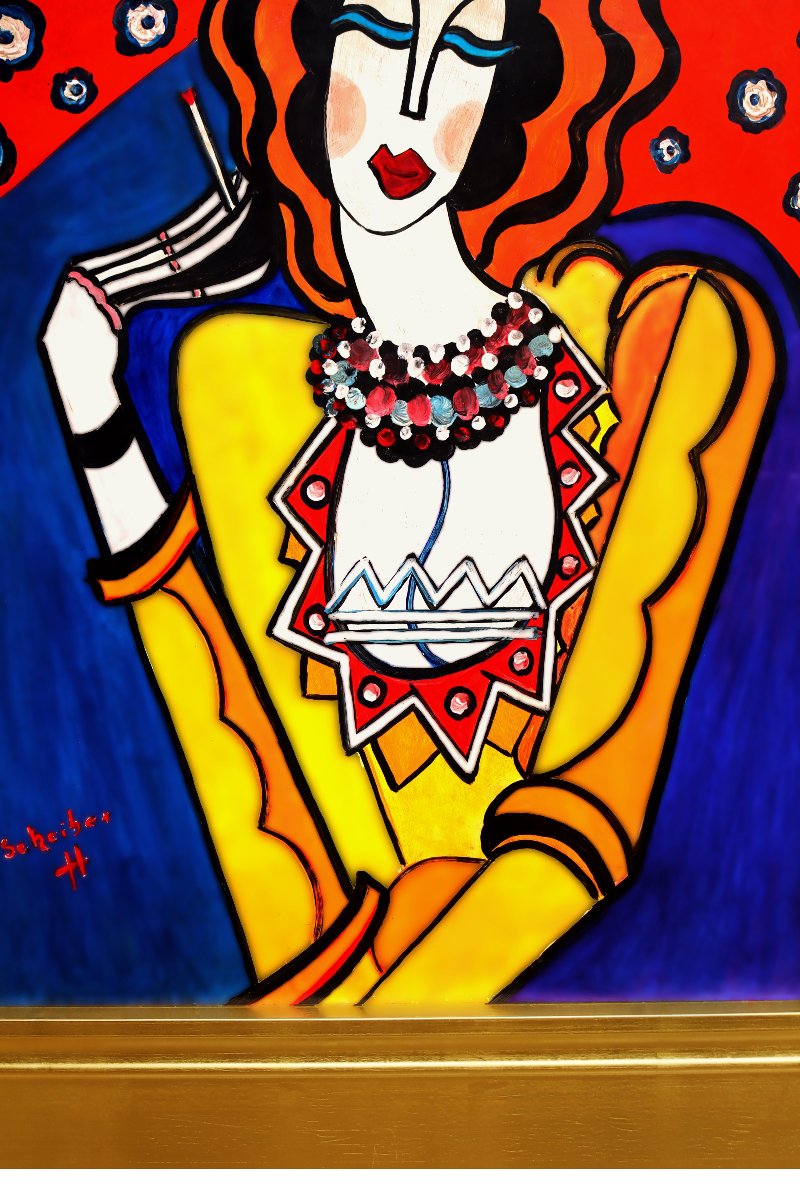
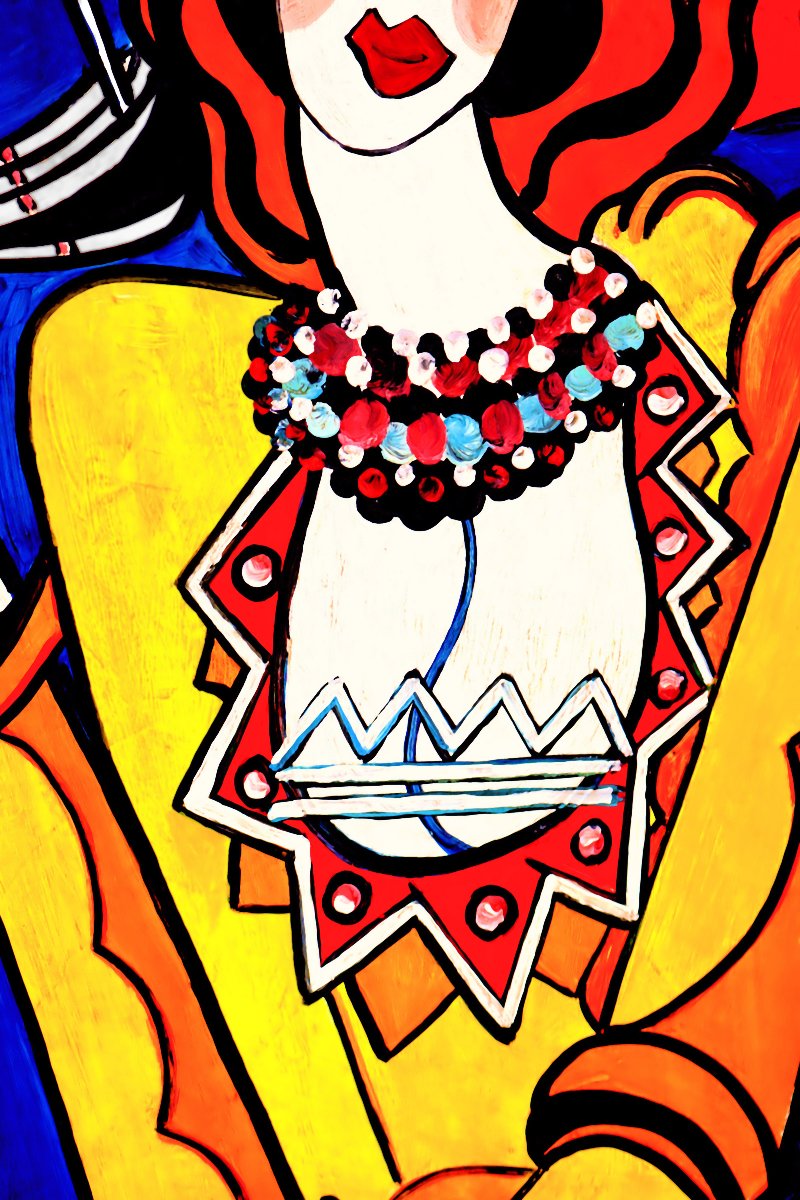
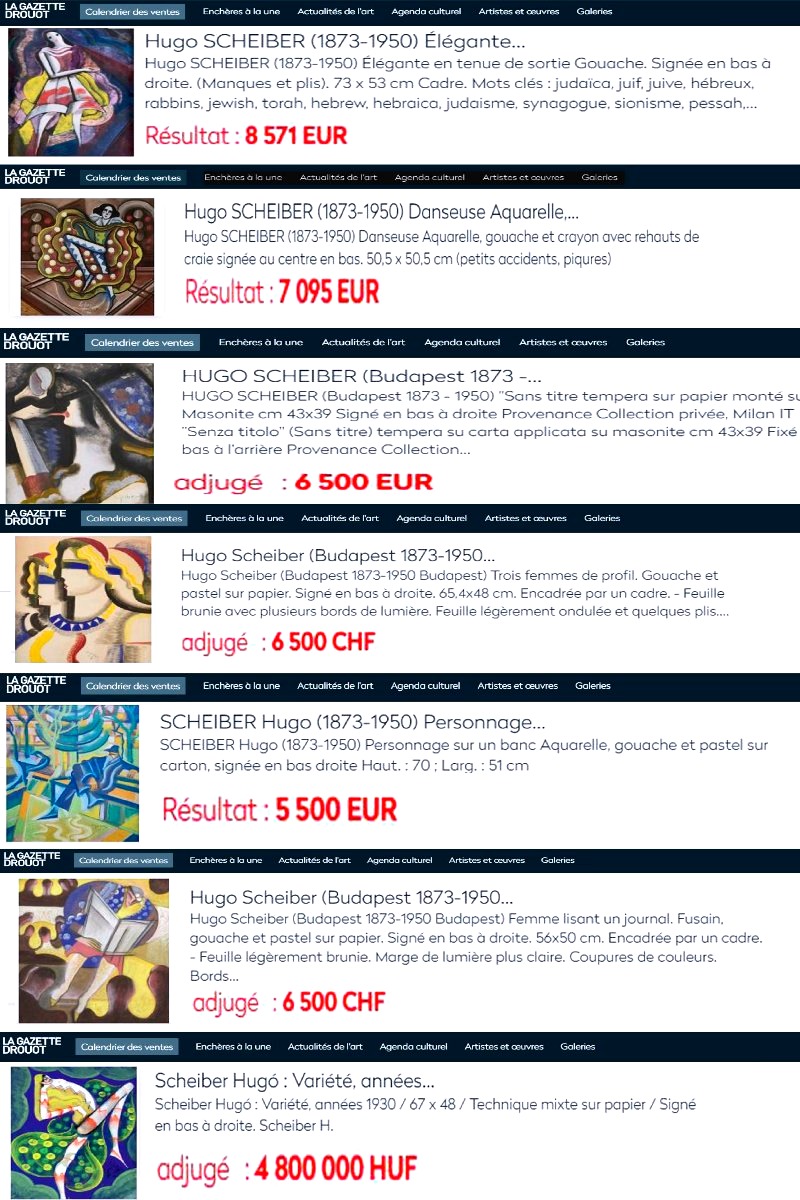
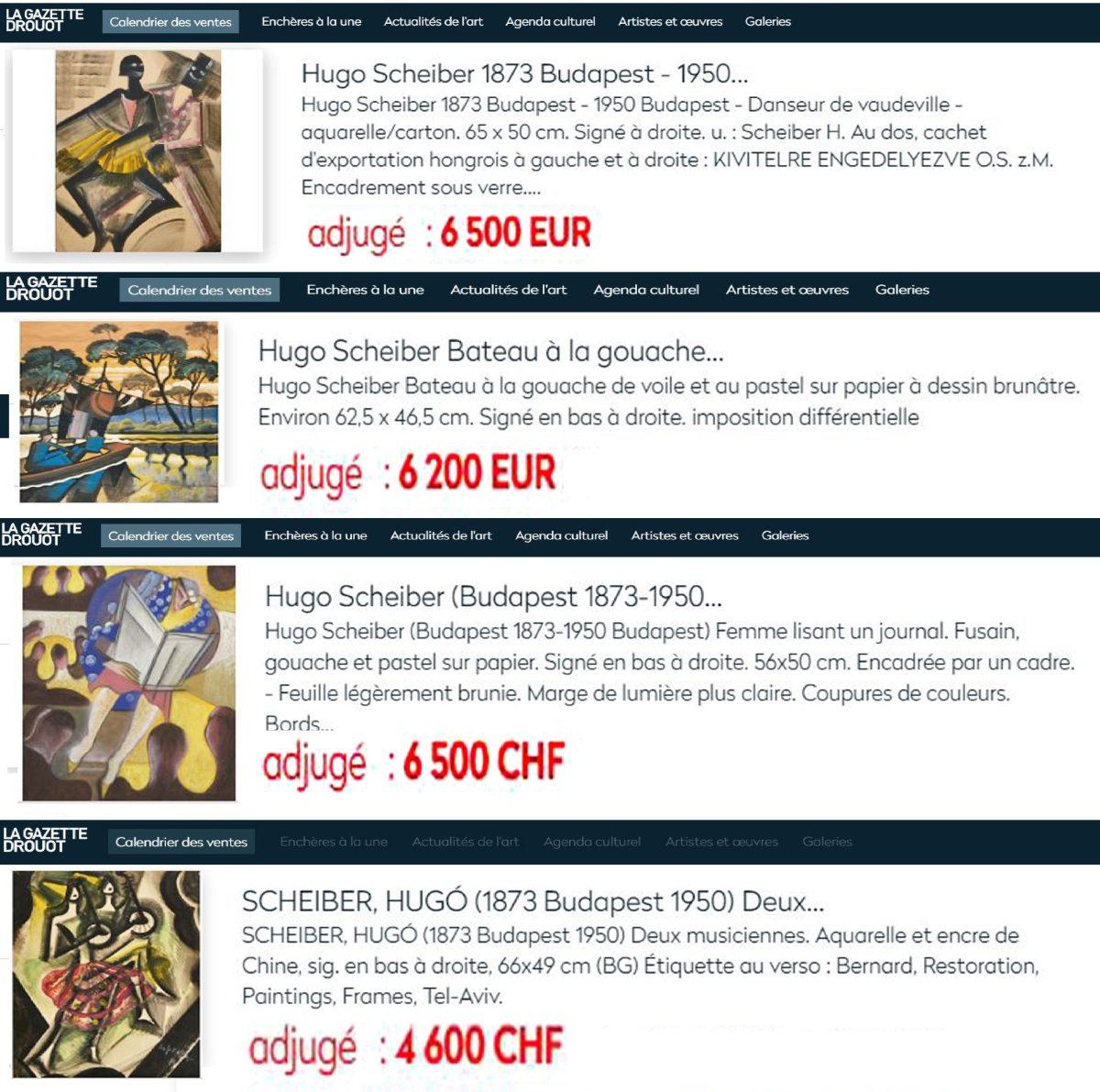
Large Art Deco painting on heavy cardboard, signed H. SCHEIBER (Hugo Scheiber, 1873–1950) A beautiful Cubist composition, punctuated by a fauve color palette, depicting the portrait of a young woman with a sophisticated silhouette holding a cigarette—a subject likely linked to the world of jazz and cabaret, a theme dear to the artist. In good overall condition; the work is presented in a beautiful original gilded wooden frame with a geometric stepped pattern. Dimensions: 1 m 07 X 87 cm / view size 90 cm X 70 cm (See the final photos for some results from sales at Drouot in Paris)
In the early 1900s, Scheiber’s works were influenced by Impressionism, which was then in vogue in Europe following the development of the French avant-garde. In 1915, his encounter with Filippo Tommaso Marinetti (writer, poet, publisher, art theorist, and founder of the Futurist movement) marked Scheiber’s growing interest inExpressionism, eventually leading, by the 1920s, to work in a pure international Art Deco style imbued with a Cubist vocabulary. The themes Scheiber favored stemmed from his fascination with life in big cities, as he painted the interiors of cafés, theaters, cabarets, and circuses frequented by the bourgeois society of the time. Thus, in his depictions, the artist capitalizes on the immediacy of the impact of large, colorful surfaces, introducing a lyrical element into his expressive, colorful paintings. His figures are characterized by intense gesturality, evident in the sinuous, dynamic lines of his powerful Cubist compositions.It was truly this artistic tour de force that enabled him to exhibit throughout Europe—in London at the Rehearsal Theater and Poplar Town Hall, as well as in New York at the Brooklyn Museum and the Anderson Gallery. However, unlike some of his contemporaries, his success did not fade after his death, and so his works were featured in the commemorative exhibition at the Hungarian National Museum in Budapest in 1964, as well as in the 1978 exhibition in Paris at the Centre Georges Pompidou, “Paris-Berlin 1900–1930”
In the early 1900s, Scheiber’s works were influenced by Impressionism, which was then in vogue in Europe following the development of the French avant-garde. In 1915, his encounter with Filippo Tommaso Marinetti (writer, poet, publisher, art theorist, and founder of the Futurist movement) marked Scheiber’s growing interest inExpressionism, eventually leading, by the 1920s, to work in a pure international Art Deco style imbued with a Cubist vocabulary. The themes Scheiber favored stemmed from his fascination with life in big cities, as he painted the interiors of cafés, theaters, cabarets, and circuses frequented by the bourgeois society of the time. Thus, in his depictions, the artist capitalizes on the immediacy of the impact of large, colorful surfaces, introducing a lyrical element into his expressive, colorful paintings. His figures are characterized by intense gesturality, evident in the sinuous, dynamic lines of his powerful Cubist compositions.It was truly this artistic tour de force that enabled him to exhibit throughout Europe—in London at the Rehearsal Theater and Poplar Town Hall, as well as in New York at the Brooklyn Museum and the Anderson Gallery. However, unlike some of his contemporaries, his success did not fade after his death, and so his works were featured in the commemorative exhibition at the Hungarian National Museum in Budapest in 1964, as well as in the 1978 exhibition in Paris at the Centre Georges Pompidou, “Paris-Berlin 1900–1930”
3 200 €
Period: 20th century
Style: Art Deco
Condition: Good condition
Material: Gouache
Reference (ID): 1787974
Availability: In stock
Print