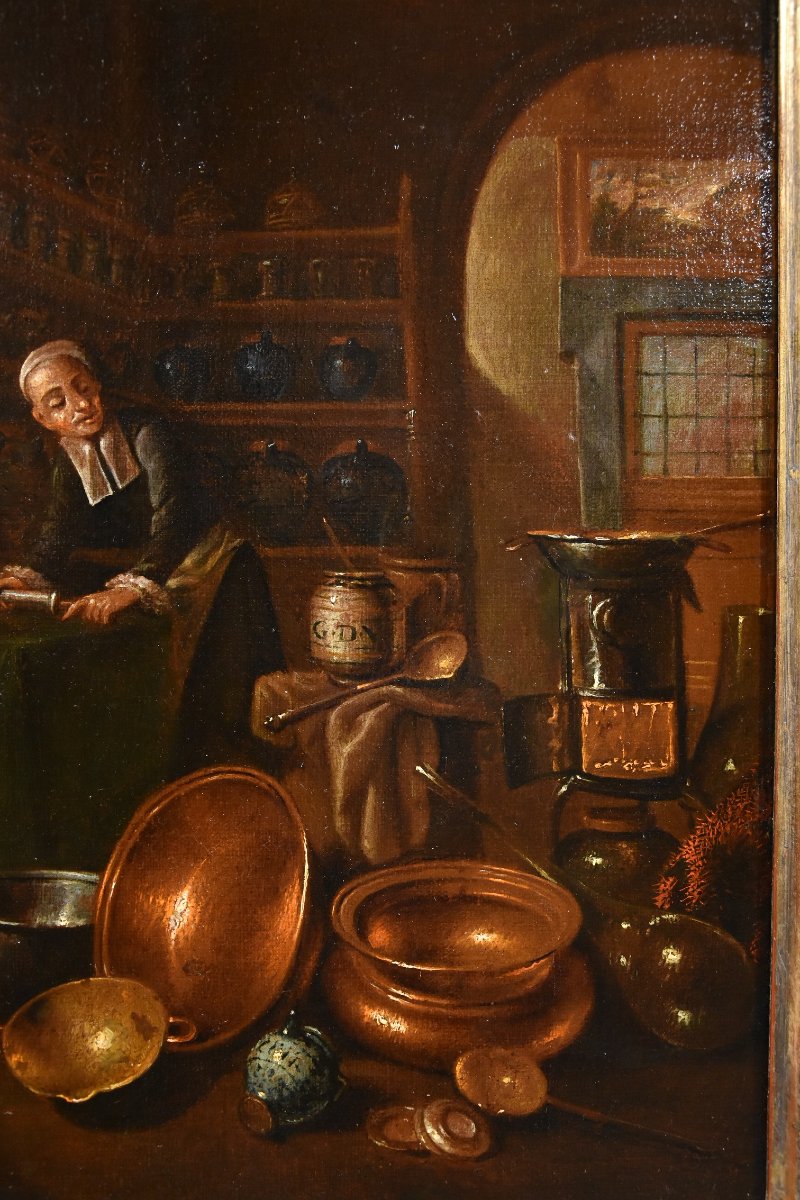


The Pharmacist, Giovanni Domenico Valentino (rome 1630 – Imola 1708), With His Monogram
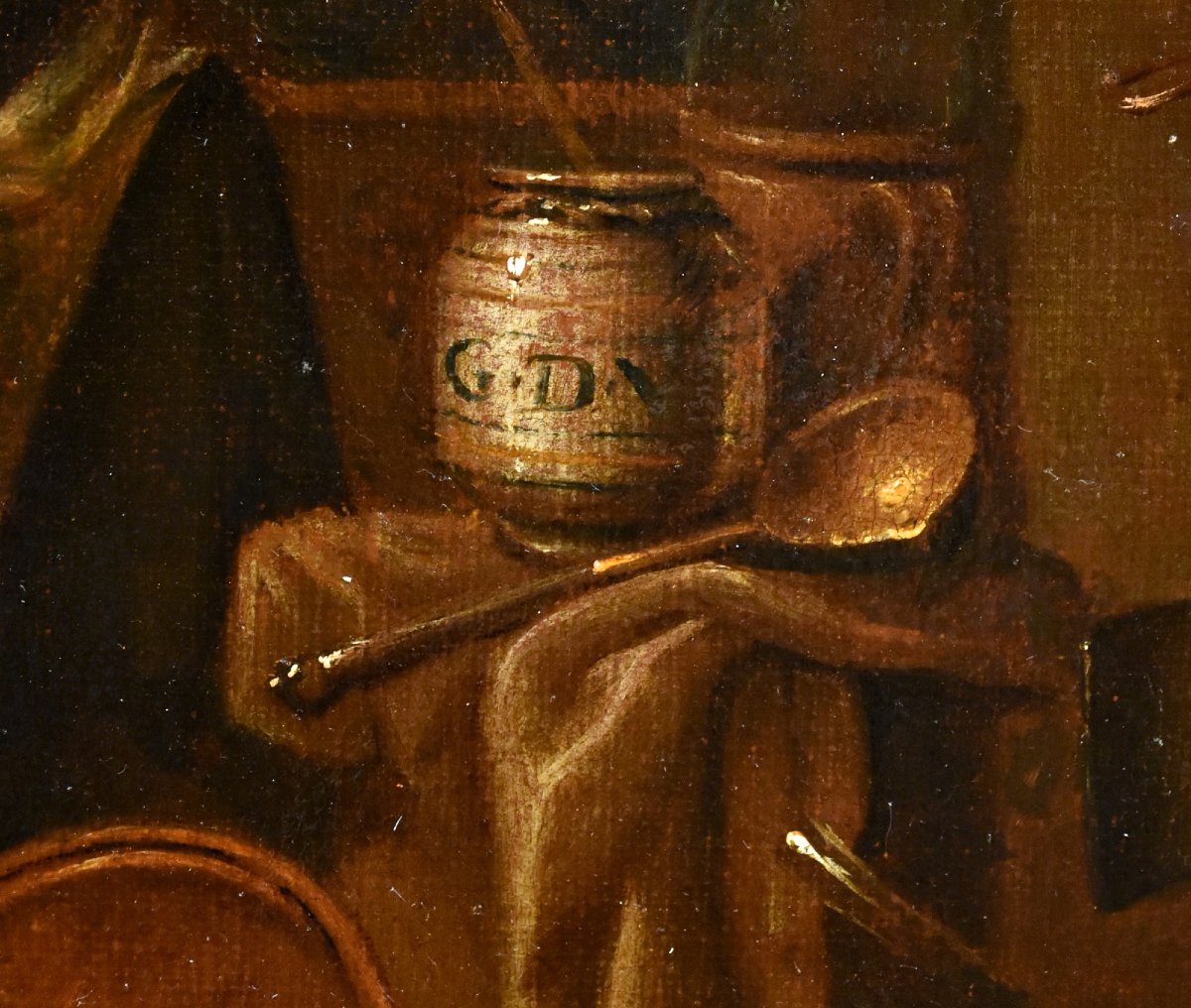
Artist: Giovanni Domenico Valentino (rome 1630 - Imola 1708), Signé Du Monogramme G.d.v
Giovanni Domenico Valentino(Rome 1630 – Imola 1708)
Signed with the monogram G.D.V. in the center right, on a majolica vase
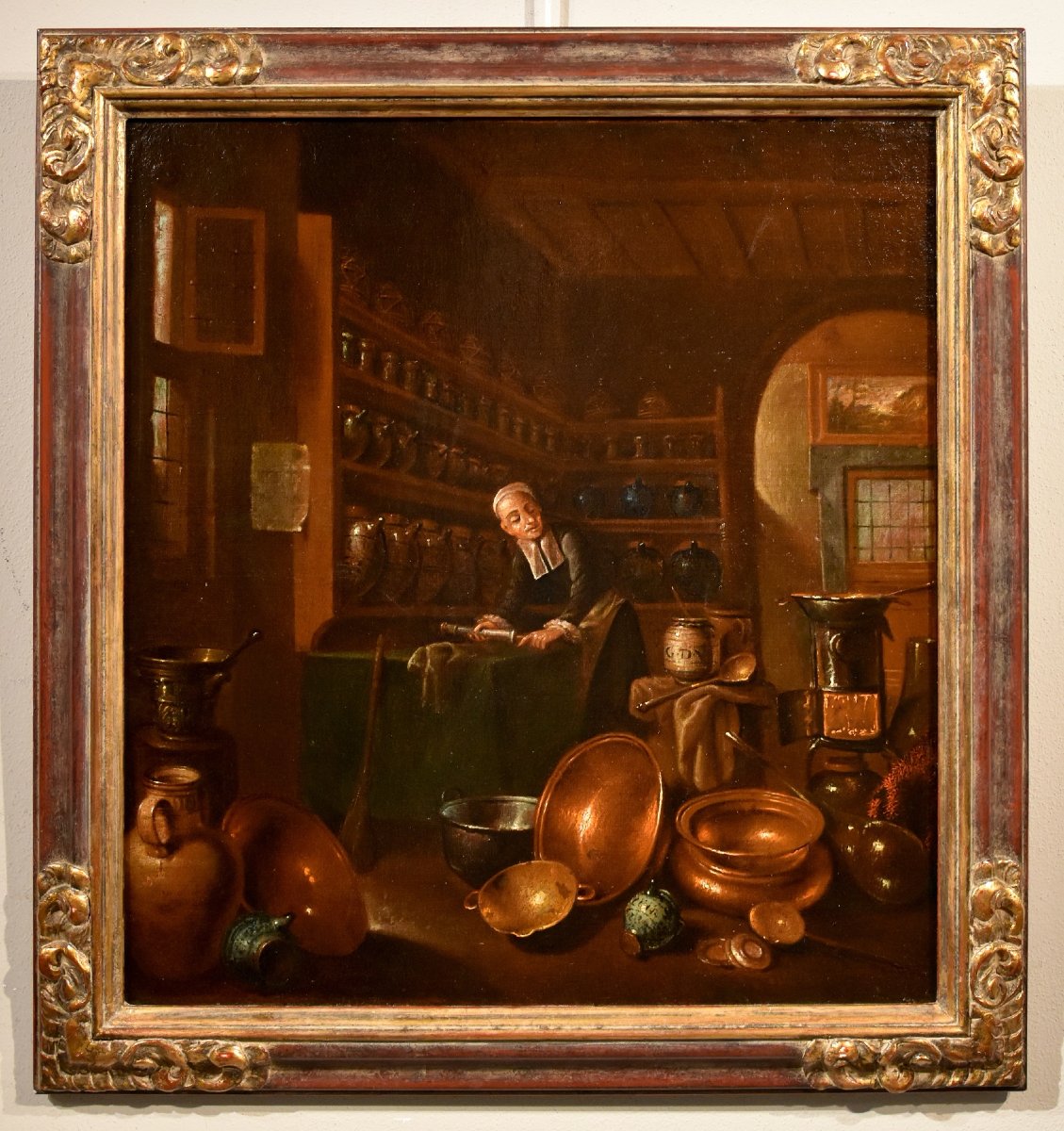
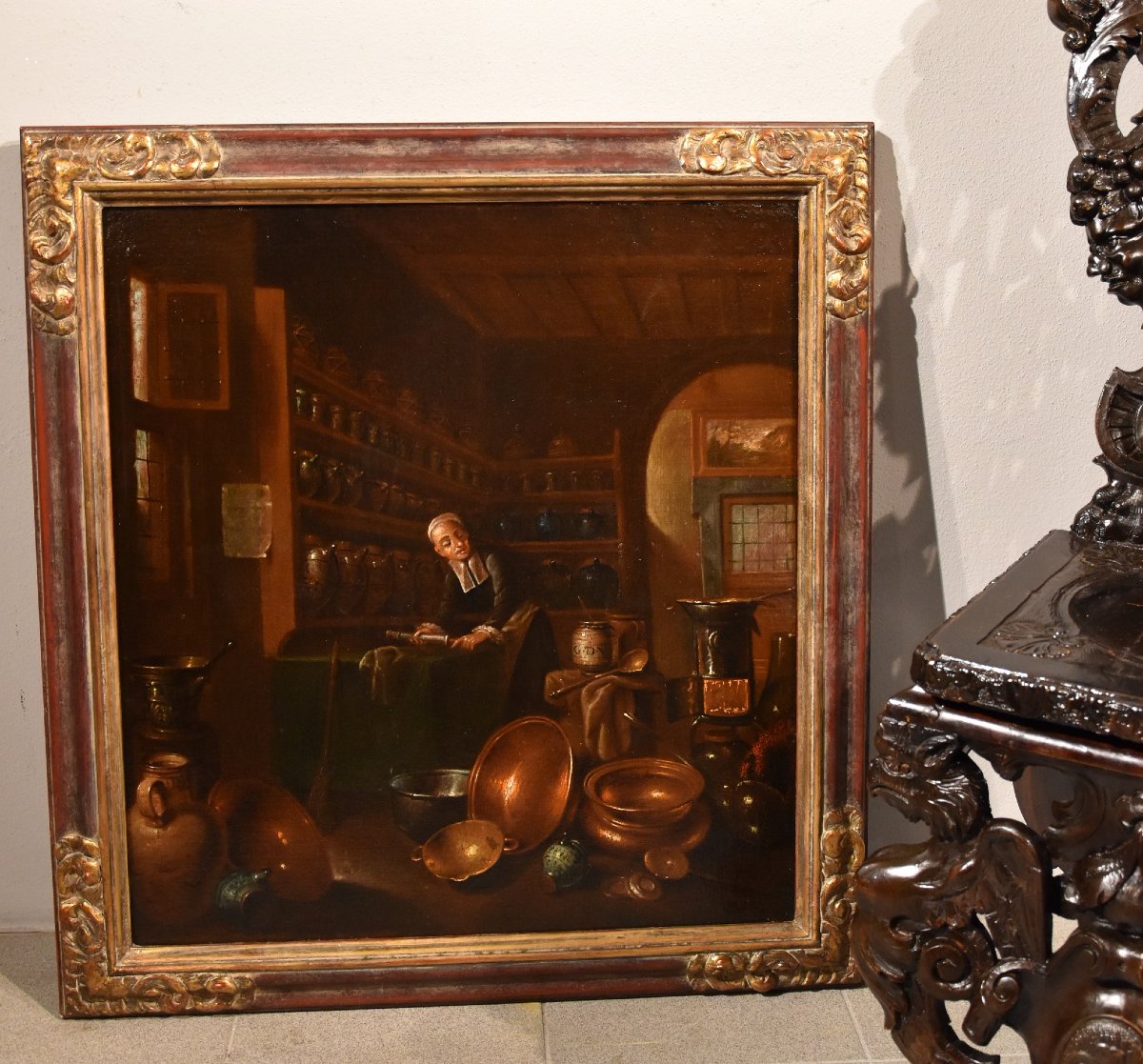
The Pharmacist in His Laboratory
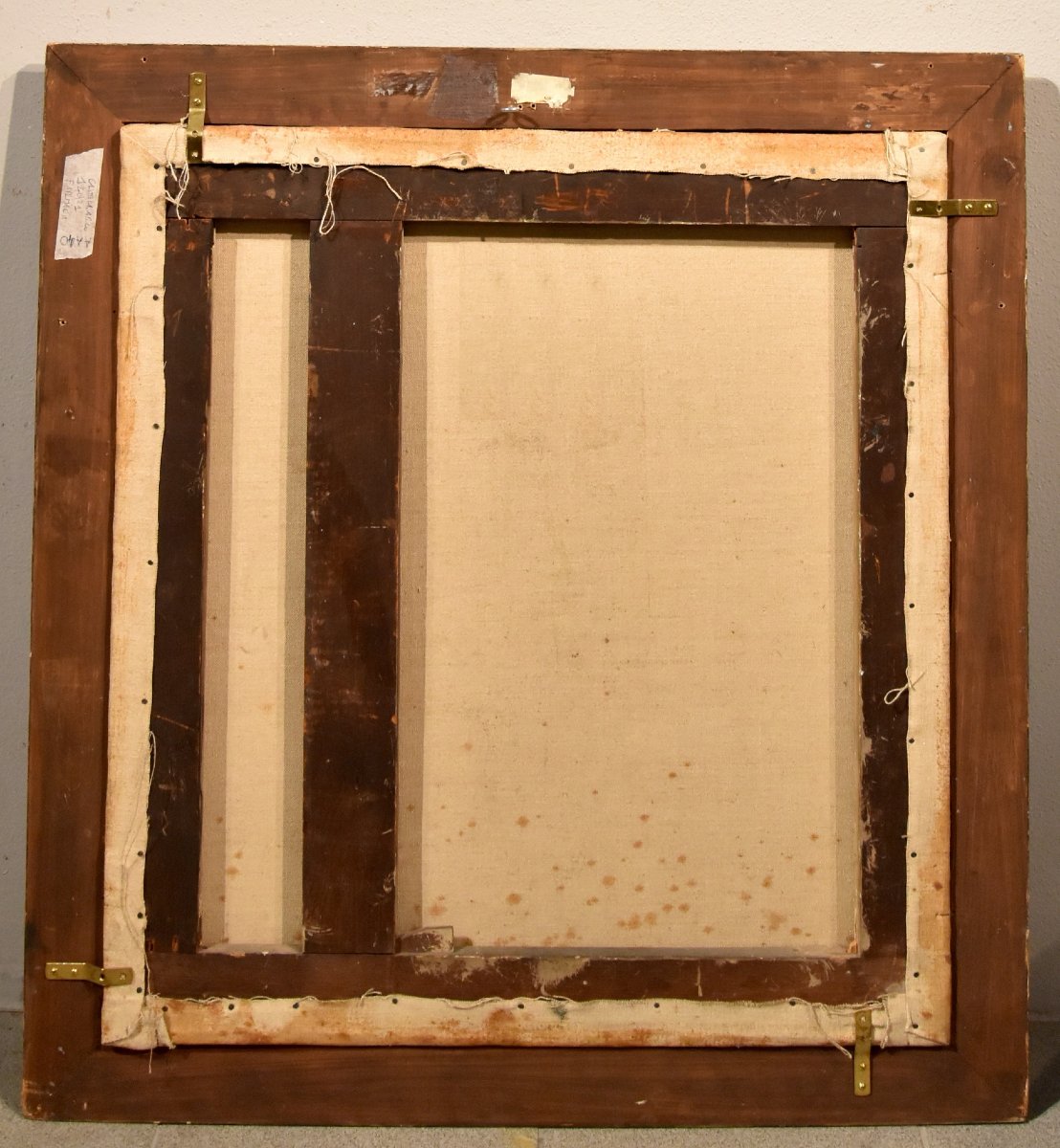
Oil on canvas, 73 x 66 cm
In a gilded and lacquered frame, 86 x 80 cm
DETAILS LINK (HERE)
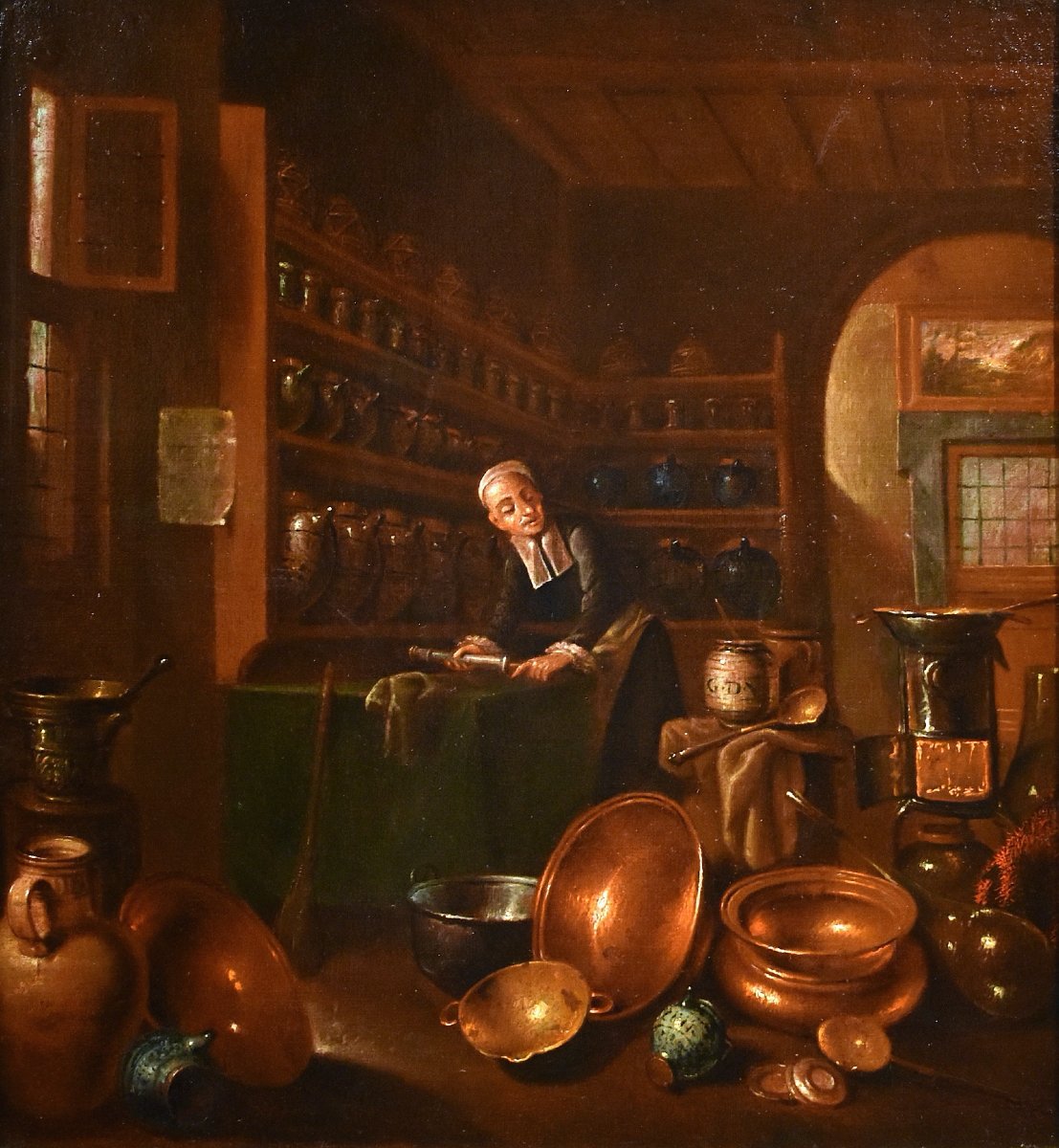
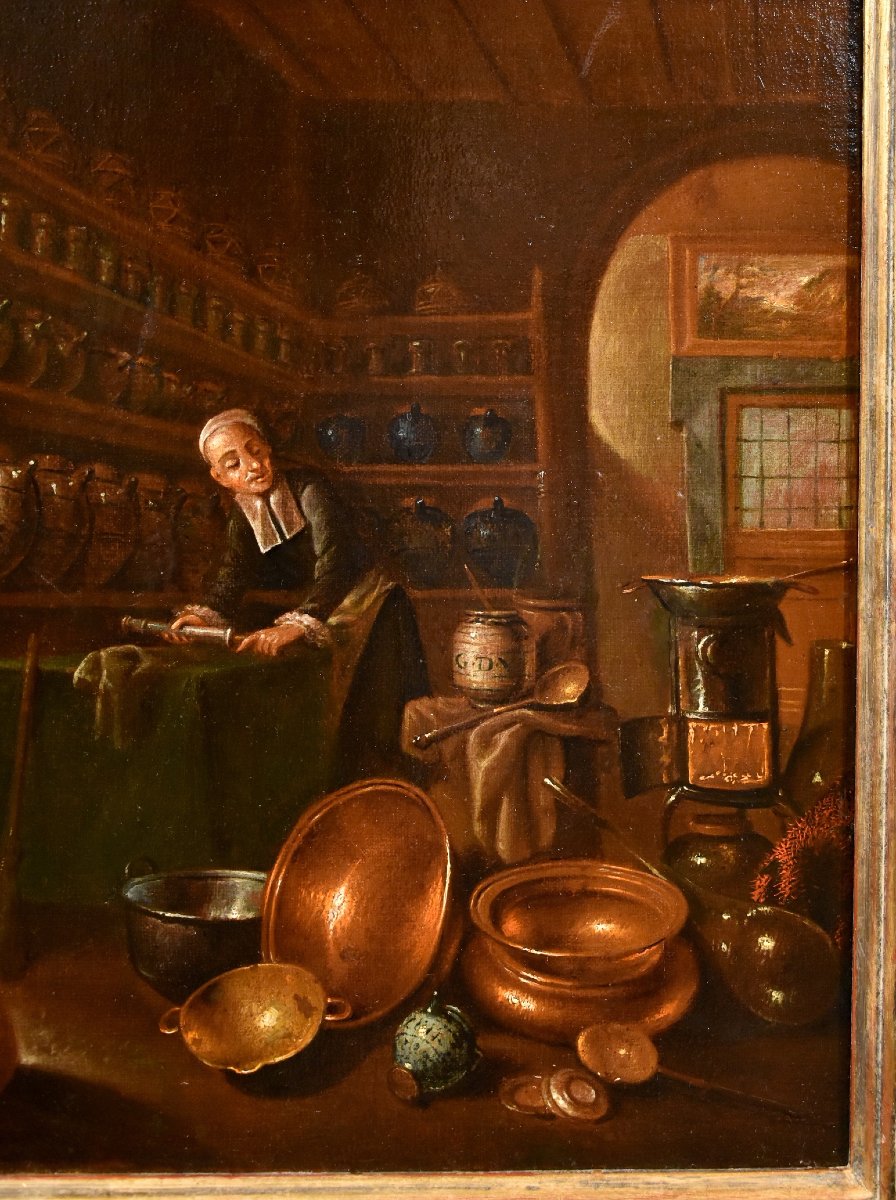
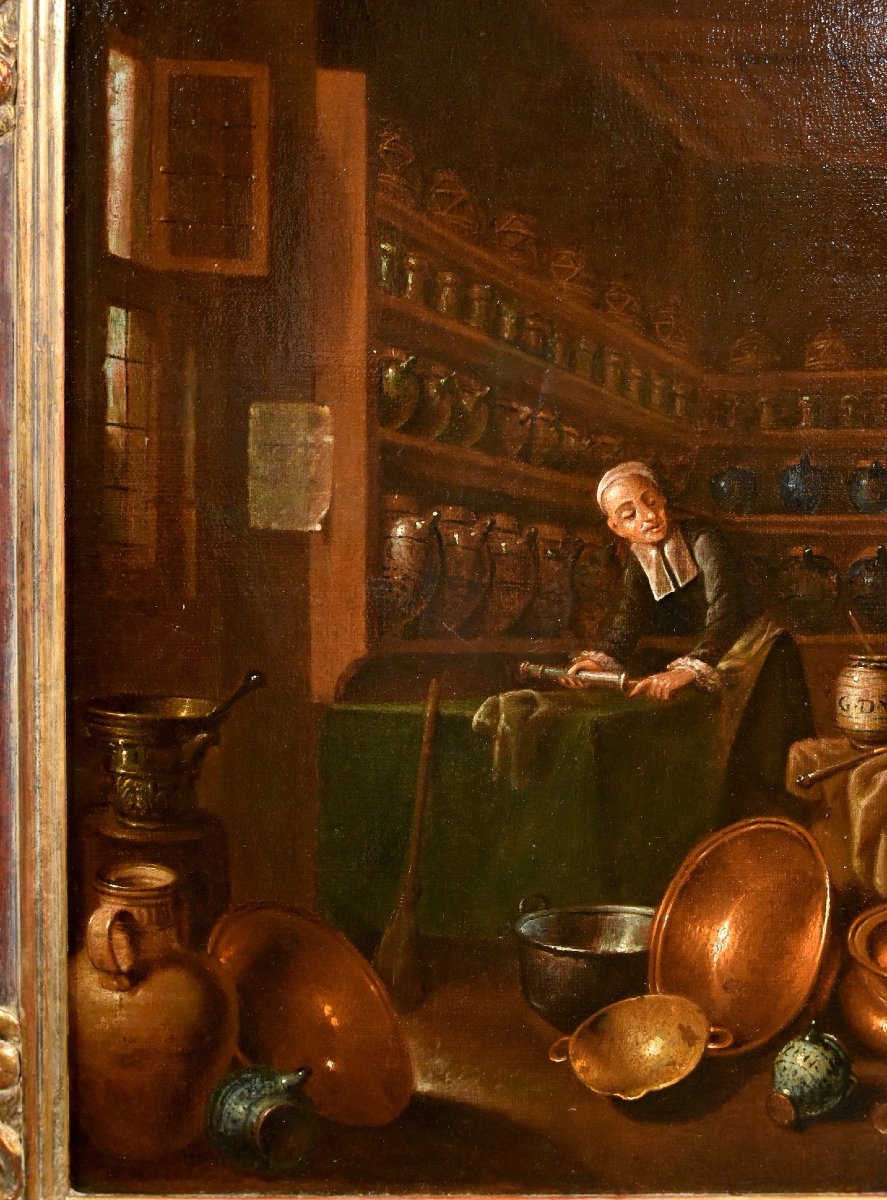
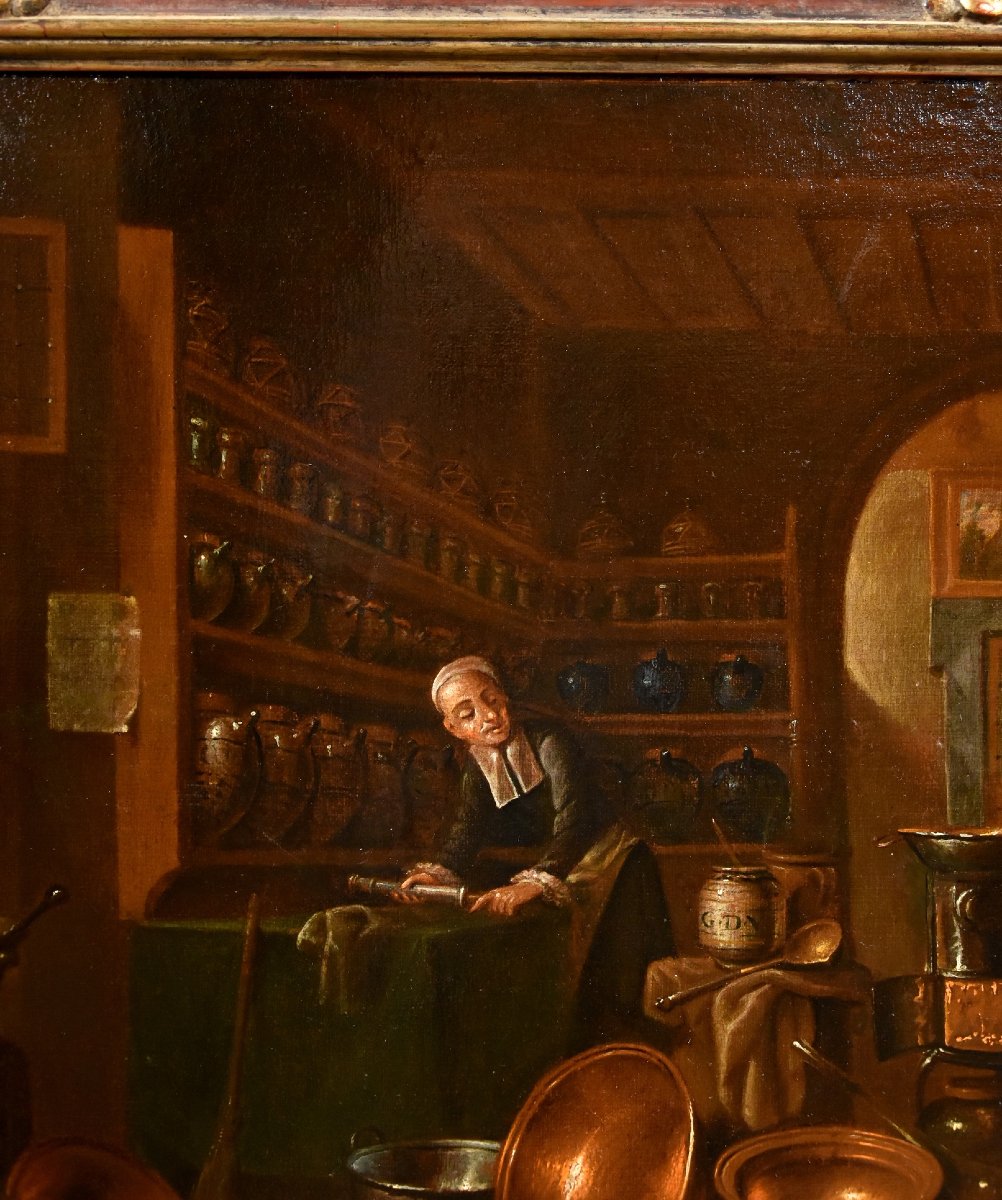
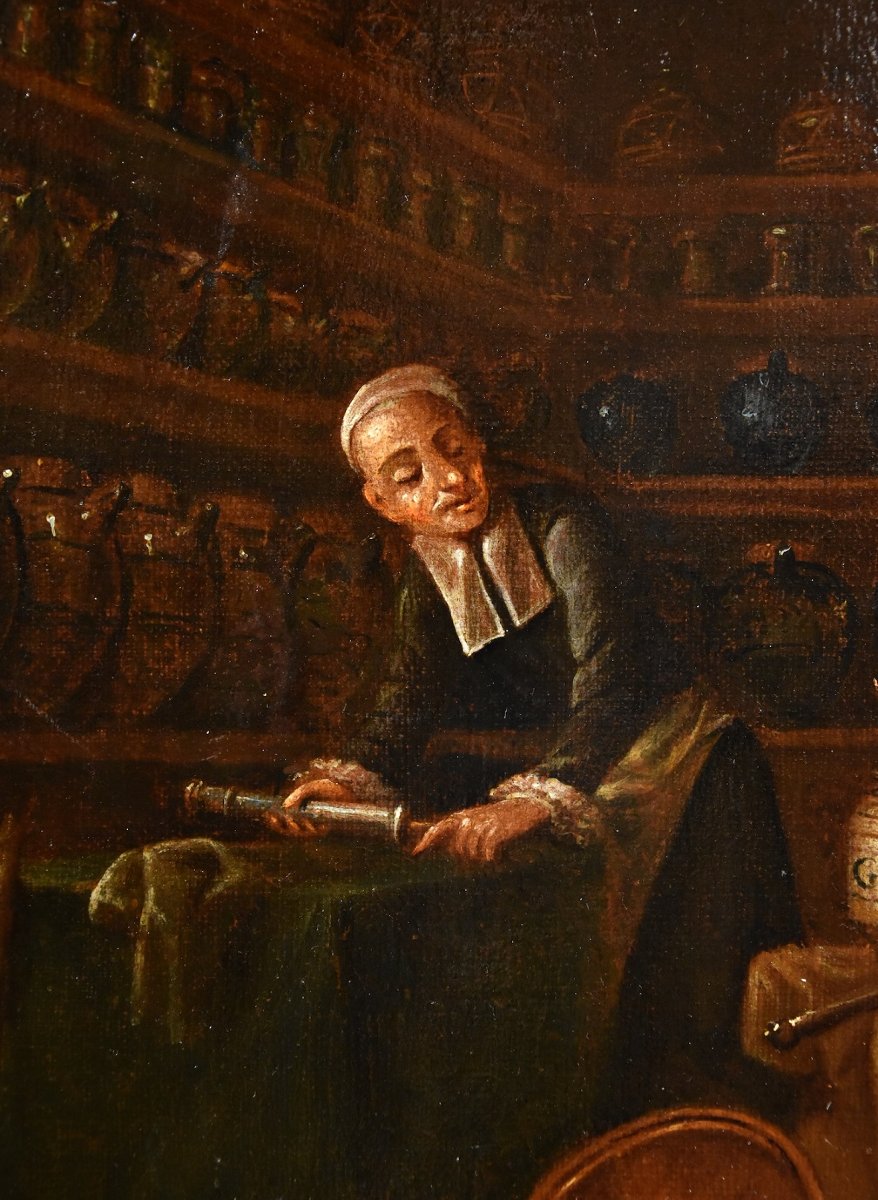
This work, depicting a charming laboratory interior with a pharmacist busy preparing medicines, is typical of the Roman artist Gian Domenico Valentini, also known as Giovanni Domenico Valentino (Rome 1630 – Imola 1708).
The canvas, which is signed with the monogram G.D.V. in the center right on a majolica vase, is believed to have been painted in Rome, where the artist worked from 1662 until his death, except during 1680–1681, when he worked in Imola and Ravenna.
The influence of the Flemish artists who populated the Eternal City appears to have been essential in the development of Valentini’s style.
The use of Northern European models in the development of this genre of painting—featuring interior scenes and still-life elements—had gained great popularity among Roman patrons, leading to an almost serial-like production, yet one that was always highly evocative.
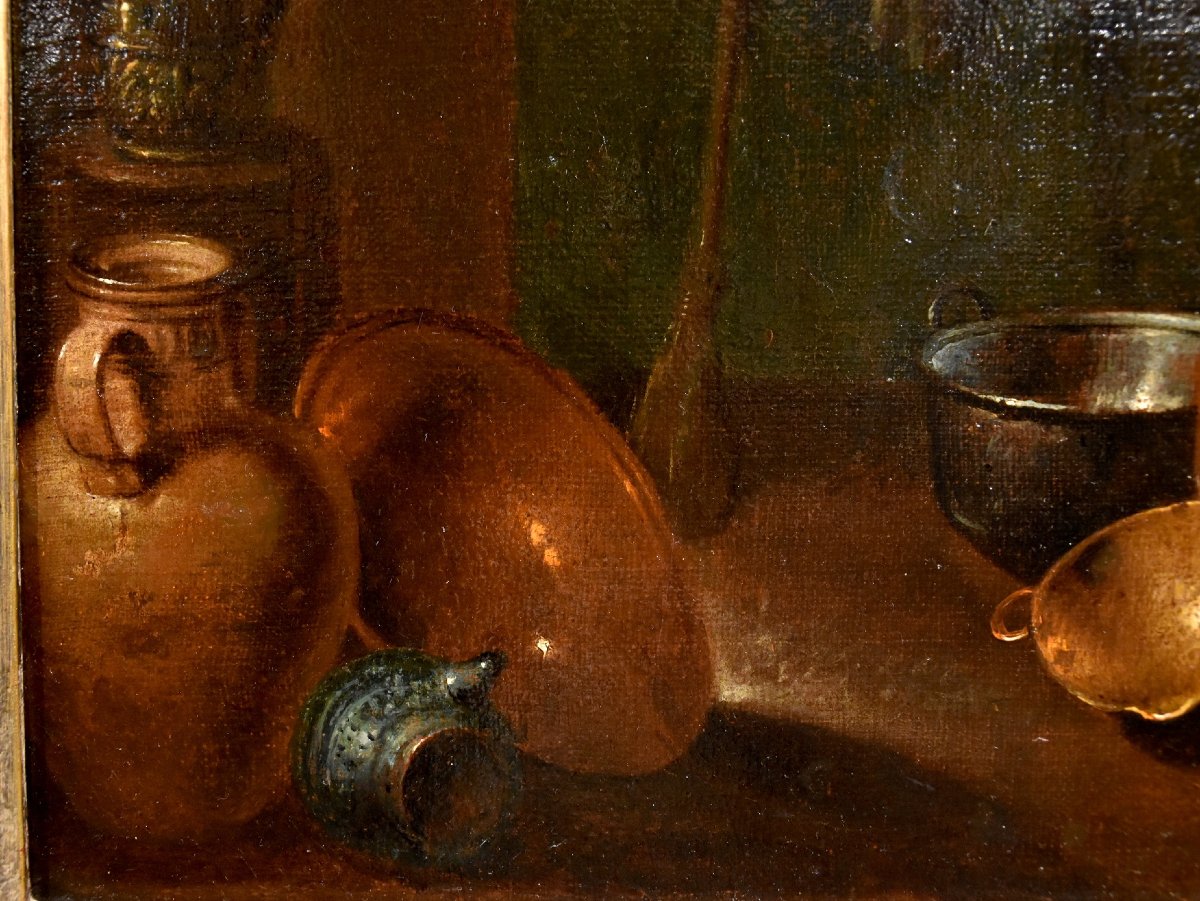
Giovanni Domenico Valentini distinguished himself in the Italian artistic scene of the seventeenth century precisely because of the uniqueness of his preferred subjects: these are predominantly kitchen interiors or, as in our case, a workshop, where countless objects are piled up in picturesque disarray: here, the utensils of a pharmacy—copper and terracotta items, metal and clay jars and pitchers, majolica jars and albarelli, bottles, flasks, glasses, cauldrons, basins, and other copper and terracotta containers—as well as an open oven.
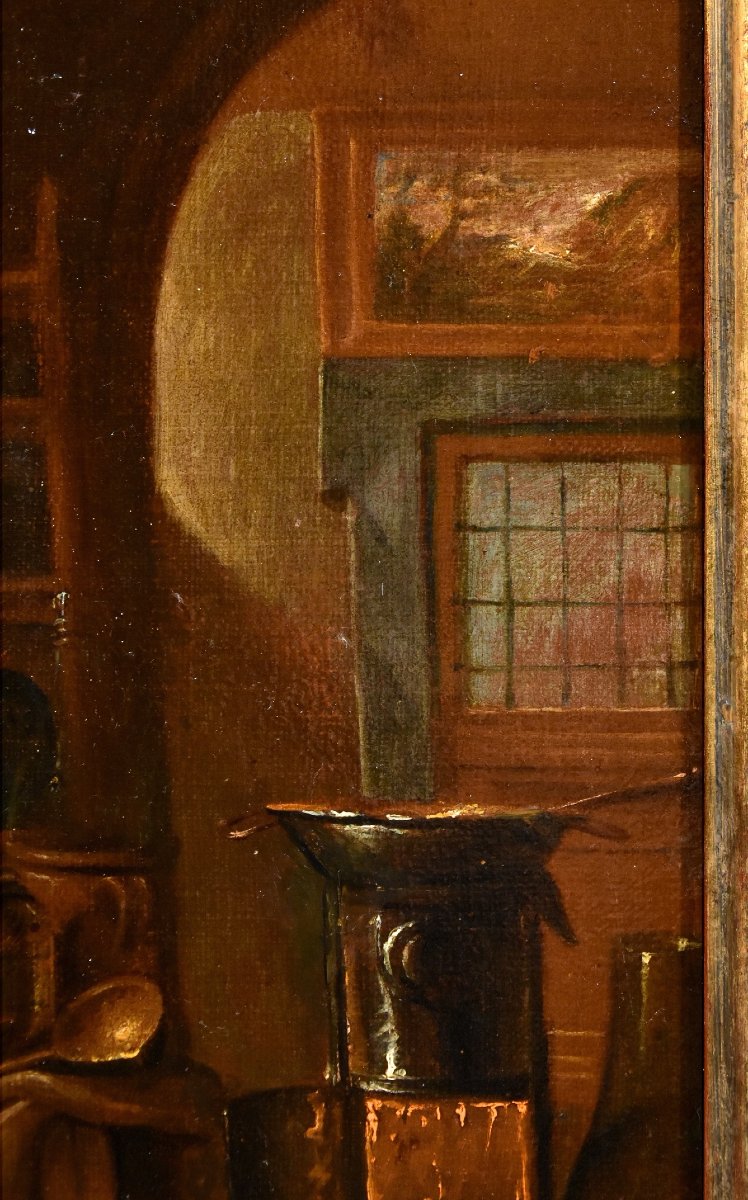
The large back wall is occupied by a corner hanging shelf for apothecary vases and jars, all arranged in a row; in the foreground, the still life featured various pharmaceutical utensils such as pharmacy bottles, mortar bowls, jars, and handled vases, as well as copper pots and containers. Particularly striking from a chromatic standpoint—and a typical decorative element of the painter’s work—is the painting above the doorframe, which depicts a landscape.
Valentini’s interiors—of which our painting is a fine example—which feature a large number of objects or furnishings, are arranged with a carefully studied organization: everything depicted is arranged according to the dictates of a preordained display and appears, so to speak, ‘on display,’ exhibited and organized according to the highly personal intent of a painter who aims to ennoble everyday life and make it the emblem of his own art.
The interior of our pharmacy is very similar to a monogrammed version housed at the Musée des Beaux-Arts, Palais Fesch, in Ajaccio (inv. 852-1-461), depicting a ‘Young Man Visiting a Pharmacy,’ in which the same elements recur, albeit in varied forms: the half-open cabinet, the charcoal, the basin, the flasks and pharmaceutical jars, the shelves, and the portrait above the door.
Other similar compositions:
- Finarte Auction, Rome, May 8, 1990, Giovanni Domenico Valentino, Interior of a Pharmacy: http://catalogo.fondazionezeri.unibo.it/scheda/opera/93060/Valentino%20Giovan%20Domenico%2C%20Intern...
- Fondazione Cassa di Risparmio di Imola, Imola (Emilia-Romagna, Italy), Giovanni Domenico Valentino, Interior of a Pharmacy: http://catalogo.fondazionezeri.unibo.it/entry/work/93056/Valentino%20Giovan%20Domenico%2C%20Interno%...
- Palais Fesch Musée des beaux-arts (France), Giovanni Domenico Valentino, Interior of a Pharmacy: https://commons.wikimedia.org/wiki/Category:Gian_Domenico_Valentini#/media/File:Gian_domenico_valent...
- Pandolfini Florence, Important Old Master Paintings, April 19, 2016, Giovanni Domenico Valentino, Interior of a Pharmacy: https://www.pandolfini.it/it/asta-0170/giovanni-domenico-valentinoand.asp
Signed with the monogram G.D.V. in the center right, on a majolica vase
The Pharmacist in His Laboratory
Oil on canvas, 73 x 66 cm
In a gilded and lacquered frame, 86 x 80 cm
DETAILS LINK (HERE)
This work, depicting a charming laboratory interior with a pharmacist busy preparing medicines, is typical of the Roman artist Gian Domenico Valentini, also known as Giovanni Domenico Valentino (Rome 1630 – Imola 1708).
The canvas, which is signed with the monogram G.D.V. in the center right on a majolica vase, is believed to have been painted in Rome, where the artist worked from 1662 until his death, except during 1680–1681, when he worked in Imola and Ravenna.
The influence of the Flemish artists who populated the Eternal City appears to have been essential in the development of Valentini’s style.
The use of Northern European models in the development of this genre of painting—featuring interior scenes and still-life elements—had gained great popularity among Roman patrons, leading to an almost serial-like production, yet one that was always highly evocative.
Giovanni Domenico Valentini distinguished himself in the Italian artistic scene of the seventeenth century precisely because of the uniqueness of his preferred subjects: these are predominantly kitchen interiors or, as in our case, a workshop, where countless objects are piled up in picturesque disarray: here, the utensils of a pharmacy—copper and terracotta items, metal and clay jars and pitchers, majolica jars and albarelli, bottles, flasks, glasses, cauldrons, basins, and other copper and terracotta containers—as well as an open oven.
The large back wall is occupied by a corner hanging shelf for apothecary vases and jars, all arranged in a row; in the foreground, the still life featured various pharmaceutical utensils such as pharmacy bottles, mortar bowls, jars, and handled vases, as well as copper pots and containers. Particularly striking from a chromatic standpoint—and a typical decorative element of the painter’s work—is the painting above the doorframe, which depicts a landscape.
Valentini’s interiors—of which our painting is a fine example—which feature a large number of objects or furnishings, are arranged with a carefully studied organization: everything depicted is arranged according to the dictates of a preordained display and appears, so to speak, ‘on display,’ exhibited and organized according to the highly personal intent of a painter who aims to ennoble everyday life and make it the emblem of his own art.
The interior of our pharmacy is very similar to a monogrammed version housed at the Musée des Beaux-Arts, Palais Fesch, in Ajaccio (inv. 852-1-461), depicting a ‘Young Man Visiting a Pharmacy,’ in which the same elements recur, albeit in varied forms: the half-open cabinet, the charcoal, the basin, the flasks and pharmaceutical jars, the shelves, and the portrait above the door.
Other similar compositions:
- Finarte Auction, Rome, May 8, 1990, Giovanni Domenico Valentino, Interior of a Pharmacy: http://catalogo.fondazionezeri.unibo.it/scheda/opera/93060/Valentino%20Giovan%20Domenico%2C%20Intern...
- Fondazione Cassa di Risparmio di Imola, Imola (Emilia-Romagna, Italy), Giovanni Domenico Valentino, Interior of a Pharmacy: http://catalogo.fondazionezeri.unibo.it/entry/work/93056/Valentino%20Giovan%20Domenico%2C%20Interno%...
- Palais Fesch Musée des beaux-arts (France), Giovanni Domenico Valentino, Interior of a Pharmacy: https://commons.wikimedia.org/wiki/Category:Gian_Domenico_Valentini#/media/File:Gian_domenico_valent...
- Pandolfini Florence, Important Old Master Paintings, April 19, 2016, Giovanni Domenico Valentino, Interior of a Pharmacy: https://www.pandolfini.it/it/asta-0170/giovanni-domenico-valentinoand.asp
7 900 €
Period: 17th century
Style: Louis 14th, Regency
Condition: Excellent condition
Material: Oil painting
Width: encadré 80 cm.
Height: encadré 86 cm.
Reference (ID): 1783910
Availability: In stock
Print