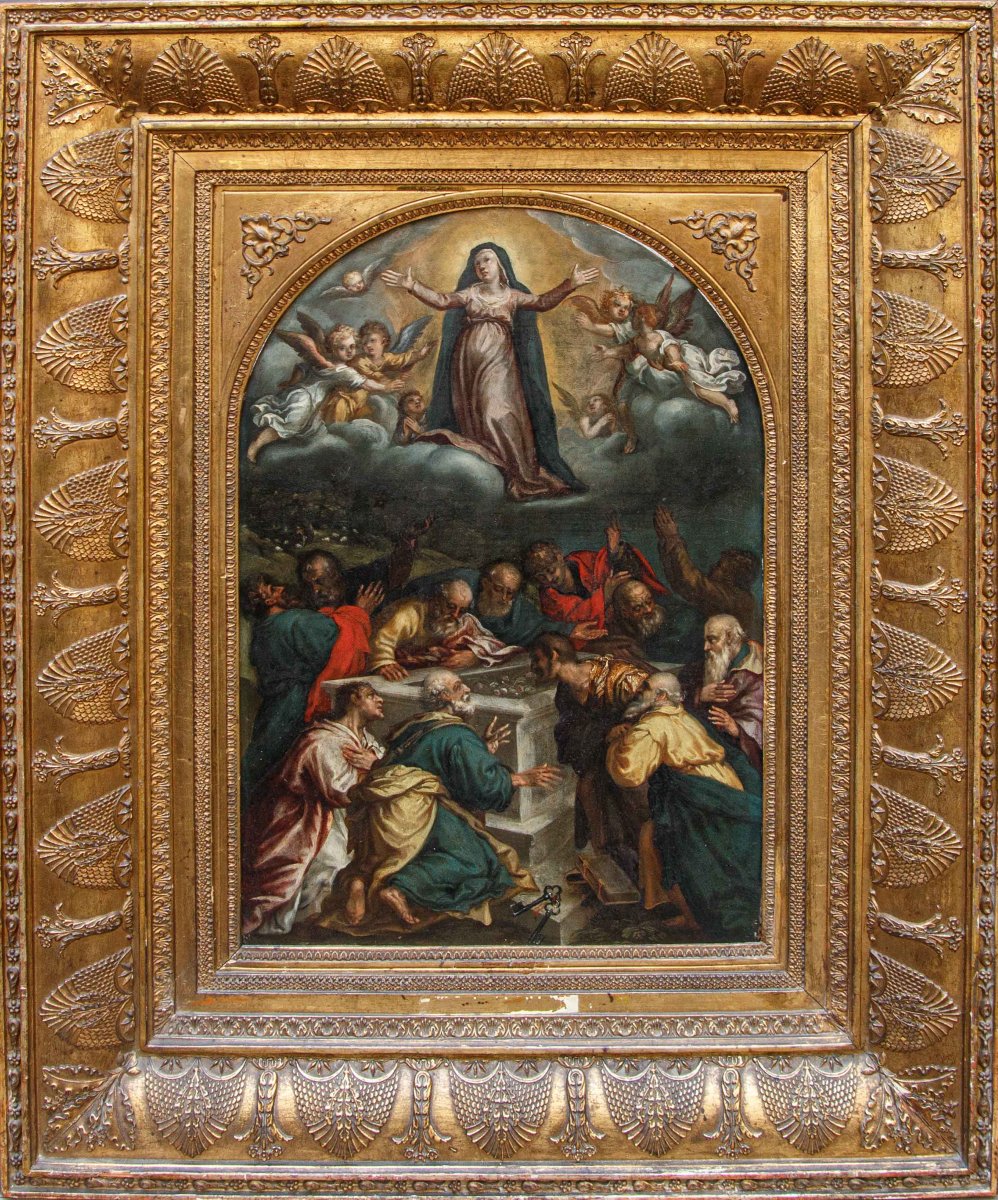



A Follower Of Hans Rottenhammer (1564–1625), The Assumption Of The Virgin
A follower of Hans Rottenhammer (1564–1625)
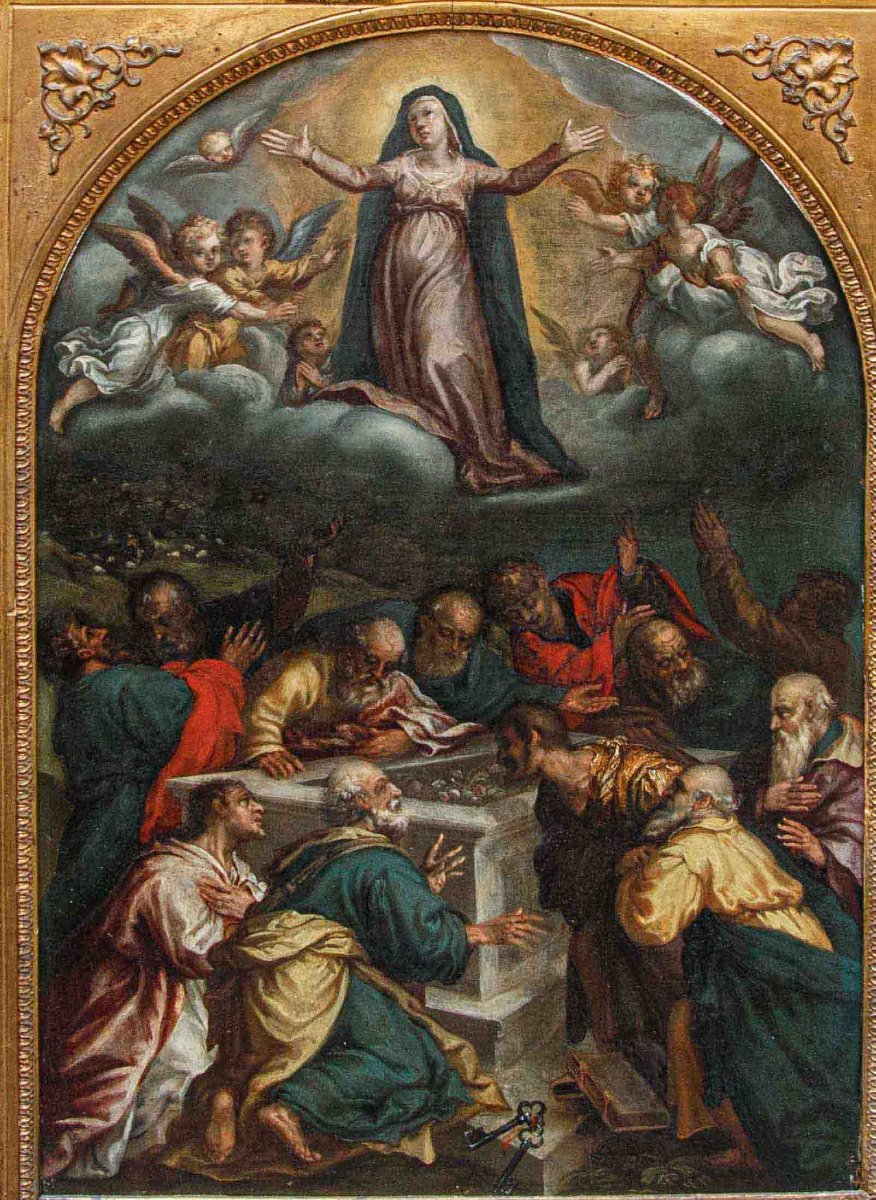
Assumption of the Virgin
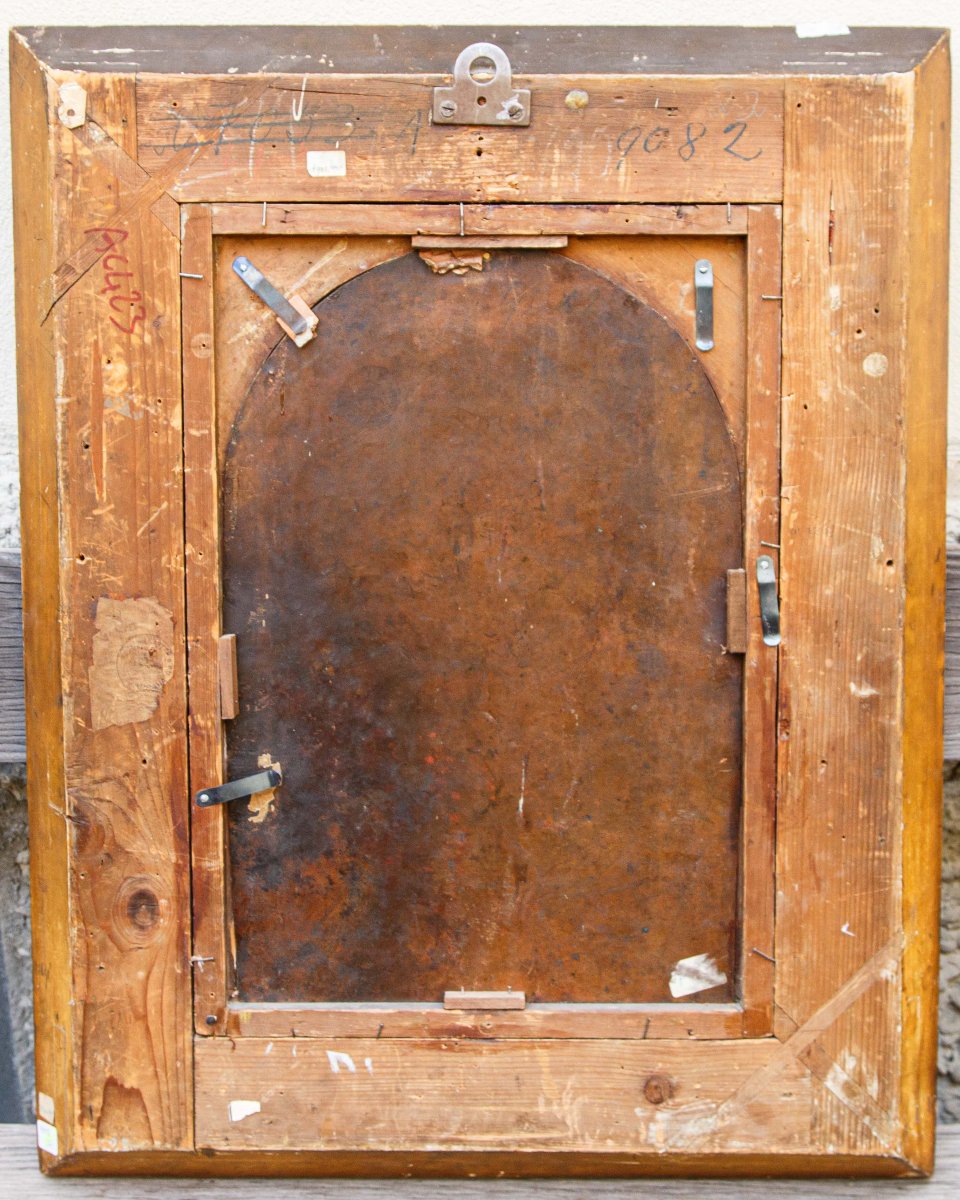
Oil on copper, 50 x 31.5 cm – with frame, 71 x 56 cm
Published in the RKD
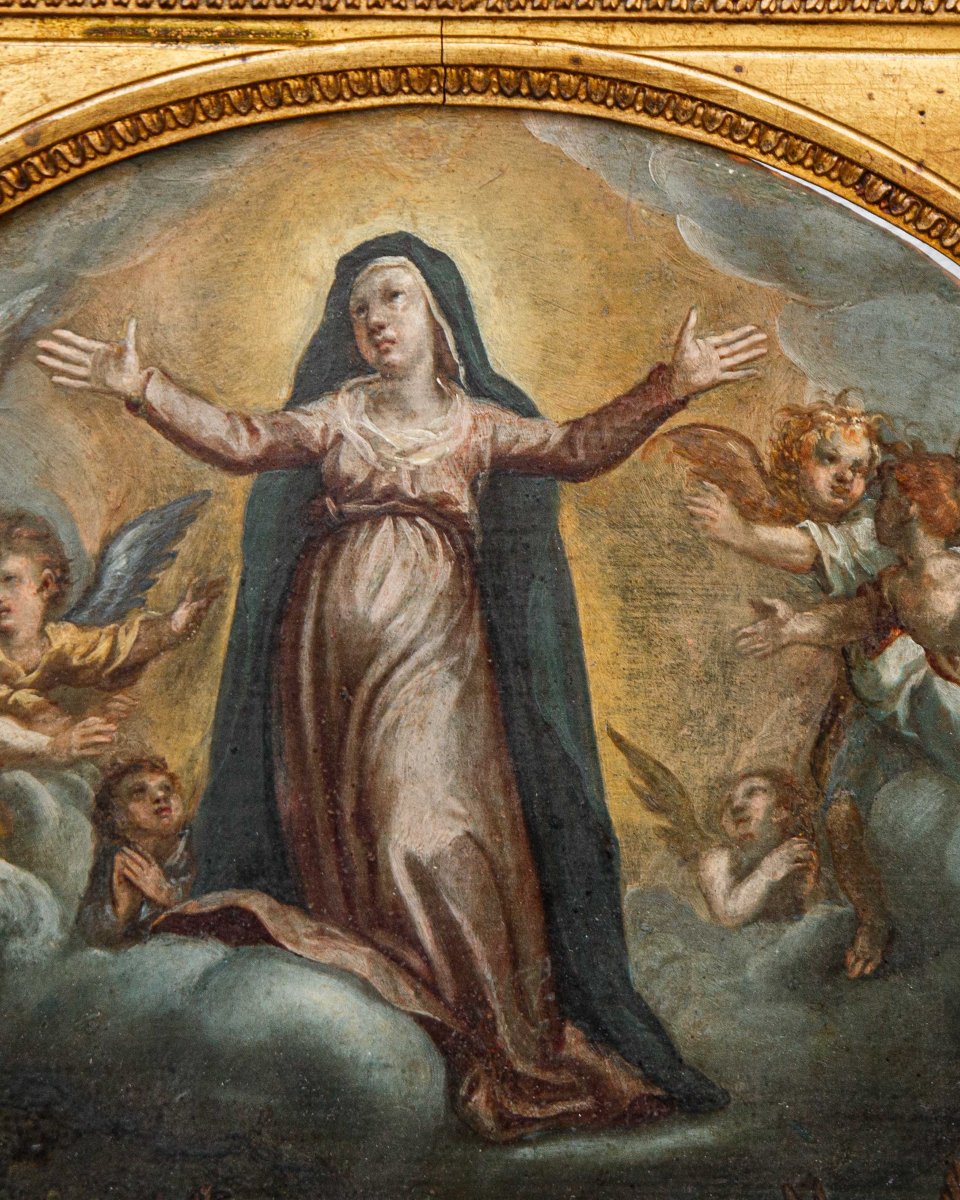
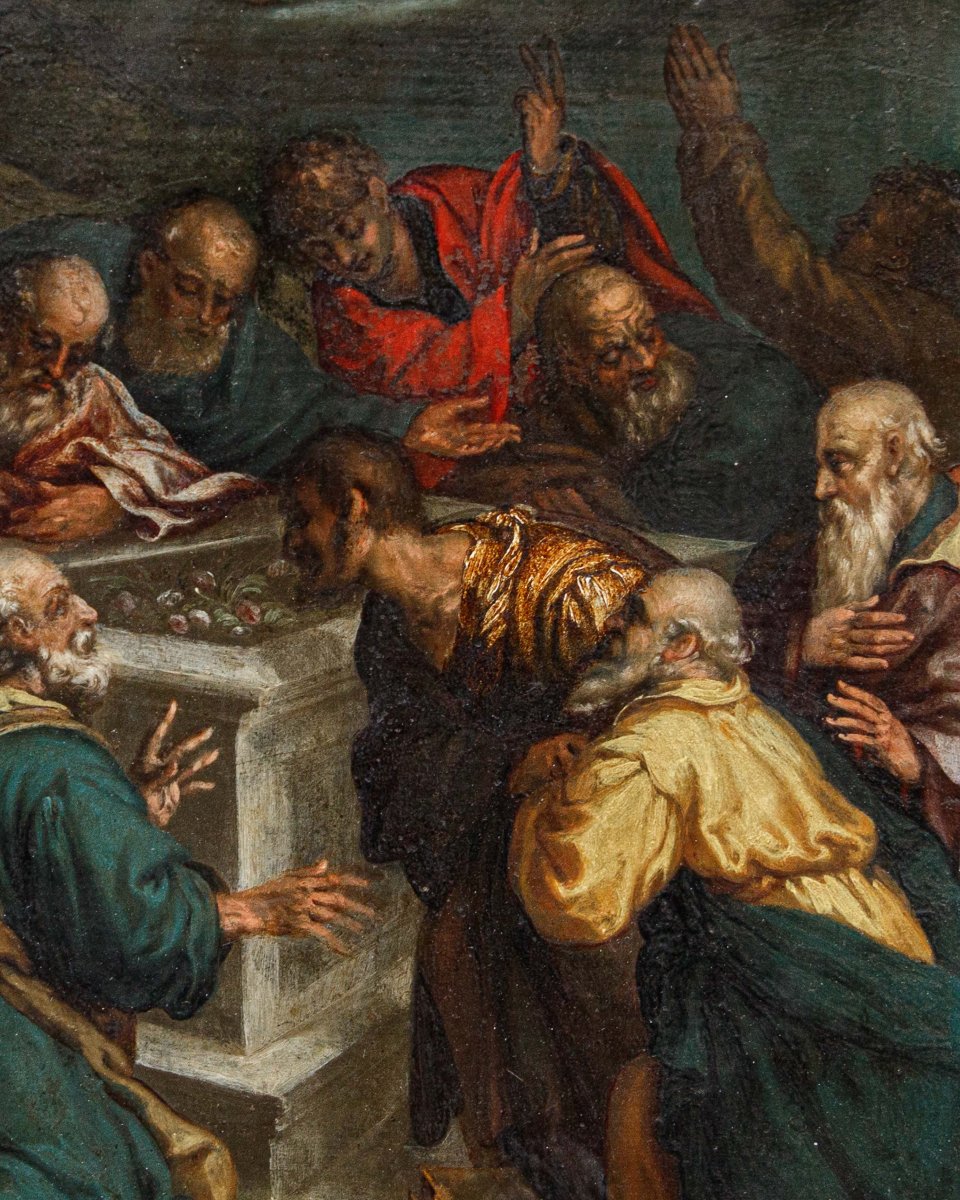
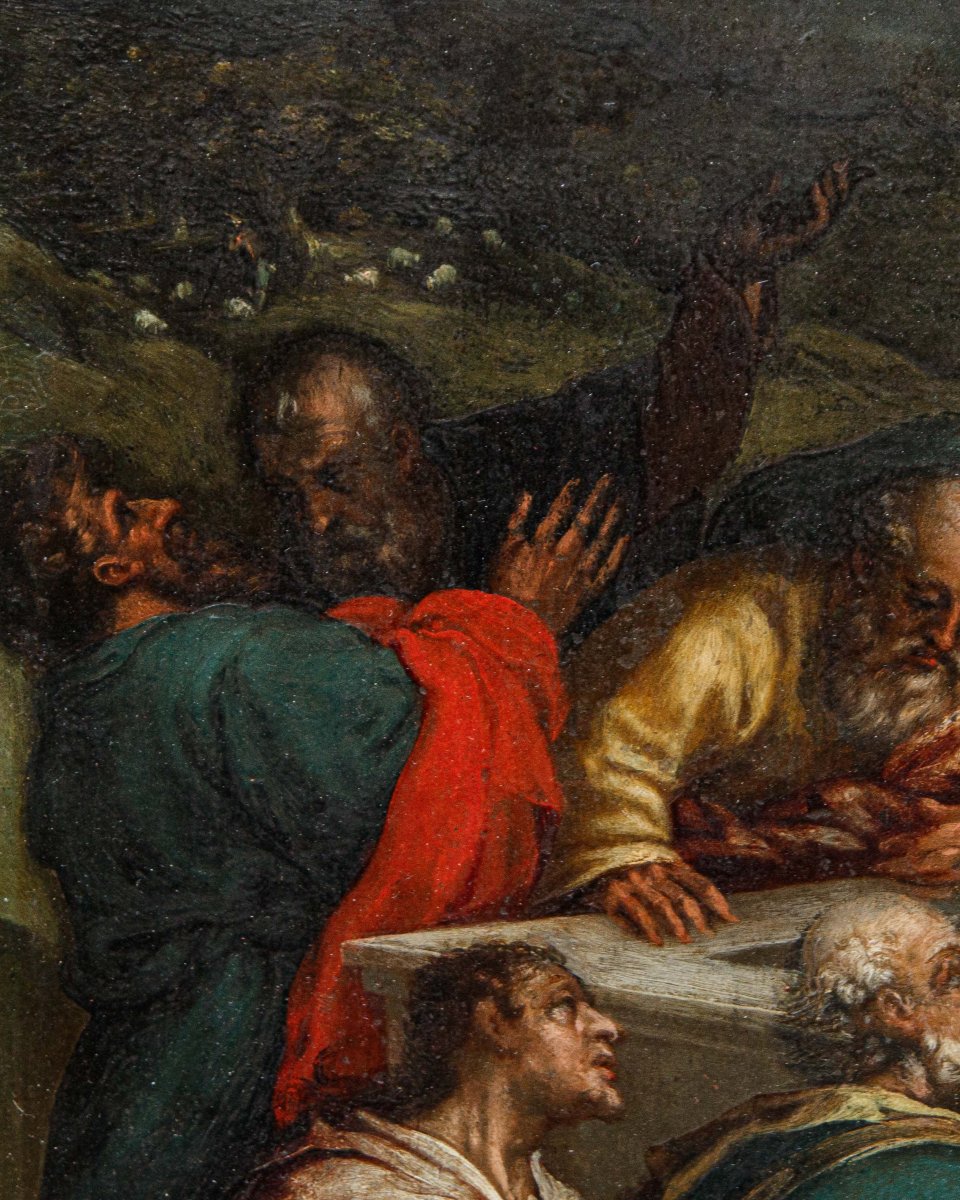
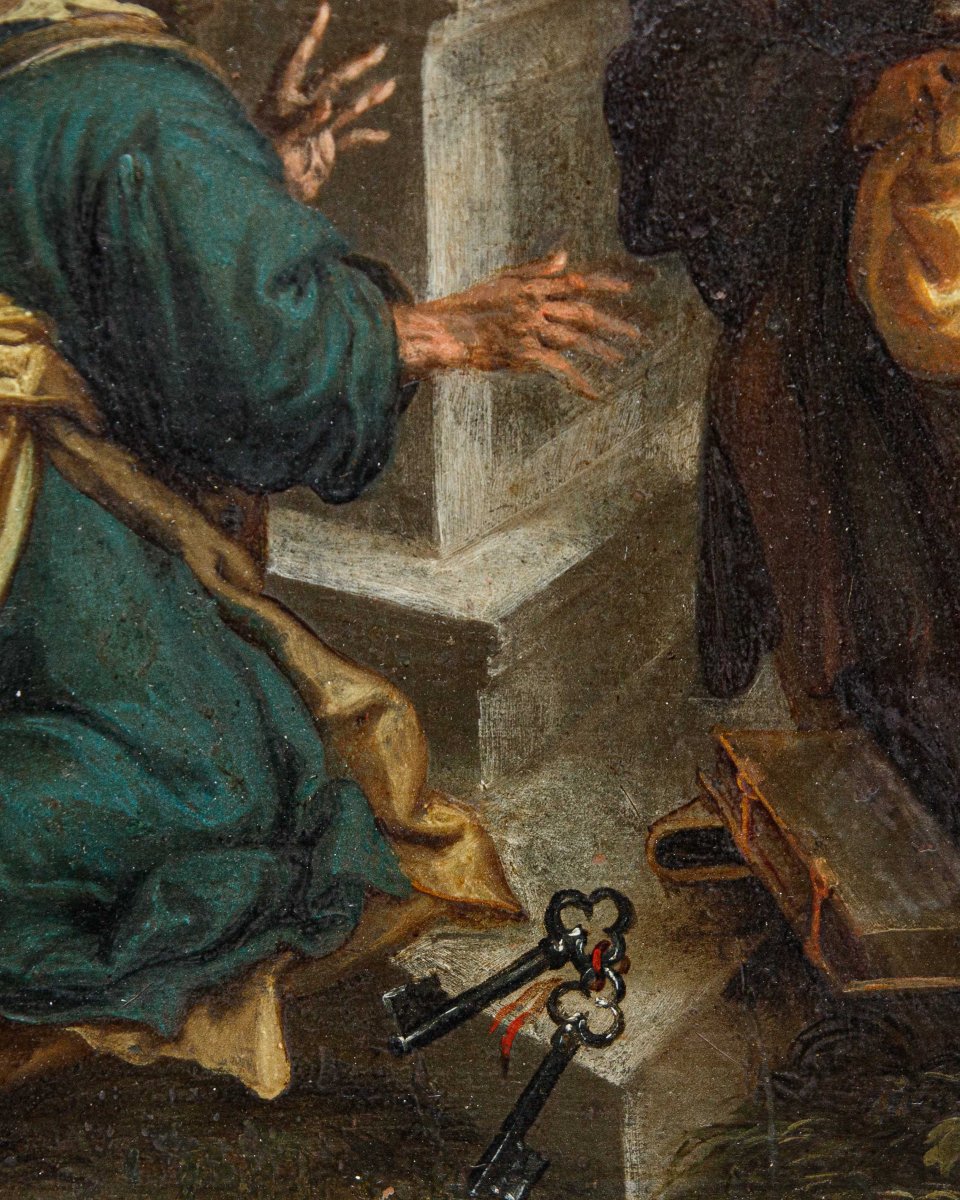
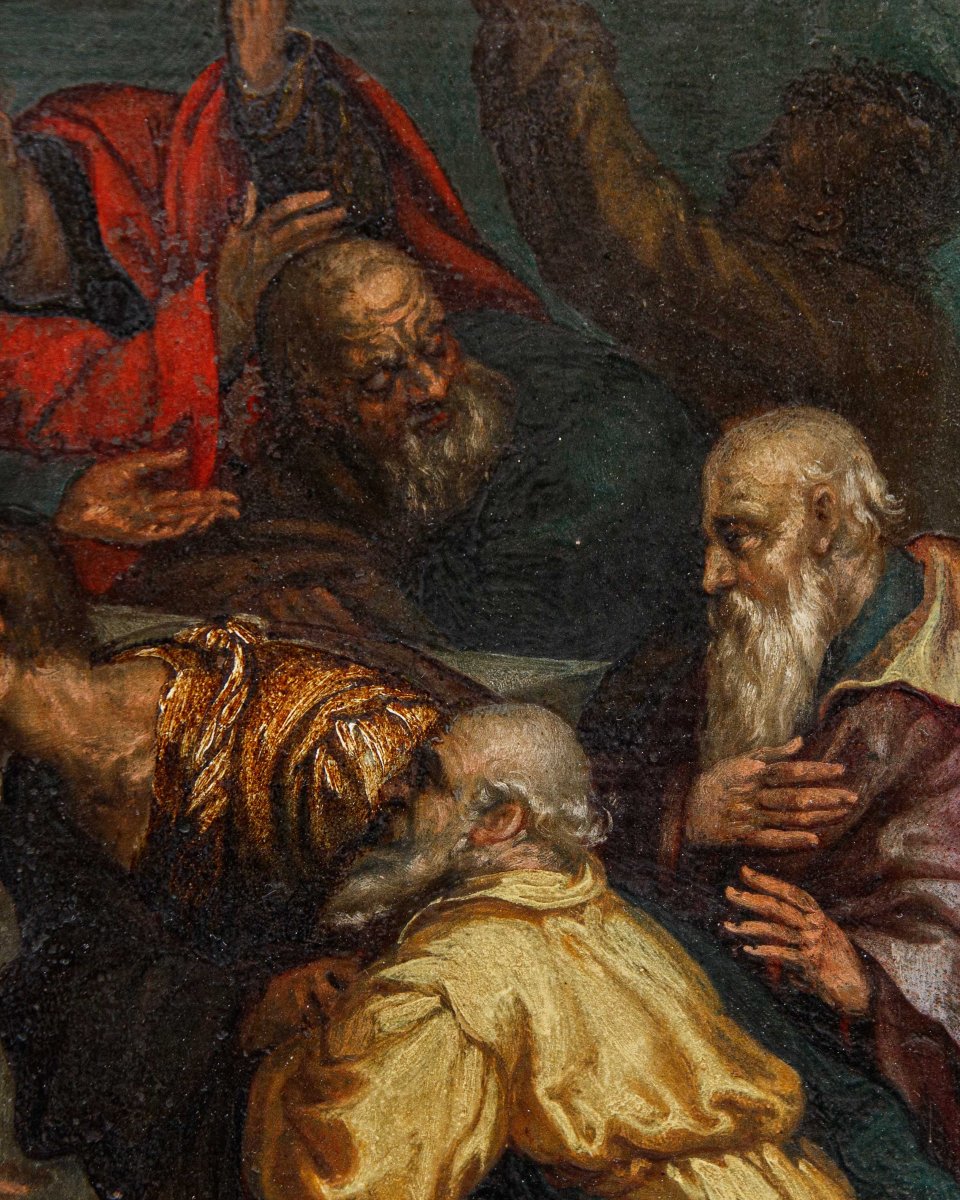
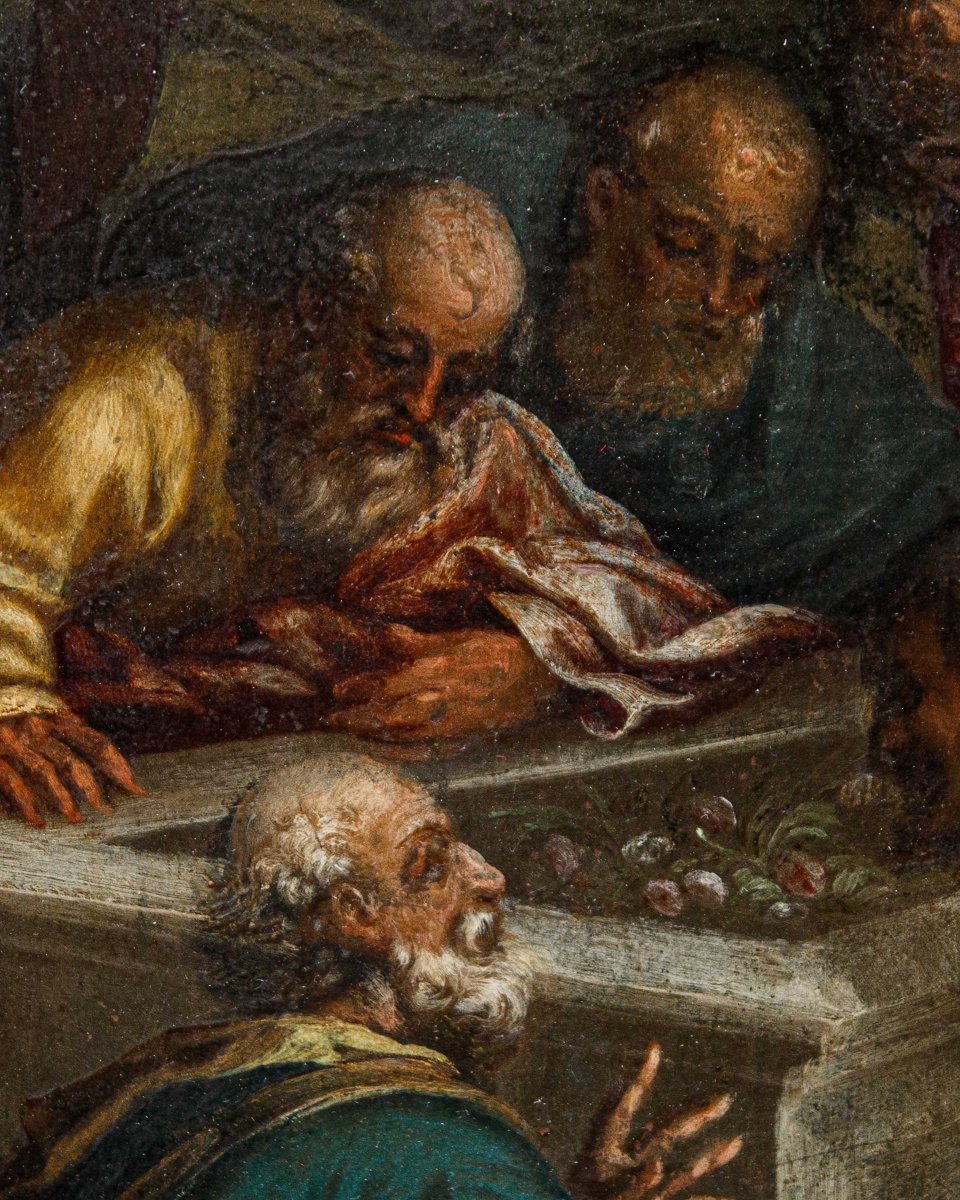
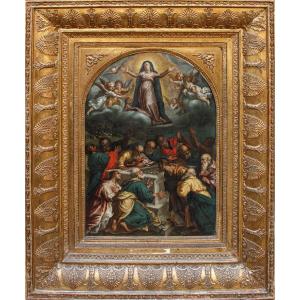
This refined Assumption of the Virgin, an oil on copper that radiates a precious luminosity, represents a significant testament to the output of Hans Rottenhammer’s workshop, an artist who masterfully interpreted the encounter between Nordic precision and the compositional splendor of the Italian Renaissance. The work is organized into two overlapping registers, following a canonical structure in which the group of Apostles is arranged around the empty tomb in the lower section. The figures, captured in an agitated and theatrical dynamism, express wonder and devotion through eloquent gestures and gazes turned upward, where the Virgin ascends to heaven. Mary, draped in a robe with silky sheen and a dark mantle that enhances her monumental figure, is surrounded by a halo of angels and cherubs who seem to support her in a supernatural atmosphere suffused with golden light. The choice of copper as the medium is no accident: precisely during this period, the availability of the metal and the desire to achieve a brilliant, almost enamel-like color rendered led many artists to favor it for cabinet pieces. The iconographic and stylistic framework of this small copperplate reveals a direct debt to the Assumption of the Virgin painted by Francesco Bassano for the church of San Luigi dei Francesi in Rome. This affinity is so marked that, in the past, the work was even attributed to Bassano himself. The Roman painting by Francesco, son of the famous Jacopo, enjoyed considerable critical acclaim and became an indispensable model for the depiction of the Marian dogma at the end of the sixteenth century. The success of this composition likely prompted several foreign painters passing through or residing in Italy—such as Rottenhammer—to study, reinterpret, or copy the most significant works of local masters to meet the demands of a cultured and international clientele eager to own high-quality replicas in smaller formats. Hans Rottenhammer, born in Munich and trained under Hans Donauer the Elder, perfectly embodies the figure of the itinerant and cultured painter of the late Mannerist period. After a stay in Rome between 1593 and 1594, where he came into contact with the first groups of Northern European artists and with Paul Bril, he settled in Venice from 1595 to 1606. It was in Venice that his art reached maturity, synthesizing the German landscape tradition with the compositional and figurative styles of Tintoretto and Veronese. The first German artist to specialize in cabinet paintings, he often collaborated with Jan Brueghel the Elder and Paul Bril, painting the figures on panels that were then completed with landscapes by his Flemish colleagues. After his success in Venice—evidenced by his copy of Dürer’s Feast of the Rosary and commissions for Emperor Rudolf II—he returned to Germany, settling in Augsburg. There he devoted himself to large altarpieces and decorative cycles, such as those for the Munich Residenz, shifting toward a style closer to Northern Mannerism. Despite the grandeur of his career and the influence he exerted on assistants of the caliber of Adam Elsheimer, Rottenhammer ended his days in poverty in 1625, yet leaving a fundamental legacy in the refinement of copperplate painting and in the artistic dialogue between Northern and Southern Europe.
Period: 17th century
Style: Other Style
Condition: Good condition
Material: Copper
Width: 31,5
Height: 50
Reference (ID): 1777310
Availability: In stock