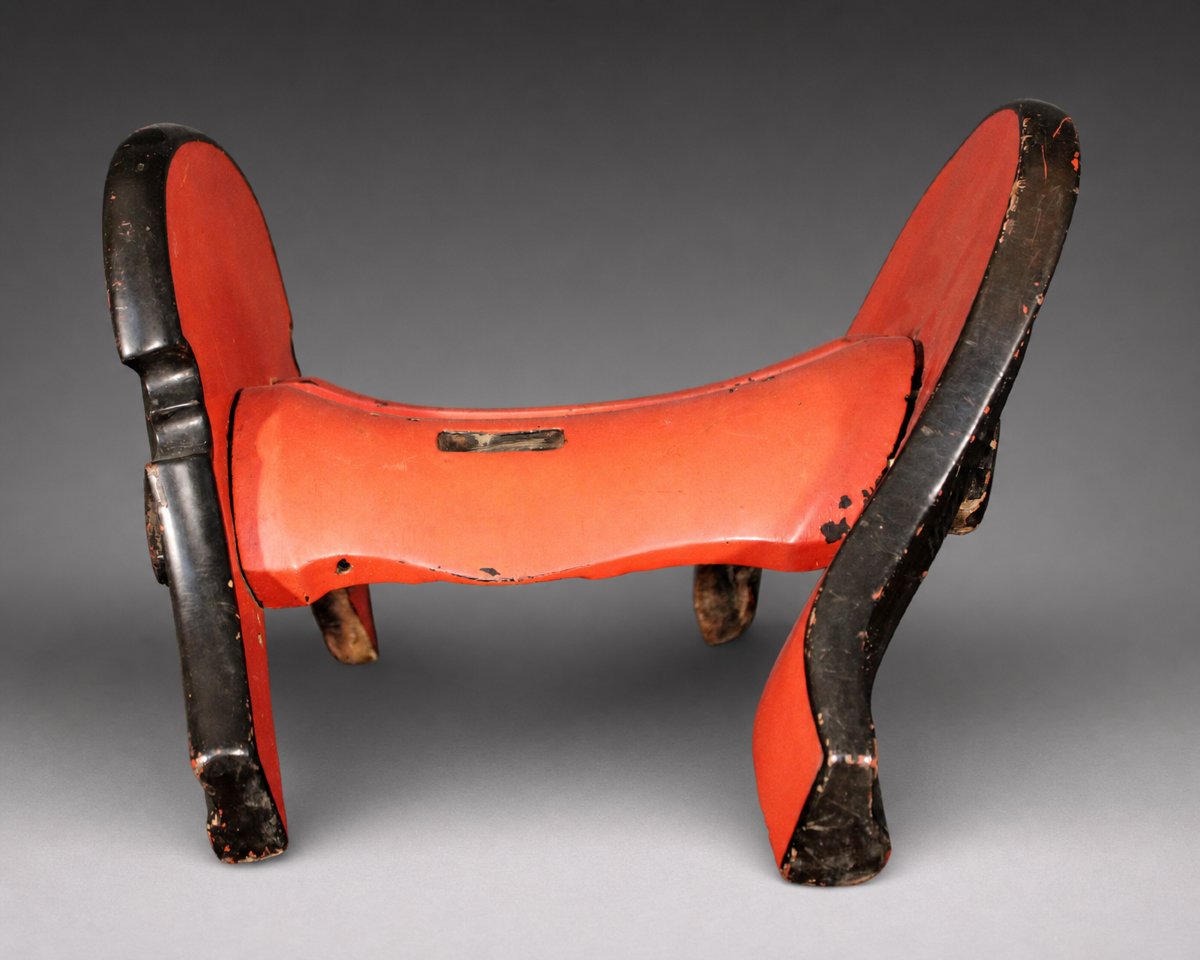
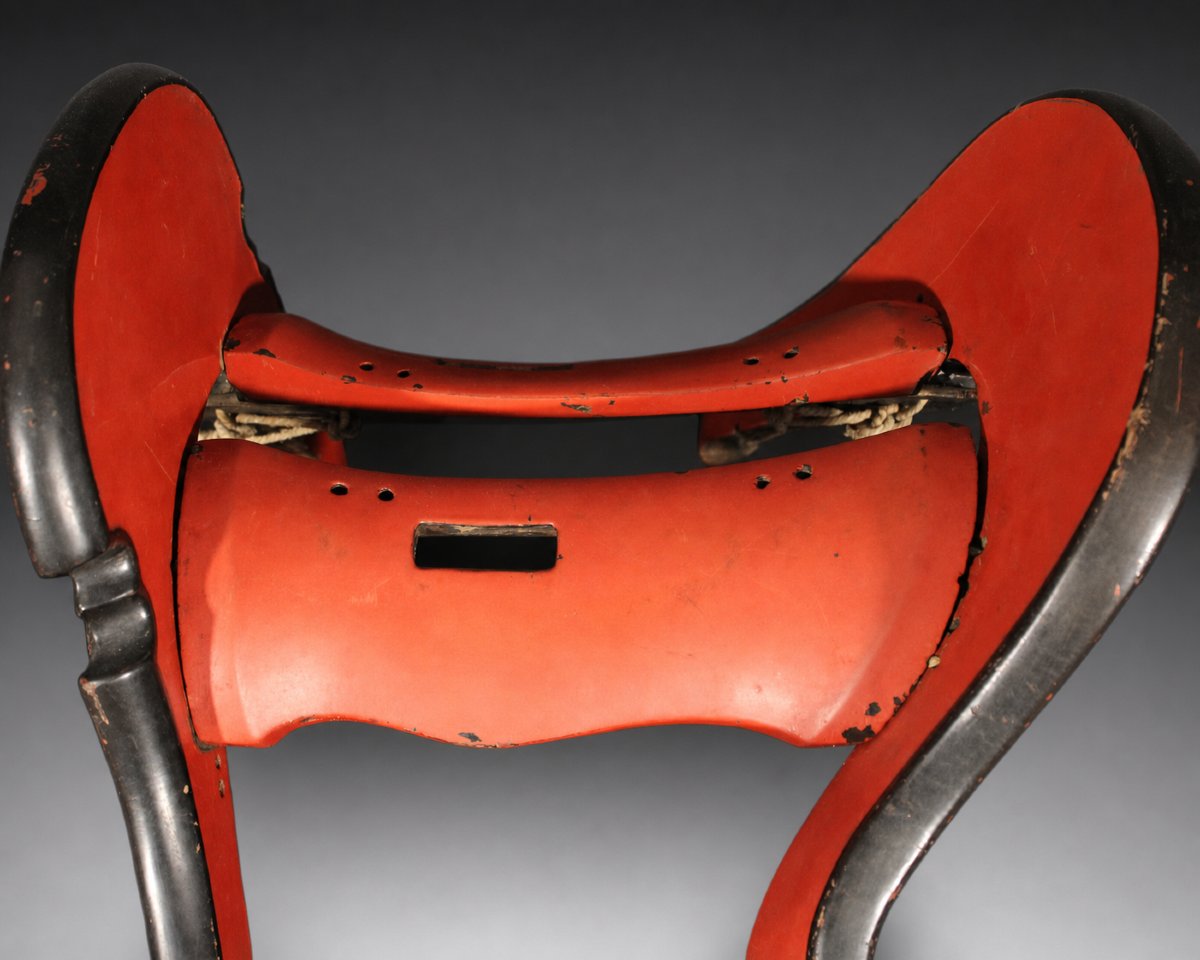
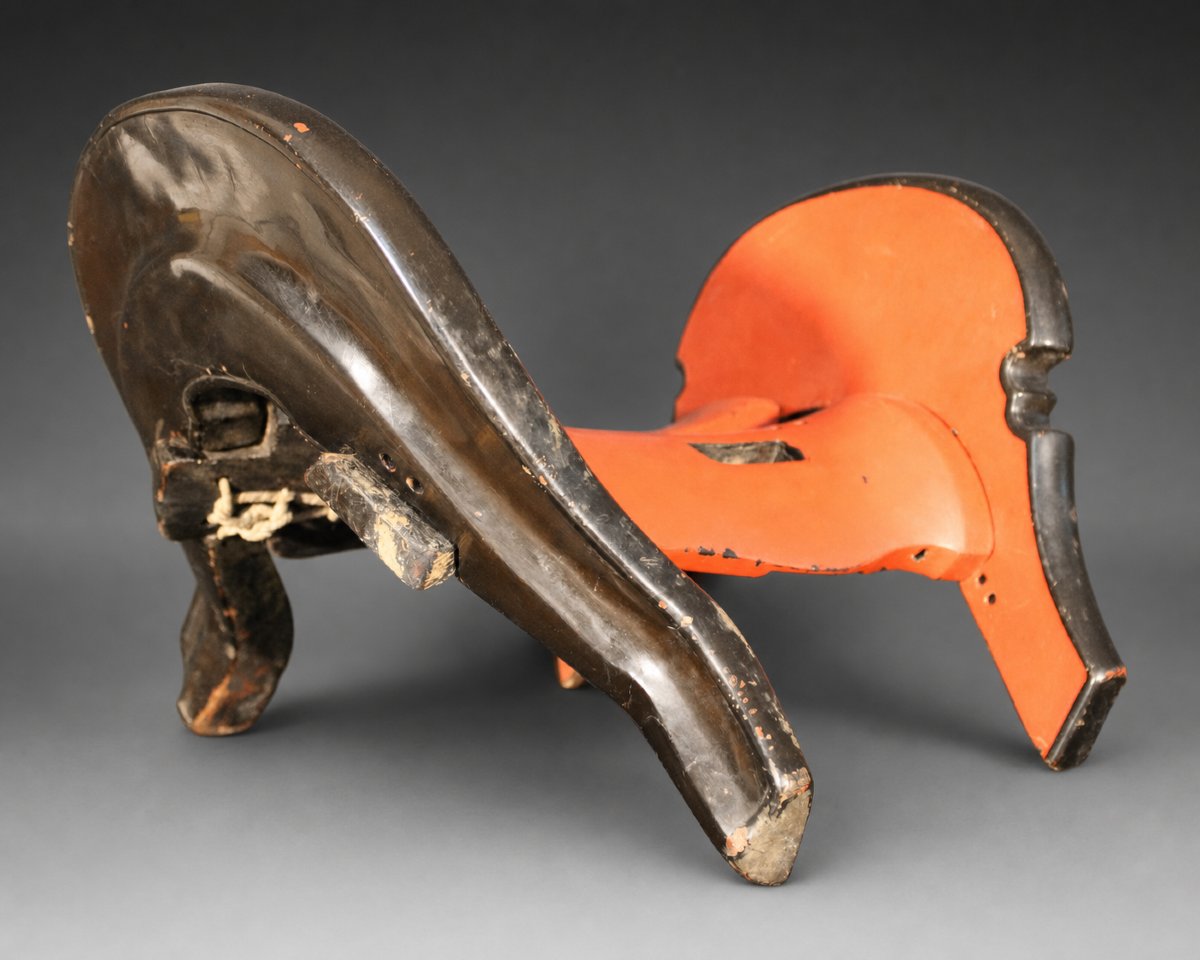
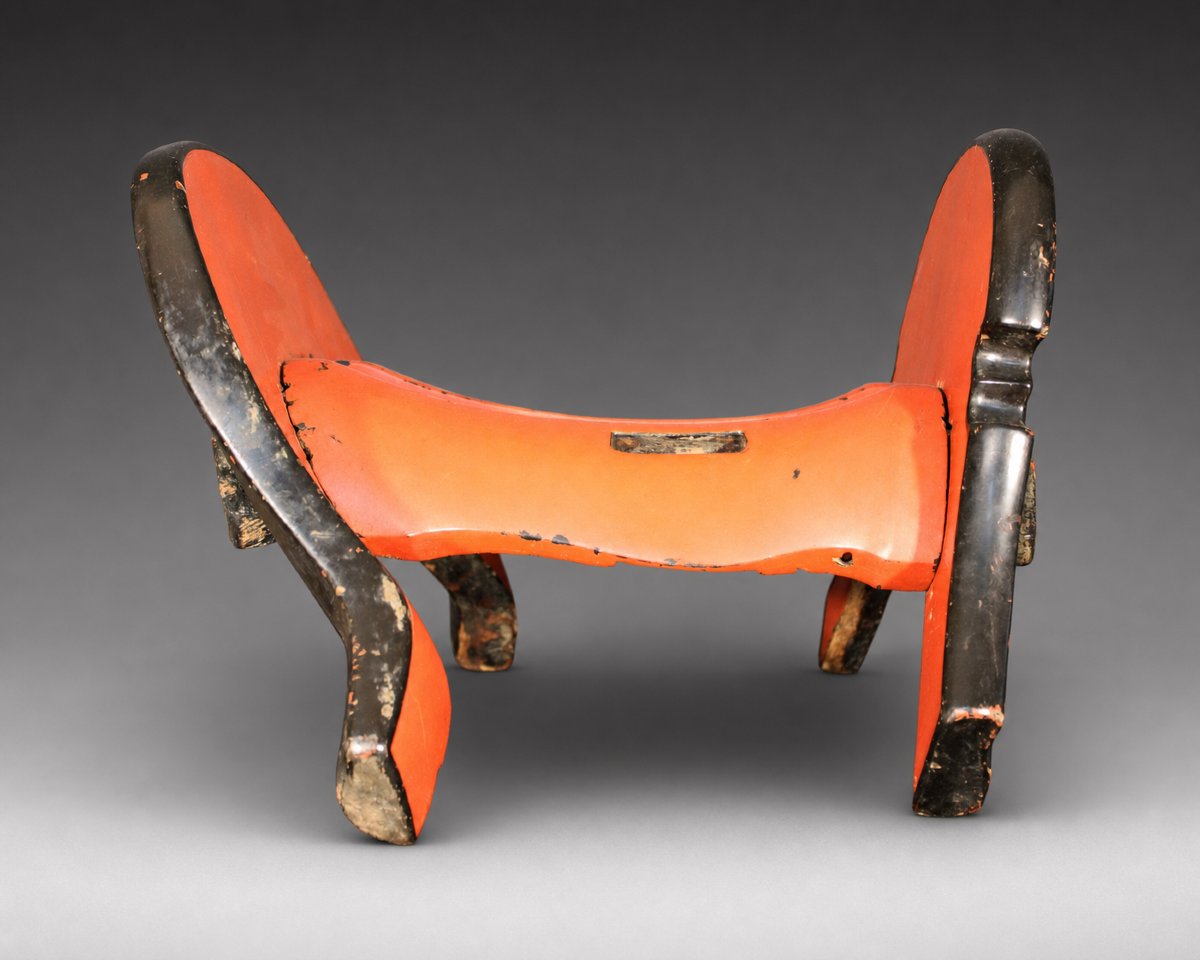
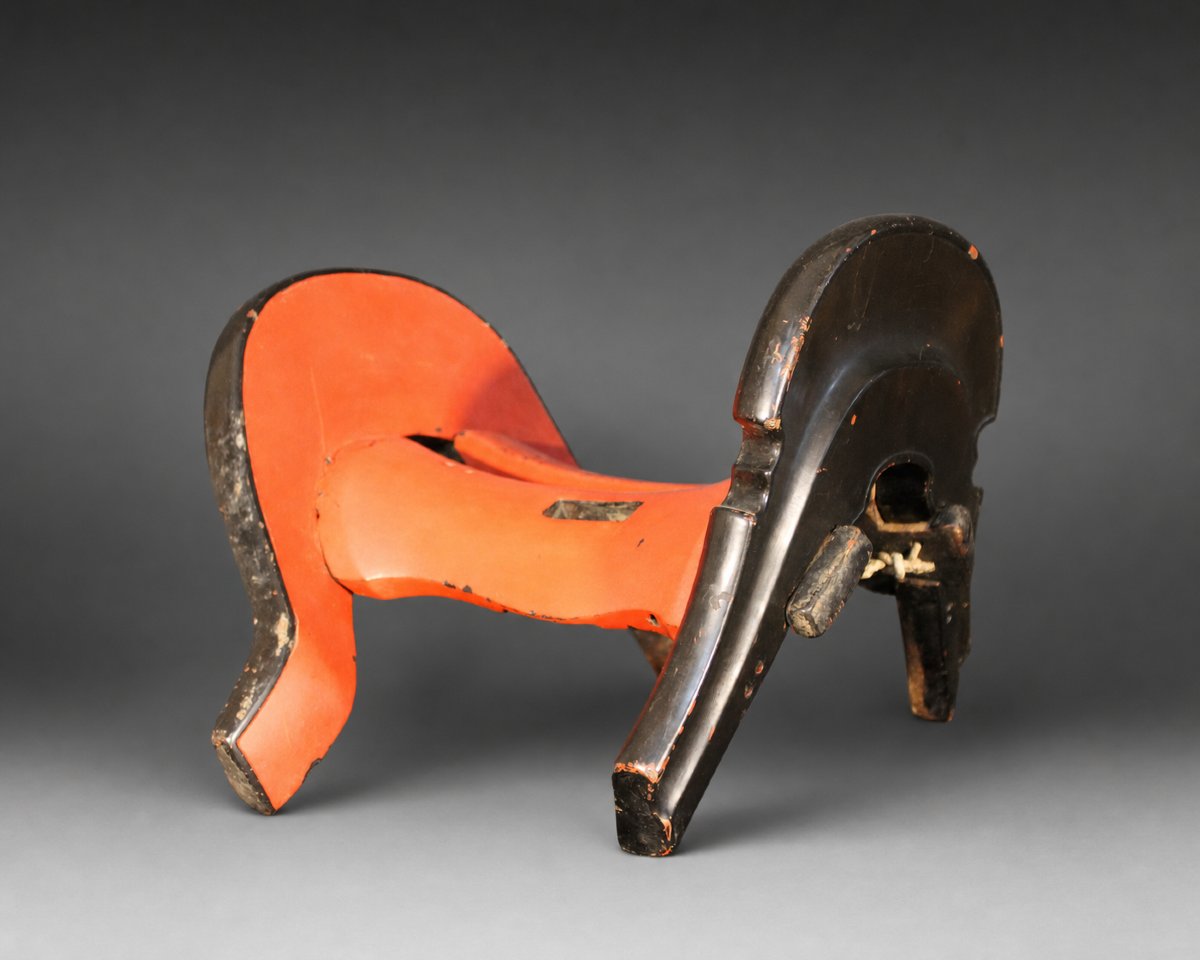
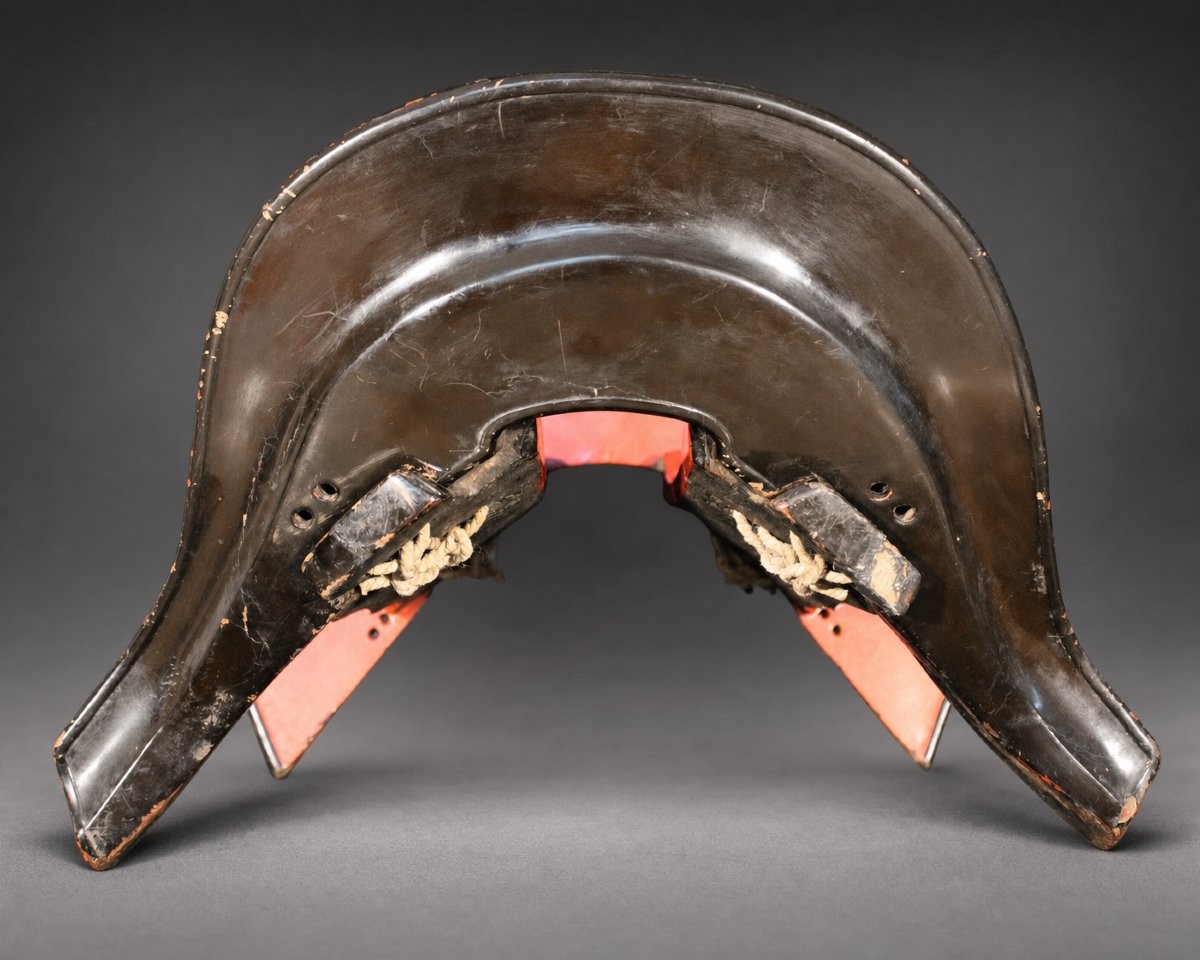
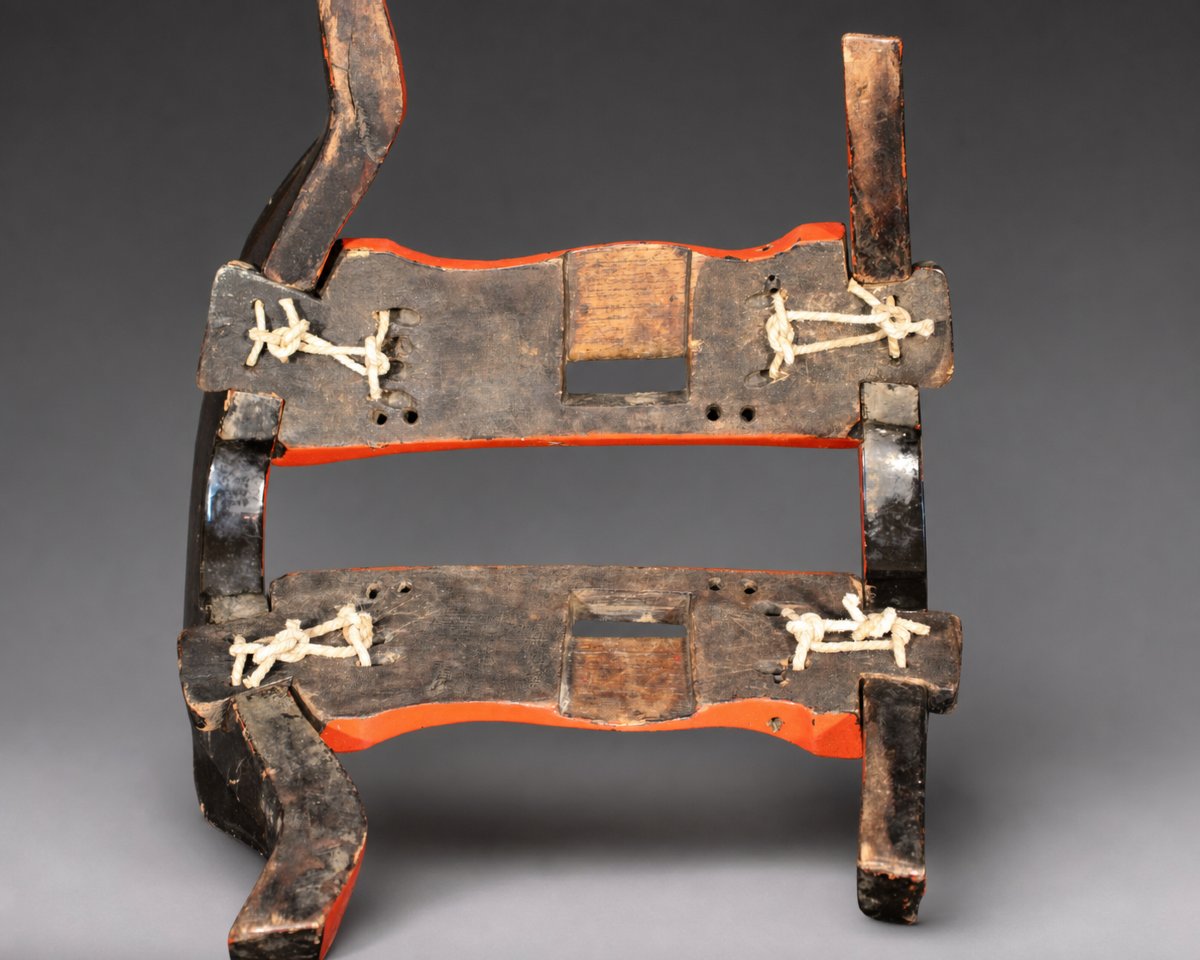
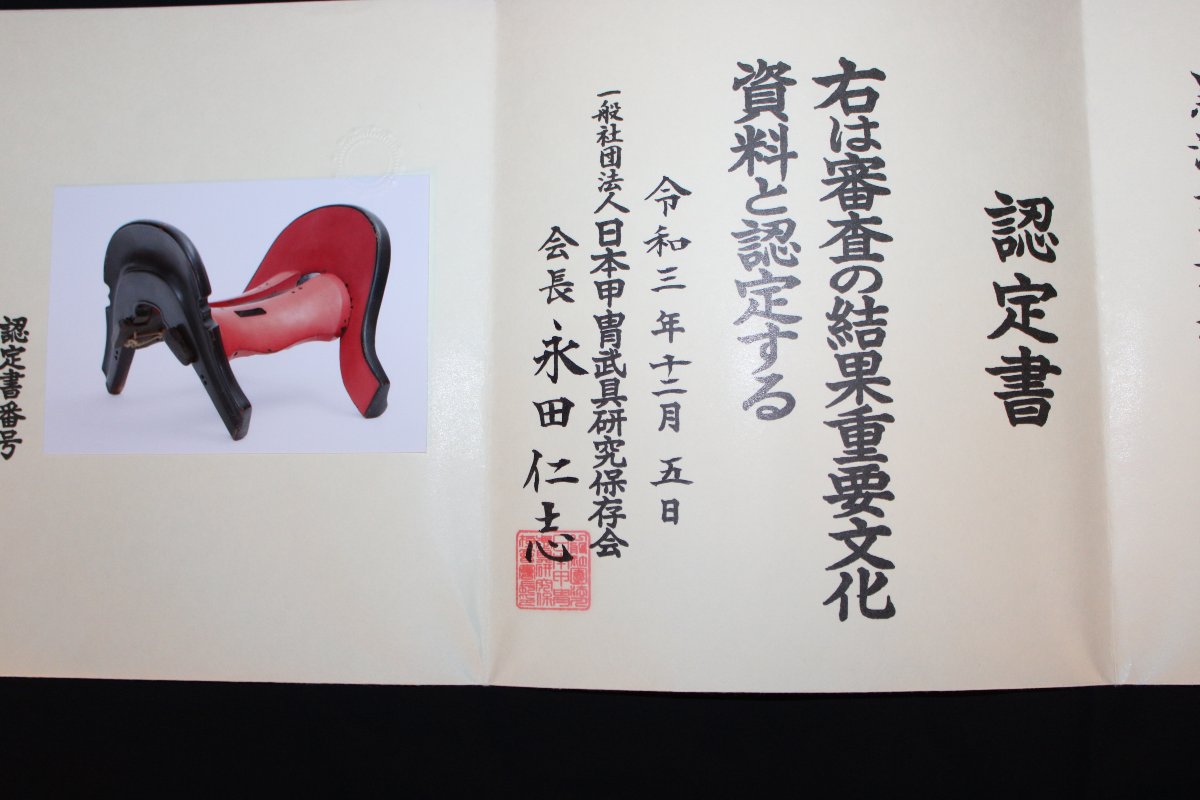
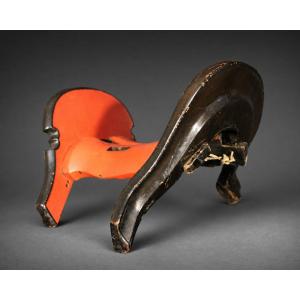


Samurai Saddle Kura, Juyo Certificate Nkbkhk (important Cultural Object) Muromachi Period
Samurai Saddle Kura
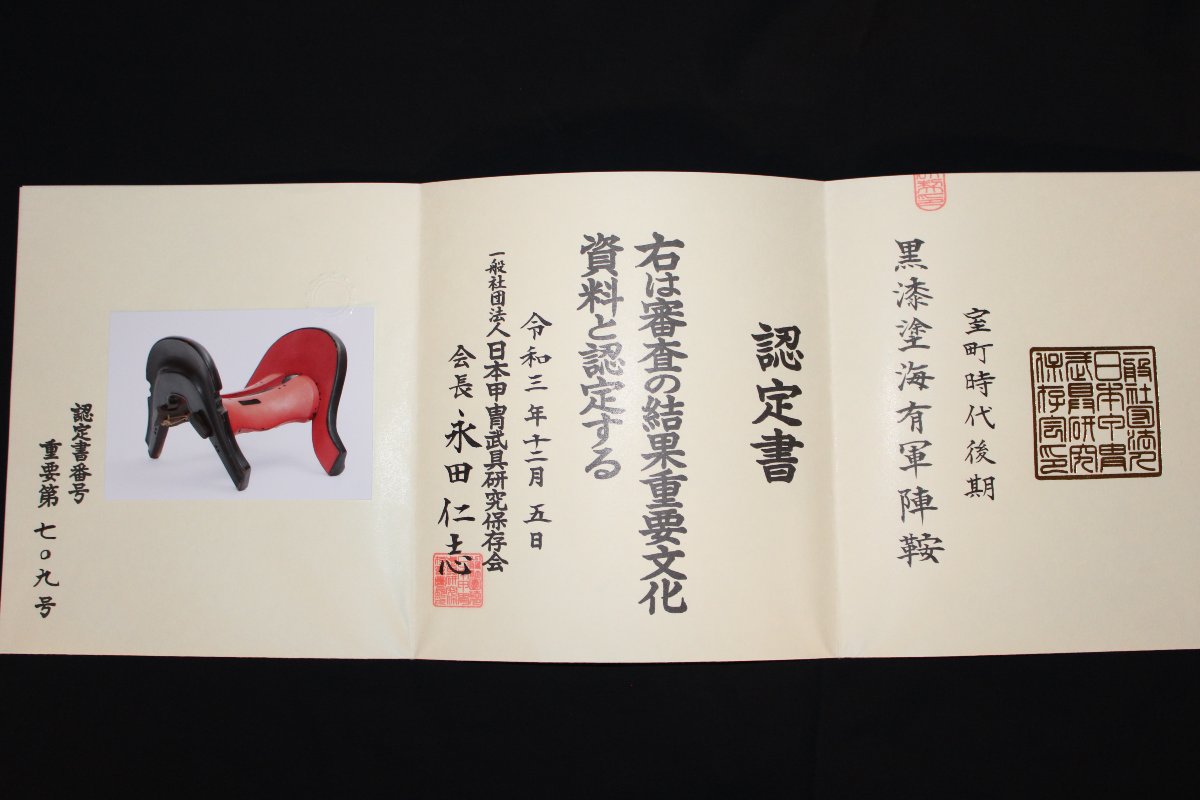
Juyo certificate NKBKHK ( important cultural object )
Muromachi period
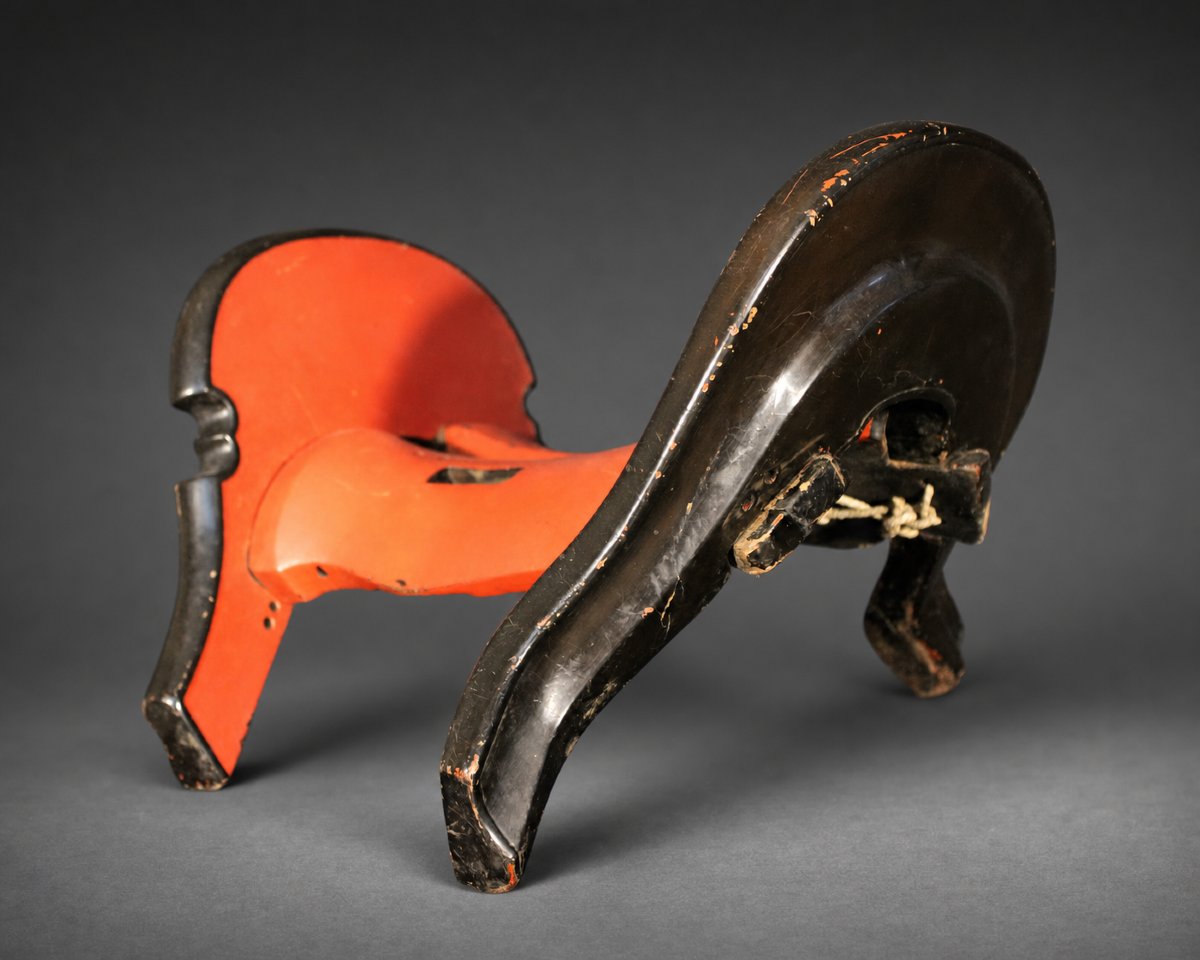
A kura (鞍) is a traditional Japanese saddle used by the samurai class, with the rarest and most important pieces earning the prestigious Jūyō (重要) certification, which designates them as culturally and historically significant relics.
Kura (鞍) is the generic name for the Japanese saddle. The word "kura" is most commonly associated with the saddle used by the samurai class of feudal Japan.
The saddle is basically assembled along a skeleton called the sella bone. It is made up of a Maewa (前輪), which is a front cover on the saddle bone on the side in the direction of travel, a Shizuwa (後輪), which is a back cover in the opposite direction to the direction of travel, and an Igi (居木), which is the valley that connects these two parts. The shapes of these covers and the number of Igi changed over time.
What does Jūyō NKBKHK status mean ?
Exceptional historical value: The saddle has undergone a rigorous expert assessment (shinsa). This certificate confirms its absolute authenticity, origin and minimal modern interventions.
Elite level: The Jūyō (Important) class is awarded to only a fraction of surviving saddles that demonstrate masterful workmanship, unusual artistic value or have demonstrably belonged to a prominent samurai clan (daimyō).
Cataloging: Saddles certified in this way are recorded in the official NKBKHK professional publications (Katchū bugu jūyō bunka shiryō zuryoku).
Period: 16th century
Style: Asian art
Condition: En l'etat
Material: Solid wood
Reference (ID): 1775449
Availability: In stock