

Edith Elizabeth Pijpers - Smoked Herrings, Dutch Still Life, Oil On Canvas
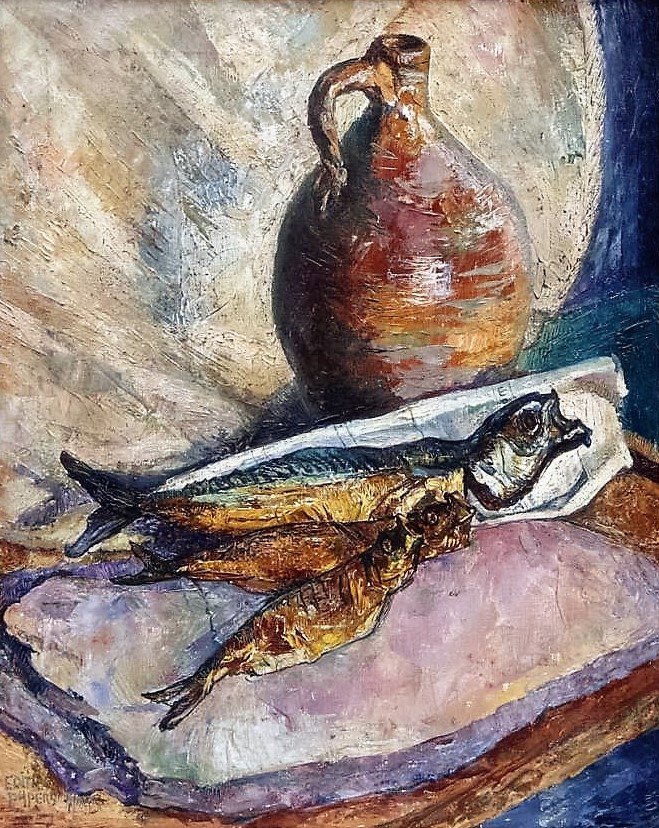
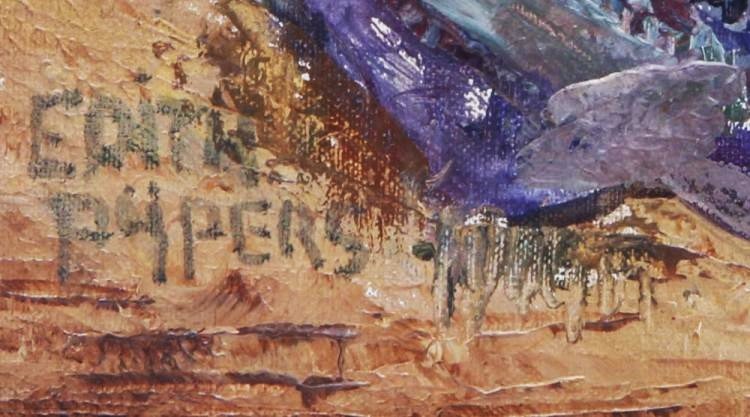
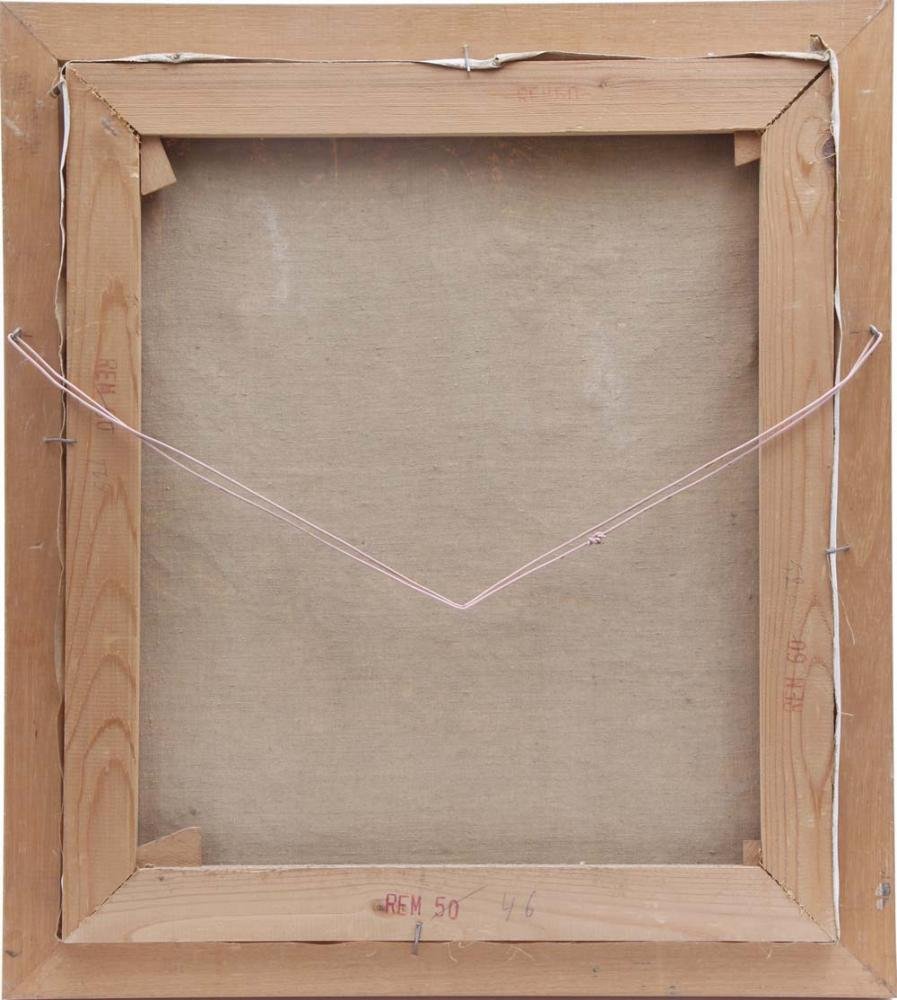
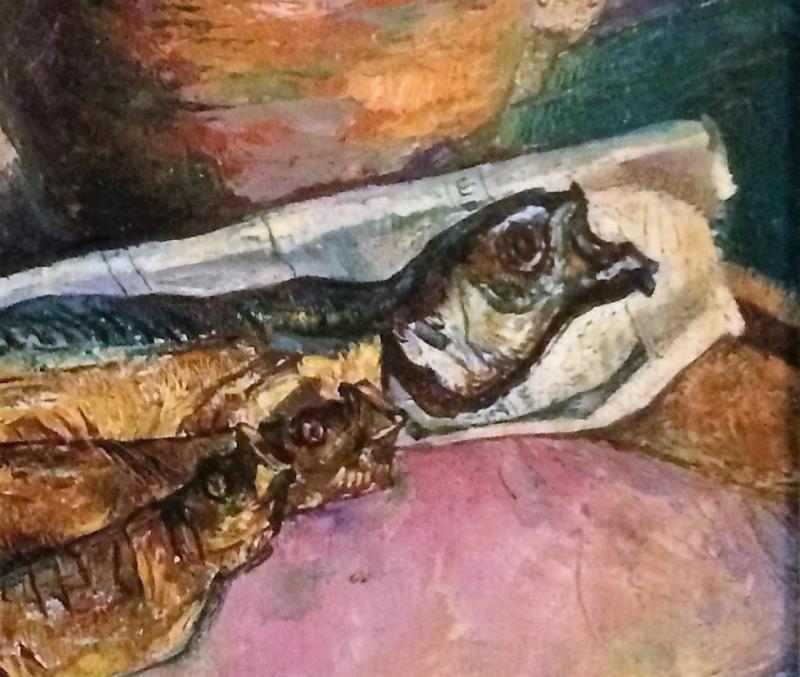
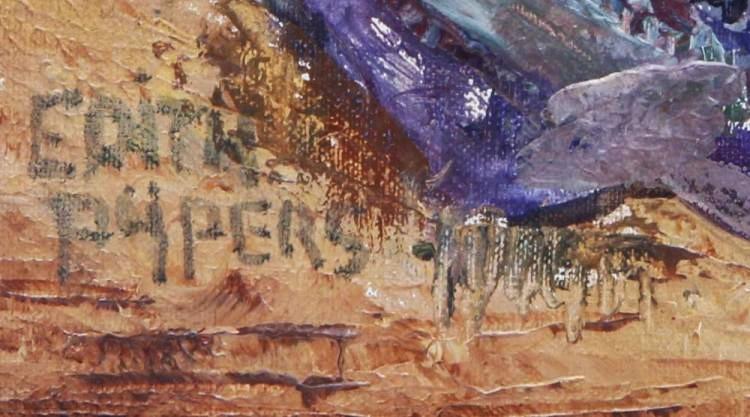
Edith Elizabeth Pijpers (1886–1963) Smoked HerringsSmoked Herrings - Oil on canvas, signed - 52 × 46 cm - Dutch School, 20th century.
This still life is rooted in the long-standing tradition of Dutch painting, in which the depiction of fish, and herring in particular, has held an emblematic place since the seventeenth century. A staple of the Dutch economy and diet, herring constitutes a motif charged with cultural and national significance, which Edith Elizabeth Pijpers here reinterprets through a distinctly modern sensibility.
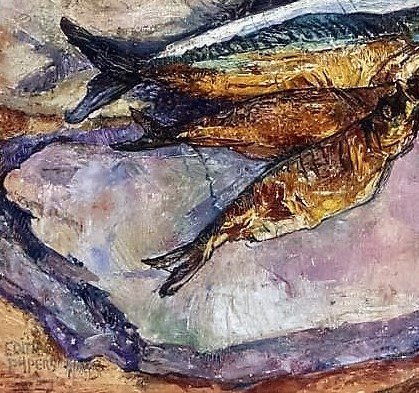
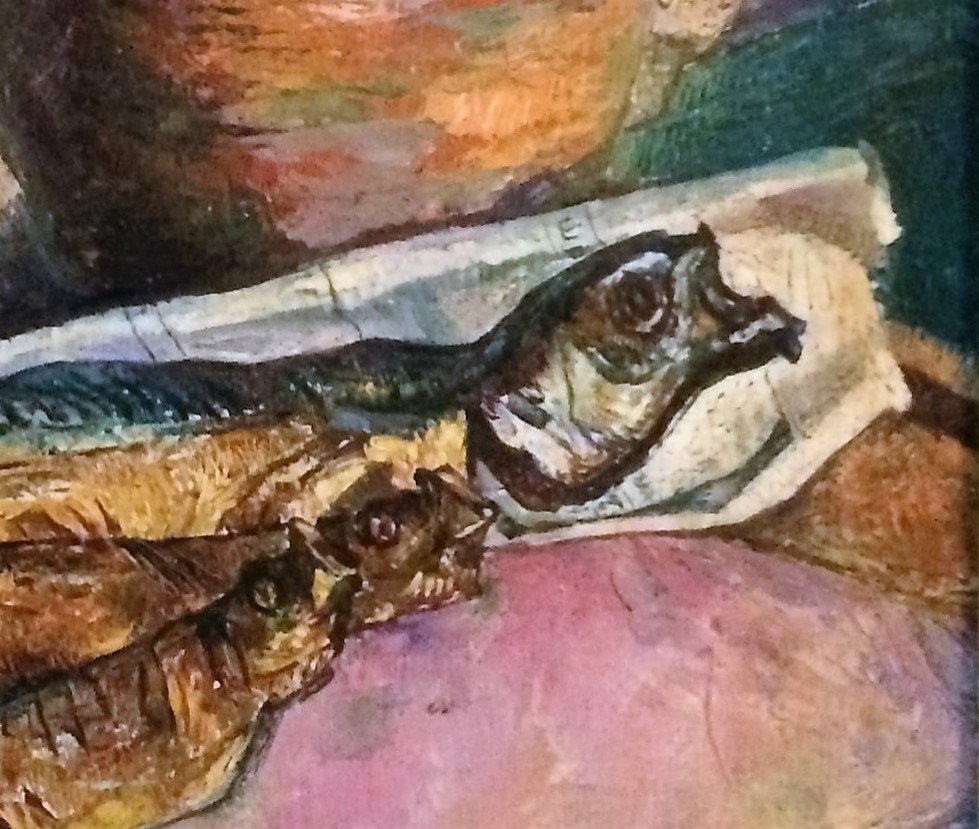
The composition presents smoked herrings arranged on a tabletop draped with textiles, accompanied by an earthenware jug. The tightly framed composition and stable spatial construction encourage an intimate and contemplative reading of the scene. The painterly treatment, characterized by a visible brushwork and a dense application of paint, emphasizes the tactile qualities of the depicted objects: the roughness of the fish skin, the rigidity resulting from the smoking process, the matte and irregular surface of the ceramic vessel, and the ample, supple folds of the fabrics.
From an iconographic perspective, the choice of smoked herrings refers to a longstanding pictorial tradition while deliberately distancing itself from its former moralizing connotations. Whereas still lifes of the Dutch Golden Age often conveyed allegories of vanitas or Christian frugality, Pijpers adopts a restrained approach focused on the material and plastic presence of the subject. The preservation of the fish through salting and smoking nevertheless introduces a subtle symbolic dimension, evoking transformation and permanence, and establishing an implicit dialogue between nature and human intervention.
The earthenware jug, a quintessential domestic object, further contributes to this reading. It evokes the sphere of everyday life, simplicity, and the continuity of ordinary gestures. As a container, it may also be interpreted symbolically as an emblem of storage and sustenance, reinforcing the theme of duration. The textiles play a structuring role both formally and symbolically: they organize the pictorial space while creating a visual and sensory mediation between the objects and the viewer, enhancing the intimate atmosphere of the composition.
The absence of any human figure heightens the contemplative nature of the work. The viewer is invited to a slow and attentive reading, grounded in the observation of relationships between form, texture, and color rather than in narrative interpretation. This economy of signs, characteristic of modern still life in the early twentieth century, reflects a desire to invest ordinary objects with meditative value, transforming pictorial matter into a site of quiet reflection on time, memory, and the permanence of everyday life.
Born in 1886, Edith Elizabeth Pijpers was a Dutch painter and graphic artist. She studied for five years at the Tekenacademie in The Hague under Hendrik Jan Wolter. Her artistic career unfolded across several important cultural centers in the Netherlands, including Laren, The Hague, Amsterdam, Gorssel, and Amersfoort, environments that profoundly shaped her artistic development. Active in painting, drawing, printmaking, and lithography, she explored a wide range of subjects, including portraiture, still life, urban scenes, and landscape.
A member of the Artists’ Association of Amersfoort and the Amsterdam Independents, Pijpers was a recognized figure within the Dutch artistic circles of her time. She also pursued a teaching career, notably instructing D. van den Bosch and M. M. Nijburg. The present work is preserved in good overall condition and stands as a representative example of the artist’s stylistic maturity, combining the legacy of Dutch still-life painting with a modern pictorial language.
Period: 20th century
Style: Other Style
Condition: Bel état général
Material: Oil painting
Width: 46
Height: 52
Reference (ID): 664278
Availability: In stock