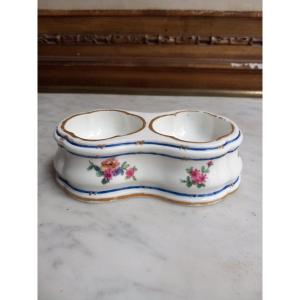





Manufacture De Clignancourt - Double Saliere - Eighteenth Century
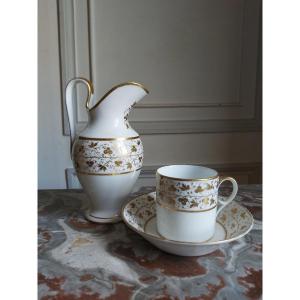
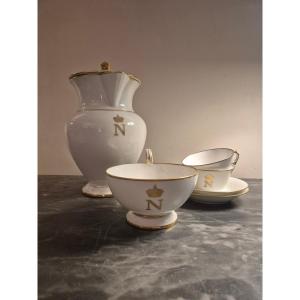
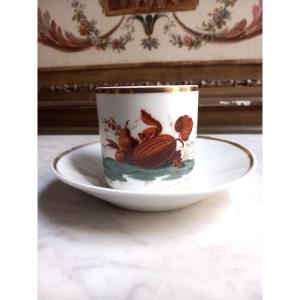
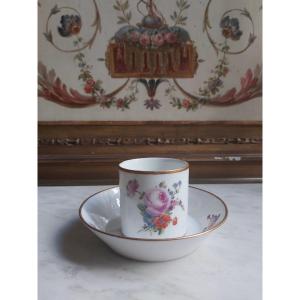
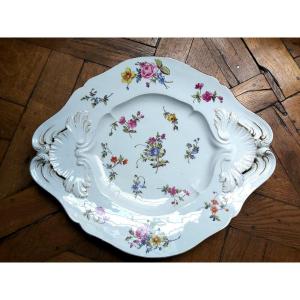
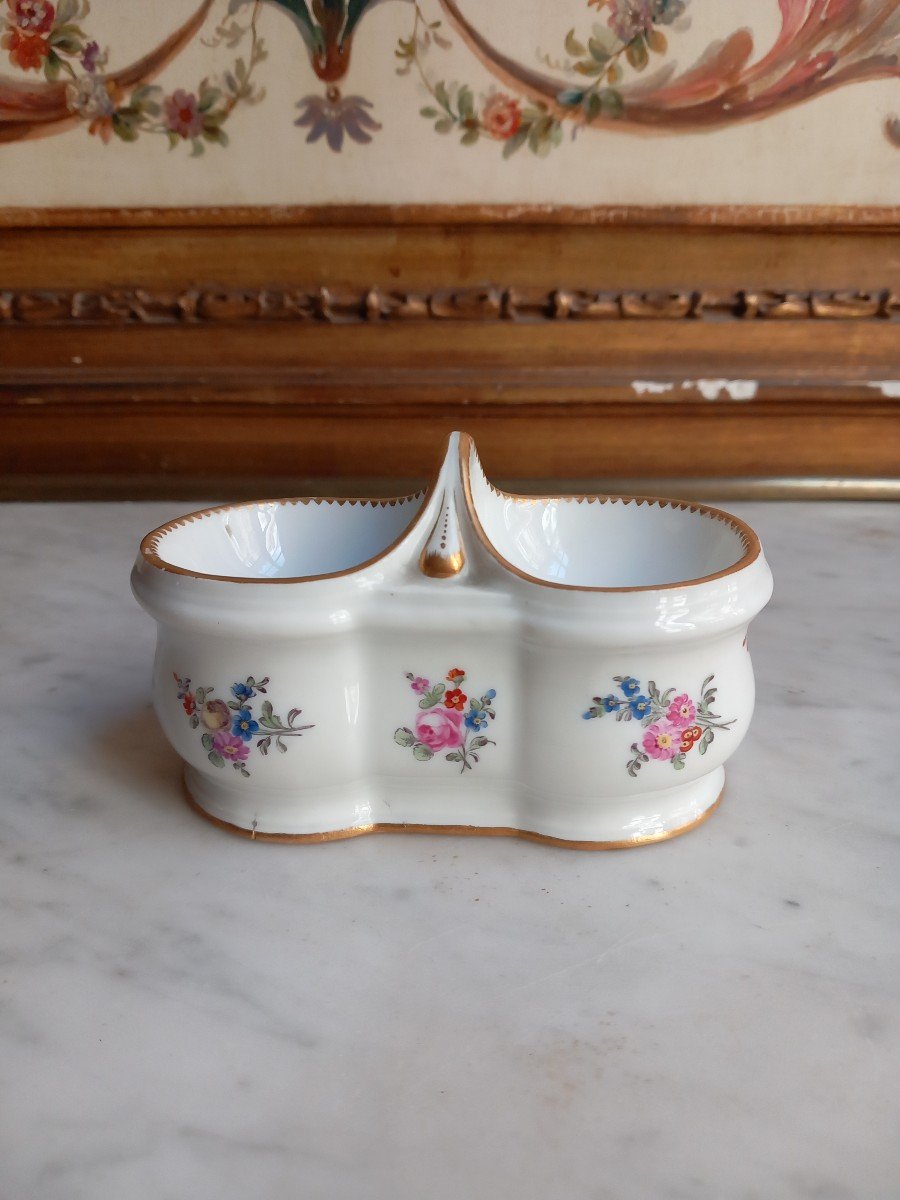
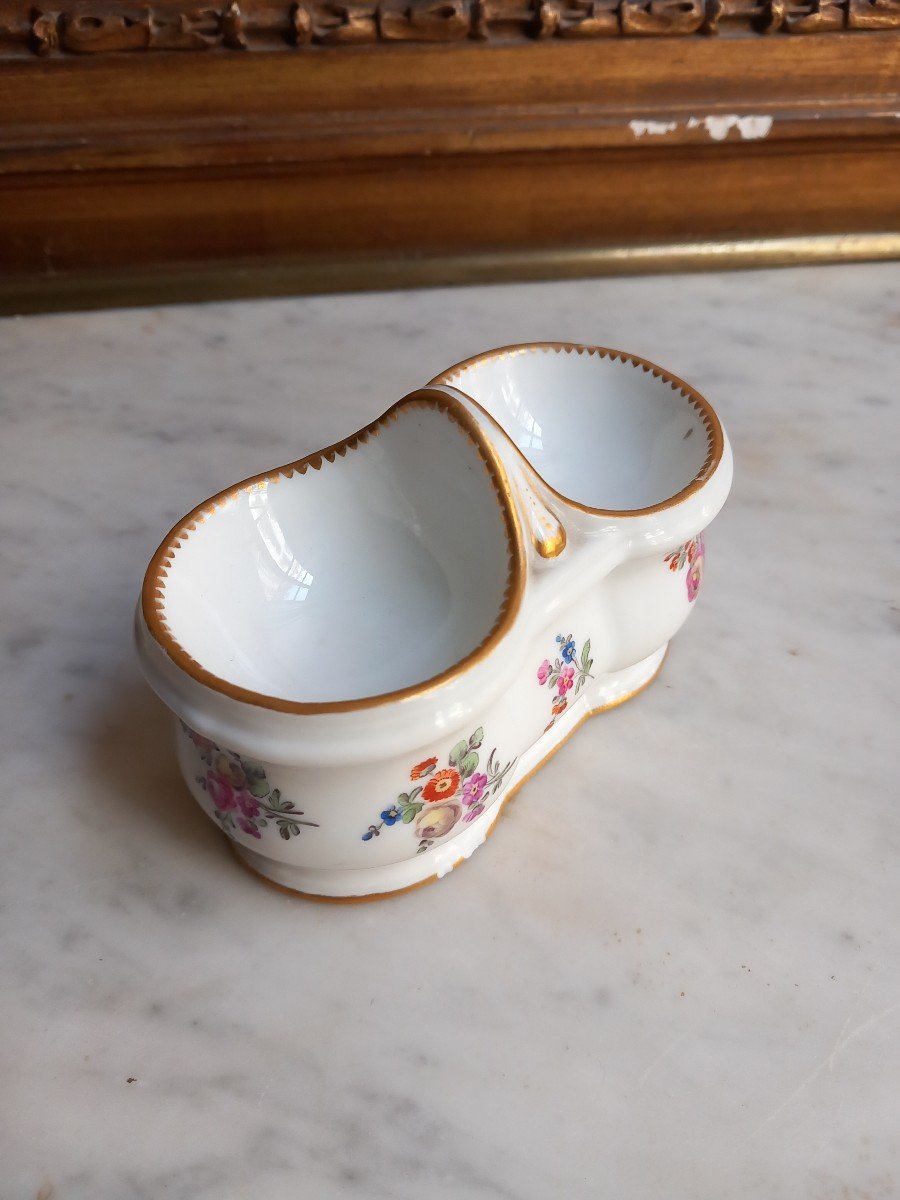
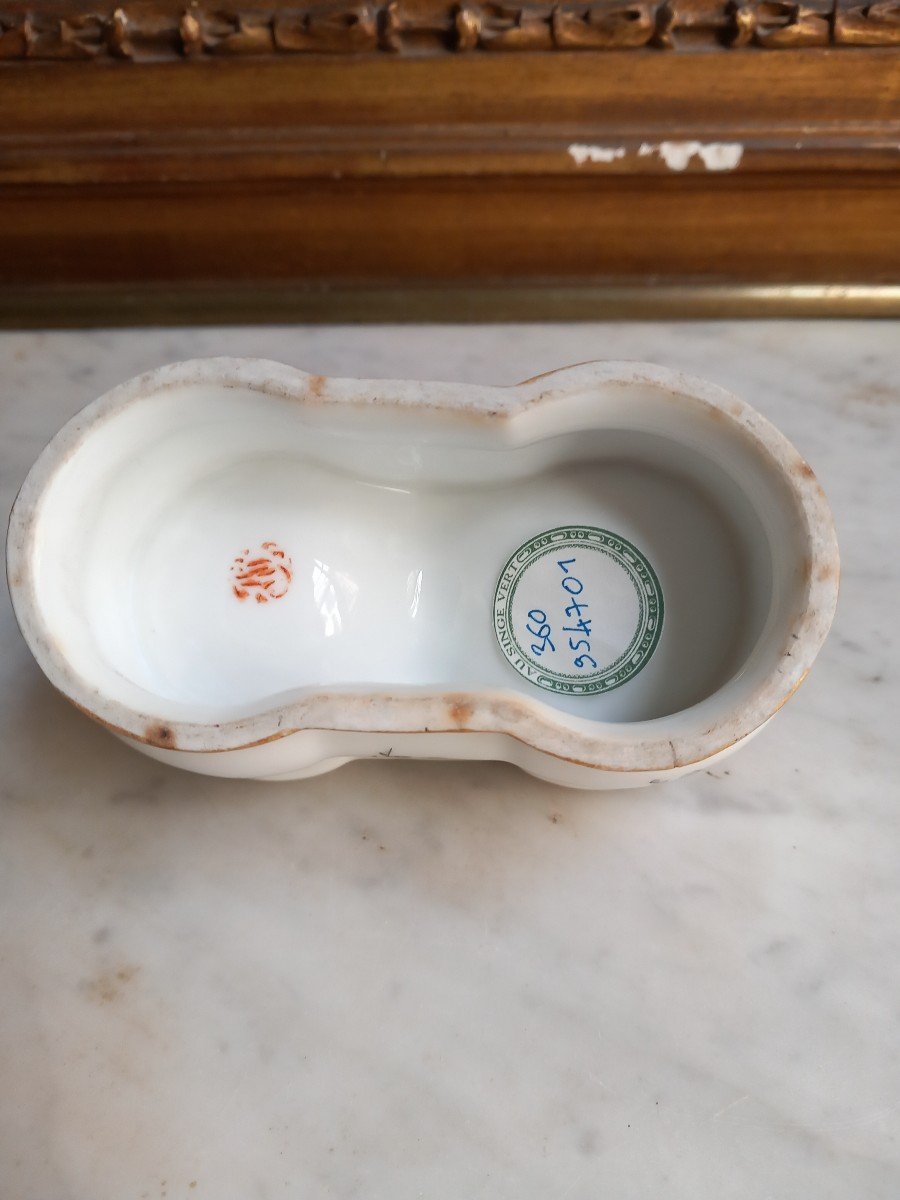
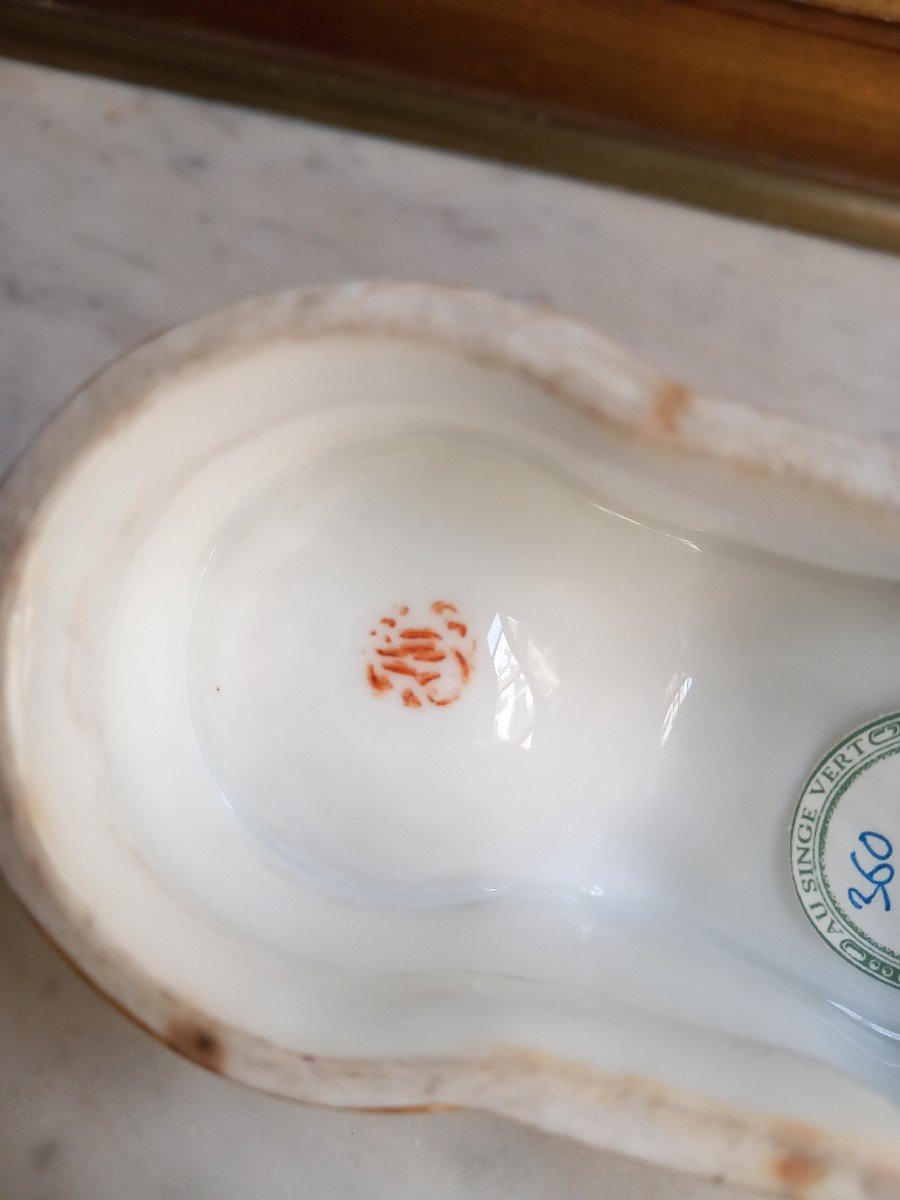
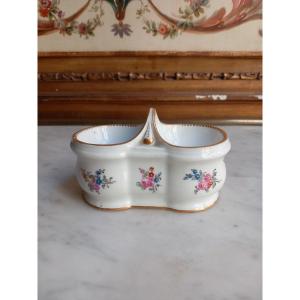
Manufacture de clignancourt known as "Manufacture de Monsieur", double saltcellar in hard porcelain with polychrome decoration of detached bouquets, wolf's teeth and gold fillets. Marked in red LSX. The Clignancourt porcelain factory is a factory which produced porcelain at the end of the 18th century. It was placed under the protection of the Count of Provence, brother of the king and future Louis XVIII. It is also commonly called Manufacture de Monsieur in reference to its illustrious protector. Kaolin deposits having been discovered in France during the 1760s, porcelain factories were created. The royal factory of Sèvres has the monopoly and the new factories are then placed under the protection of high personalities. Pierre Deruelle (also known as Desruelles), architect and building contractor, bought in 1771 from his mother-in-law some buildings she owned in Clignancourt, near what is now rue Marcadet. After years of research, in 1775, Deruelle declares a porcelain factory which is incorporated as a joint-stock company. Under the direction of Deruelle, the factory of Clignancourt, located in the district of this name, in Montmartre, obtains to be protected by the count of Provence, brother of the king. The Count of Provence granted his patent on October 25, 1775. From this date, Clignancourt porcelain adopted the mark of LSX (for Louis Stanislas Xavier, first names of the Count of Provence) instead of the windmill. The factory has up to 93 workers. There was strong competition between the factories of Sèvres and Clignancourt. Only the Sèvres factory had the right to use polychromy and gold for the decoration of its porcelains. During a search of the Clignancourt factory in 1779, painters were discovered "busy painting different colors". After a long procedure, his protector obtains a postponement of the prosecution. In 1787, the Clignancourt factory gained the same privileges as that of Sèvres and could therefore use polychromy and gold. This factory was active from 1768 to 1799. It produced tableware in a luxurious neoclassical style, often enhanced with gold paint, which was characterized by its finesse.
360 €
Period: 18th century
Style: Louis 16th, Directory
Condition: Très bon état infimes eclats a la base
Length: 6cm
Width: 11cm
Height: 6.5cm
Reference (ID): 954701
Availability: In stock
Print