



Paul Joseph Raymond Gayrard (1807–1855) Sculpture, Bust Of Fanny Cerrito Paul Joseph Raymond Ga
Artist: Paul Joseph Raymond Gayrard
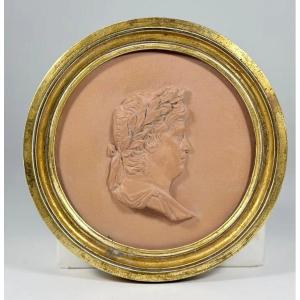
PAUL JOSEPH RAYMOND GAYRARD (1807–1855) – Sculpture: bust of Fanny Cerrito
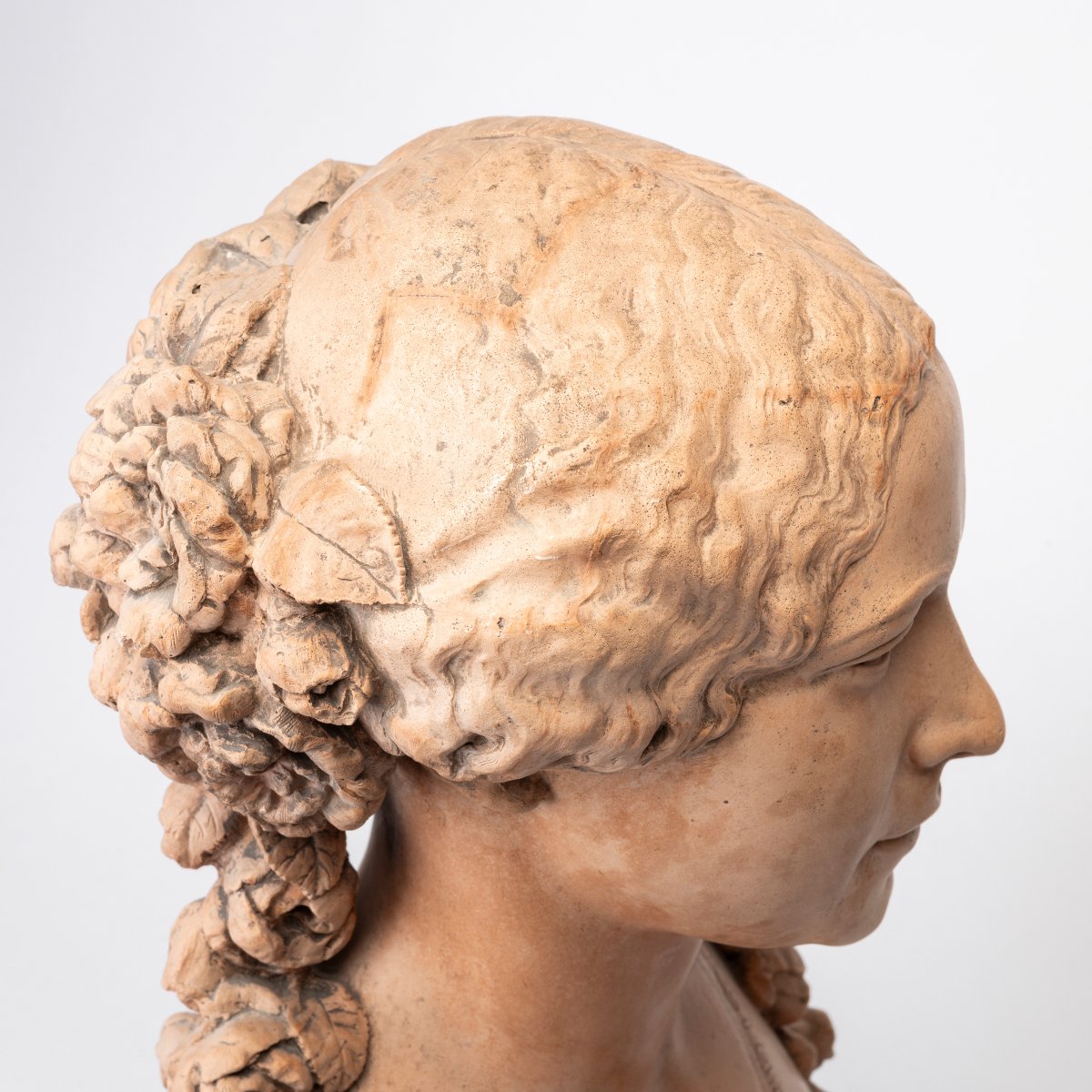
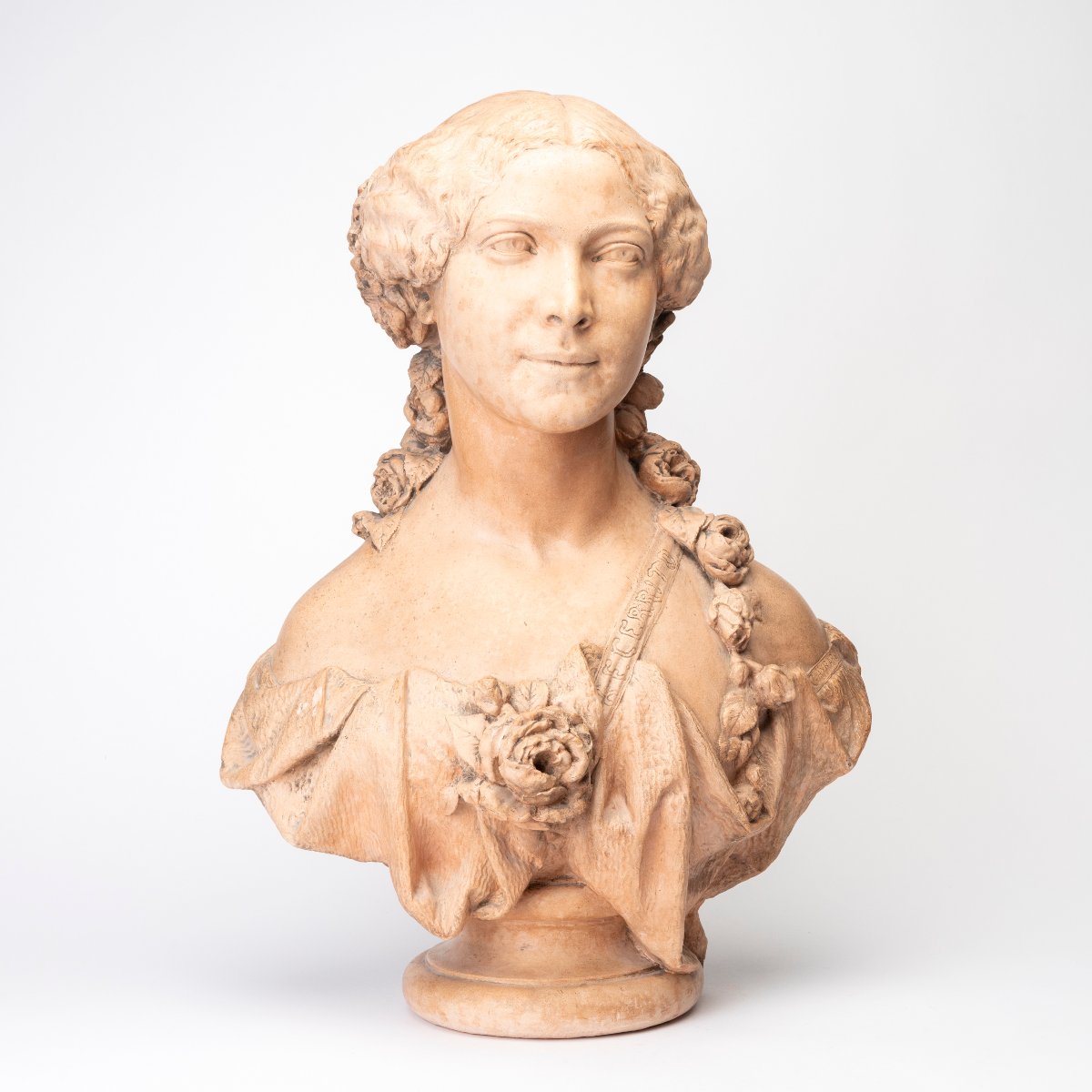
PAUL JOSEPH RAYMOND GAYRARD (1807–1855). Patinated terracotta bust depicting Fanny Cerrito; signed P. Gayrard; France, first half of the 19th century, circa 1825.
This sculpture is also part of the collections of the Paris Opera Museum.
Francesca “Fanny” Cerrito (May 11, 1817 – May 6, 1909) was an Italian ballet dancer and choreographer. A renowned ballerina, she was distinguished by the virtuosity, strength, and liveliness of her dancing. She was also one of the few women of the 19th century to be recognized for her talent as a choreographer.
Biography
“Le Grand Pas des Éléments” at Her Majesty’s Theatre, 1847; featuring Fanny Cerrito, Carlotta Grisi, and Carolina Galetti Rosati.
Born in Naples, Cerrito studied under Carlo Blasis as well as the French choreographers Jules Perrot and Arthur Saint-Léon—the latter was her husband from 1845 to 1851. She trained at the dance school of the Teatro di San Carlo, which was later directed by Salvatore Taglioni. She made her stage debut in 1832 and achieved near-immediate fame. Between 1836 and 1837, her fame spread beyond Italy’s borders; she performed notably in Vienna, where she presented some of her own choreographic creations. From 1838 to 1840, she continued her career at La Scala in Milan, where she gained even greater popularity. In 1843, Fanny Cerrito and Maria Taglioni performed in the same show in Milan; the event sparked such a frenzy that the city was divided, with the public taking sides for one or the other of these two great rival ballerinas. During her time in Milan, Fanny began collaborating with Jules Perrot, with whom she co-choreographed *Ondine, or The Naiad* (1843), as well as *Alma* (1842) and *Lalla Rookh* (1846). Later, in 1845, her talent as a choreographer was recognized when she presented her own ballet, *Rosida*. Over the course of nine seasons, from 1840 to 1848, Cerrito became a highly esteemed dancer at Her Majesty’s Theatre in London; there, the famous chef Alexis Soyer created, in her honor, a molded dessert topped with a miniature figurine of the dancer, who appeared to be weightless, balanced atop a spiral of spun sugar. [1]
In 1845, Cerrito danced in the *Pas de Quatre* alongside Marie Taglioni, Carlotta Grisi, and Lucile Grahn. Grahn, being the least well-known of the four, agreed to dance first, while Taglioni was granted the privilege of dancing last—a decision reached unanimously. However, neither Grisi nor Cerrito was willing to agree to dance before the other. Determining the order of the two central solos required great diplomacy on the part of Benjamin Lumley, the opera’s director; when he announced that the more senior of the two dancers would perform last, Cerrito accepted this “honor,” albeit reluctantly.
Paul Joseph Raymond Gayrard (1807–1855)
A prominent sculptor of the Romantic era, he was a student of masters such as François Rude and David d’Angers. He enjoyed success at the Paris Salons and served as court sculptor to the House of Orléans. [1, 2]
His work falls into two main categories:
Animal sculpture: Gayrard became famous for his bronze sculptures of dogs—notably greyhounds and Scottish deerhounds—which were exceptionally precise and characterized by their realism and meticulous attention to animal anatomy. [1, 2]
Portrait busts: He created busts of prominent figures in French high society, members of the royal family, and various artists (notably a famous bust of the dancer Fanny Cerrito, signed simply “P. Gayard”).
Origin: France
Material: Terracotta
Condition: Very good; shows slight scuffs and, possibly, a tiny chip on a flower petal.
Signature: Located on the back (visible in the photograph).
Dimensions: Width approximately 43 cm, depth 26 cm, height 58 cm.
Magnificent!!!
2 570 €
Period: 19th century
Style: Consulat, Empire
Condition: Good condition
Material: Terracotta
Length: 43
Height: 58
Depth: 26
Reference (ID): 1842119
Availability: In stock
Print