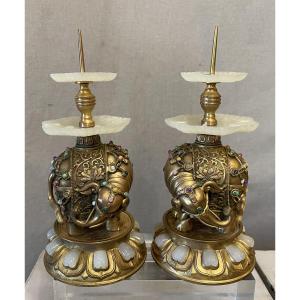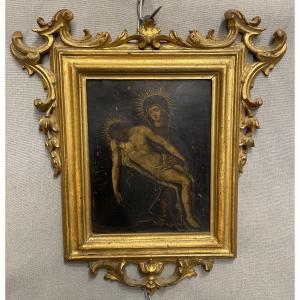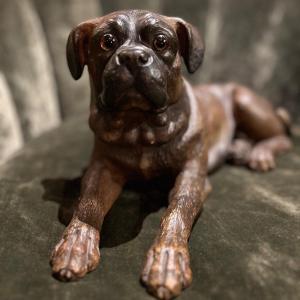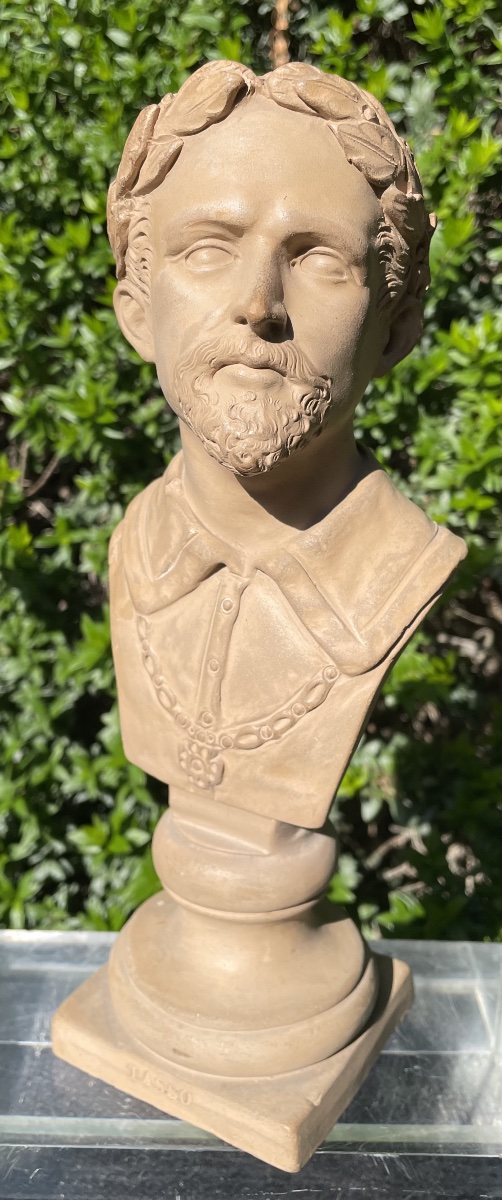
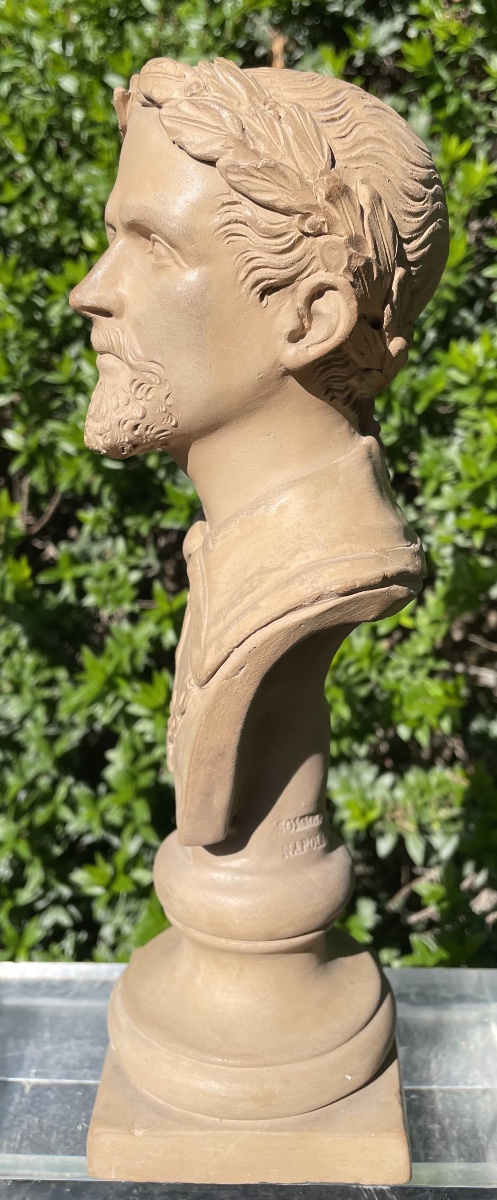
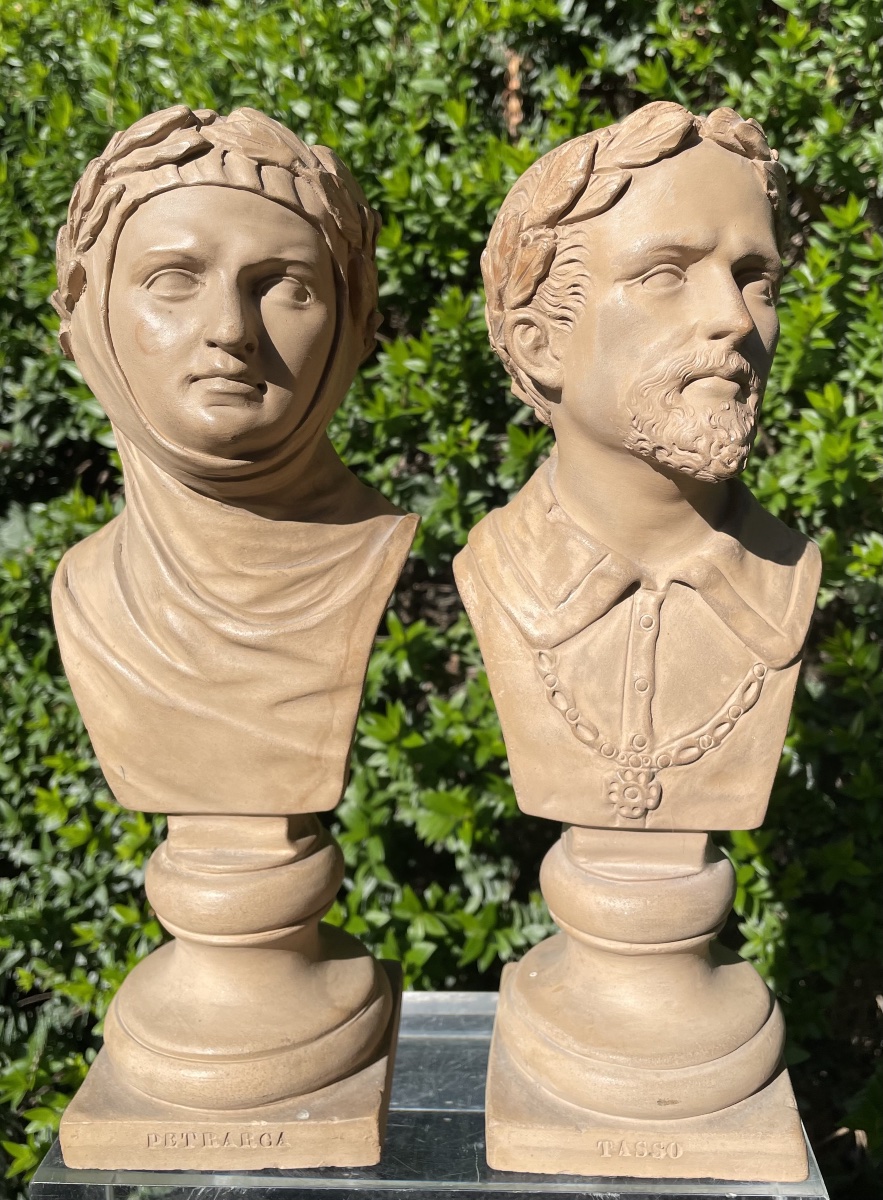
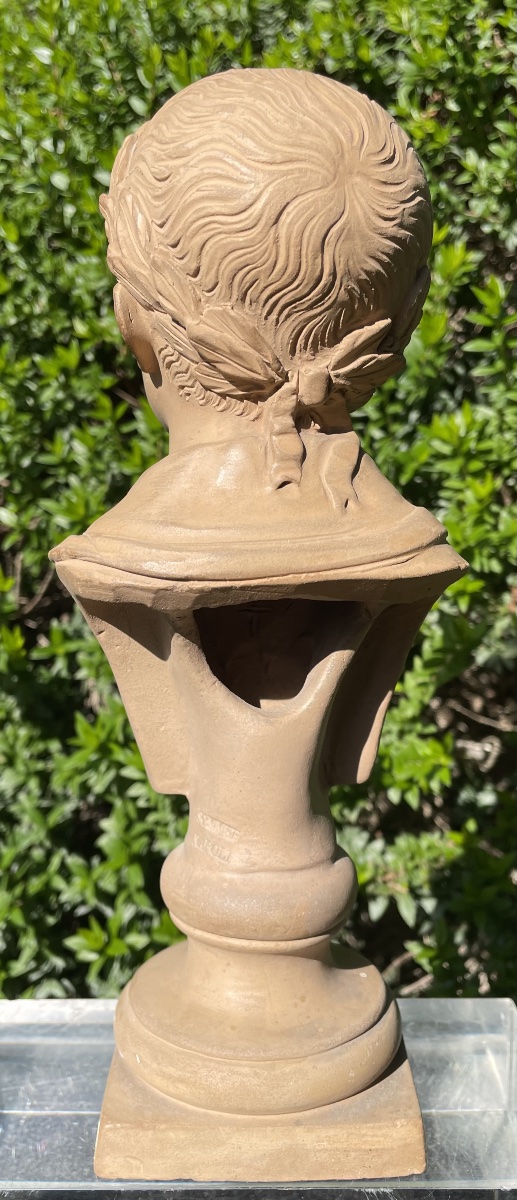
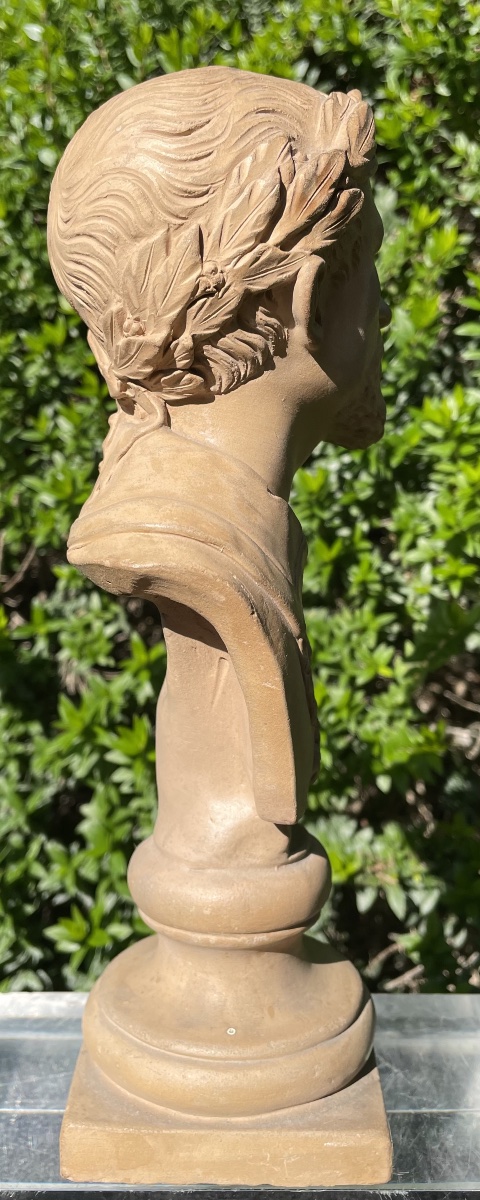

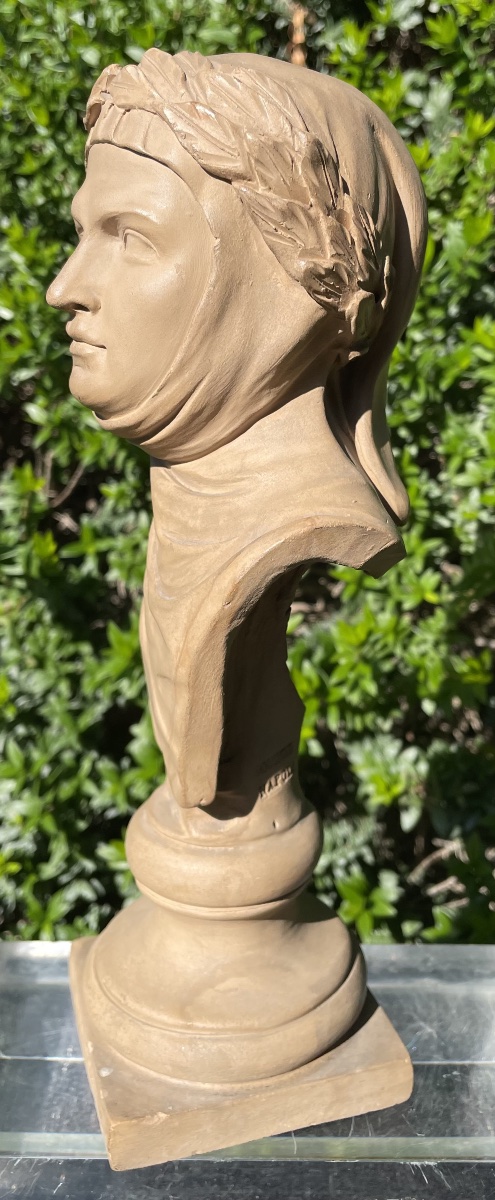
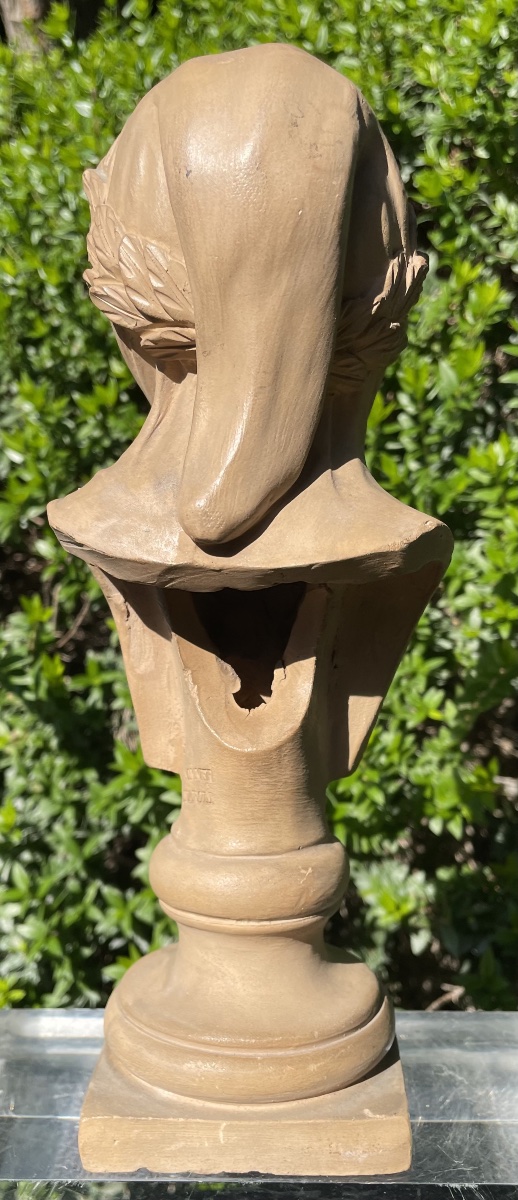
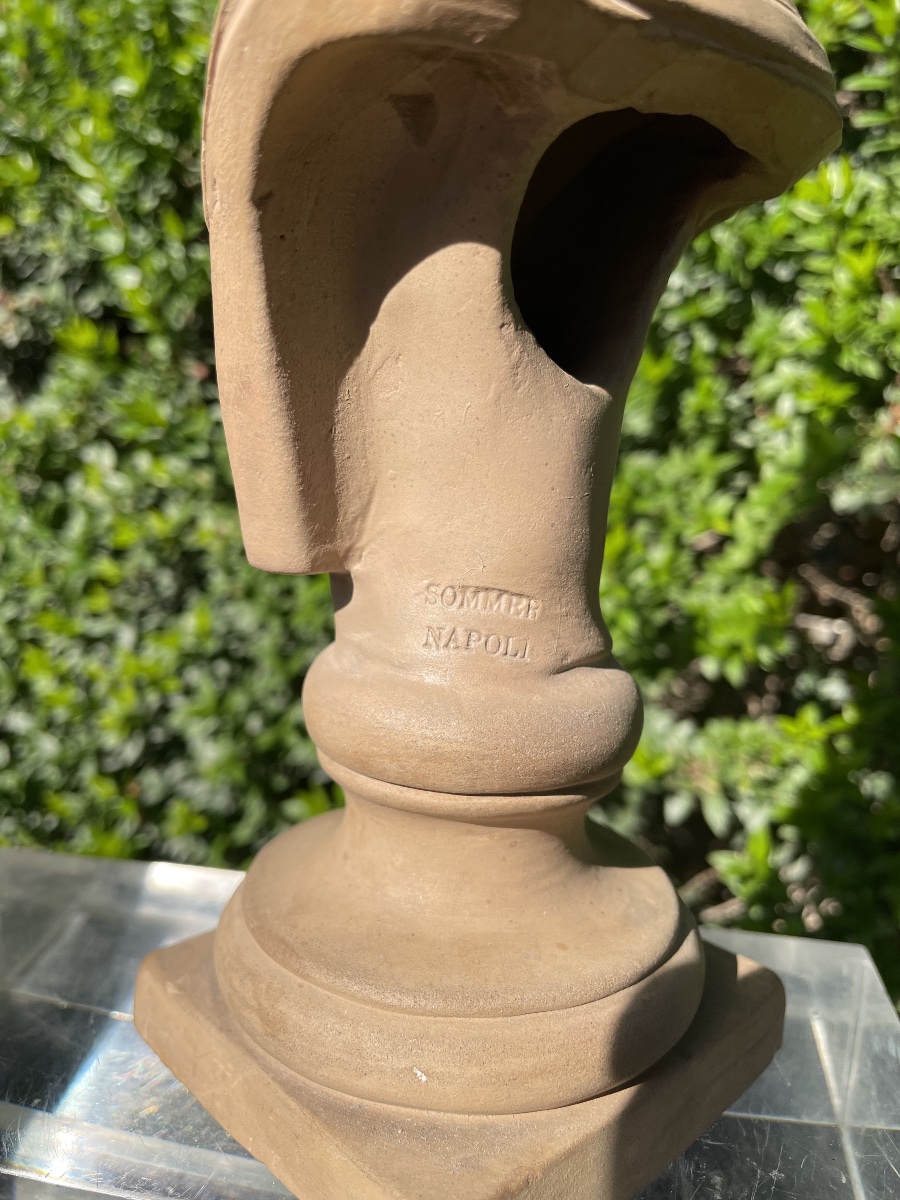

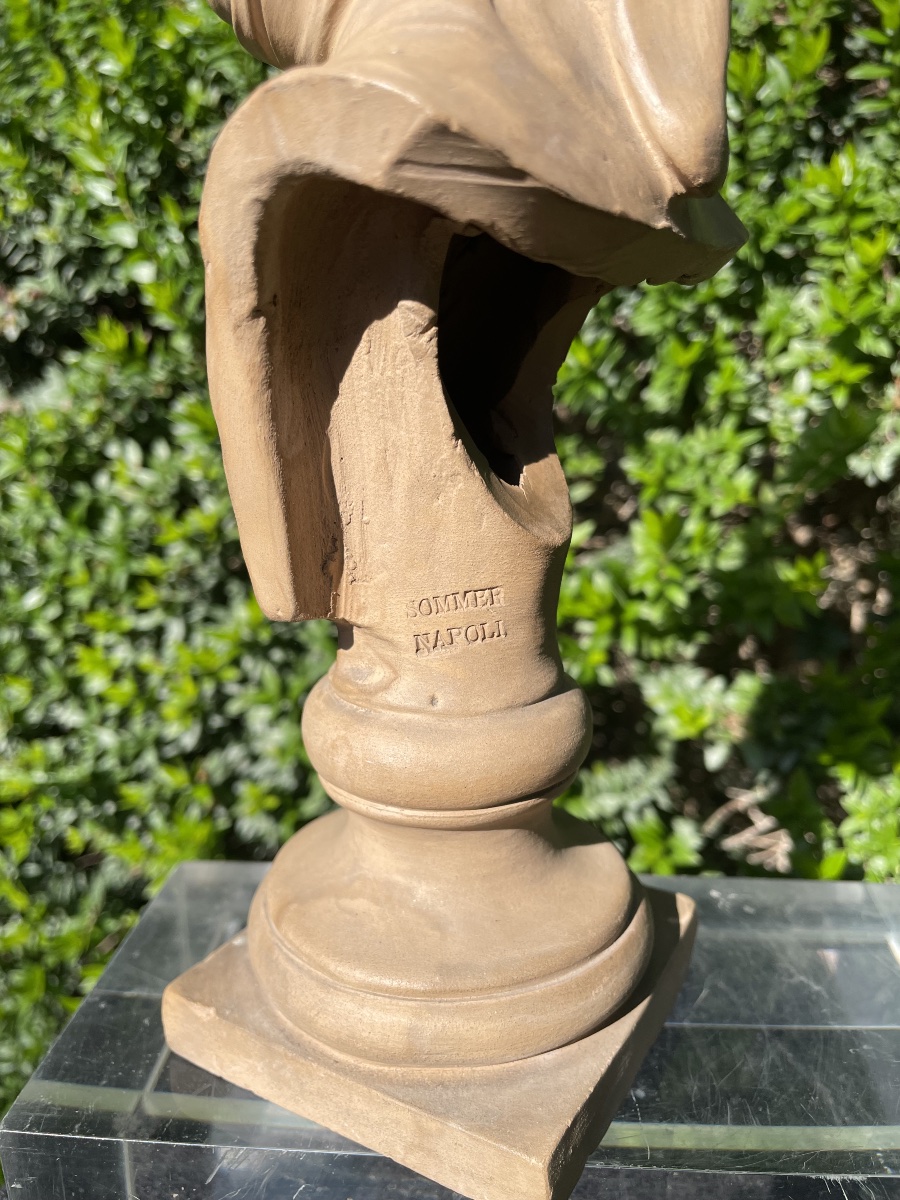
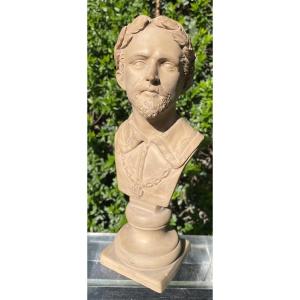


Pair Of Sculptures By Giorgio Sommer, 19th Century
Artist: Giorgio Sommer
Giorgio Sommer was born in Frankfurt am Main on September 2, 1834. He developed an interest in photography at a very young age and soon began working as a professional photographer. In 1857, he arrived in Rome, where he worked intensively in collaboration with his compatriot and friend, Edmond Behles, who was also a photographer. Through the Deutscher Künstlerverein, among other channels, he became part of the vibrant atmosphere of passionate interest in classical studies and archaeology, and met photographers of German origin living or working in Rome, as well as many painters. In Rome, he worked for a brief period in September and October 1857 and then again in the summer of 1859. He used large (28x38), medium (20x25), stereoscopic, and carte-de-visite formats. He photographed many works of art from the Vatican Museums. By the end of 1857, he had moved from Rome to Naples, which was still ruled by Ferdinand II of Bourbon at the time; he opened a studio on Via di Chiaia and then, around 1860, on Via Monte di Dio. He began selling under his own name the photographs taken in Rome in collaboration with Behles. The Neapolitan photography studio offered portraits, reproductions of works of art, and cityscapes. Sommer also dealt in artistic bronzes, for which he published separate catalogs or included them as a section in his photography catalogs. In 1860, on behalf of the government, he undertook a photographic expedition to Pompeii. On September 25 of that year, he photographed Garibaldi visiting the excavations. On June 16, 1861, he married Antonia Schmid, the daughter of a famous piano manufacturer of Moravian origin. The couple had two children: Edmondo and Carolina. In 1861, he was in Gaeta, where he photographed the battle sites and the destruction wrought on the Bourbon stronghold by the siege of the Savoyard troops. On behalf of the Italian government, he documented the suppression of brigandage in the southern provinces. In 1865, Sommer and Behles were awarded a gold medal by Victor Emmanuel II. That same year, they participated in the International Exhibition of Arts and Manufactures in Dublin, where they exhibited ten photographs. Sommer received a gold medal from Charles of Württemberg. On the covers of his catalogs, he continued to reproduce the two medals awarded by Victor Emmanuel II and Charles of Württemberg until 1903. Around 1866, his partnership with Behles ended. In 1867, he participated in the Paris World’s Fair, where he won a bronze medal. In 1873, he participated in the Vienna World’s Fair. His studio grew to employ twelve people in various departments, including negative development, printing, retouching, and coloring. In the 1880s, he worked in Switzerland, where he was commissioned to carry out a photographic survey in support of new railroad construction projects. In 1885, he won an award at the Nuremberg Exhibition for his reproductions of ancient bronzes. In 1890, he opened a branch in Palermo. He died in Naples on August 7, 1914.
1 200 €
Period: 19th century
Style: Louis Philippe, Charles 10th
Condition: Good condition
Material: Terracotta
Width: cm 9,5
Height: cm 23
Depth: cm 9
Reference (ID): 1839393
Availability: In stock
Print