

Paul Aïzpiri 1919–2016 The Jazz Group
Artist: Paul Aïzpiri
Paul Aïzpiri 1919–2016 “The Jazz Band”
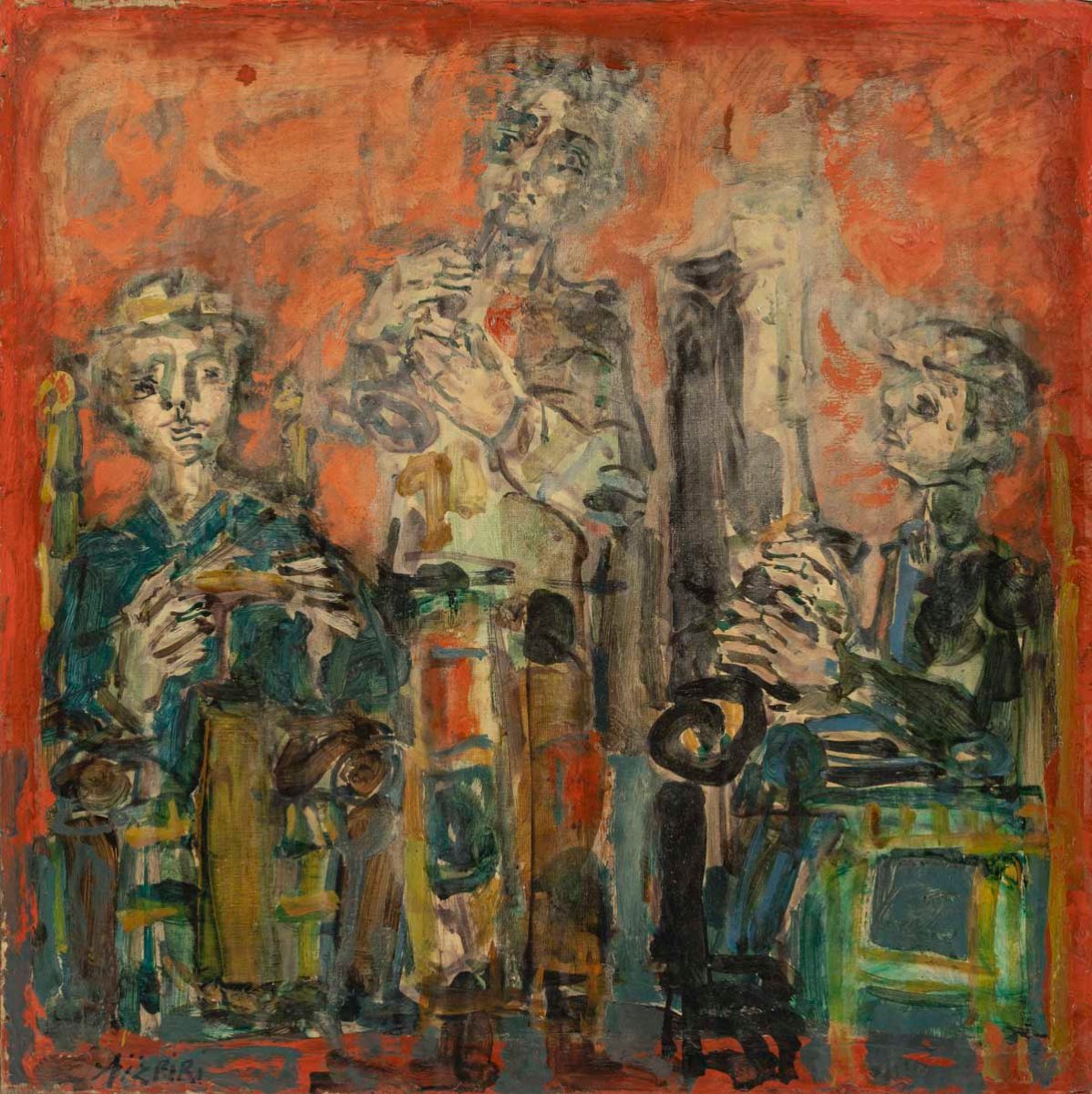
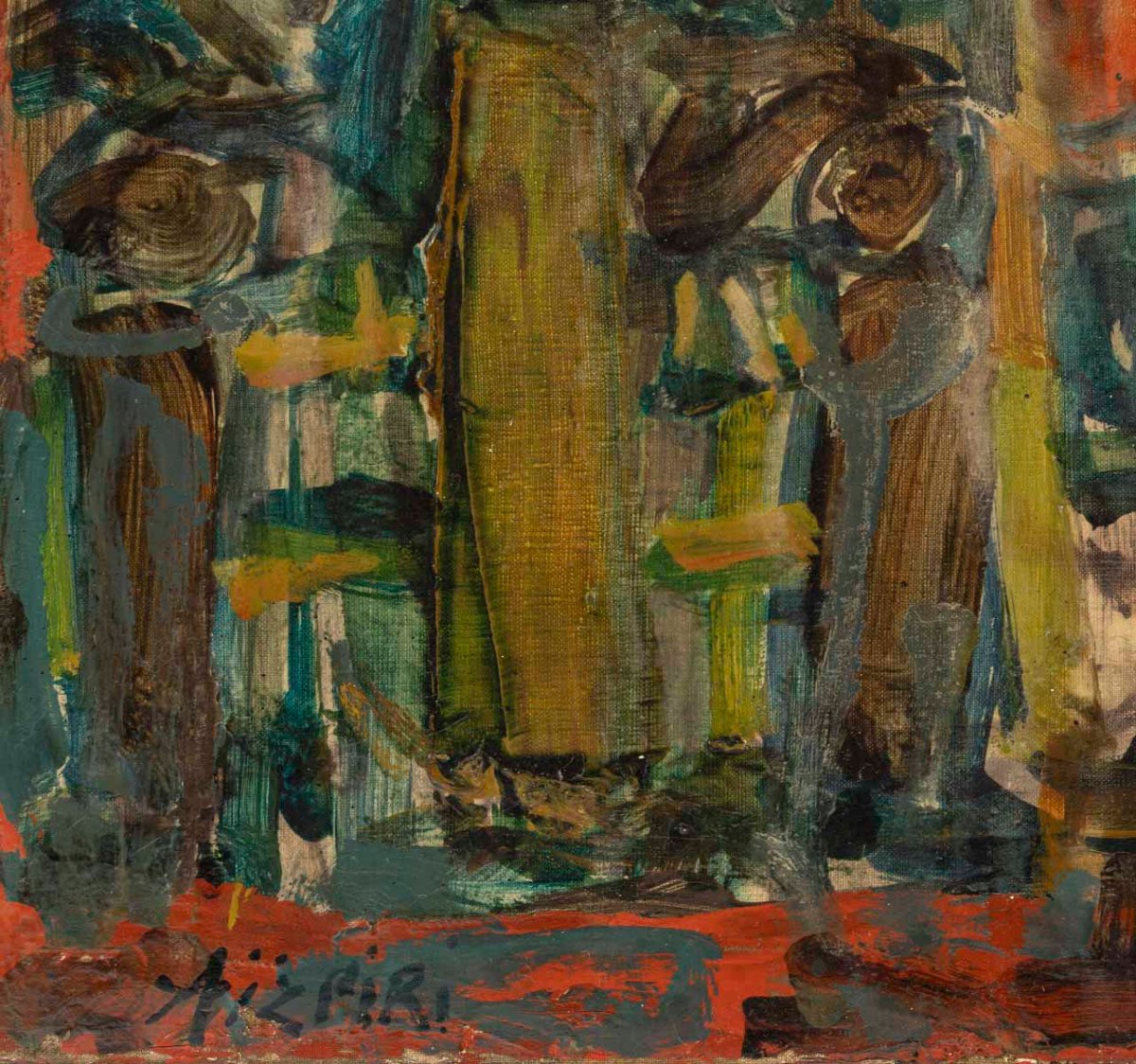
Oil on canvas, signed lower left
Of Basqueorigin, Paul Aïzpiri was the son of a sculptor who lived in theMontparnasse neighborhood. He studied at the École Boulle in Paris, then at the École nationale supérieure des beaux-arts, where he was admitted in1936 to Fernand Sabatté’s studio. He became friendswith Claude Schürr, Robert Savary, and Maurice Verdier.Takenprisoner during World WarII, he escaped and lived through the German occupationin hiding. Immediately after the Liberation, his paintings were somber, marked bythe war and postwar hardships. His exhibition at the Salon d’Automne earned himthird prize at the Salon de la Jeune Peinturein 1951, alongside Bernard Buffet,Paul Collomb, Daniel du Janerand, and Jean Jansem.This marked the beginning of his early success.His meeting with the art dealerPaul Pétrides brought him notable success following an exhibition in his gallery alongside Foujita.
It was at theCharpentier Gallery for the “Ecole de Paris” exhibition alongside Picassoin 1954 that his reputation was cemented. Picasso provided him with valuable advice regarding hisevolution in the use of color.In 1970, he began working with theTamenaga Gallery. He exhibited regularly and continuously in Europe and theUnited States.
Well-known in Japan as well, his works are on display at the Nakata Museum in Onomichi. The subjects he depicts are all figurative—landscapes, flowers, portraits—and Aïzpiri’s painting is at times whimsical,often joyful.
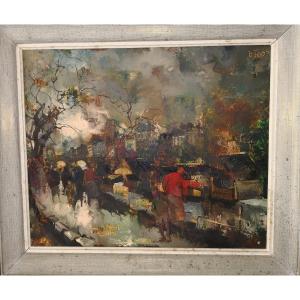
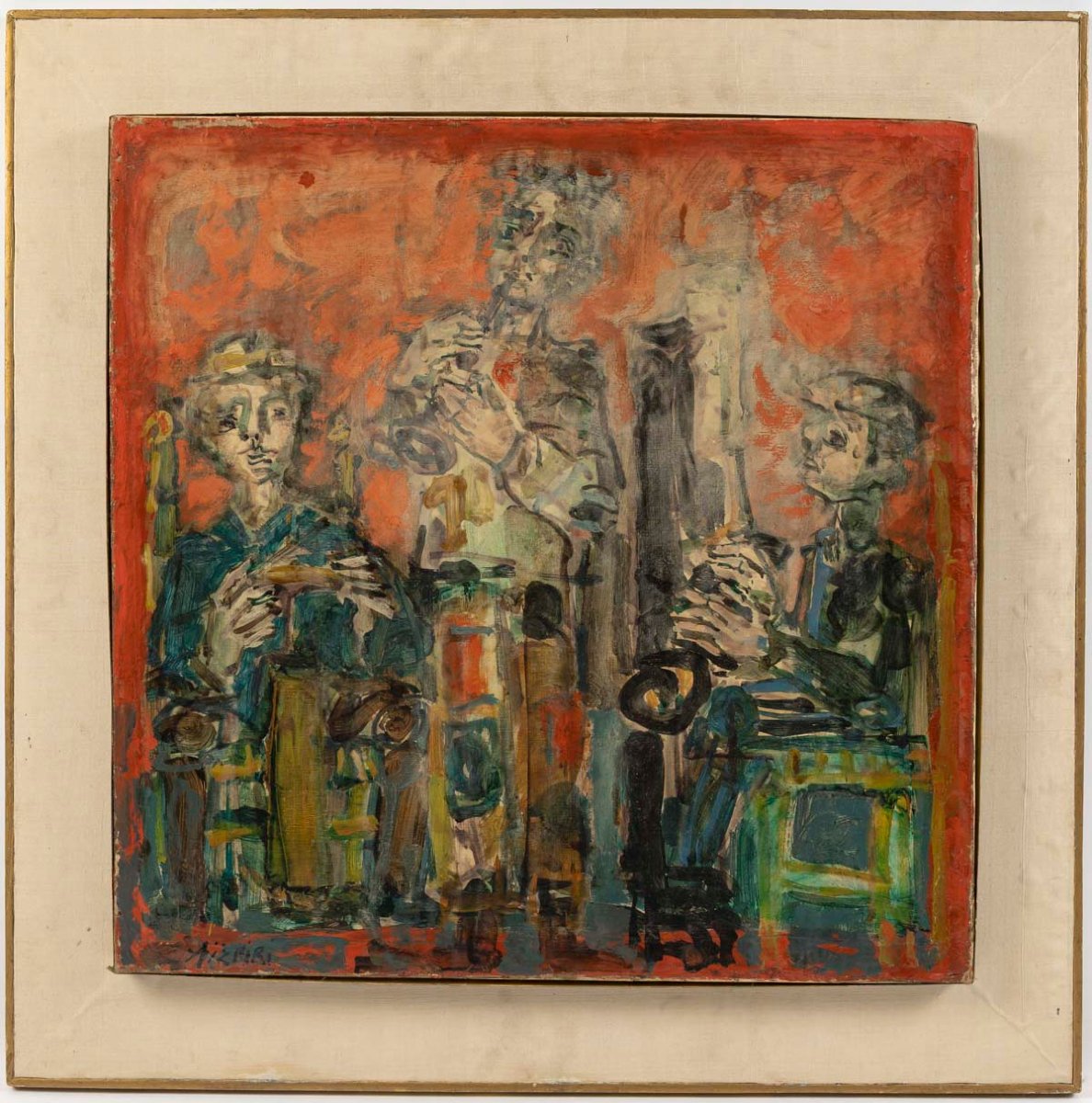
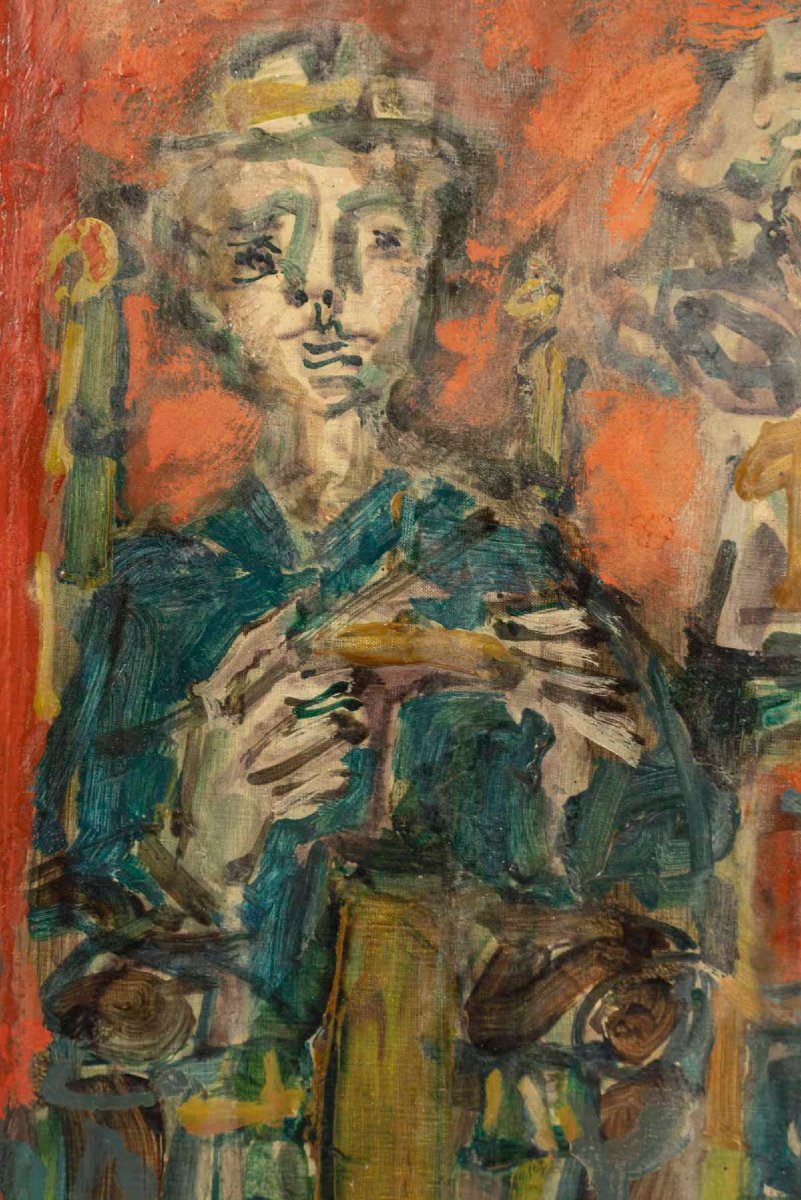
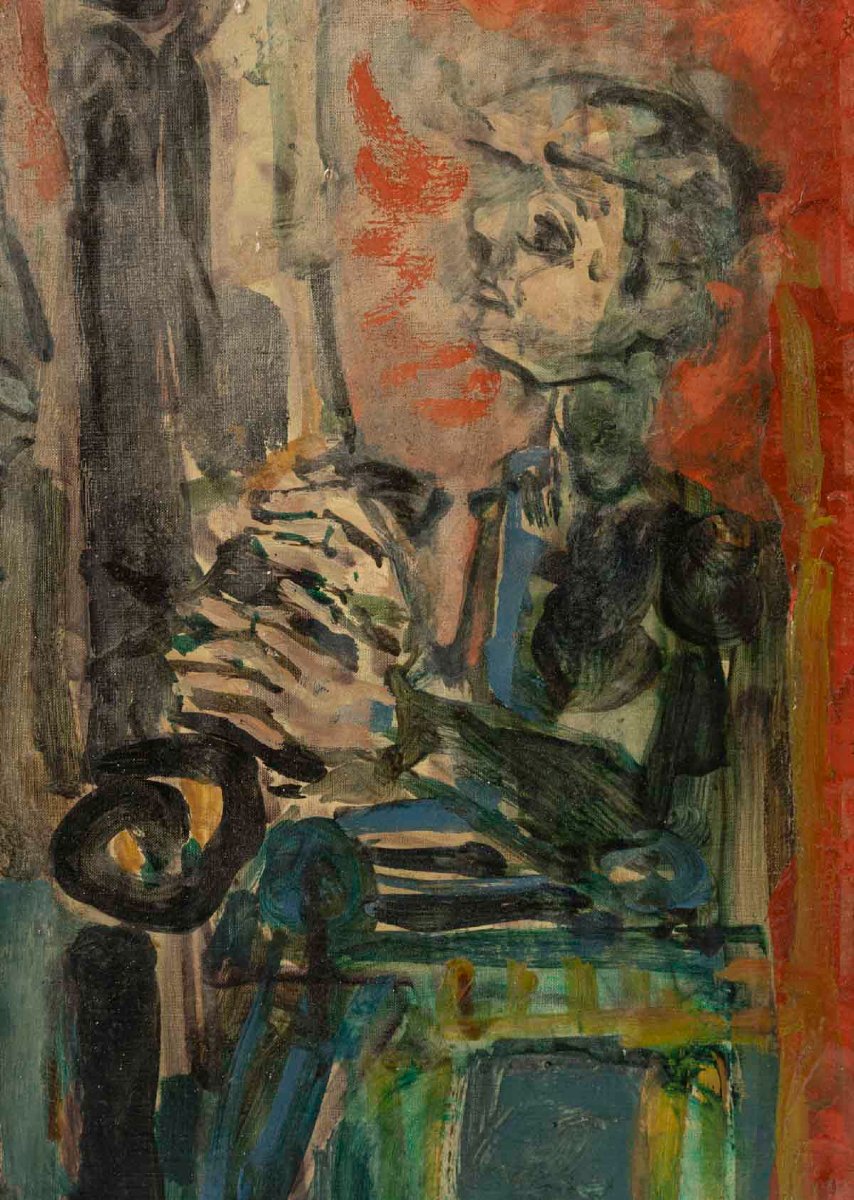
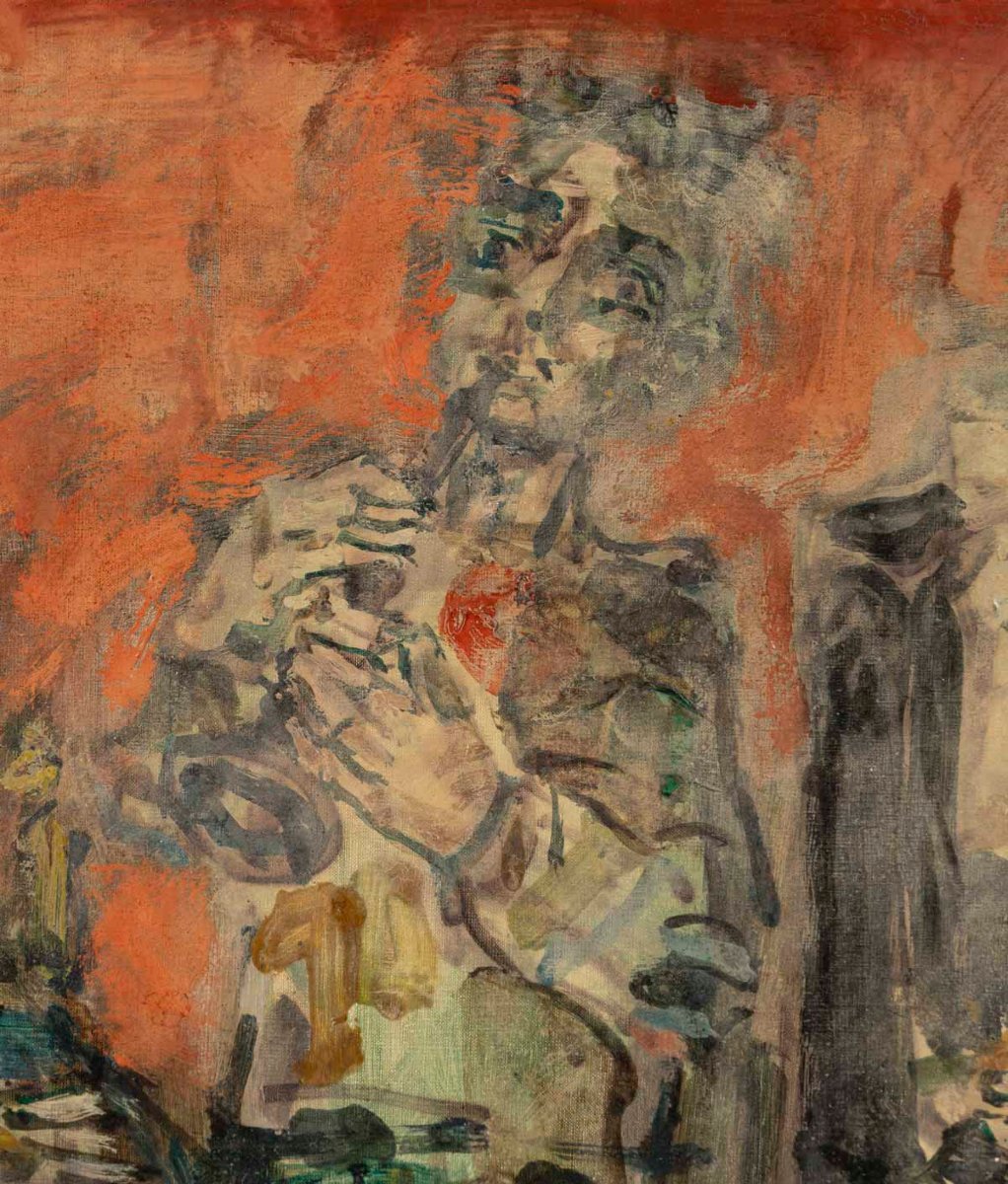
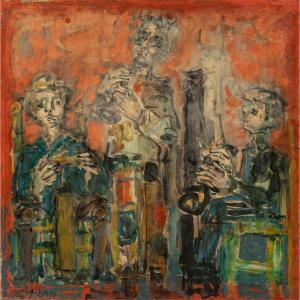
The painting we are presenting to you, “TheJazz Musicians,” evokes the Montparnasse period when musicalexcitement reigned in the cabarets; in it, Aïzpiri celebrates Paris. The colors arevibrant, the brushstrokes swift and powerful, and the work is infused with humor.
Oil on canvas, signed lower left
Of Basqueorigin, Paul Aïzpiri was the son of a sculptor who lived in theMontparnasse neighborhood. He studied at the École Boulle in Paris, then at the École nationale supérieure des beaux-arts, where he was admitted in1936 to Fernand Sabatté’s studio. He became friendswith Claude Schürr, Robert Savary, and Maurice Verdier.Takenprisoner during World WarII, he escaped and lived through the German occupationin hiding. Immediately after the Liberation, his paintings were somber, marked bythe war and postwar hardships. His exhibition at the Salon d’Automne earned himthird prize at the Salon de la Jeune Peinturein 1951, alongside Bernard Buffet,Paul Collomb, Daniel du Janerand, and Jean Jansem.This marked the beginning of his early success.His meeting with the art dealerPaul Pétrides brought him notable success following an exhibition in his gallery alongside Foujita.
It was at theCharpentier Gallery for the “Ecole de Paris” exhibition alongside Picassoin 1954 that his reputation was cemented. Picasso provided him with valuable advice regarding hisevolution in the use of color.In 1970, he began working with theTamenaga Gallery. He exhibited regularly and continuously in Europe and theUnited States.
Well-known in Japan as well, his works are on display at the Nakata Museum in Onomichi. The subjects he depicts are all figurative—landscapes, flowers, portraits—and Aïzpiri’s painting is at times whimsical,often joyful.
The painting we are presenting to you, “TheJazz Musicians,” evokes the Montparnasse period when musicalexcitement reigned in the cabarets; in it, Aïzpiri celebrates Paris. The colors arevibrant, the brushstrokes swift and powerful, and the work is infused with humor.
14 000 €
Period: 20th century
Style: Design 50's and 60's
Condition: Excellent condition
Material: Oil painting
Length: 45 cm
Width: 45cm
Reference (ID): 1834218
Availability: In stock
Print