

Joseph Clover (1779–1853) — Portraits Of Mary Coleman, Henry Sayer, And Arthur Coleman
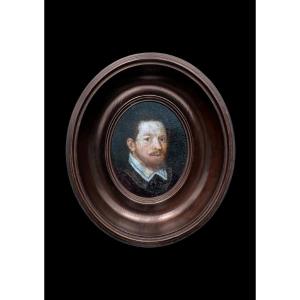
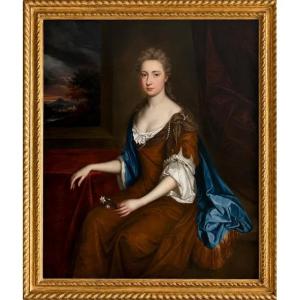
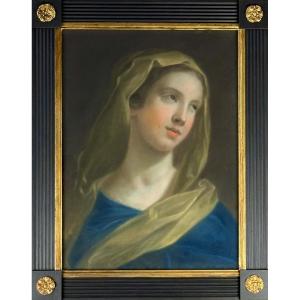
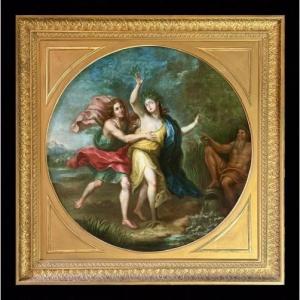
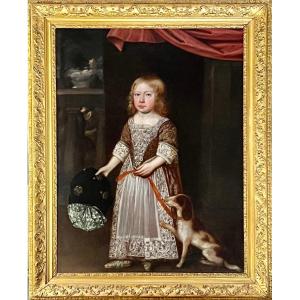
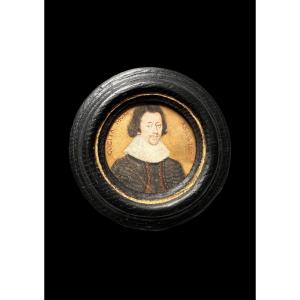
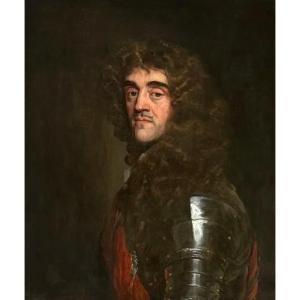
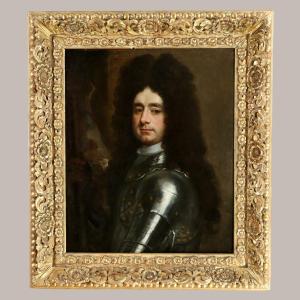
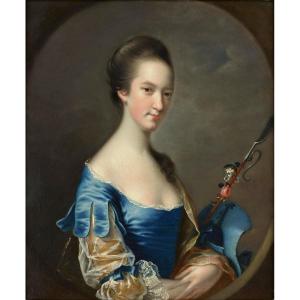
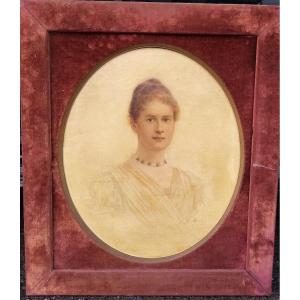
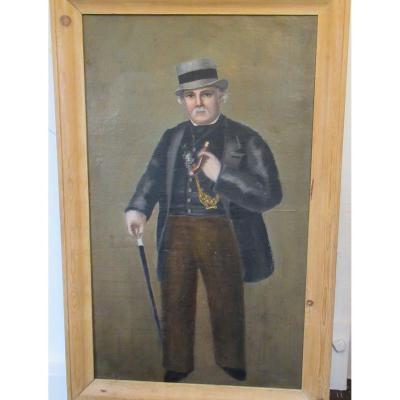
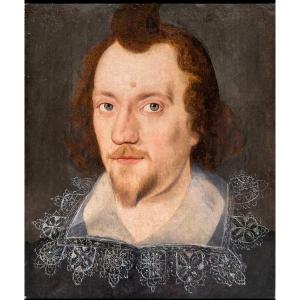
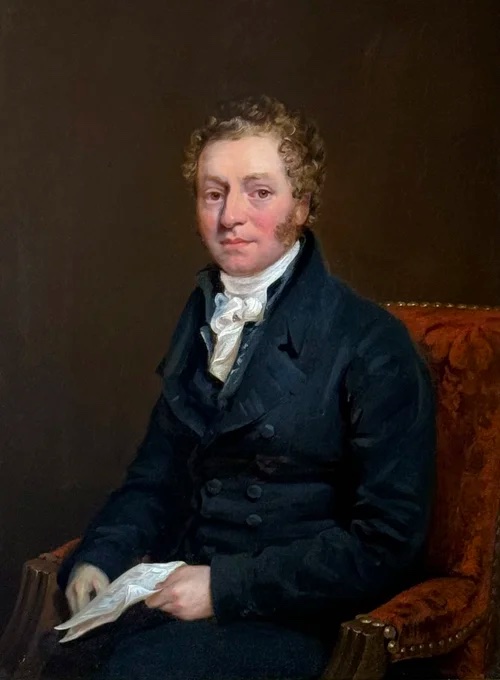
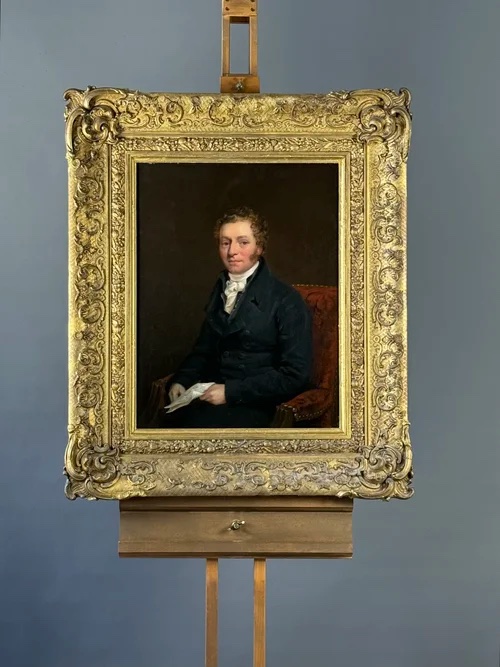
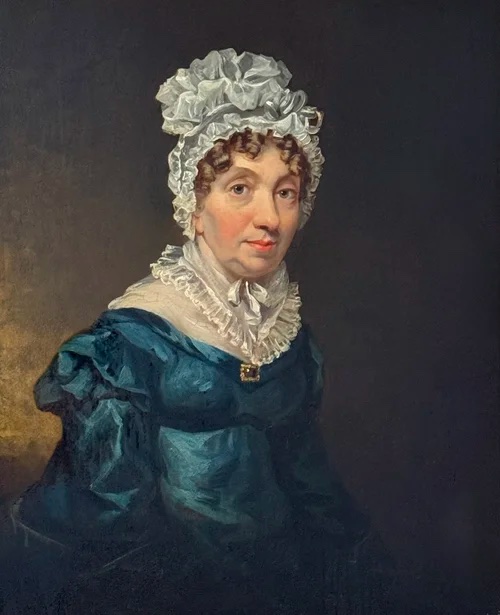
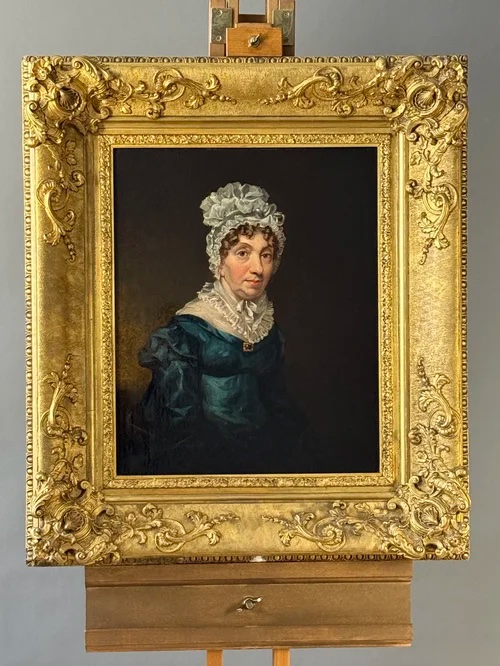
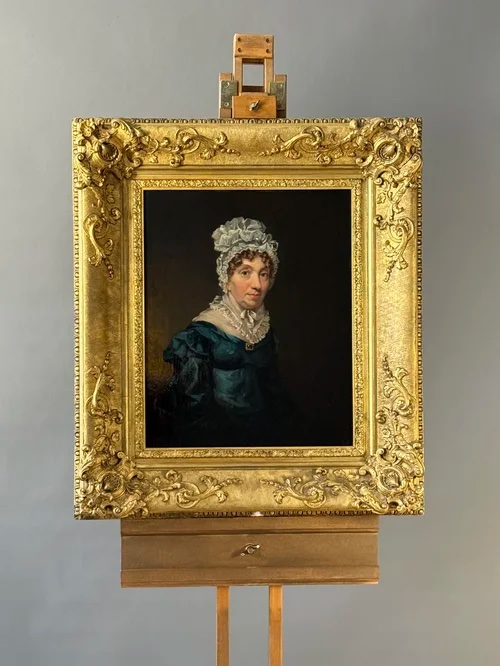
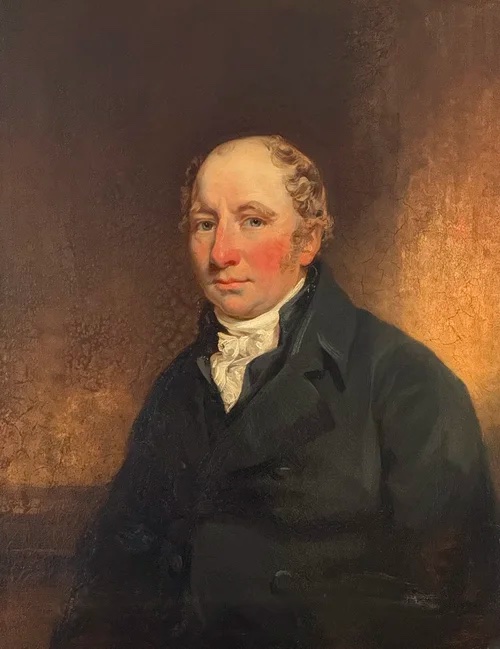
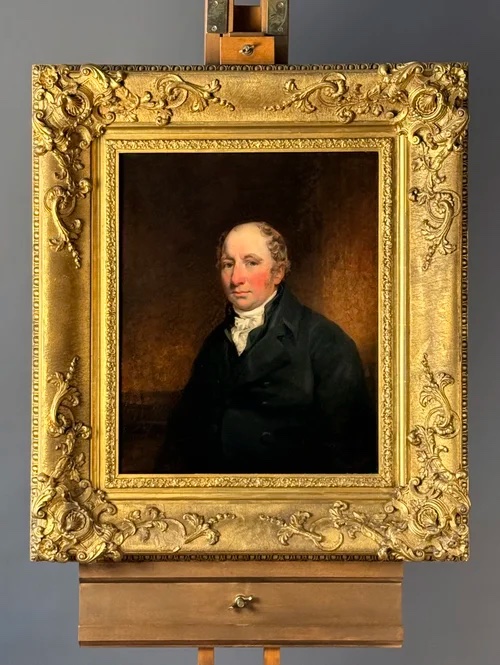
Three fine oil on panel portraits of Mary Coleman, Henry Sayer and Arthur Coleman by the celebrated Norwich school artist Joseph clover (1779-1853)
Mary Colman came from a prosperous branch of Norfolk millers and landowners and she married Henry Sayer in Norfolk (circa 1815-1820) and this (slightly smaller) pair of oil paintings may have been commissioned after their wedding to permanently anchor their status as a newly unified, wealthy landowning family.
Subsequently when Mary’s father passed away, his will contained a strict ‘Name and Arms Clause’ which dictated that for their son, Arthur Sayer, to inherit his maternal family's extensive property, capital, and milling investments, he was legally required to drop his paternal surname.
Arthur filed a formal petition with the Crown for a Royal License for a Change of Name. Upon approval, he legally renounced the surname Sayer and became known for the rest of his life across all commercial banking and land registry logs as Arthur Colman (Mr. A. Colman). This specific legal inheritance split the names, leaving the parents ‘framed’ as the Sayers, while their son legally operated under the Colman banner.
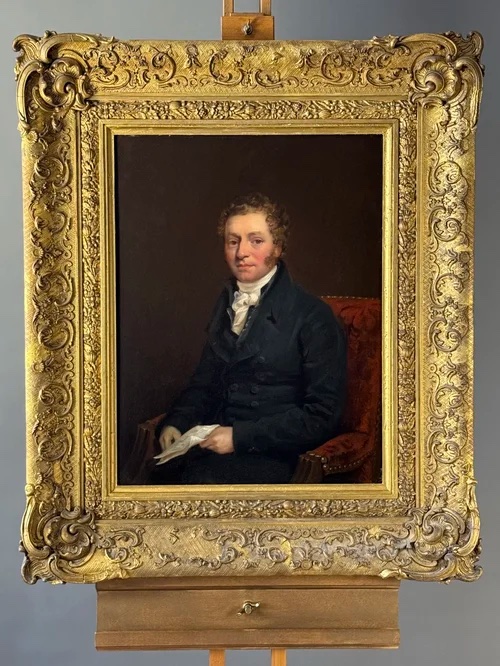
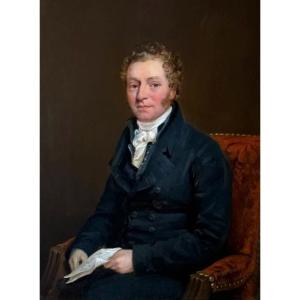
The composition of this painting provides a direct window into Arthur Colemans societal status and his connections to Norfolk industry as the folded paper that he holds (a letter, title deed, or legal charter) is a detail painted to underscore his literacy, civic authority, and wealth as a member of one of Norfolk's affluent agricultural and merchant families.
Joseph Clover (baptised 19 September 1779 – 28 April 1853) Joseph Clover was an English portrait painter and a member of the Norwich School of painters He was born in Aylsham, in the English county of Norfolk, one of the twelve children of Thomas and Ann Clover, who owned a drapery business in the town. Few details of his early years are known. He was engaged to be married, but his fiancée, a local girl, died in 1801. He started his career as an engraver but was inspired to turn to portrait painting when the artist John Opie painted one of his relatives, he became Opie's pupil, and studied under him for four years. His paintings often use a generous amount of paint, handled freely in a fashion that was also characteristic of Opie.
Clover inherited property and was paid well for his commissioned works. He lived an uneventful and comfortable life, mainly in London, where he was a prominent member of the Swedenborgian New Church. In 1809, he was selected to portray three of the mayors of Norwich, the decision based in part on his works exhibited at the Royal Academy that year. In 1811, he staged an exhibition of his works in Norwich. Although celebrated during his lifetime as a portrait painter, Clover also produced accomplished landscape paintings for his own pleasure.Provenance: Private collection Washington State.
Higher resolution images on request.
Worldwide shipping available.
Mary Coleman and Henry Sayer Panels: 38cm x 46cm. Framed: 63cm x 72cm.
Arthur Coleman Panels: 41cm x 54 cm. Framed: 67cm x 80cm.
Period: 19th century
Style: English Style
Condition: Excellent condition
Material: Oil painting on wood
Width: 63cm
Height: 72cm
Depth: 4cm
Reference (ID): 1806022
Availability: In stock