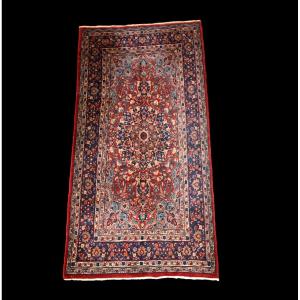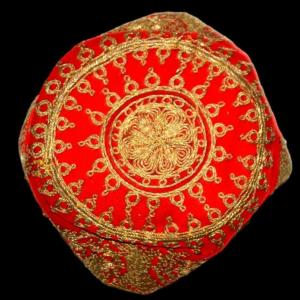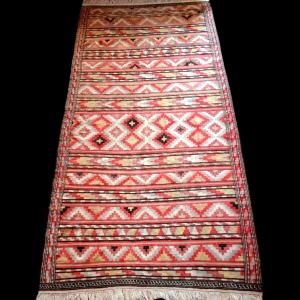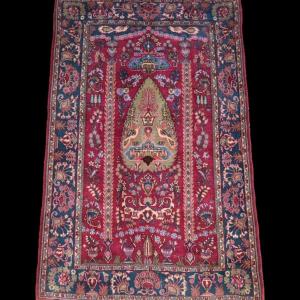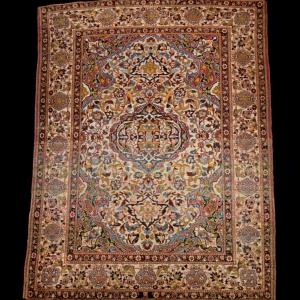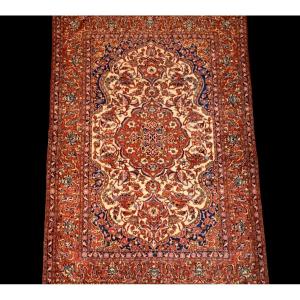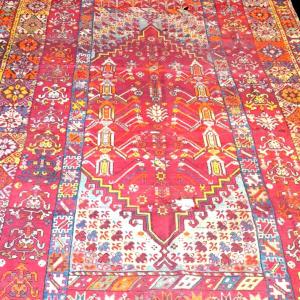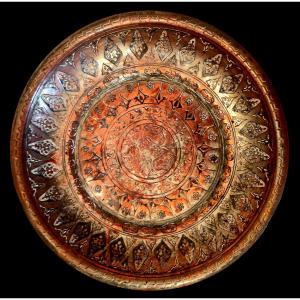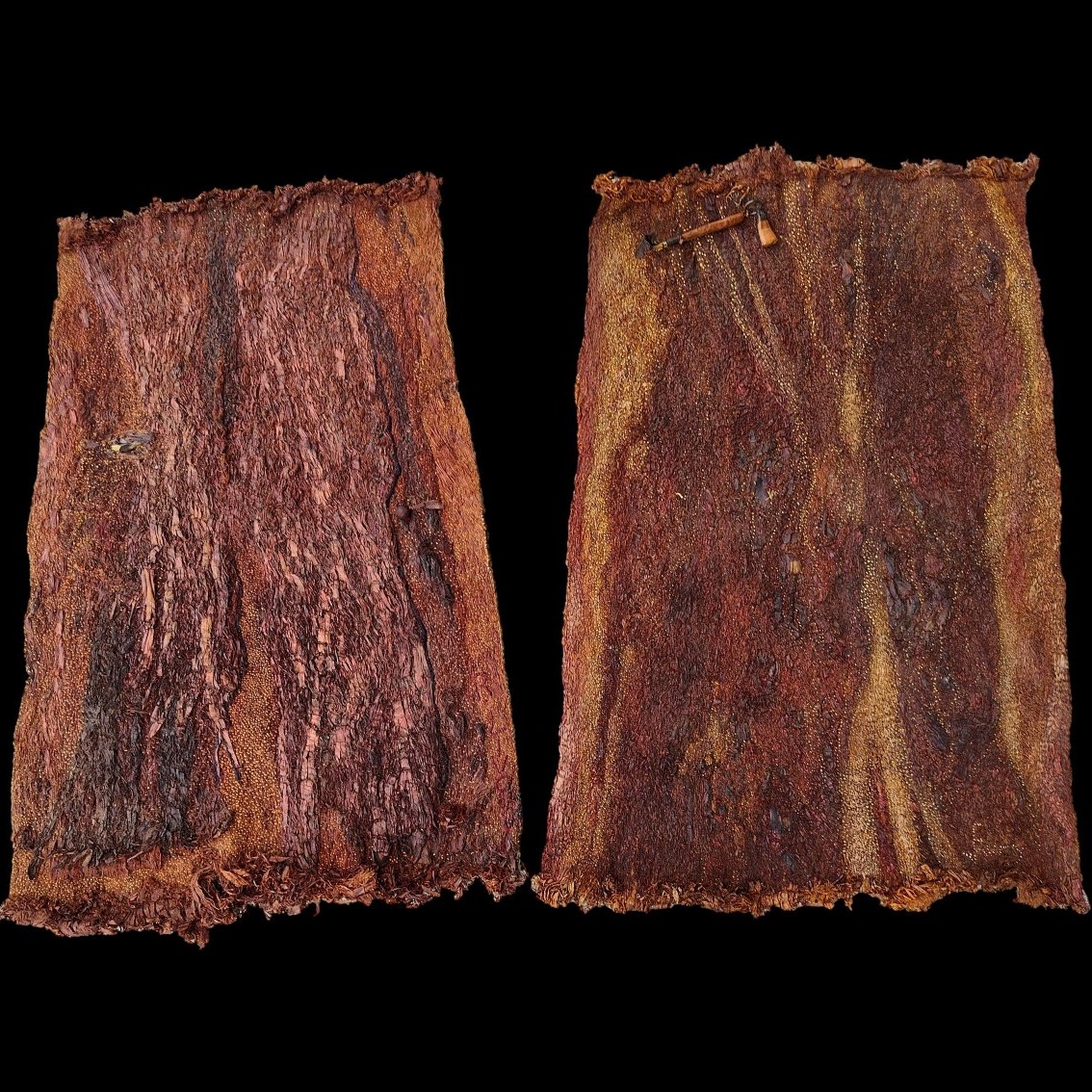
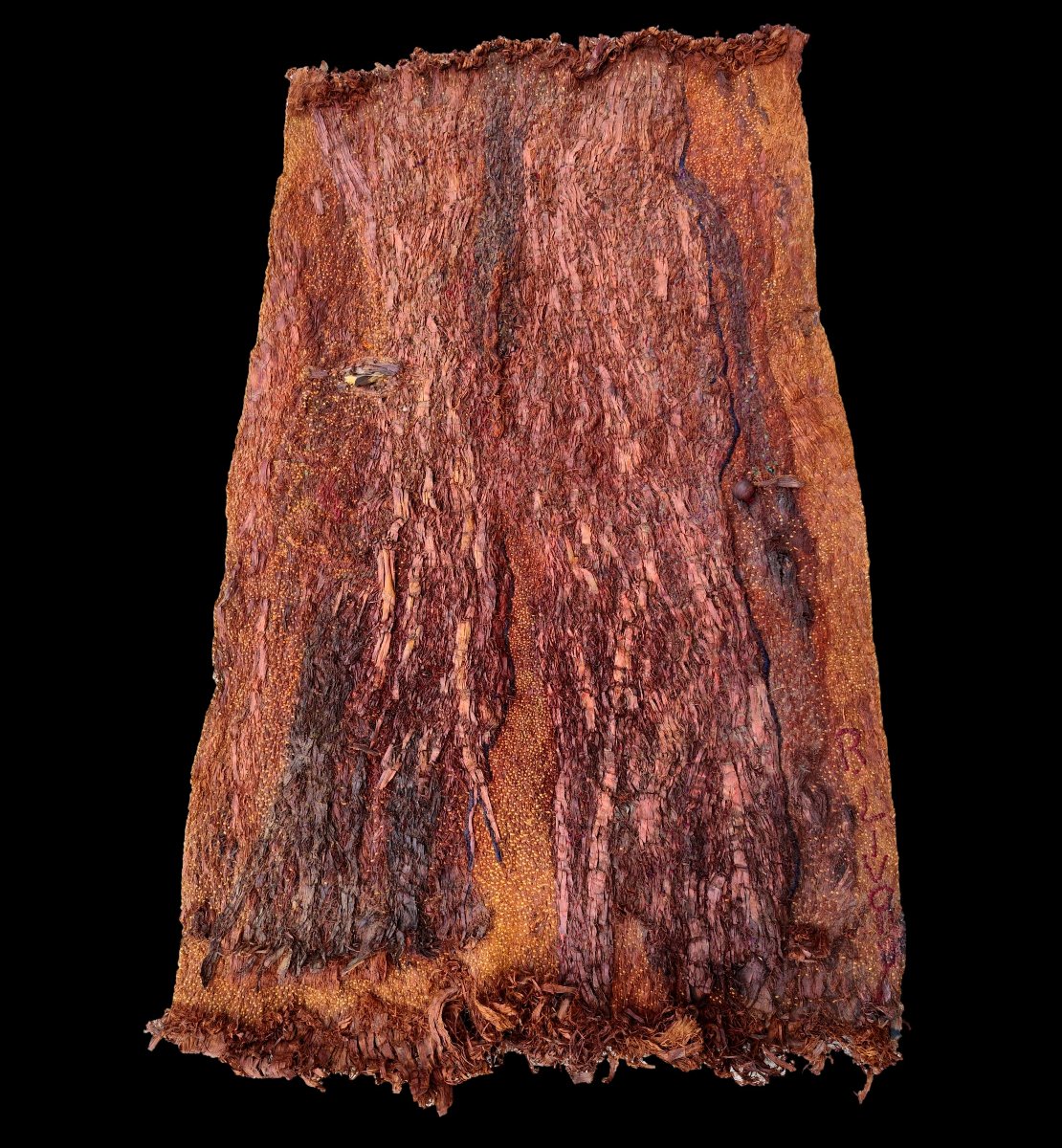
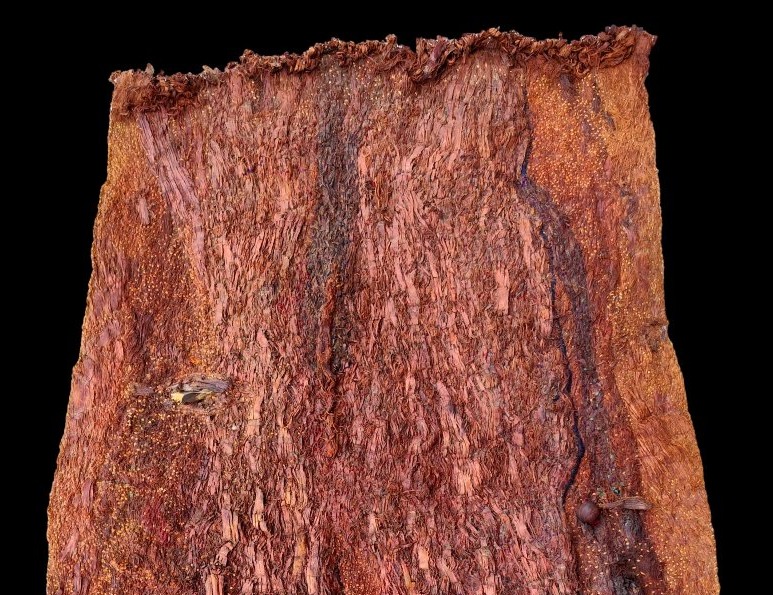
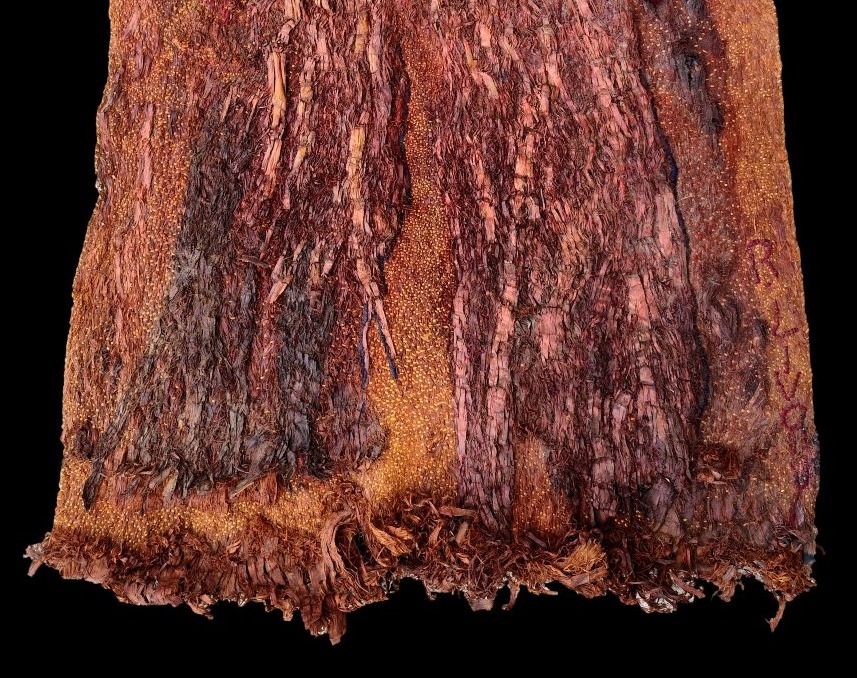
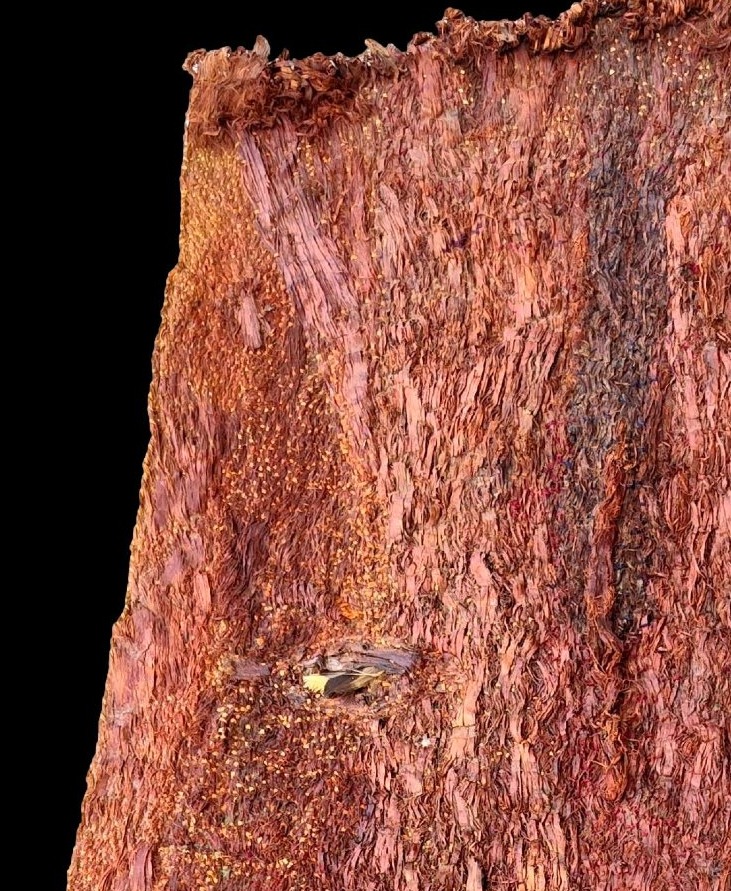
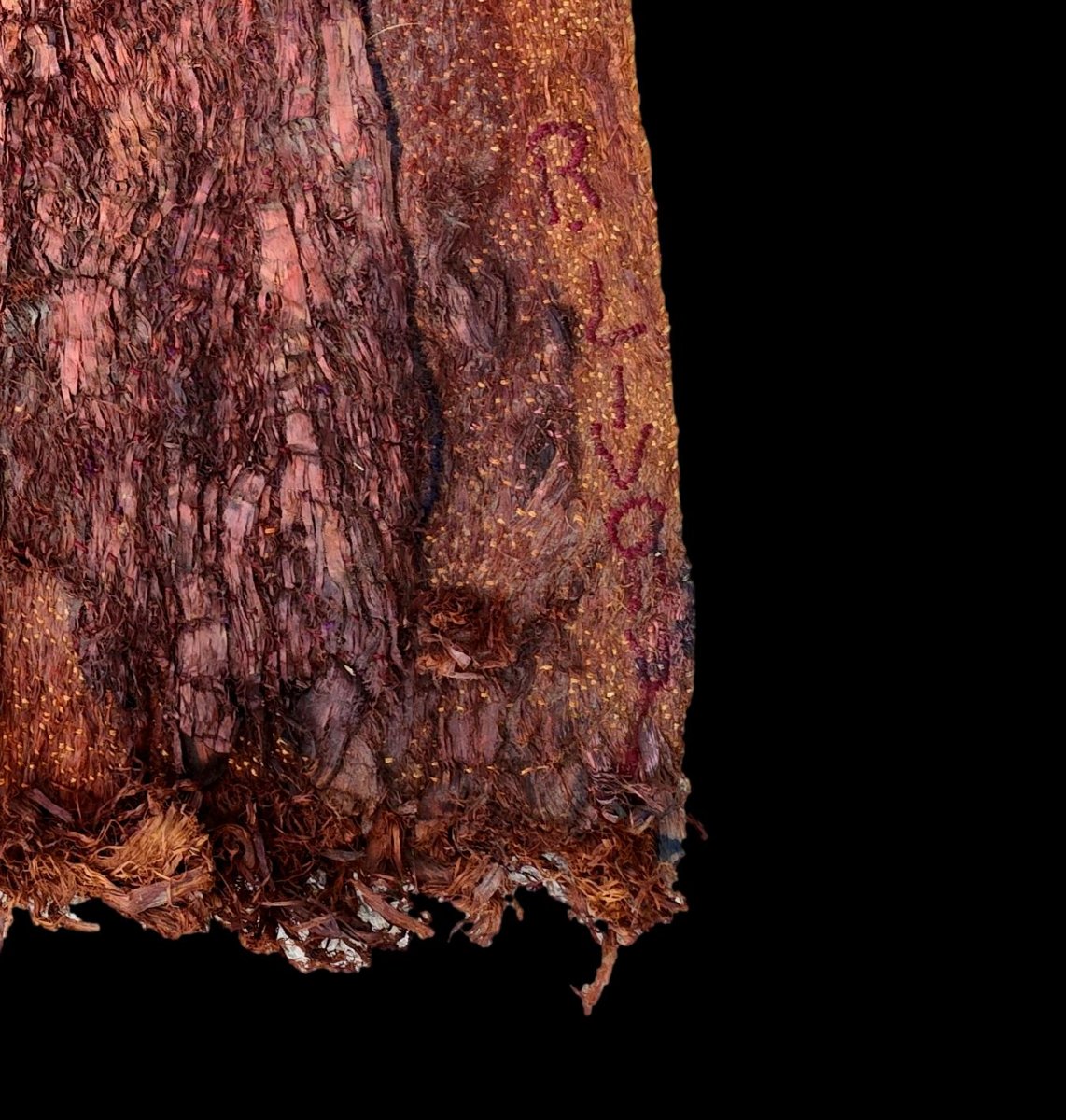
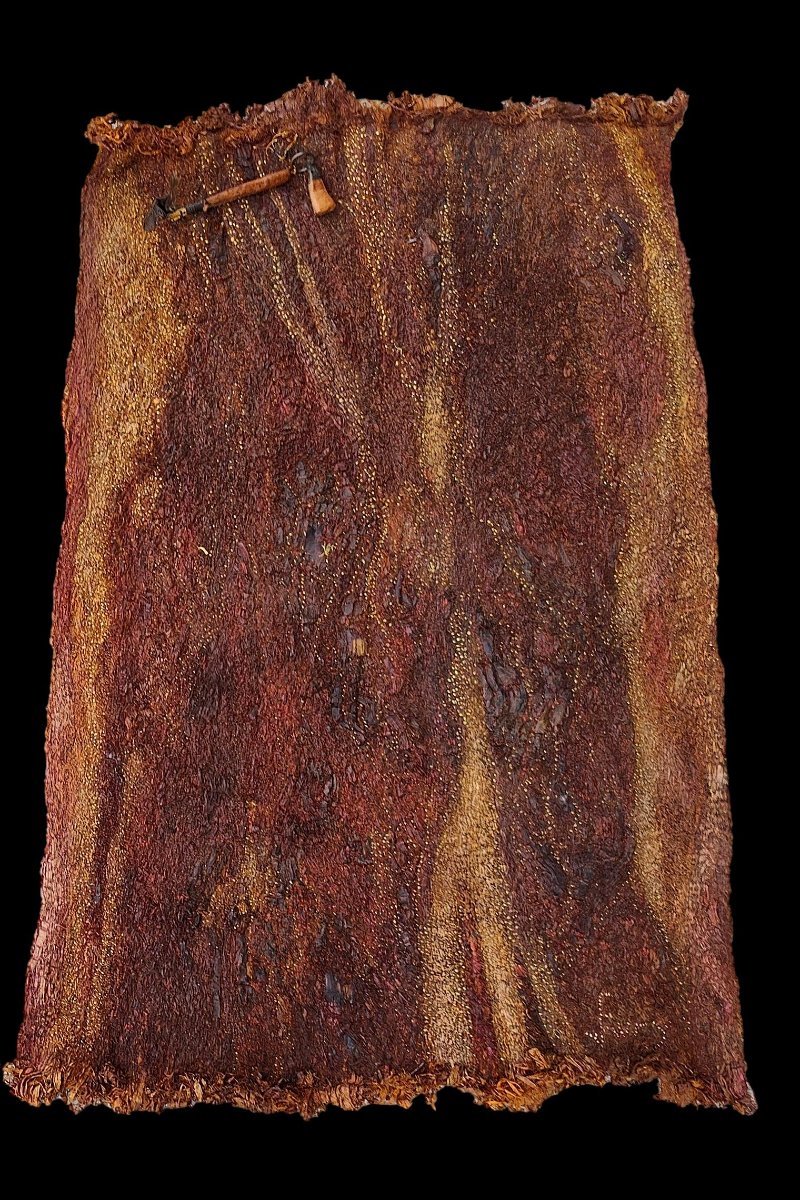
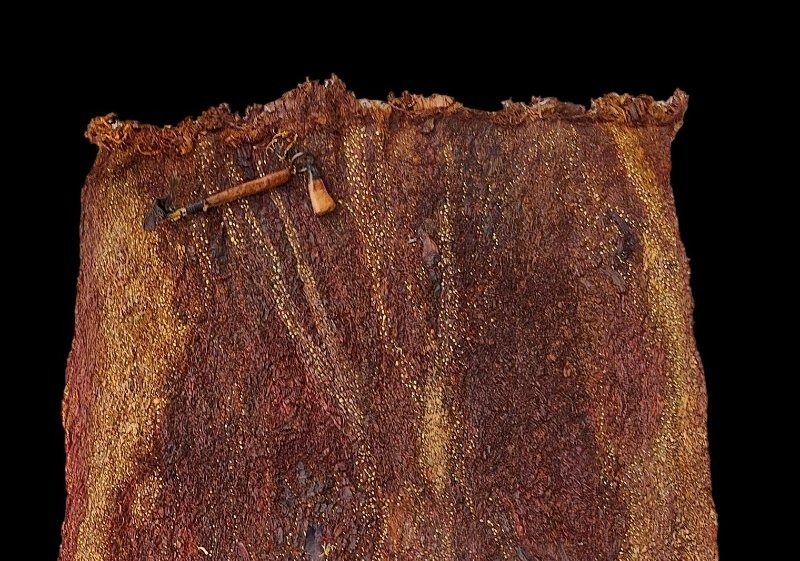
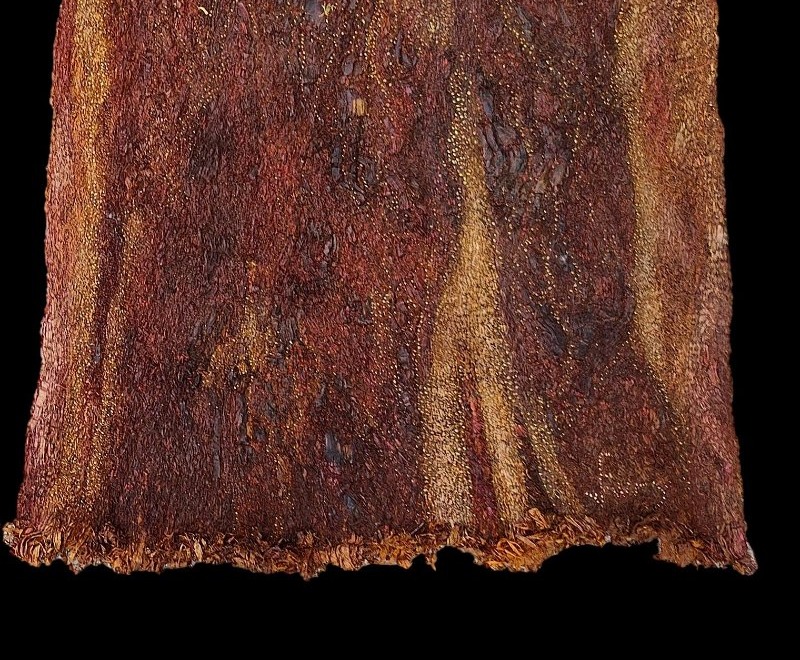
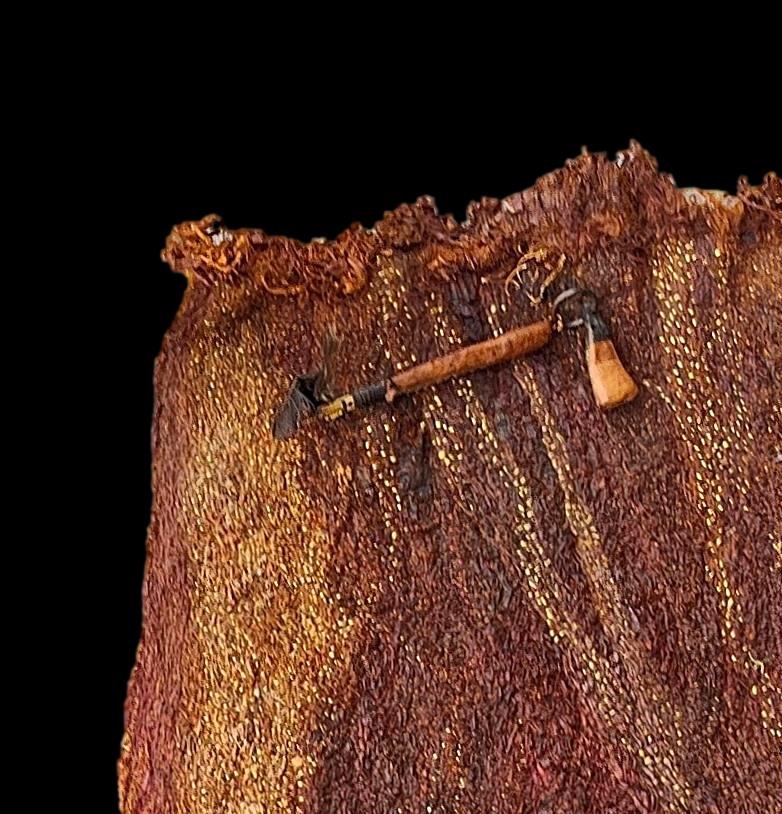
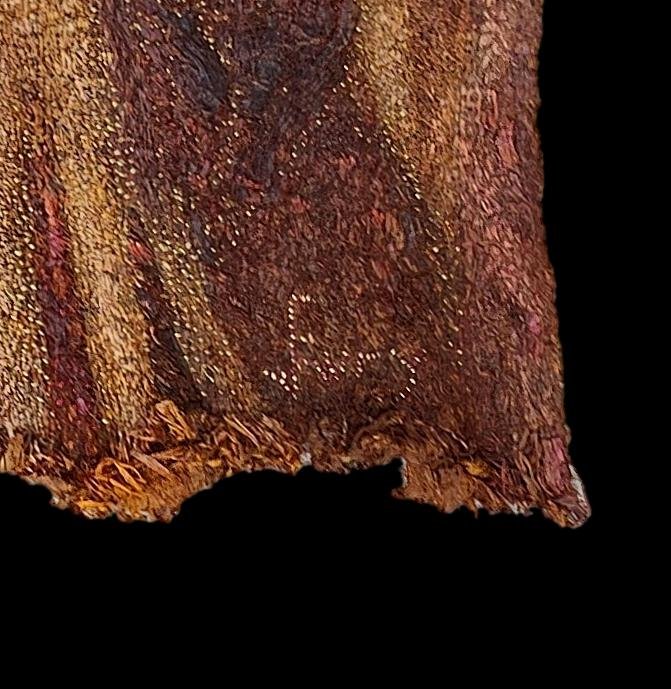
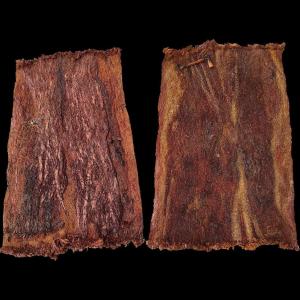


Pair Of Maori Tapas, Plant Fibers & Objects, Talismans, New Zealand, 1960s–1970s, Signed
Pair of signed tapas, bark, plant fibers, natural materials.
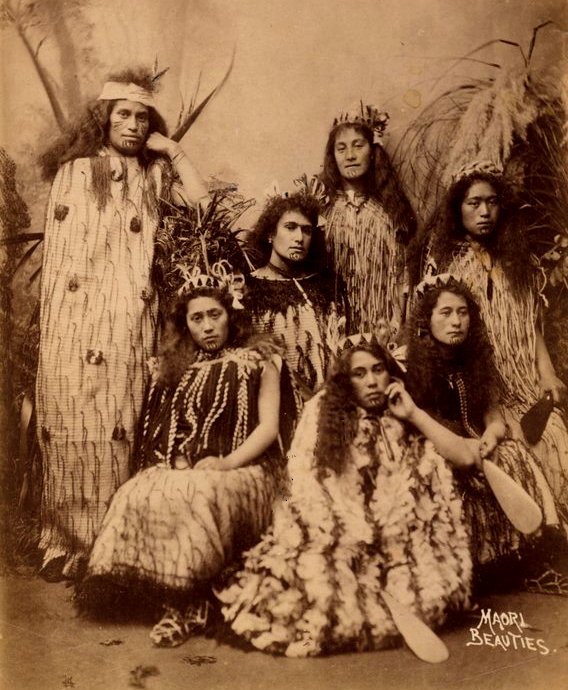
Maori, New Zealand 1970, Contemporary art, signed tapas
Historically, women’s crafts favored flexible materials, particularly fibers used to make mats and bark cloth.
It also incorporated ephemeral materials such as flowers and leaves. Bark cloth is commonly called tapa in Polynesia, although terminology, decorations, dyes, and patterns vary from island to island.
Tapa traditions were unique to each region and historically widespread throughout the Polynesian islands.
Eastern Polynesia has not had a continuous tradition of tapa production.
However, this art is still practiced there today, particularly in Hawaii and the Marquesas.
In contrast, Western Polynesia has maintained an unbroken tradition of tapa production.
Today, bark cloth is part of ancestral traditions of celebration, reciprocity, and exchange, and is also integrated into new cultural contexts where it inspires new audiences, artists, and art forms.
In traditional Polynesian societies, gender roles were clearly defined.
Gender played a major role, determining women’s access to training, tools, and artistic materials.
For example, male arts were often created using hard materials such as wood, stone, or bone, and were traditionally associated with the sacred realm of rites and rituals.
The primary traditional uses of tapa were for making clothing, bedding, and wall hangings.
Textiles were often carefully prepared and decorated for high-ranking individuals.
Tapa was displayed during important ceremonies, such as birthdays and weddings. In a sacred context, it was used to wrap images of deities. Even today, during funerals, bark cloth can be an integral part of funeral rites.
Dimensions:
Height: 98 cm (38.5") x Width: 64 cm (25")
Height: 102 cm (40") x Width: 68 cm (27")
Photos of the reverse sides
##More photos & videos available upon request
For any inquiries, please feel free to contact me at:
06 13 36 09 30 or at winsteinprovence@gmail.com
You will find on our website a wide selection of Persian, Anatolian, and Caucasian rugs, as well as a beautiful collection of antique objects from around the world.
www.winsteinprovence.com
(text and photo credits: Winstein, all rights reserved)..
ref winstein 1576
Period: 20th century
Style: Other Style
Condition: Excellent condition
Material: Other
Length: dans le texte
Reference (ID): 1779286
Availability: In stock