

France. Antique Sub-officer Military Justice Sword Model 1853. France, C.1870
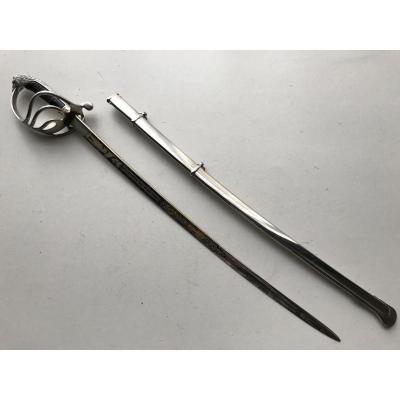
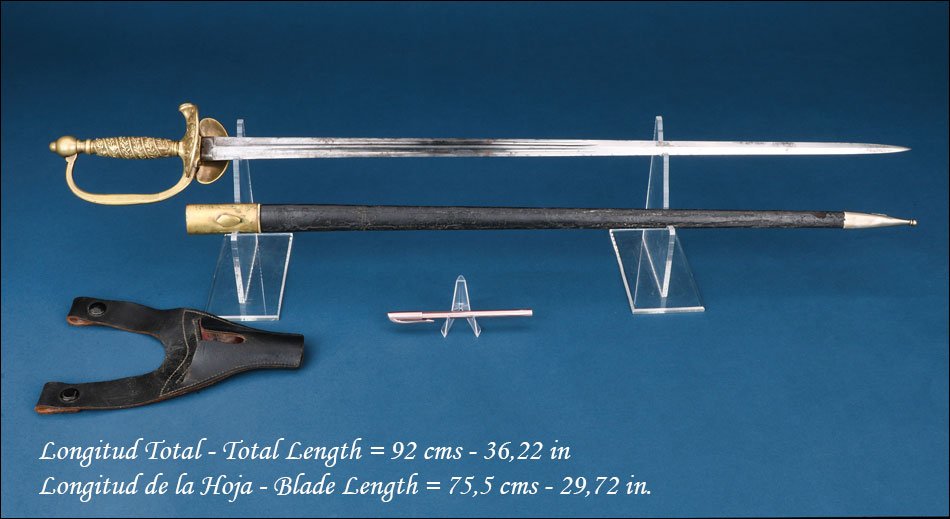
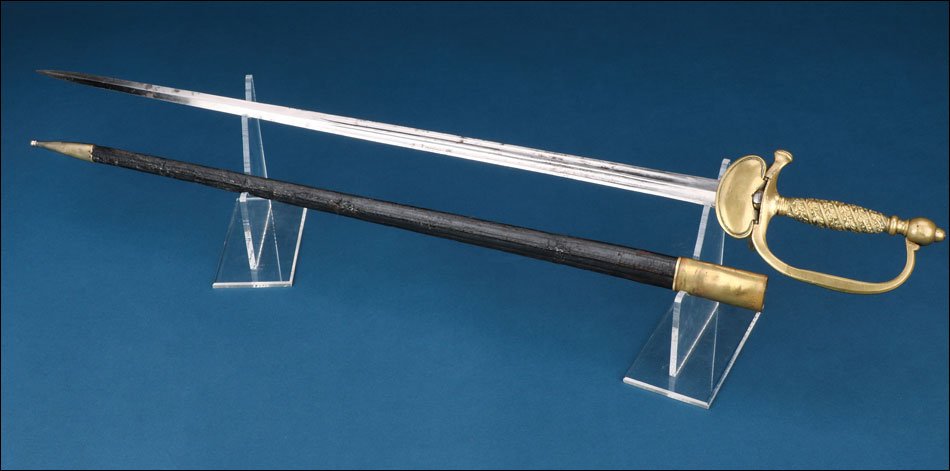
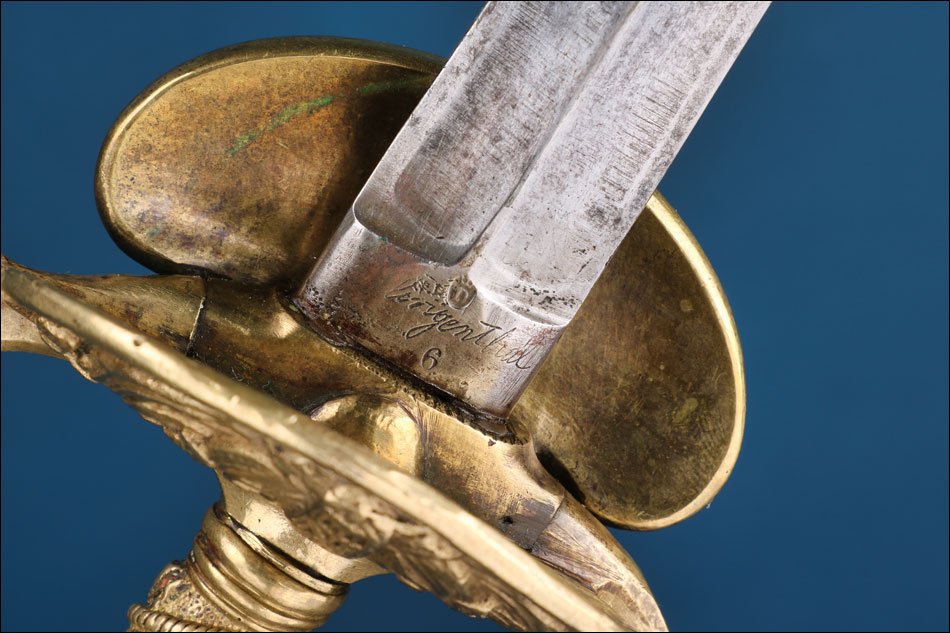
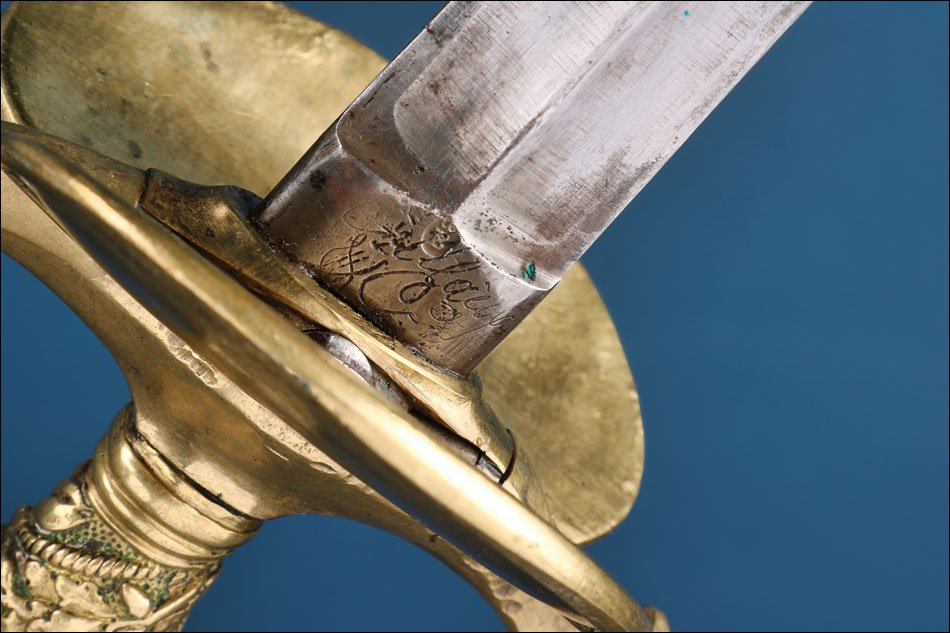
French regulation sword corresponding to the model adopted in 1853 for sub-officers serving within the Military Justice branches of the Gendarmerie, manufactured circa 1870 at the Manufacture d’Armes de Klingenthal. The piece can be clearly identified both by its typology and by the visible markings at the base of the blade, where the signature of Coulaux & Cie and the reference to Klingenthal can be observed. It represents a regulation pattern used in administrative and disciplinary functions within the French military justice system, combining practical design with hierarchical symbolism.
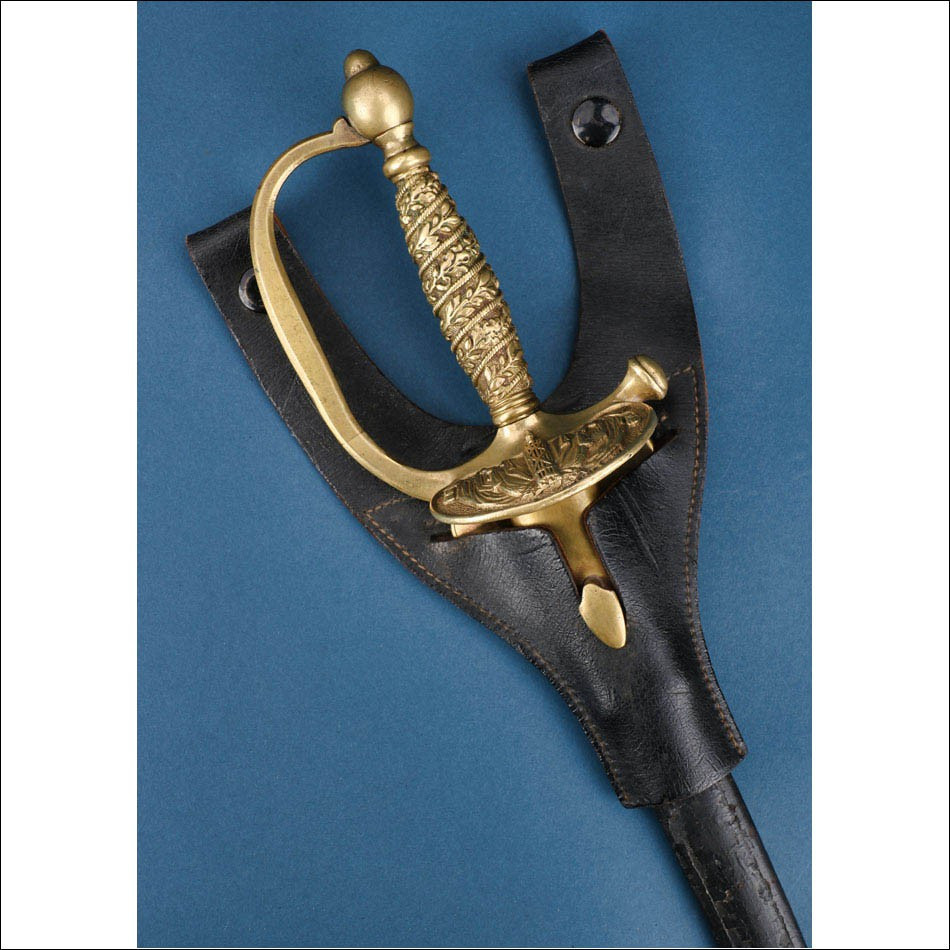
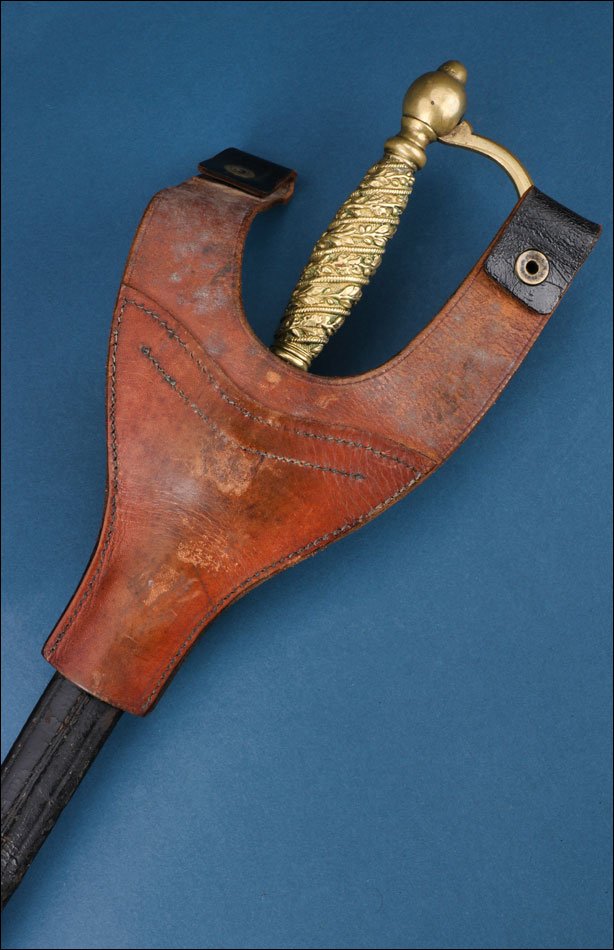
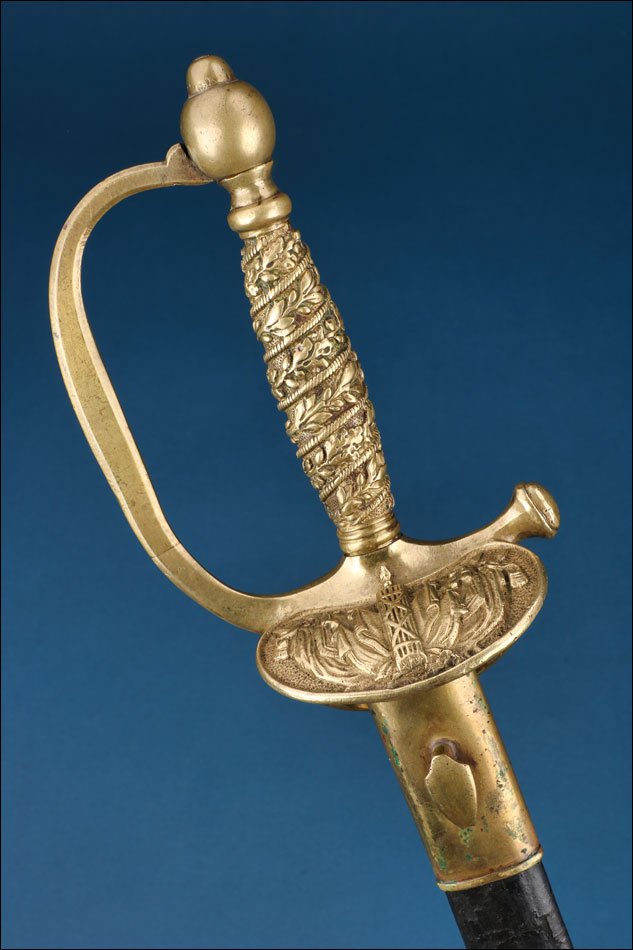
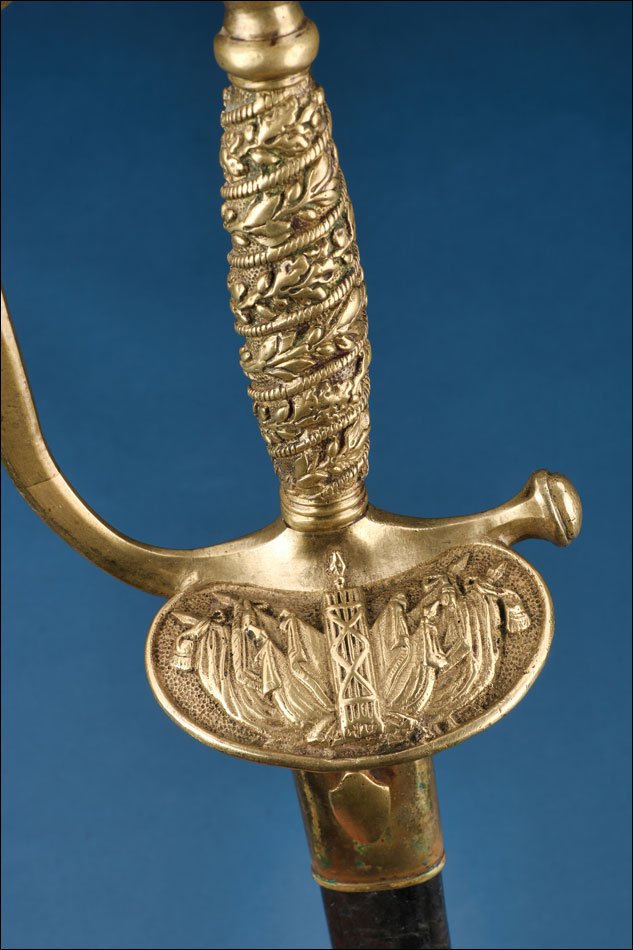
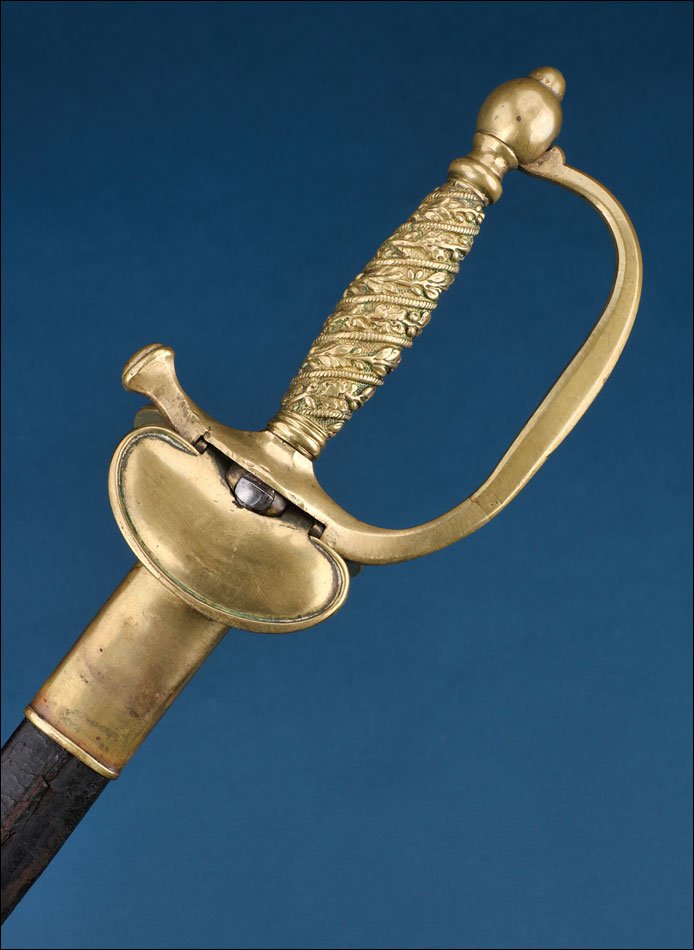
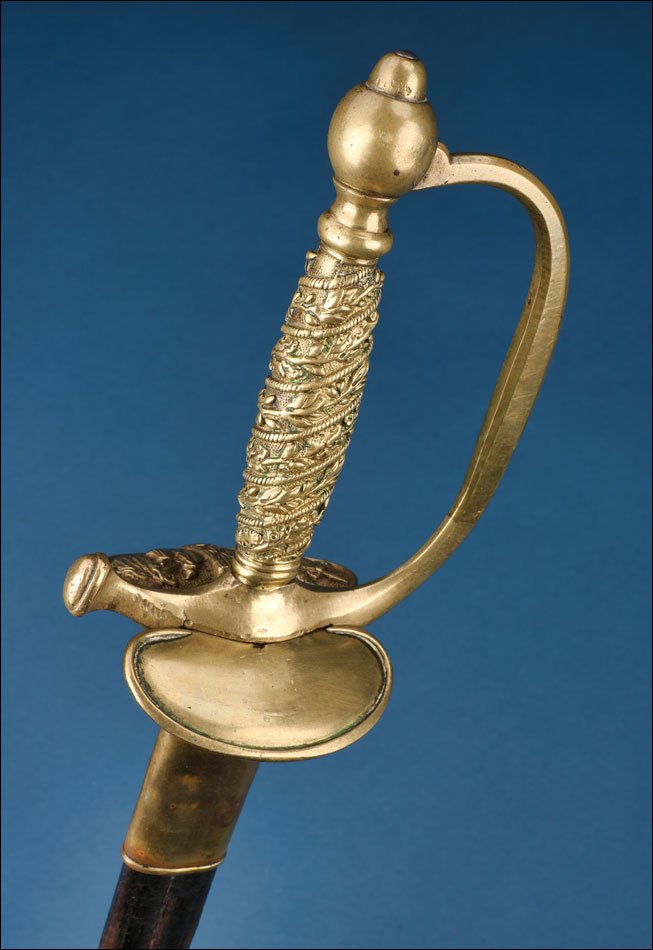
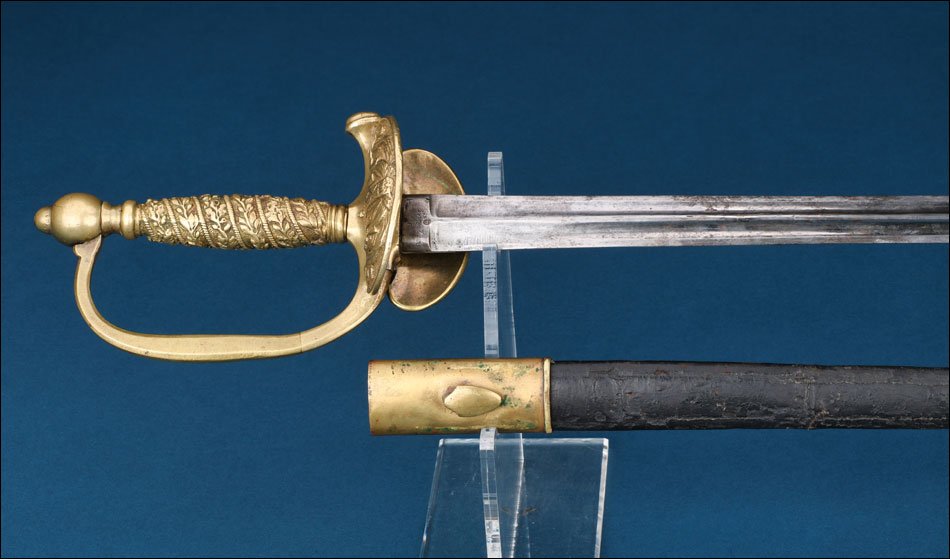
The hilt is made of bronze or brass, with a moulded grip decorated with vegetal garlands in relief, characteristic of this type of 19th-century French sword. The pommel is of the classic olive shape, sober and well proportioned. The single-branch knuckle guard offers simple yet effective protection, maintaining a clean and functional line. It incorporates a folding rear counter-clavier according to the French regulation Manceaux system, a practical feature that facilitated wear during service and confirms its actual military use.
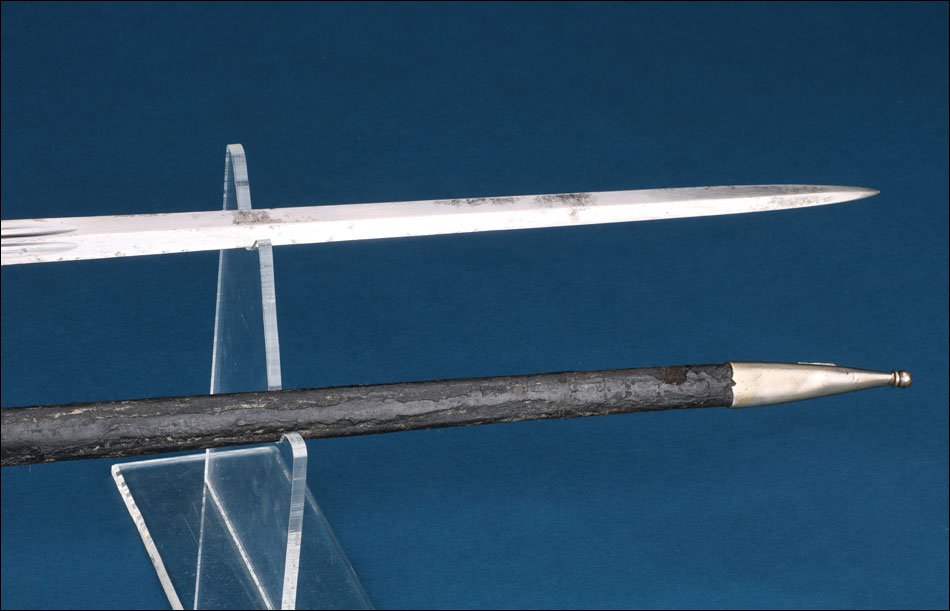
The clavier, of kidney-shaped form, displays as its central motif the fasces over crossed flags, a traditional emblem associated with French military justice. This detail is essential in identifying its function within legal or disciplinary services of the army or gendarmerie. The blade is straight, of solid section, with double fullers in the first part of its length. It remains well aligned, showing superficial wear and minor spots consistent with its age, without deformation or structural loss. The markings are legible and add documentary value to the piece.
The sword retains its original scabbard with metal mounts and the regulation leather baldric. The scabbard shows external wear with visible signs of use and ageing, while the brass mounts present a natural and homogeneous patina. The leather baldric maintains its structure, with normal signs of service use and visible stitching. The ensemble is coherent and complete, something increasingly uncommon for this type of object.
A truly beautiful and complete sword, with undeniable historical presence, difficult to find today in this condition and with all its original elements. A rare opportunity for collectors seeking authentic pieces with character.
Measurements: Overall length: 92 cm (36.22 in). Blade length: 75.5 cm (29.72 in).
History of the Military Justice Sword Model 1853
The model 1853 sword was adopted by the French army for use by branches connected with military justice and certain disciplinary roles within the gendarmerie. This type of weapon formed part of the regulation equipment of sub-officers and officers entrusted with duties related to control, order and authority within the military structure.
Although not intended as a primary battlefield weapon, it remained fully functional and effective, designed for personal defence as well as offensive use if required. Its straight, rigid and thrust-oriented design followed practical criteria typical of 19th-century military edged weapons, conceived for close combat in urban or disciplinary contexts.
Manufactured in centres such as the Manufacture d’Armes de Klingenthal, these swords reflect the high technical level achieved by the French arms industry of the period. Firms such as Coulaux & Cie played a fundamental role in regulation production, supplying weapons intended for active service within the army and the gendarmerie.
The use of emblems such as the fasces visually reinforced the judicial and disciplinary function of these swords, integrating institutional symbolism with genuine operational capability. During the period spanning from the Second Empire to the early years of the Third Republic, this model remained part of regulation equipment, gradually shifting towards more representative roles as military and policing practices evolved.
Nevertheless, these swords never lost their status as real weapons, conceived for practical use when necessary, and today constitute material testimony to military authority and institutional order in 19th-century France.
The hilt is made of bronze or brass, with a moulded grip decorated with vegetal garlands in relief, characteristic of this type of 19th-century French sword. The pommel is of the classic olive shape, sober and well proportioned. The single-branch knuckle guard offers simple yet effective protection, maintaining a clean and functional line. It incorporates a folding rear counter-clavier according to the French regulation Manceaux system, a practical feature that facilitated wear during service and confirms its actual military use.
The clavier, of kidney-shaped form, displays as its central motif the fasces over crossed flags, a traditional emblem associated with French military justice. This detail is essential in identifying its function within legal or disciplinary services of the army or gendarmerie. The blade is straight, of solid section, with double fullers in the first part of its length. It remains well aligned, showing superficial wear and minor spots consistent with its age, without deformation or structural loss. The markings are legible and add documentary value to the piece.
The sword retains its original scabbard with metal mounts and the regulation leather baldric. The scabbard shows external wear with visible signs of use and ageing, while the brass mounts present a natural and homogeneous patina. The leather baldric maintains its structure, with normal signs of service use and visible stitching. The ensemble is coherent and complete, something increasingly uncommon for this type of object.
A truly beautiful and complete sword, with undeniable historical presence, difficult to find today in this condition and with all its original elements. A rare opportunity for collectors seeking authentic pieces with character.
Measurements: Overall length: 92 cm (36.22 in). Blade length: 75.5 cm (29.72 in).
History of the Military Justice Sword Model 1853
The model 1853 sword was adopted by the French army for use by branches connected with military justice and certain disciplinary roles within the gendarmerie. This type of weapon formed part of the regulation equipment of sub-officers and officers entrusted with duties related to control, order and authority within the military structure.
Although not intended as a primary battlefield weapon, it remained fully functional and effective, designed for personal defence as well as offensive use if required. Its straight, rigid and thrust-oriented design followed practical criteria typical of 19th-century military edged weapons, conceived for close combat in urban or disciplinary contexts.
Manufactured in centres such as the Manufacture d’Armes de Klingenthal, these swords reflect the high technical level achieved by the French arms industry of the period. Firms such as Coulaux & Cie played a fundamental role in regulation production, supplying weapons intended for active service within the army and the gendarmerie.
The use of emblems such as the fasces visually reinforced the judicial and disciplinary function of these swords, integrating institutional symbolism with genuine operational capability. During the period spanning from the Second Empire to the early years of the Third Republic, this model remained part of regulation equipment, gradually shifting towards more representative roles as military and policing practices evolved.
Nevertheless, these swords never lost their status as real weapons, conceived for practical use when necessary, and today constitute material testimony to military authority and institutional order in 19th-century France.
570 €
Period: 19th century
Style: Other Style
Condition: Good condition
Length: 92 cm (36,22 in)
Reference (ID): 1738042
Availability: In stock
Print