THIS OBJECT WAS SOLD
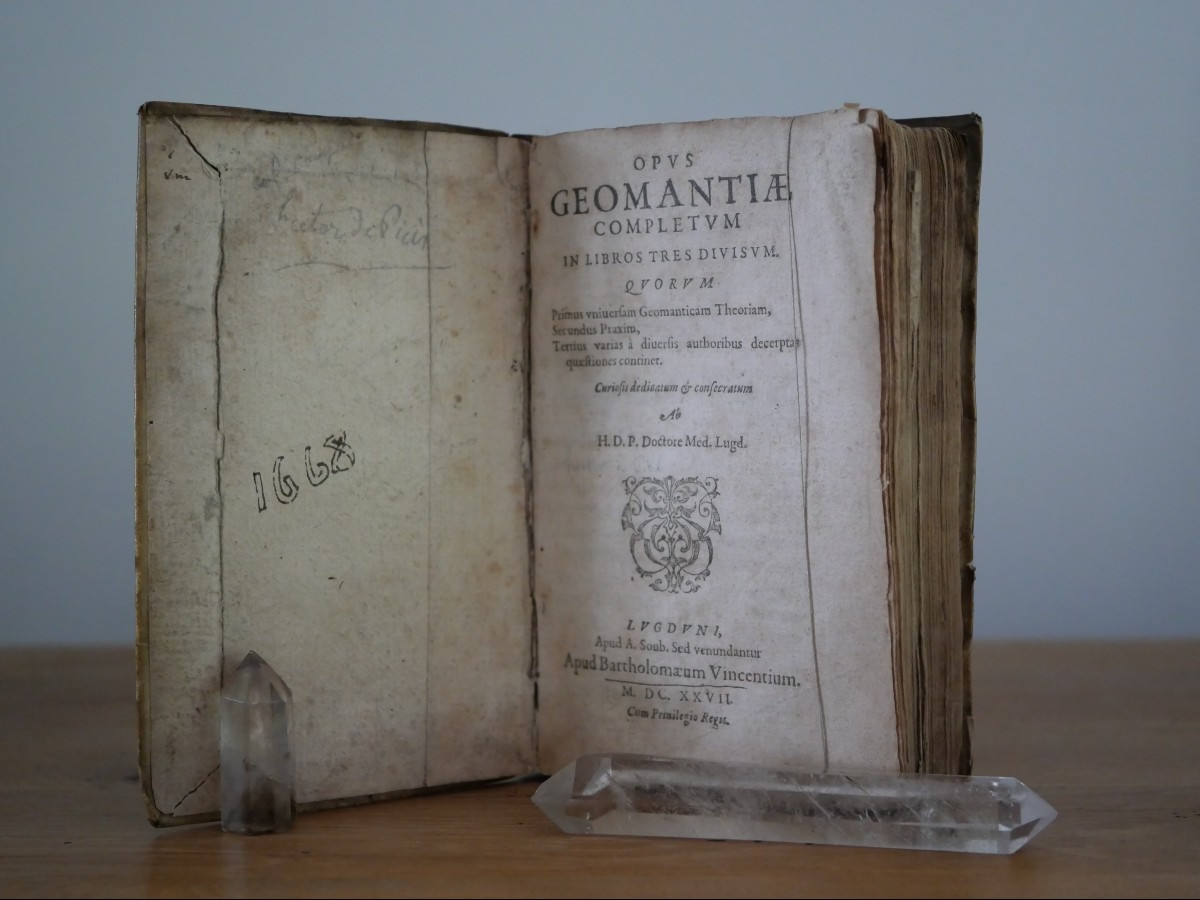
Esotericism, Geomancy, Occult Sciences - Opus Geomantiae Completum - 1627- Henricus De Picis
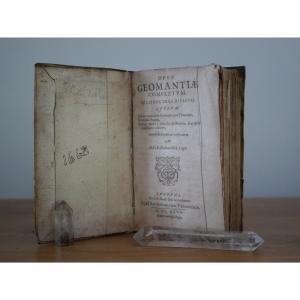


Esotericism, geomancy, occult sciences - Opus Geomantiae completum - 1627- Henricus de Picis
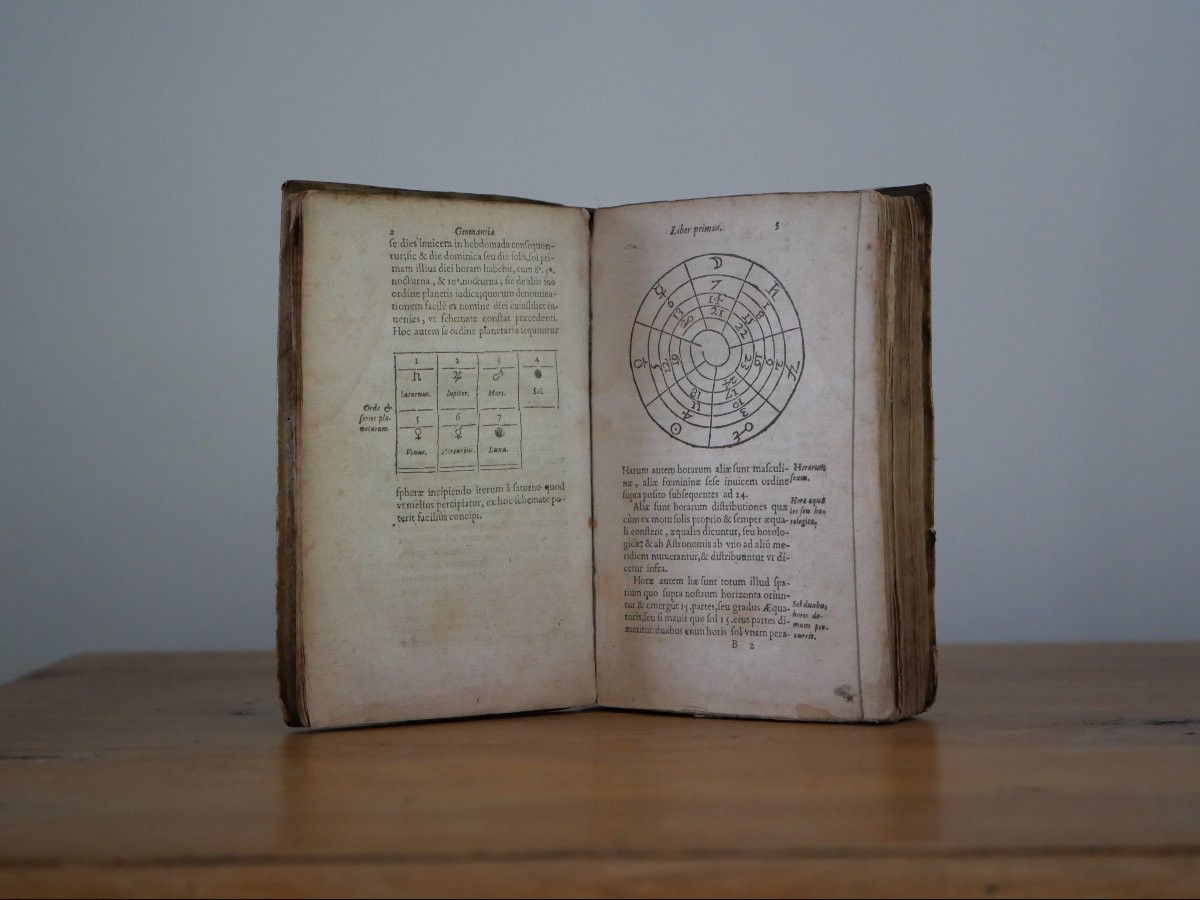
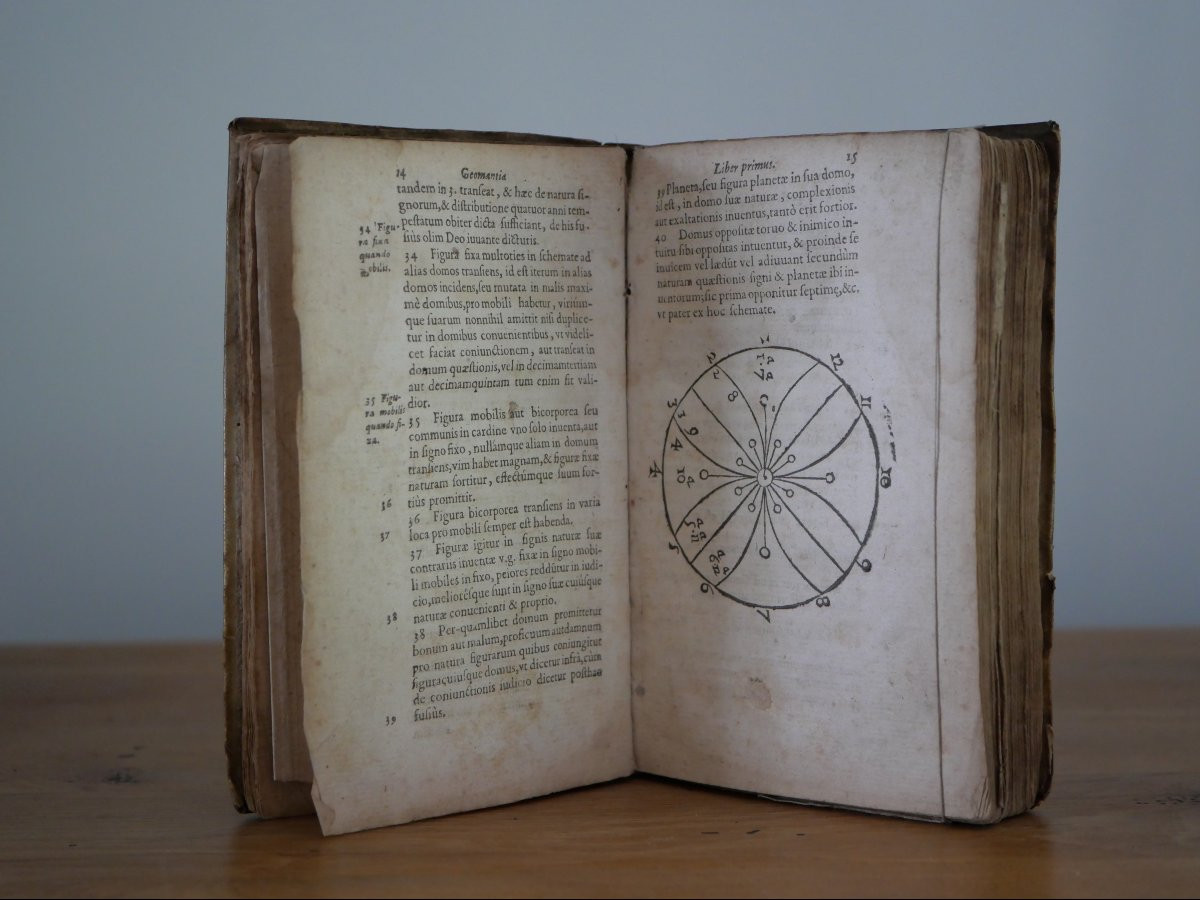
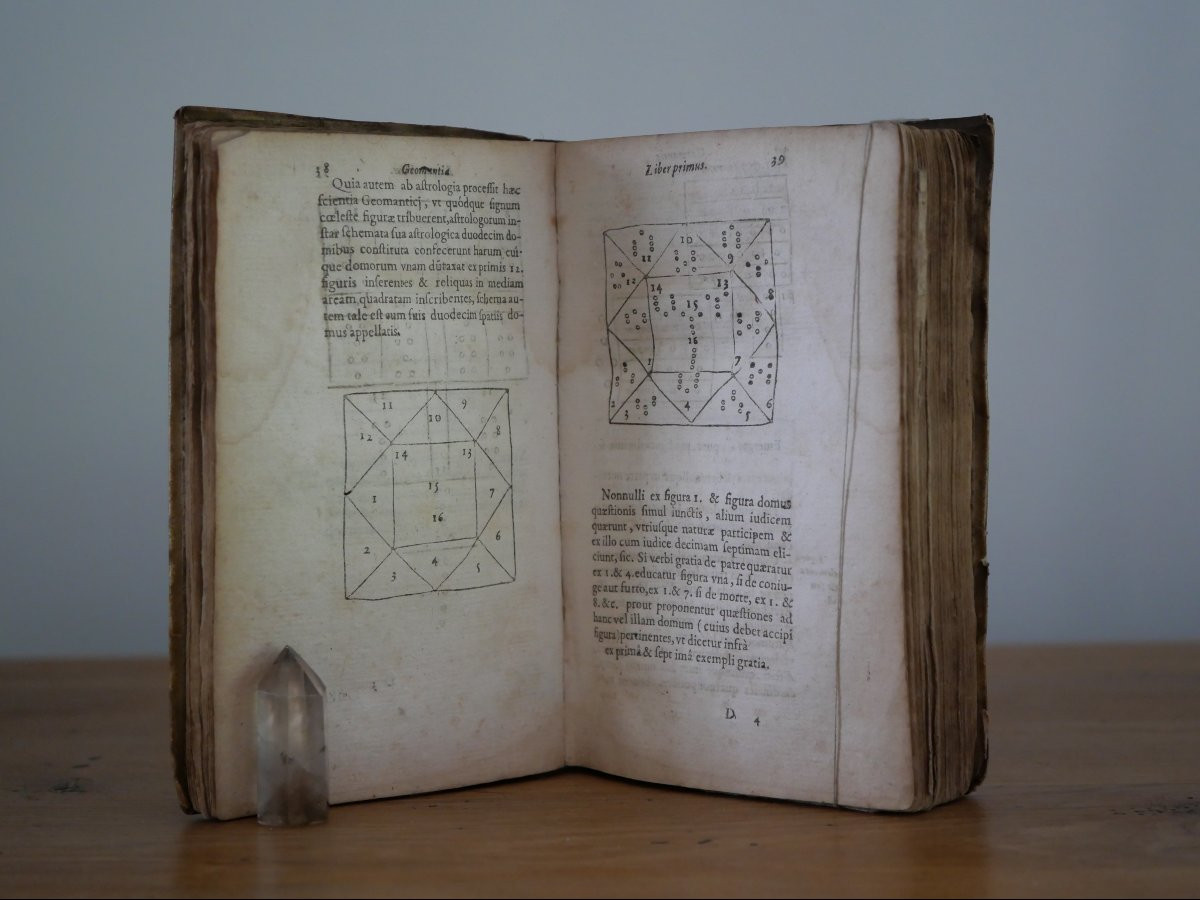
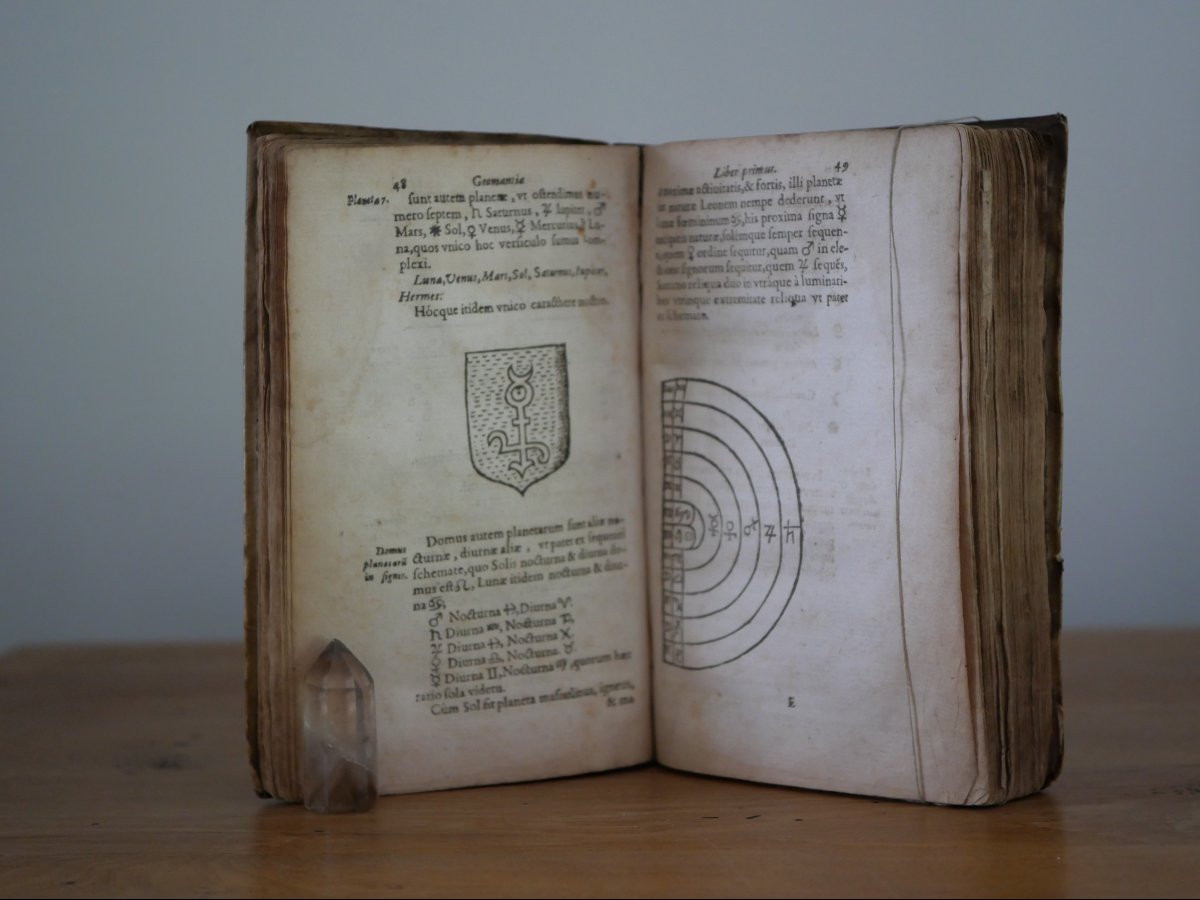
A rare and highly sought-after 17th-century esoteric work: Opus Geomantiae completum in libros tres divisum, by Henricus de Picis (HDP), physician and learned scholar active in Lyon during the first half of the 17th century.
This is the second edition (1627), printed in Lyon by Antoine Soubron, following the first edition of 1625. The work was issued in only four editions in total (1625, 1627, 1637, and 1638), underscoring its scarcity.
Written in Latin, this major treatise is devoted to geomancy, an ancient divinatory art consisting in interpreting figures formed by casting sand or earth. This practice, rooted in Arabic, classical, and medieval traditions, belongs to a broader group of divinatory sciences often condemned in their time, such as chiromancy, pyromancy, and necromancy.
The work is structured in three books:
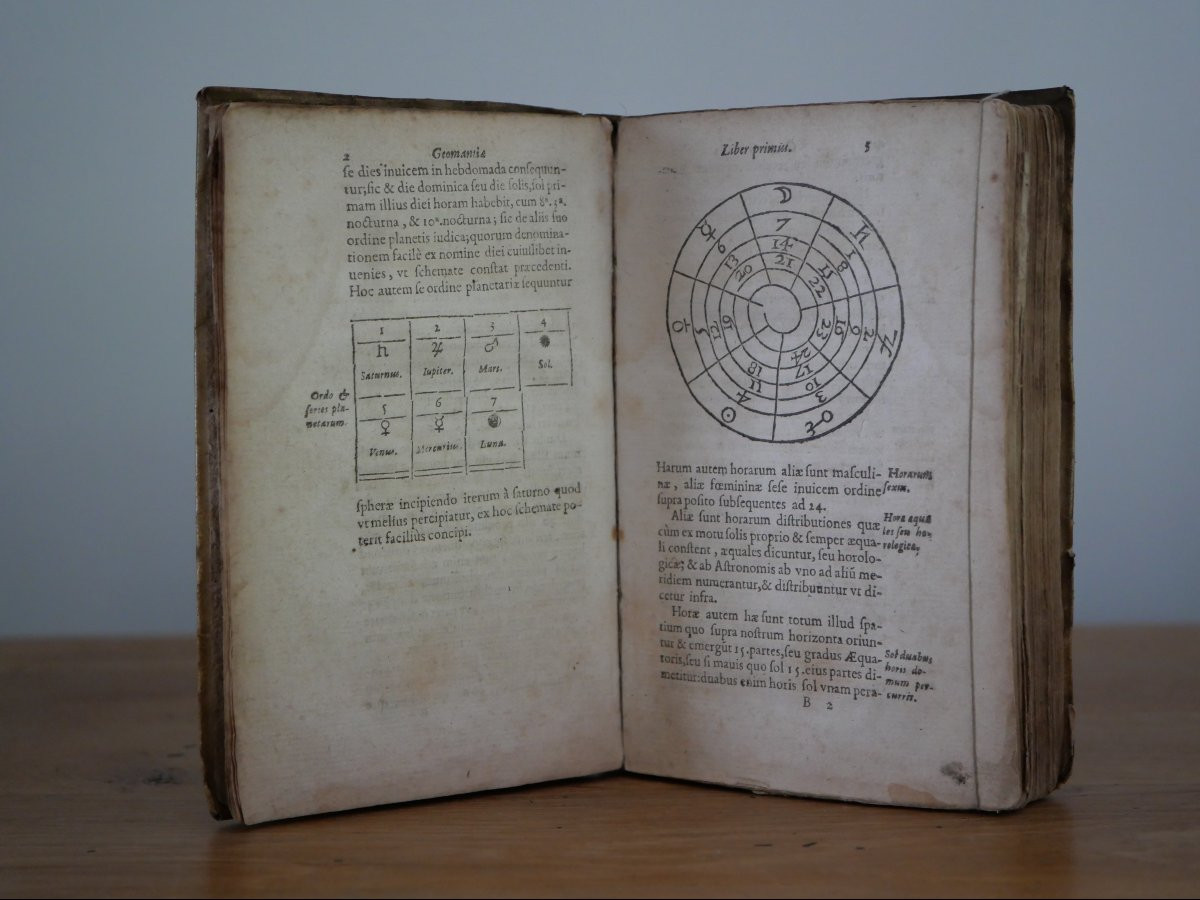
- The first presents the theoretical foundations of geomancy and its connections with astrology.
- The second develops the practical aspects, including the formation and interpretation of geomantic figures.
- The third gathers questions, judgments, and case studies drawn from scholarly tradition.
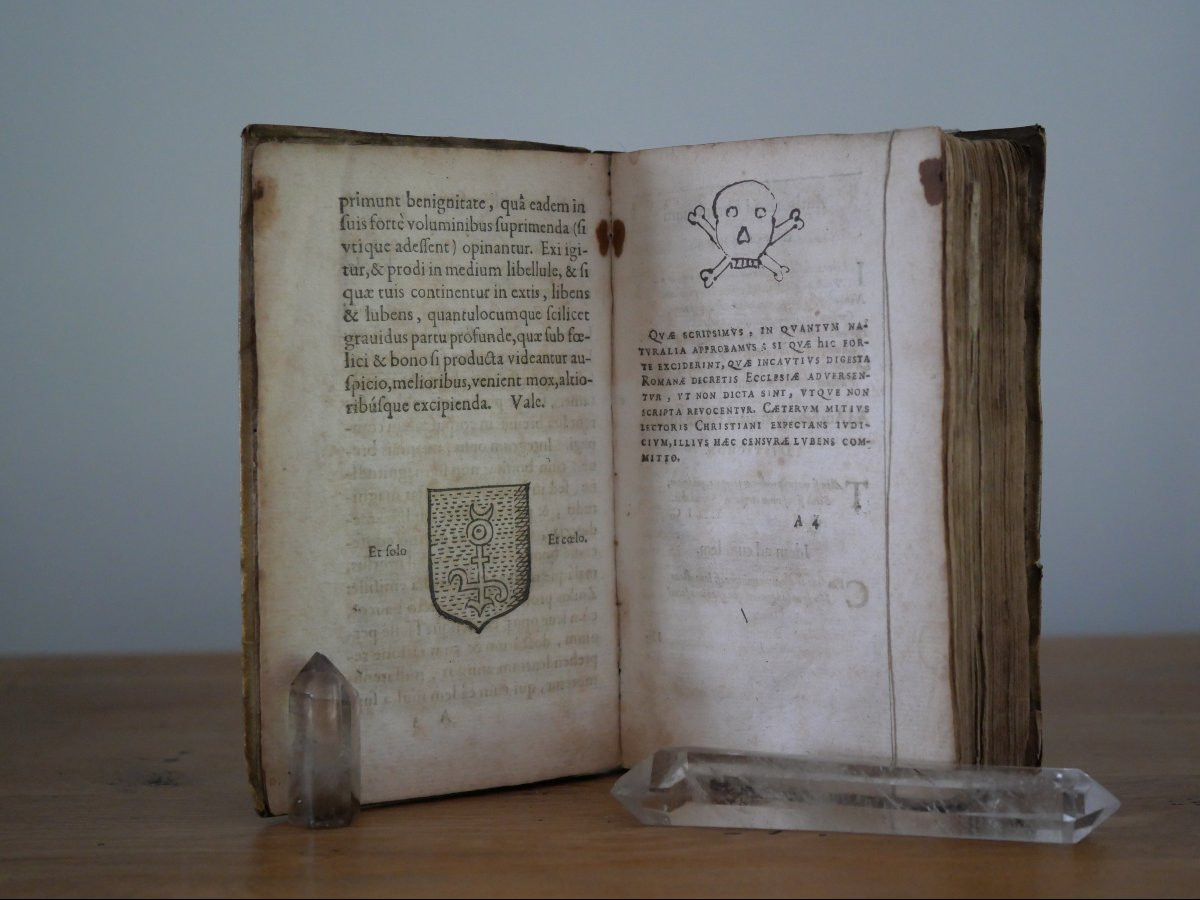
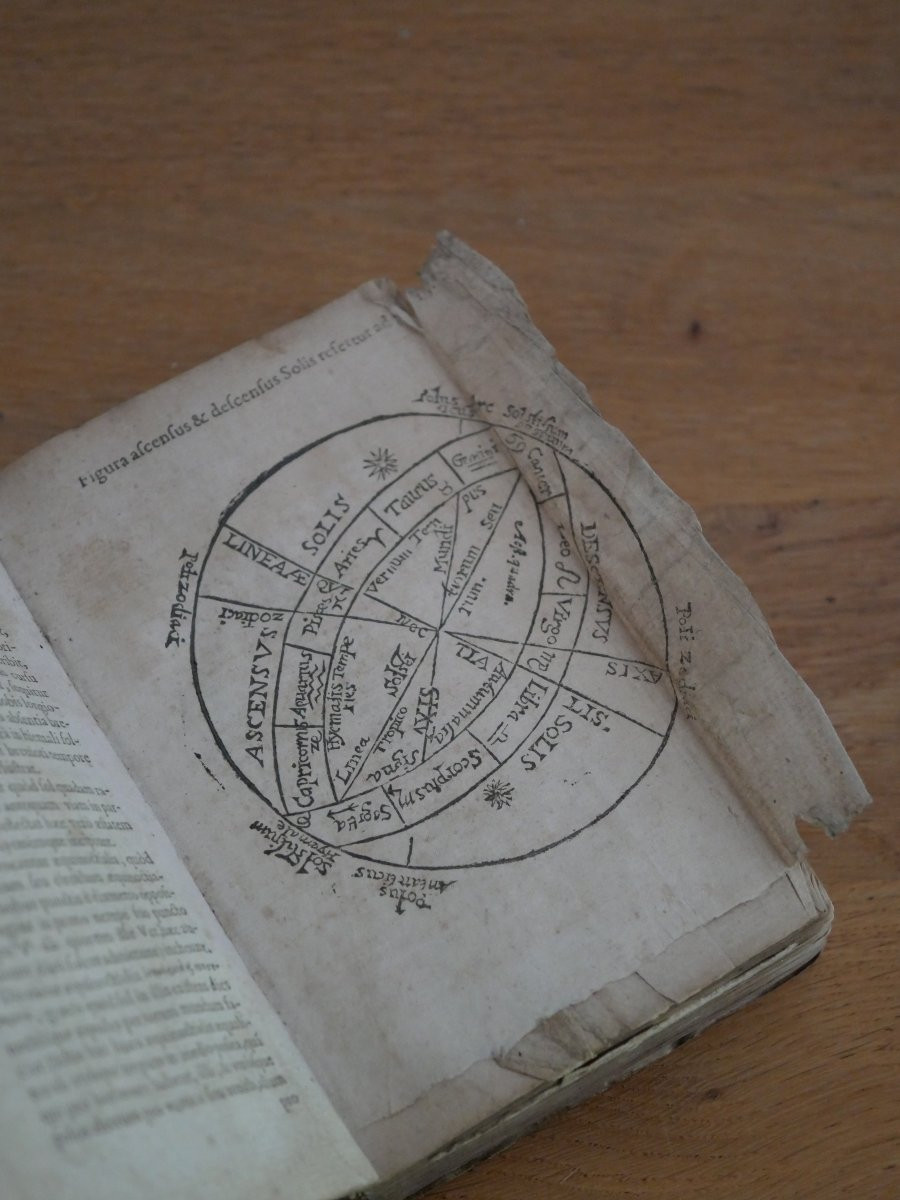
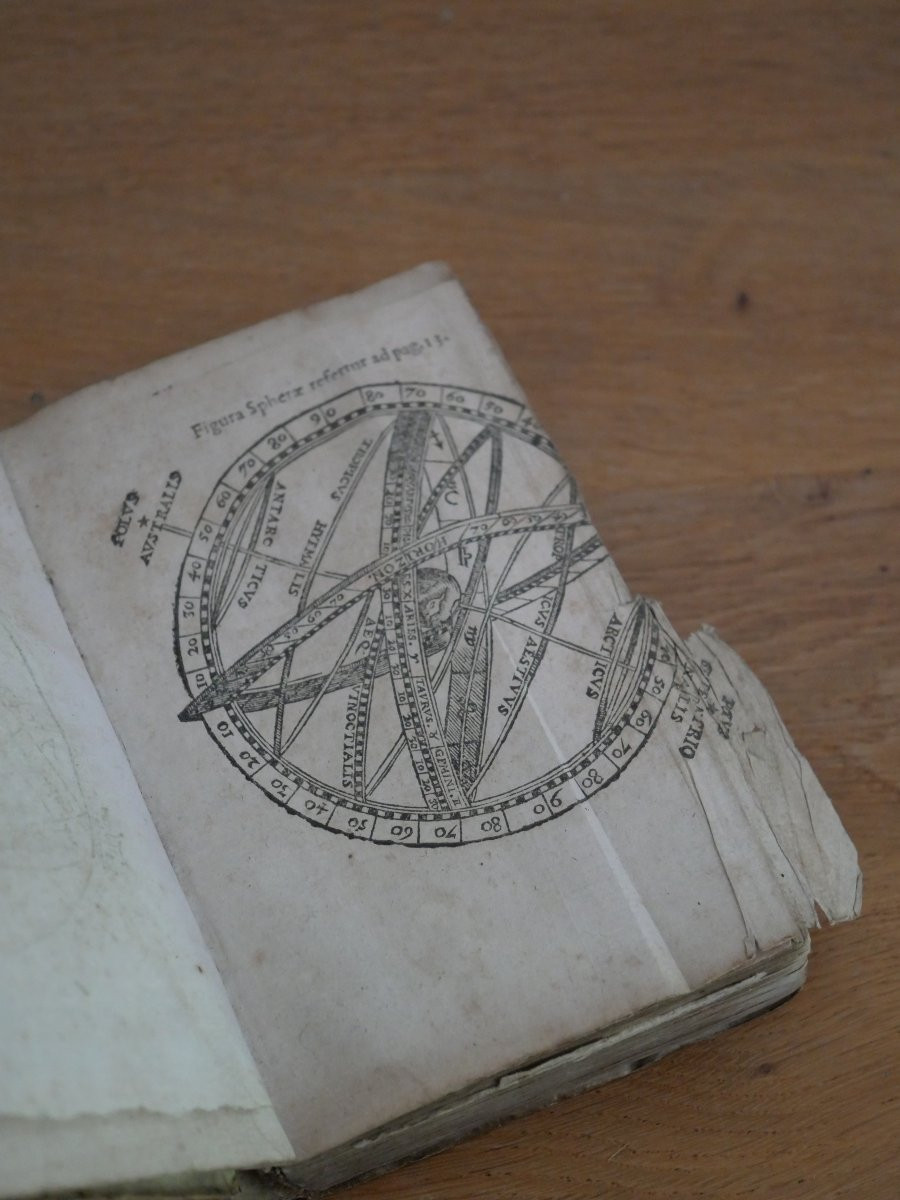
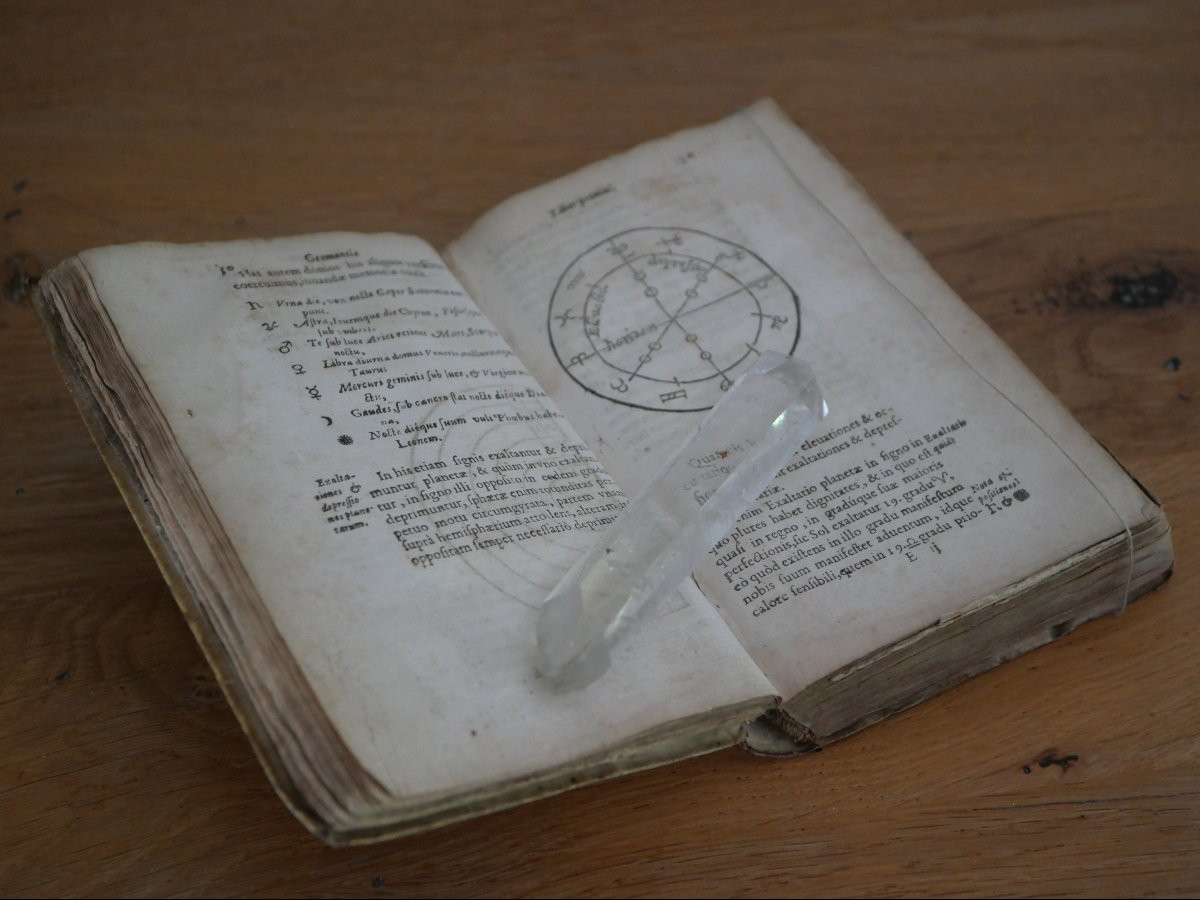
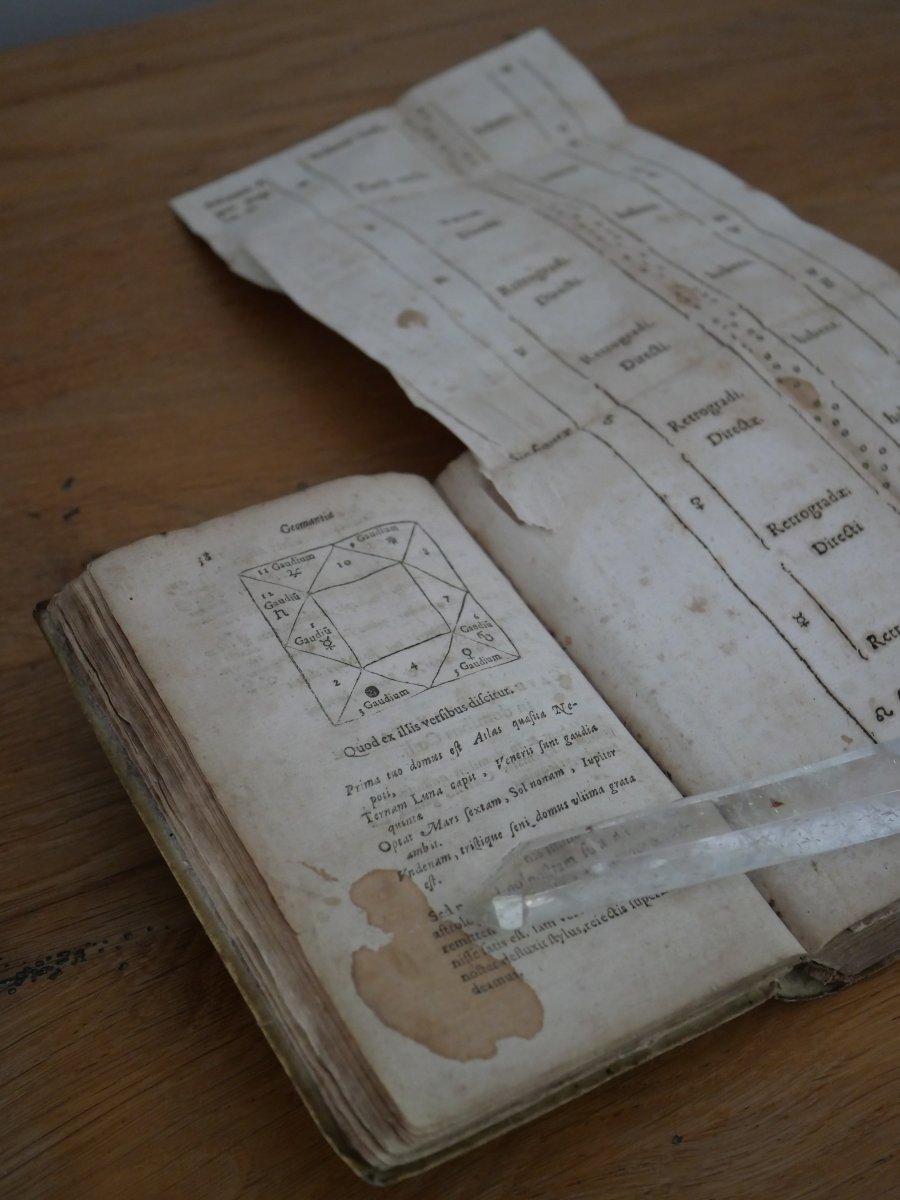
The text is richly illustrated with numerous woodcuts, along with folding plates and tables, enhancing its practical and pedagogical value. The book also features a vain drawing depicting a skull.
This treatise stands as a remarkable testimony to 17th-century esoteric thought, at the crossroads of science, magic, and astrology. The author draws on a wide range of sources, citing figures such as Robert Fludd, Arabic authors like Geber and Aomar, as well as medieval and Renaissance scholars including Gerard of Cremona, Pietro d’Abano, and Cocles.
Exceptional rarity:
This 1627 edition is recorded in only three French public collections (Paris BIUM, BnF Arsenal, and the municipal library of Bourg-en-Bresse). Across all editions, fewer than ten copies are known in French institutions.
The work is notably absent from major bibliographical references, including:
- Bibliotheca Esoterica by Dorbon-Aîné (1940)
- Albert L. Caillet’s bibliographical manual of occult sciences (1912)
- Alexis Ouvaroff’s catalogue (Sciences secrètes, 1870)
Physical description:
- Format: in-12 (11.4 × 18 cm)
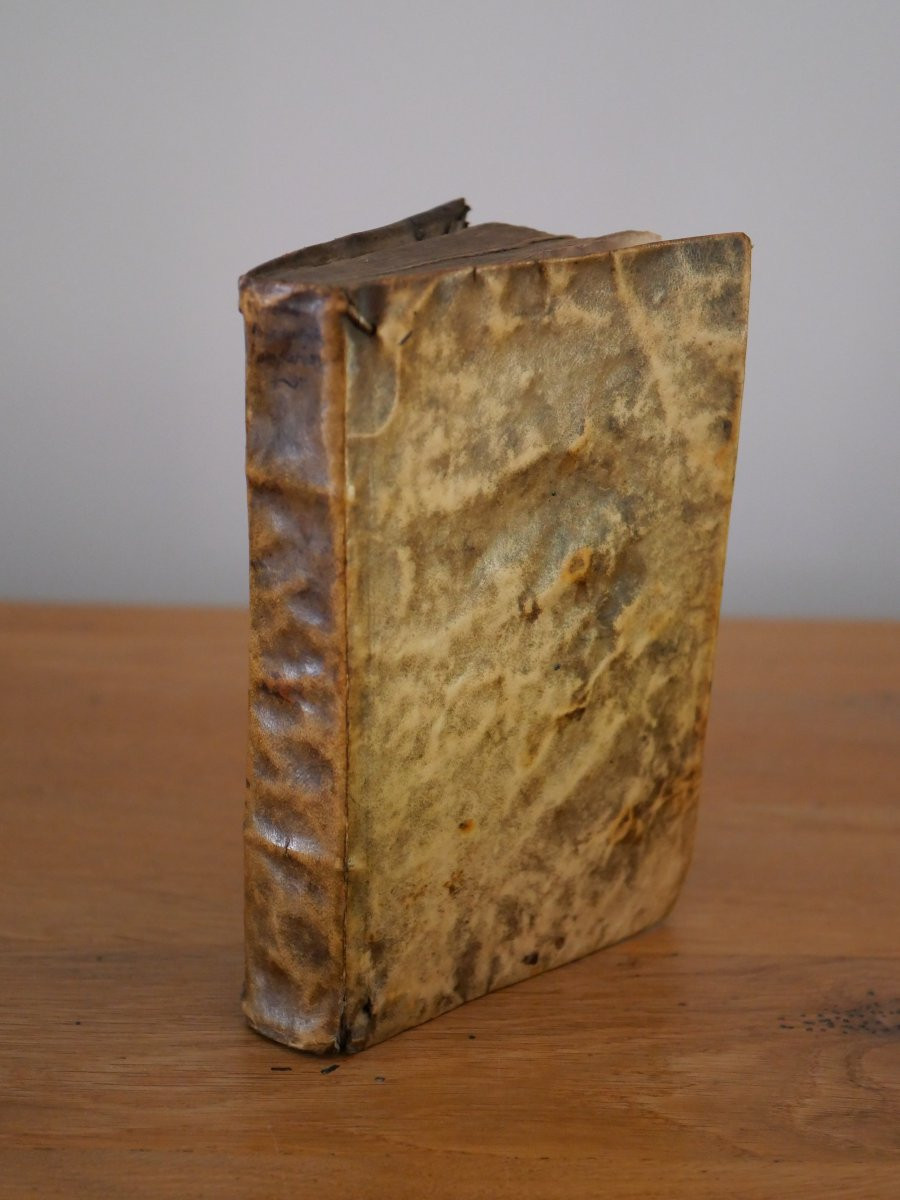
- Contemporary pigskin binding
- Complete copy
- Condition: fair, with water staining and signs of use, consistent with a working and studied historical volume
This copy has been appraised by the Cédric & Ithier de Fougerolle expertise office (Paris) and was presented at Drouot.
A rare and authentic witness to the European geomantic tradition, intended for collectors of early books, esotericism, and the history of occult sciences.
Explore similar pieces and discover your ideal find:
Old Books

![[burgundy] - [(bernard De La Monnoye))] - Noei Borguignon By Gui Barozai. Around 1800.](https://www.proantic.com/galerie/librairie-alphabets/img/small/1596414-main-6890ffa4c8185.jpg)