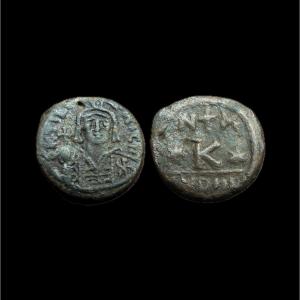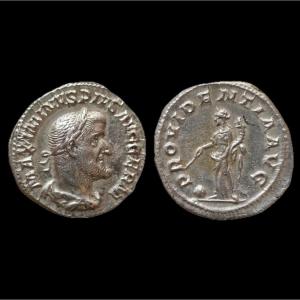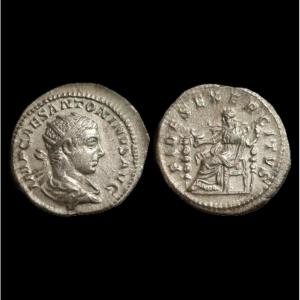


Vespasian Denarius “pontifex Maximus” — Certificate Of Authenticity
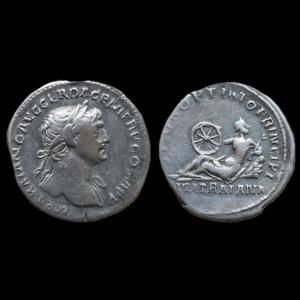
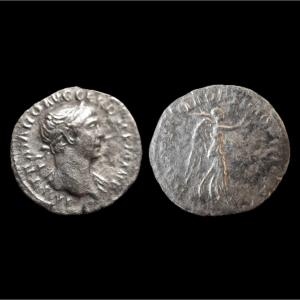
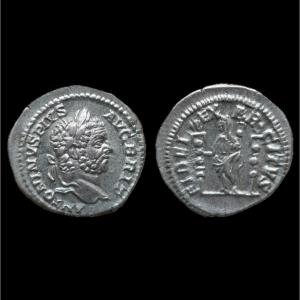
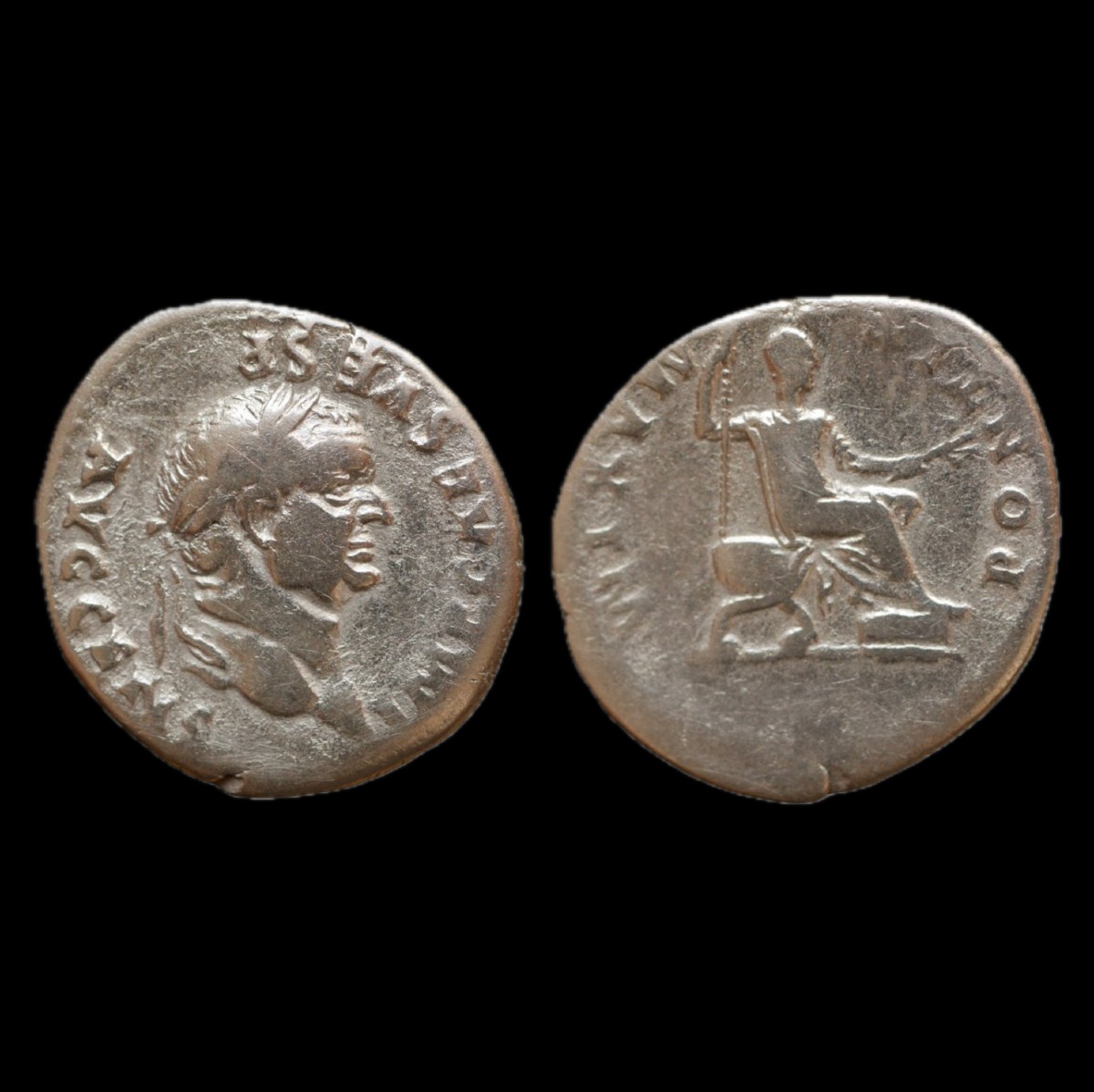
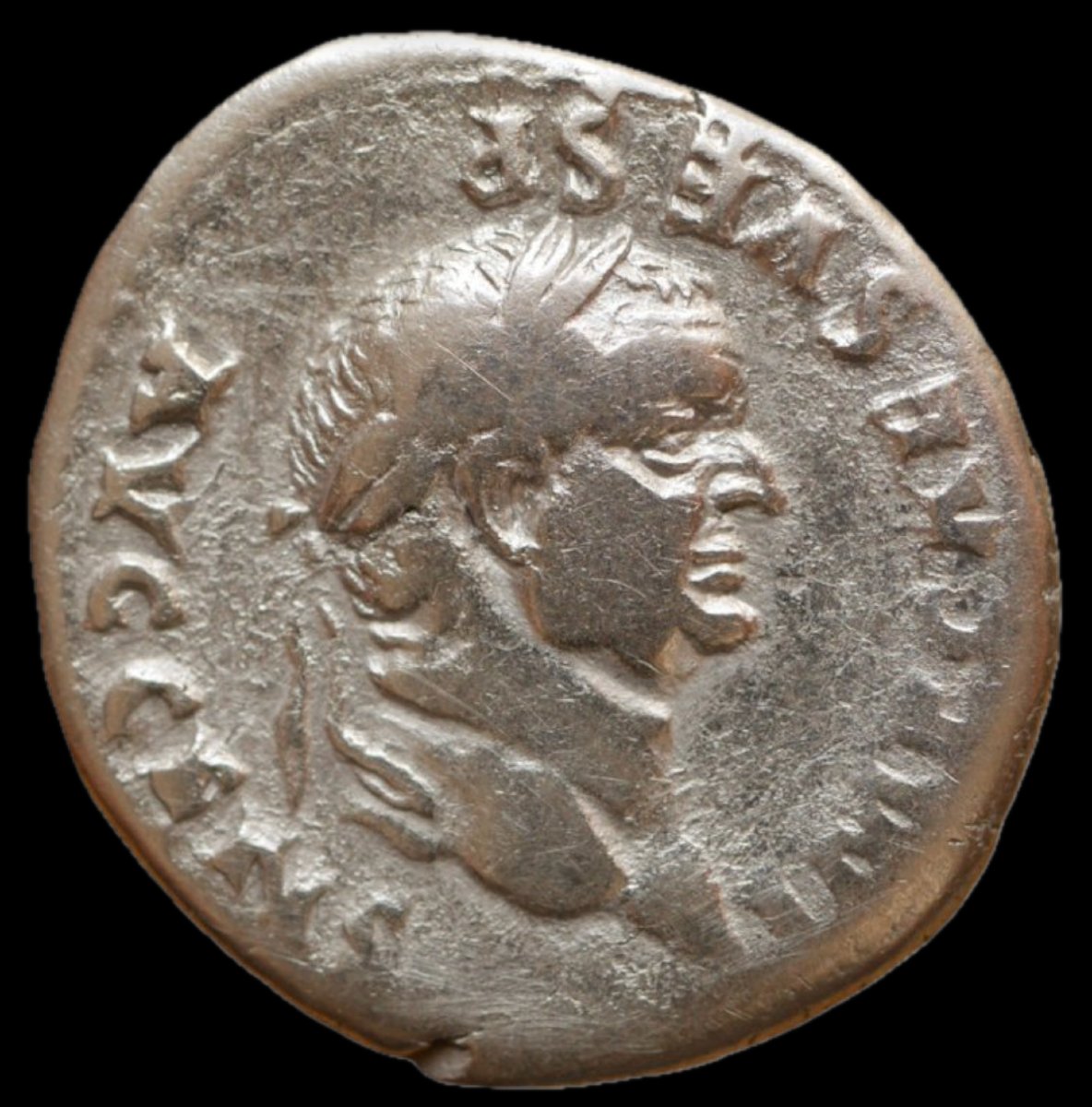
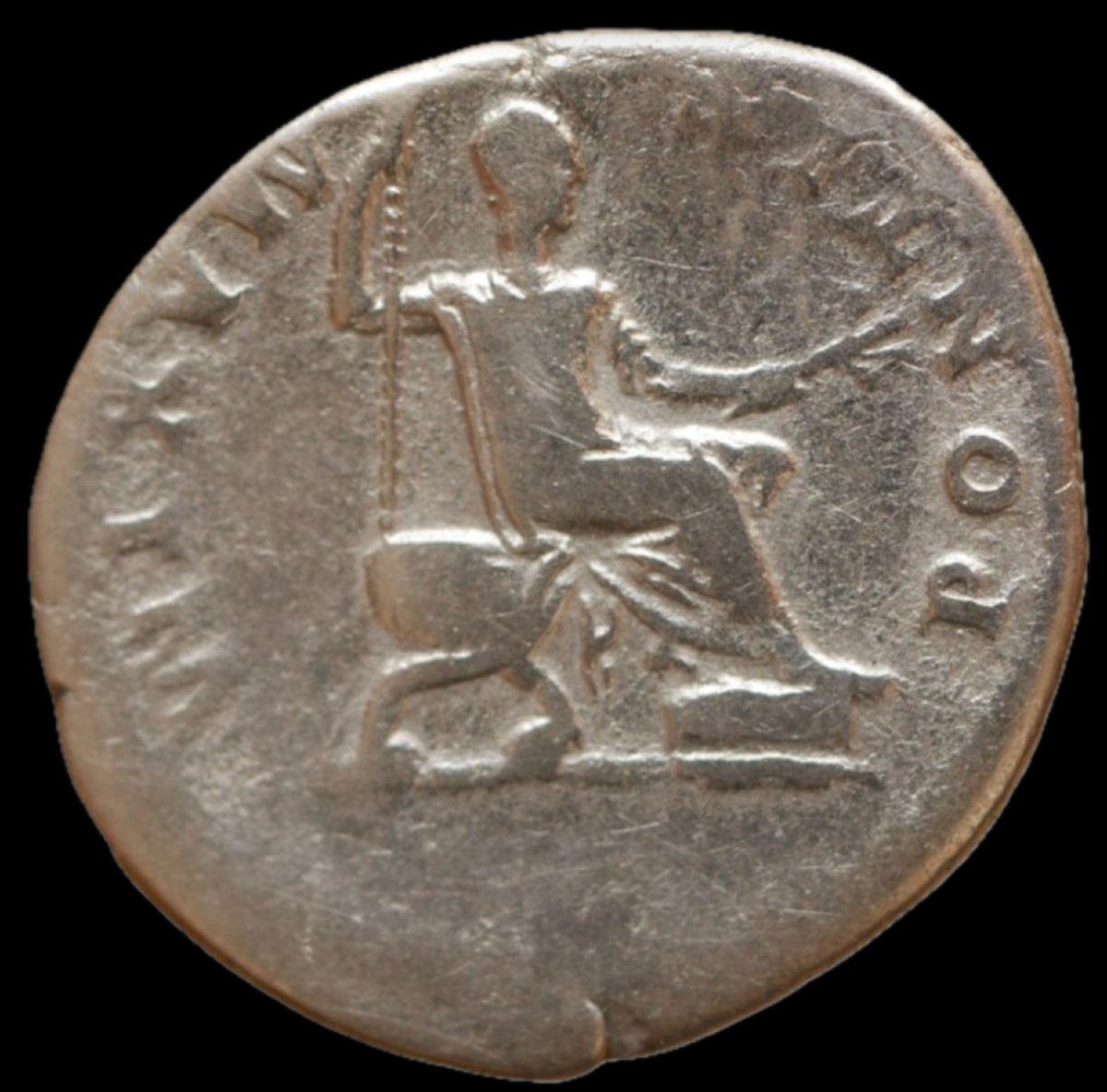
A silver denarius of Vespasian, struck at Rome in AD 73, whose appeal to the collector lies in a distinctly “Flavian” combination of institutional sobriety and clear legibility: the obverse asserts the titulature IMP CAES VESP AVG CENS around a laureate portrait right, while the reverse, under PONTIF MAXIM, presents the emperor draped in a toga, seated right on a curule chair, holding scepter and branch—an iconography firmly established in the major repertories as RIC II.1 546 / BMCRE 98 / RSC 387.
Careful observation under ×10 magnification and raking light: the specimen shows a well-defined rim and a regular peripheral beading, an overall crisp strike with slight flan tightening in certain marginal areas where the legend approaches the edge without losing readability, a portrait whose forehead, nose, and jaw volumes remain clearly structured, and, on the reverse, a seated scene in which the curule chair, the togaed posture, as well as the verticality of the scepter and the presence of the branch are clearly distinguishable—elements that anchor the identification in markers that are both observable and typologically concordant.
SpecificationsAuthority: Vespasian (AD 69–79).
Mint / date: Rome, AD 73.
Denomination / metal: Denarius, silver (AR).
Weight / diameter: 3.05 g; 20 mm (as stated), consistent with comparable specimens described in sale archives for this type.
Obverse (reading and type): IMP CAES VESP AVG CENS, laureate head right.
Reverse (reading and type): PONTIF MAXIM, emperor seated right on a curule chair, holding scepter and branch.
State of preservation (surface observations): even, pleasing grey-silver toning, with occasional superficial circulation marks compatible with the normal history of a cabinet denarius, while the decisive reliefs—laurel wreath, profile, titulature, curule chair, scepter, and branch—retain stable and immediately satisfying readability.
Historical contextThe pairing of CENS on the obverse and PONTIF MAXIM on the reverse gives this issue a particularly clear institutional coloration, since it stages—through the titles themselves and through the emperor’s togaed, curule-seated posture—the civic and religious authority of Vespasian, at the moment when the Flavian regime consolidated its legitimacy after the upheavals of 69 by favoring images of magistracy, stability, and public order.
Cultural valueWithin a collection, this denarius serves as a “pivot piece,” because it unites one of the most recognizable portraits of Vespasian with a civic representation reverse that is both spare and expressive, whose strength lies less in decorative effect than in the clarity of its message—making it a highly appreciated choice for illustrating the construction of Flavian authority through official monetary iconography.
Traceability & guaranteesThe provenance is European, from an established numismatic dealer, and the acquisition was made through a specialized international transaction, conducted within a recognized numismatic network and validated to the highest standards of the art and heritage market; the attribution is established by direct concordance with RIC II.1 546 / BMCRE 98 / RSC 387, references consistently cited in specialized catalogues and sale archives.
Each specimen is examined, described, and accompanied by a certificate of authenticity consistent with the standards of the art and heritage market, this notice being deliberately anchored to observable elements and consultable reference works so that the collector’s confidence rests on a verifiable documentary basis.
Period: 16th century
Style: Rome and Antic Greece
Condition: Good condition
Reference (ID): 1721407
Availability: In stock