

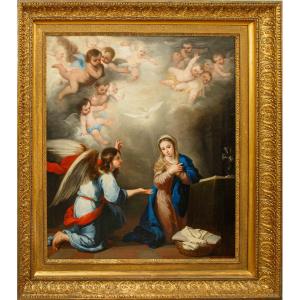


"Workshop Of Bartolomé Esteban Murillo (seville, 1617 - 1682), Annunciation"
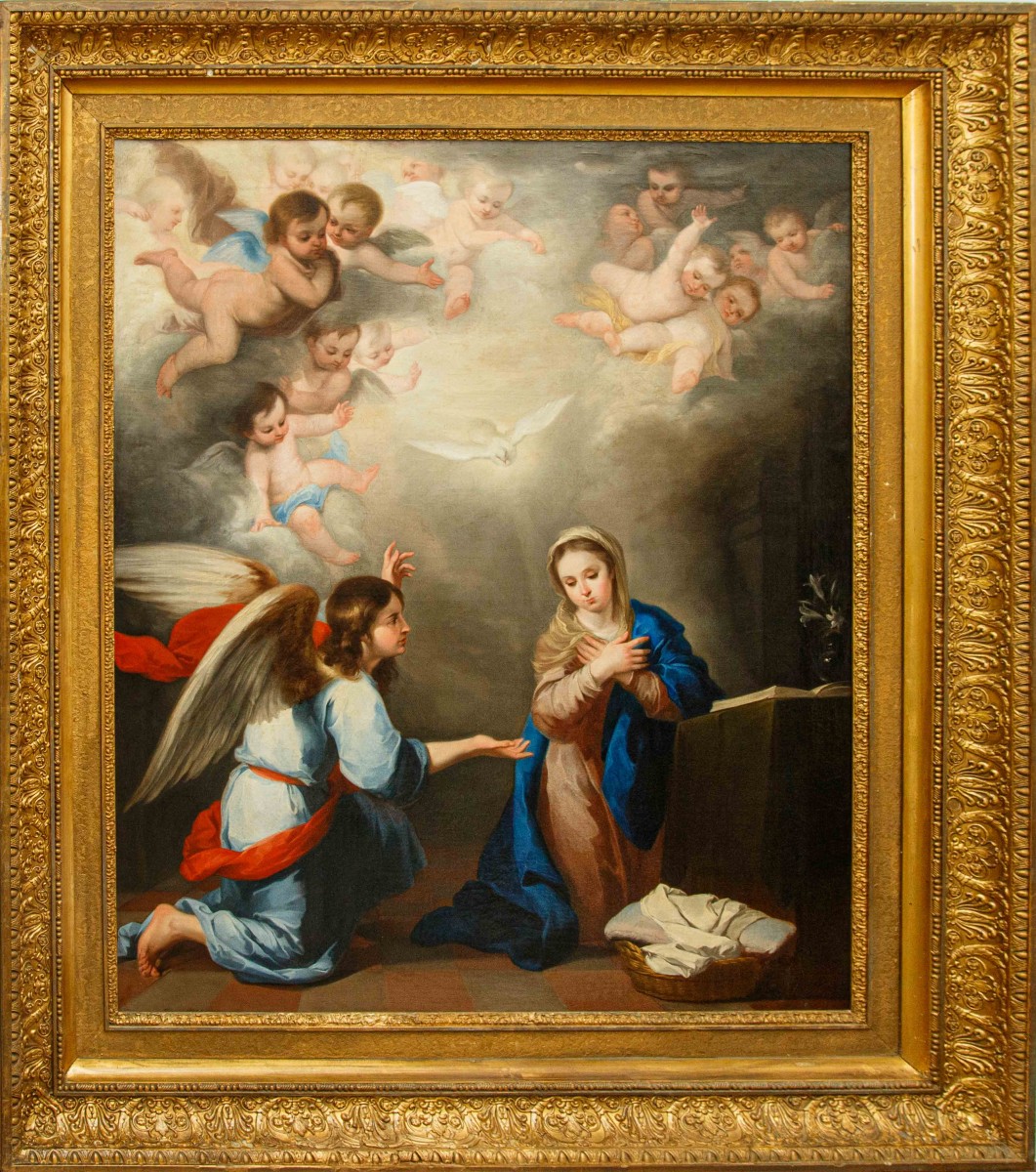
Workshop of Bartolomé Esteban Murillo (Seville, 1617 - 1682)Annunciation
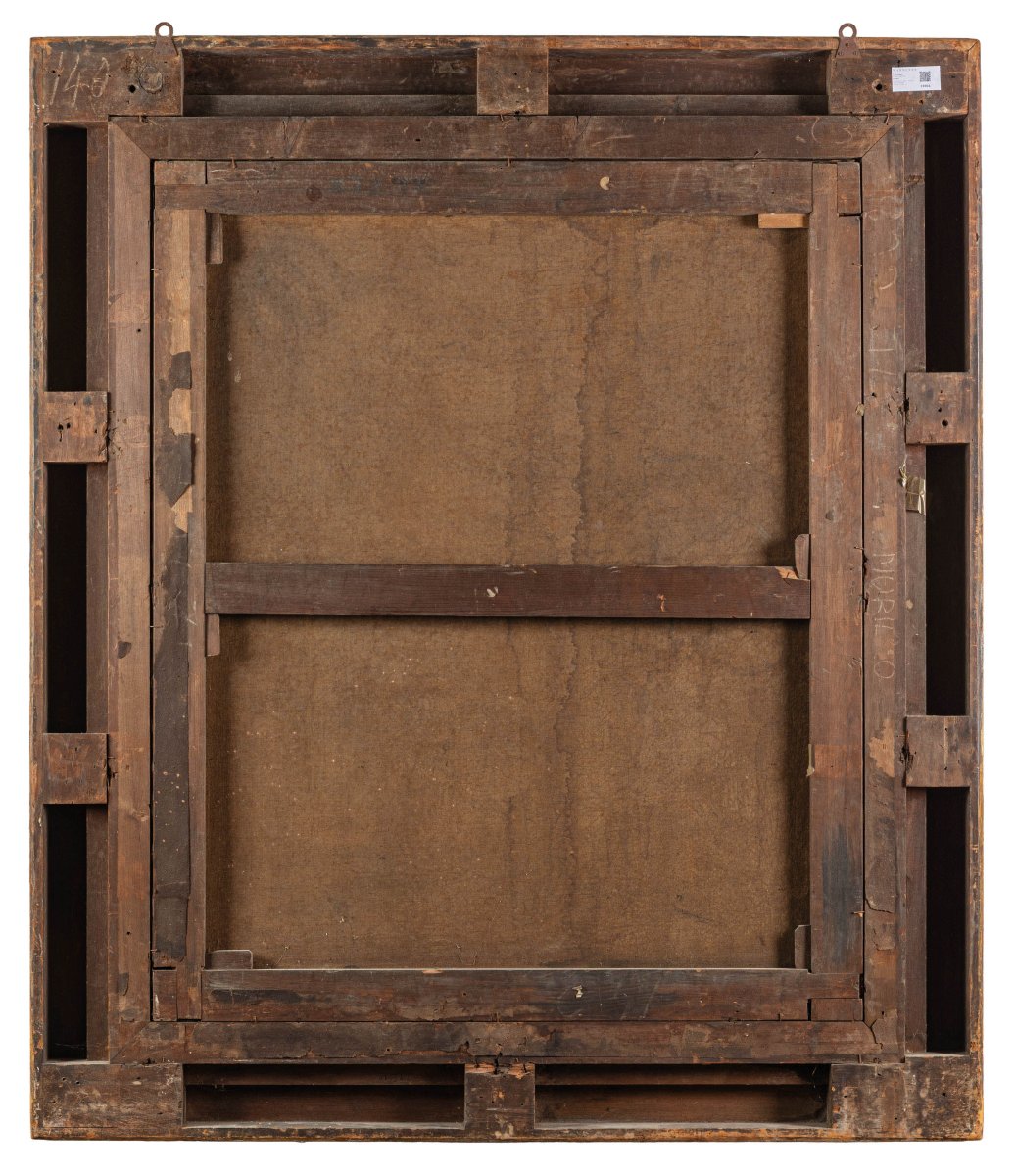
Oil on canvas, 126 X 104 cm
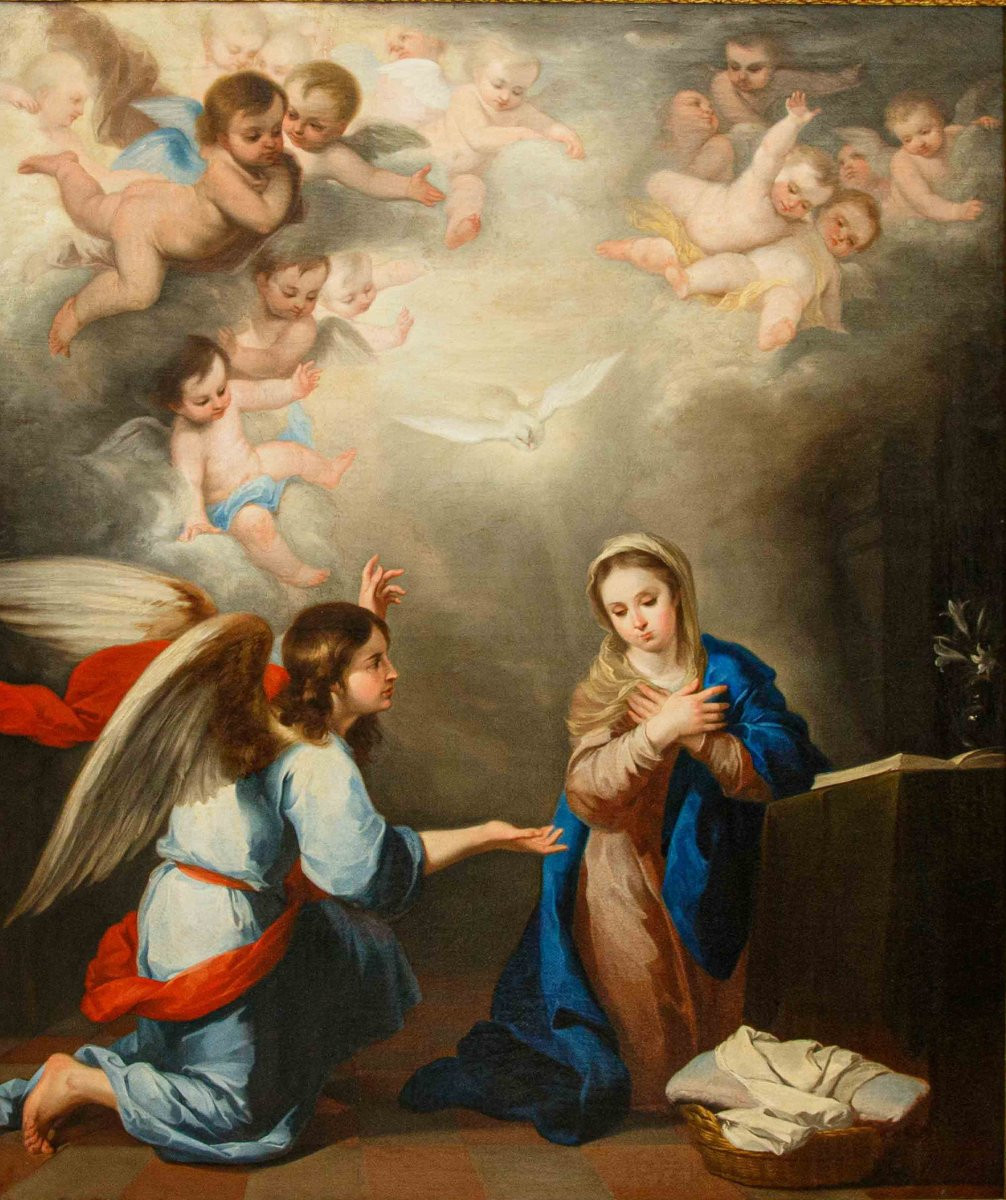
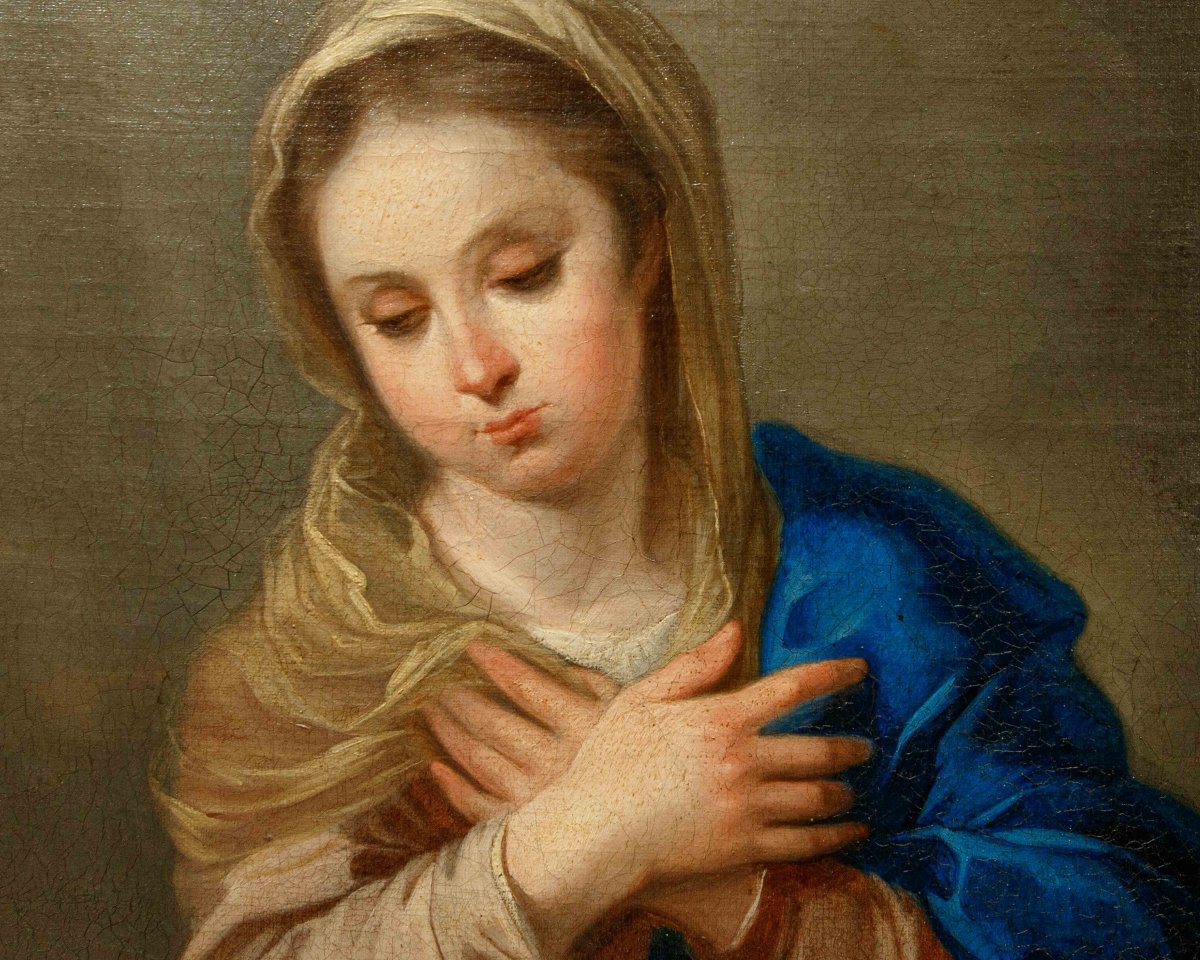
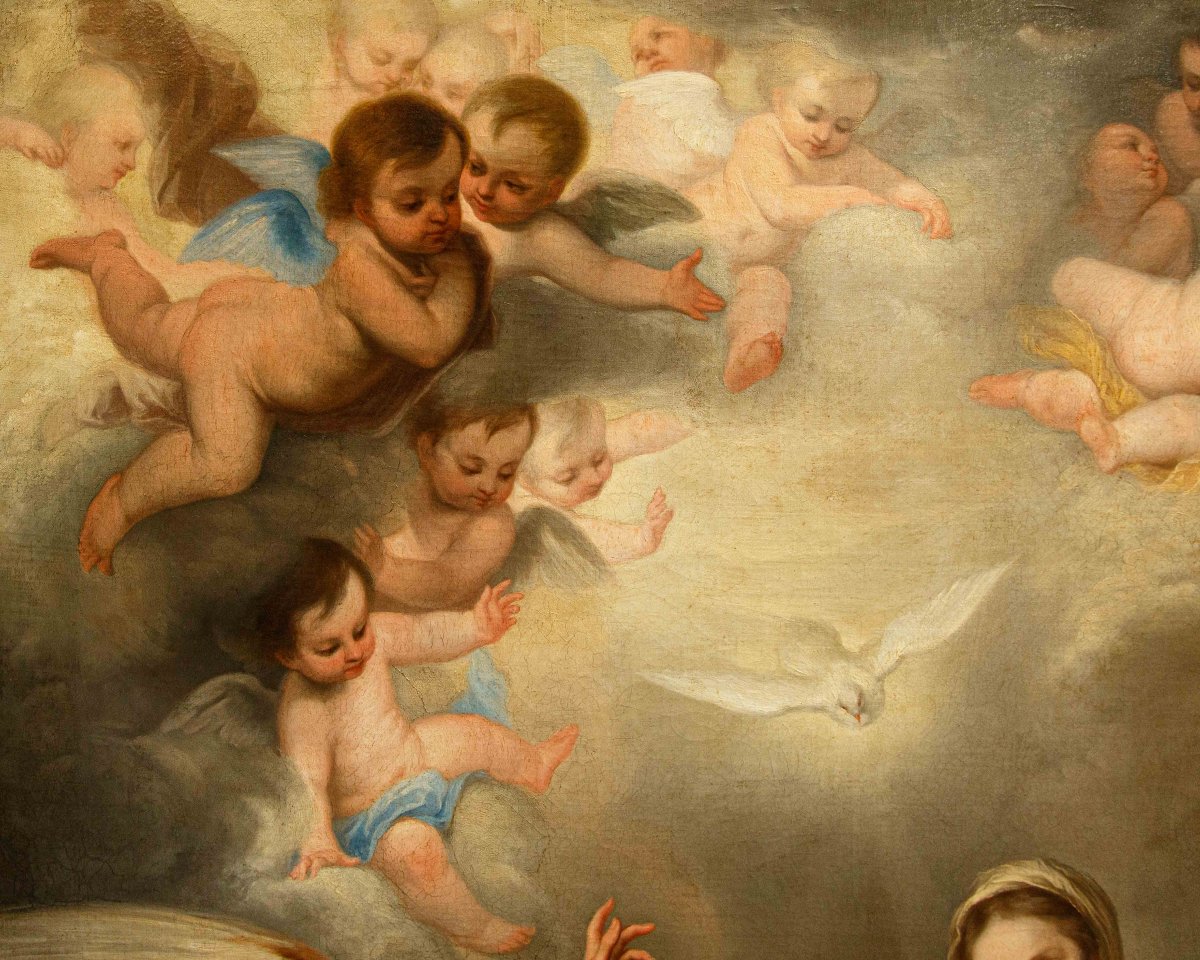
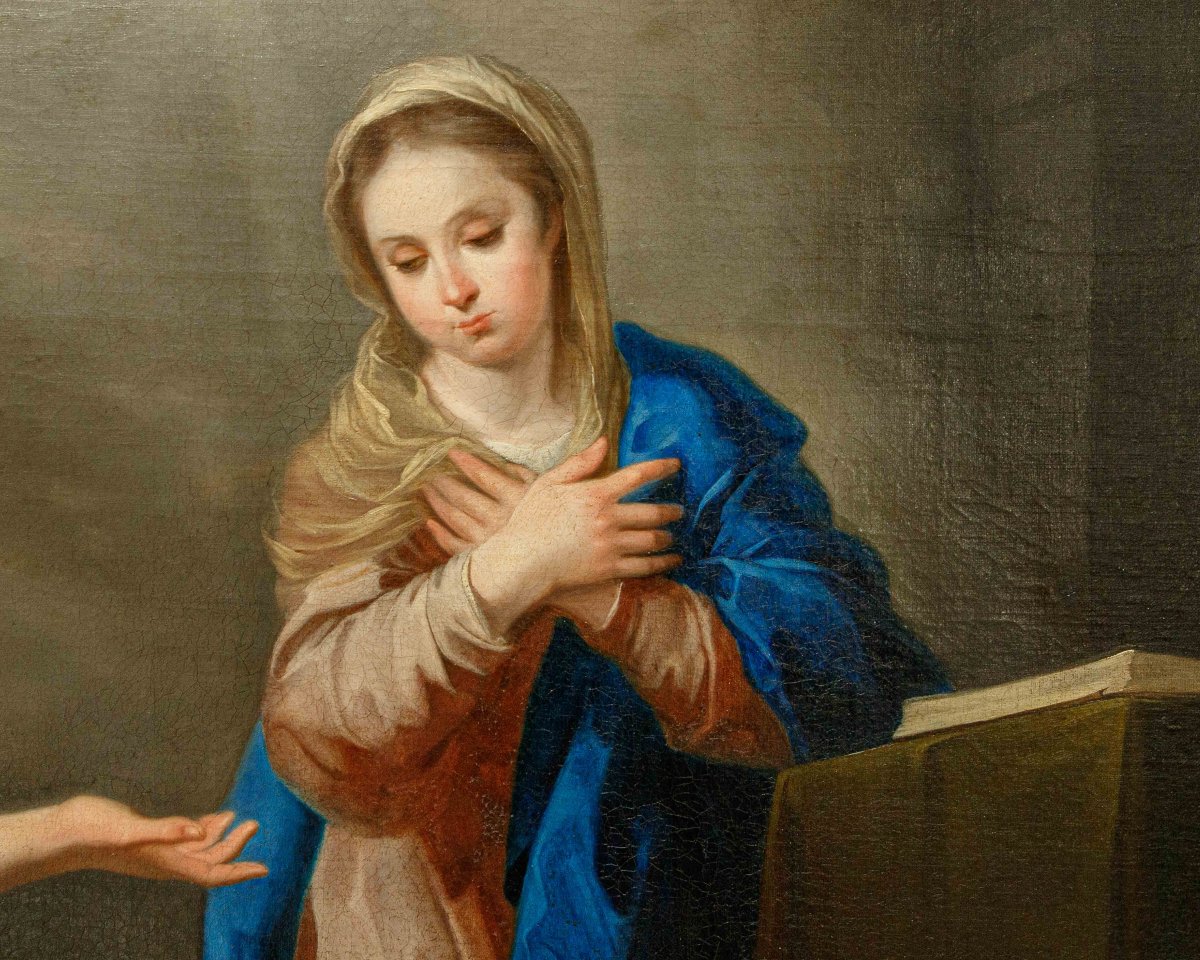
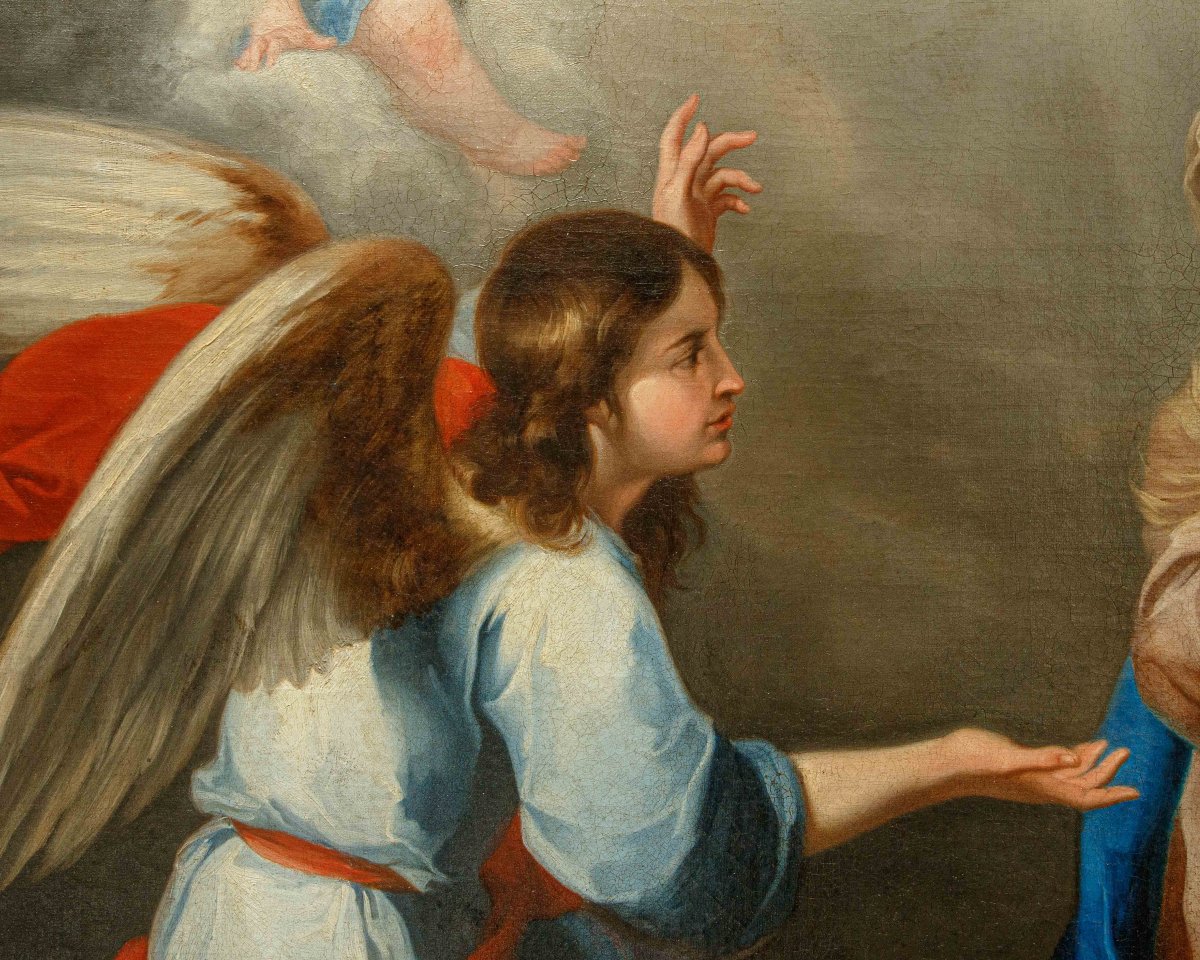
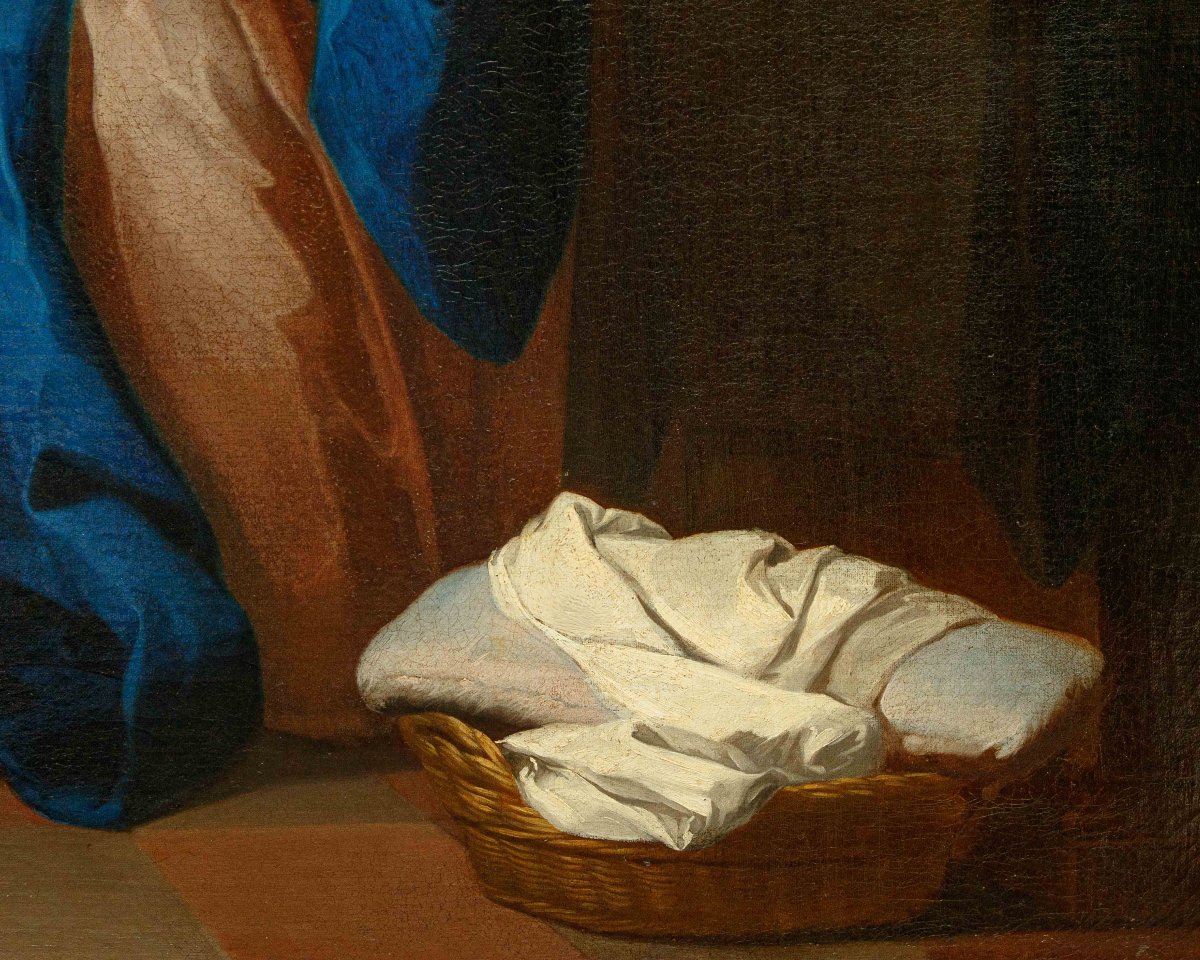
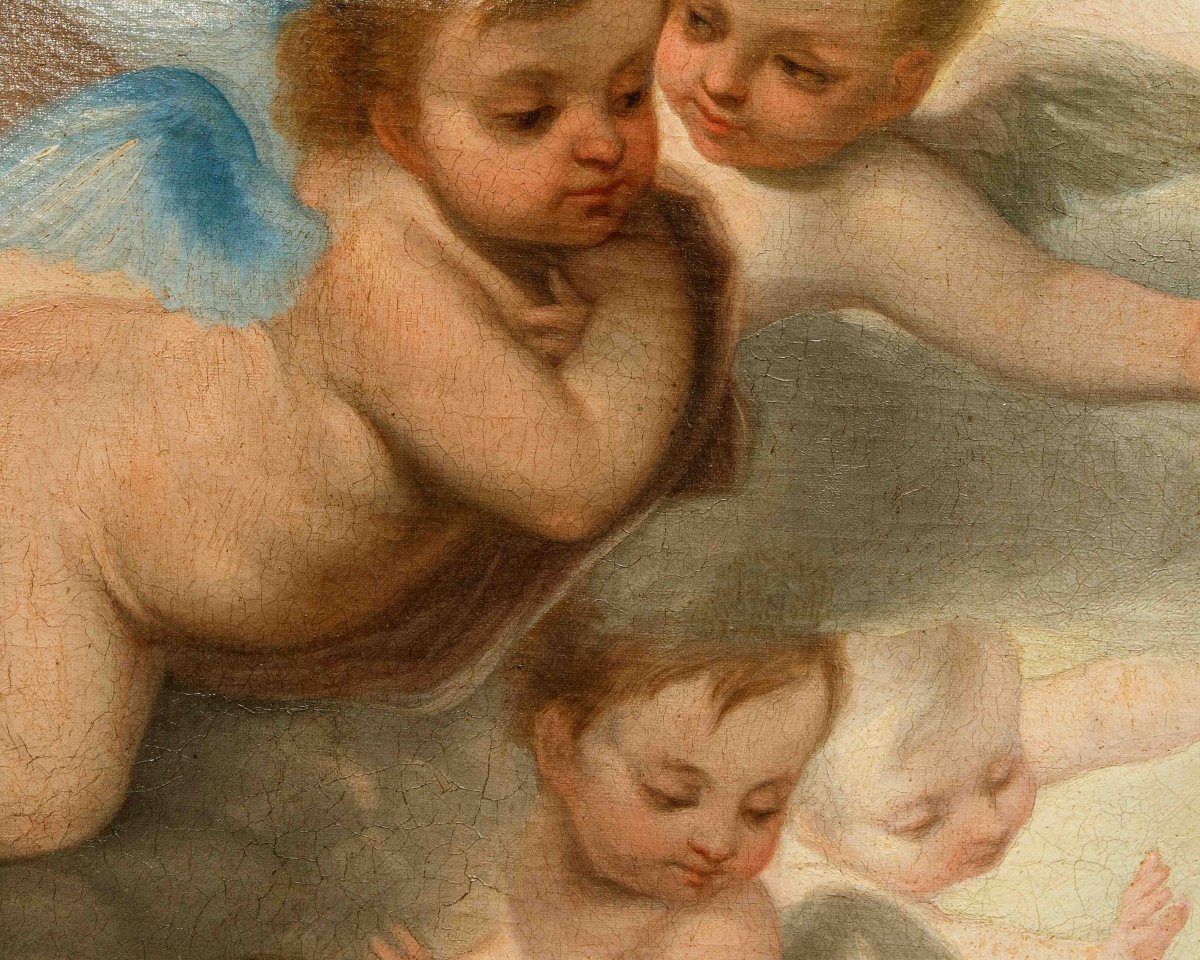
This delicate Annunciation comes from the artistic environment of Seville and was created by a painter who gravitated around the workshop of Bartolomé Esteban Murillo. The artist is clearly inspired by two famous models by the master: the two Annunciations that Murillo painted in the sixth and seventh decades of the 17th century between Seville and Madrid, works that are now located at the Prado Museum in Madrid. In Murillo's workshop, these subjects circulated widely, both in the form of paintings (Murillo created several versions of this theme, now preserved at the Hermitage Museum in St. Petersburg, the Rijksmuseum in Amsterdam, and the Wallace Collection in London) and drawings, precisely because they were highly sought after by a client eager for images capable of conveying consolation and protection. The work in fact shows a deeply intimate character, designed for private devotion. The environment in which Mary is cultured suggests this: below, a simple basket of clothes recalls her daily occupations, just interrupted by the irruption of the divine message. The Virgin is not portrayed as an idealized figure, but as a young commoner cultured in the humble gesture of her everyday life. We are in Seville in the mid-seventeenth century, Murillo's hometown, marked by the terrible plague of 1649 that decimated its population. During those years, the demand for religious works to be placed in homes grew enormously, almost as instruments of spiritual protection. A subject like the Annunciation thus becomes a precious and reassuring image: it is therefore not surprising that Murillo's workshop produced several variations of it. The Archangel Gabriel, kneeling before the Virgin, makes broad, almost actor-like gestures that contrast with the quiet of the room: the dynamism of the celestial messenger breaks into domestic silence, making the extraordinary significance of the announcement evident. Above the figures in the foreground, a luminous whirlwind of clouds opens up, populated by cherubs witnessing the event; in the center, the dove of the Holy Spirit glides through the scene. The Sevillian master dedicated much of his production to religious subjects, becoming famous as early as the 1640s, when he painted the thirteen canvases for the cloister of San Francisco in Seville. He had trained in the workshop of Juan Castillo, where he had become acquainted with Flemish painting thanks to the constant commercial relations that the city maintained with Northern Europe. This sensitivity, combined with his stay in Madrid in 1658-1660, contributed to the definition of his style. This Annunciation is a painting that does not want to impose itself for monumentality, but to speak to the more personal sphere of the observer.














 Le Magazine de PROANTIC
 TRÉSORS Magazine
 Rivista Artiquariato