




Fragment Of Egyptian Relief In Painted Limestone
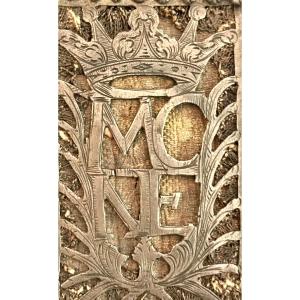
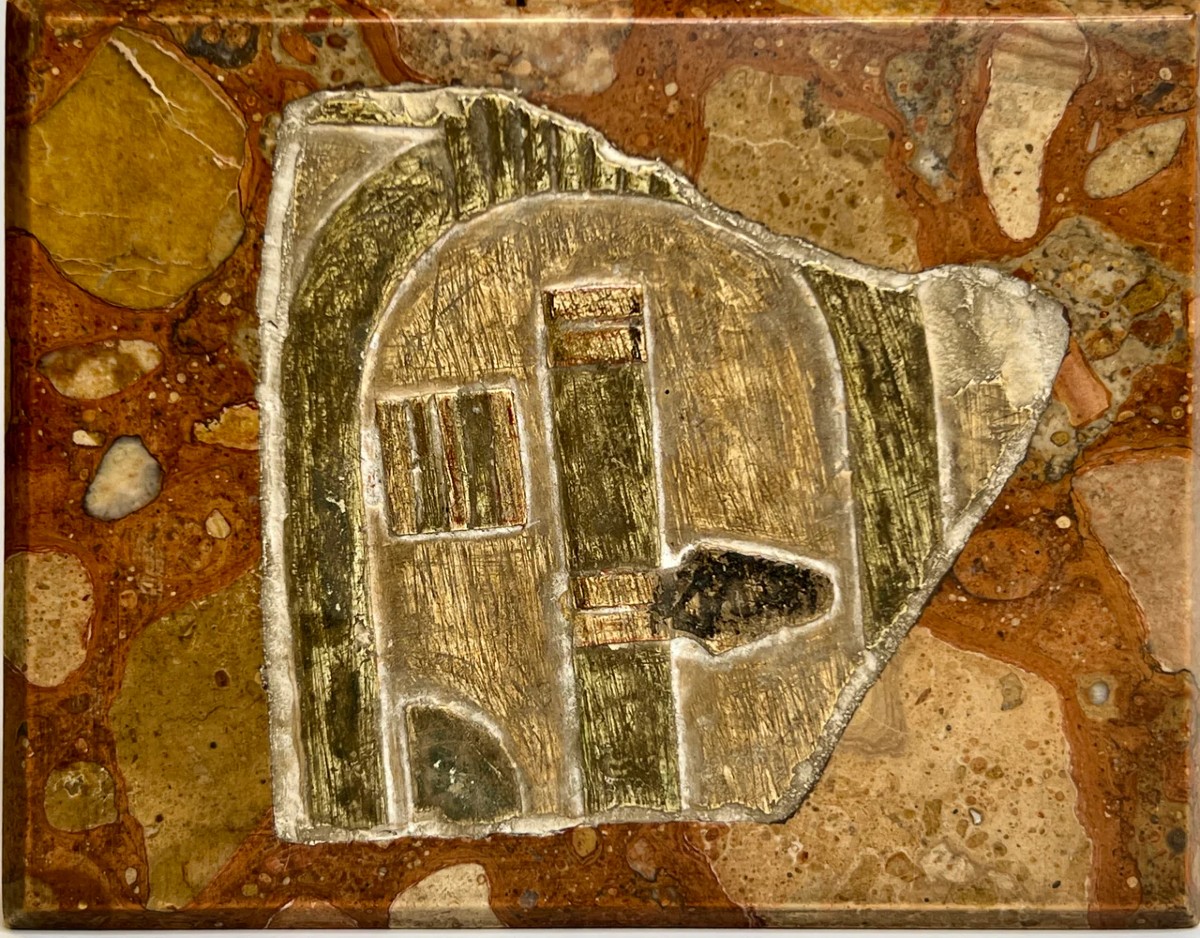
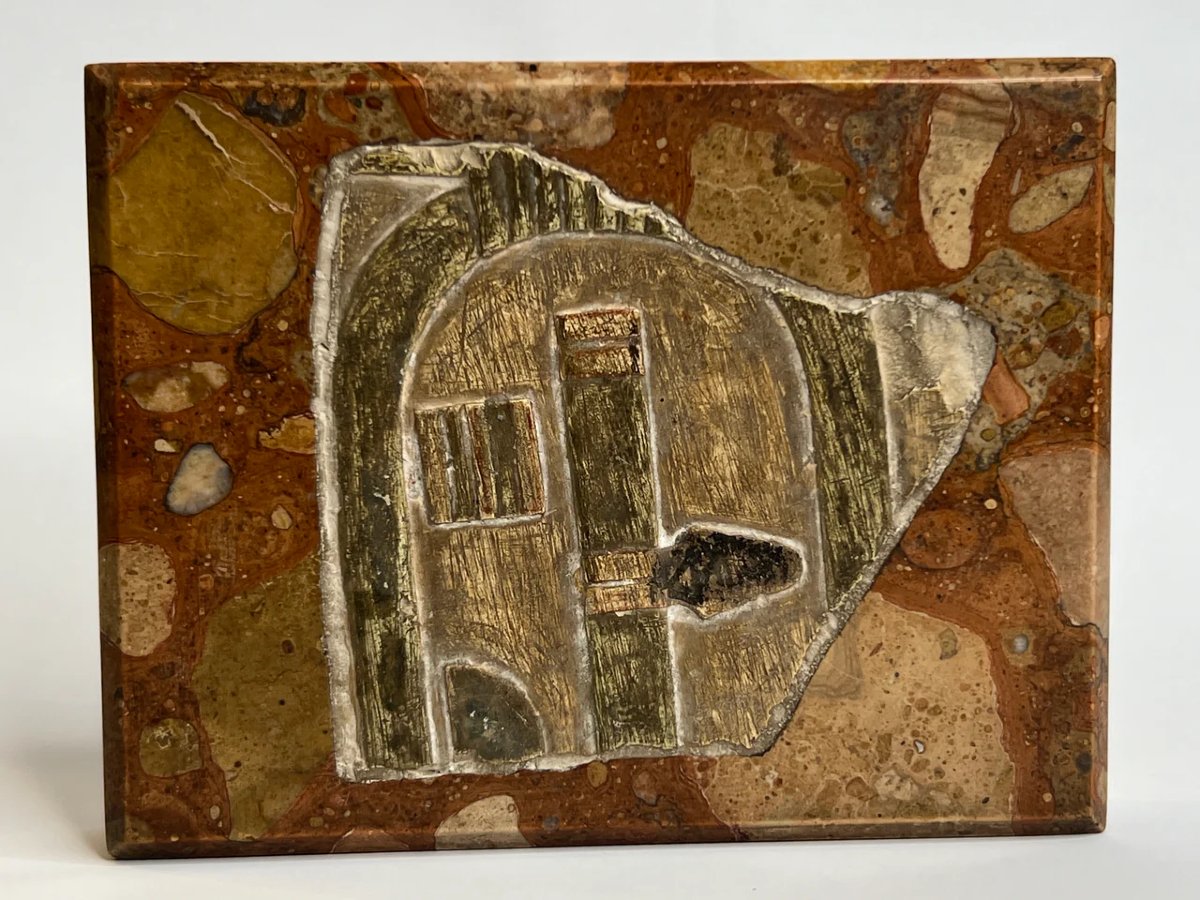
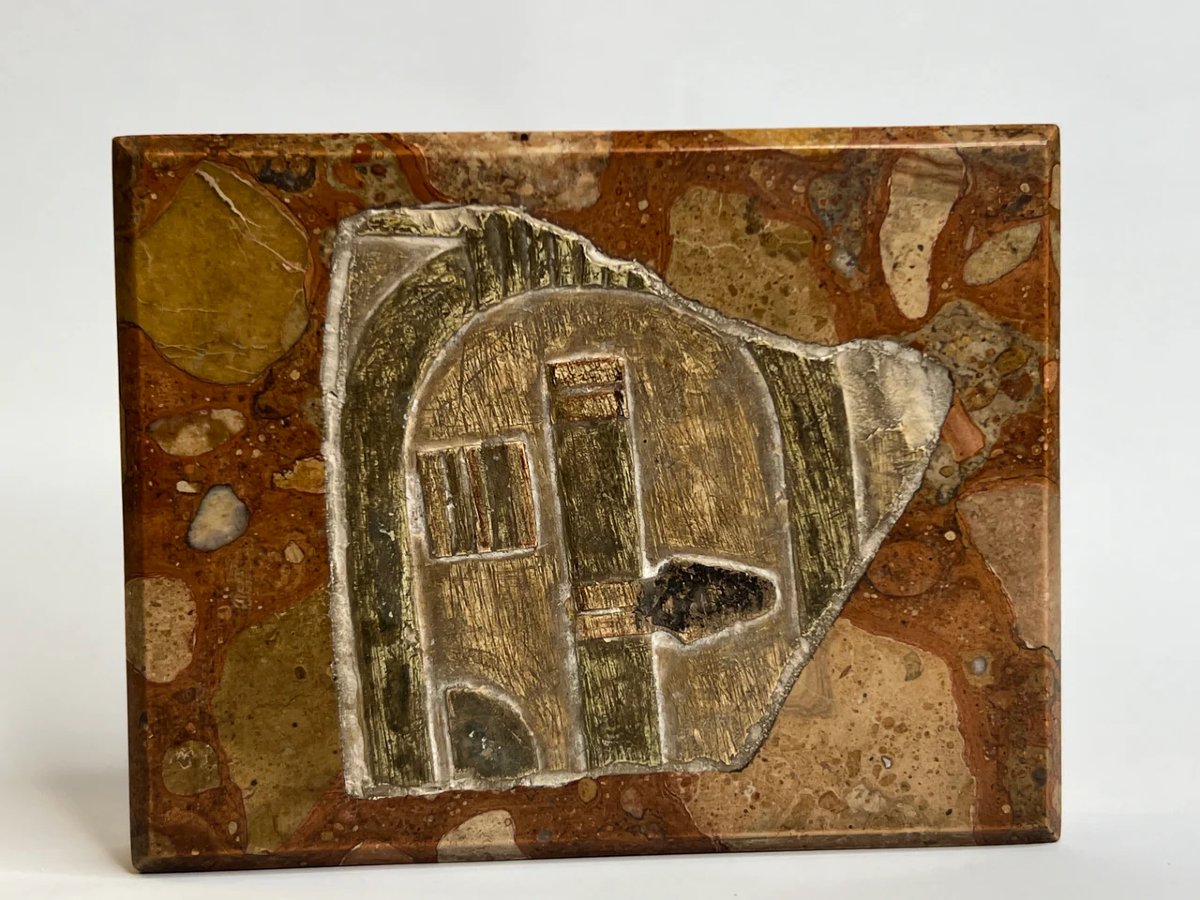
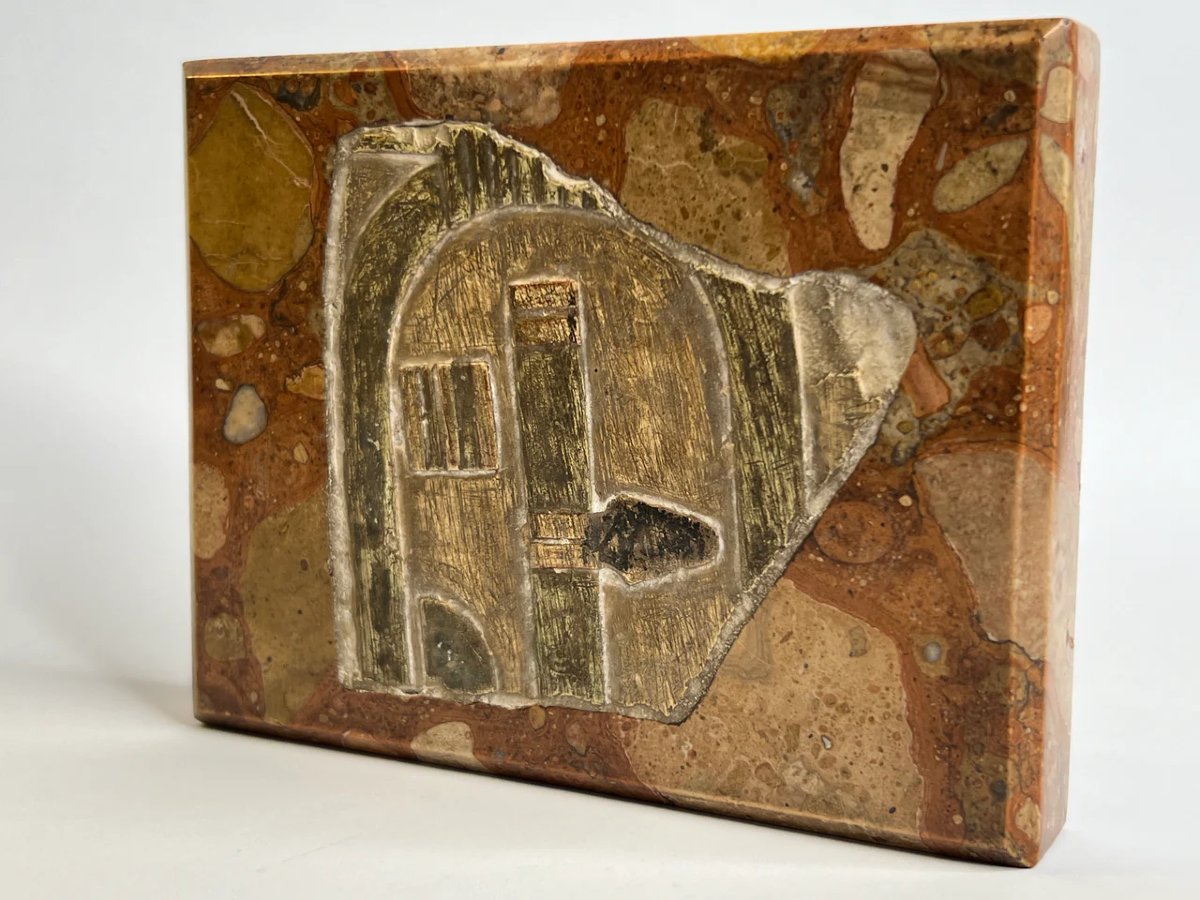
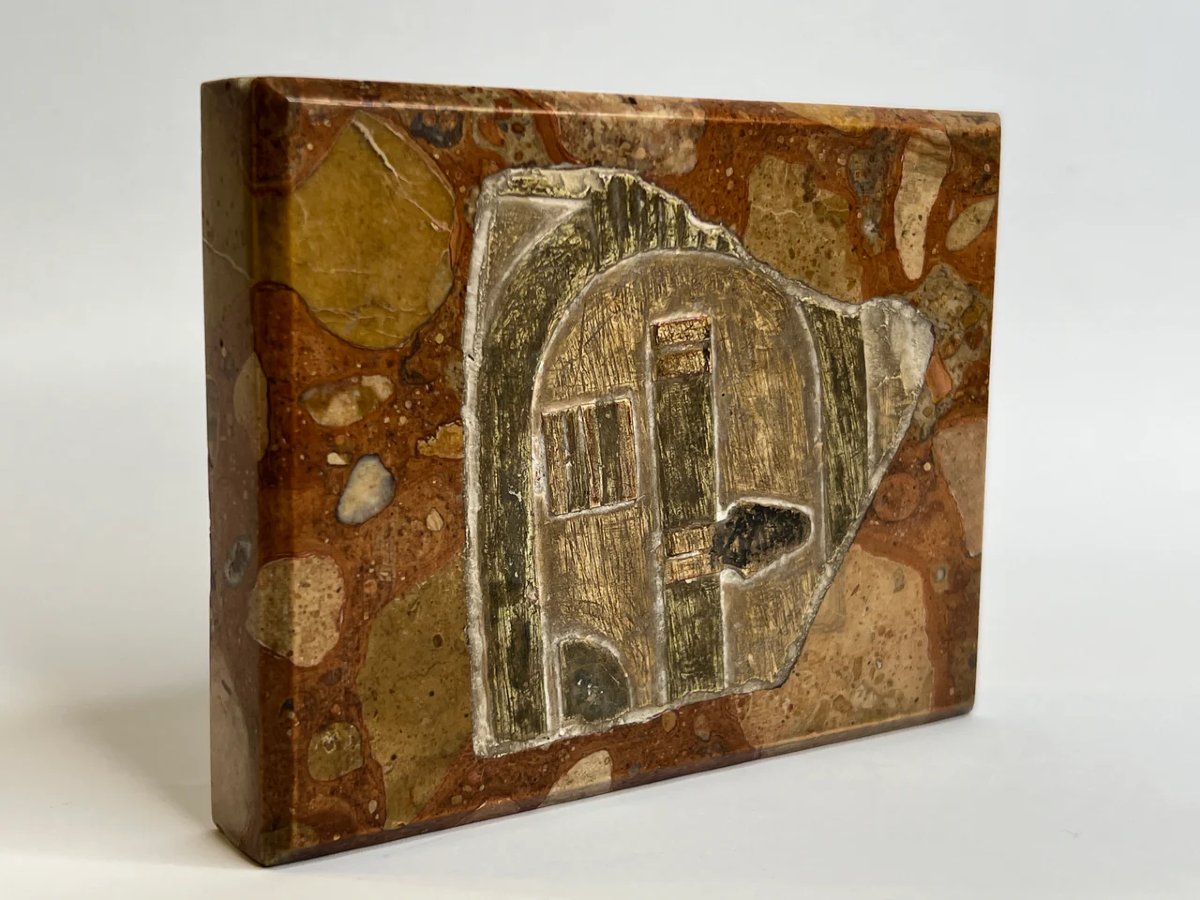
EGYPTIAN PAINTED LIMESTONE RELIEF FRAGMENT, from Deir el-Bahari, discovered by Édouard Naville.
Depicting a scepter of Seth (the head of a Seth) and a stone axe.
Set in a marble slab, overall dimensions: 100mm x 124 mm x 20 mm.
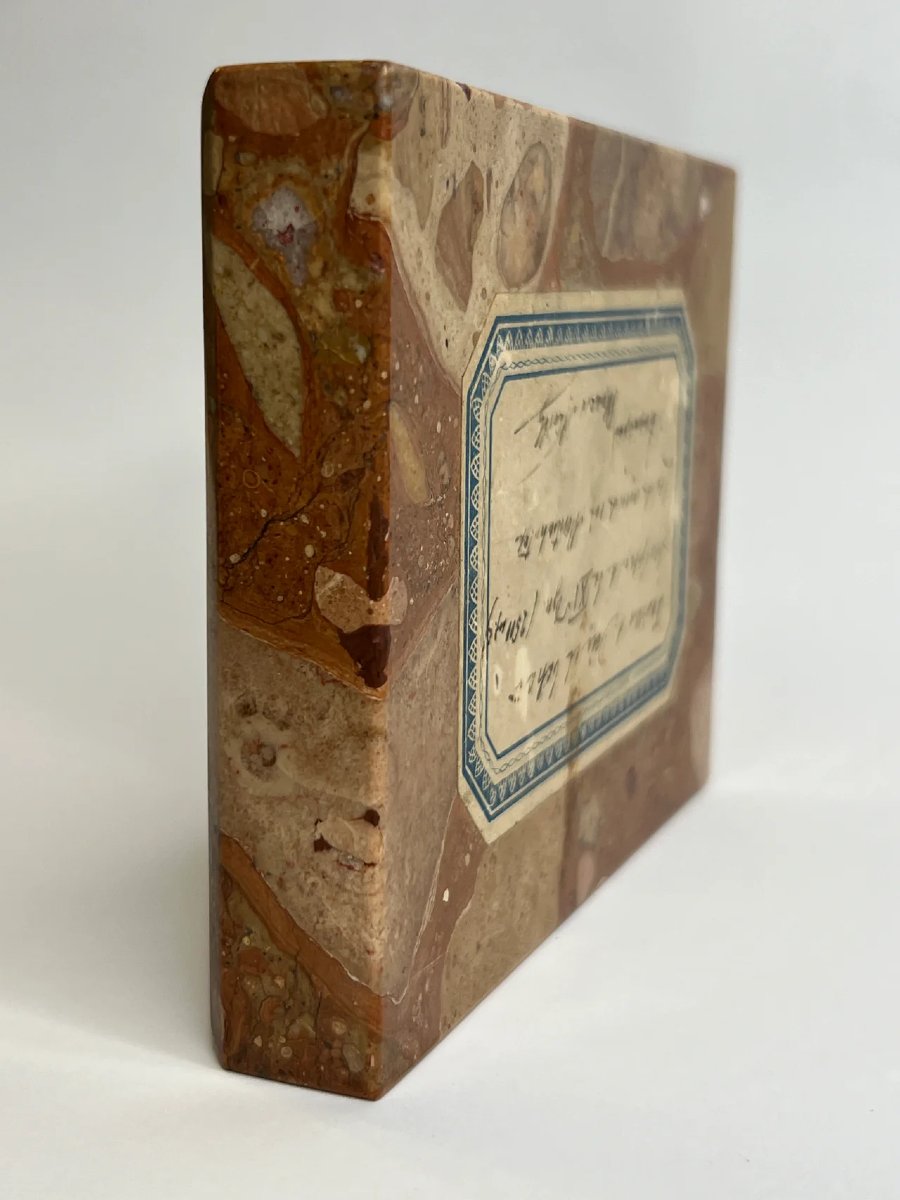
With an inscription on the back: “Excavations of Deir el-Bahari, sculpture of the 11th Dynasty (2500 ????)” End of the ?? of King Montouhote.
Provenance: Former A. T. Geneva collection, by family descent, acquired from the heir.
Scepters were used as symbols of power or domination and were associated with ancient Egyptian deities such as Seth or Anubis, as well as the pharaoh. They also represent the animal Seth or Khnum. Later, it became a symbol of control over the force of chaos that Seth represented. Seth was depicted as a composite figure, with a canine body, slanted eyes, square ears, a bushy tail (forked in later depictions), and a long, curved, pointed snout; various animals (including the aardvark, antelope, donkey, camel, fennec fox, greyhound, jackal, jerboa, long-snouted mouse, okapi, oryx, and pig) were depicted. Seth was a powerful and often frightening deity, but he was also the patron god of the pharaohs, especially Ramesses the Great. He protected the dead on their way to the afterlife.
Depicting a scepter of Seth (the head of a Seth) and a stone axe.
Set in a marble slab, overall dimensions: 100mm x 124 mm x 20 mm.
With an inscription on the back: “Excavations of Deir el-Bahari, sculpture of the 11th Dynasty (2500 ????)” End of the ?? of King Montouhote.
Provenance: Former A. T. Geneva collection, by family descent, acquired from the heir.
Scepters were used as symbols of power or domination and were associated with ancient Egyptian deities such as Seth or Anubis, as well as the pharaoh. They also represent the animal Seth or Khnum. Later, it became a symbol of control over the force of chaos that Seth represented. Seth was depicted as a composite figure, with a canine body, slanted eyes, square ears, a bushy tail (forked in later depictions), and a long, curved, pointed snout; various animals (including the aardvark, antelope, donkey, camel, fennec fox, greyhound, jackal, jerboa, long-snouted mouse, okapi, oryx, and pig) were depicted. Seth was a powerful and often frightening deity, but he was also the patron god of the pharaohs, especially Ramesses the Great. He protected the dead on their way to the afterlife.
15 000 €
Period: Before 16th century
Style: Other Style
Condition: Good condition
Material: Stone
Reference (ID): 1608861
Availability: In stock
Print