


Achille Laugé (1861–1944) The Port Of Collioure
AchilleLAUGÉ
(Arzens1861 – Cailhau 1944)
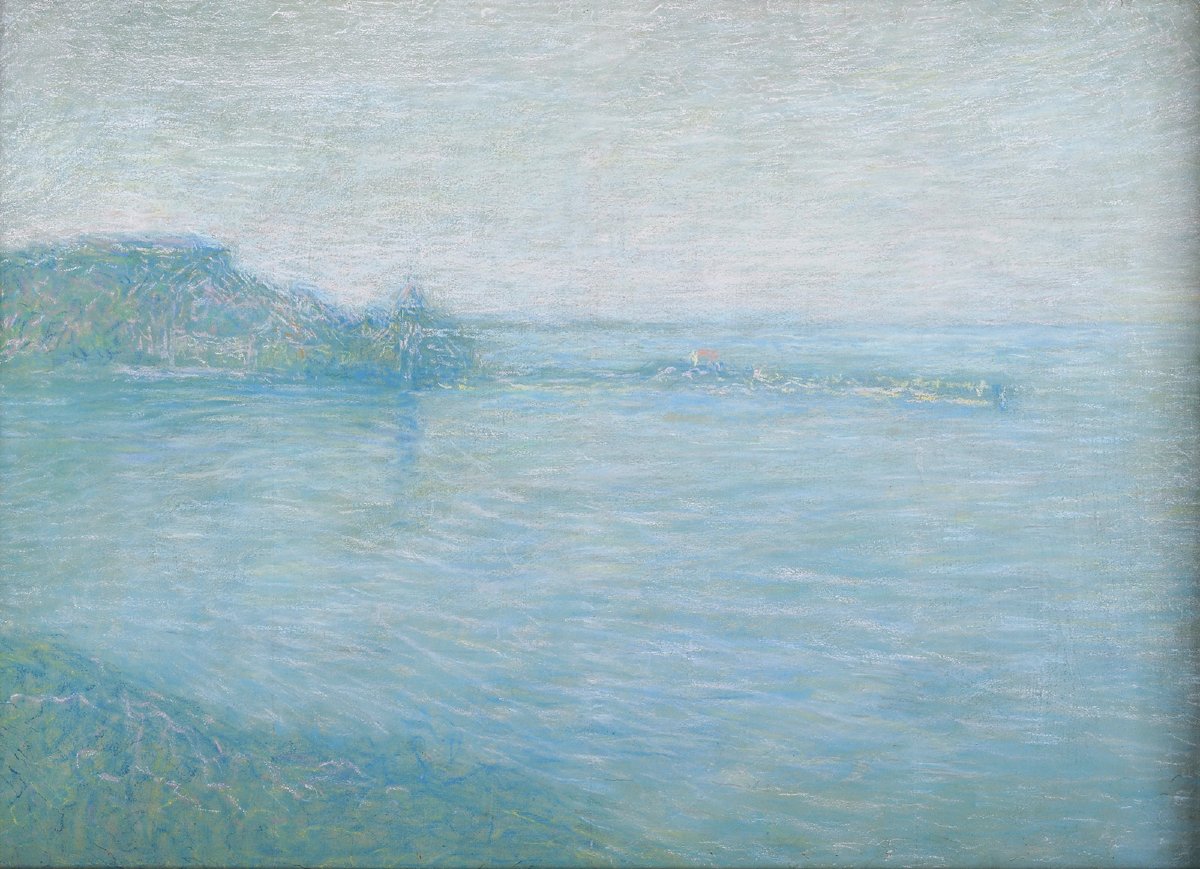
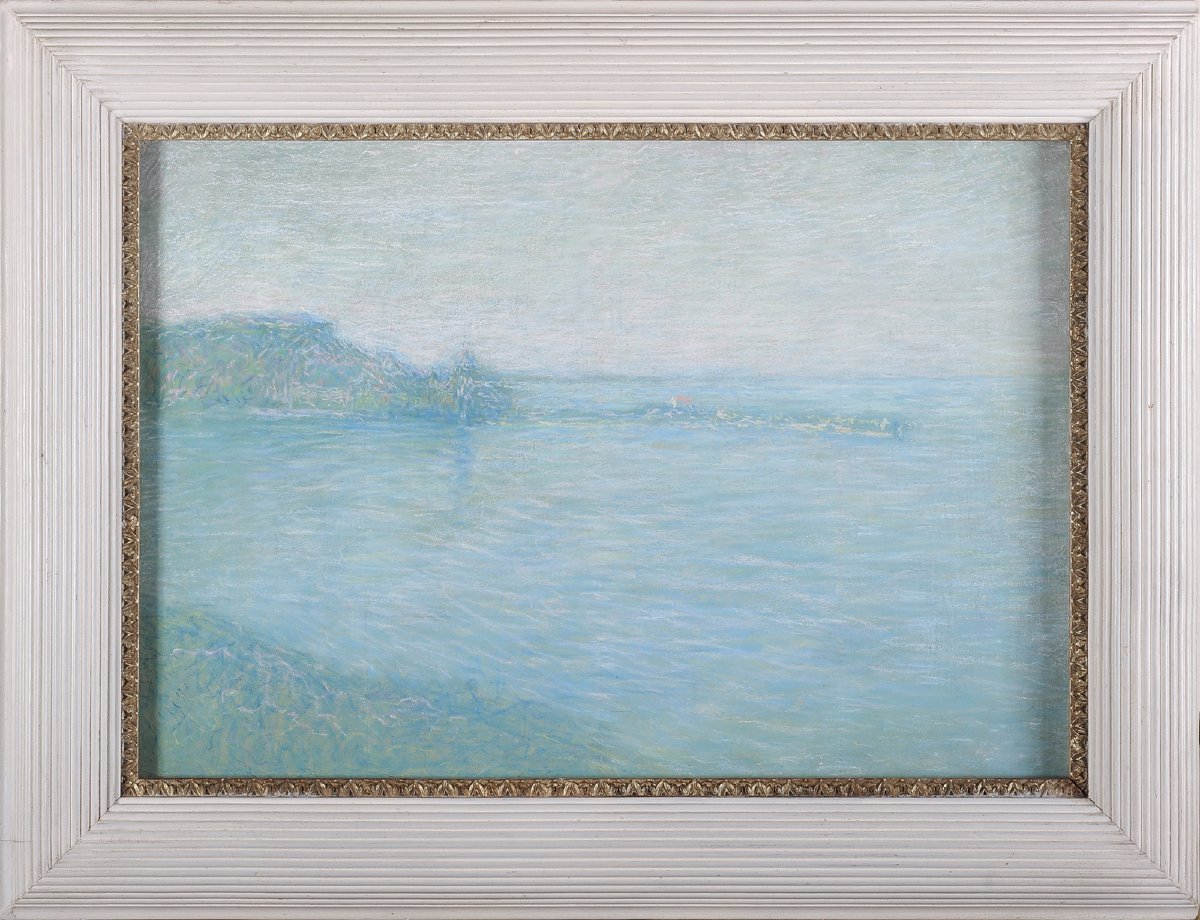
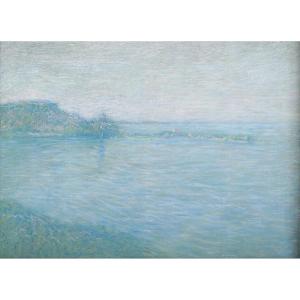
ThePort of Collioure
Pastelon paper mounted on canvas
H. 38cm; W. 55 cm
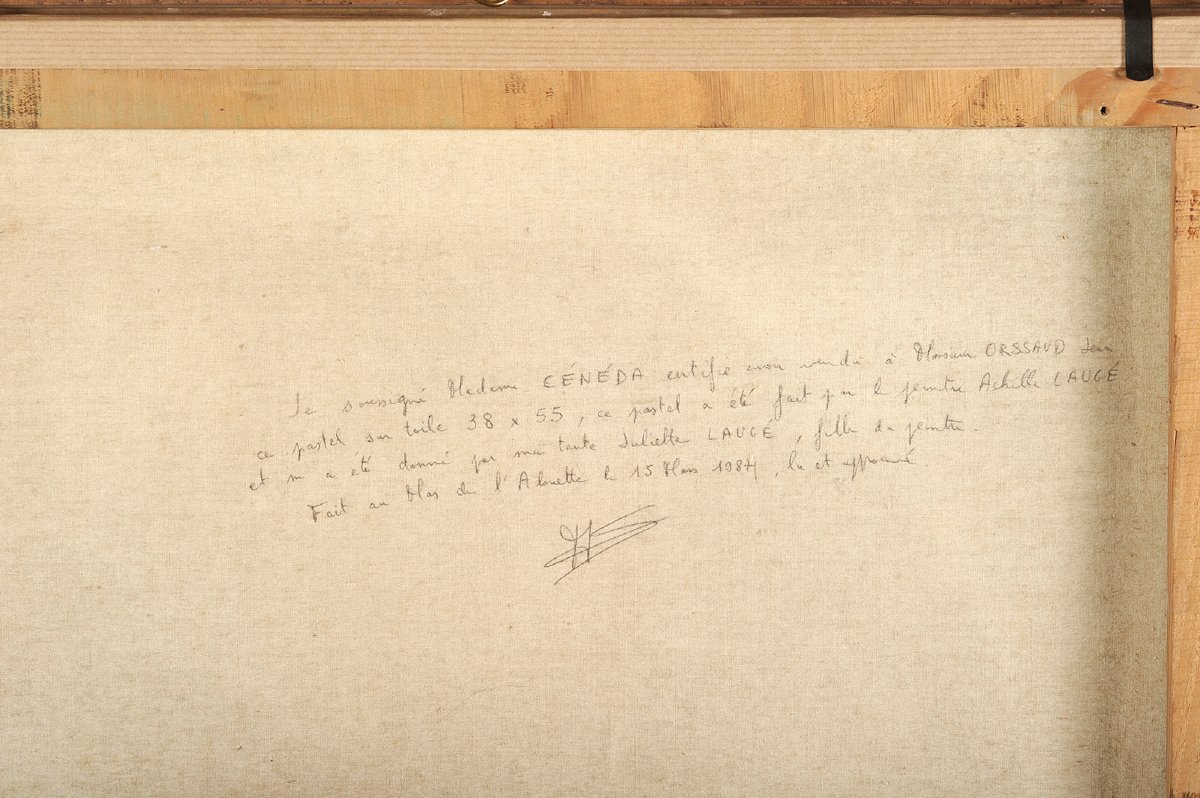
Provenancenotations on the reverse
Circa1926/29
Provenance:
-The artist’s studio
-his daughter, Juliette Laugé,who gave it to her niece, who is listed next
-Mrs. Cénéda, who sold it to the next owner
-1987, Jean Orssaud Collection
Bornin the Aude department, Achille Laugé came from a farming family.Initially destined for a career as a pharmacist, he abandoned thatpath to devote himself to painting and enrolled at the École desBeaux-Arts in Toulouse, then at the École nationale supérieure desBeaux-Arts in Paris in the early 1880s. There he associatedin particular with Antoine Bourdelle and Aristide Maillol, with whom heshared a studio until 1888.
Disillusioned byacademic instruction, Laugé quickly turned away fromofficial canons and became interested in the explorations of theNeo-Impressionists. While receptive to theories of color division,he nevertheless developed a personal style—moreflexible and meditative—centered on light and chromaticharmony. In 1888, deeply attached to his homeland, heleft Paris to settle in the Aude region, first inCarcassonne and then in Cailhau, a village that became his home baseand his main source of inspiration.
As a pleinair painter, Laugé most often worked in pastel or oil,producing numerous landscape studies of the area around his home. Hegladly repeated the same motifs, seeking to capture theirvariations in light according to the seasons and the time of day. In1905, he even had a mobile studio built so he could paintdirectly in nature, regardless of the conditions.
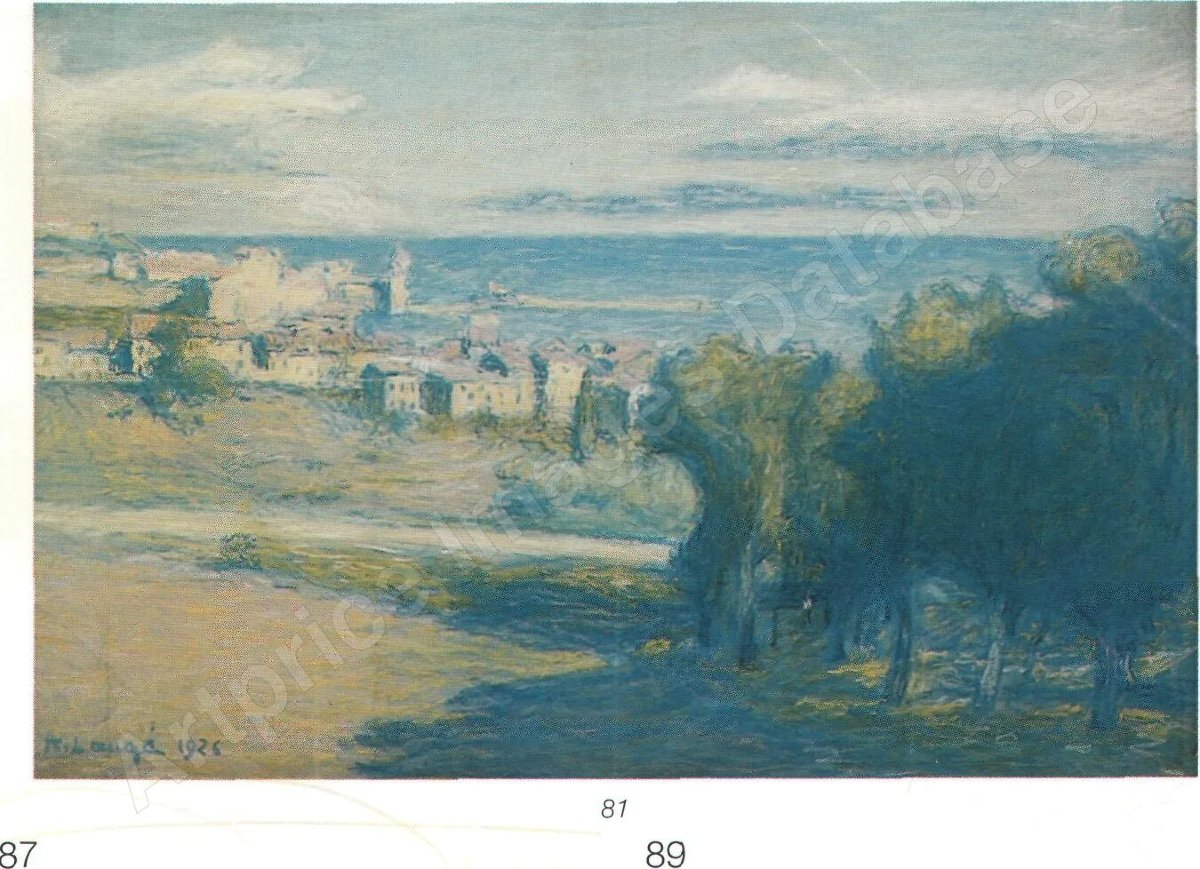
Althoughmost of his work is devoted to landscapes of theLanguedoc hinterland, Achille Laugé maintained astrong connection with the village of Collioure beginning in the mid-1920s.Drawn by the intense light of the Catalan coast, hestayed regularly in Collioure between 1926 and 1929,mainly during the summer months, from June to October. Thesestays allowed him to explore new subjects: views of theharbor, village rooftops, colorful facades, and seascapes.
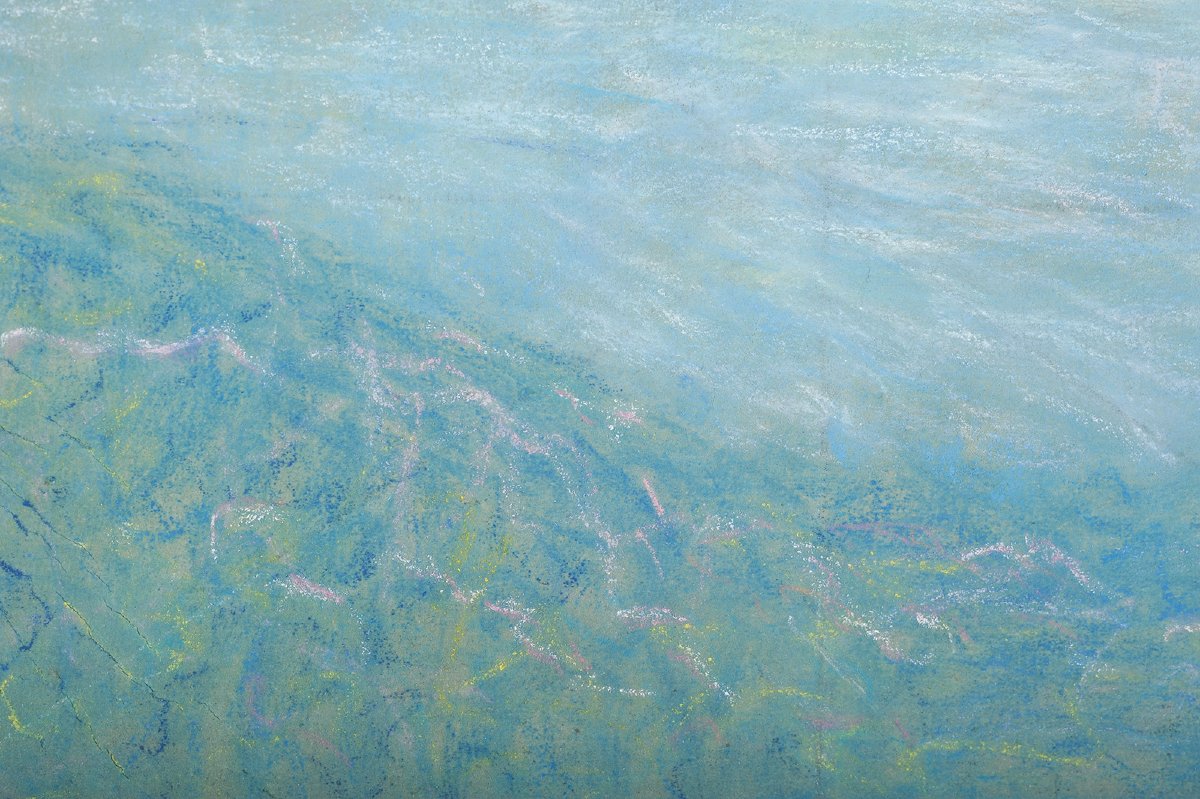
Theworks created in Collioure, dating mainly from hisstays there, reveal a richer palette and afreer brushstroke, without ever straying from the structural rigor andchromatic sensitivity that characterize his style. Theinterplay between the seaside light and hisNeo-Impressionist style gives rise to luminousand balanced compositions, where color plays a structuring role.
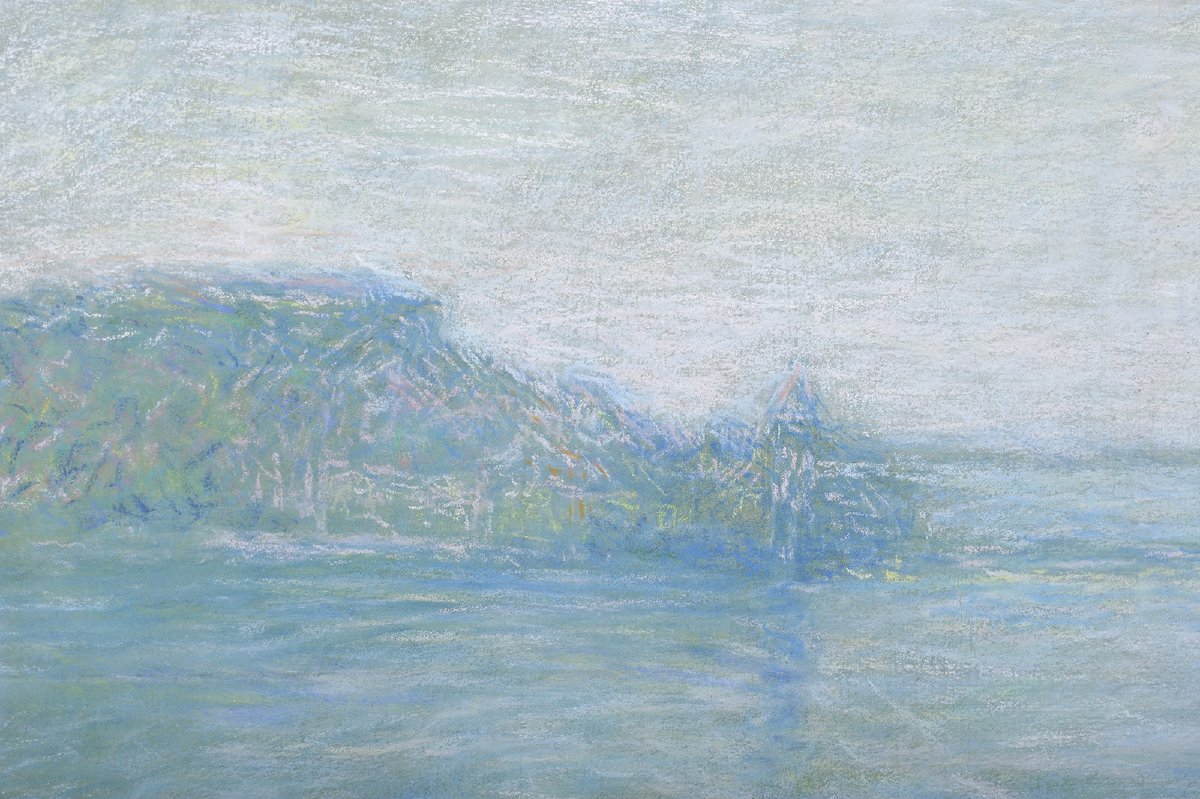
Ourpastel, with its very soft tones blending whites, greens, and blues,shows us this iconic village on the Catalan coast in adifferent light. Whereas we are accustomed to red roofs,ochre walls, and a vivid blue sea that warm us withtheir radiance, our composition—featuring the church tower andthe seawall—allows us to imagine a foggy day. Laugé hascreated other pastels of Collioure under similar lightingconditions, but our composition is the most elaborate, revealingall his talents as an Impressionist—talents he had gradually setaside during his career.
Period: 20th century
Style: Modern Art
Condition: Perfect condition
Material: Pastel
Length: 38 cm hors cadre
Width: 55 cm hors cadre
Reference (ID): 1826657
Availability: In stock