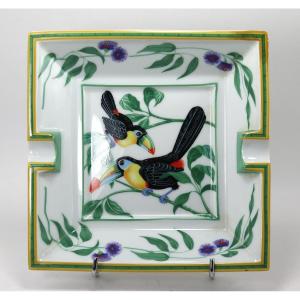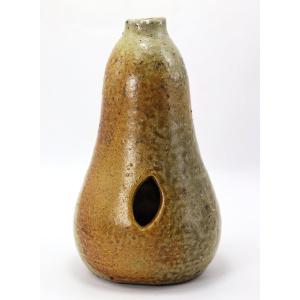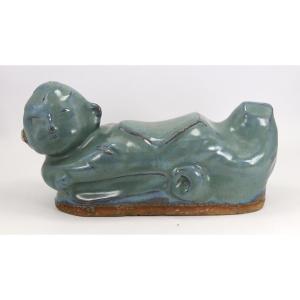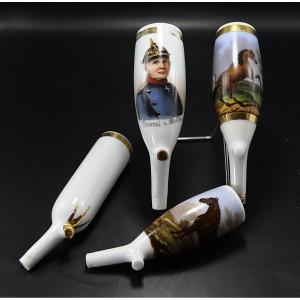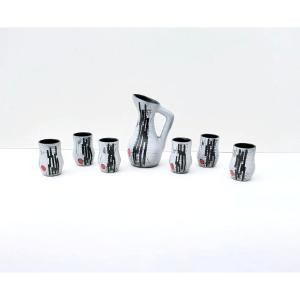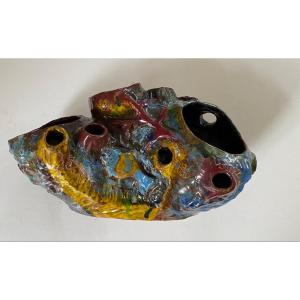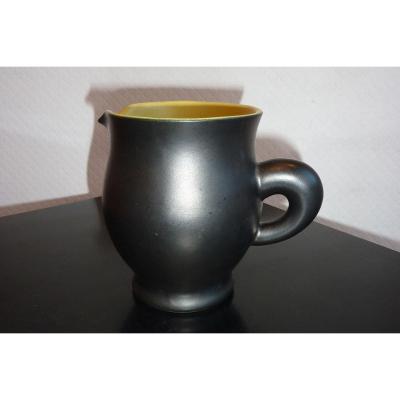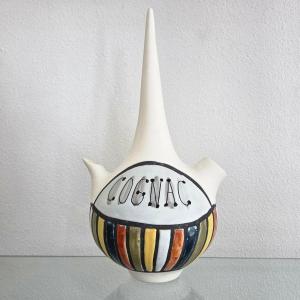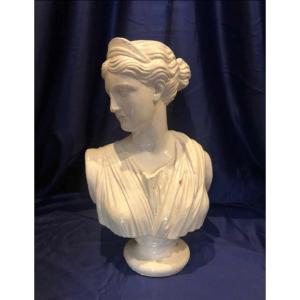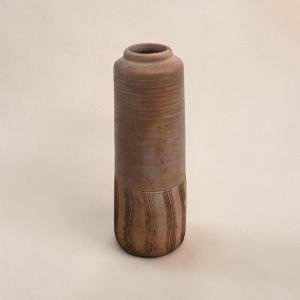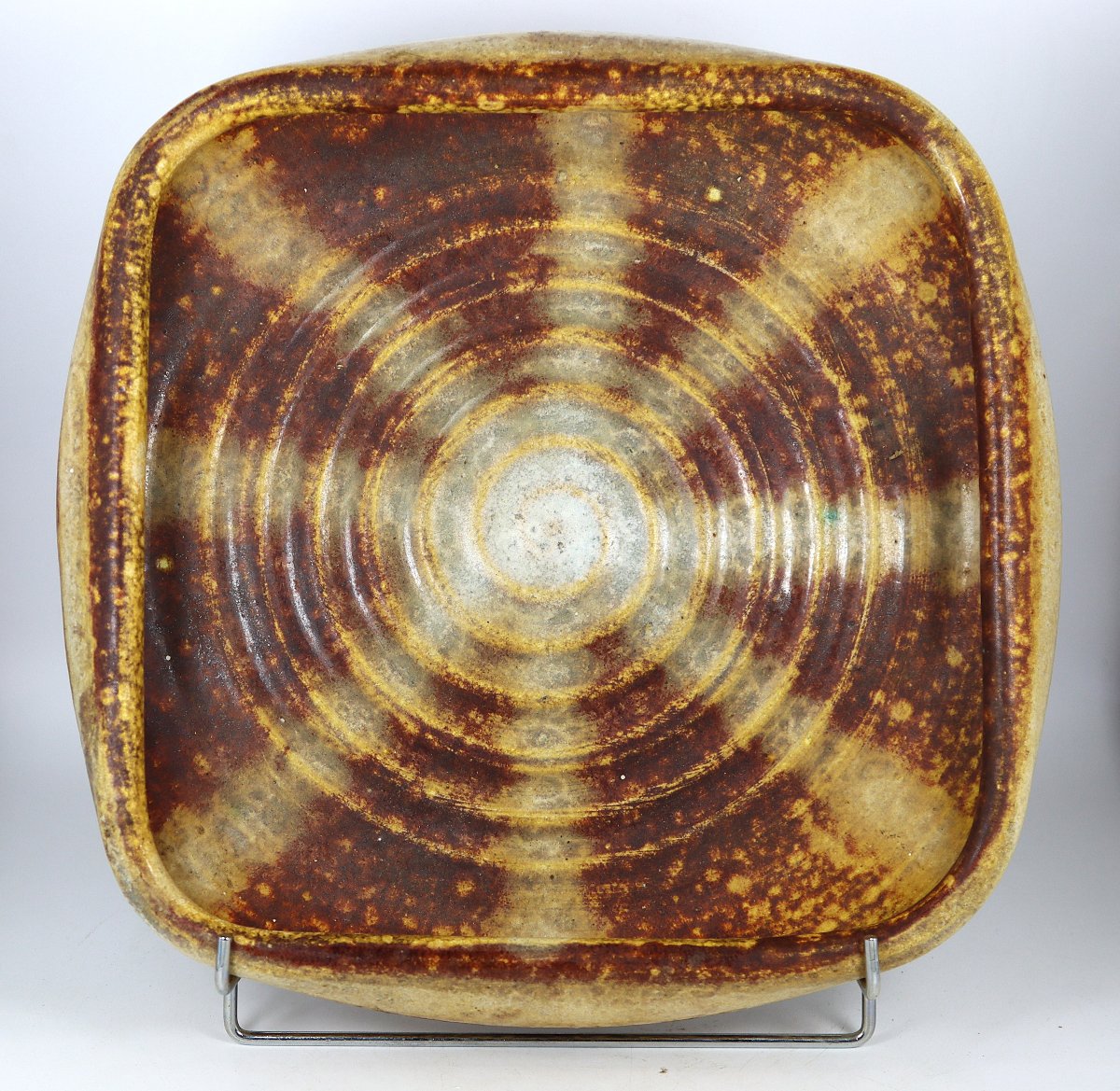
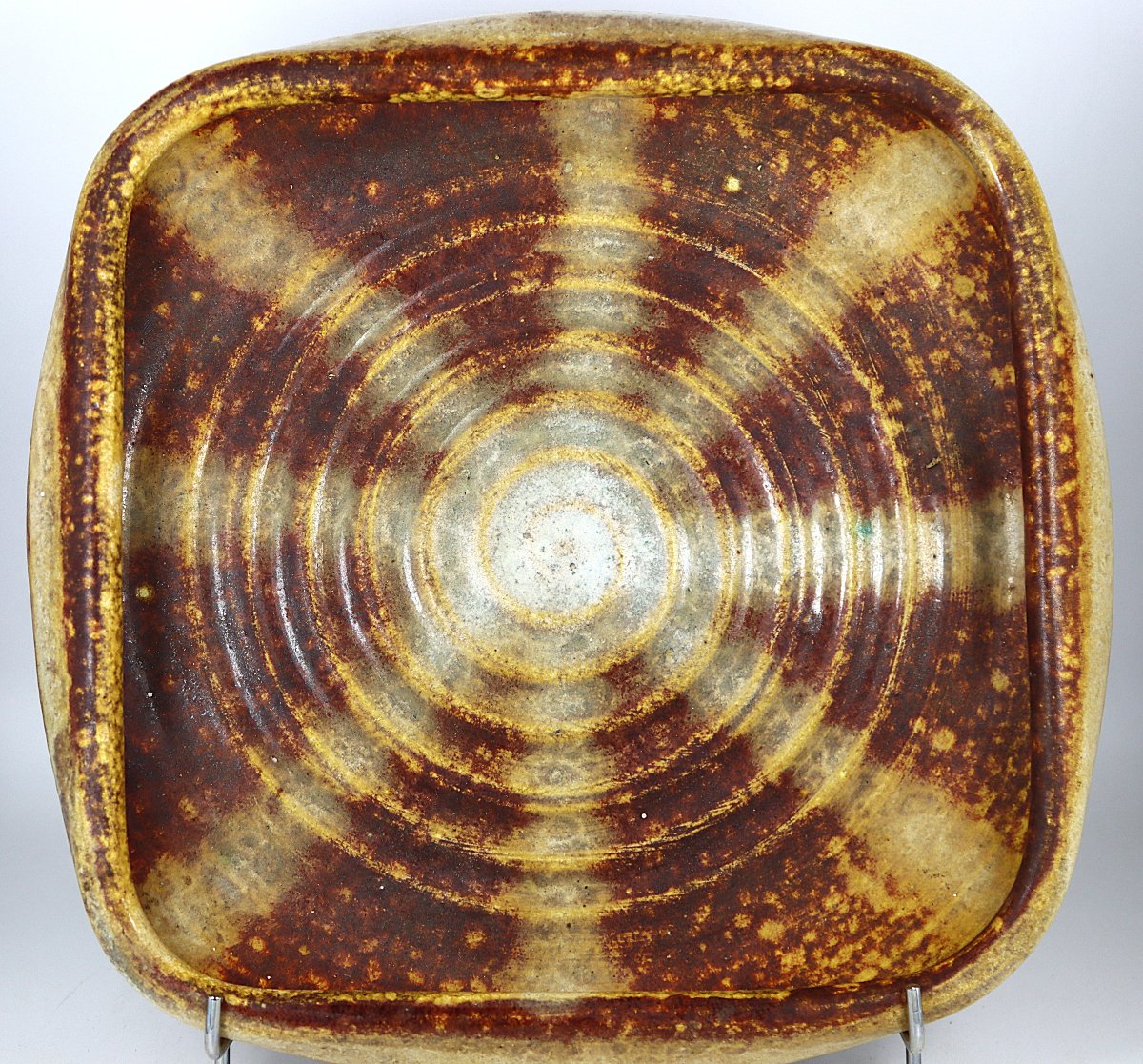
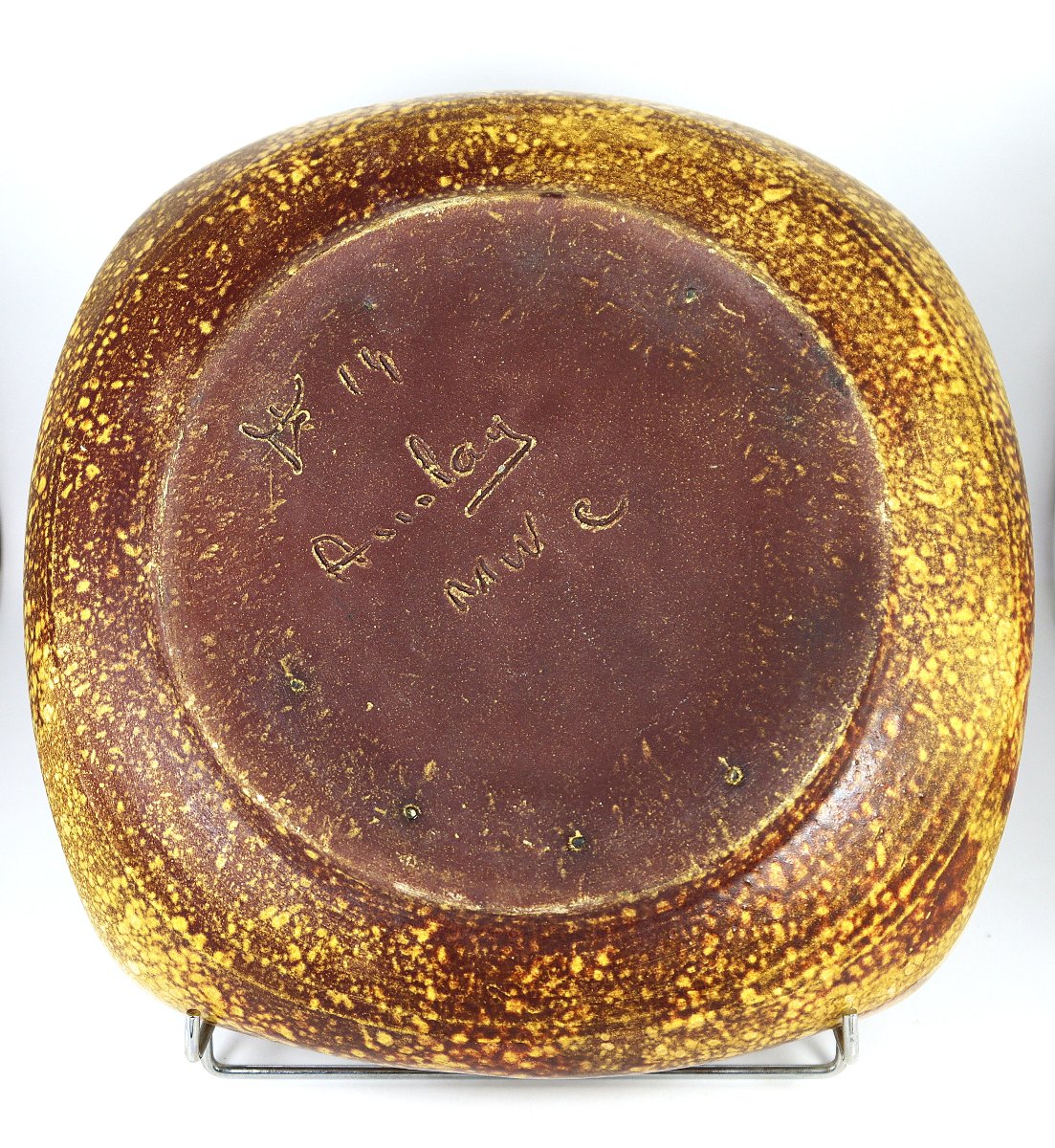
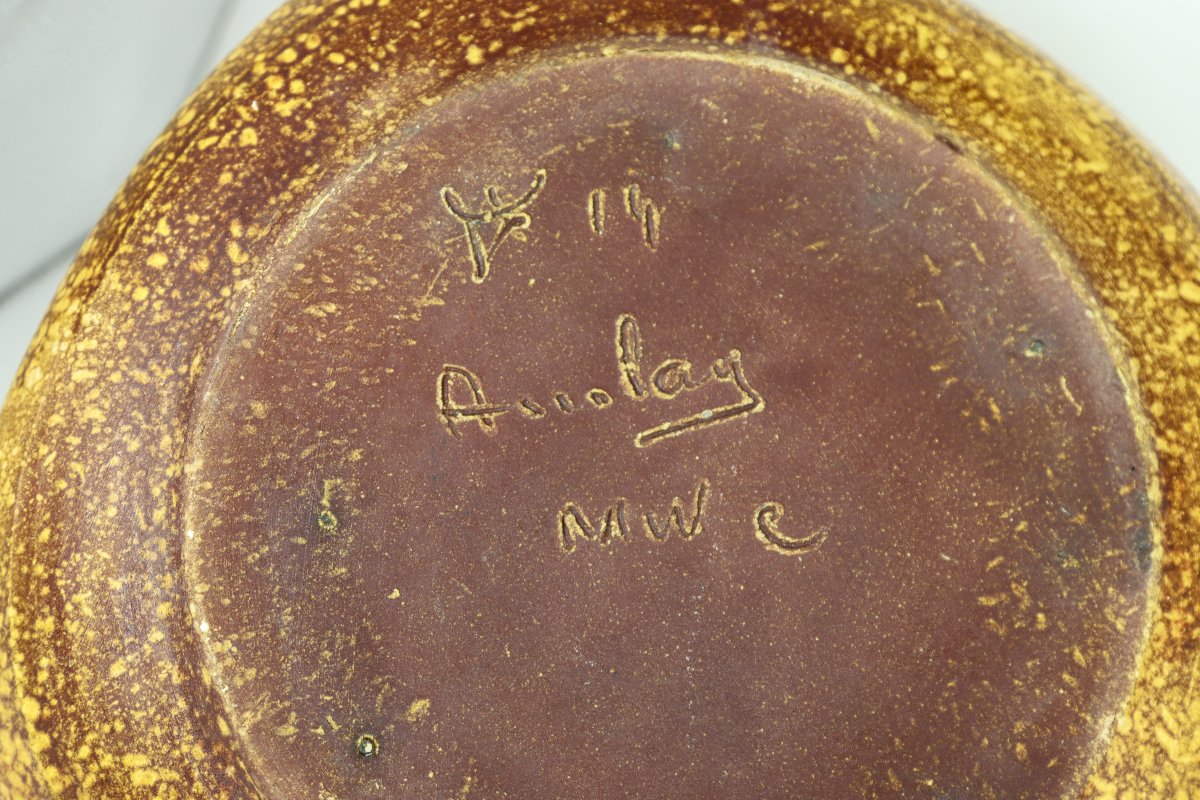
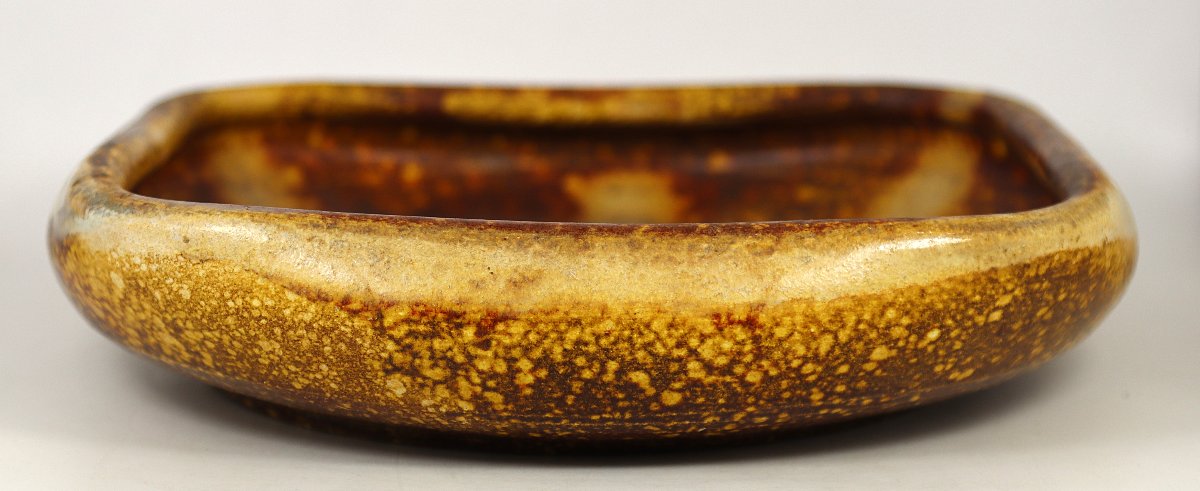
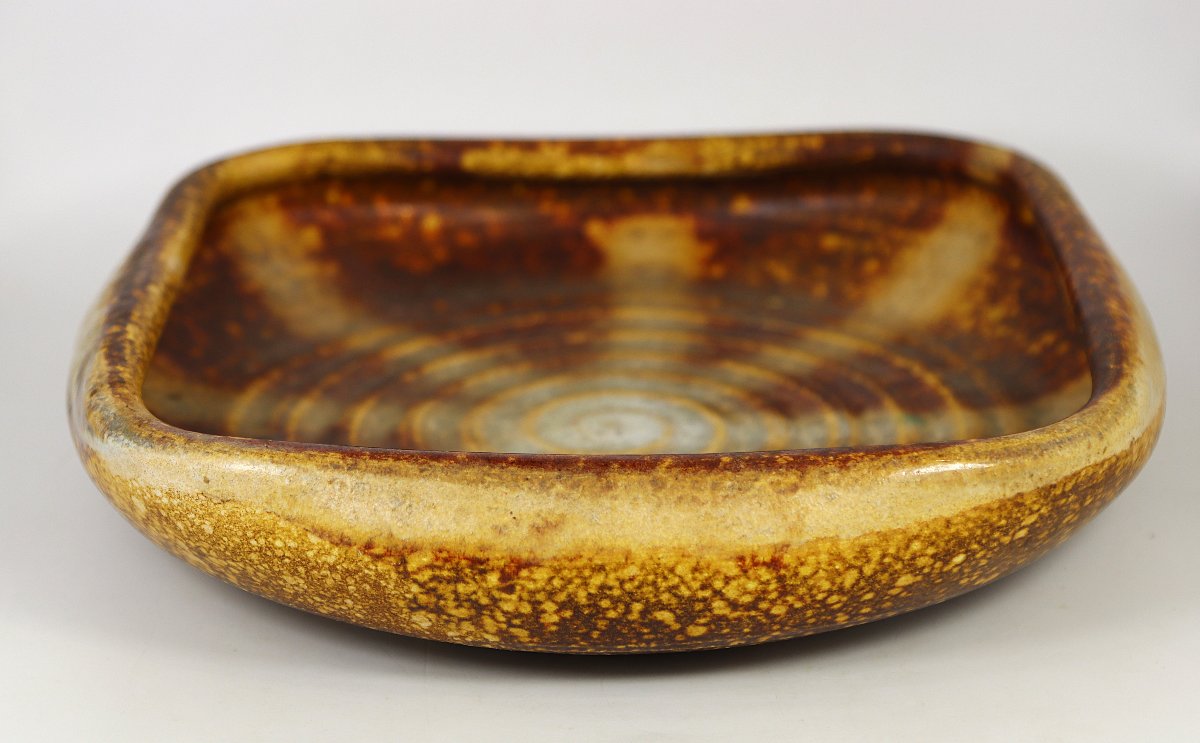
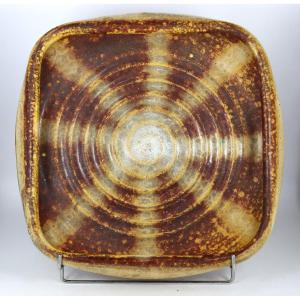


Accolay, Stoneware Dish, Signed, 1970
Date: 1970.
Accolay (Pottery)
1954–1989
In October 1945, four art and ceramics enthusiasts—Louis Dangon (potter), Slavik Palais (sculptor), Rodet (painter), and André Boutaud (salesman), decided to transform an old, disused factory into a studio in Accolay, in the Yonne department. These artists were all students of Professor Alexandre Kostanda and chose this village for its strategic location. The proximity of a transformer allowed them to power their electric kilns, and the location near a highway rest stop attracted tourists, making the studio an important stopover for vacationers.
The Accolay studio saw its group grow over the years, remaining active from 1945 to 1992. Theodor Lotschine joined them, followed by the woodturner Banachant in 1948, and then Daniel Auger in 1950. The arrival of Canadian painter Rafael Giarousso in 1952 brought a significant revival to Accolay. On December 25, 1964, the group officially adopted the name Créations et Exposition de Poteries d’Art Modernes (CEPAM). Despite the gradual departure of members, André Boutaud and Theodor Lotschine remained until 1980.
The pieces thrown in Accolay and fired in Paris began modestly with the creation of ceramic buttons, which caught the eye of Christian Dior for his fashion designs. The Accolay production is distinguished by its great diversity and the exceptional quality of its glaze. Inspired by Parisian and Vallauris-based ceramicists, the work is characterized by the exaggerated forms typical of the 1950s. The pieces, often utilitarian, take the form of zoomorphic or anthropomorphic creations featuring a variety of decorative techniques (incised, scarified, stamped, painted).
Among his notable creations, André Boutaud produced numerous chess pieces, vases, and pottery with a scraped matte blue glaze, as well as pieces made of chamotte clay or glazed with ethnic motifs inspired by Inca and Aztec cultures. Ceramic masks and research into the shrinkage of glaze during firing—which creates a speckled effect—are also hallmarks of the Accolay studio.
The invention of metallic black and the overglazing technique add a distinctive touch to their creations. Accolay offers a wide range of unique pieces as well as artistically oriented mass-produced items, leaving a lasting mark on the history of French ceramics.
Thus, the Accolay studio remains a vibrant testament to creativity and innovation in ceramics, having attracted and inspired numerous artists over the decades.
Period: 20th century
Style: Design 50's and 60's
Condition: Excellent condition
Material: Sandstone
Length: 28
Width: 28
Height: 6
Reference (ID): 1796801
Availability: In stock