

Jean Despujols (1886–1965) Portrait Of Henri Martin, Mayor Of Saint-médard-en-jalles
Artist: Jean Despujols
Jean DESPUJOLS
(Salles 1886 – Shreveport 1965)
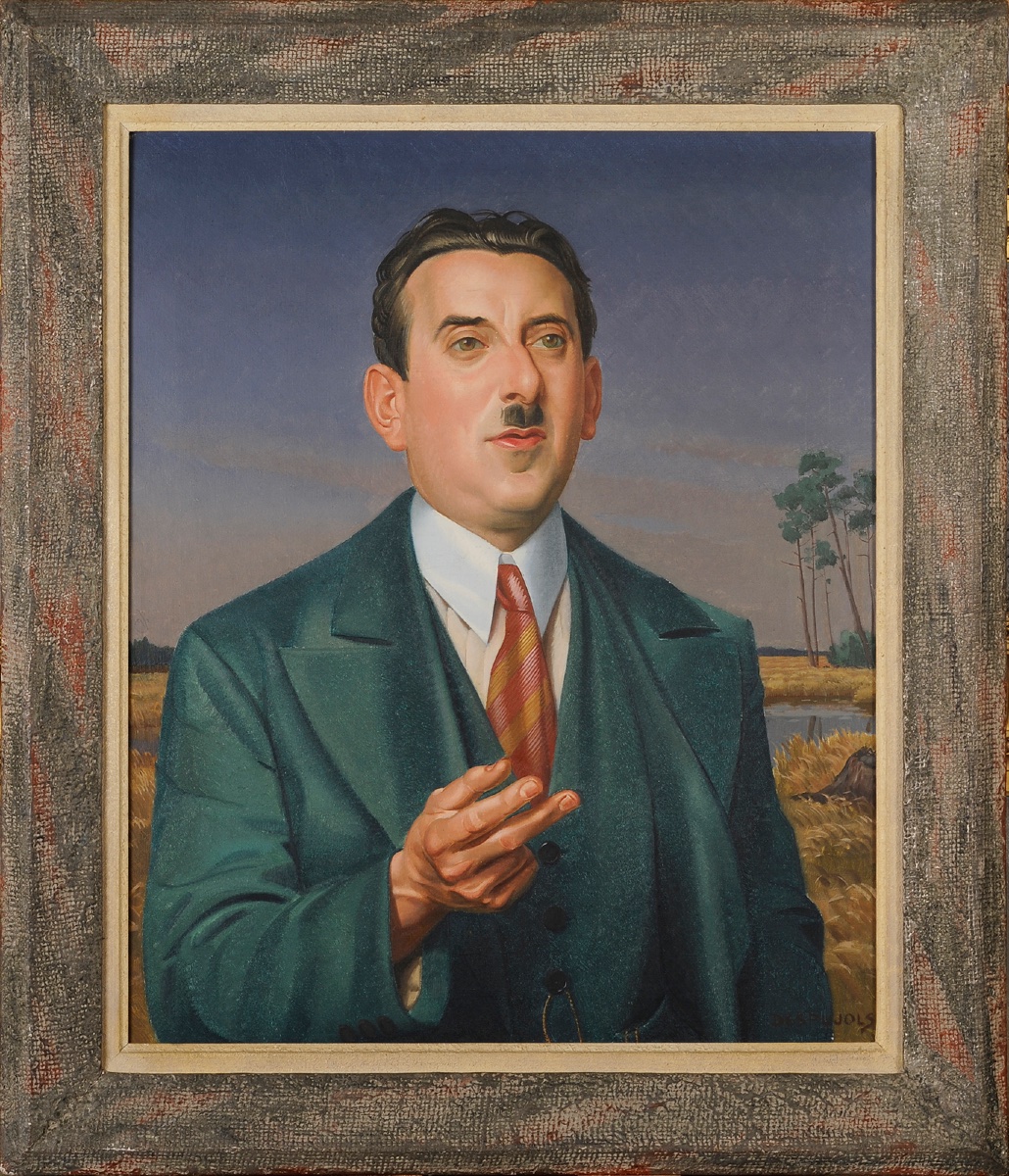
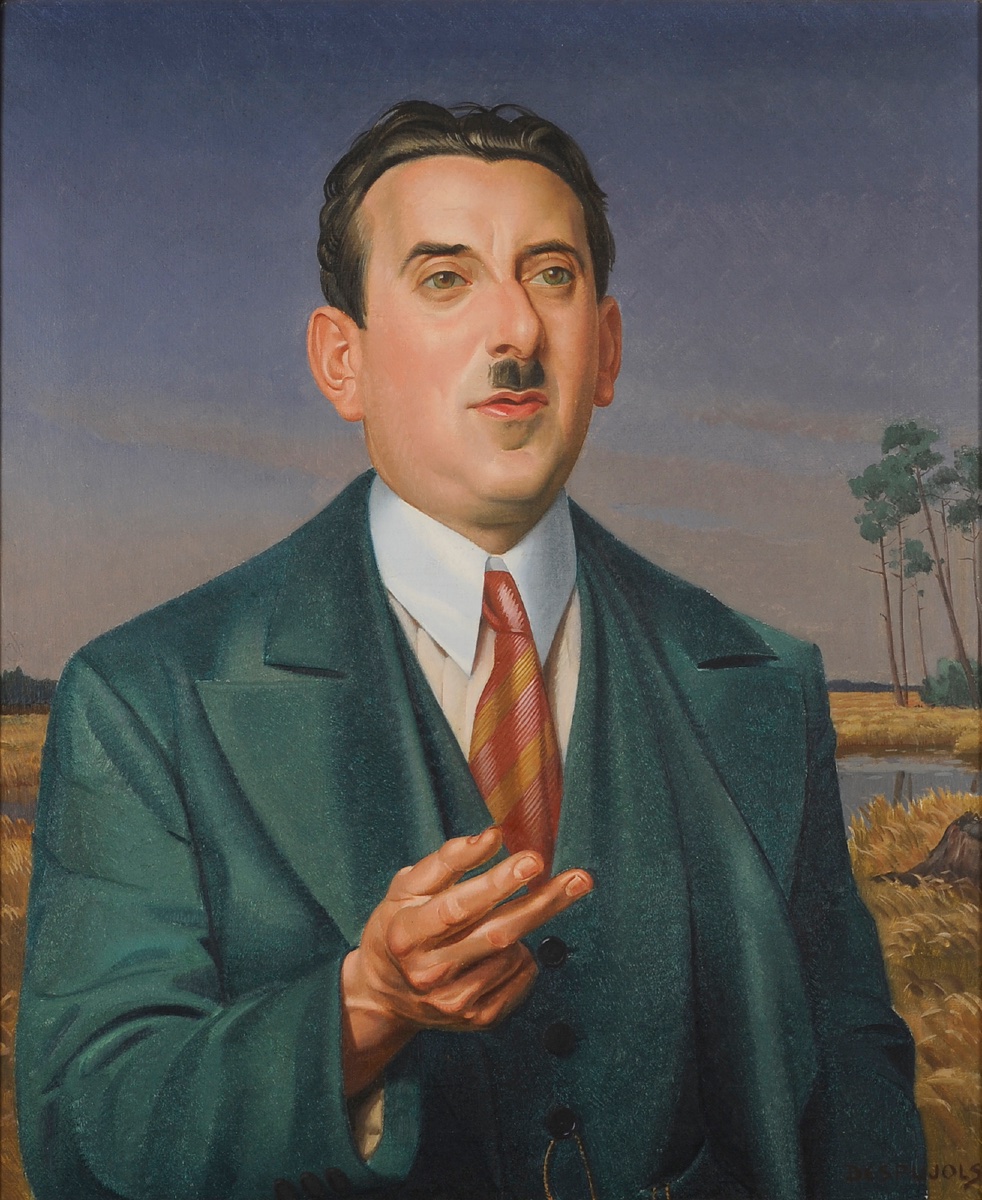
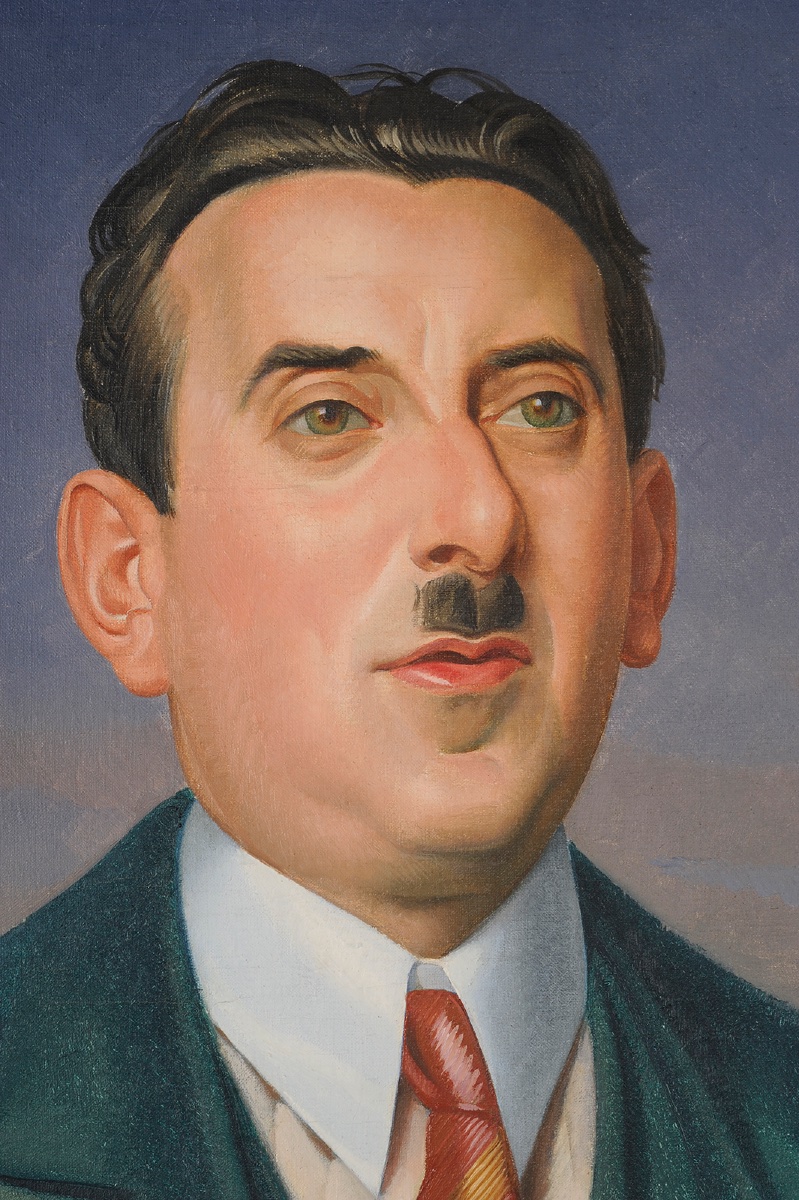
Portrait of Henri Martin, mayor of Saint-Médard-en-Jalles (Gironde)
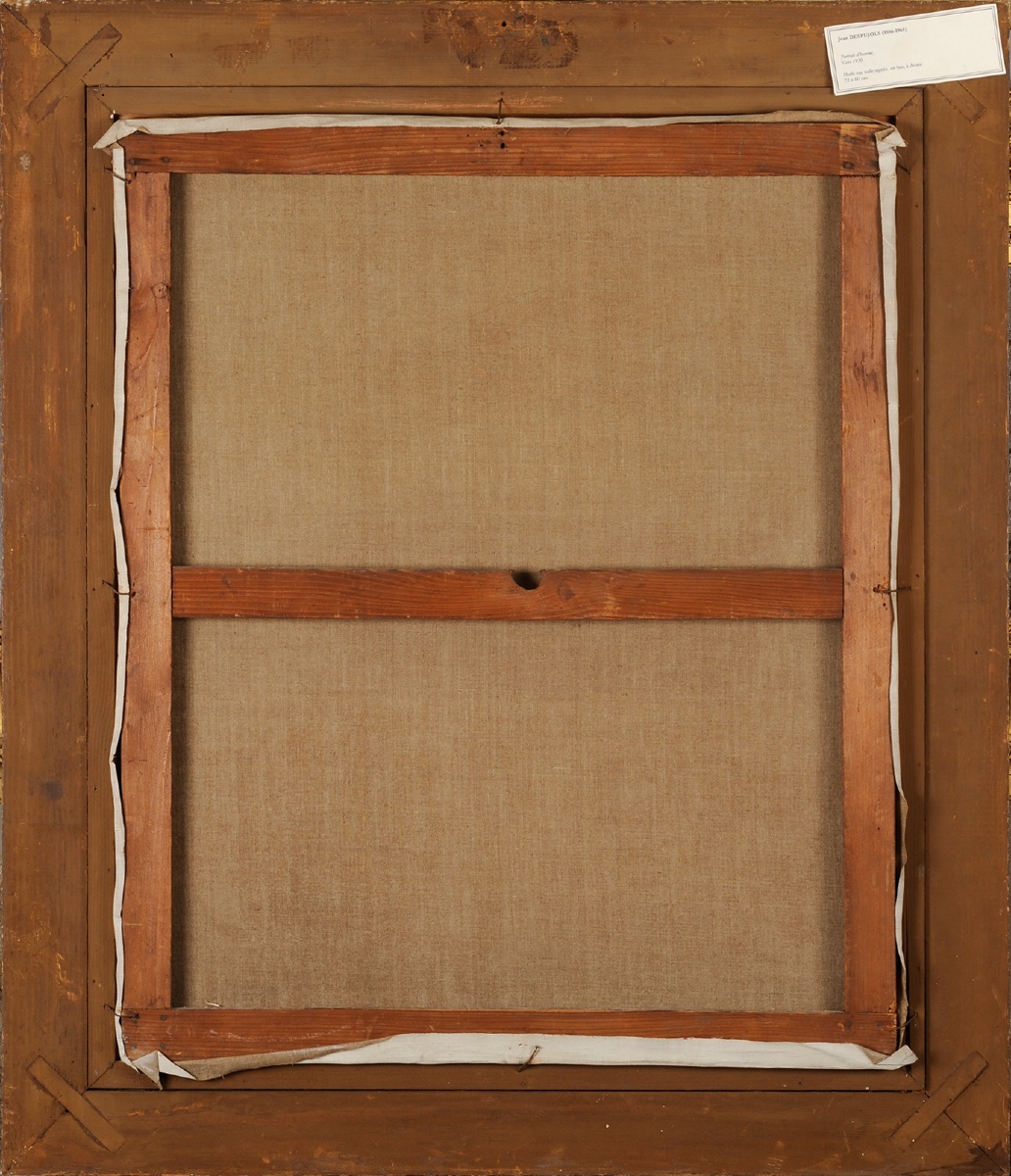
Oil on canvas
H. 75 cm ; W. 60 cm
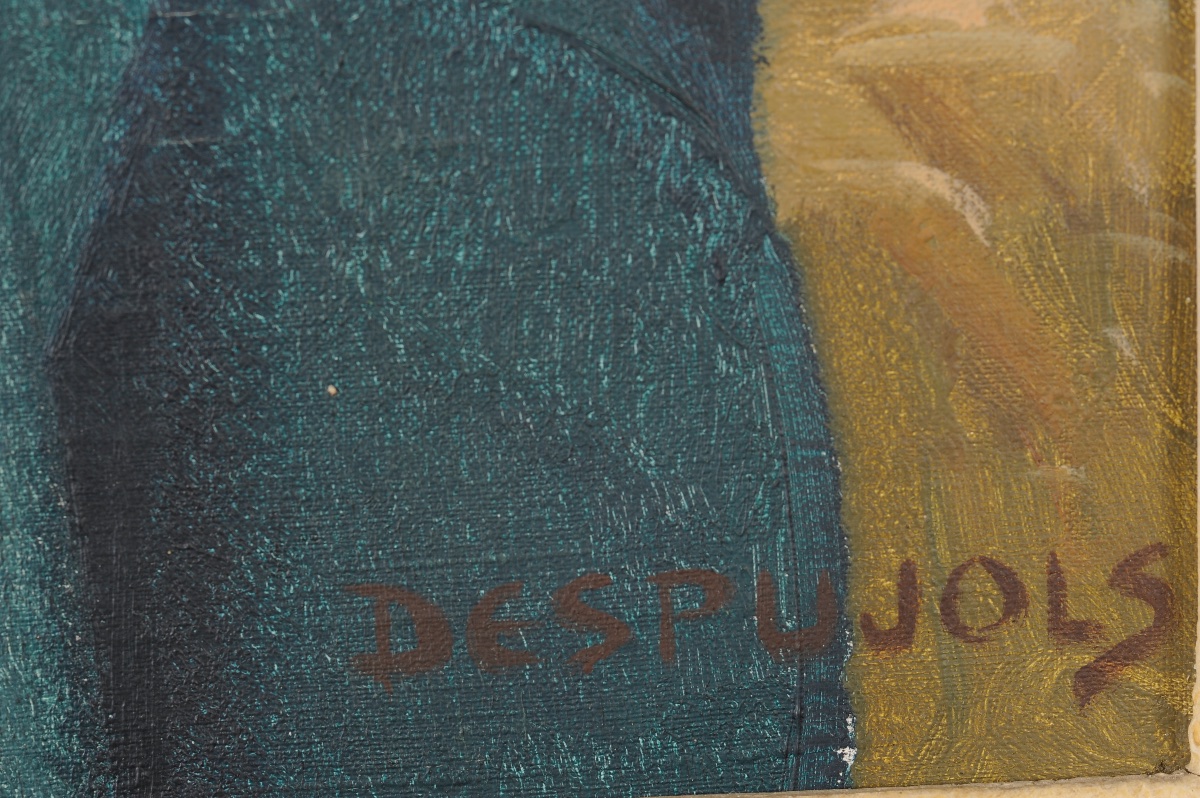
Signed lower right
circa 1920–25
Bibliography : Esprit des Landes, Jacques Sargos, Editions l’Horizon Chimérique, 2010, reproduced on p. 274
Jean Despujols began his training under the guidance of Paul Quinsac at the École des Beaux-Arts in Bordeaux. Seeking new horizons, he enrolled at the École des Beaux-Arts in Paris in May 1912, where he studied in Gabriel Ferrier’s studio. As early as 1914, he won a second Grand Prix de Rome for painting, but, like many of his generation, he was drafted during World War I as a machine-gunner. He moved to the Villa Medici in Rome with his friend Jean Dupas in 1919 and worked there until 1923.
Upon his return to France, he exhibited regularly at the Salon des Artistes Français, the Salon des Indépendants, and the Salon des Tuileries, as well as in numerous exhibitions abroad, as far as Asia.
He participated in several decorative projects: he painted a monumental Agriculture for the Bordeaux Tower at the 1925 International Exhibition of Modern Decorative and Industrial Arts, and in 1936 created another mural on Health for the annex of the 14th arrondissement town hall in Paris. He taught from 1924 to 1936 at the American Art School in Fontainebleau and, in 1936, received the Indochina Prize, which enabled him to spend time in the French colonies in Asia, where he produced several hundred works in an exotic style—many of which are now housed at the Meadows Museum in Shreveport. Upon his return to France three years later, he conceived a plan to exhibit his colonial paintings and drawings at the Orangerie des Tuileries, a project that was ultimately abandoned after the outbreak of World War II. He settled permanently in the United States in 1941, where he was reunited with his wife, Milicent Jordan, an American pianist whom he had met at the Fontainebleau School of Art. He was finally naturalized as an American citizen in 1945 and pursued a career as a portrait painter and composer of piano pieces, alongside his wife. He died in Louisiana in 1965.
He is the author of L'Epitinikaire, or Introduction to Integral Enjoyment (2 vols.). He wrote several poems and works on philosophy, sociopolitics, education, and aesthetics.
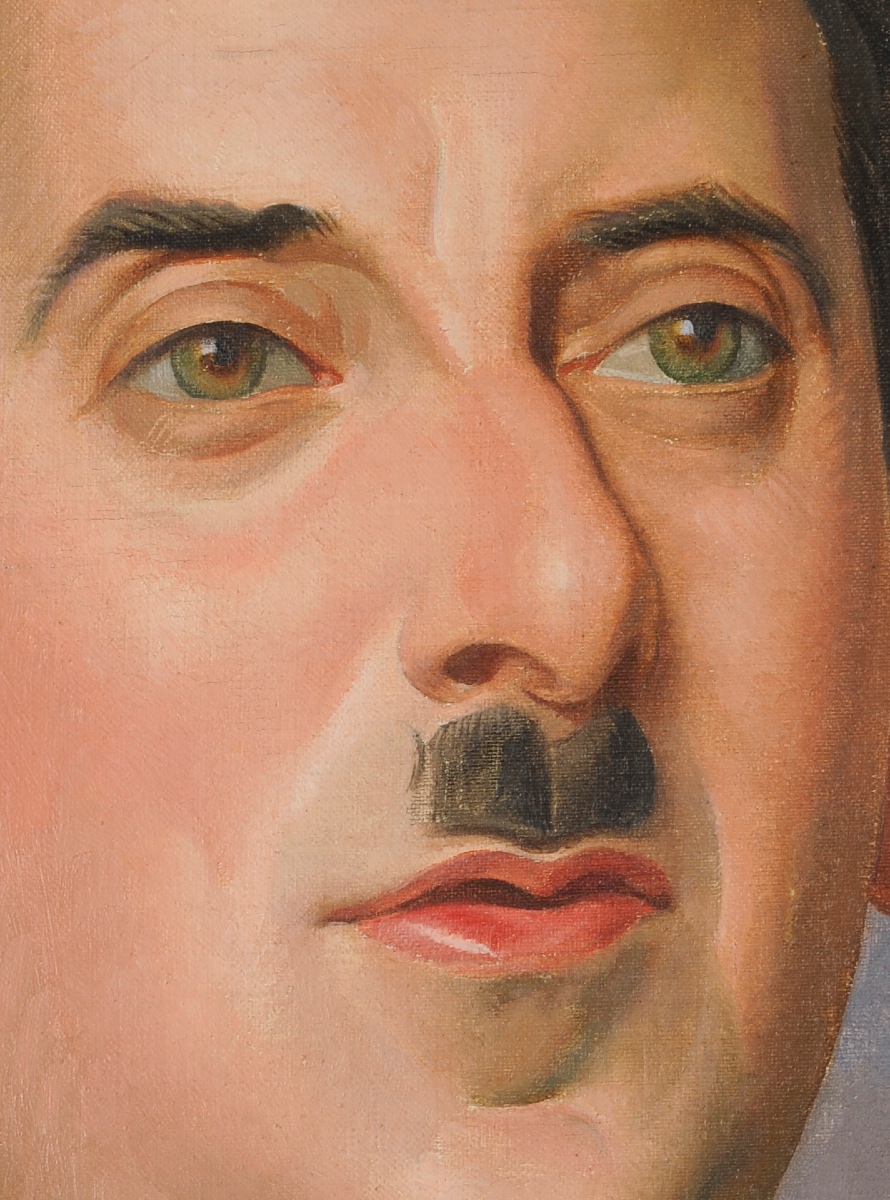
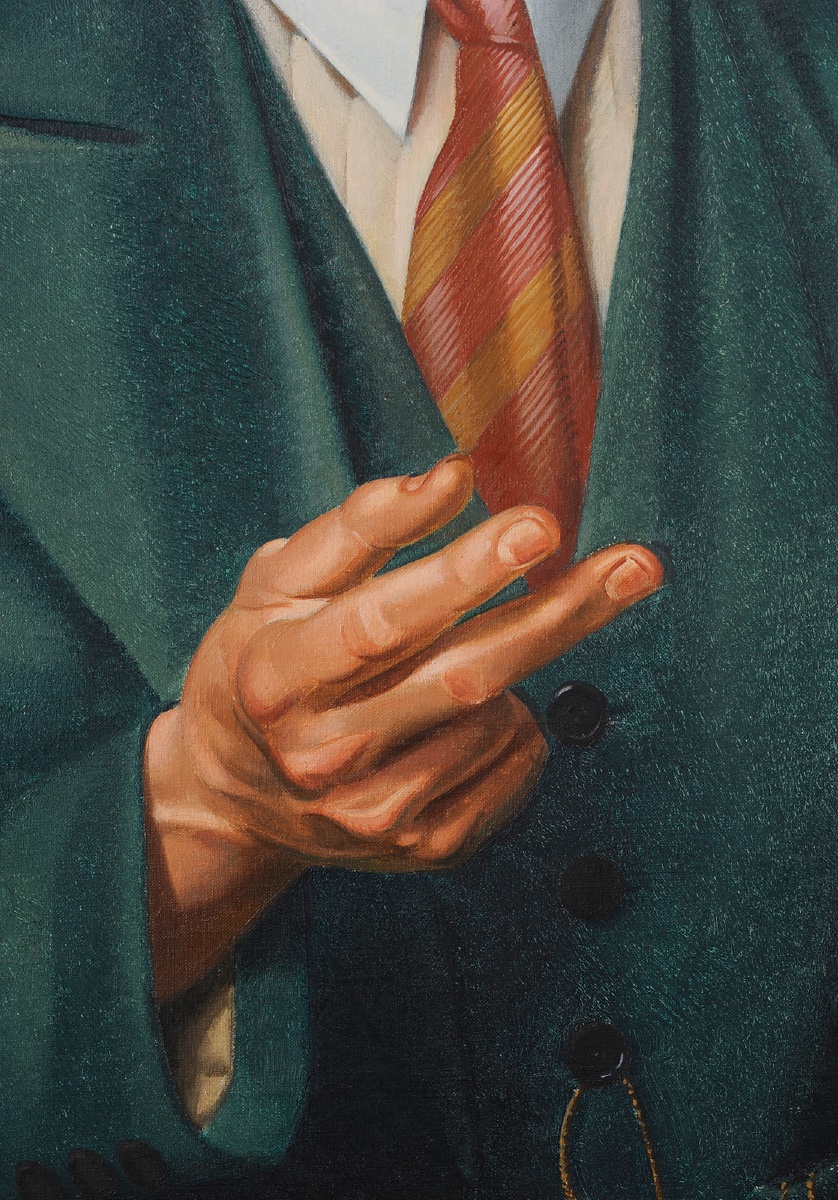
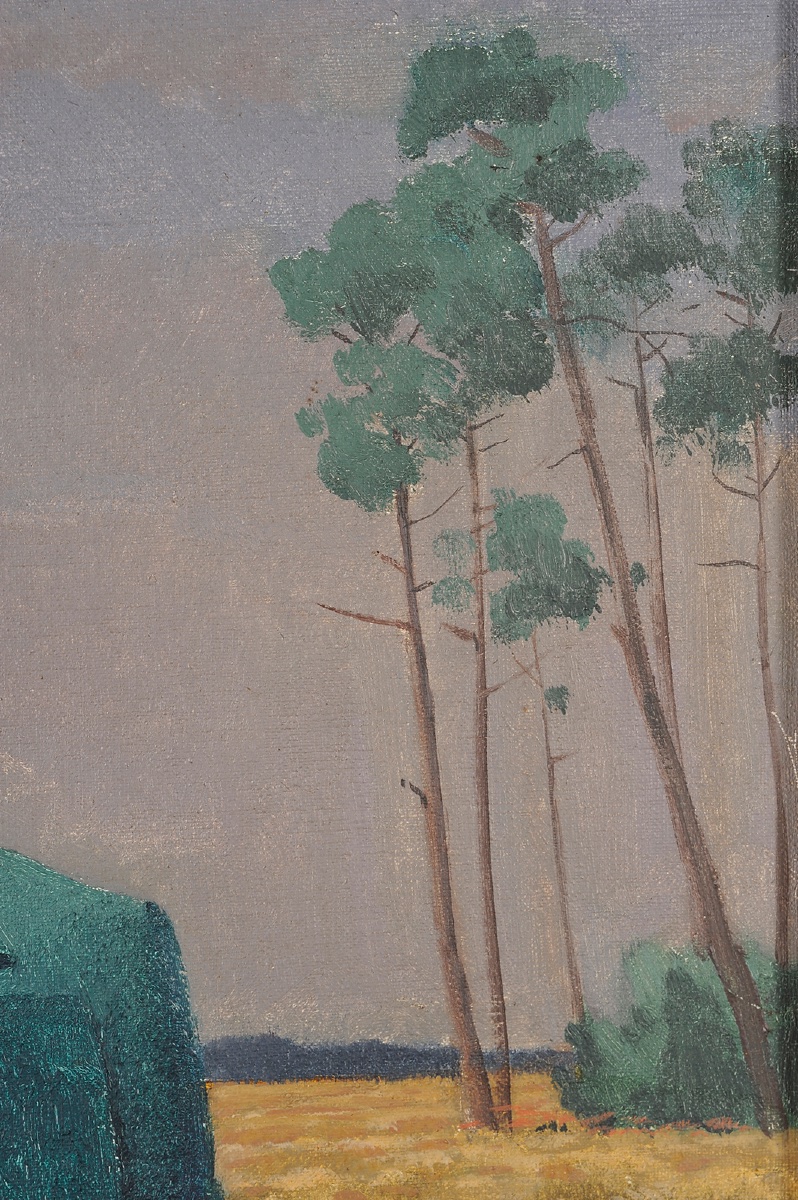
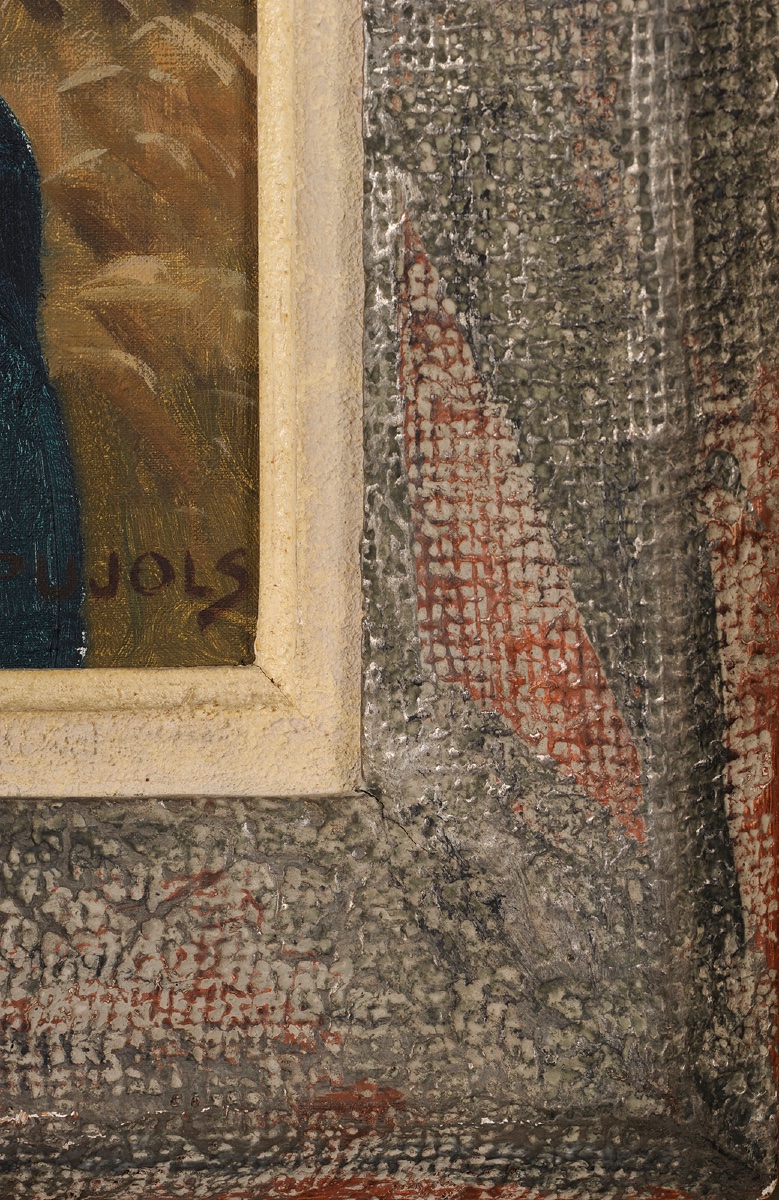
Our portrait of this landowner is atypical in more ways than one. The man, who at the time was mayor of the town of Saint-Médard-en-Jalles, appears to be in the middle of a speech. The slightly parted mouth of this man dressed entirely in green suggests he is in conversation with someone off-camera, a fact confirmed by his gaze, which is not directed at us. He is made even more distinctive by the outdoor setting in which he is depicted. To the best of our knowledge, this is the only known depiction of him in the heart of the Landes region, in a marshy clearing with a few pine trees rising in the background. What better way to depict a man deeply attached to his homeland than to “place” him within his natural setting?! Also worth noting is the typical frame of the era, painted to resemble pine bark. A comprehensive work.
(Salles 1886 – Shreveport 1965)
Portrait of Henri Martin, mayor of Saint-Médard-en-Jalles (Gironde)
Oil on canvas
H. 75 cm ; W. 60 cm
Signed lower right
circa 1920–25
Bibliography : Esprit des Landes, Jacques Sargos, Editions l’Horizon Chimérique, 2010, reproduced on p. 274
Jean Despujols began his training under the guidance of Paul Quinsac at the École des Beaux-Arts in Bordeaux. Seeking new horizons, he enrolled at the École des Beaux-Arts in Paris in May 1912, where he studied in Gabriel Ferrier’s studio. As early as 1914, he won a second Grand Prix de Rome for painting, but, like many of his generation, he was drafted during World War I as a machine-gunner. He moved to the Villa Medici in Rome with his friend Jean Dupas in 1919 and worked there until 1923.
Upon his return to France, he exhibited regularly at the Salon des Artistes Français, the Salon des Indépendants, and the Salon des Tuileries, as well as in numerous exhibitions abroad, as far as Asia.
He participated in several decorative projects: he painted a monumental Agriculture for the Bordeaux Tower at the 1925 International Exhibition of Modern Decorative and Industrial Arts, and in 1936 created another mural on Health for the annex of the 14th arrondissement town hall in Paris. He taught from 1924 to 1936 at the American Art School in Fontainebleau and, in 1936, received the Indochina Prize, which enabled him to spend time in the French colonies in Asia, where he produced several hundred works in an exotic style—many of which are now housed at the Meadows Museum in Shreveport. Upon his return to France three years later, he conceived a plan to exhibit his colonial paintings and drawings at the Orangerie des Tuileries, a project that was ultimately abandoned after the outbreak of World War II. He settled permanently in the United States in 1941, where he was reunited with his wife, Milicent Jordan, an American pianist whom he had met at the Fontainebleau School of Art. He was finally naturalized as an American citizen in 1945 and pursued a career as a portrait painter and composer of piano pieces, alongside his wife. He died in Louisiana in 1965.
He is the author of L'Epitinikaire, or Introduction to Integral Enjoyment (2 vols.). He wrote several poems and works on philosophy, sociopolitics, education, and aesthetics.
Our portrait of this landowner is atypical in more ways than one. The man, who at the time was mayor of the town of Saint-Médard-en-Jalles, appears to be in the middle of a speech. The slightly parted mouth of this man dressed entirely in green suggests he is in conversation with someone off-camera, a fact confirmed by his gaze, which is not directed at us. He is made even more distinctive by the outdoor setting in which he is depicted. To the best of our knowledge, this is the only known depiction of him in the heart of the Landes region, in a marshy clearing with a few pine trees rising in the background. What better way to depict a man deeply attached to his homeland than to “place” him within his natural setting?! Also worth noting is the typical frame of the era, painted to resemble pine bark. A comprehensive work.
3 600 €
Period: 20th century
Style: Modern Art
Condition: Perfect condition
Material: Oil painting
Length: 75 cm hors cadre
Width: 60 cm hors cadre
Reference (ID): 1794744
Availability: In stock
Print