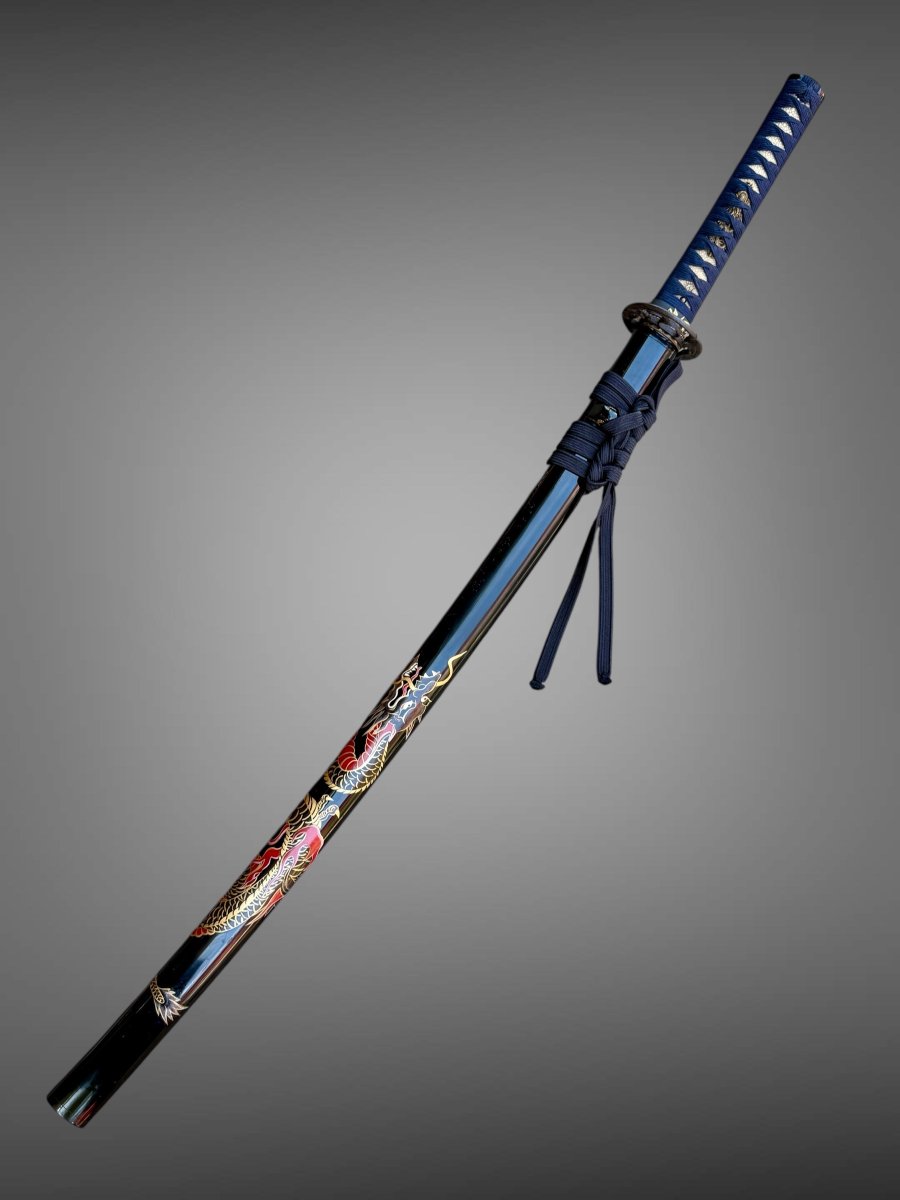
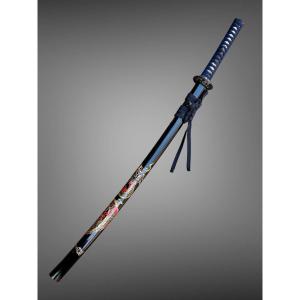


Japanese Katana Sword, Signed - Early Edo (17th Century).
JAPAN - Early Edo (17th century)
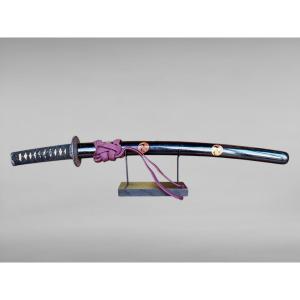
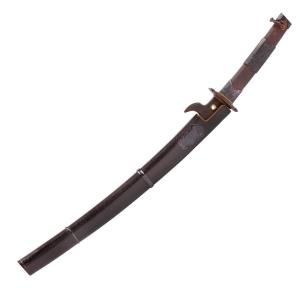
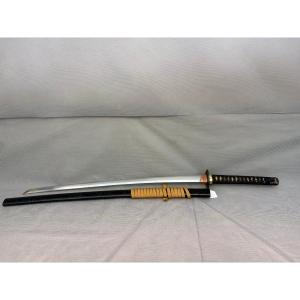
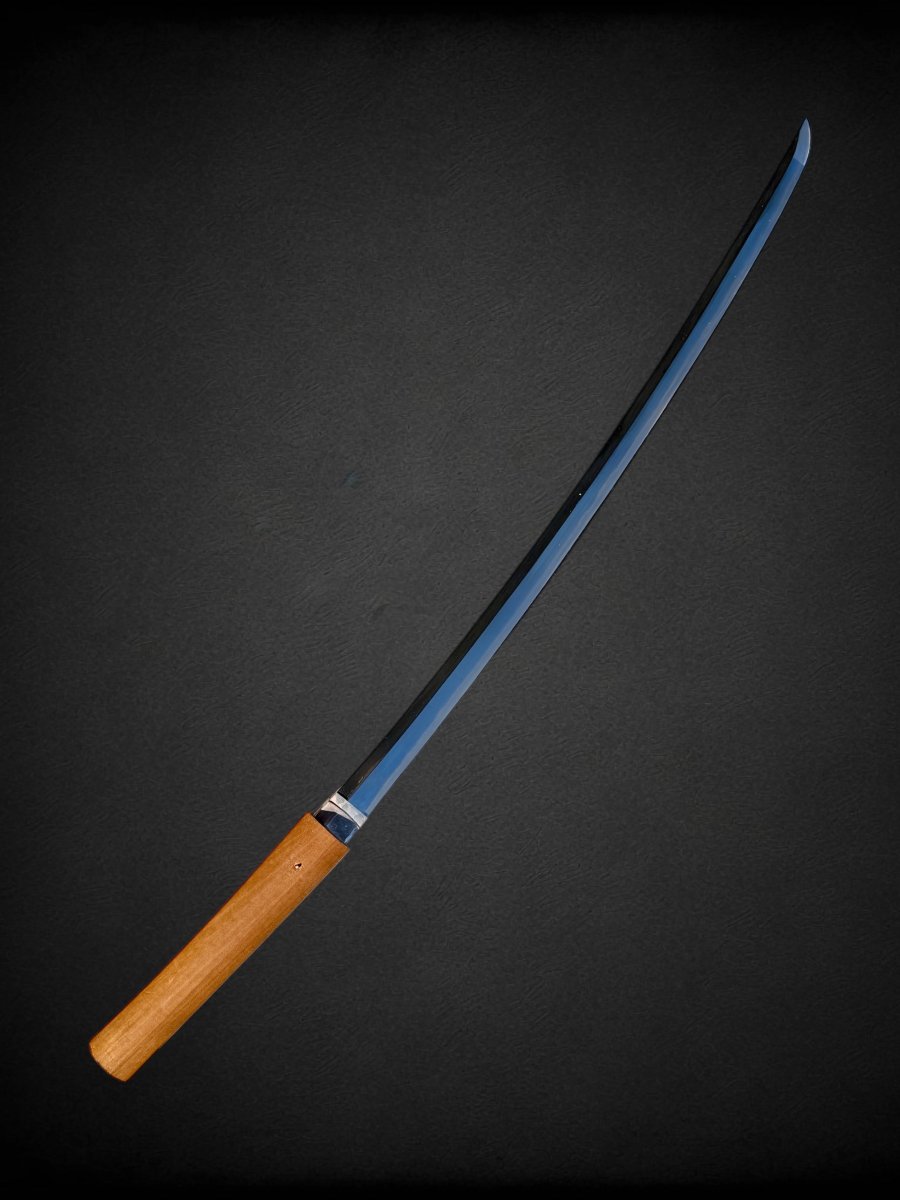
Samurai katana.
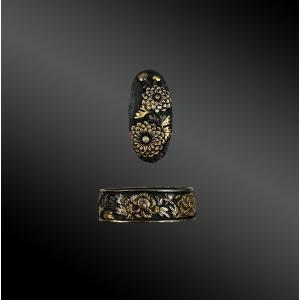
KASHIRA in black lacquered metal.
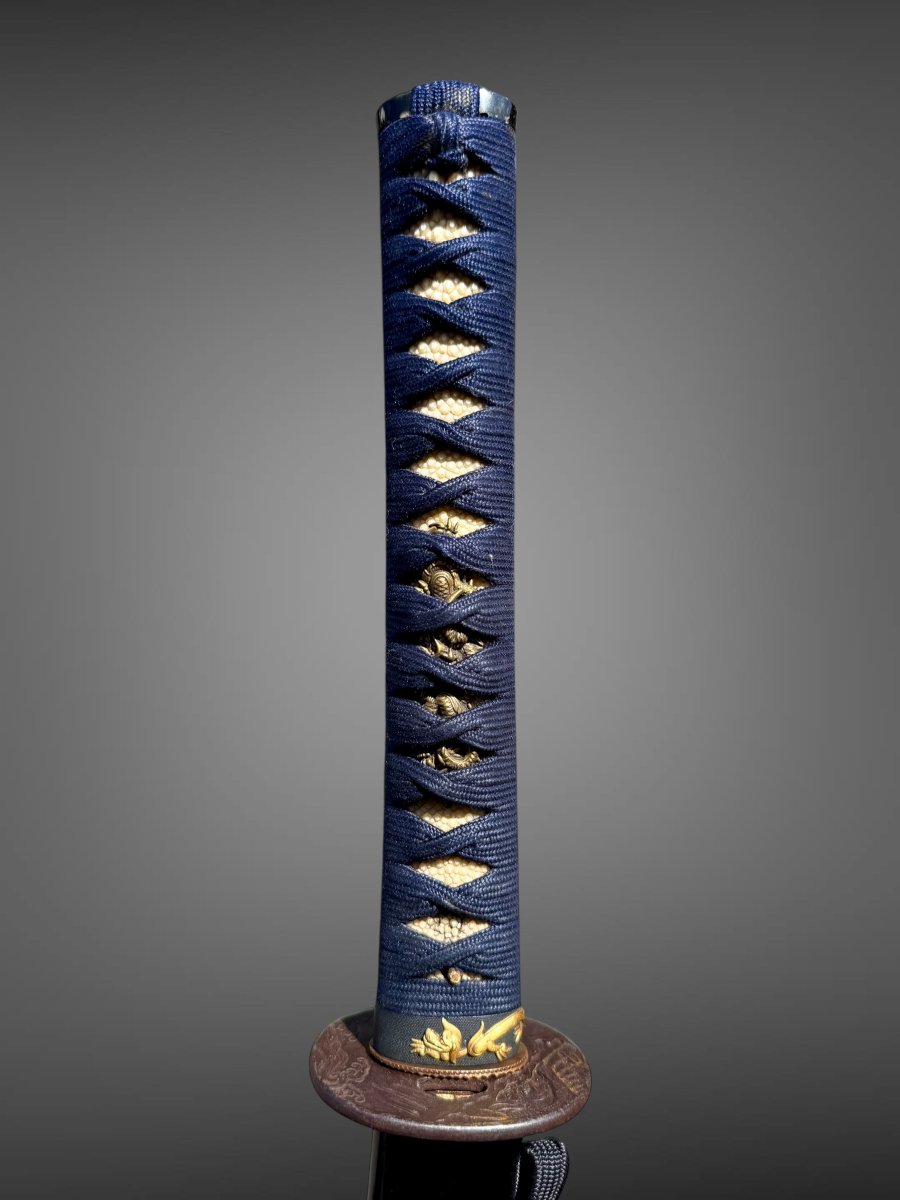
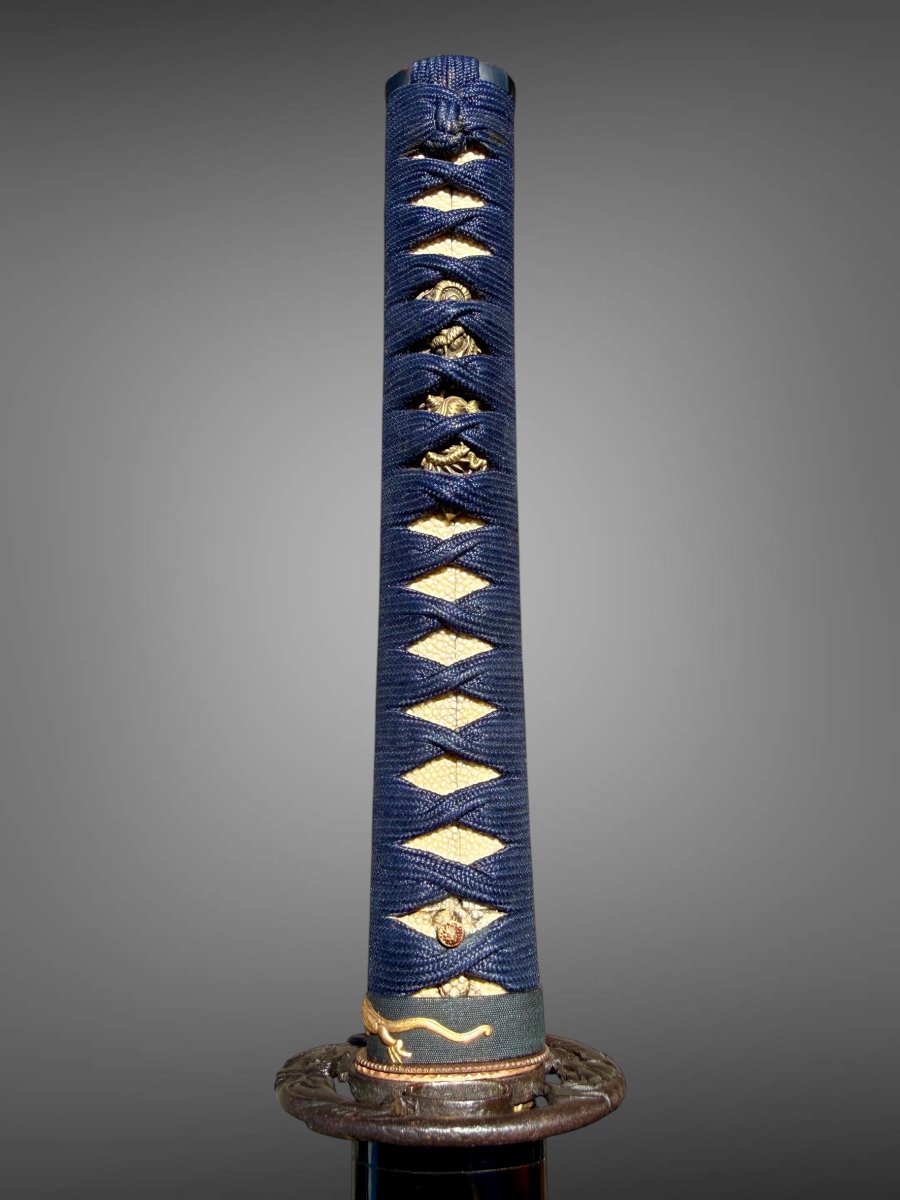
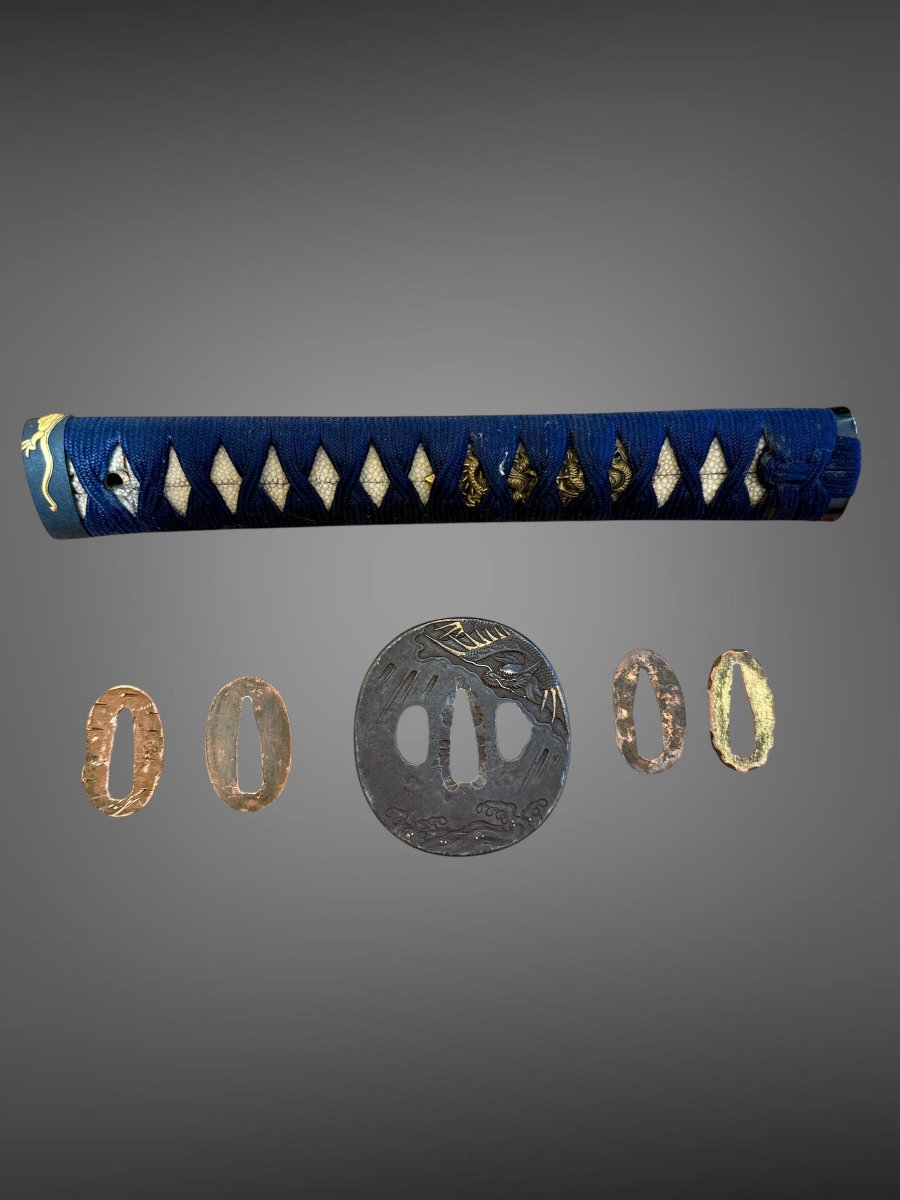
FUCHI in engraved, patinated and gilded copper featuring a chilling on a nanako background.
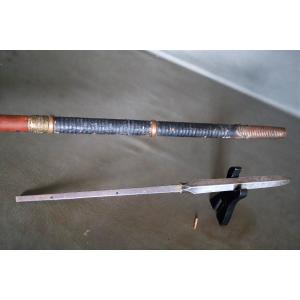
TSUKA in wood covered with ray skin, braided with blue silk.
MENUKIS in chased copper featuring a coiled dragon.
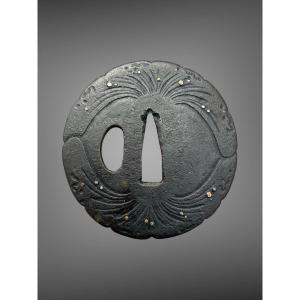
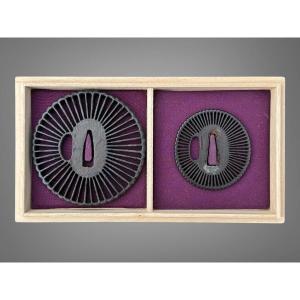
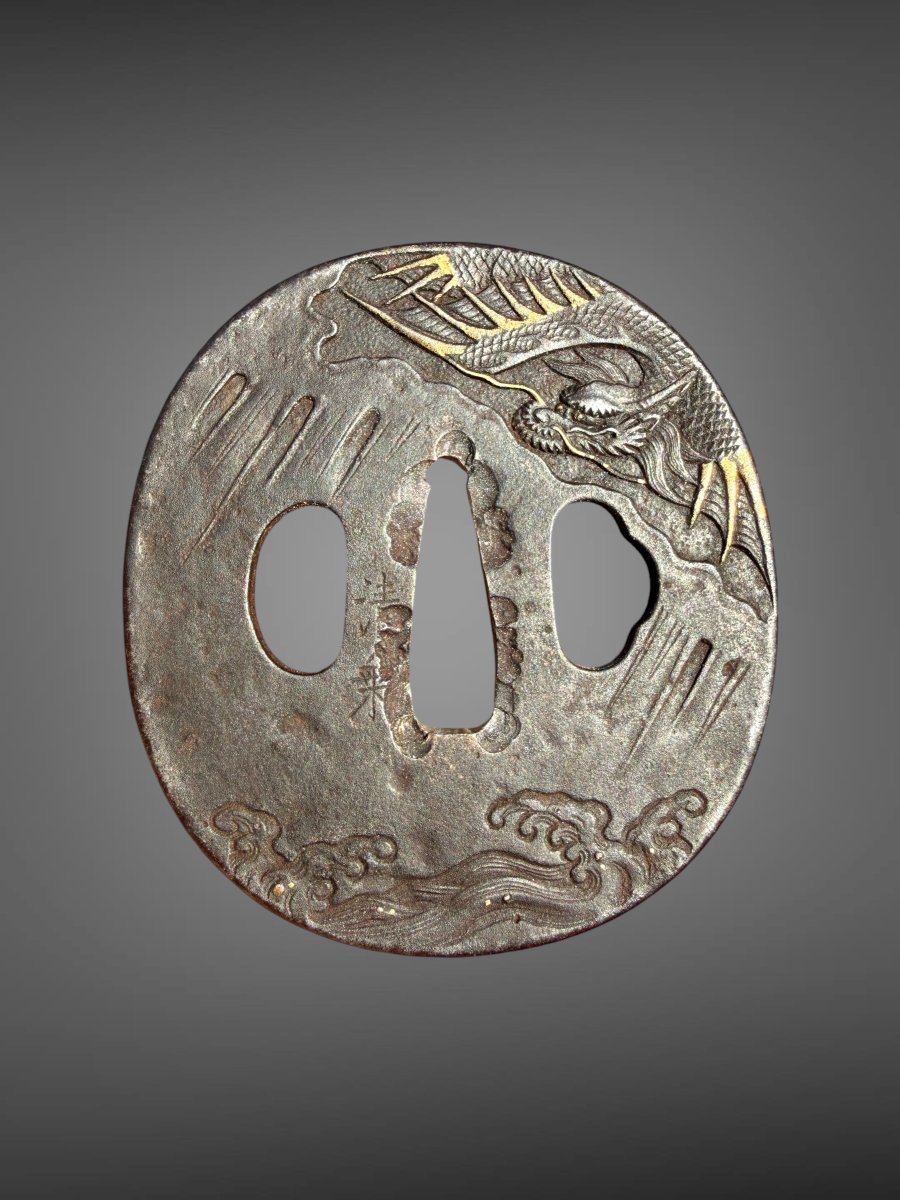
TSUBA kaku-maru-gatta in wrought iron with dragon deor
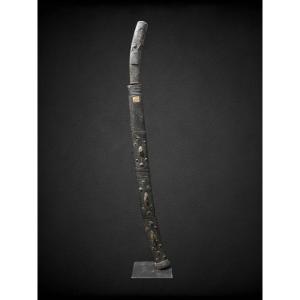
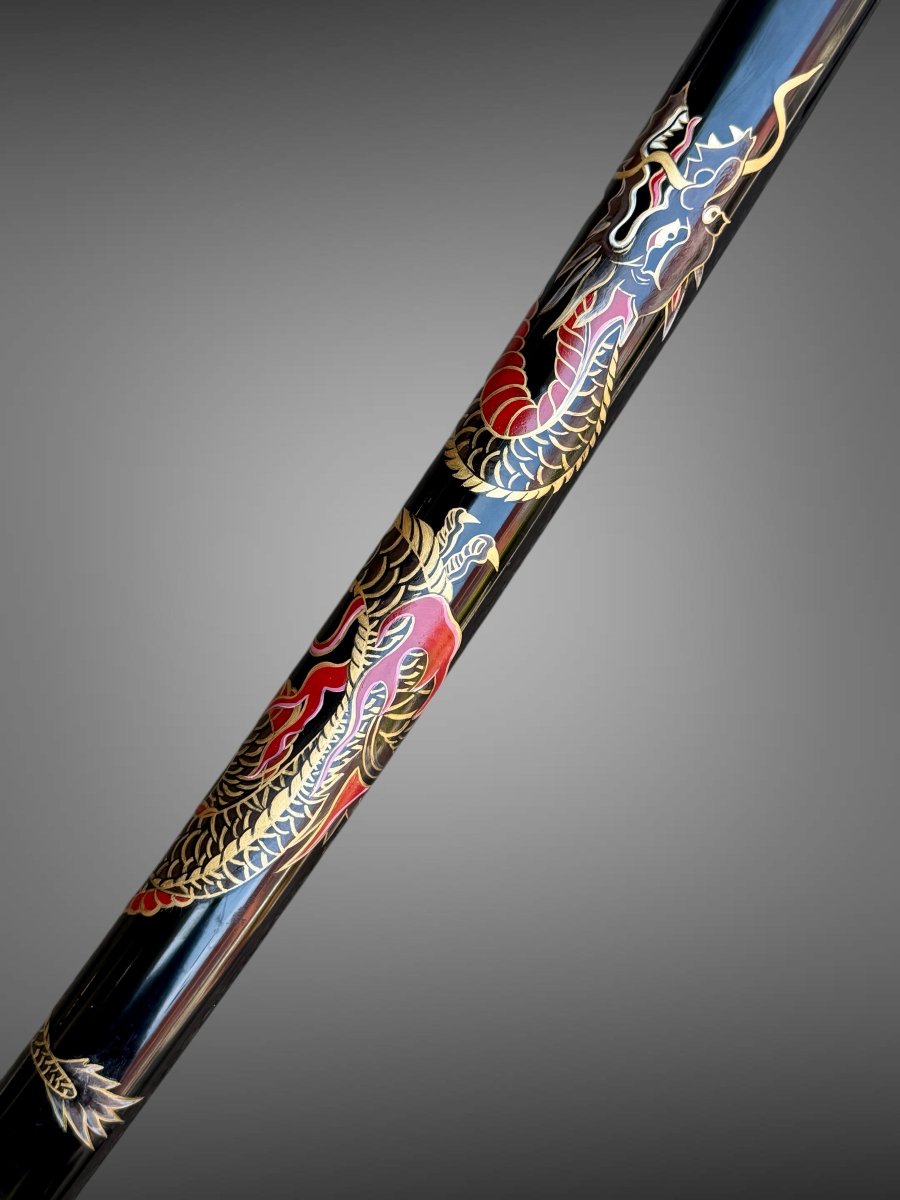
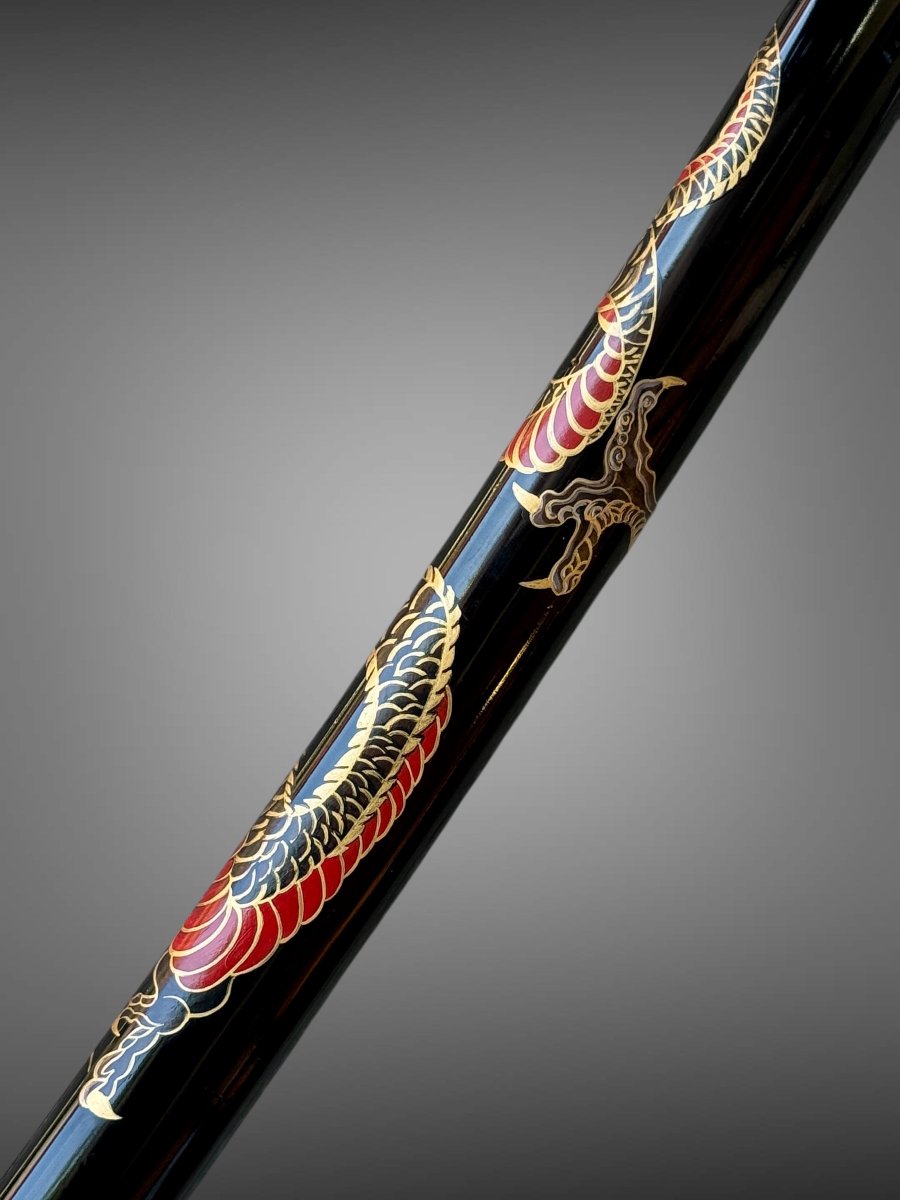
SAYA in wood covered with glossy black lacquerwith dragon decor
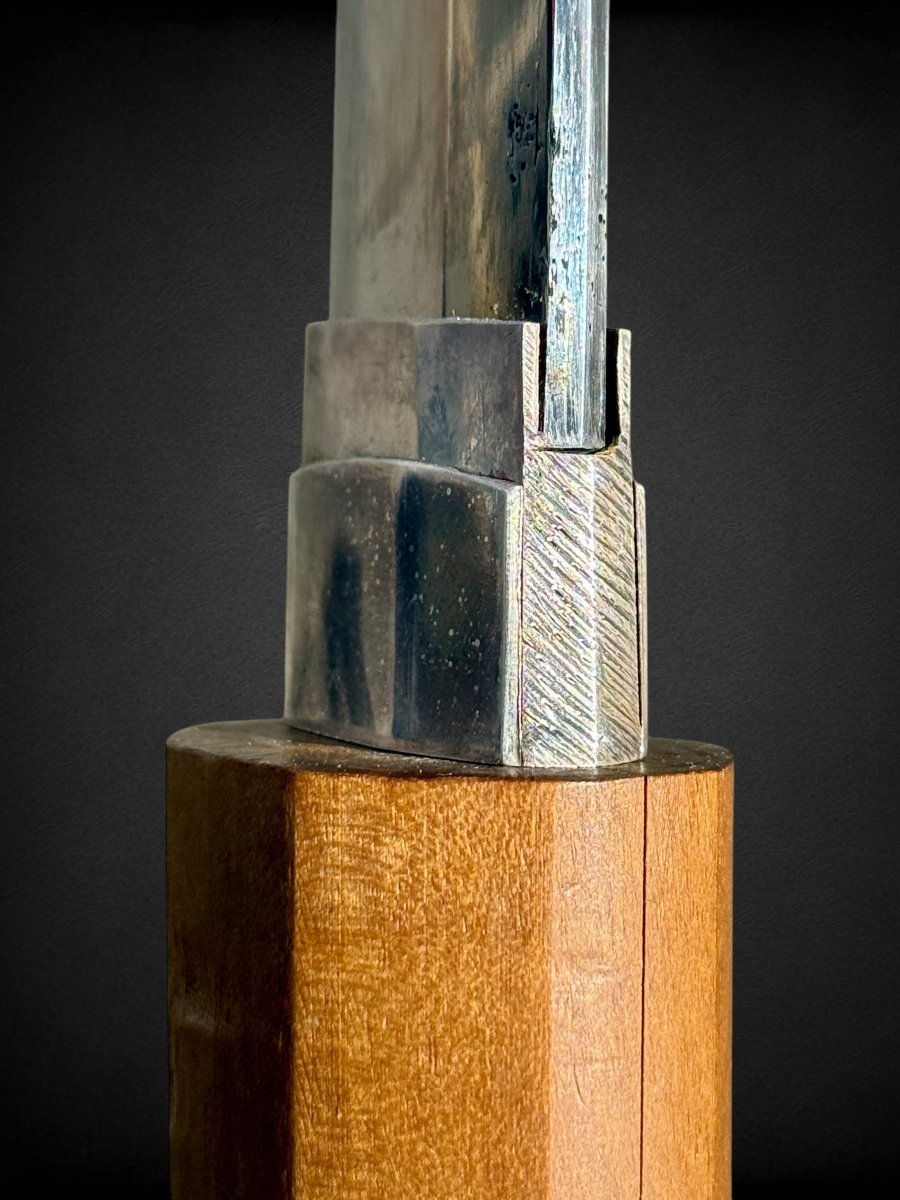
HABAKI in copper covered with silver leaf crosshatched with oblique stripes.
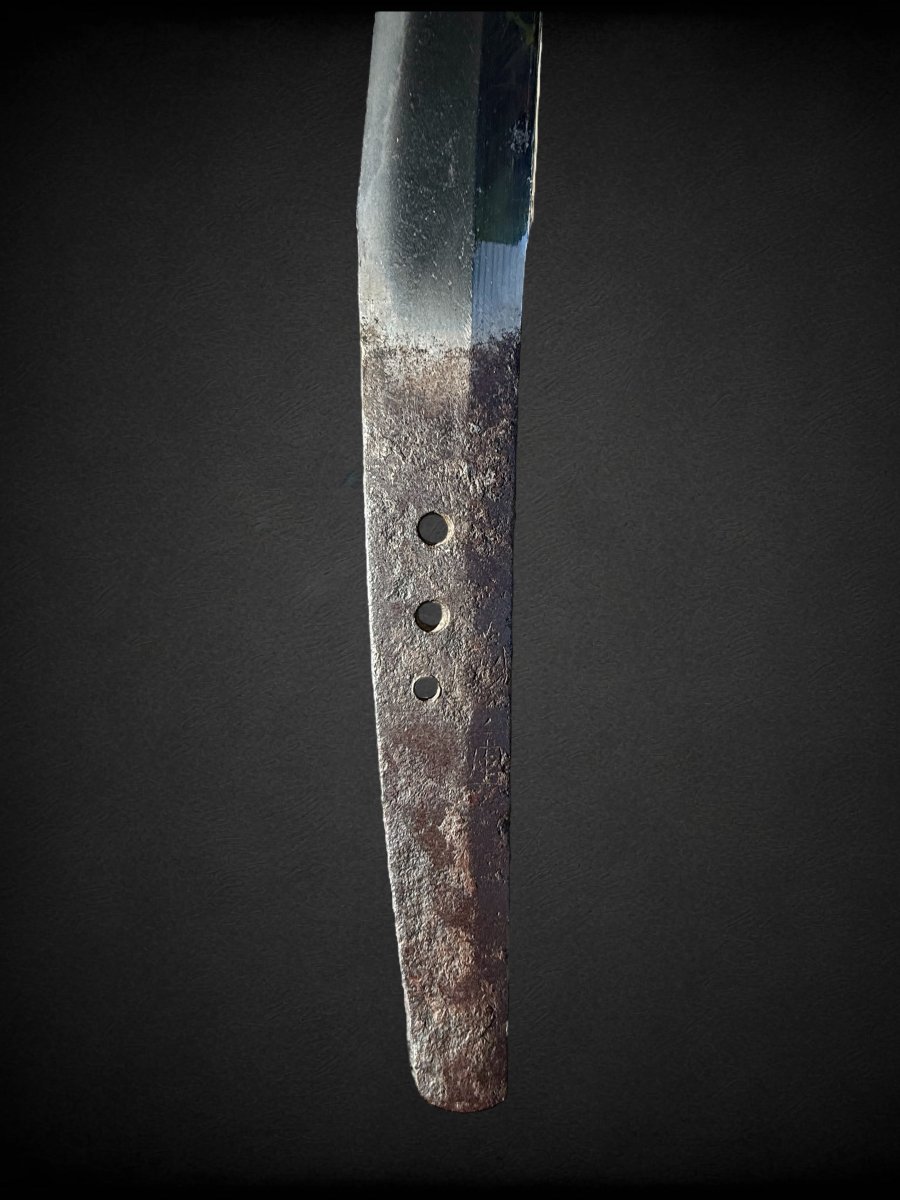
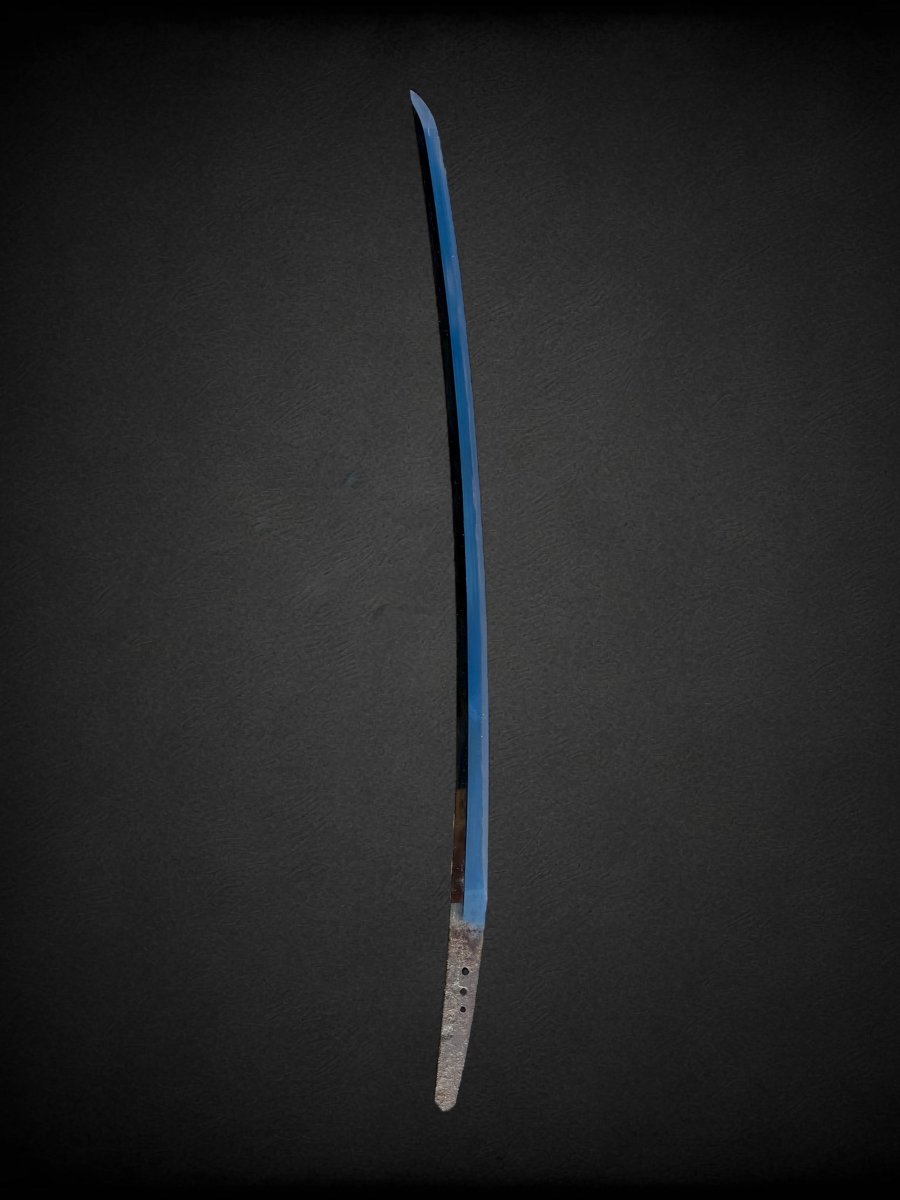
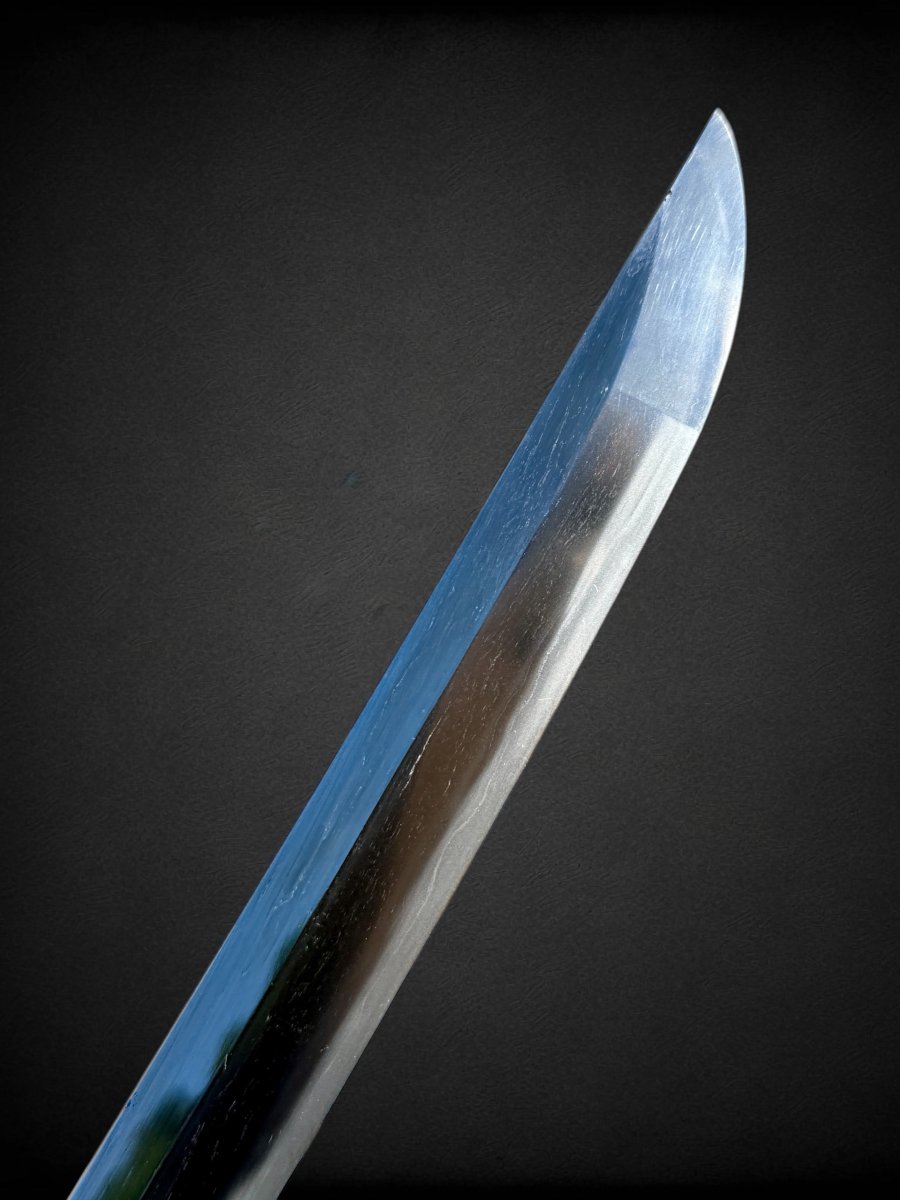
Straight blade, regular, straight and well-marked hamon, the tang pierced three times, signed KUNISHIGE (山城大掾源国重). He was the most active sword forger in the early Edo period (mid-16th century). Yamashiro Daijyo was the honorable title given to this blacksmith in the second year of the Shoho era (1646). He was the younger brother of Otsuki Yogoro Kunishige (third-generation Kunishige), the most respected blacksmith of the Mizuta school, located in Bitchu province (now Okayama prefecture). Yamato Daijyo Kunishige's real name is Ichizo. He also forged swords in Edo with his son, the second-generation Yamashiro Daijyo Kunishige.
The Mizuta school was founded by descendants of Ko AOE Tametsugu at the end of the Muromachi period (1530-). Tametsugu was one of the most famous blacksmiths of the late Heian and early Kamakura periods (late 11th and early 11th centuries). One of his works is now designated a Japanese national treasure. It was located in the town of Kurashiki, in today's Okayama prefecture. The AOE school flourished during the Kamakura-Nanbokucho era (late 12th-late 14th century), but almost disappeared during the Muromachi period. Thanks to Tametsugu's descendants, the Ko Aoe style sword has become popular again. They revitalized the school, changing its name to the Bitchu Koku Mizuta school.
The Bitchu Koku Mizuta school flourished from 1530 to 1700 (from the end of the Sengoku period to the middle of the Edo period) in today's Okayama prefecture. It lasted until the end of the Edo period. There were around 60 blacksmiths belonging to the Mizuta school, and Kunishige was the most prestigious blacksmith name that only selected sword makers were allowed to use in this school. During the Edo period, many Kunishige smiths moved to other parts of Japan.
There were two main groups of Kunishige smiths during the Edo period. One was called the Oyogo Kunishige(大与五国重派) school led by Master Otsuki and the other was called the Kono school led by Tameie. As the younger brother of Otsuki Yogoro Kunishige, this Kunishige belonged to the Oyogo Kunishige school. Yamato Daijyo Kunishige was a prestigious blacksmith. He used Kunishige as his maker's name and received the honorable title (Yamato Daijyo).
Okayama Prefecture is located near the Chugoku Mountains, where iron sands, one of the essential materials for making Japanese swords, were abundant. What's more, smiths in Okayama Prefecture had close access to the Yoshi River for pure water and high-quality charcoal, essential for making great swords. This geological situation helped blacksmiths forge refined, high-quality blades. We assume that Bichu was very active in sword forging since ancient times.
Sold with the stand, its silk case for transport.
Dimensions: 101 x 7 x 7 cm.
Edge length : 68.3 cm.
Curvature : 1.82 cm.
Period: 17th century
Style: Asian art
Condition: Good condition
Length: 101 cm
Height: 7 cm
Depth: 7 cm
Reference (ID): 1771750
Availability: In stock