

Paris 1812-1819, Reliquary Bust , Sterling Silver , Widow Paraud , Marguerite Hoguet
Artist: Marguerite Hoguet , Veuve De Pierre Paraud
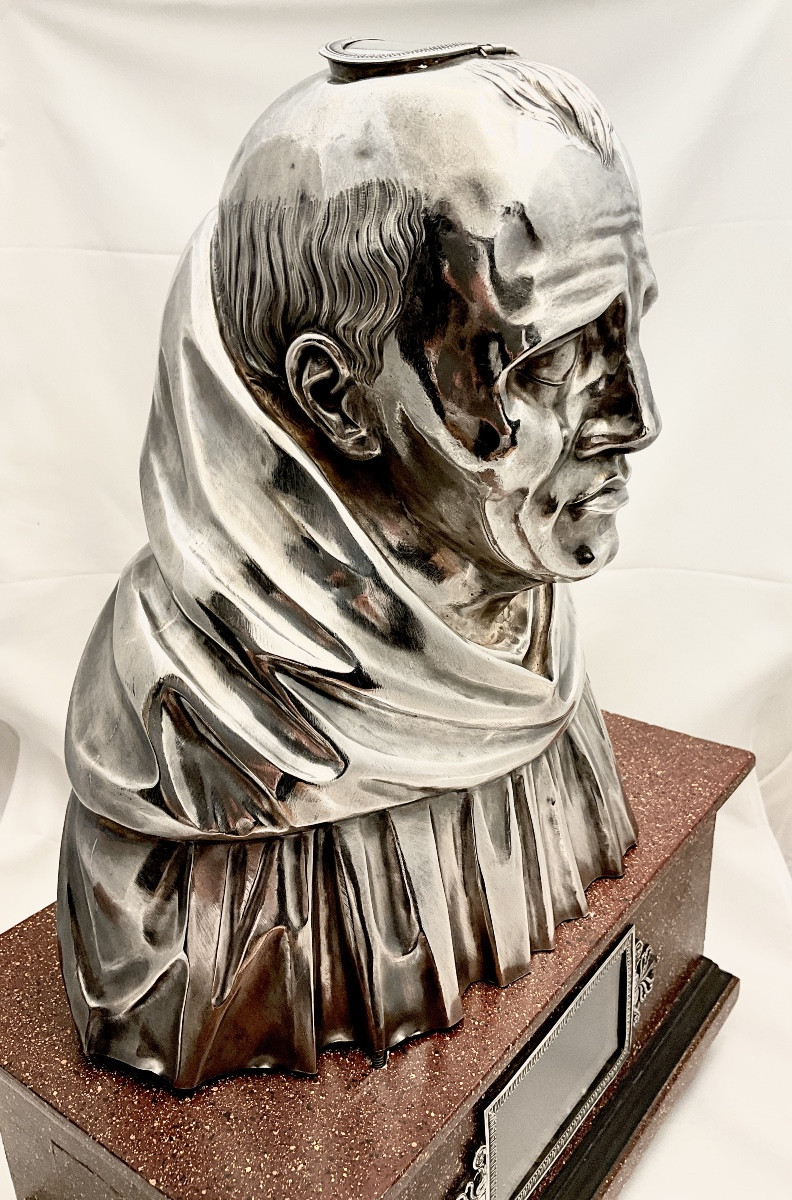
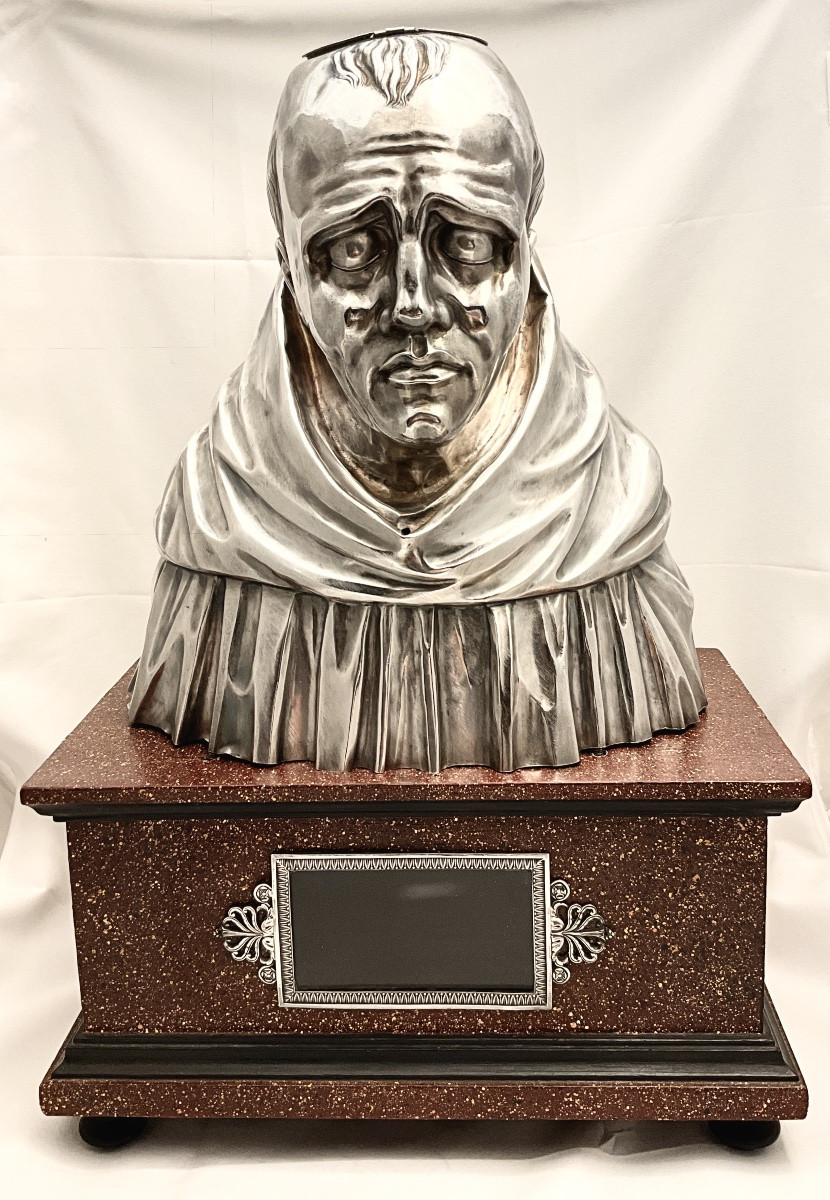
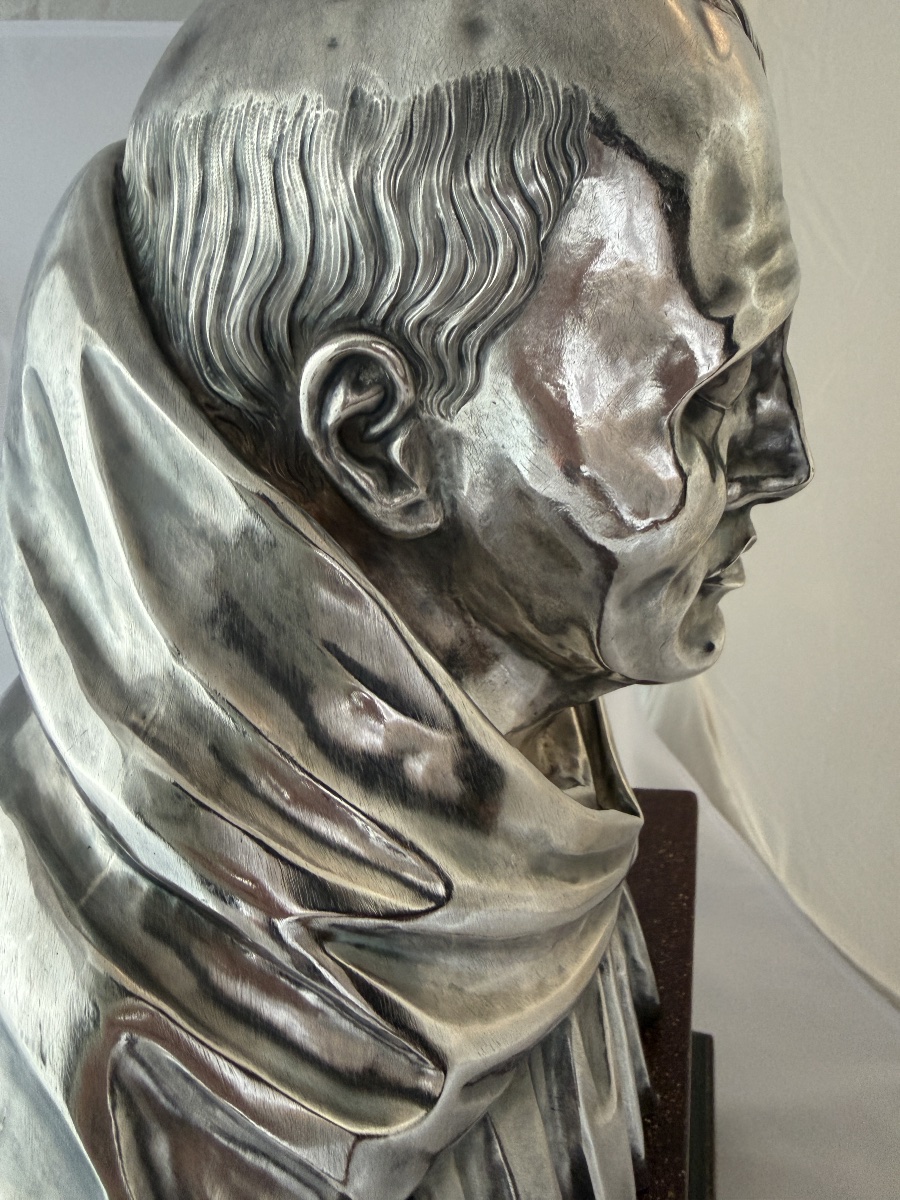
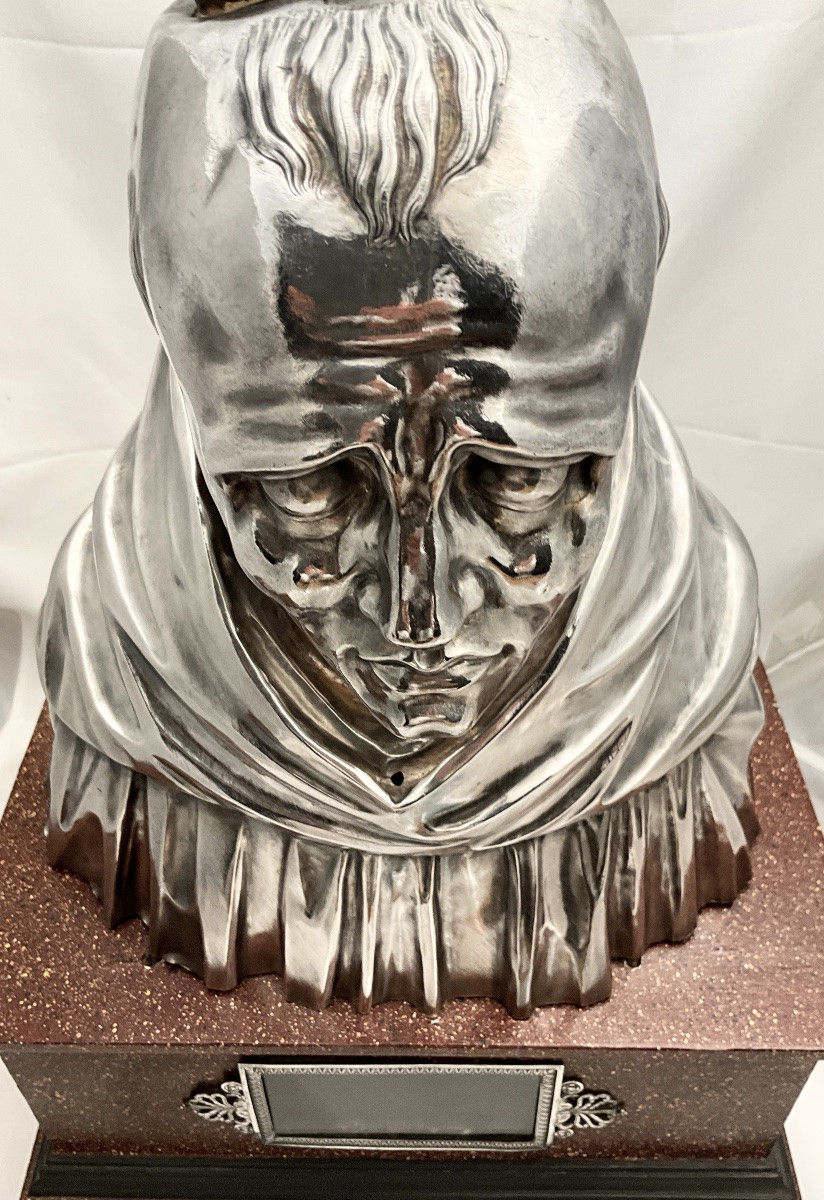
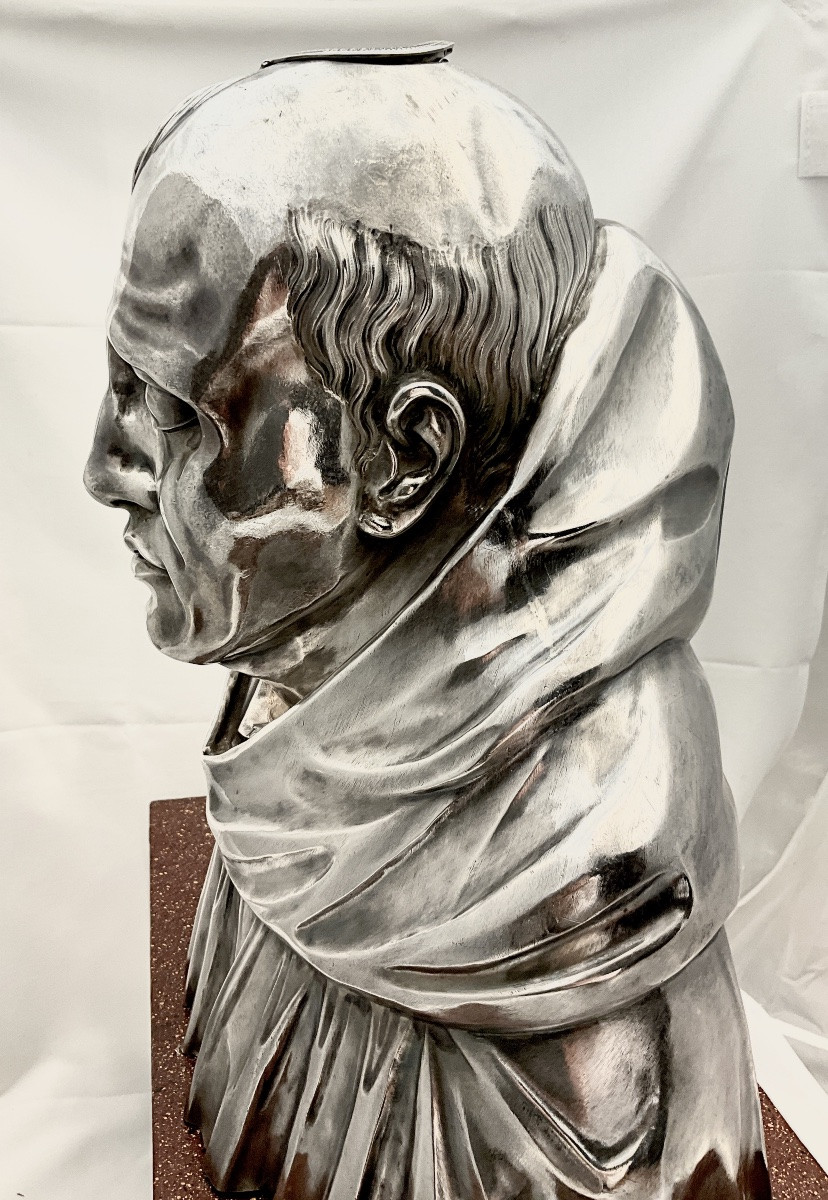
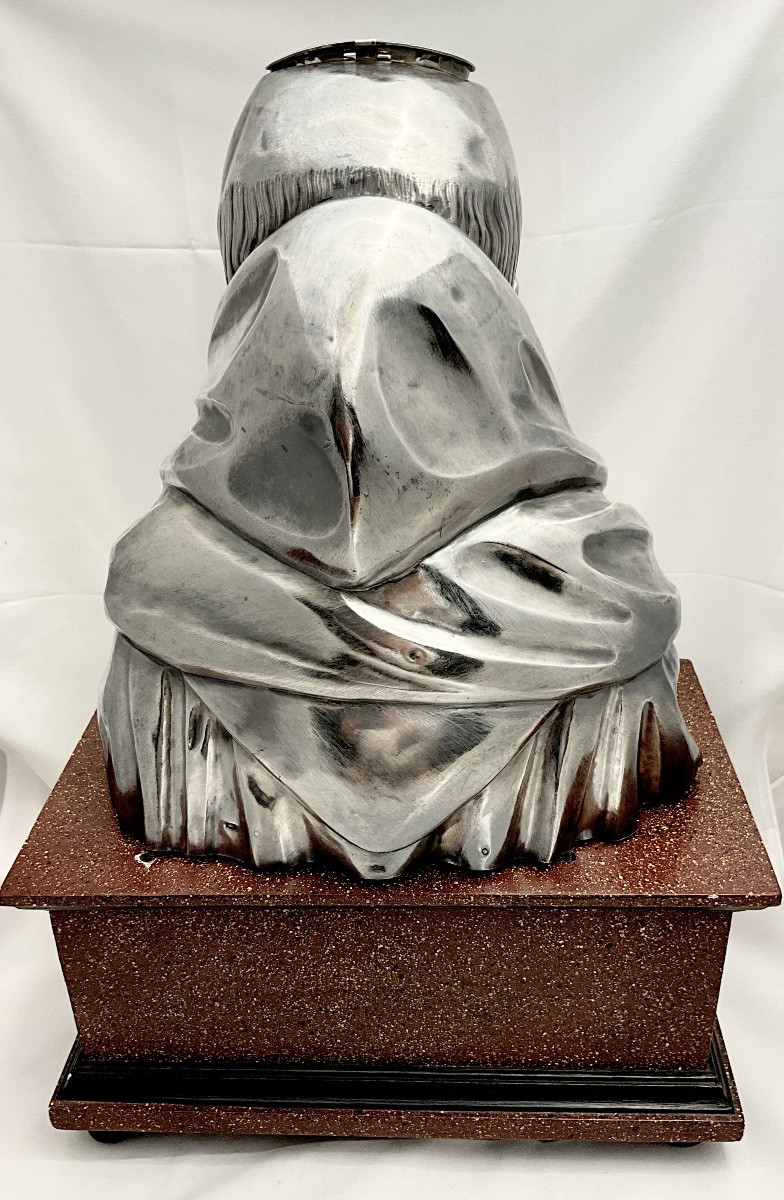
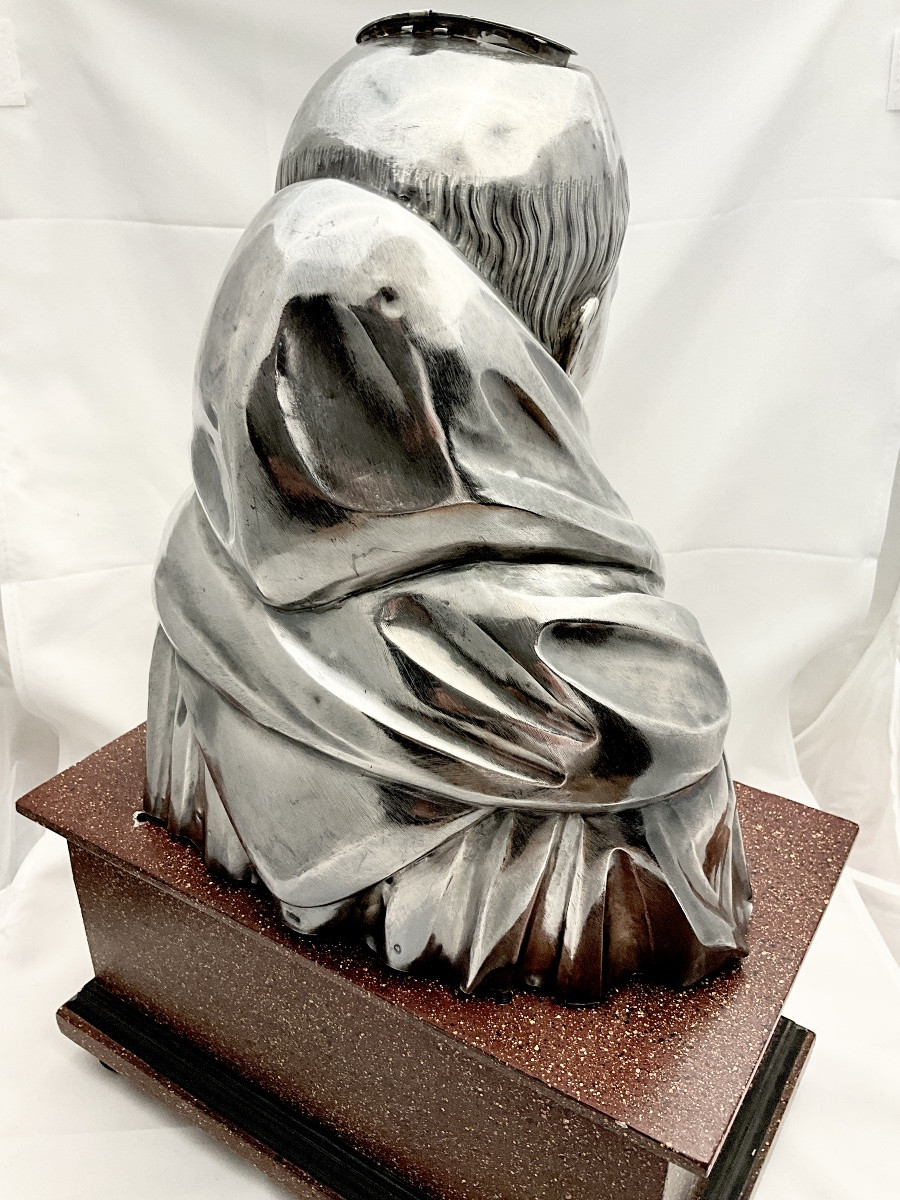
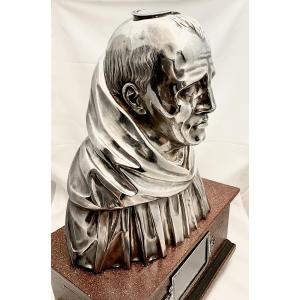
Extremely rare solid silver reliquary bust of a holy monk, yet to be identified (perhaps Saint Etienne de Muret?).
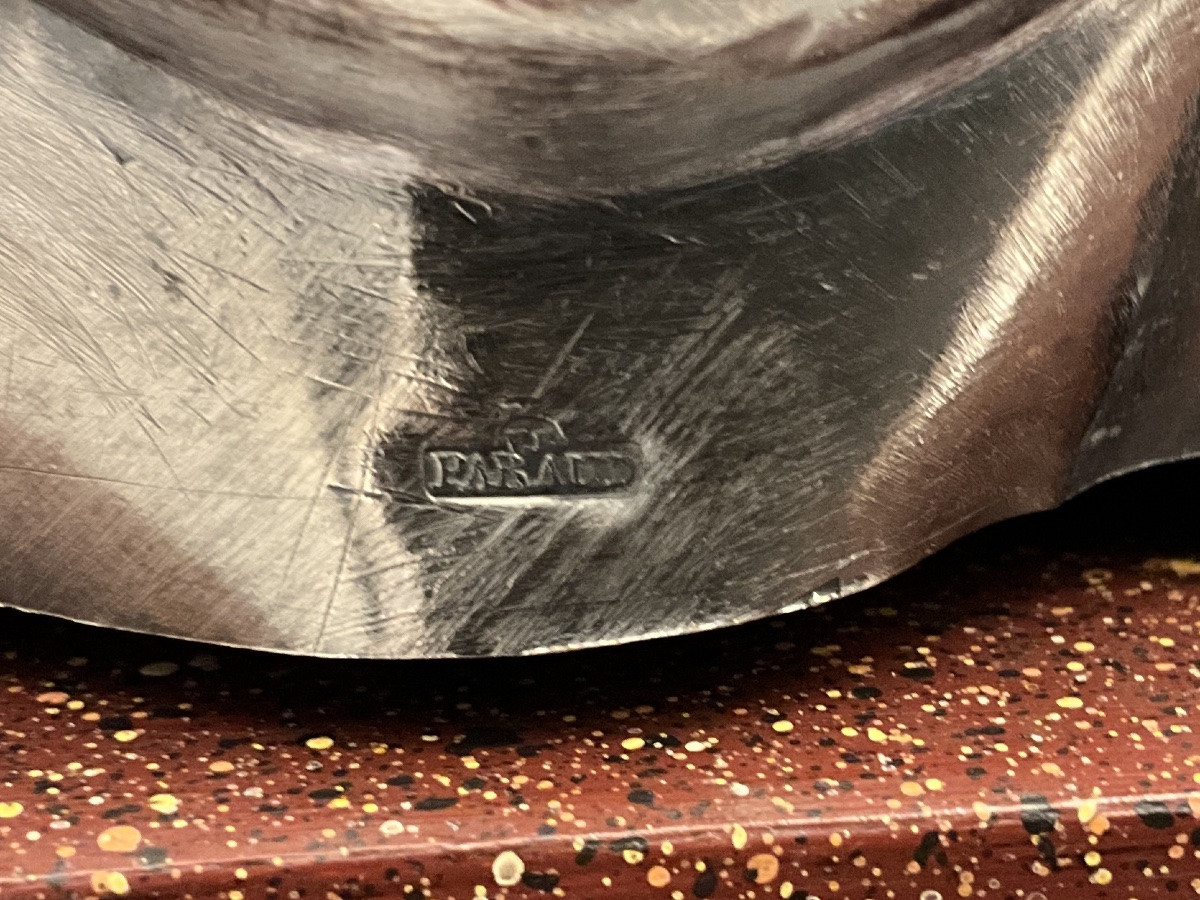
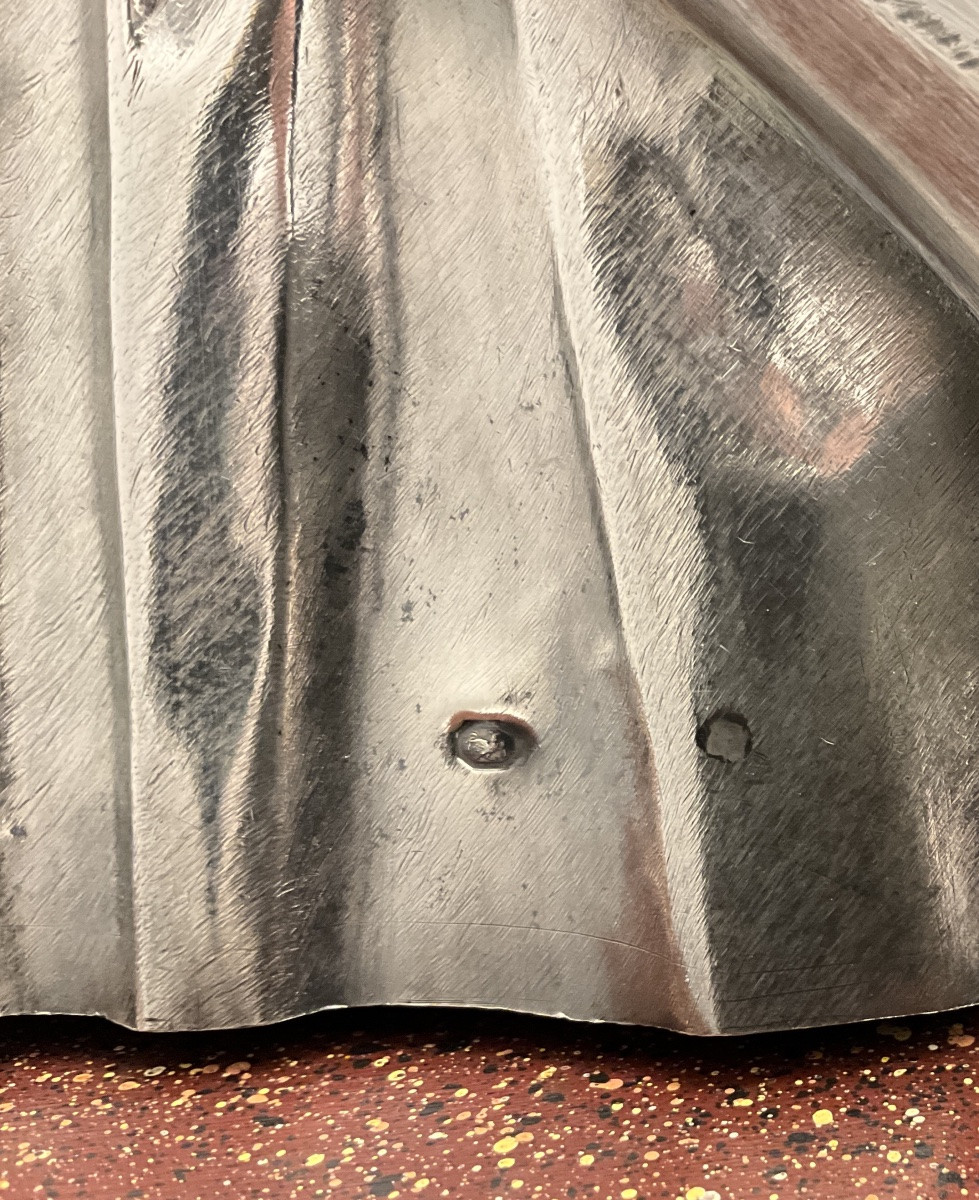
It dates from the period 1812 -1819 and bears the guarantee hallmarks for solid silver of the first title (950%) known as "au coq".
Reliquary busts are extremely rare on the art market as most perished in revolutionary seizures and those that remain are in public collections.
This reliquary bust probably dates from the Bourbon Restoration period.
Louis XVIII and Charles X encouraged bishops to refurnish the treasures of French cathedrals and churches.
The thousands of liturgical objects made by Parisian and Lyonnais silversmiths in this first part of the
nineteenth century were often inspired, as here, by objects that had disappeared in previous centuries.
The Paraud family had specialized in the production of liturgical goldsmiths since the late eighteenth century, and their masterpieces can be found in the treasuries of the cathedrals of Reims, Paris and many others, and even in the Louvre.
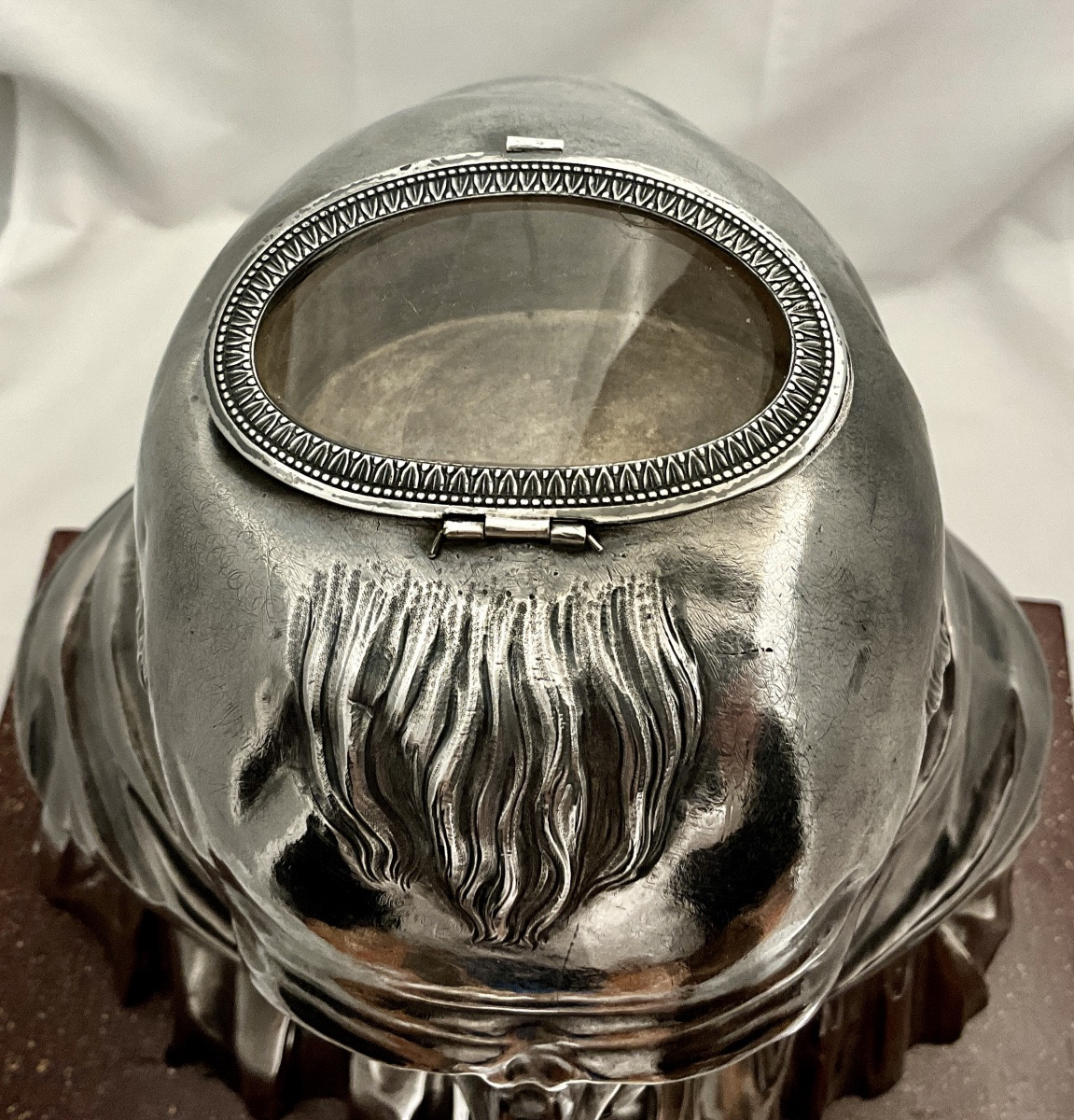
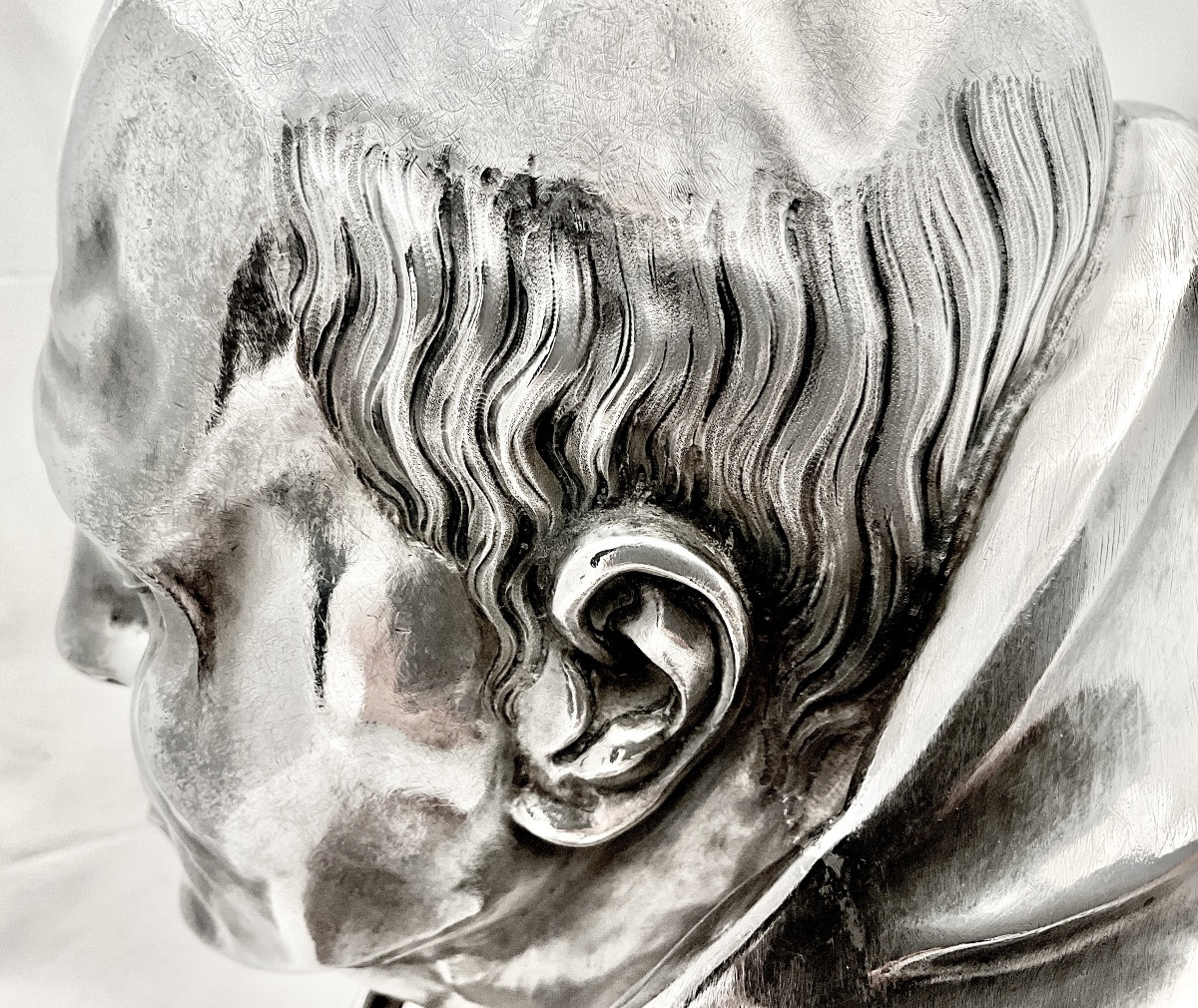
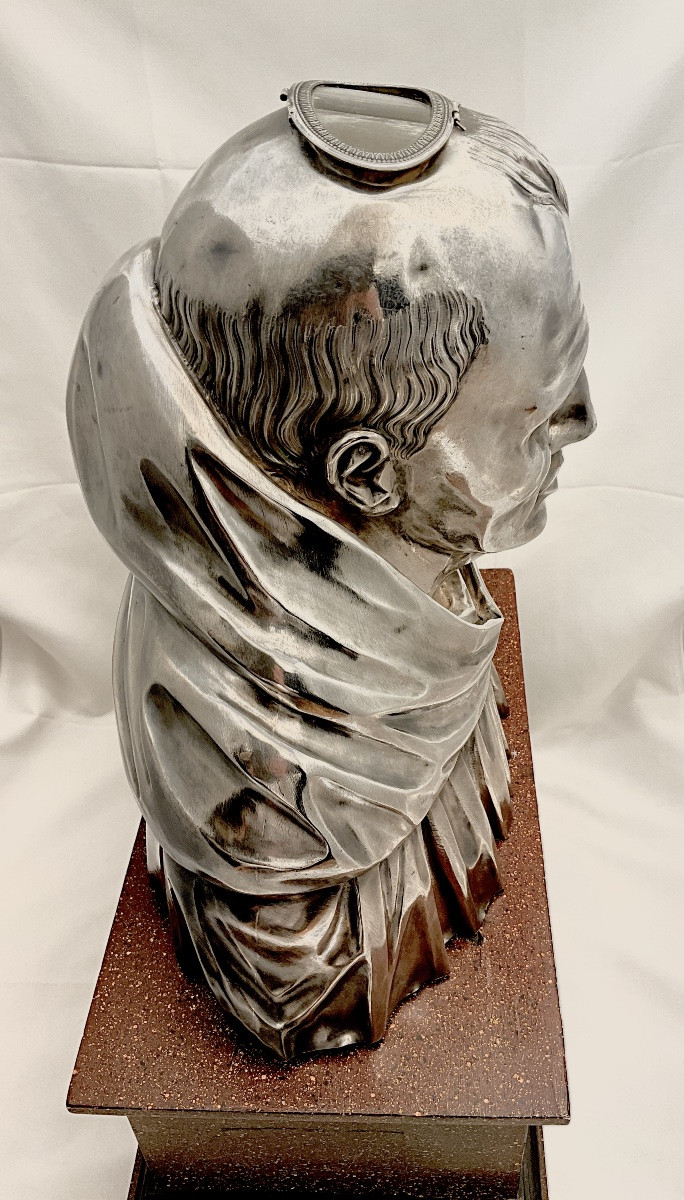
The silver repoussé bust of the monk is inspired by the anthropomorphic reliquaries of the seventeenth century. It features a cavity in the top of his skull, which must have contained the relic in question. The bust stands on a wooden base painted in imitation Egyptian red porphyry, in which there is a second cavity that could hold a relic.
The ensemble is in a remarkable state of preservation.
It dates from the period 1812 -1819 and bears the guarantee hallmarks for solid silver of the first title (950%) known as "au coq".
Reliquary busts are extremely rare on the art market as most perished in revolutionary seizures and those that remain are in public collections.
This reliquary bust probably dates from the Bourbon Restoration period.
Louis XVIII and Charles X encouraged bishops to refurnish the treasures of French cathedrals and churches.
The thousands of liturgical objects made by Parisian and Lyonnais silversmiths in this first part of the
nineteenth century were often inspired, as here, by objects that had disappeared in previous centuries.
The Paraud family had specialized in the production of liturgical goldsmiths since the late eighteenth century, and their masterpieces can be found in the treasuries of the cathedrals of Reims, Paris and many others, and even in the Louvre.
The silver repoussé bust of the monk is inspired by the anthropomorphic reliquaries of the seventeenth century. It features a cavity in the top of his skull, which must have contained the relic in question. The bust stands on a wooden base painted in imitation Egyptian red porphyry, in which there is a second cavity that could hold a relic.
The ensemble is in a remarkable state of preservation.
11 500 €
Period: 19th century
Style: Renaissance, Louis 13th
Condition: Perfect condition
Material: Sterling silver
Width: 32 cm
Height: 46 cm
Depth: 18 cm
Reference (ID): 1758990
Availability: In stock
Print