THIS OBJECT WAS SOLD
Noh Mask Ko Omote Japan
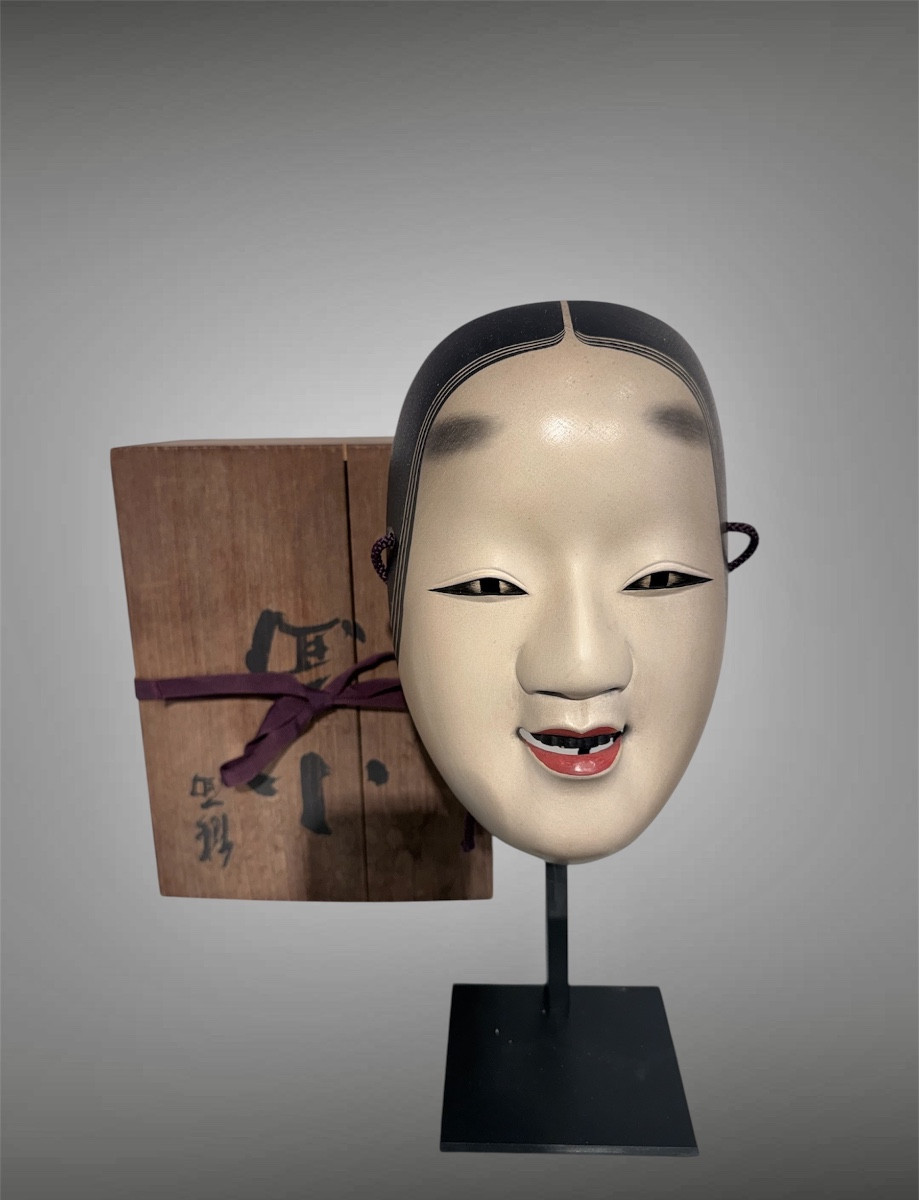
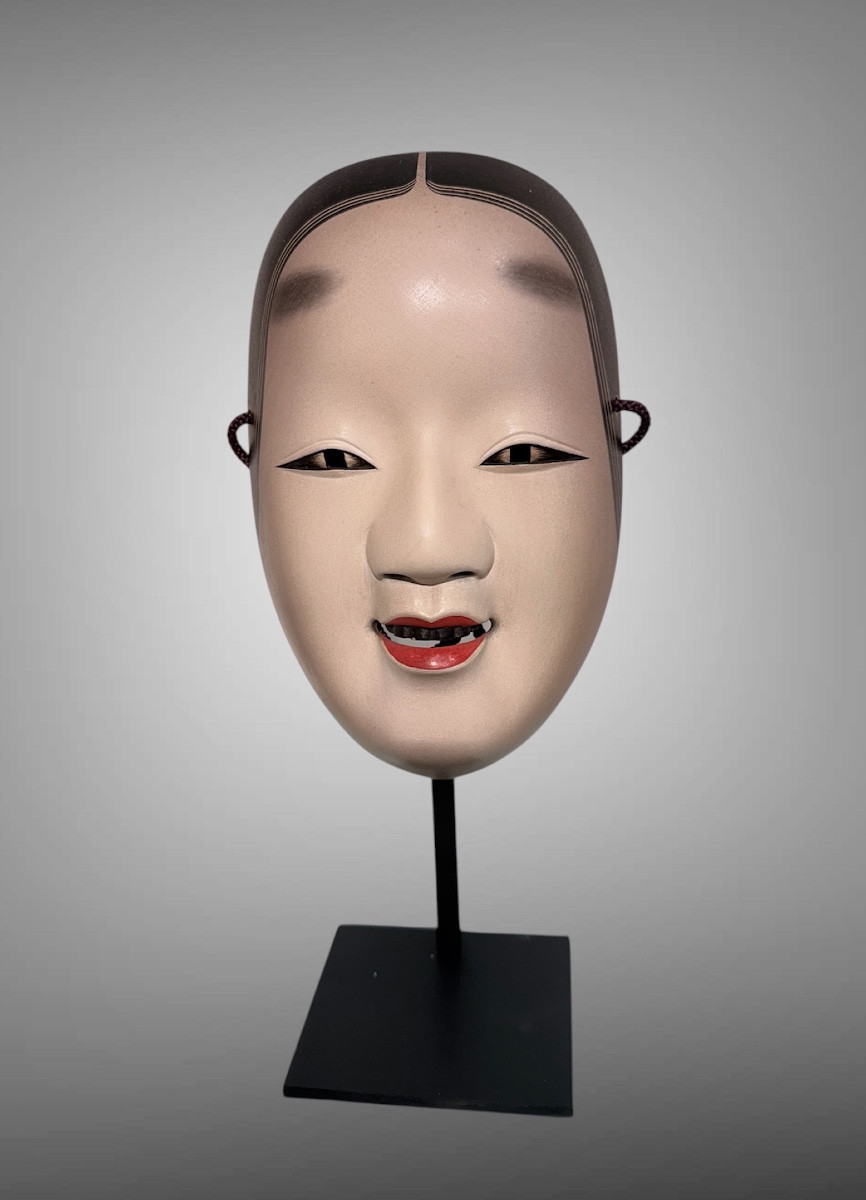
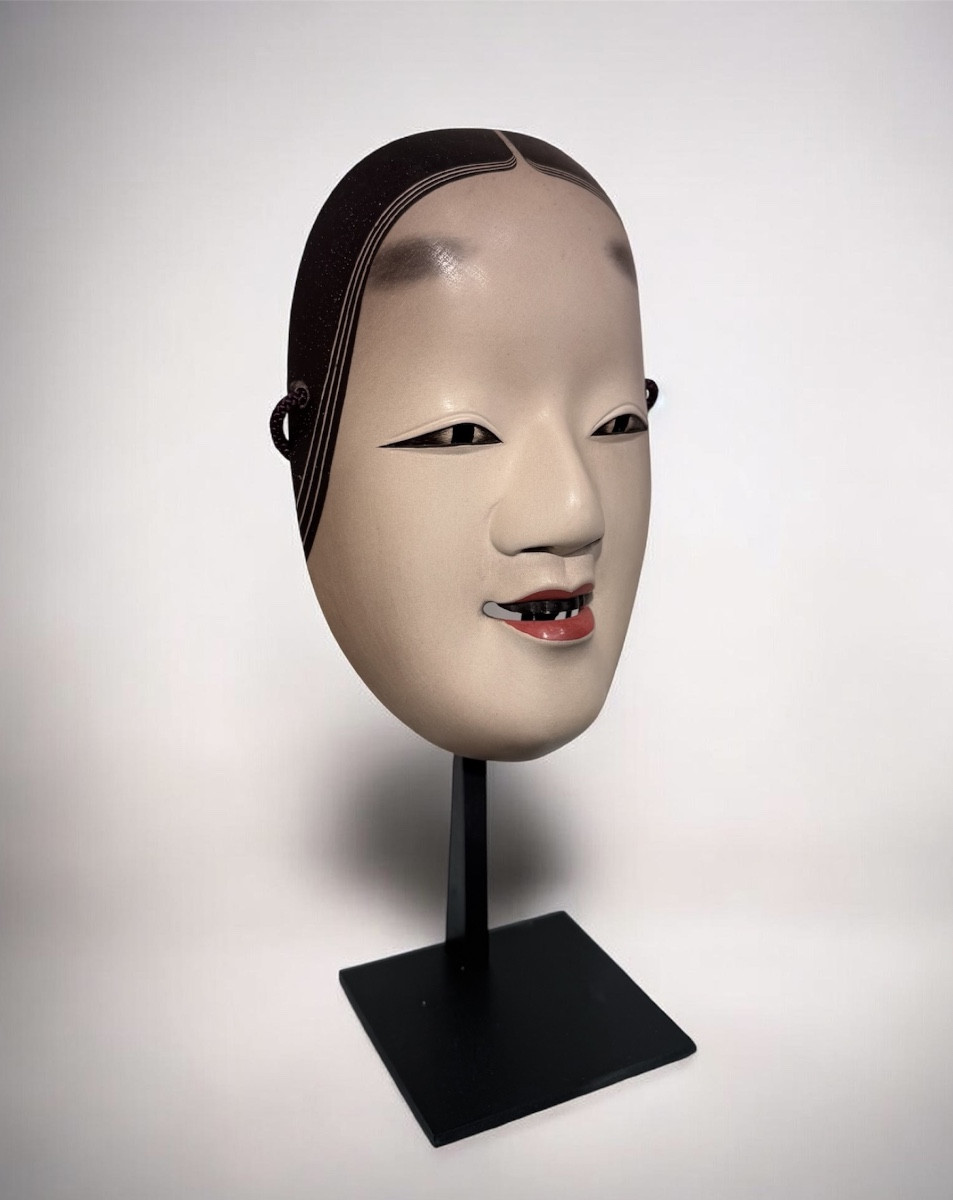
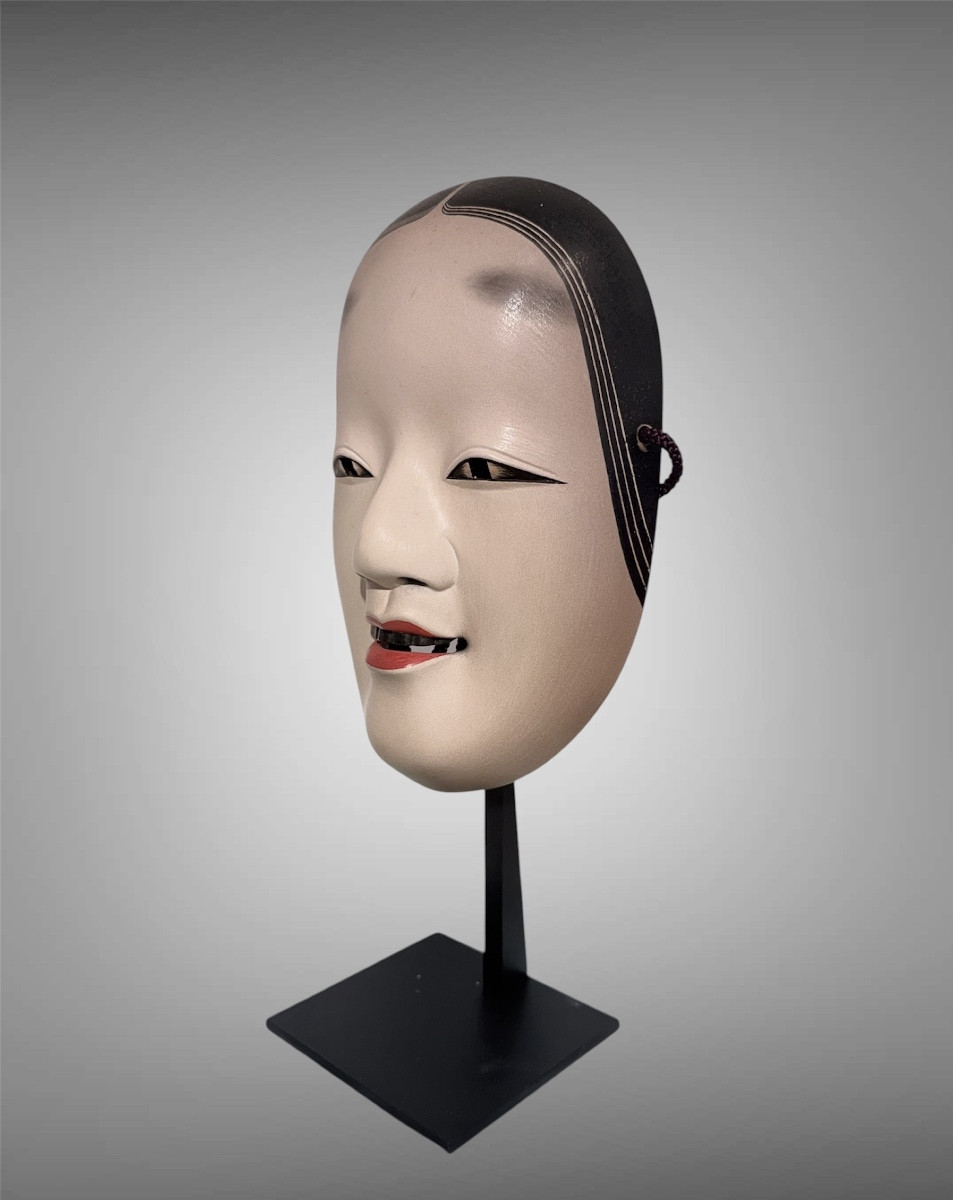
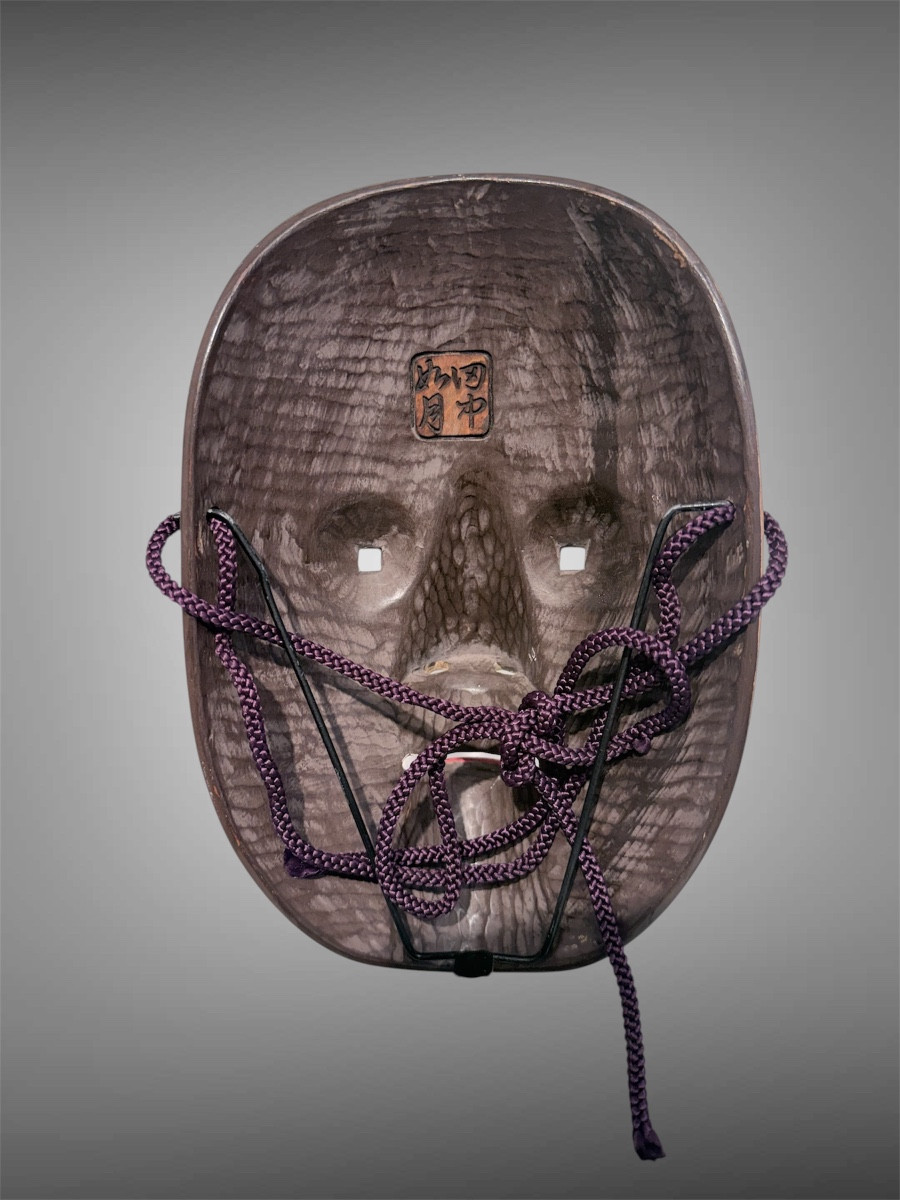
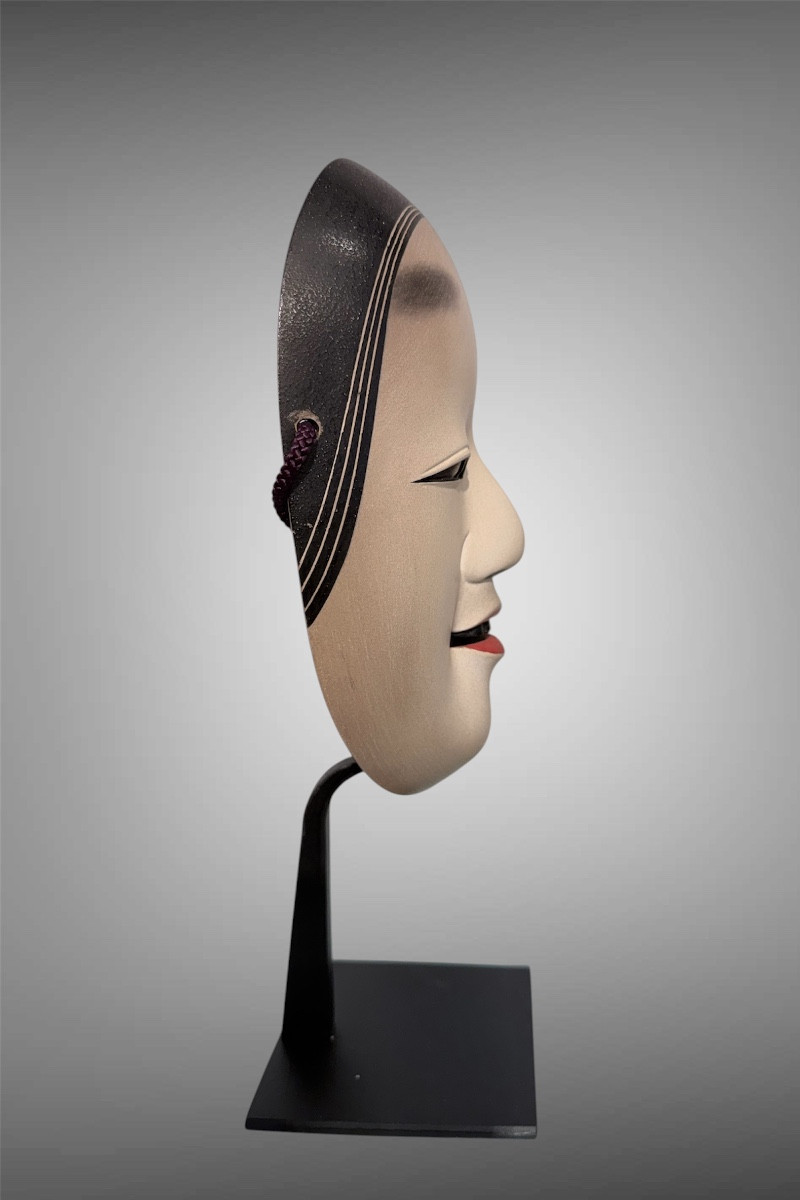
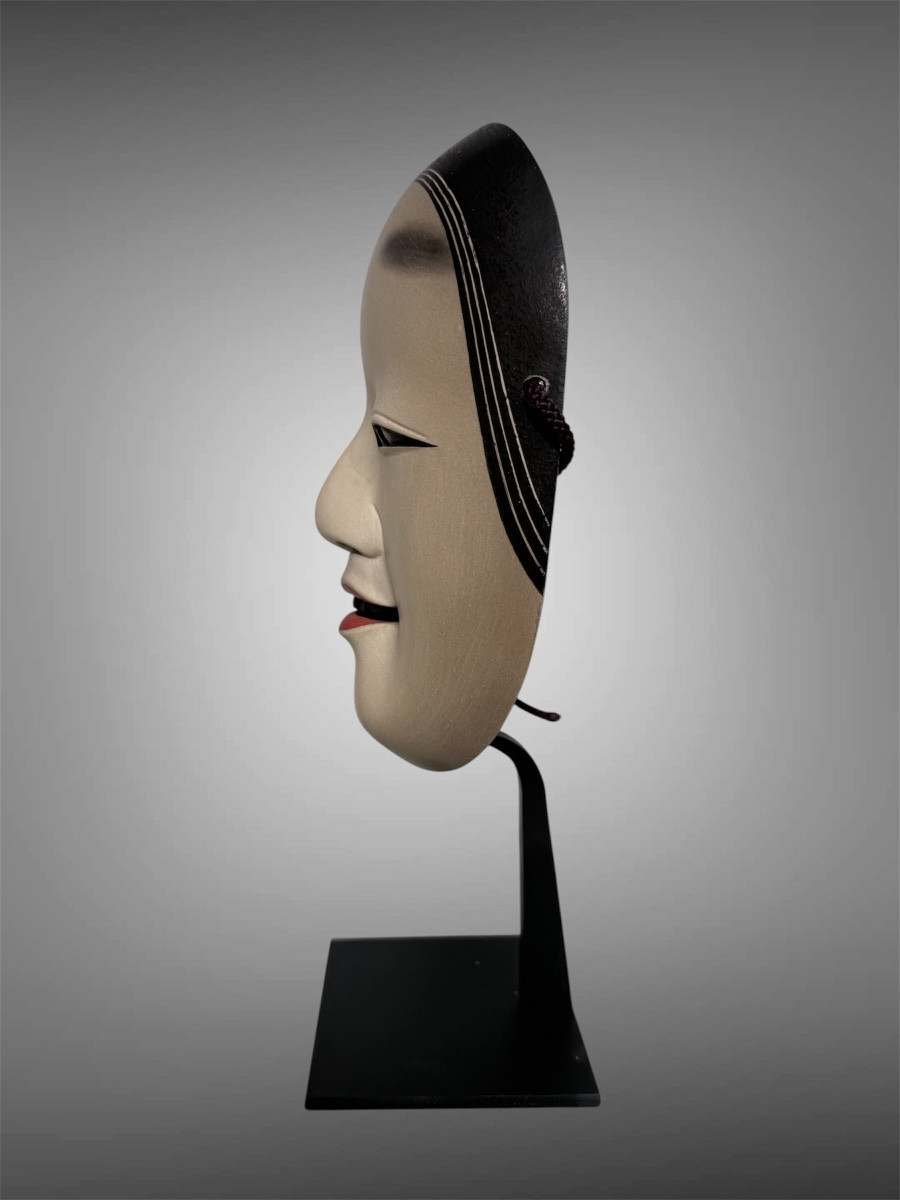
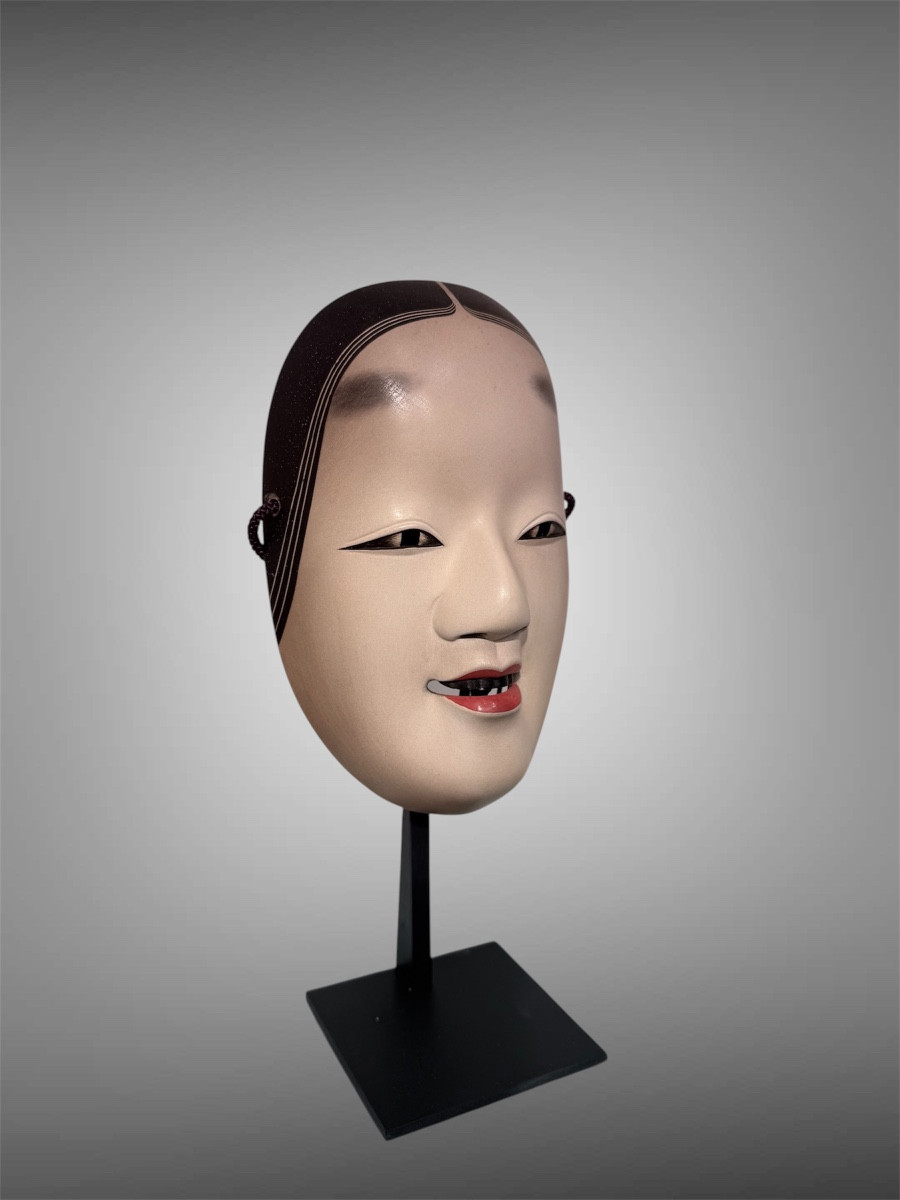
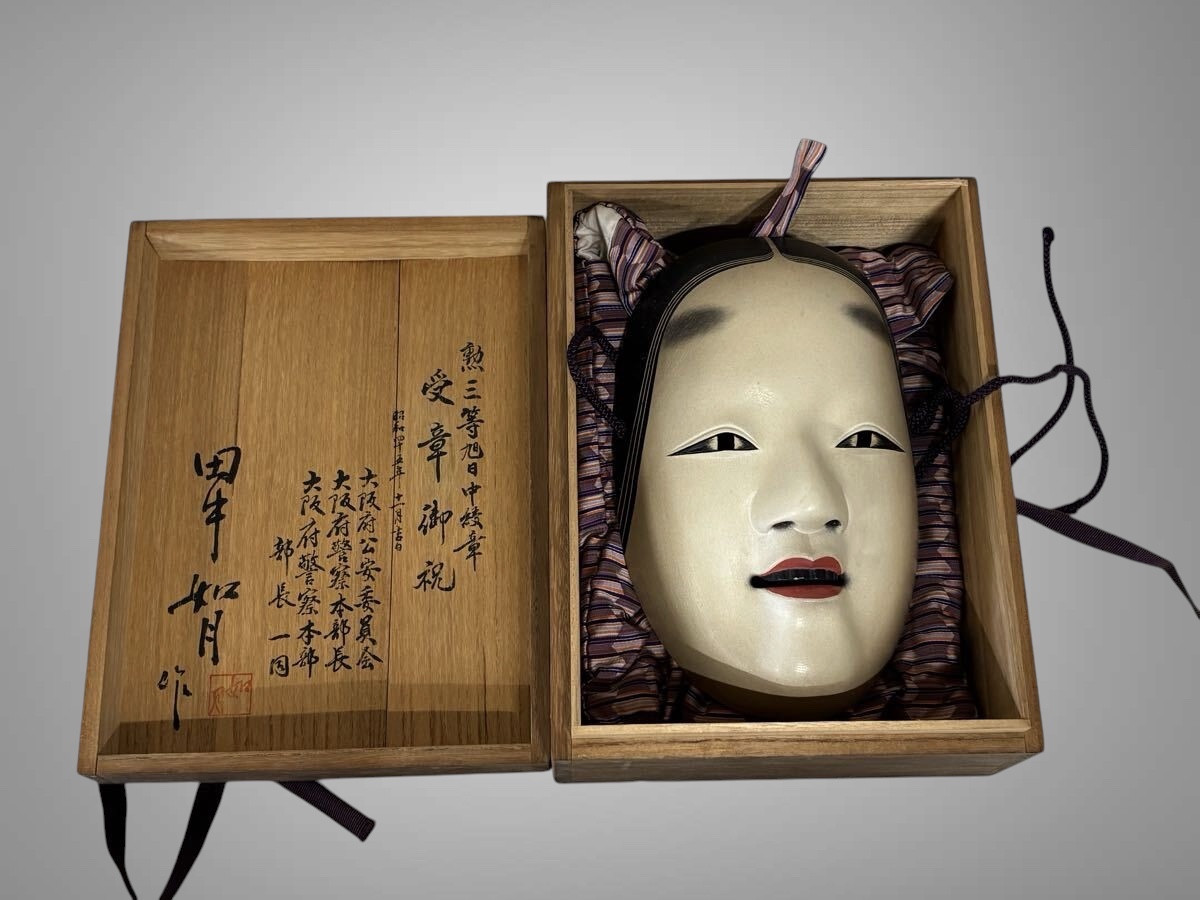
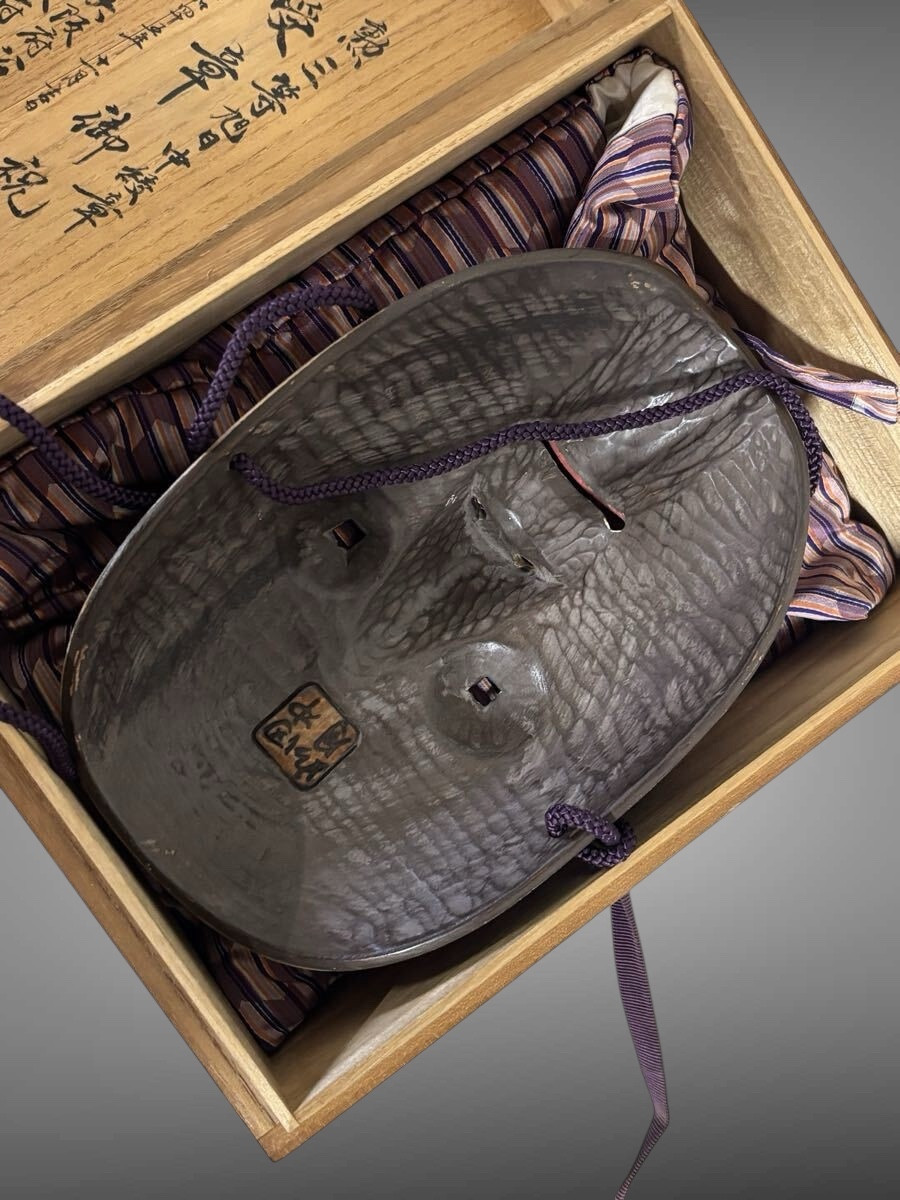
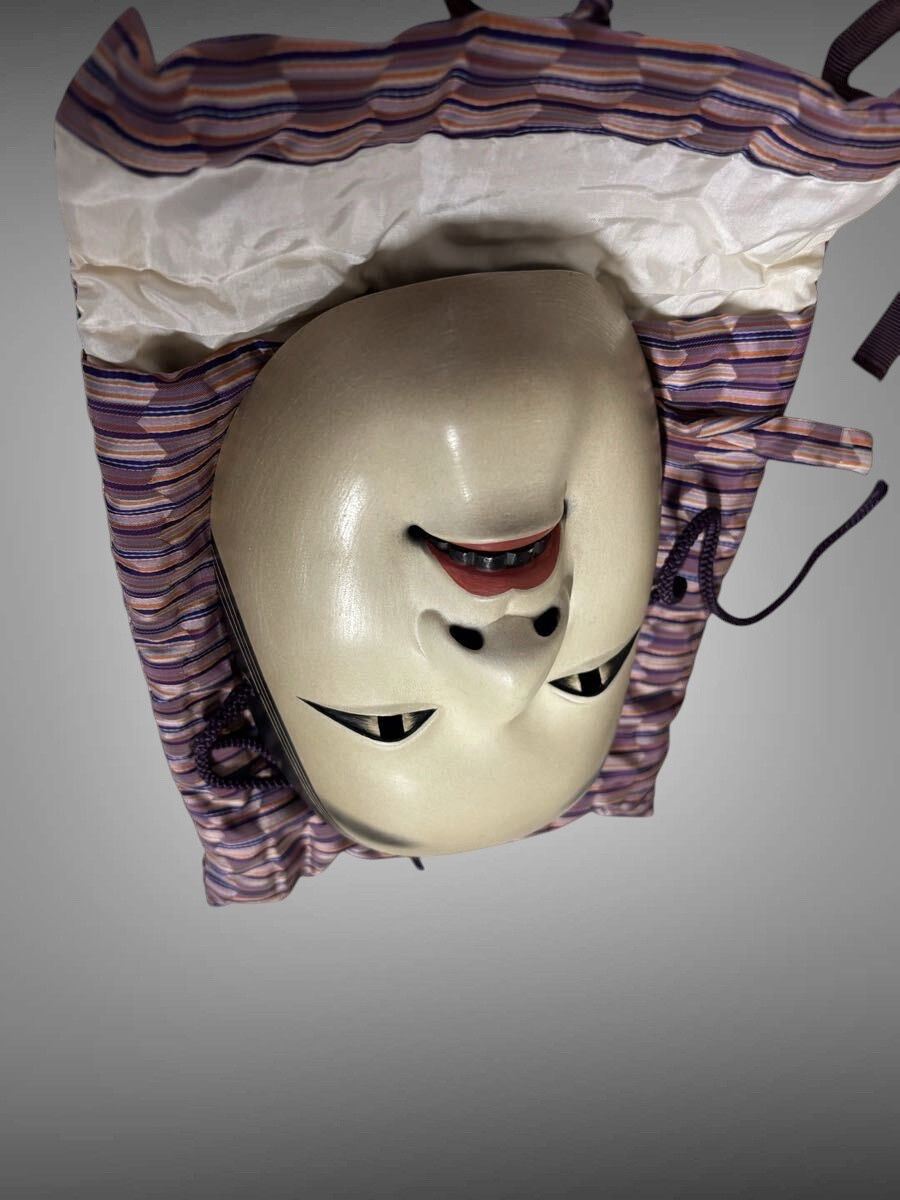
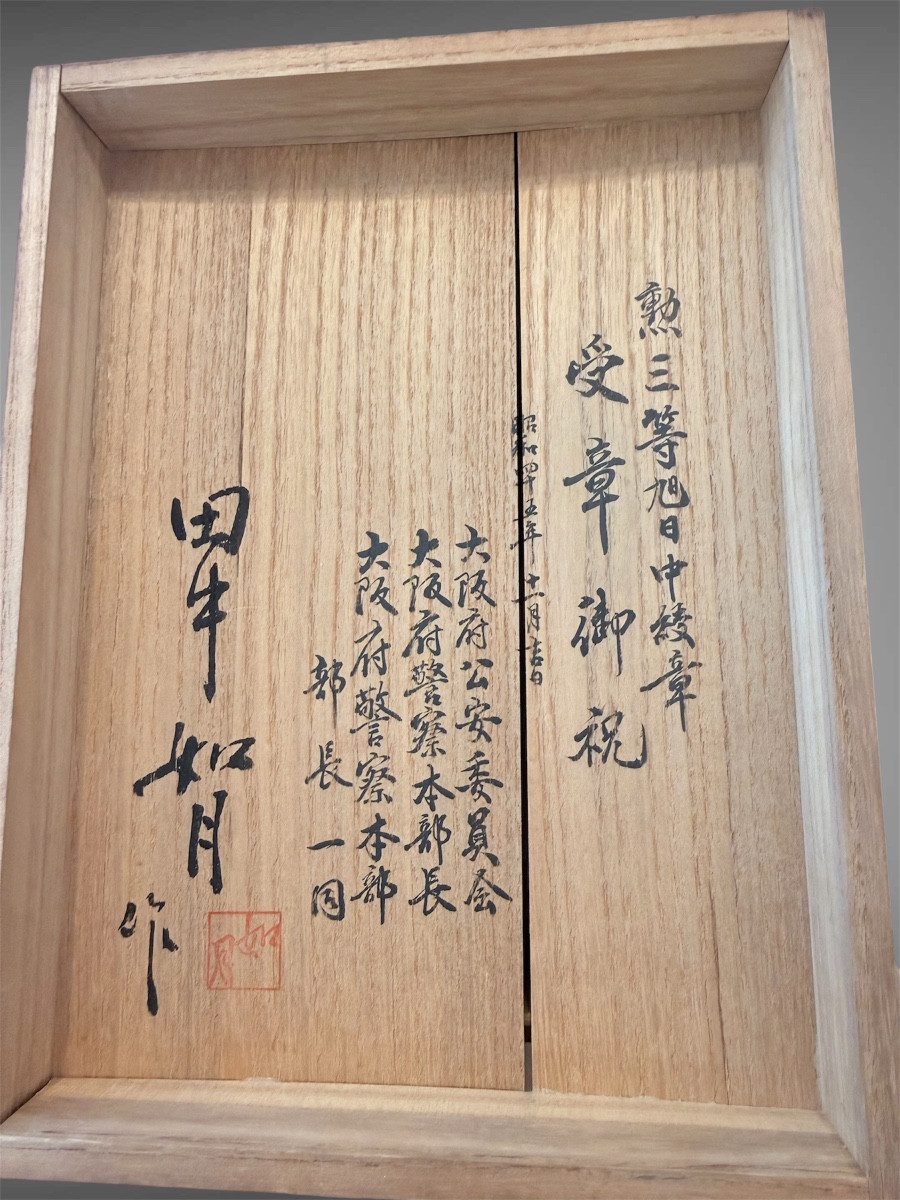
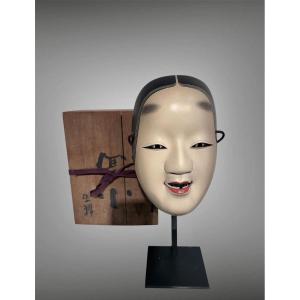


The Ko-omote mask appeared during the Muromachi period (1336-1573), a time when the art of Noh theater was structured under the influence of masters Kan'ami and Zeami. During this period, Noh theater was an elitist art form, supported by the samurai and the imperial court. The Ko-omote is designed to represent young and pure female figures, often princesses, tragic heroines, or other figures of noble birth.…
mask appeared during the Muromachi period (1336-1573), a time when the art of Noh theater was structured under the influence of masters Kan'ami and Zeami .
At this time, Noh theater was an elitist art form, supported by the samurai and the imperial court.
The Ko-omote is designed to represent young and pure female characters , often princesses, tragic heroines, or benevolent mythological figures.
- Face shape: Oval and smooth, without a marked angle, to evoke youth.
- Colour: White or pale ivory hue, symbolizing purity and nobility.
- Eyes: Slit and narrow, slightly slanted downwards to soften the look.
- Mouth: Small and discreet, painted in vermilion red.
- Expression: Ambiguous, capable of appearing joyful or sad depending on the tilt of the head and the light.
- Size: Approximately 21 cm tall, carved from Japanese cypress wood ( hinoki ).
This neutrality of expression is intentional: it allows the actor to play a whole range of emotions simply by changing their posture.
Symbolism of the Ko-omoteThe Ko-omote is much more than a mask: it is an ideal of feminine beauty in Japanese tradition.
- Purity and innocence – Soft features and fair skin recall the refined elegance of court ladies.
- Simplicity and restraint – Avoids any exaggeration to stay within the yūgen aesthetic (subtle and mysterious elegance).
- The fragility of youth – Smooth and delicate, it also suggests the brevity of beauty.
In Noh theater , theko-omote mask plays a central role in representing a young woman. Exquisitely sculpted, it embodies the freshness, innocence, and ideal beauty of youthful femininity. Its delicate features, slightly downcast eyes, and subtle smile create an ambiguous expression, oscillating between gentleness and melancholy. On stage, the actor, by subtly tilting the head or manipulating the lighting, can alter the mask's expression, giving it a joyful air or a sorrowful face. This subtle art makes the ko-omote an emblematic mask of the Noh repertoire, capable of conveying profound emotions despite its apparent stillness.
The Ko-omote is used in plays where the heroine is:
- A young noblewoman living a tragic love story.
- A benevolent female deity .
- A ghostly woman evoking her past with melancholy.
Explore similar pieces and discover your ideal find:
Wood Sculptures