



Italy. Antique Neapolitan Dagger Or Stiletto. Naples, Circa 1800
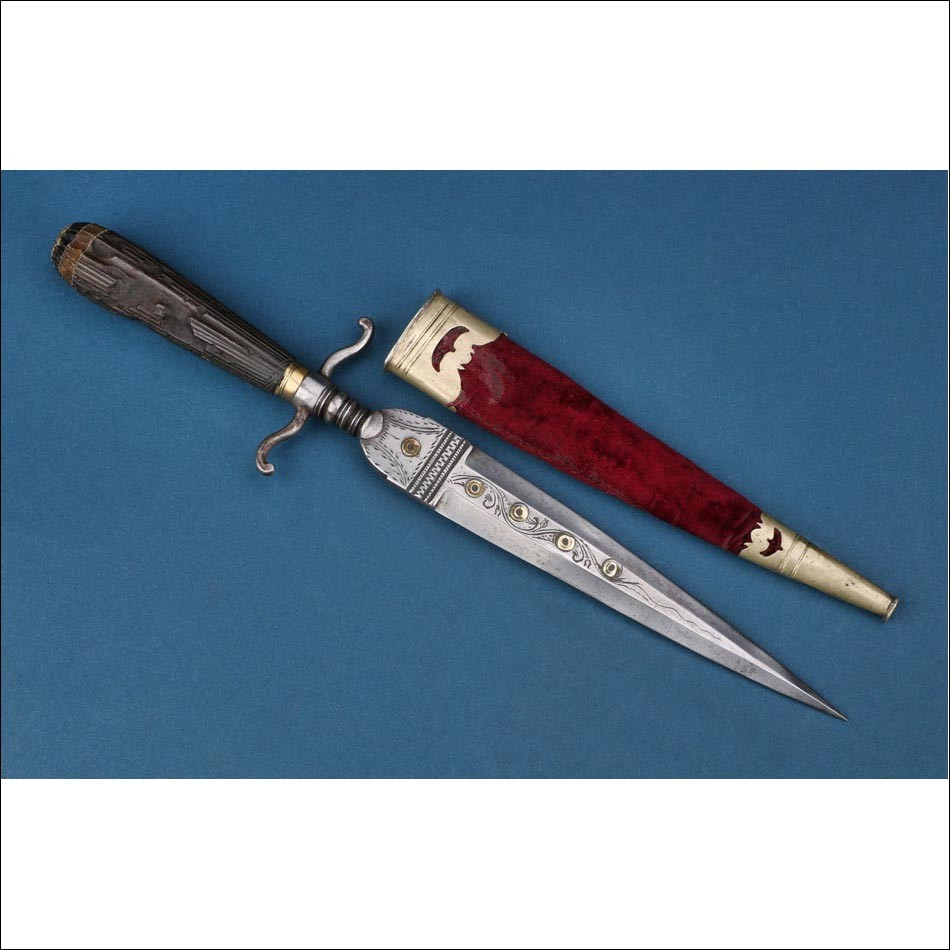
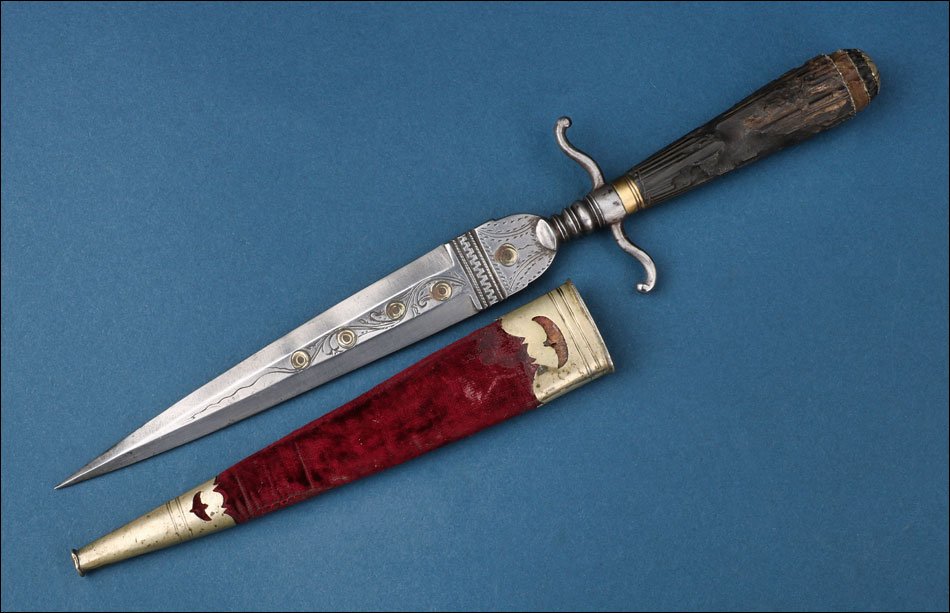
Interesting and rare antique dagger attributable to southern Italy, probably of Neapolitan tradition, datable to the late 18th century or early 19th century. It is an edged weapon of notable elegance, representative of traditional Italian knife making at a moment of transition between late Baroque decorative languages and the functional solutions typical of civilian armament of the period.
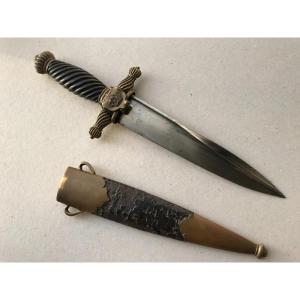
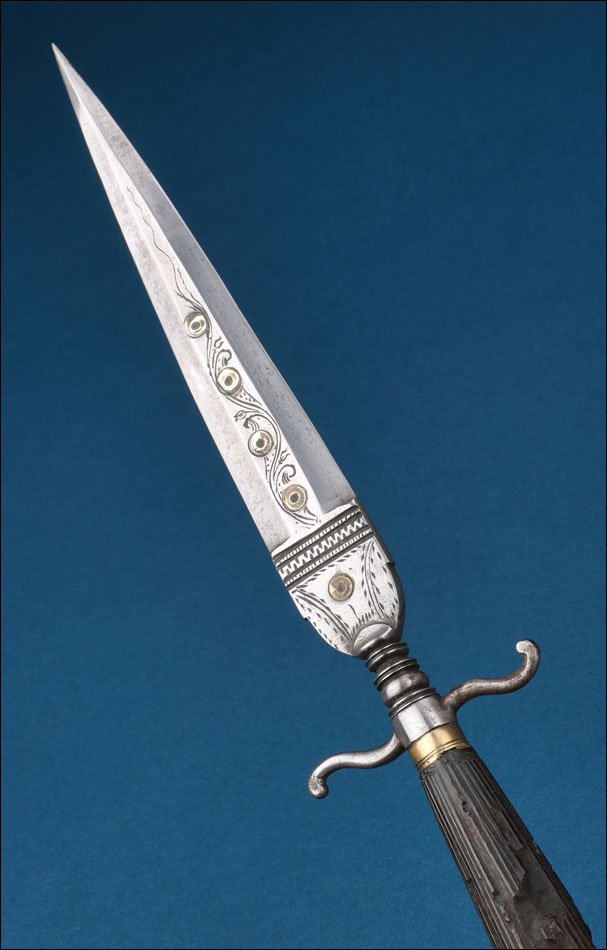
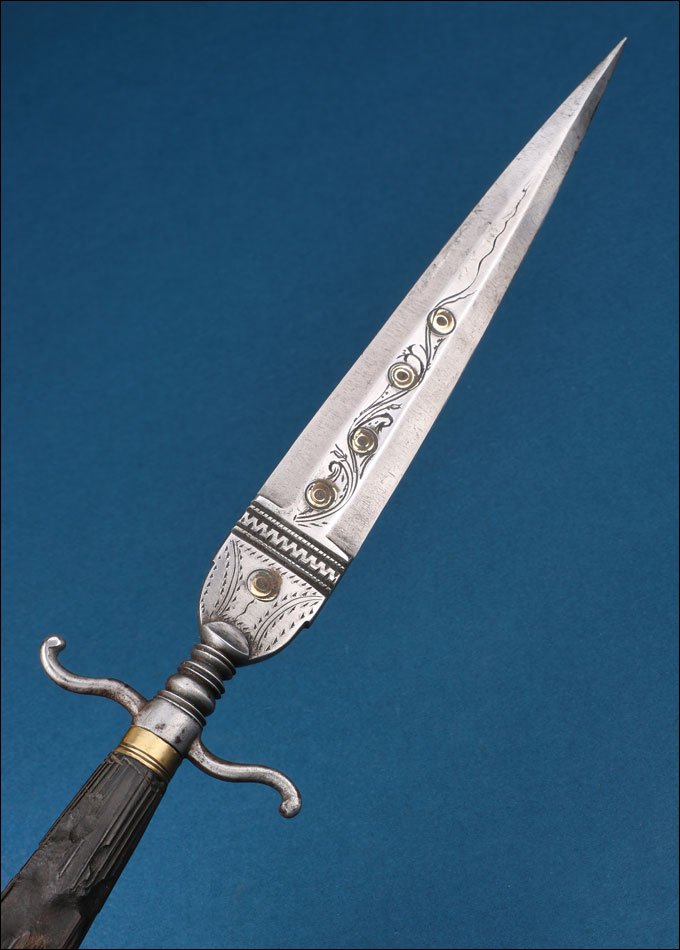
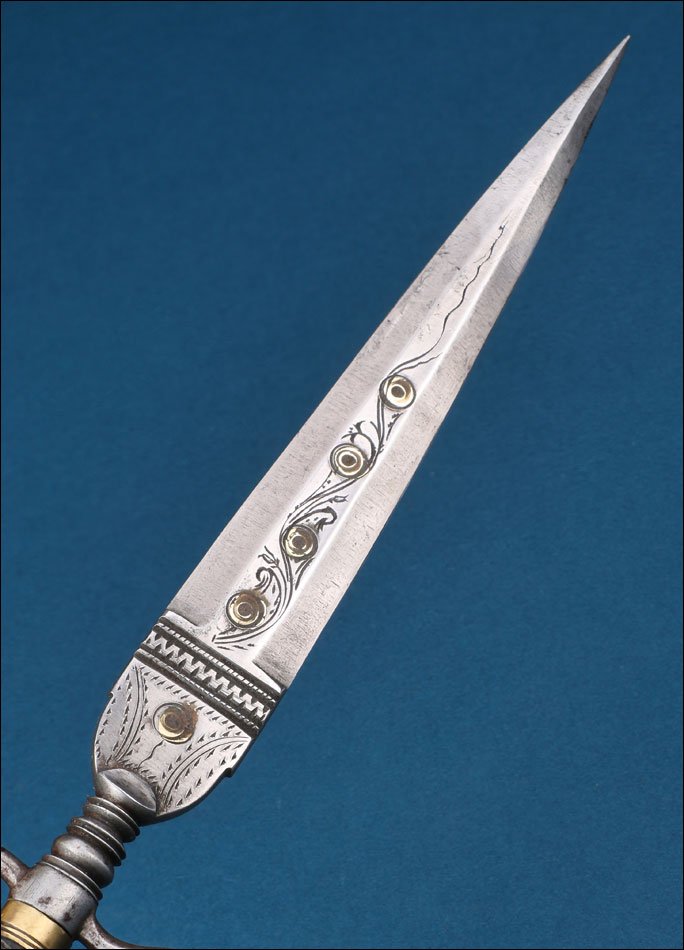
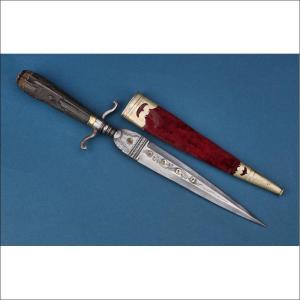
The blade, double edged and lanceolate in profile, presents solid execution in steel, with a robust section and acute point designed to maximise offensive efficiency. Both faces are decorated through burin engraved stylised vegetal motifs running longitudinally along the surface, providing the ensemble with refined ornamental character without compromising functionality.
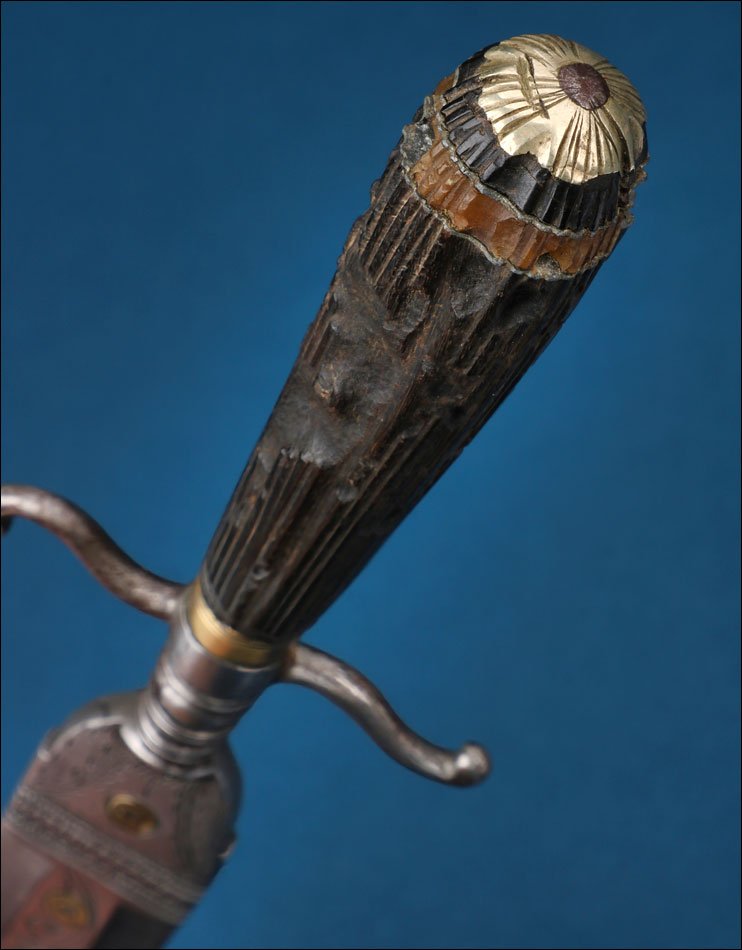
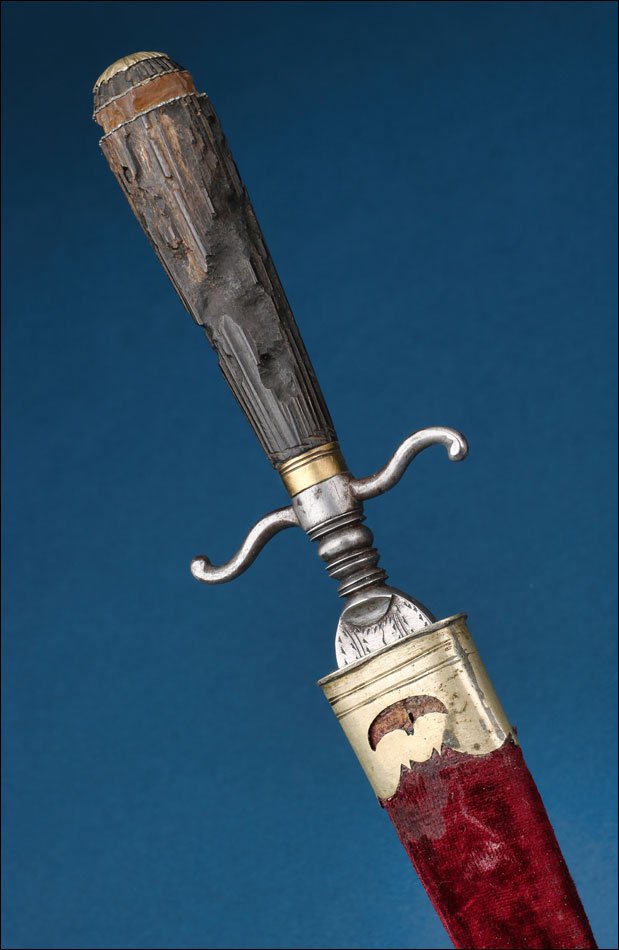
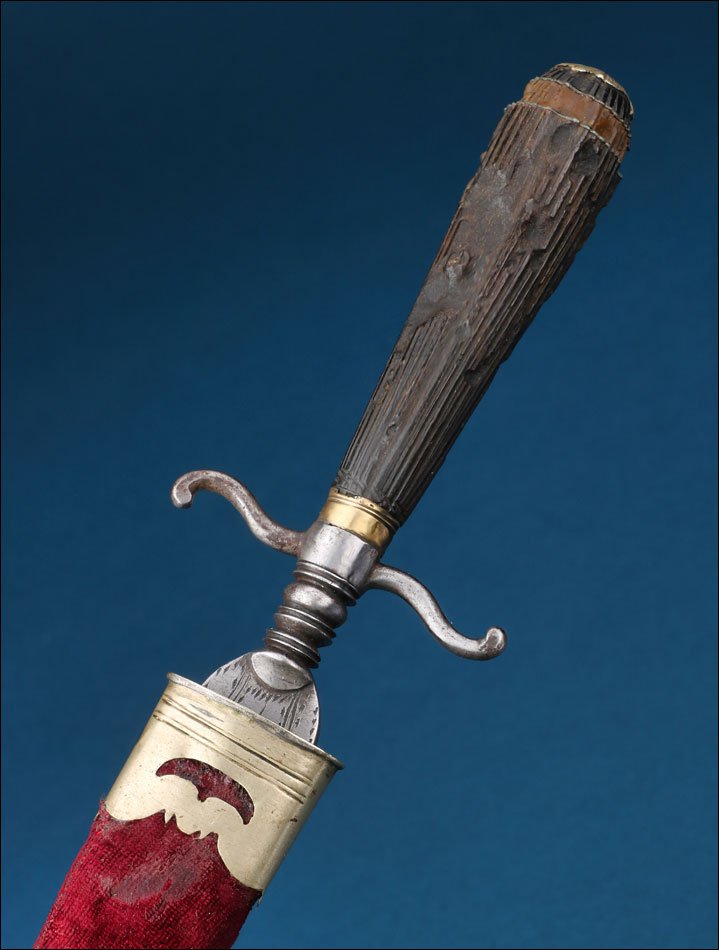
The neck or ricasso is notably elongated, a characteristic feature of certain Neapolitan productions, and connects to a guard formed by two elegantly extended curved quillons. This element reinforces the typological identification of the piece within southern Italian armament.
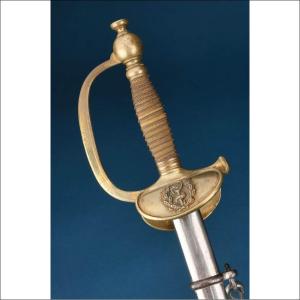
The hilt is made of carved horn with longitudinal incised decoration. It presents material losses and areas of deterioration. Despite this, it retains its original structure in good condition.
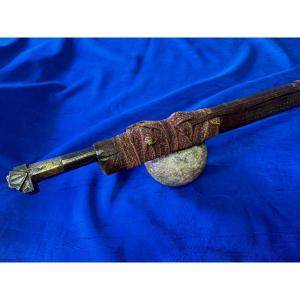
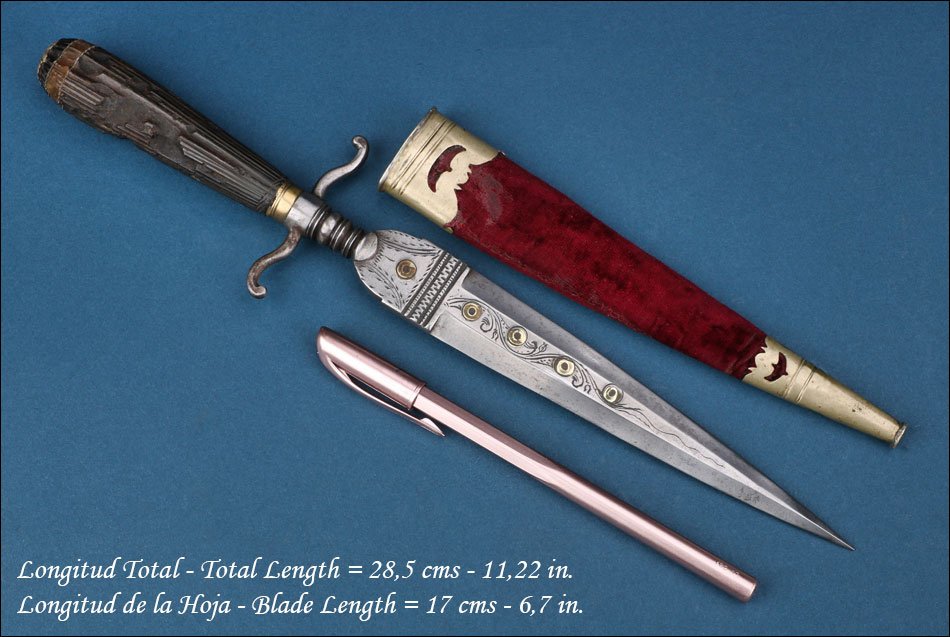
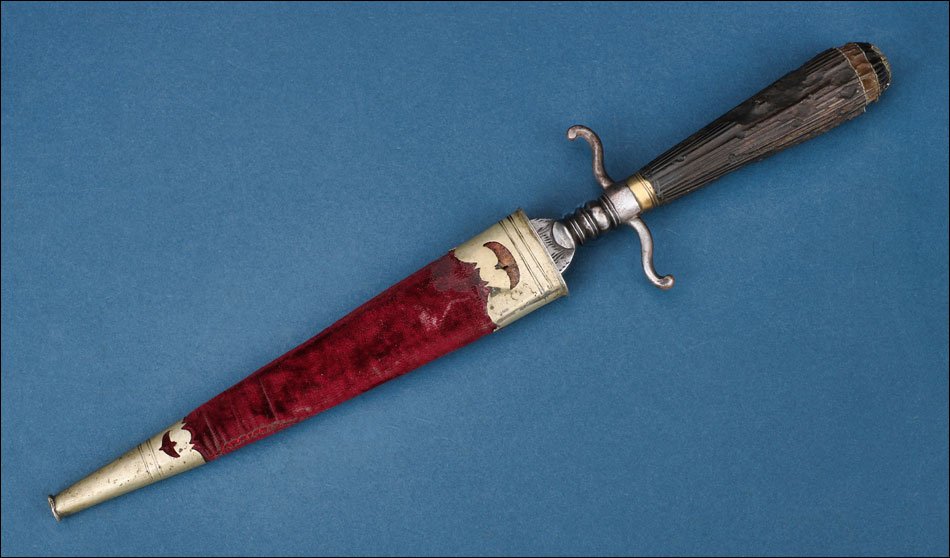
The dagger retains its original scabbard, constructed in wood covered with red textile, with brass throat and chape. These metal elements structurally reinforce the scabbard and provide aesthetic coherence to the ensemble.
The overall state of conservation is good, with homogeneous wear consistent with its age and historical use. A piece of notable interest for specialised collecting in antique European edged weapons.
Measurements. Total length 28.5 cm (11.22 in). Blade 17 cm (6.69 in).
History of Neapolitan Daggers
During the 18th century and early 19th century, the Kingdom of Naples developed a distinguished tradition in edged weapon manufacture, characterised by elegant forms and continuity of local artisanal repertories. Daggers produced in this context combined defensive and offensive functionality with sober decorative elements, reflecting both courtly influences and the practical needs of civilian armament.
Hilts in organic materials, guards with curved quillons and stylised blades with vegetal decoration are recurring features in this type of piece. Their use extended to both military and civilian contexts, forming part of personal attire and everyday defensive equipment.
Today, these daggers constitute material testimonies of great historical and typological value, especially appreciated for their rarity, artisanal quality and connection with pre industrial Italian armament tradition.
The blade, double edged and lanceolate in profile, presents solid execution in steel, with a robust section and acute point designed to maximise offensive efficiency. Both faces are decorated through burin engraved stylised vegetal motifs running longitudinally along the surface, providing the ensemble with refined ornamental character without compromising functionality.
The neck or ricasso is notably elongated, a characteristic feature of certain Neapolitan productions, and connects to a guard formed by two elegantly extended curved quillons. This element reinforces the typological identification of the piece within southern Italian armament.
The hilt is made of carved horn with longitudinal incised decoration. It presents material losses and areas of deterioration. Despite this, it retains its original structure in good condition.
The dagger retains its original scabbard, constructed in wood covered with red textile, with brass throat and chape. These metal elements structurally reinforce the scabbard and provide aesthetic coherence to the ensemble.
The overall state of conservation is good, with homogeneous wear consistent with its age and historical use. A piece of notable interest for specialised collecting in antique European edged weapons.
Measurements. Total length 28.5 cm (11.22 in). Blade 17 cm (6.69 in).
History of Neapolitan Daggers
During the 18th century and early 19th century, the Kingdom of Naples developed a distinguished tradition in edged weapon manufacture, characterised by elegant forms and continuity of local artisanal repertories. Daggers produced in this context combined defensive and offensive functionality with sober decorative elements, reflecting both courtly influences and the practical needs of civilian armament.
Hilts in organic materials, guards with curved quillons and stylised blades with vegetal decoration are recurring features in this type of piece. Their use extended to both military and civilian contexts, forming part of personal attire and everyday defensive equipment.
Today, these daggers constitute material testimonies of great historical and typological value, especially appreciated for their rarity, artisanal quality and connection with pre industrial Italian armament tradition.
550 €
Period: 18th century
Style: Other Style
Condition: Good condition
Length: 28,5 cm (11.22 in)
Reference (ID): 1737866
Availability: In stock
Print