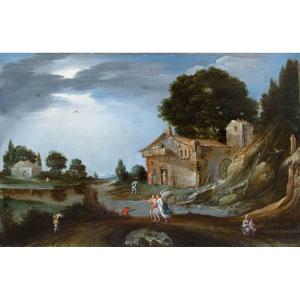




Francesco Bosso (vercelli, 1864 - Turin, 1933), Storm
Francesco Bosso (Vercelli, 1864 - Turin, 1933)
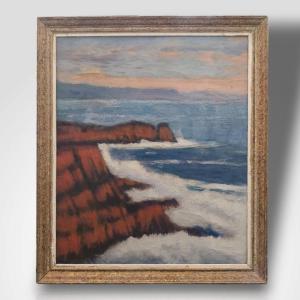
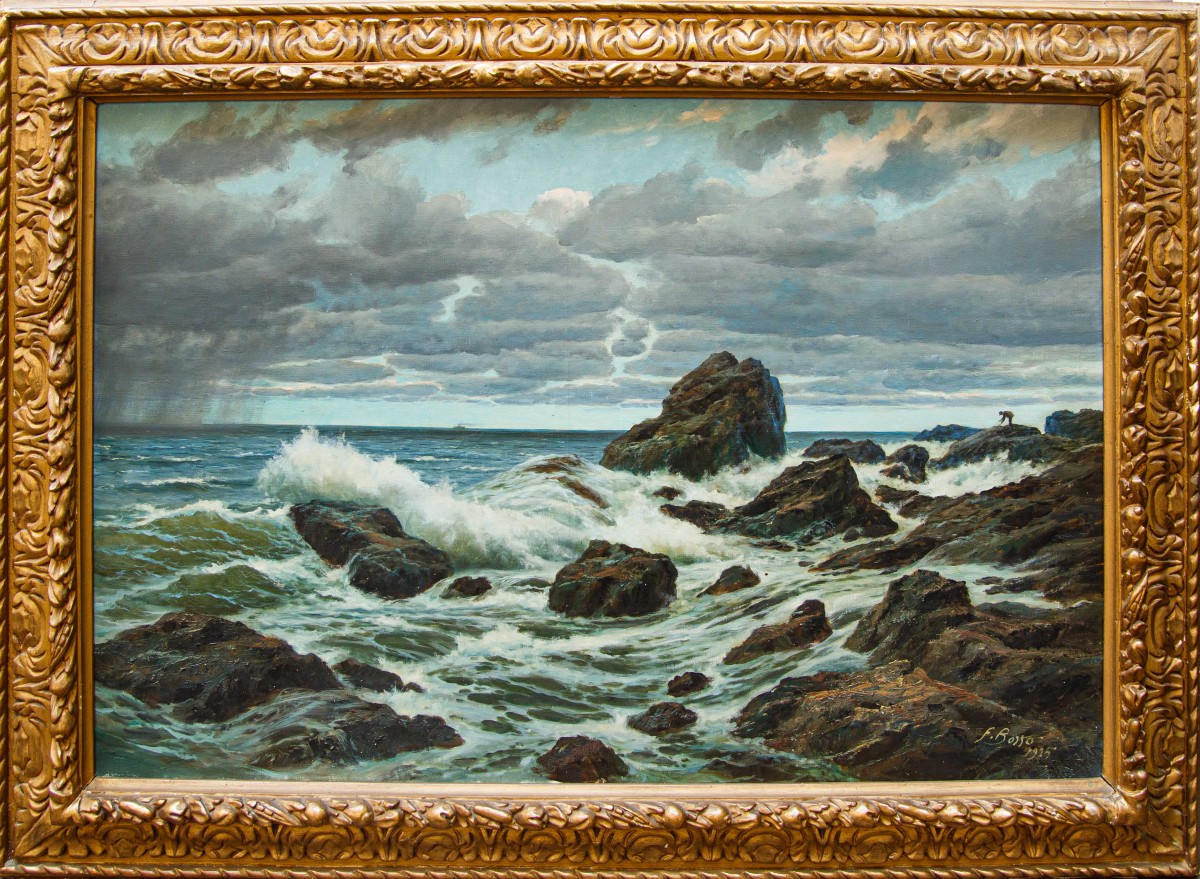
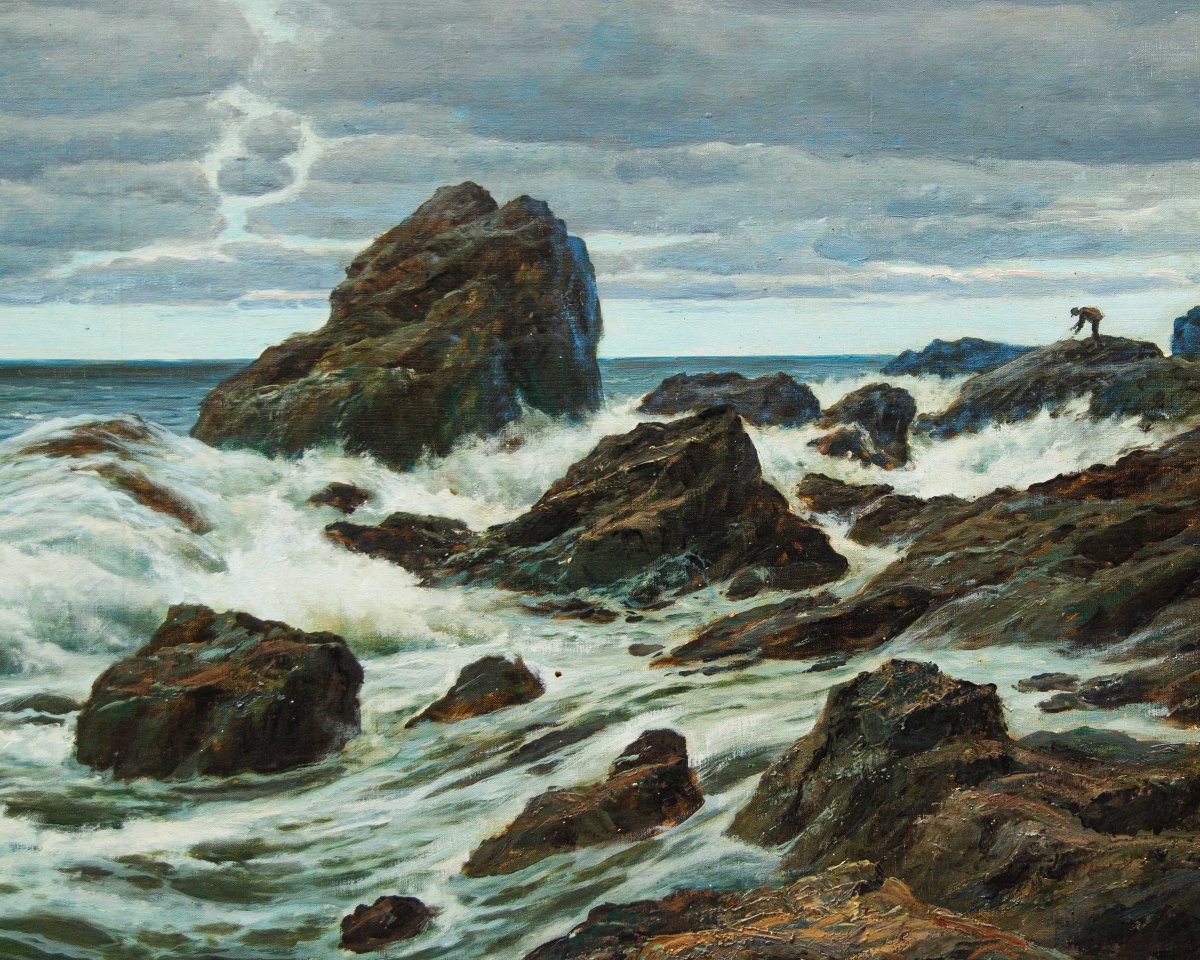
Storm
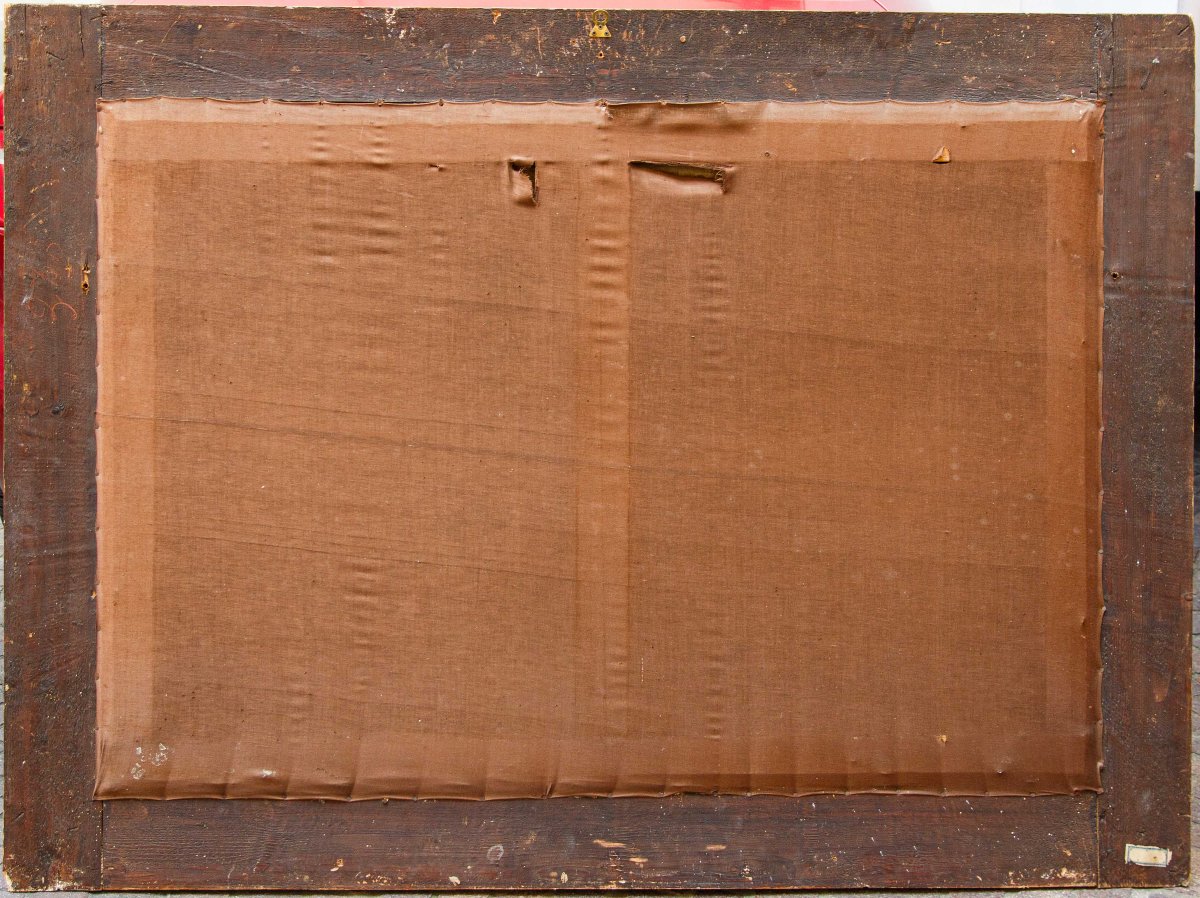
oil on canvas, 127x86 cm
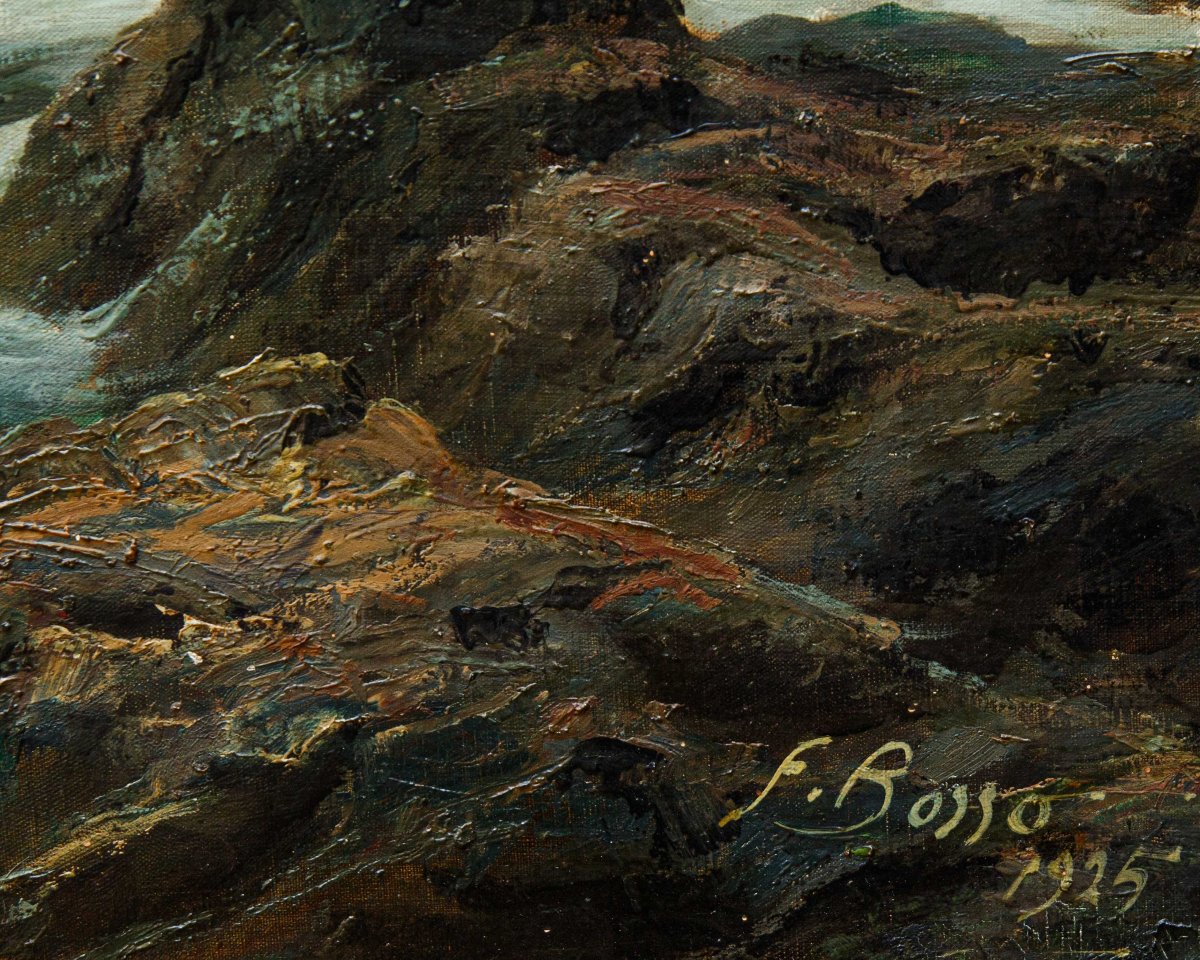
signed at the bottom right. F. Bosso 1925
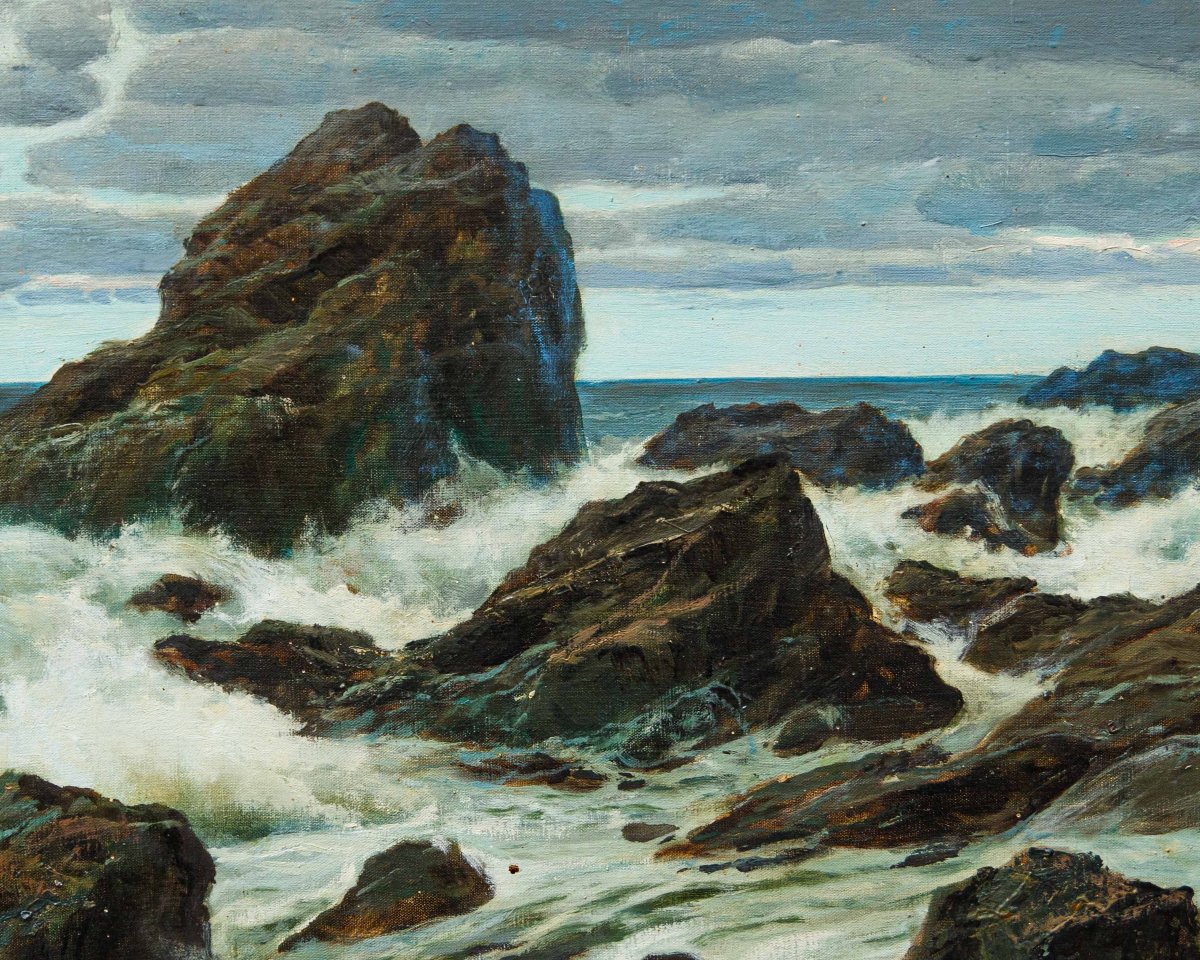
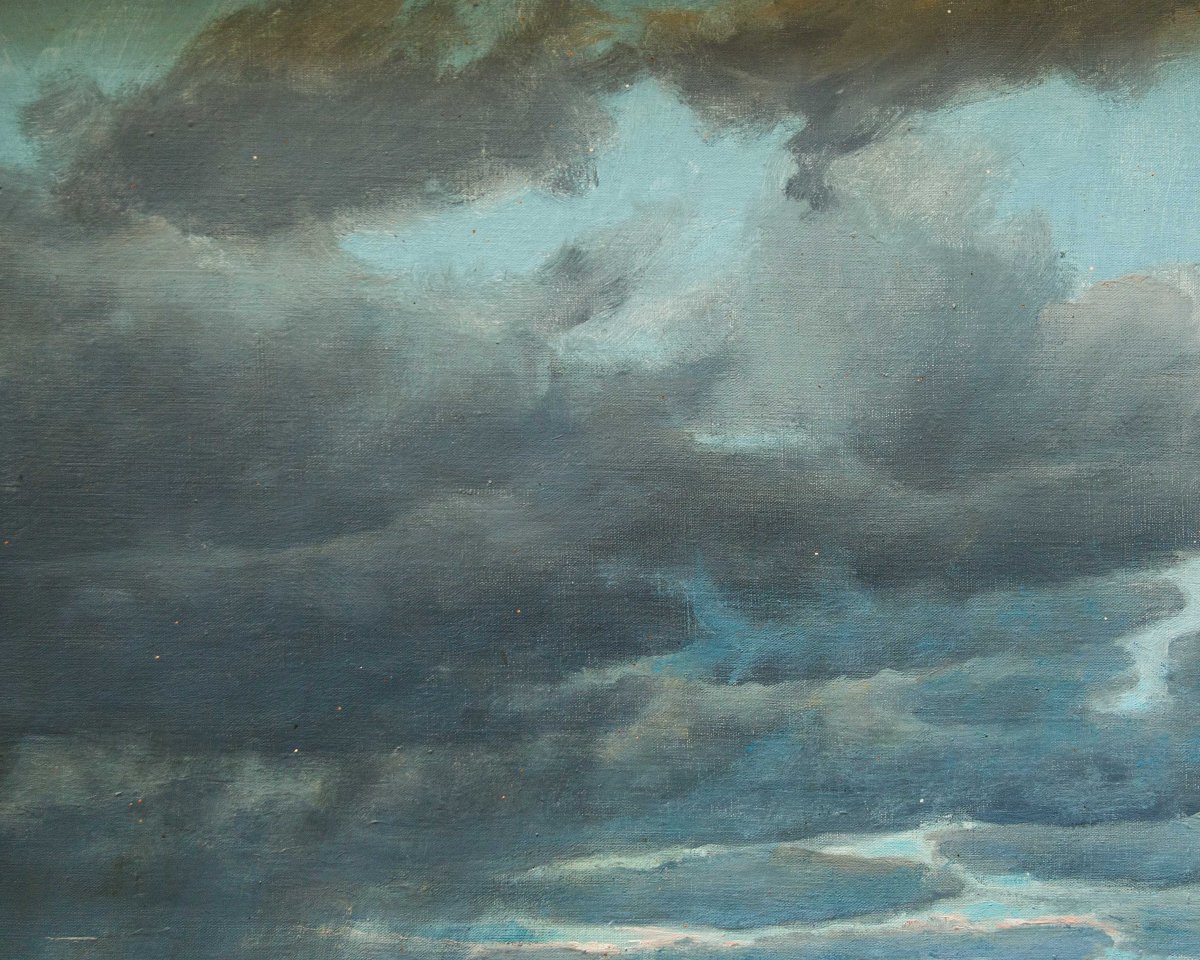
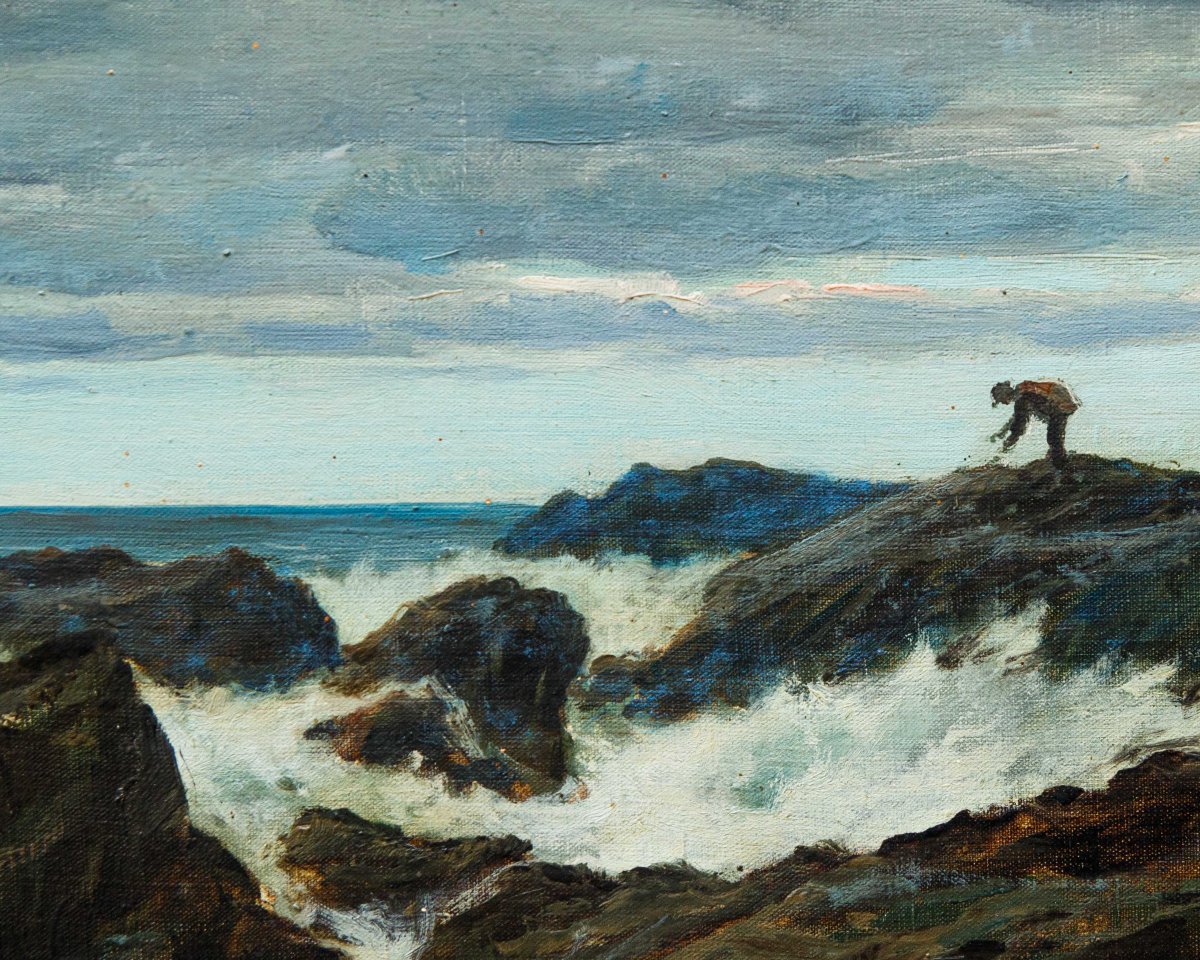
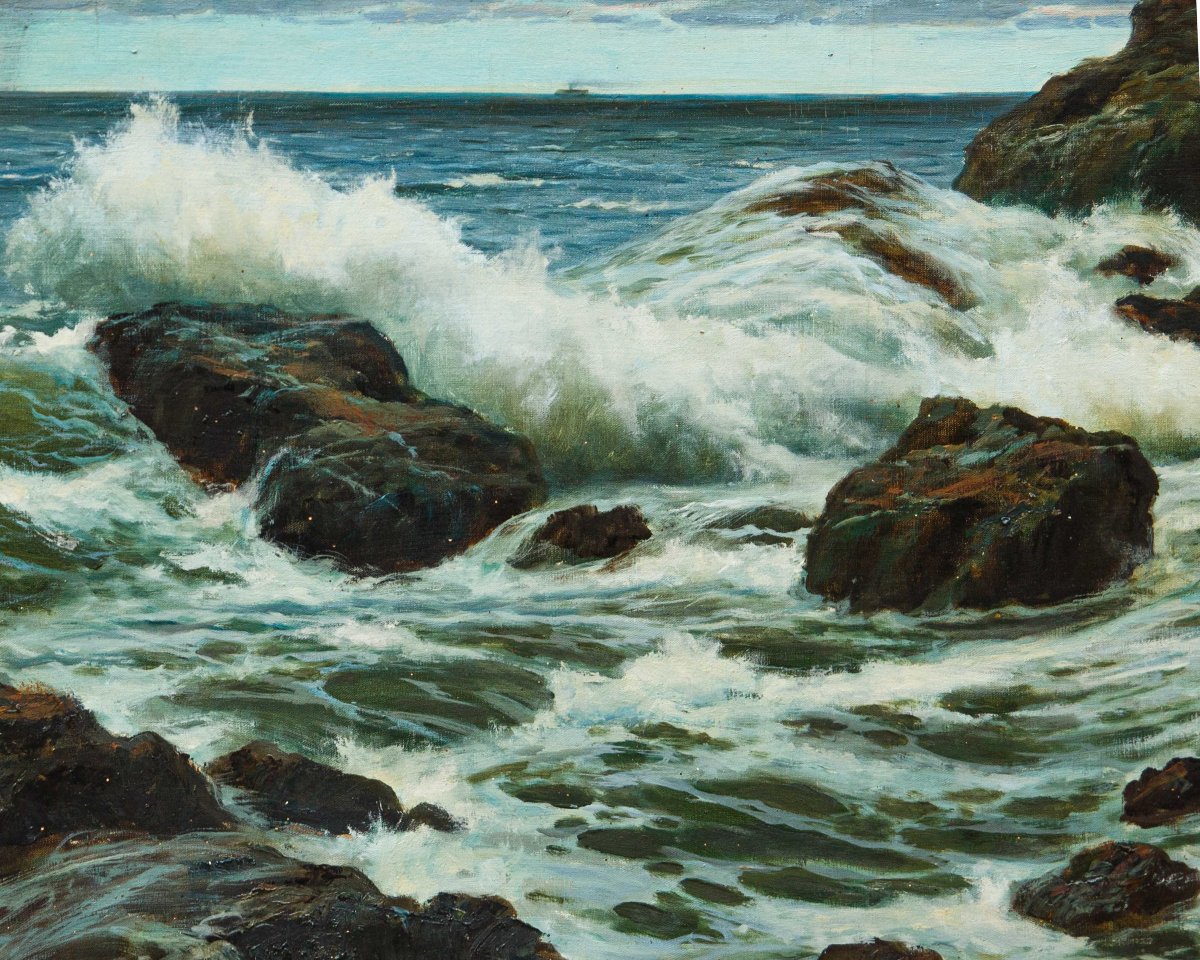
Born in Vercelli in 1864 and trained at the Institute of Fine Arts under Andre Bonino and Carlo Costa, Francesco Bosso embodied with rare mastery the figure of the multifaceted artist, capable of intertwining the demands of scenography with the refinements of easel painting in a creative journey of extraordinary coherence. His professional debut saw him as the protagonist of important decorative interventions in palaces, churches and theatres between Italy, France and Switzerland, an experience, the scenographic one, which acted as a real laboratory for his aesthetic vision, teaching him to conceive the work as a clever construction of illusions and perceived values, where the management of space, of perspective and light is aimed at creating a deep emotional resonance far beyond the ephemeral nature of the materials used. This stylistic signature, which allowed the artist to orchestrate the shot with a theatrical eye to infuse a monumental breath even in the small format, is particularly evident in his famous floral still lifes, characterized by visual opulence combined with meticulous craftsmanship. Alongside his decorative success, Bosso was able to elevate the landscape genre through a lyrical style that, as musicologist Angelo Gilardino emphasized, interacted with the lessons of Antonio Fontanesi and Courbet's transalpine influences, expressed through a technique of extreme finesse. This evolution finds its culmination in works such as the one examined, dated 1925, which marks the artist's full maturity: having overcome his youthful phase linked to architectural decoration, the painter arrives at a more atmospheric vision of the landscape, where academic rigor merges with a free interpretation of natural data expressed in a dense and vibrant material application. During this period, the expert handling of rain clouds and the dramatic rendering of the cliff reveal an artist capable of transforming the sea into a solemn narrative, abandoning any compositional rigidity to favor light and movement. His career, punctuated by international recognition such as the acclaim he received in 1914 for the Panama Canal diorama at the Genoa Exhibition, unfolded between his connection to his homeland, as evidenced by his 1922 solo exhibition, and his activity in his Turin studio on Via Riberi, leaving a significant mark on public collections such as the Ricci Oddi Gallery in Piacenza.
Storm
oil on canvas, 127x86 cm
signed at the bottom right. F. Bosso 1925
Born in Vercelli in 1864 and trained at the Institute of Fine Arts under Andre Bonino and Carlo Costa, Francesco Bosso embodied with rare mastery the figure of the multifaceted artist, capable of intertwining the demands of scenography with the refinements of easel painting in a creative journey of extraordinary coherence. His professional debut saw him as the protagonist of important decorative interventions in palaces, churches and theatres between Italy, France and Switzerland, an experience, the scenographic one, which acted as a real laboratory for his aesthetic vision, teaching him to conceive the work as a clever construction of illusions and perceived values, where the management of space, of perspective and light is aimed at creating a deep emotional resonance far beyond the ephemeral nature of the materials used. This stylistic signature, which allowed the artist to orchestrate the shot with a theatrical eye to infuse a monumental breath even in the small format, is particularly evident in his famous floral still lifes, characterized by visual opulence combined with meticulous craftsmanship. Alongside his decorative success, Bosso was able to elevate the landscape genre through a lyrical style that, as musicologist Angelo Gilardino emphasized, interacted with the lessons of Antonio Fontanesi and Courbet's transalpine influences, expressed through a technique of extreme finesse. This evolution finds its culmination in works such as the one examined, dated 1925, which marks the artist's full maturity: having overcome his youthful phase linked to architectural decoration, the painter arrives at a more atmospheric vision of the landscape, where academic rigor merges with a free interpretation of natural data expressed in a dense and vibrant material application. During this period, the expert handling of rain clouds and the dramatic rendering of the cliff reveal an artist capable of transforming the sea into a solemn narrative, abandoning any compositional rigidity to favor light and movement. His career, punctuated by international recognition such as the acclaim he received in 1914 for the Panama Canal diorama at the Genoa Exhibition, unfolded between his connection to his homeland, as evidenced by his 1922 solo exhibition, and his activity in his Turin studio on Via Riberi, leaving a significant mark on public collections such as the Ricci Oddi Gallery in Piacenza.
3 800 €
Period: 19th century
Style: Other Style
Condition: Good condition
Material: Oil painting
Width: 127
Height: 86
Reference (ID): 1735757
Availability: In stock
Print