THIS OBJECT WAS SOLD
édouard Dantan, Father Lamidey, Known As The Great Midey, Former Sailor From Villerville, Painted In 1893.
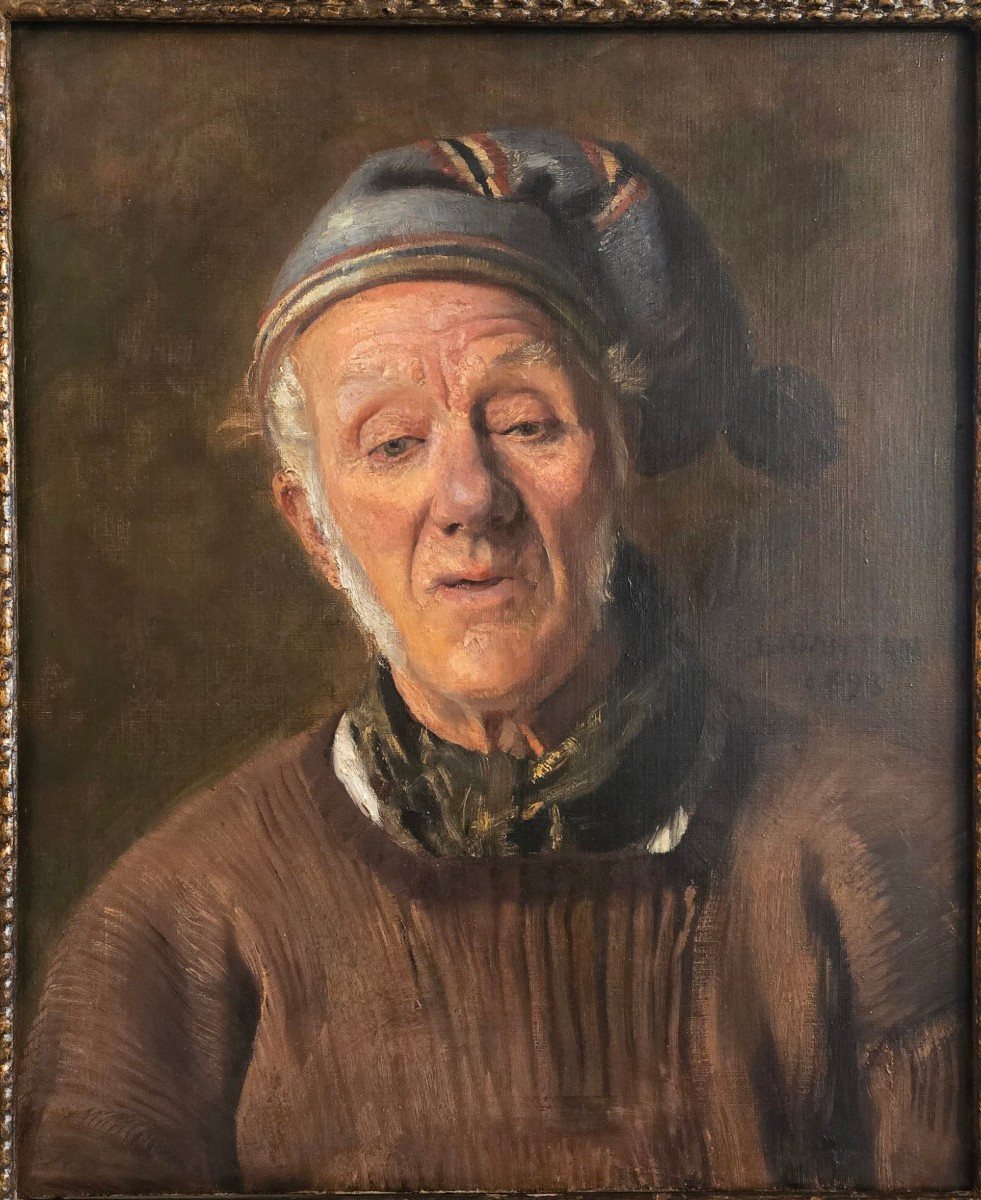
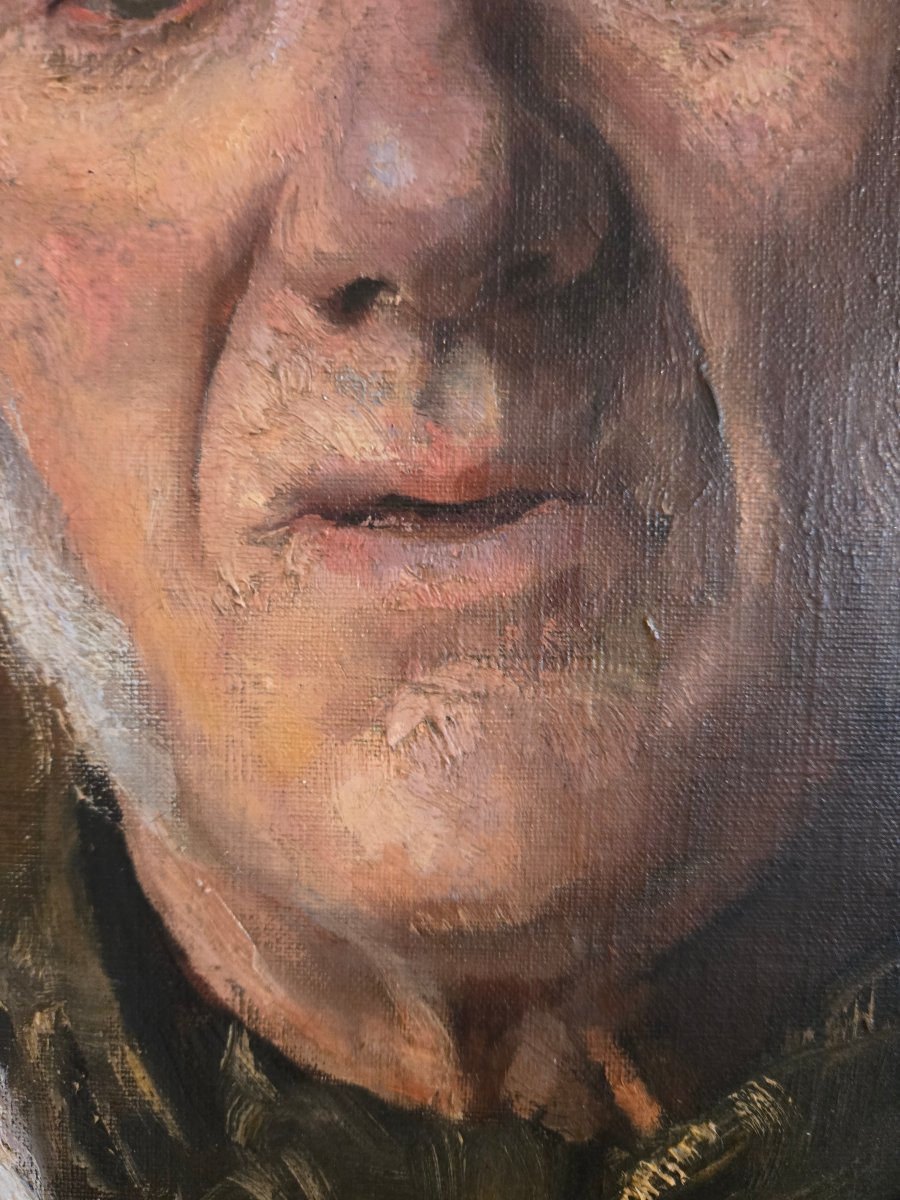

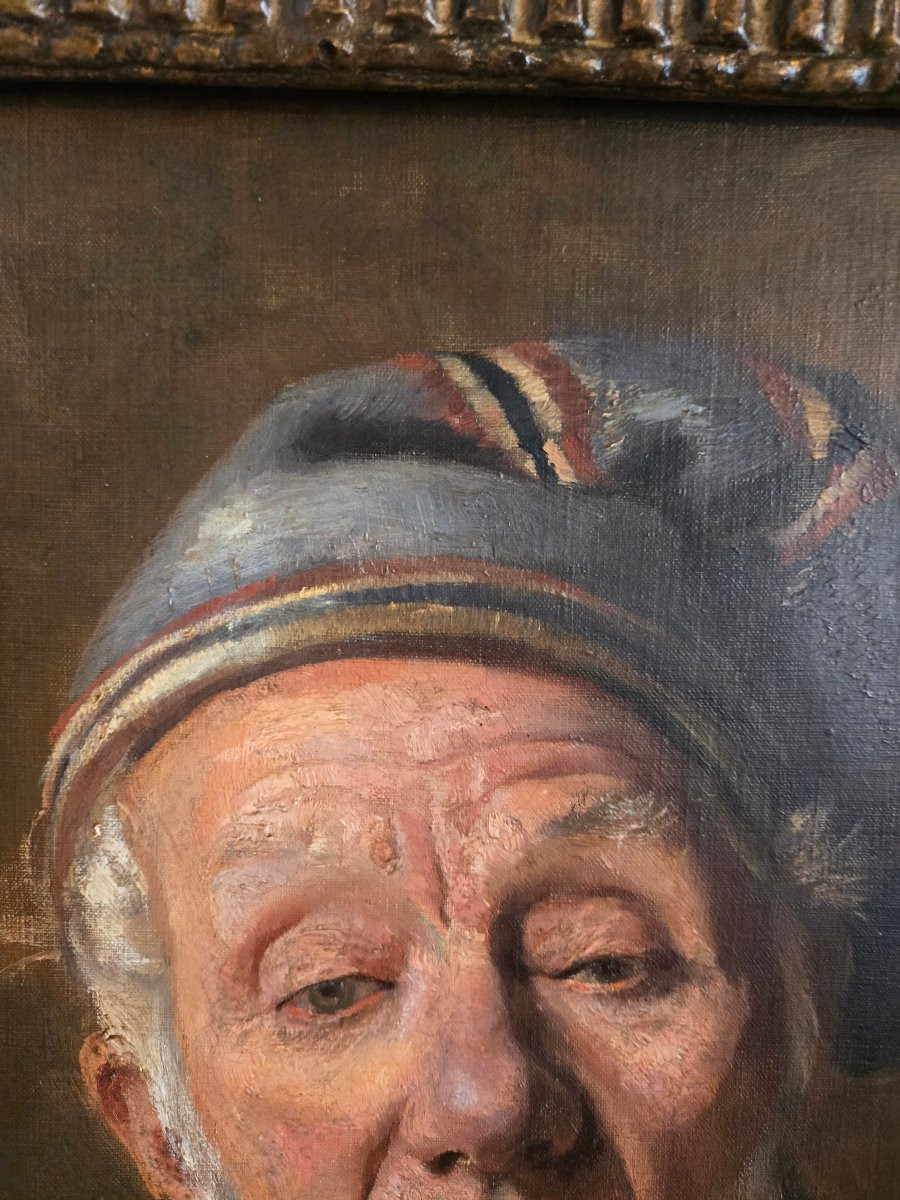
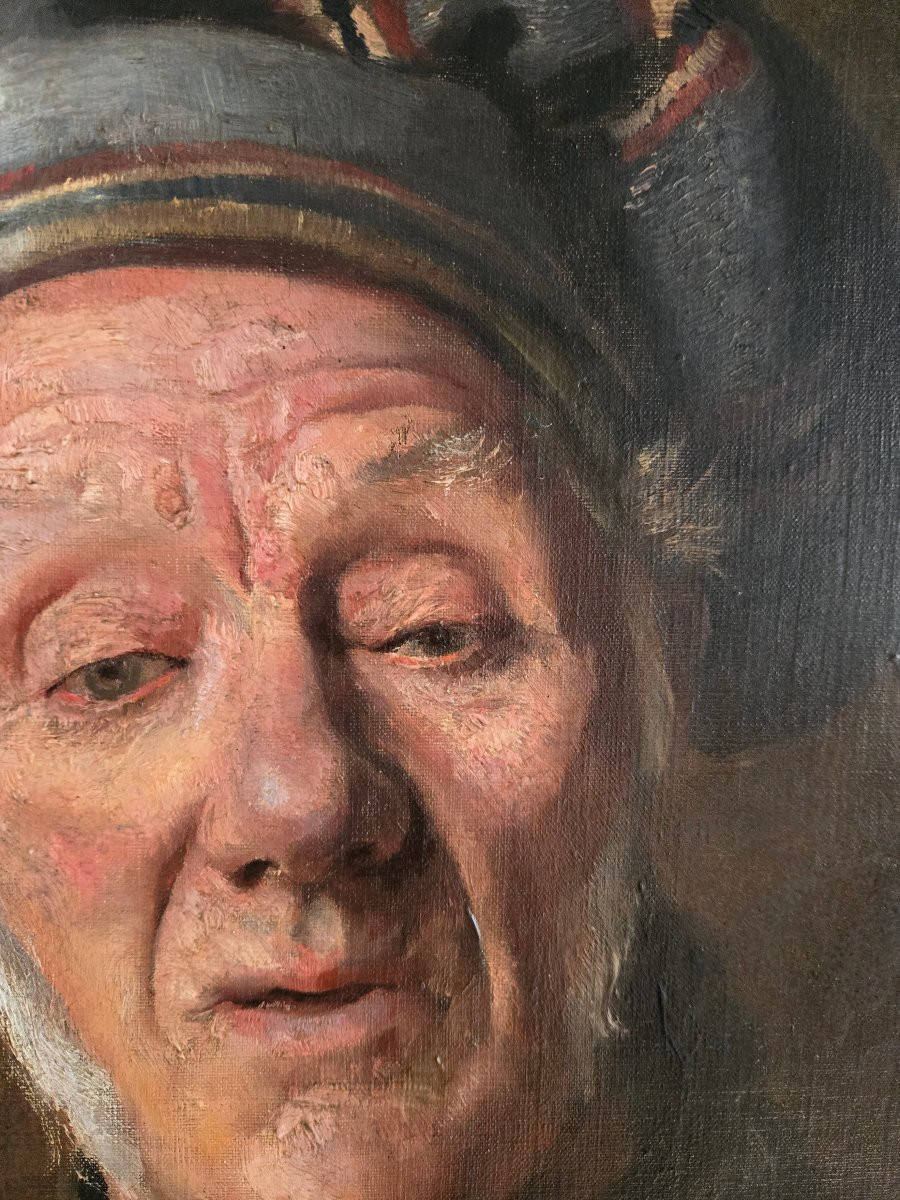
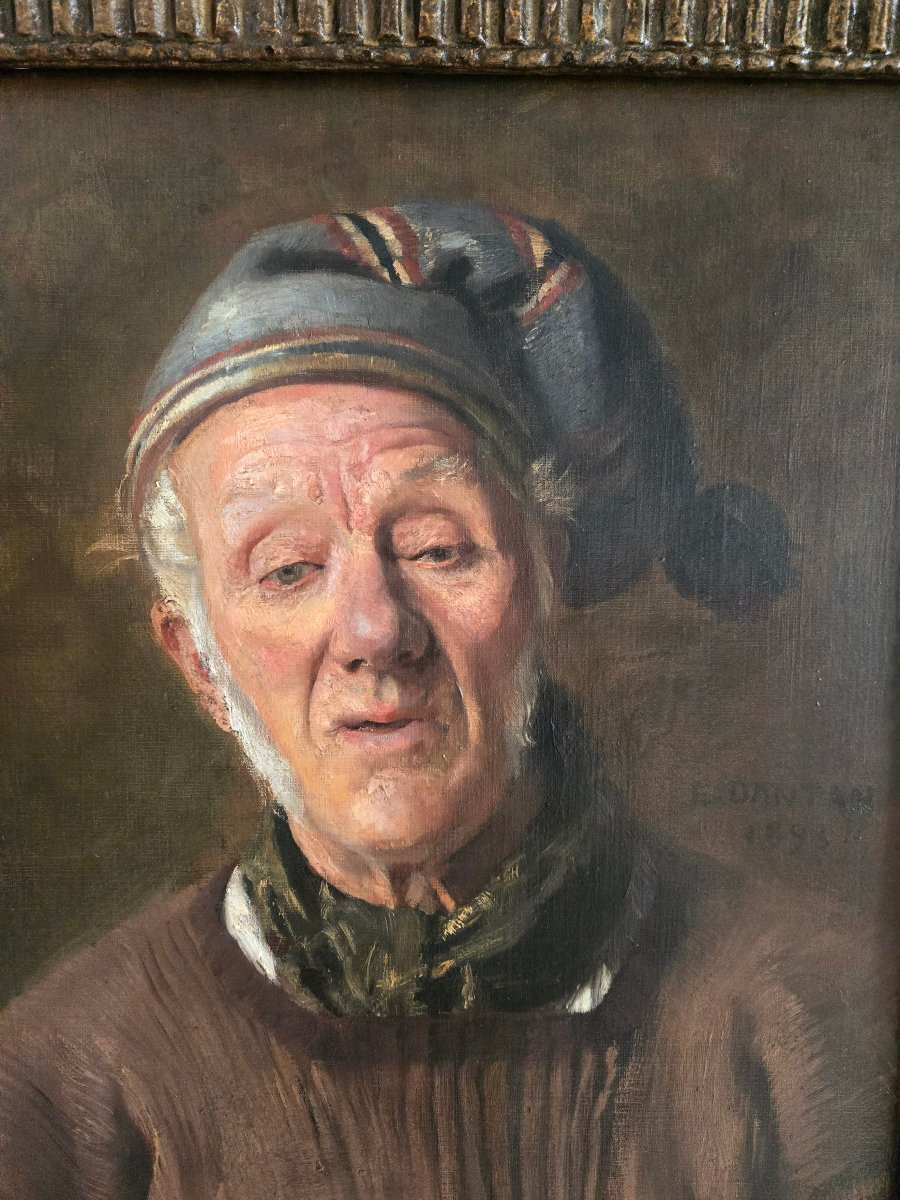
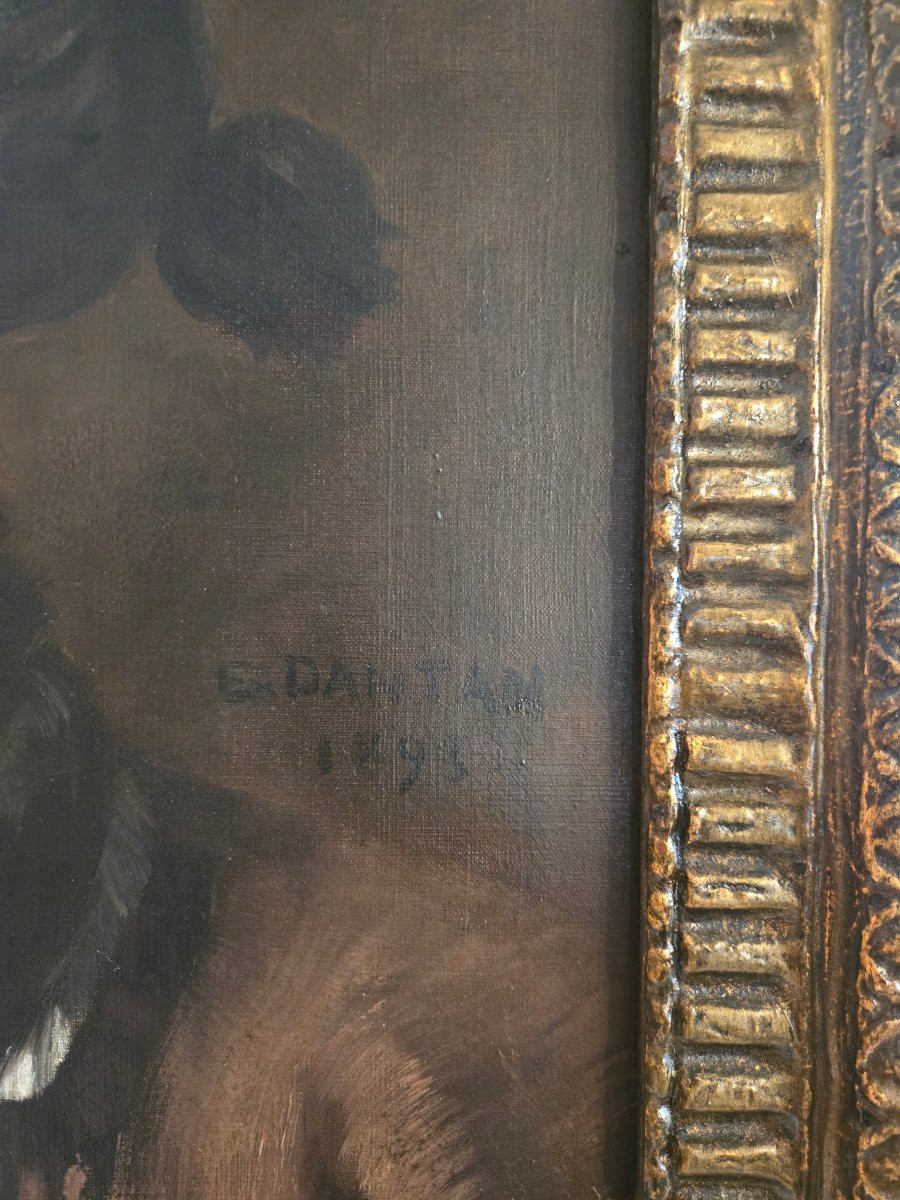
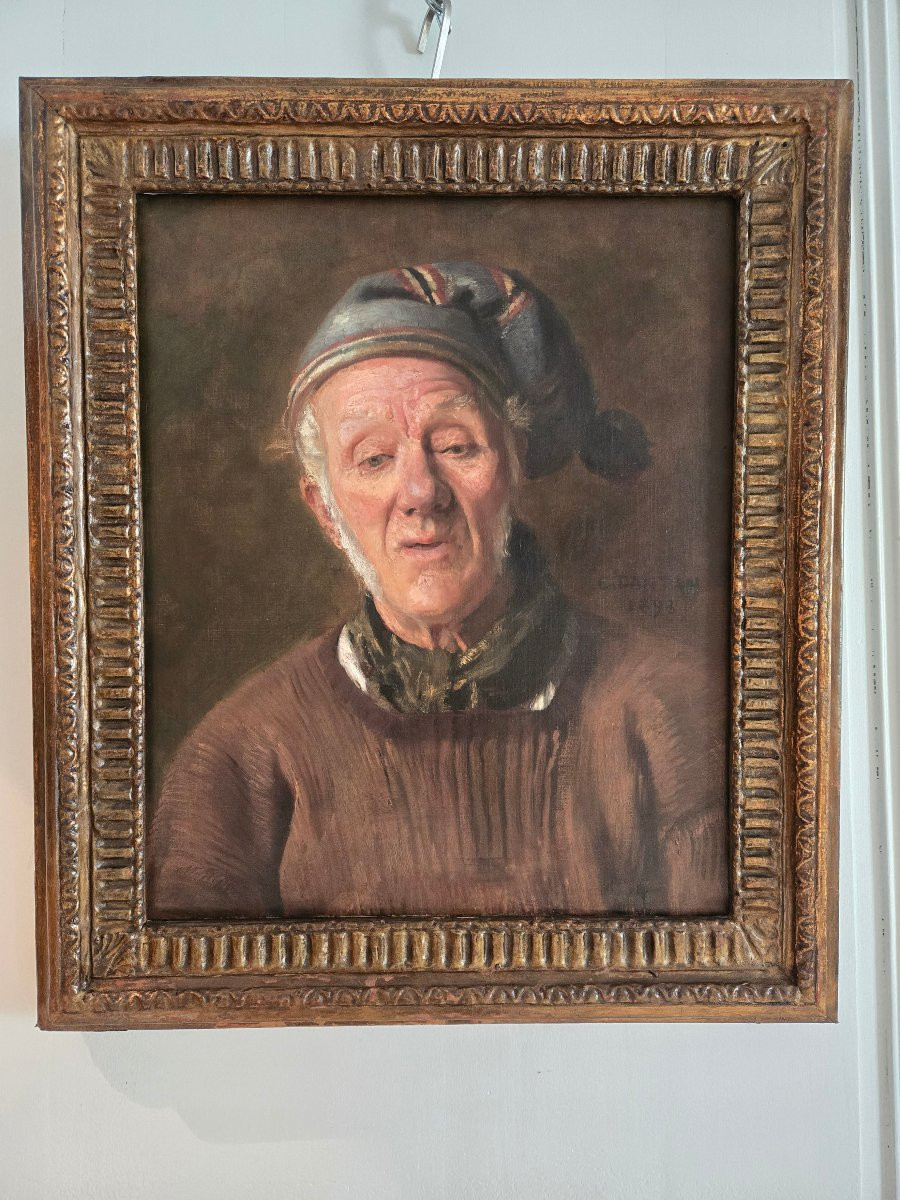
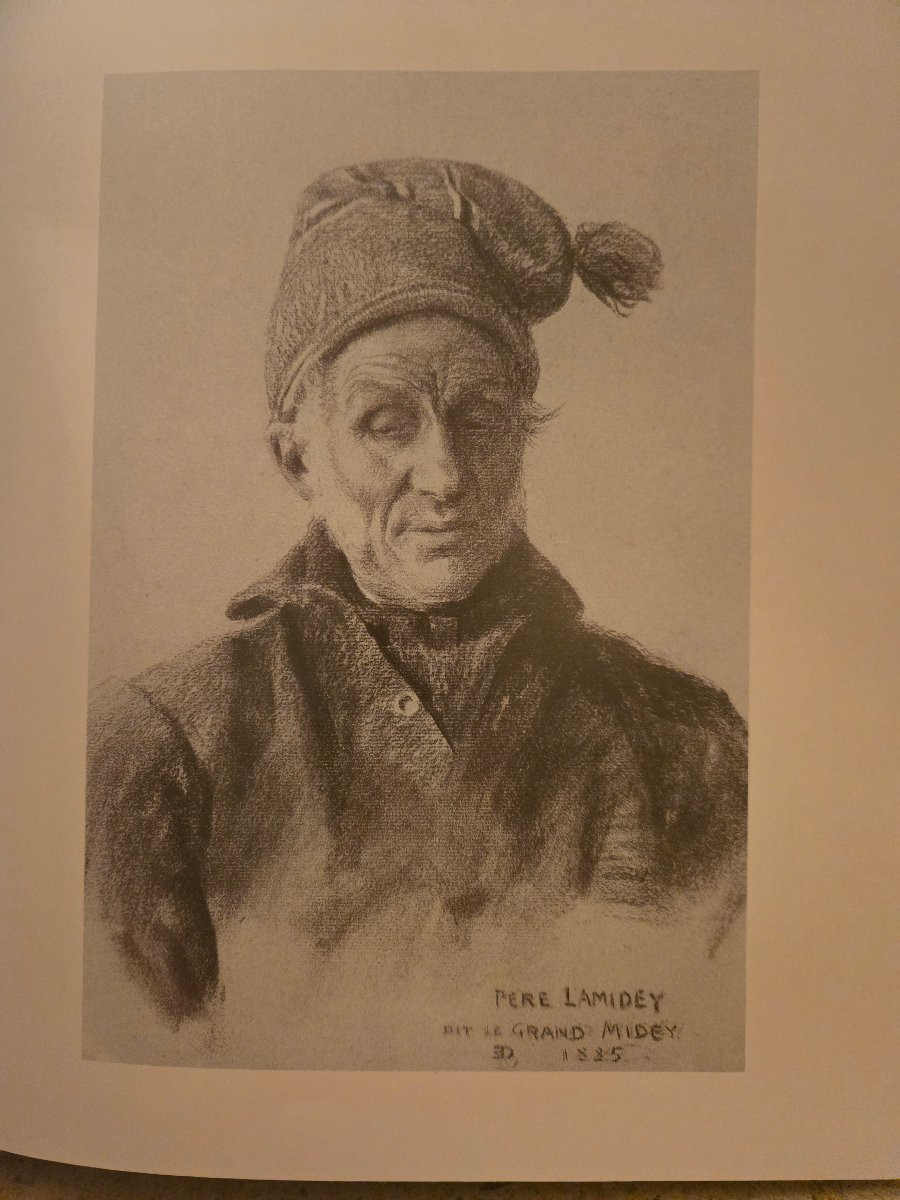

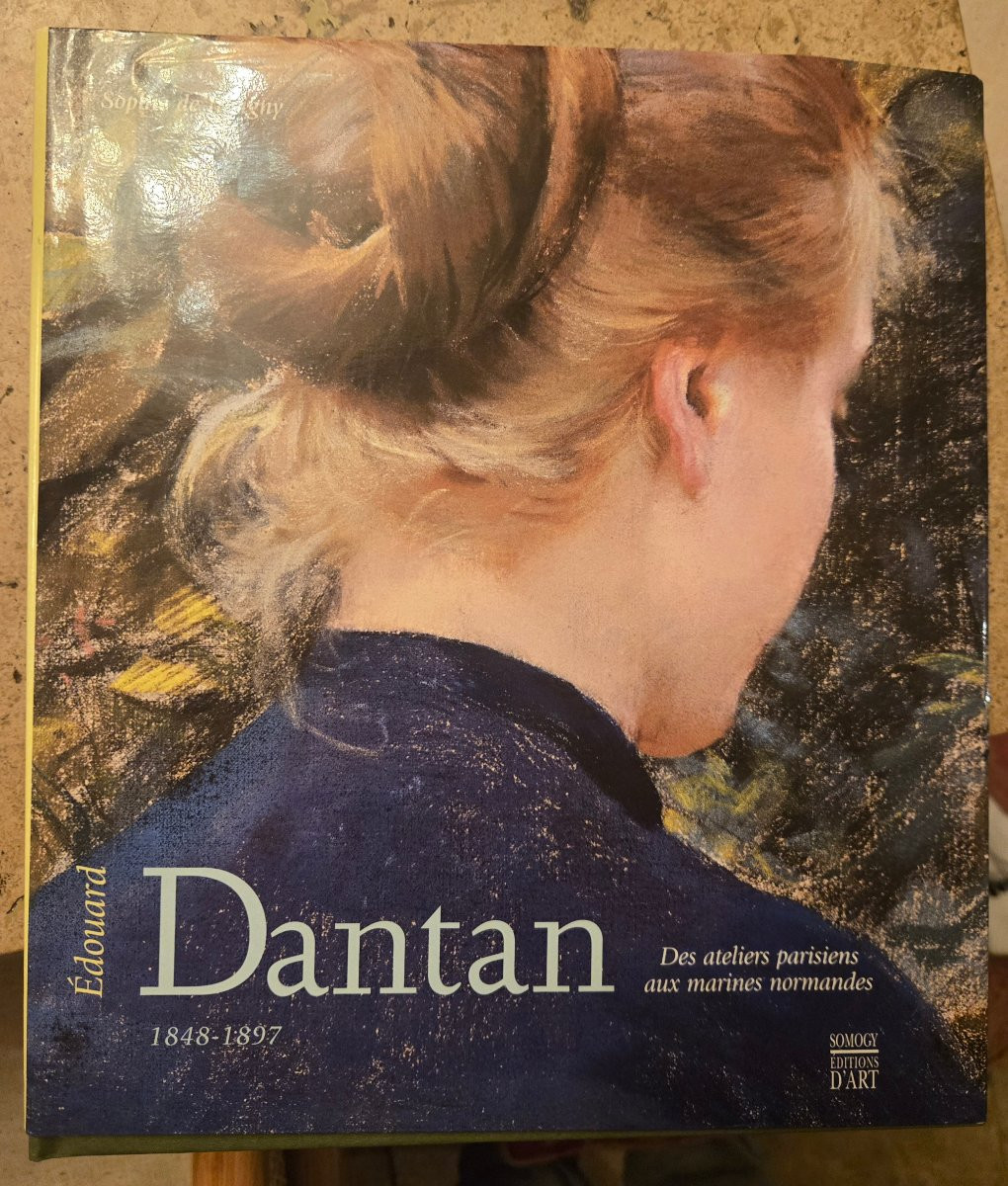

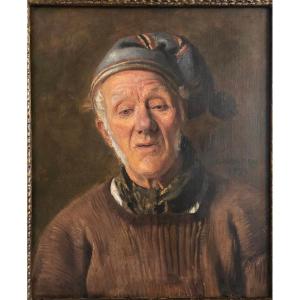


Description and analysis: This portrait depicts Father Lamidey, known as the Great Midey, a former sailor and local figure in Villerville-sur-Mer, captured with remarkable psychological intensity. The sitter is shown half-length, slightly turned three-quarters, his gaze lowered, lost in silent introspection. The composition's simplicity, the absence of any narrative background, and the neutral setting focus all attention on the face, deeply marked by age and a life of hard work. The treatment of the face, with its keen observation, reveals wrinkles, sagging features, and subtle chromatic variations in the complexion. The brushstrokes, both free and controlled, are more pronounced in the expressive areas—eyes, forehead, mouth—while the clothing and background are deliberately rendered in a more simplified manner, lending the whole a subtle balance between completeness and suggestion. This contrast contributes fully to the expressive power of the work. This painting is central to Dantan's portrait work in the 1890s, a period during which the artist developed a profound exploration of psychological truth, favoring direct observation and fidelity to the model over any form of idealization. The humble figures—inhabitants of Villerville, sailors, and fishermen—became major subjects for Dantan, embodying a universal humanity. Context and documentation: The model had already been studied by Dantan in charcoal in 1885, as part of a large series of portraits of Villerville residents. This drawing, referenced and reproduced in the literature devoted to the artist, testifies to an initial period of careful observation. The present oil painting represents the culmination of this earlier study, executed several years later, in a denser and more introspective pictorial language. The work is explicitly mentioned in Édouard Dantan's autograph account book, under the heading of portraits, with the title: "Father Lamidey, known as the Great Midey, wearing a striped cap in Villerville, Caillard house," dated September 1893. This document, meticulously kept by the artist himself throughout his career, constitutes a primary source of paramount importance for identifying, dating, and situating the work within Dantan's oeuvre. Significance of the work: By its subject, date, and execution, this portrait is fully representative of Dantan's artistic maturity. It exemplifies his ability to capture the personality of his sitters through keen observation and a deliberately uncluttered style of painting, where apparent simplicity masks a rigorous construction inherited from his extensive academic training. A well-documented work, cited in reference bibliographies and long held in a private collection, this painting is a rare and particularly accomplished example of Édouard Dantan's portraiture, at the crossroads of naturalism and profound human sensitivity. Dimensions (canvas): 56 × 46 cm. Gilt cartapesta frame, 19th century. Provenance: Private collection. Bibliography: Sophie de Juvigny, Édouard Dantan (1848–1897). From Parisian workshops to Norman seascapes, Somogy Éditions d'Art.
Explore similar pieces and discover your ideal find:
Portraits