THIS OBJECT WAS SOLD
Pair Of Imari Vases

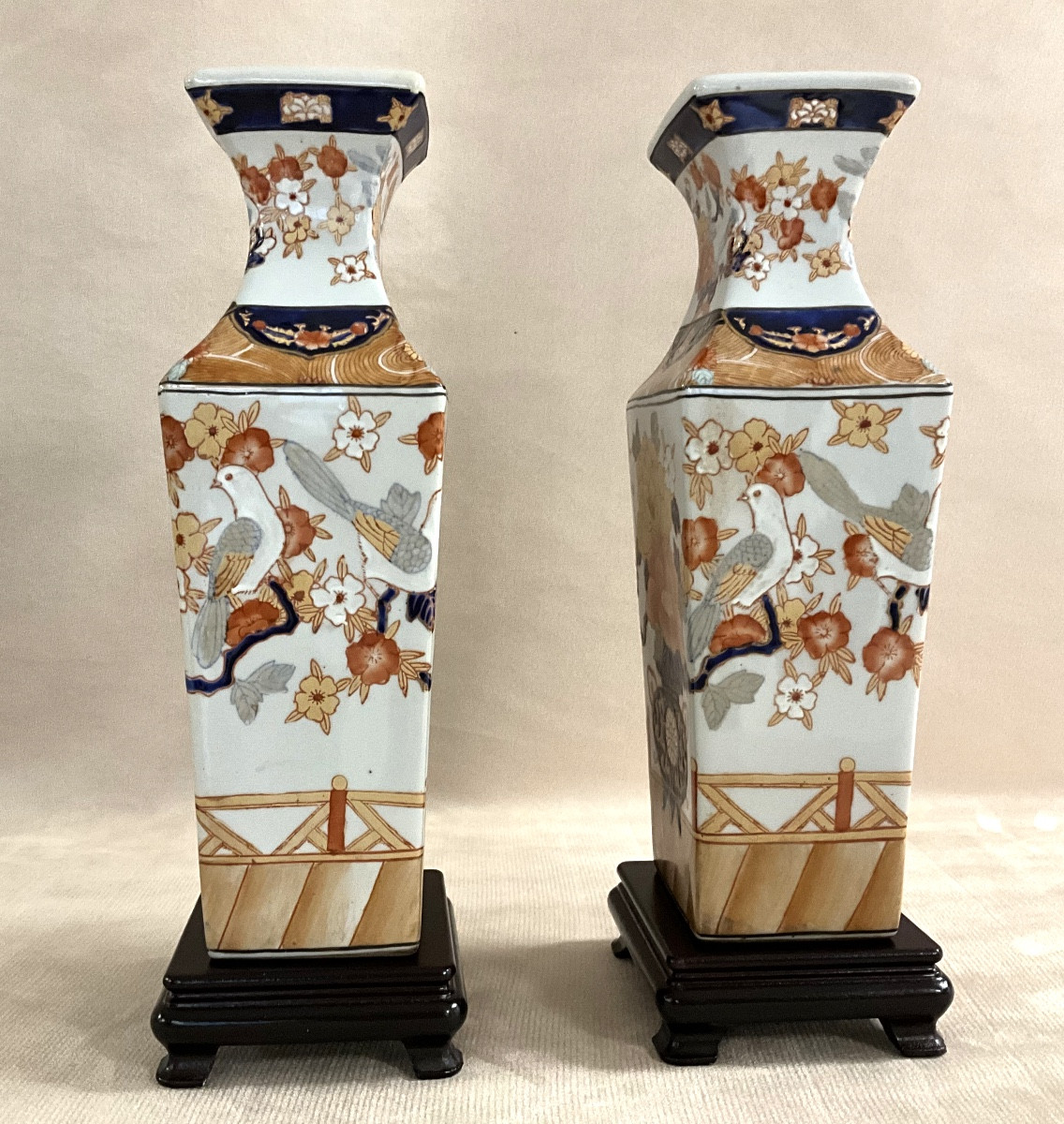
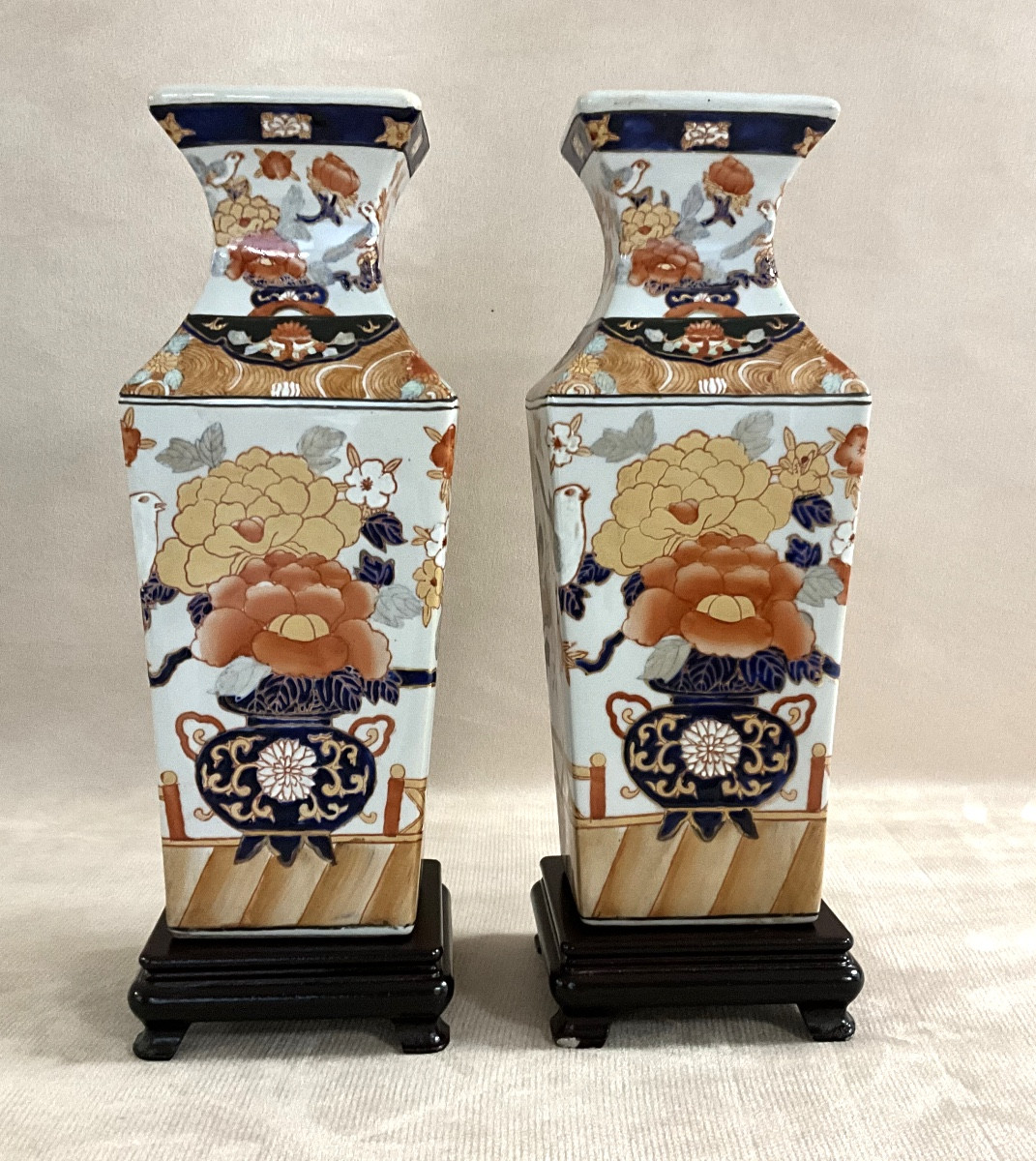
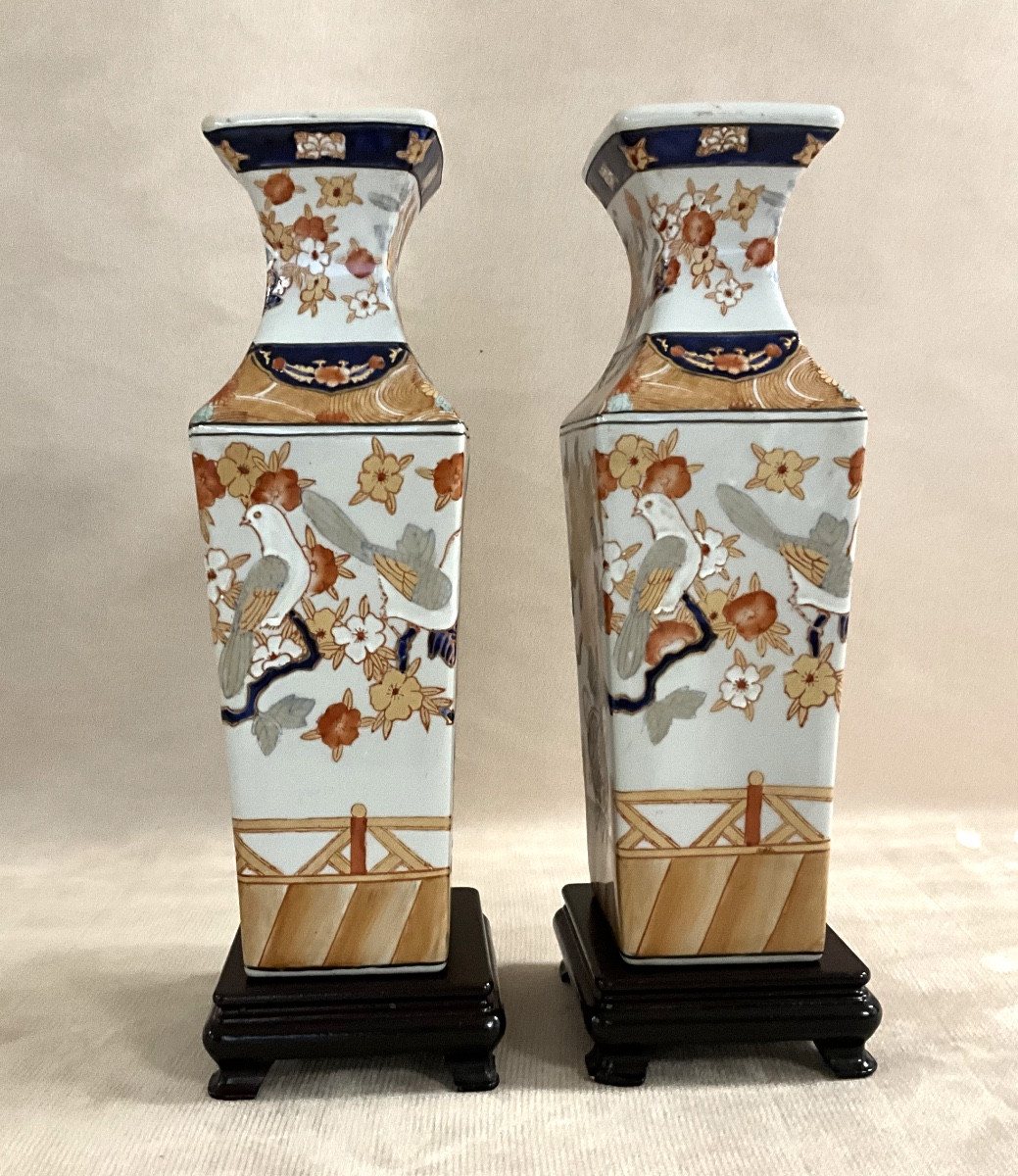
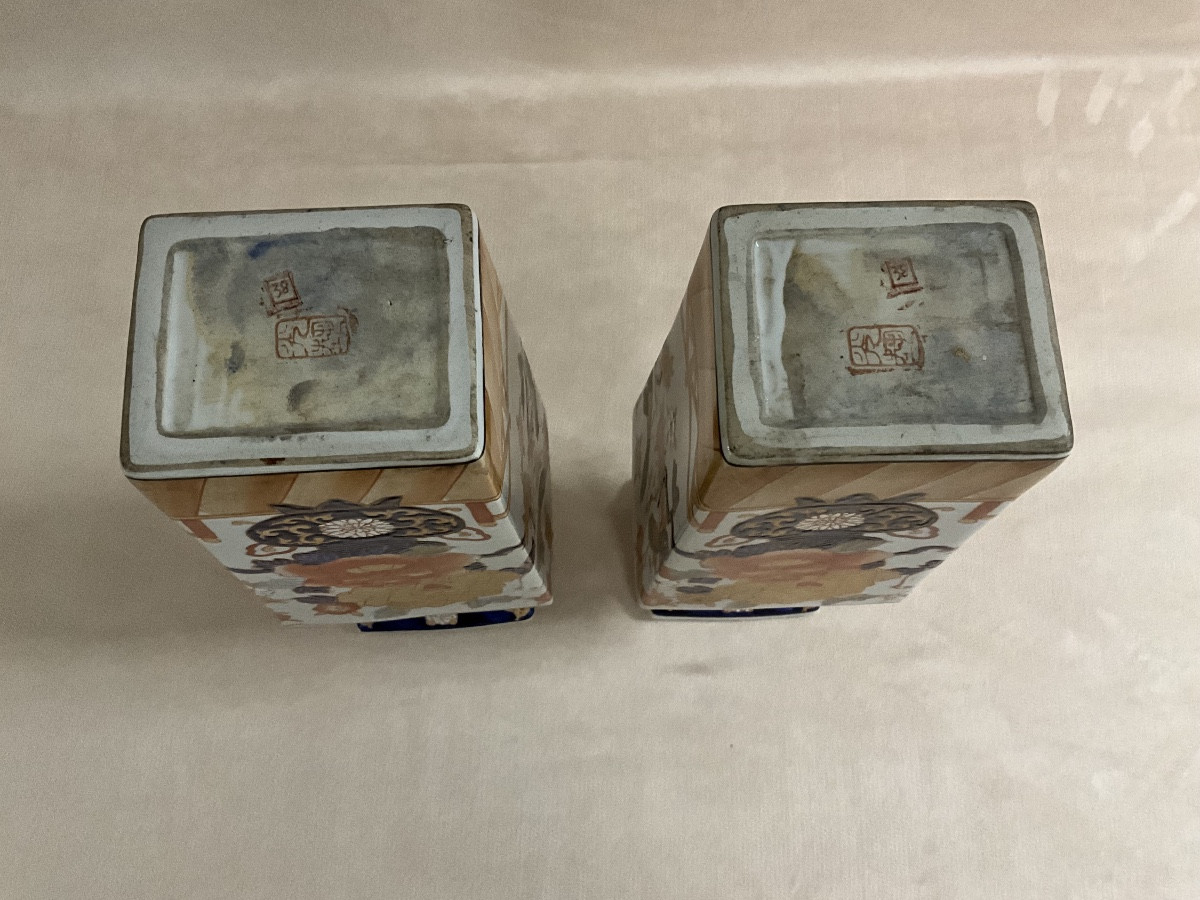
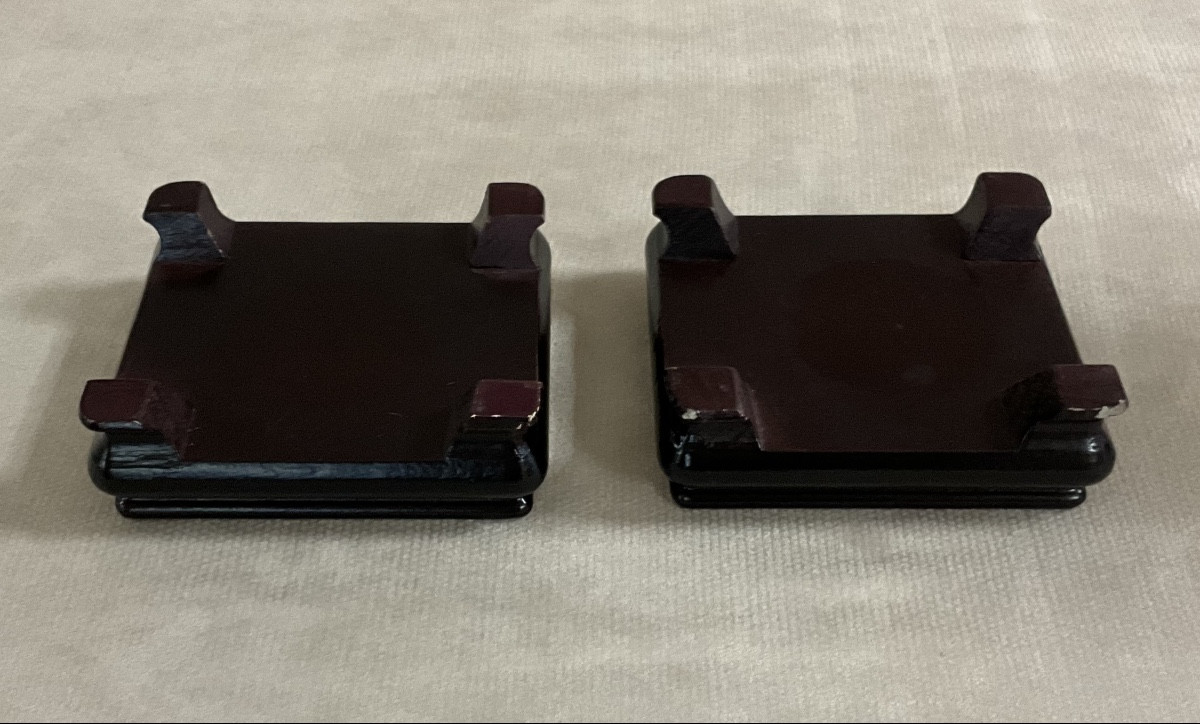
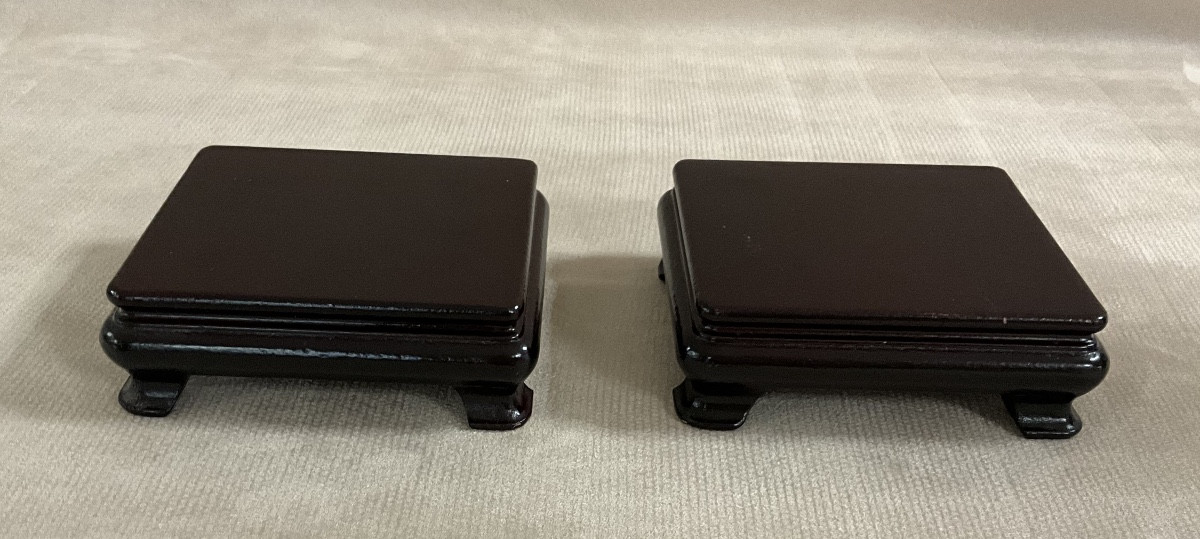
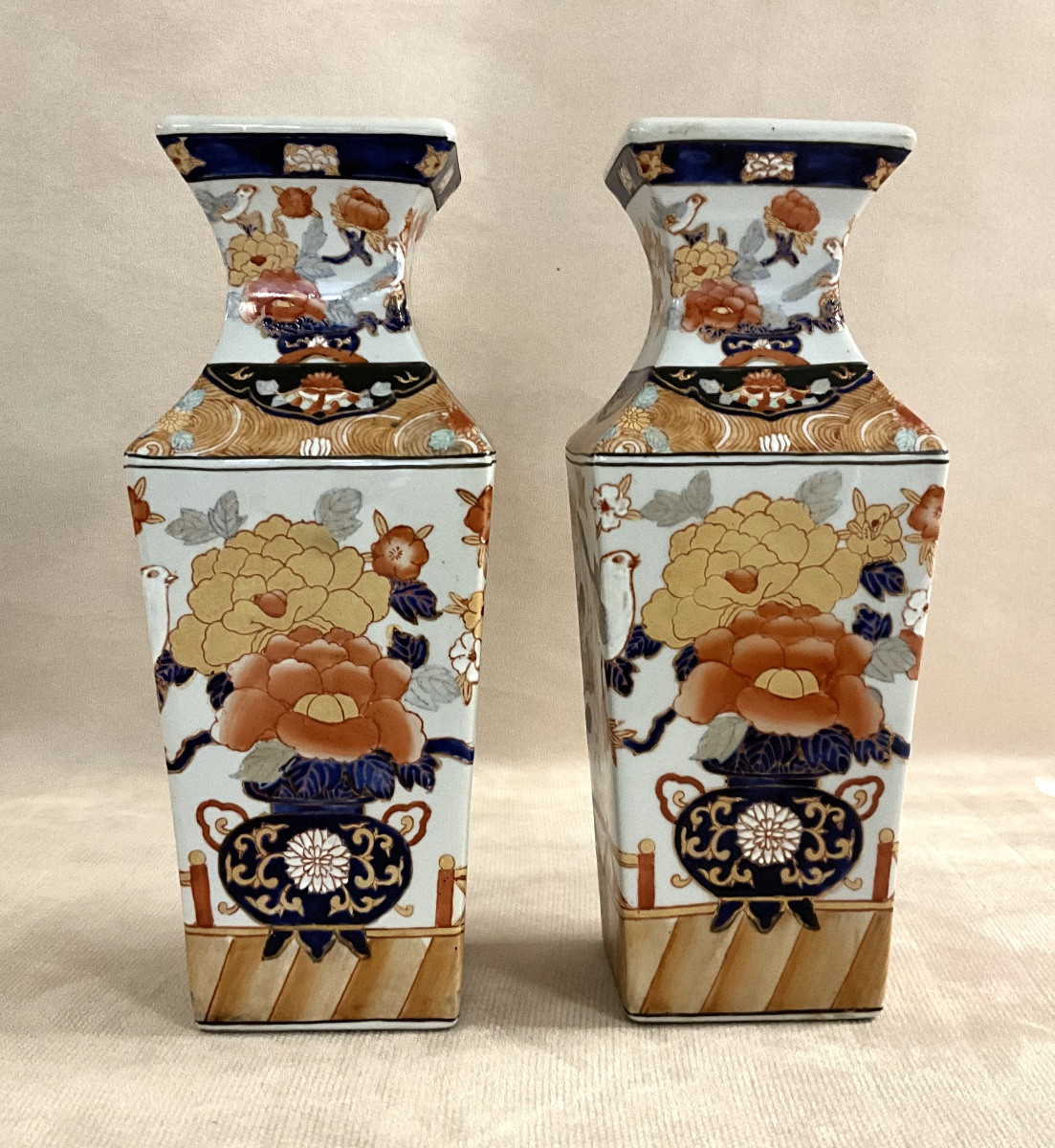

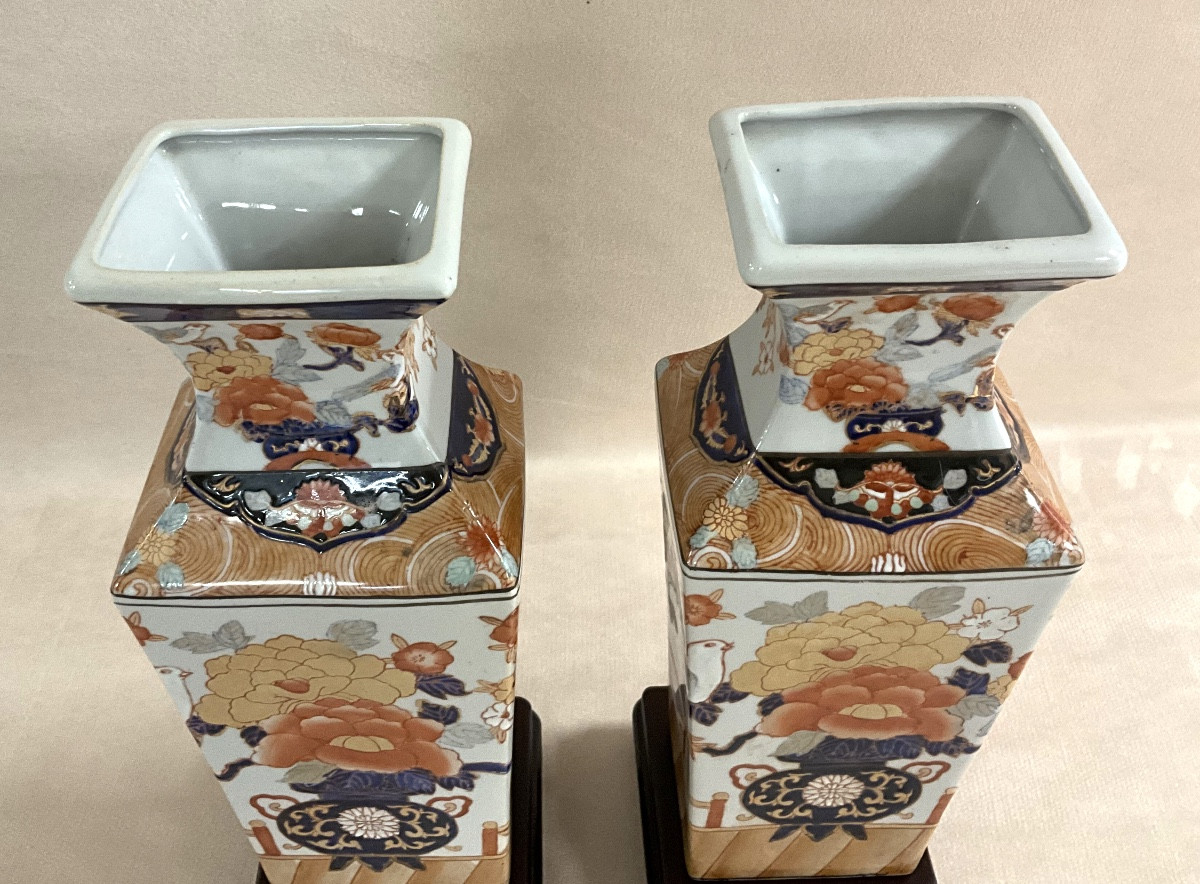
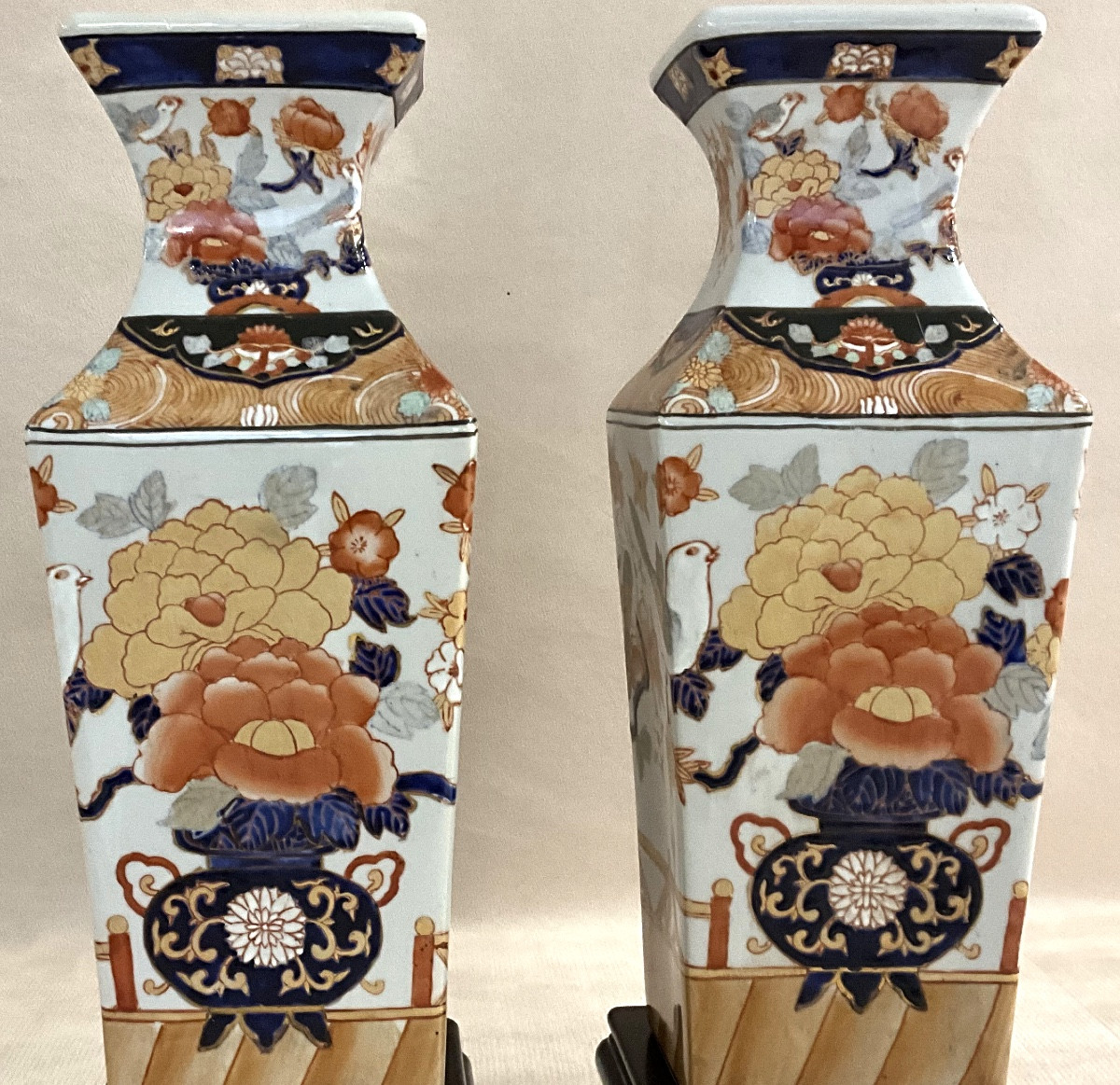


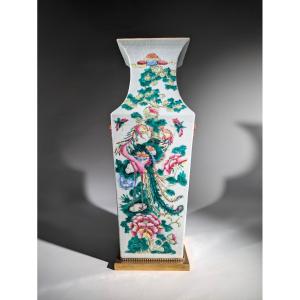
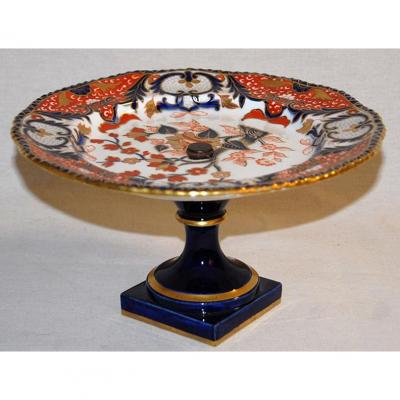
Pair of Imari vases in very good condition with their wooden bases. Height with base: 36 cm, without base: 32 cm, Width: 12 cm. Delivery available in France and Europe. Imari porcelain is a style of ceramic that originated around 1600 in the Arita region (有田町), a pottery center on the island of Kyushu, in southern Japan. According to tradition, it was a Korean named Ri Sampei, who settled in the region, who exploited a kaolin deposit located at the foot of Mount Izumiyama. He succeeded in fusing the kaolin at around 1400°C to obtain porcelain similar to that of the Chinese, ending a monopoly that had lasted for over seven centuries. This porcelain is characterized by a decoration using three colors: cobalt blue, iron red, and a white porcelain background, all enhanced with gold. It features primarily floral motifs and was named "Imari" after the port on the island of Kyushu, from which it was exported, a few kilometers from Arita. Supply difficulties in China (due to political unrest in the 17th century) prompted Westerners to seek alternative sources of production, and it was in this way that the Dutch, through their Dutch East India Company, imported the first Imari from Japan.
Explore similar pieces and discover your ideal find:
Porcelain Serveware