


Flemish School, Hsp After David Teniers 19th Century
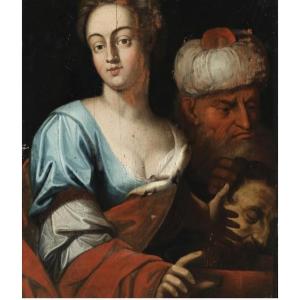
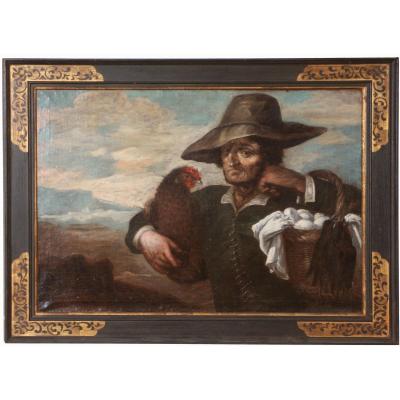
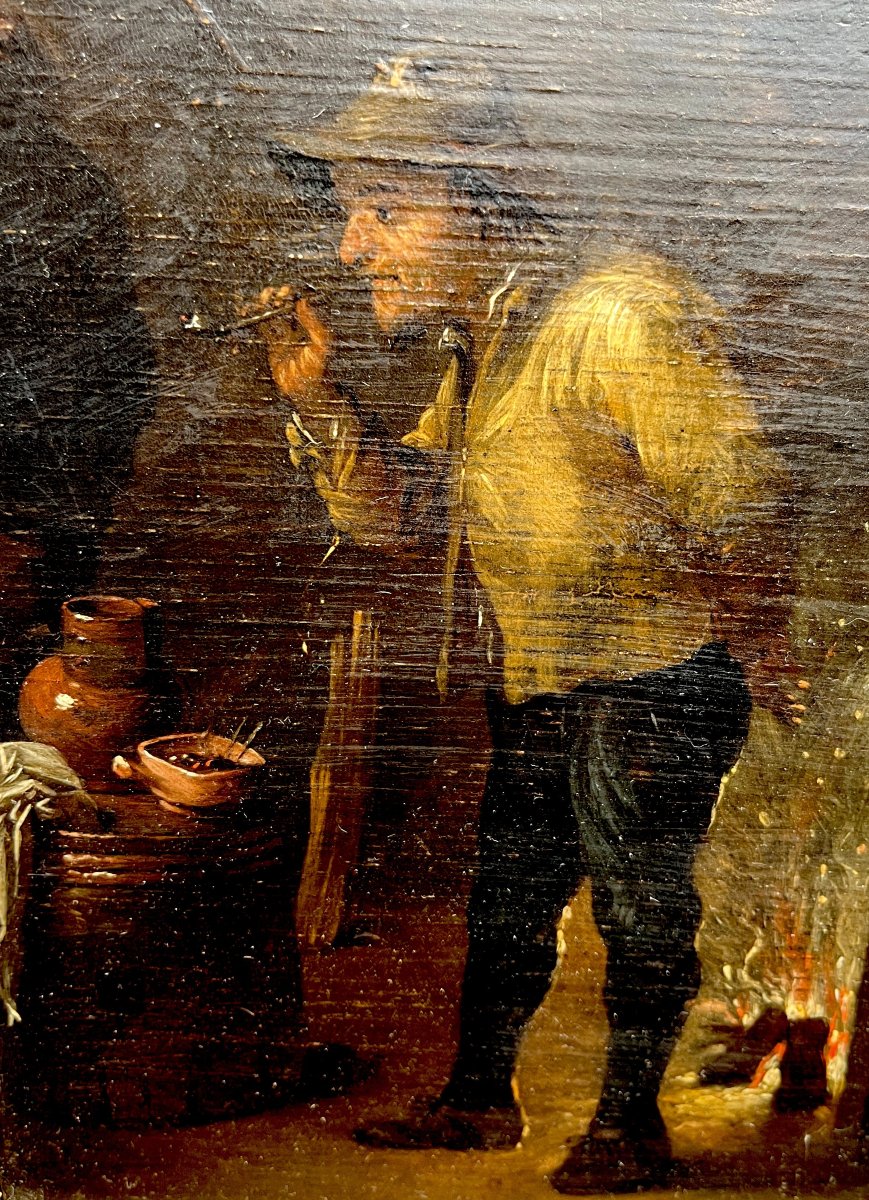
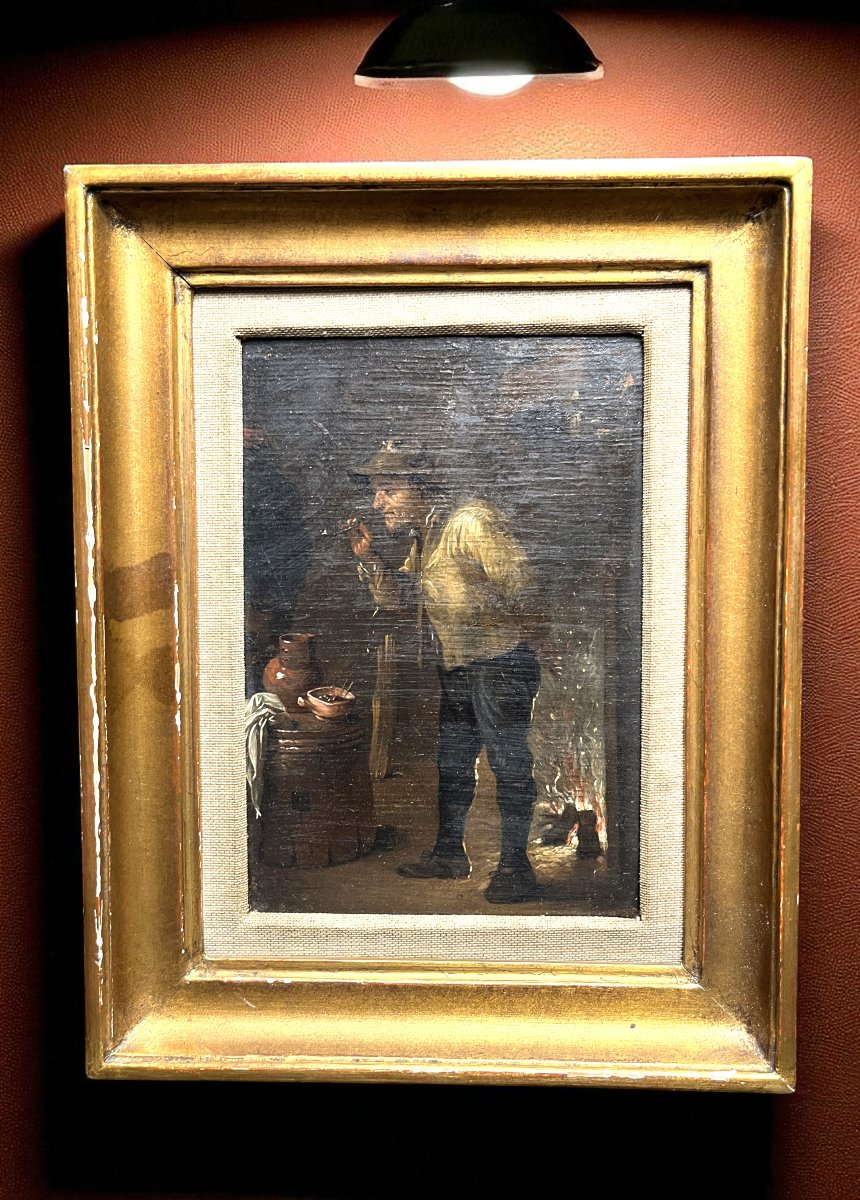
Oil on panel depicting a man in a hat smoking a pipe.
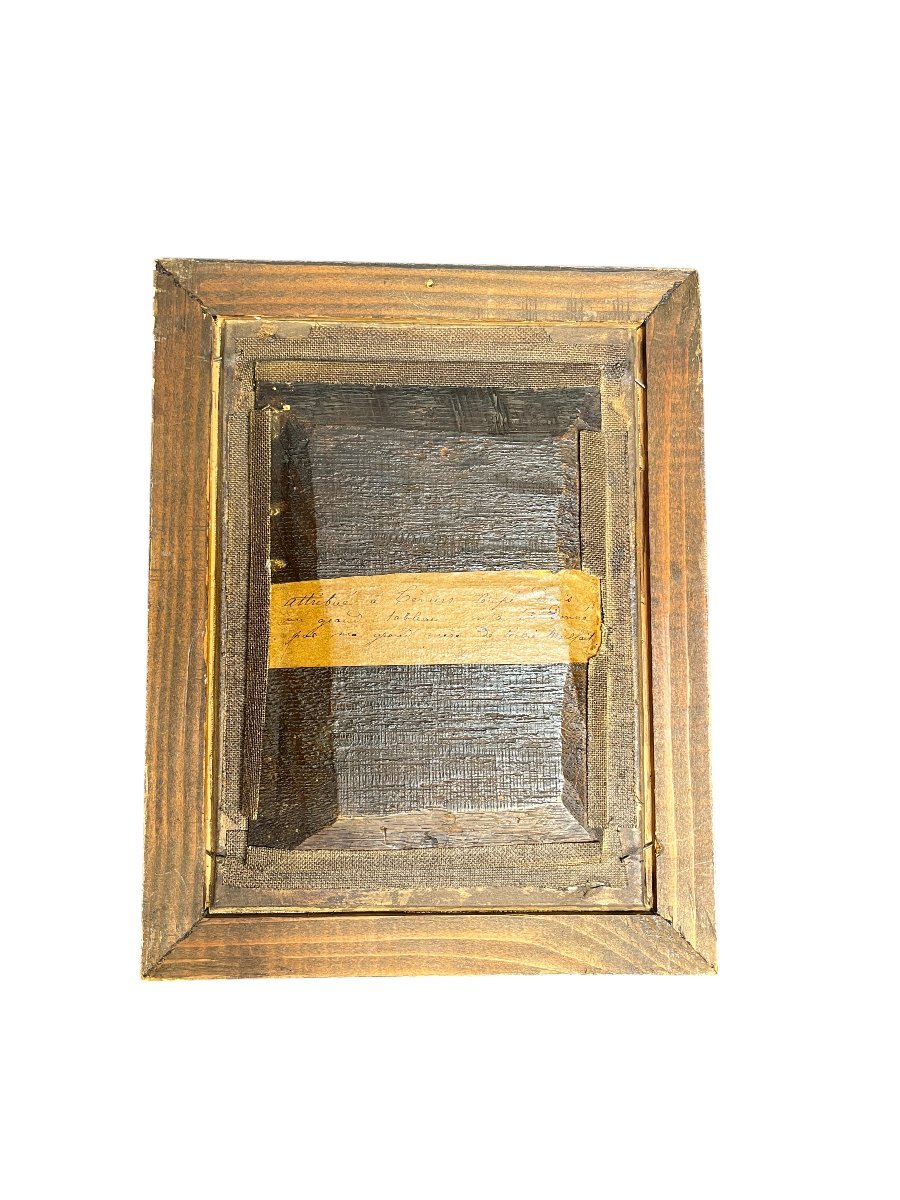
Inscription on the back: "Attributed to Teniers, cut from a large painting given to me by my grandmother from Corbie Mailfait."
Gilded frame (stain).
Period: 19th century.
Dimensions: 18 x 12.5 cm.
David Teniers II, known as the Younger (1610-1690), Flemish painter, engraver, draftsman, miniaturist and copyist. Teniers is particularly known for developing the peasant genre, the tavern scene, images of art collections and scenes with alchemists and doctors. He received his first painting lessons from his father David Teniers the Elder, but his association with Adriaen Brouwer had a significant influence on him. He was also close to Jan Brueghel the Elder. In 1632, he became a member of the Antwerp guild, as a specialist in small religious formats and genre paintings. In 1647, he worked for Archduke Leopold William of Habsburg, when he administered the Spanish Netherlands, and followed him to Brussels as a court painter in 1651. His work for Leopold William brought him immense success with foreign rulers, such as Prince William II of Orange, Queen Christina of Sweden, and King Philip IV of Spain. In 1663, he was knighted and granted permission to found an Academy of Art in Antwerp.
Inscription on the back: "Attributed to Teniers, cut from a large painting given to me by my grandmother from Corbie Mailfait."
Gilded frame (stain).
Period: 19th century.
Dimensions: 18 x 12.5 cm.
David Teniers II, known as the Younger (1610-1690), Flemish painter, engraver, draftsman, miniaturist and copyist. Teniers is particularly known for developing the peasant genre, the tavern scene, images of art collections and scenes with alchemists and doctors. He received his first painting lessons from his father David Teniers the Elder, but his association with Adriaen Brouwer had a significant influence on him. He was also close to Jan Brueghel the Elder. In 1632, he became a member of the Antwerp guild, as a specialist in small religious formats and genre paintings. In 1647, he worked for Archduke Leopold William of Habsburg, when he administered the Spanish Netherlands, and followed him to Brussels as a court painter in 1651. His work for Leopold William brought him immense success with foreign rulers, such as Prince William II of Orange, Queen Christina of Sweden, and King Philip IV of Spain. In 1663, he was knighted and granted permission to found an Academy of Art in Antwerp.
400 €
Period: 19th century
Style: Other Style
Condition: Good condition
Material: Oil painting on wood
Width: 12.5
Height: 18
Reference (ID): 1617382
Availability: In stock
Print