

Leyden Jar Or Electric Jar
First type of electric capacitor, discovered in the middle of the 18th century, in Leiden.
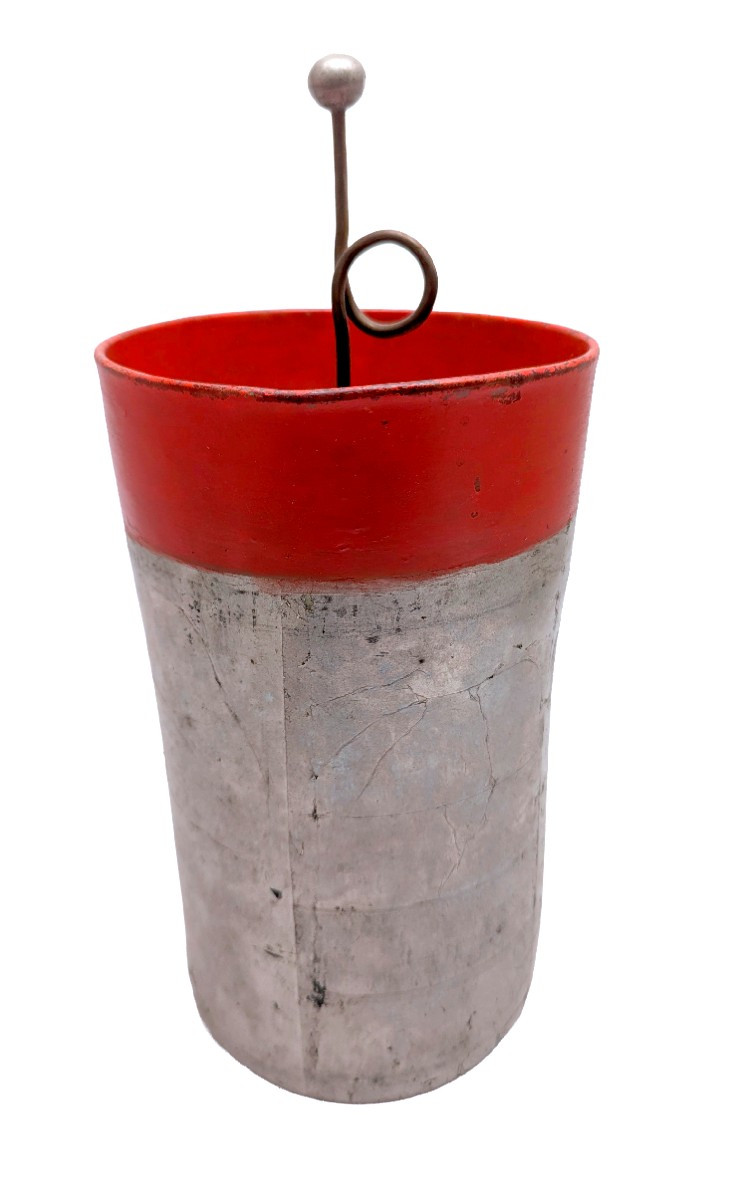
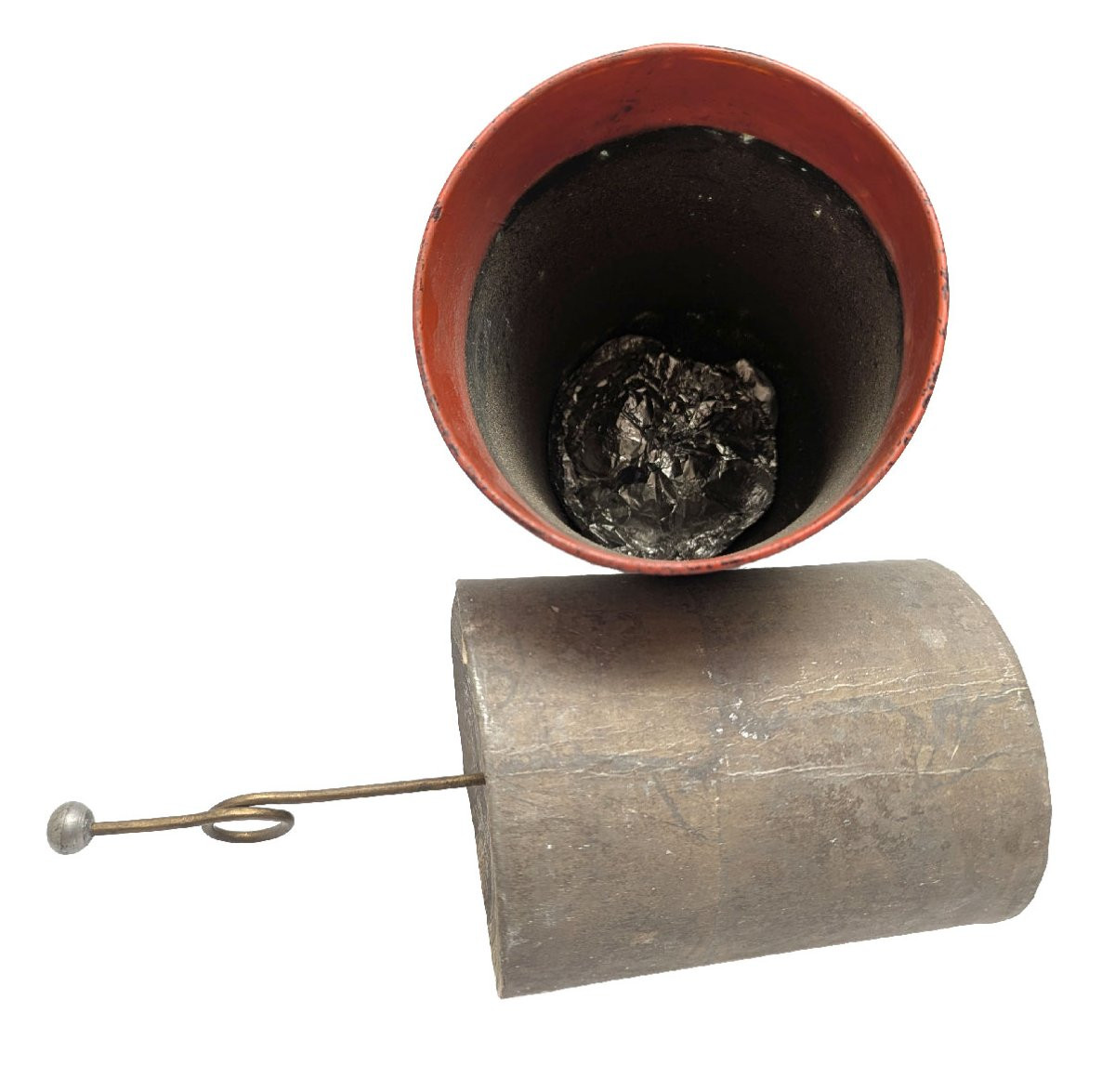
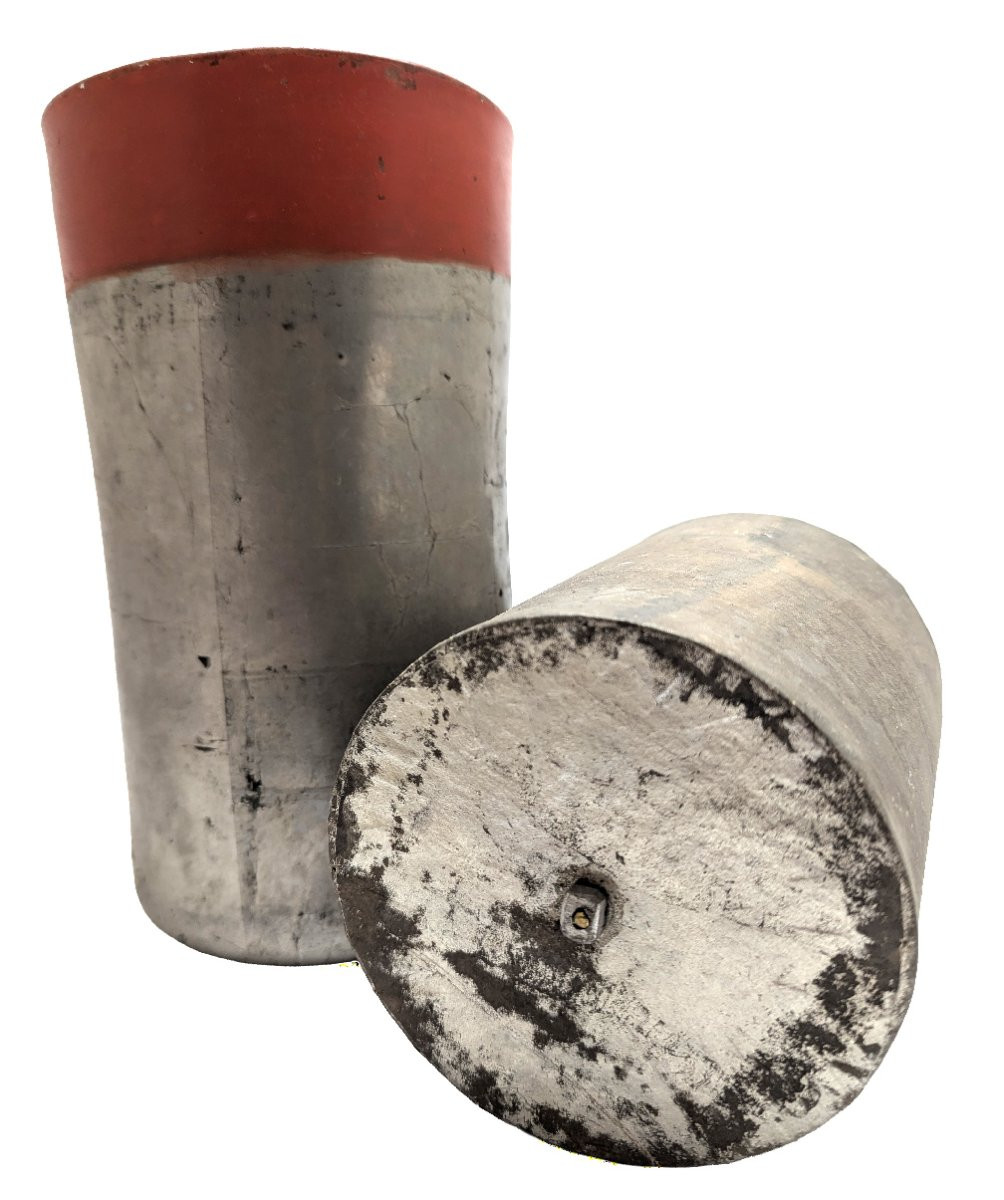
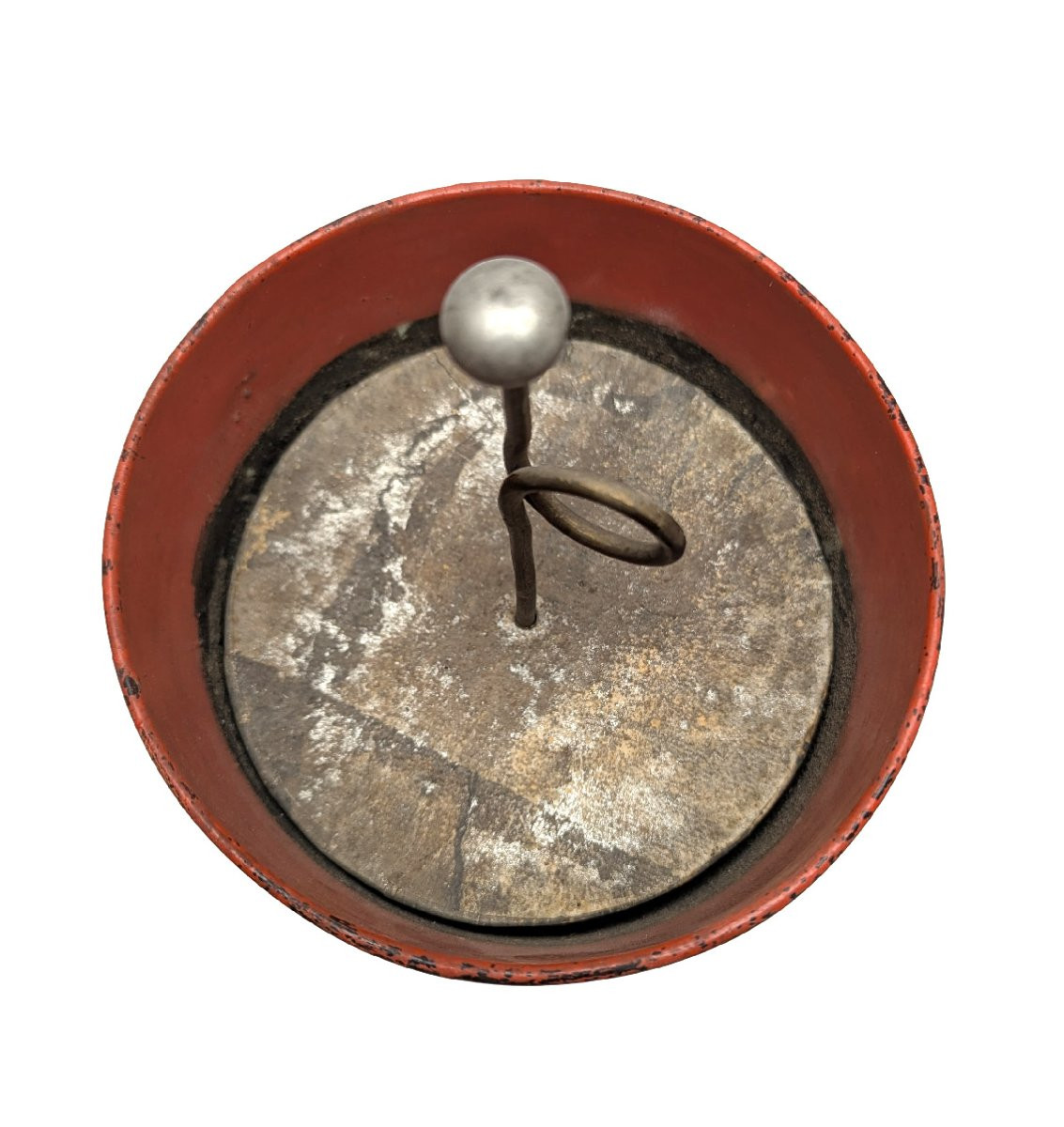
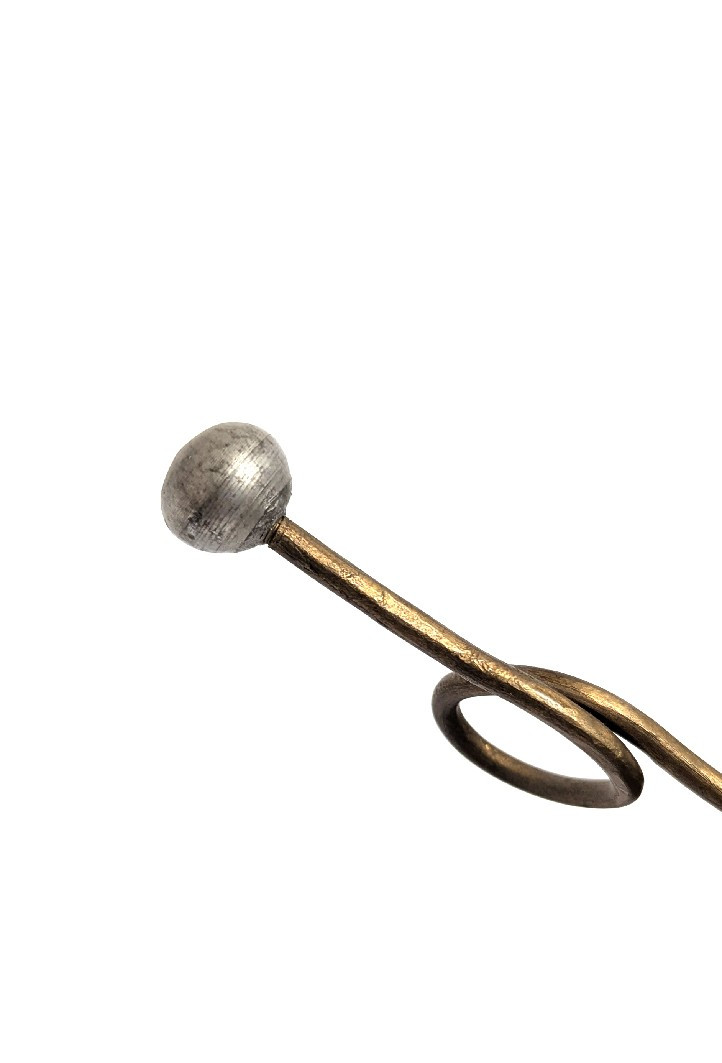
Also called electric jar (for large models*), this bottle allows to accumulate and store electricity. It is composed of two conductors separated by the glass of the bottle, crumpled tin sheets and a brass rod ending here with a ball forming an upper electrode, it is through this that the bottle is charged using an electrostatic machine. The whole is insulated by the glass of the bottle. The electrical energy is stored by the separation of positive and negative charges: the inner and outer faces store an equal electric charge but of opposite sign. It is by connecting the two conductive parts that the bottle is discharged.
Beautiful didactic model, large dimensions, in good condition.
*Francis Gires, Encyclopédie des instruments..., ASEISTE, 2016, T. 2, p. 901.
Also called electric jar (for large models*), this bottle allows to accumulate and store electricity. It is composed of two conductors separated by the glass of the bottle, crumpled tin sheets and a brass rod ending here with a ball forming an upper electrode, it is through this that the bottle is charged using an electrostatic machine. The whole is insulated by the glass of the bottle. The electrical energy is stored by the separation of positive and negative charges: the inner and outer faces store an equal electric charge but of opposite sign. It is by connecting the two conductive parts that the bottle is discharged.
Beautiful didactic model, large dimensions, in good condition.
*Francis Gires, Encyclopédie des instruments..., ASEISTE, 2016, T. 2, p. 901.
100 €
Period: 19th century
Style: Other Style
Condition: Excellent condition
Material: Glass
Diameter: 15 cm
Height: 33 cm
Reference (ID): 1568366
Availability: In stock
Print