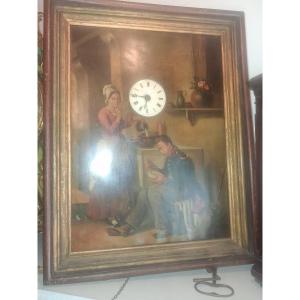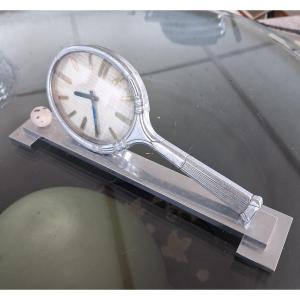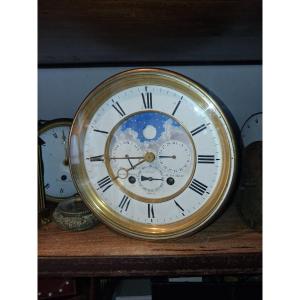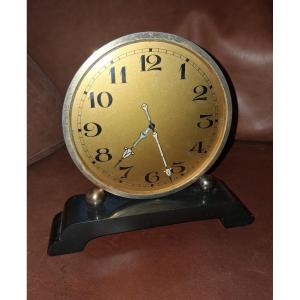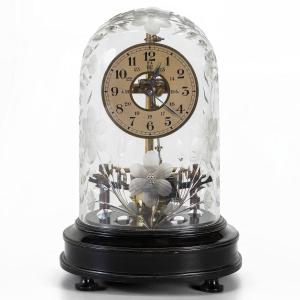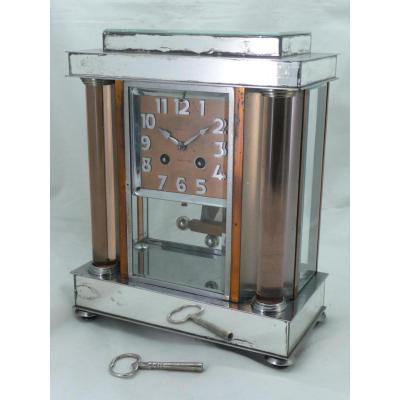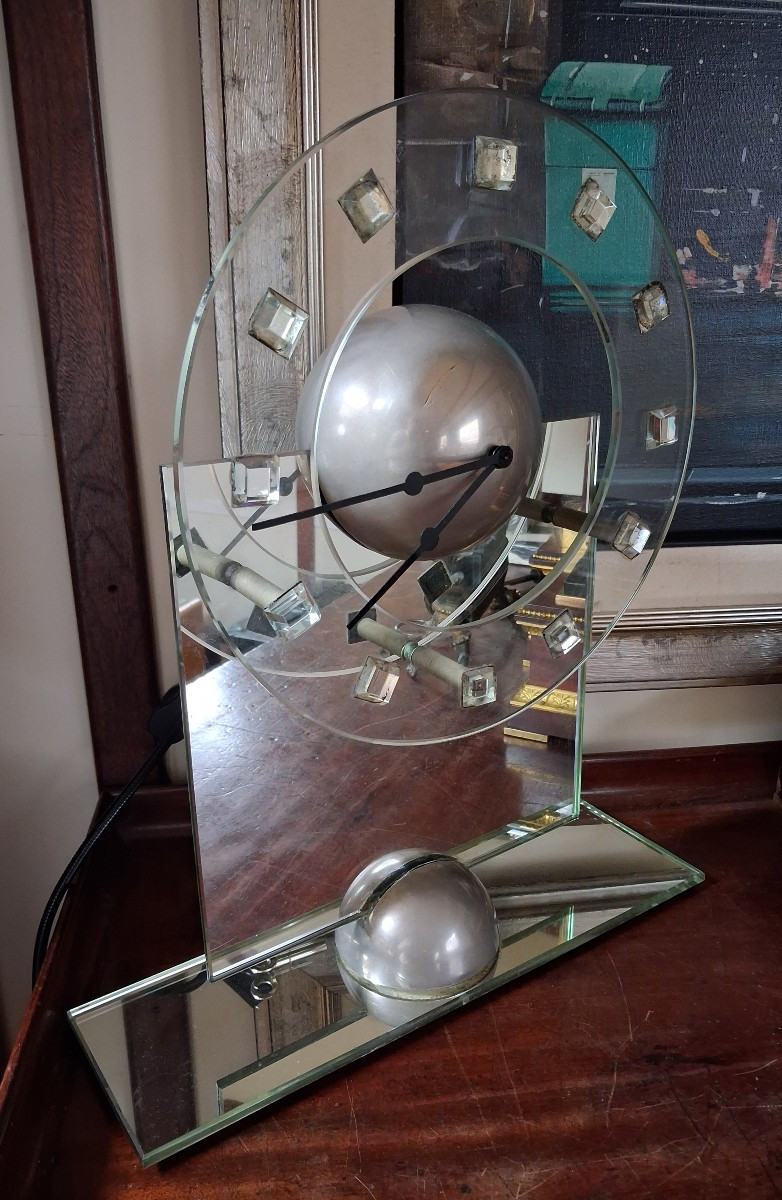
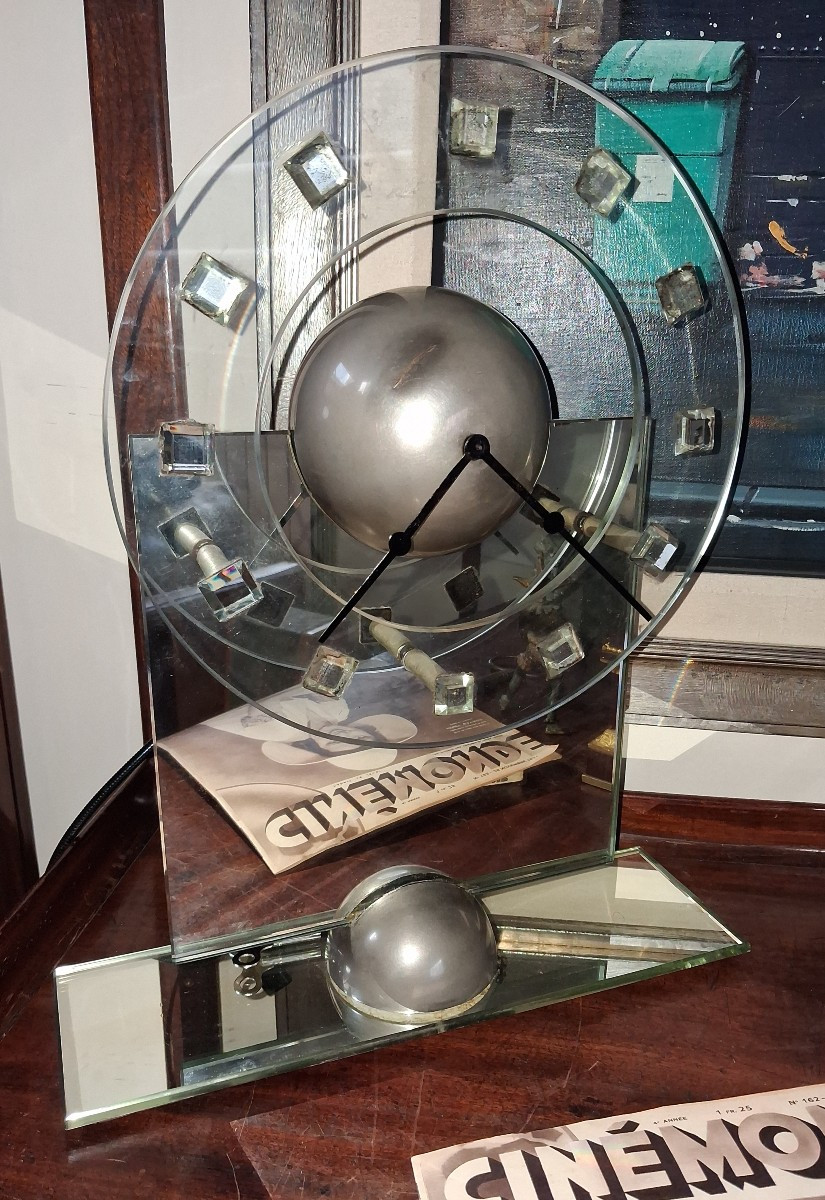
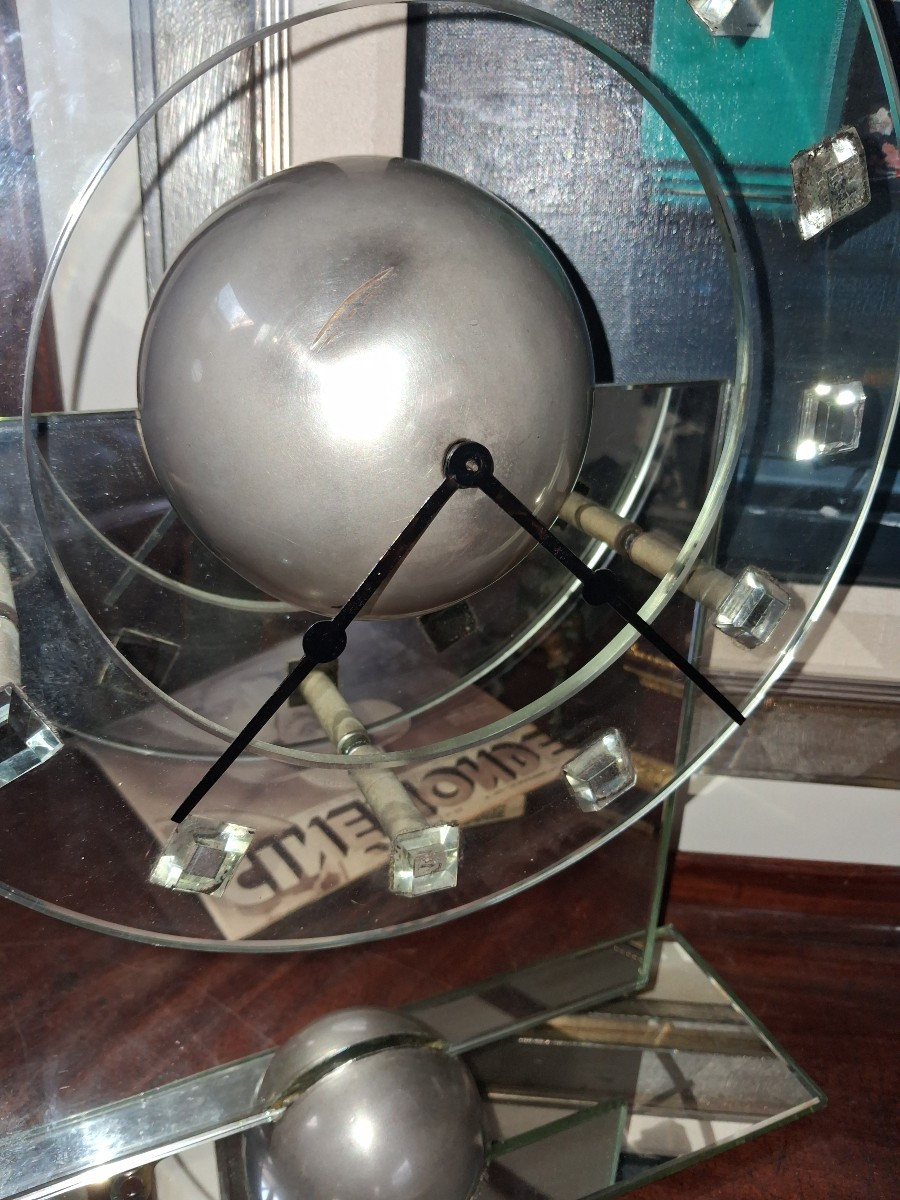
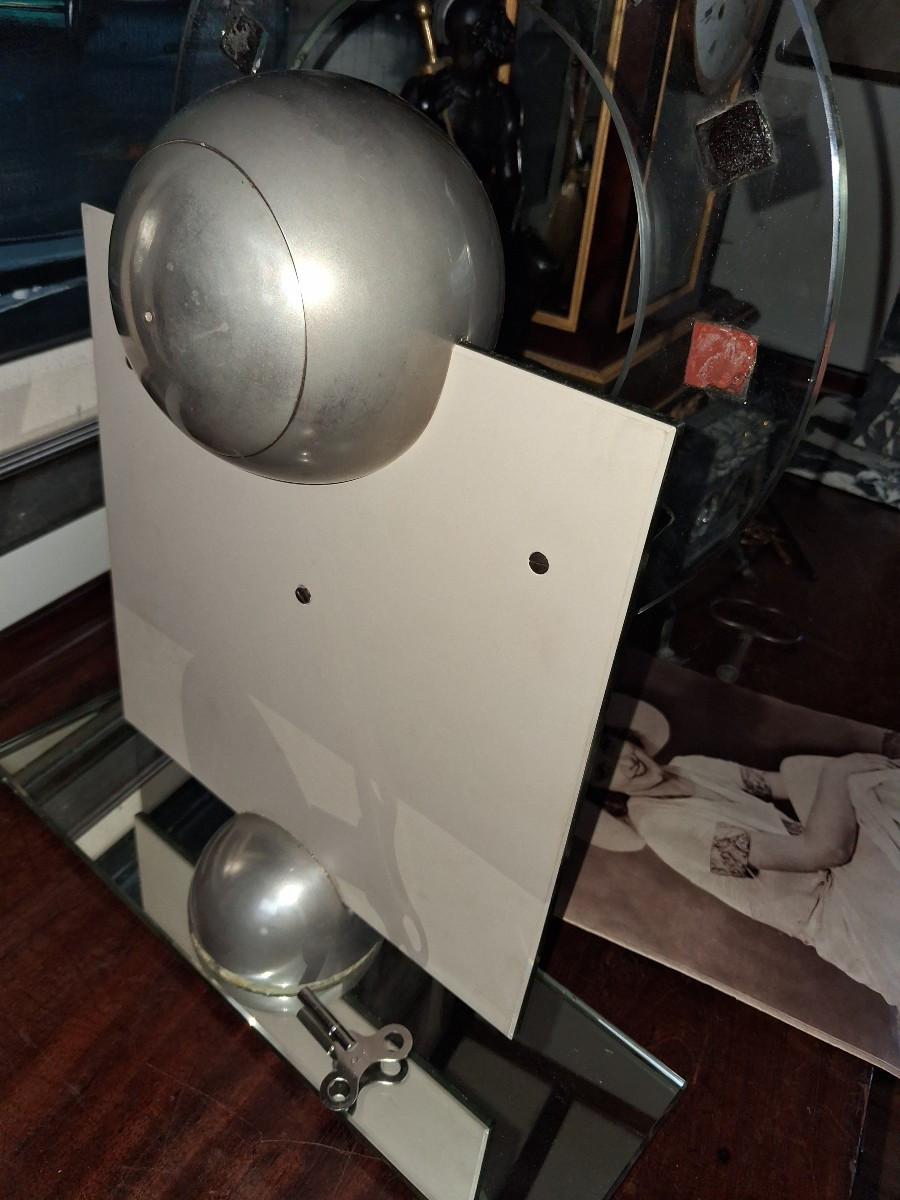
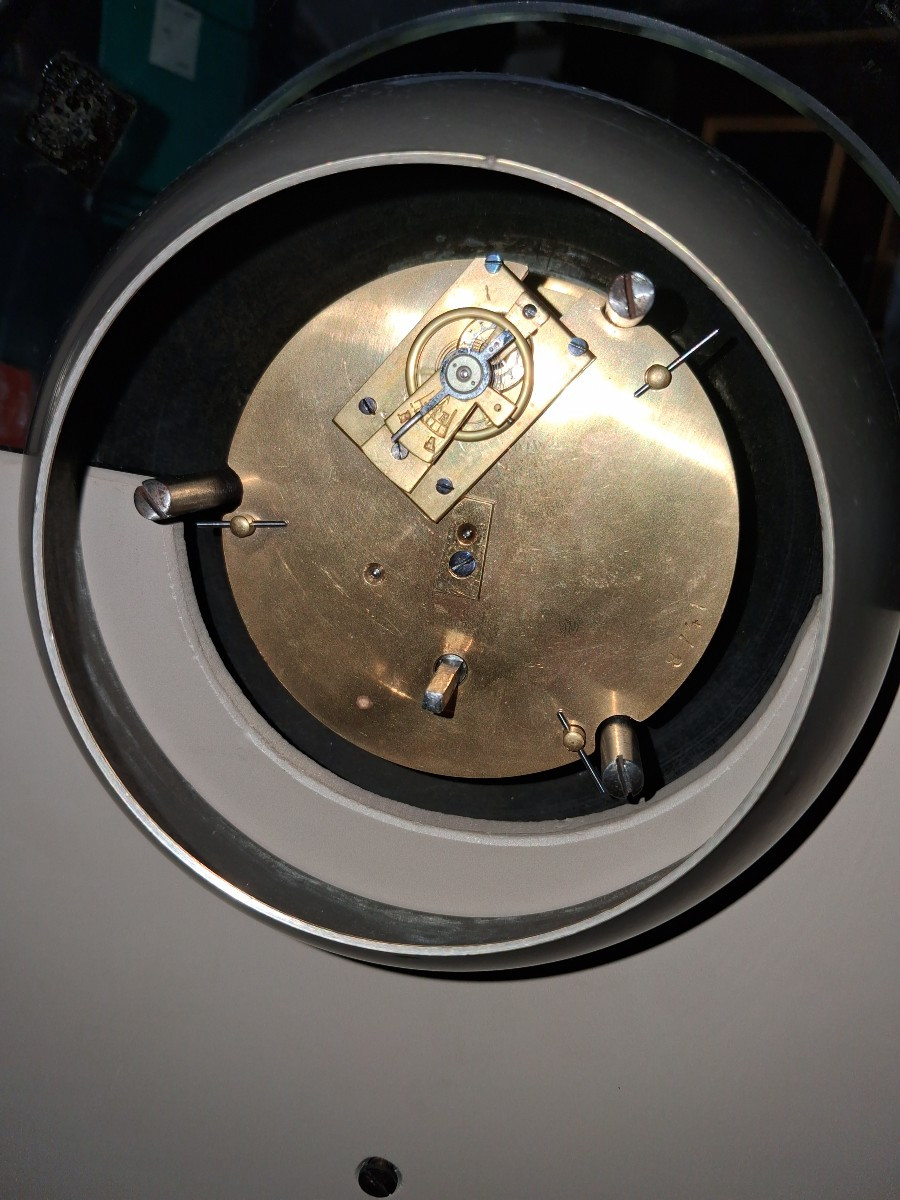



"la Pendule à Miroir" Modernist Clock Circa 1930 By Jean Tranchant
Artist: Jean Tranchant
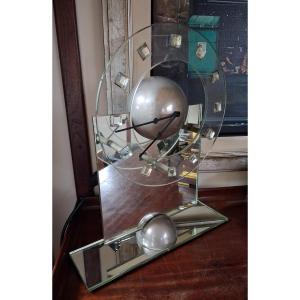
"La pendule à miroir" Modernist clock circa 1930 by Jean Tranchant
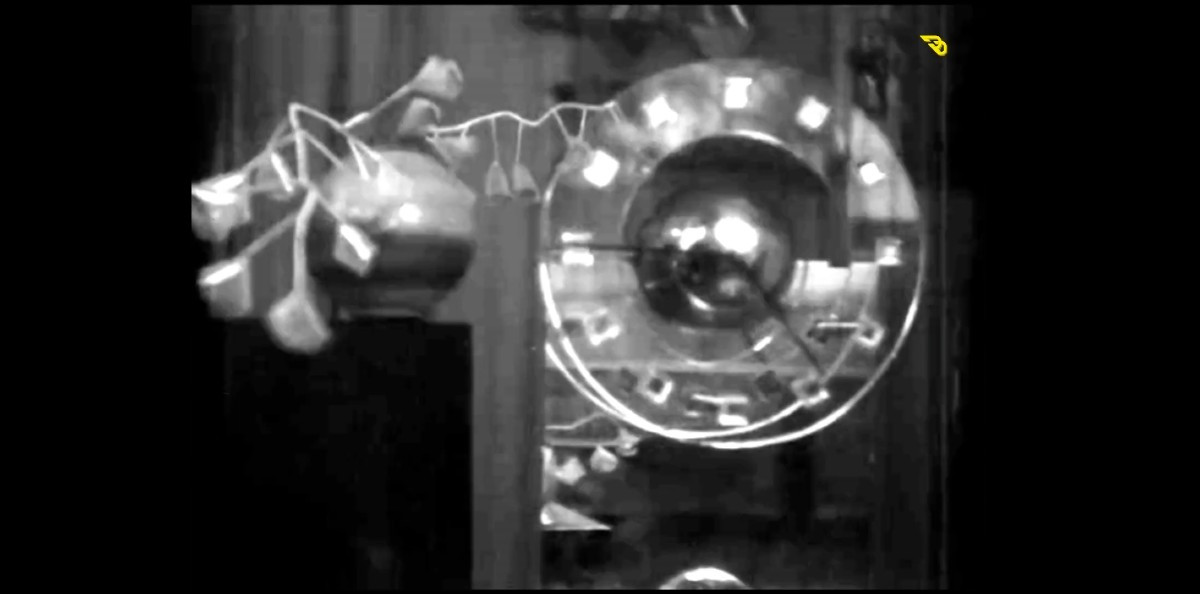
Lent by him to Marcel l’Herbier to his film
"Le parfum de la dame en noir" in 1931
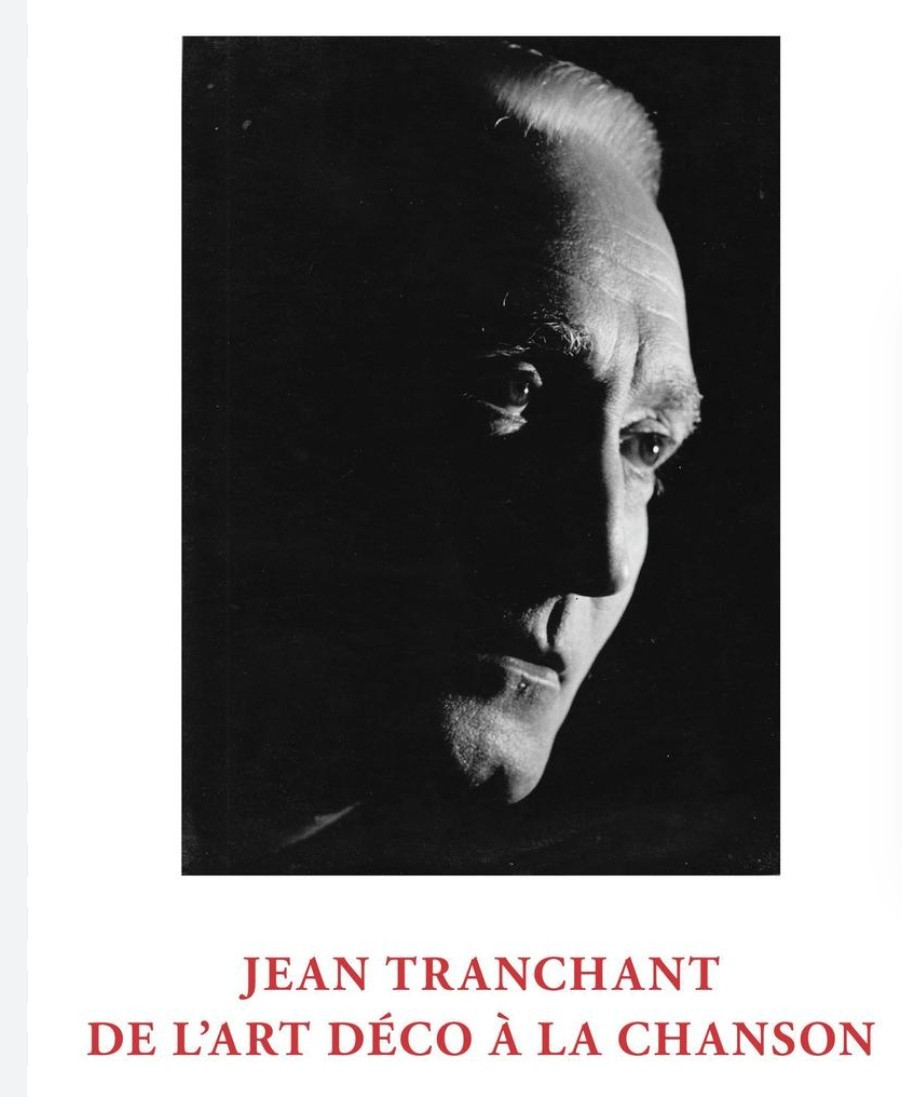
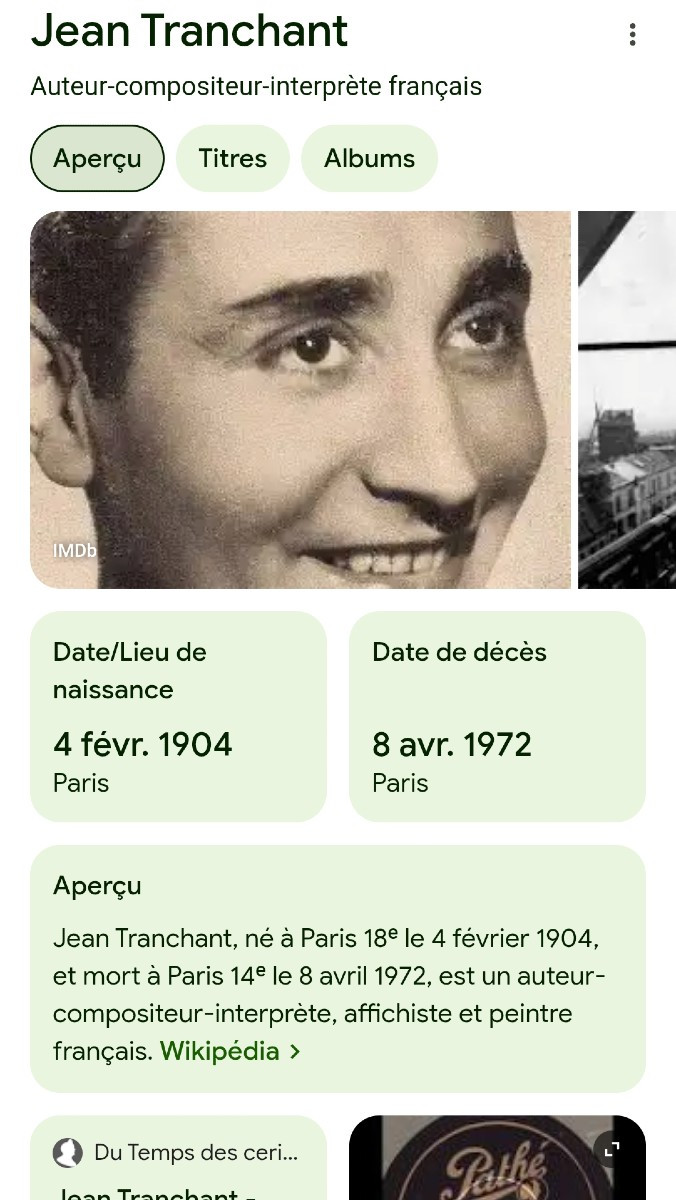
Jean Tranchant began by creating Art Deco objects that were snapped up by celebrities such as Charlie Chaplin and Josephine Baker. He then composed hit songs performed by numerous stars. ... He was also a poet, lawyer, film theorist[3], founder of IDHEC, a major player in the organization of French cinema within film unions, and a pioneer of French television. Marcel L'Herbier discovered the seventh art in the French Army's Film Service during the Great War and became one of the leading figures of Impressionism in cinema, influenced by Symbolist literature. During the silent film era, L'Herbier was one of the masters of cinema. He called upon Robert Mallet-Stevens for the scenography of L'Inhumaine in 1924. His most important talking films are The Mystery of the Yellow Room (1930), The Perfume of the Lady in Black (1931), Forfaiture (1937), Fantastic Night (1942) and The Honorable Catherine (1943).
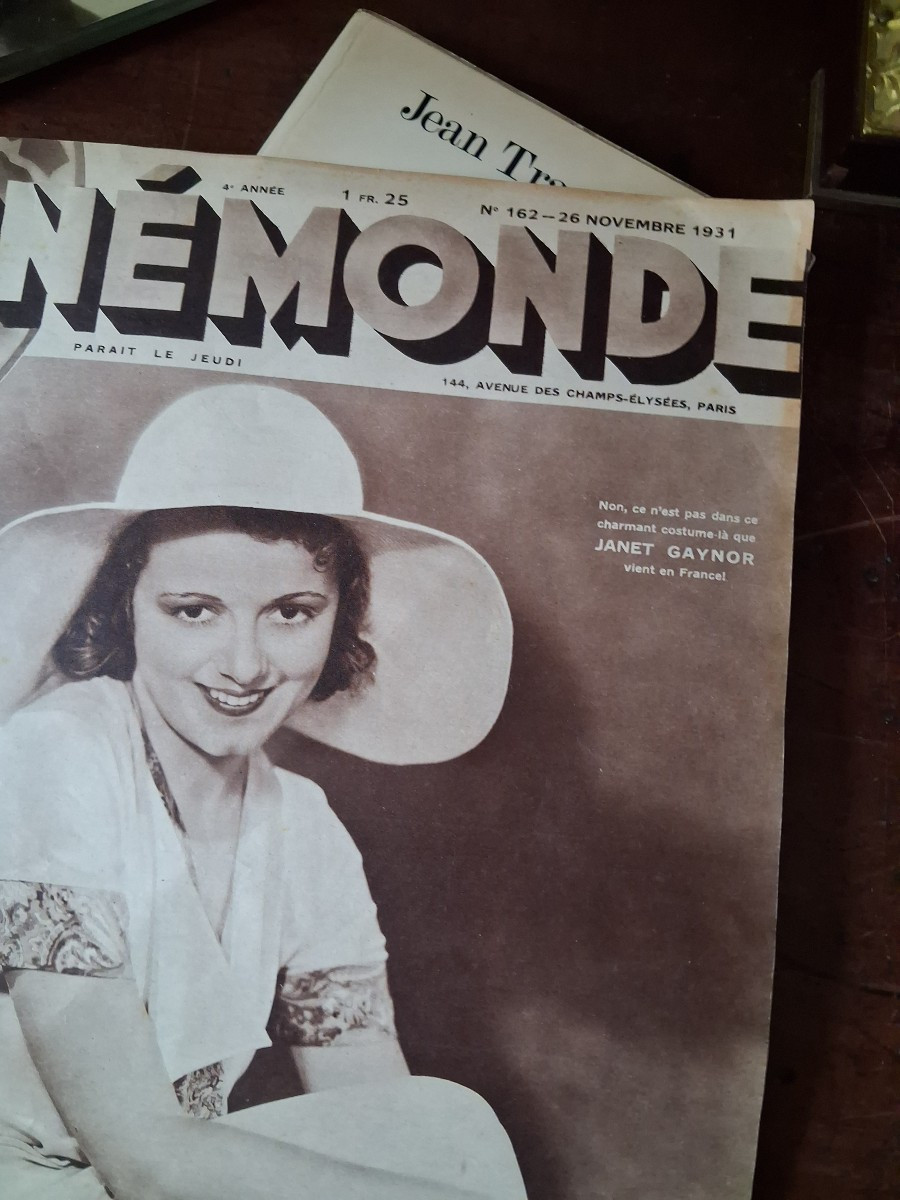
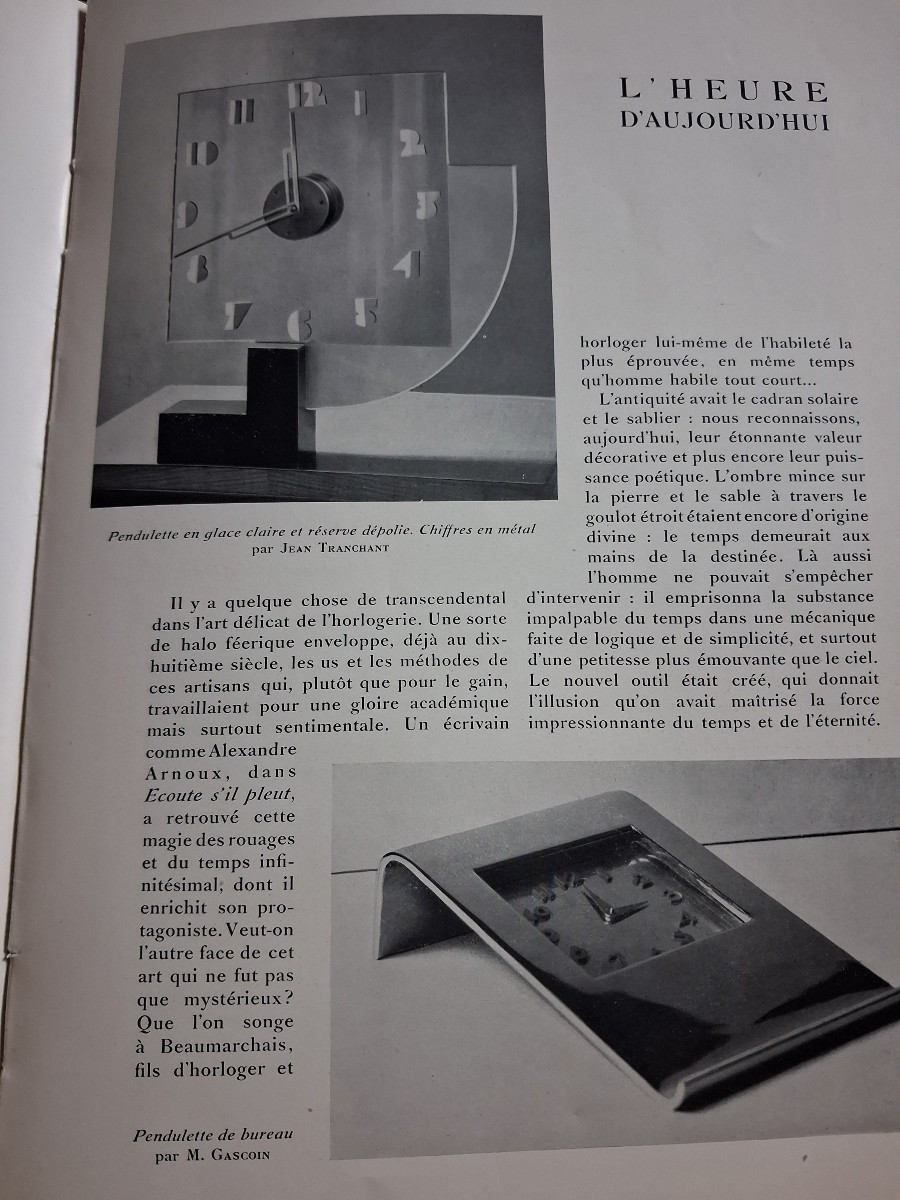
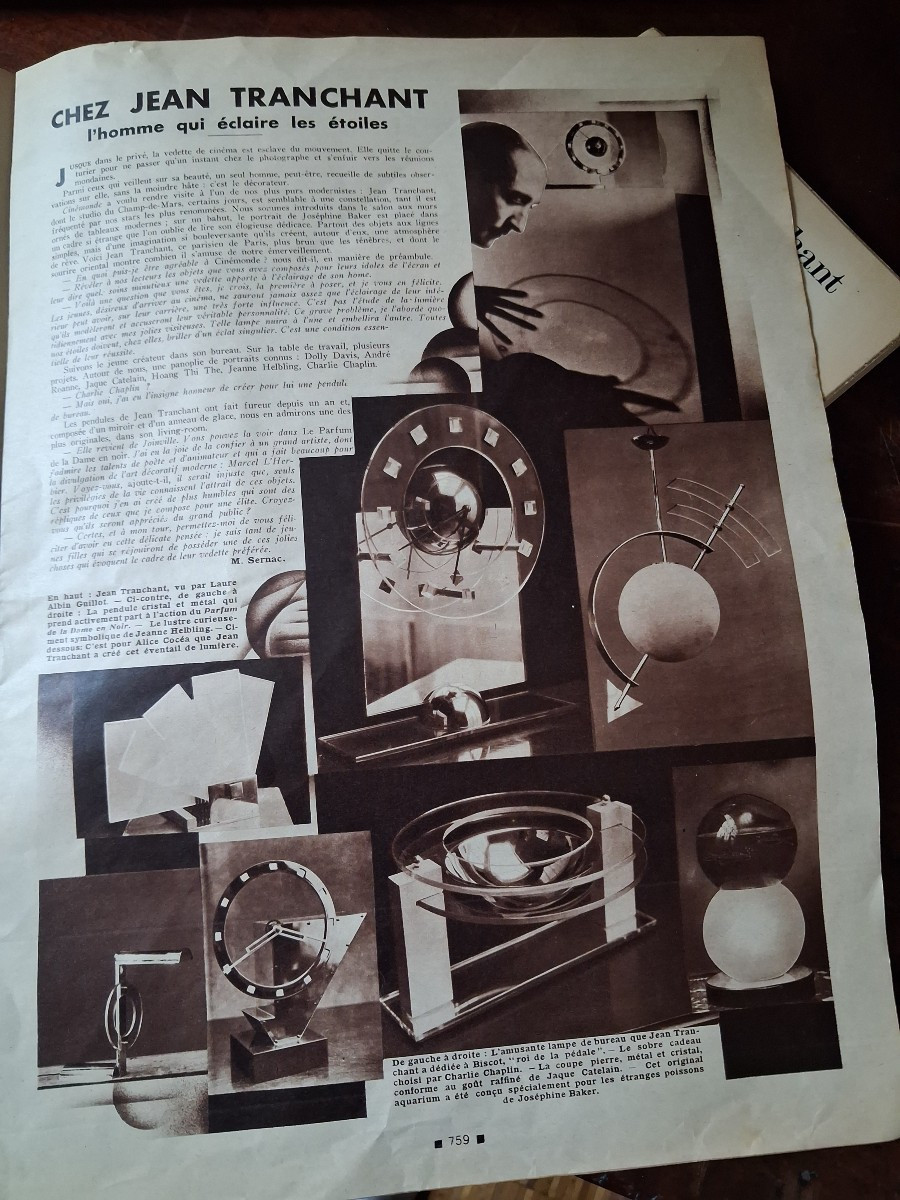
The man who sets the time in Paris: The furniture, desk lamps, table lamps, and clocks designed by Jean Tranchant attract attention for their style and originality. Laure Albin Guillot was the first person to whom Jean showed his creations, particularly his clocks. A highly talented fashion photographer and portraitist, a figure of "that mixed society that held sway in Paris," as Jean Hugo put it, Laure was enthusiastic. She persuaded Jean to hold an exhibition and took charge of the organization. The event took place on Monday, November 24, 1930, a stone's throw from the Madeleine church. The press announced: "Today, at 3:00 p.m., Mr. Paul Léon, Director of Fine Arts, will inaugurate the exhibition of recent works by Jean Tranchant at the 'Innovation' Gallery, 2 rue de Sèze." This exhibition will feature only decorative art pieces: table ornaments, beaded mirrors, glass objects, lighting fixtures, clocks, etc., all of which are highly praised.” Jean is nervous. He fears the competition from another art event taking place on the same day. But a friend saves the day by jokingly offering to hire two athletic Republican Guards to stand guard at the gallery entrance. Laure Albin Guillot herself greets the visitors, and the relative solemnity of the opening means that, according to Jean's recollections, “a huge crowd poured into my exhibition, and in ten minutes, my 80 pieces were sold. From Maria Koutznetsof (Madame Massenet) to Charles Chaplin, by way of the Countess of Cossé-Brissac, Prince Sturza, the painter Survage, and Domenica Walter, I became, in an instant, the one who set the time in Paris.” The pieces designed by Jean play on the contrast of geometric volumes and combine a wide variety of materials: wood, brass, minerals, polished metal, clear glass, opaque glass, and so on. For his "Saturn" lamp, for example, Jean explained: "I assembled discs of mirrors and rings of ice. The hours were made of hard stone, the bases of blued metal." The success of the exhibition on Rue de Sèze brought Jean a tremendous boost in renown. Wealthy art collectors and celebrities from the entertainment world became his clients. Besides the desk clock for Charlie Laure, Albin Guillot (1879-1962) produced remarkable photographic portraits of Jean Tranchant.
In 1932, she was appointed chief archivist of the Photographic Archives of the Fine Arts, and in 1936, the first director of the Chaplin Cinematheque. Jean Chaplin designed Josephine Baker's spherical aquarium. He also created the stone, metal, and crystal bowl for actor Jaque-Catelain, the fan of light for Alice Cocéa, the symbolic chandelier for actress Jeanne Helbling, the desk lamp for cyclist Georges Biscot, and more. One of his clocks, known as a mirror clock, was borrowed by filmmaker Marcel L'Herbier for the set of the film *The Perfume of the Lady in Black*, which was released on March 15, 1931.
Lent by him to Marcel l’Herbier to his film
"Le parfum de la dame en noir" in 1931
Jean Tranchant began by creating Art Deco objects that were snapped up by celebrities such as Charlie Chaplin and Josephine Baker. He then composed hit songs performed by numerous stars. ... He was also a poet, lawyer, film theorist[3], founder of IDHEC, a major player in the organization of French cinema within film unions, and a pioneer of French television. Marcel L'Herbier discovered the seventh art in the French Army's Film Service during the Great War and became one of the leading figures of Impressionism in cinema, influenced by Symbolist literature. During the silent film era, L'Herbier was one of the masters of cinema. He called upon Robert Mallet-Stevens for the scenography of L'Inhumaine in 1924. His most important talking films are The Mystery of the Yellow Room (1930), The Perfume of the Lady in Black (1931), Forfaiture (1937), Fantastic Night (1942) and The Honorable Catherine (1943).
The man who sets the time in Paris: The furniture, desk lamps, table lamps, and clocks designed by Jean Tranchant attract attention for their style and originality. Laure Albin Guillot was the first person to whom Jean showed his creations, particularly his clocks. A highly talented fashion photographer and portraitist, a figure of "that mixed society that held sway in Paris," as Jean Hugo put it, Laure was enthusiastic. She persuaded Jean to hold an exhibition and took charge of the organization. The event took place on Monday, November 24, 1930, a stone's throw from the Madeleine church. The press announced: "Today, at 3:00 p.m., Mr. Paul Léon, Director of Fine Arts, will inaugurate the exhibition of recent works by Jean Tranchant at the 'Innovation' Gallery, 2 rue de Sèze." This exhibition will feature only decorative art pieces: table ornaments, beaded mirrors, glass objects, lighting fixtures, clocks, etc., all of which are highly praised.” Jean is nervous. He fears the competition from another art event taking place on the same day. But a friend saves the day by jokingly offering to hire two athletic Republican Guards to stand guard at the gallery entrance. Laure Albin Guillot herself greets the visitors, and the relative solemnity of the opening means that, according to Jean's recollections, “a huge crowd poured into my exhibition, and in ten minutes, my 80 pieces were sold. From Maria Koutznetsof (Madame Massenet) to Charles Chaplin, by way of the Countess of Cossé-Brissac, Prince Sturza, the painter Survage, and Domenica Walter, I became, in an instant, the one who set the time in Paris.” The pieces designed by Jean play on the contrast of geometric volumes and combine a wide variety of materials: wood, brass, minerals, polished metal, clear glass, opaque glass, and so on. For his "Saturn" lamp, for example, Jean explained: "I assembled discs of mirrors and rings of ice. The hours were made of hard stone, the bases of blued metal." The success of the exhibition on Rue de Sèze brought Jean a tremendous boost in renown. Wealthy art collectors and celebrities from the entertainment world became his clients. Besides the desk clock for Charlie Laure, Albin Guillot (1879-1962) produced remarkable photographic portraits of Jean Tranchant.
In 1932, she was appointed chief archivist of the Photographic Archives of the Fine Arts, and in 1936, the first director of the Chaplin Cinematheque. Jean Chaplin designed Josephine Baker's spherical aquarium. He also created the stone, metal, and crystal bowl for actor Jaque-Catelain, the fan of light for Alice Cocéa, the symbolic chandelier for actress Jeanne Helbling, the desk lamp for cyclist Georges Biscot, and more. One of his clocks, known as a mirror clock, was borrowed by filmmaker Marcel L'Herbier for the set of the film *The Perfume of the Lady in Black*, which was released on March 15, 1931.
25 000 €
Period: 20th century
Style: Art Deco
Condition: En l'etat
Material: Glass
Reference (ID): 1553967
Availability: In stock
Print