THIS OBJECT WAS SOLD

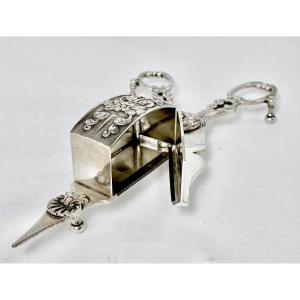
London 1911, Sterling Silver, Wax Jack, Chamberstick , Harrison Brothers & Howson

Sold
London 1911, Sterling Silver, Wax Jack, Chamberstick , Harrison Brothers & Howson
Sold
London 1911, Sterling Silver, Wax Jack, Chamberstick , Harrison Brothers & Howson-photo-2
Sold
London 1911, Sterling Silver, Wax Jack, Chamberstick , Harrison Brothers & Howson-photo-3
Sold
London 1911, Sterling Silver, Wax Jack, Chamberstick , Harrison Brothers & Howson-photo-4
Sold
London 1911, Sterling Silver, Wax Jack, Chamberstick , Harrison Brothers & Howson-photo-1
Sold
London 1911, Sterling Silver, Wax Jack, Chamberstick , Harrison Brothers & Howson-photo-2
Sold
London 1911, Sterling Silver, Wax Jack, Chamberstick , Harrison Brothers & Howson-photo-3
Sold
London 1911, Sterling Silver, Wax Jack, Chamberstick , Harrison Brothers & Howson-photo-4
Sold
London 1911, Sterling Silver, Wax Jack, Chamberstick , Harrison Brothers & Howson-photo-5
Sold
London 1911, Sterling Silver, Wax Jack, Chamberstick , Harrison Brothers & Howson-photo-6
Sold
London 1911, Sterling Silver, Wax Jack, Chamberstick , Harrison Brothers & Howson-photo-7
More pictures
Very interesting desk item baptised Wax Jack" by the English in the eighteenth century. The wax jack was a container or stand holding a wick, treated with wax or turpentine, lit to heat the block of sealing wax used to seal letters and documents. Usually a personal seal with a design cut into the bottom was pressed into the hot wax to leave a personal identification. Once the seal had hardened, it was almost impossible to secretly open the letter, as the wax would break. The candlestick for the wax was a common item for a desk writing set, along with the inkwell, sand container etc. Sometimes these candlesticks also called "cellar rats" were used as a portable lamp, perhaps because they were more stable than the conical sticks, were less easily extinguished and gave a better light. Our example dates from 1911 and is therefore more of a nostalgic object from a time already gone by at the time of its manufacture and was probably more intended for a smoking room to light a large cigar or for a wine cellar to illuminate the dusty labels of fine wines. It is made of solid sterling silver (925%) and was made in the London workshops of the Harrisson brothers. It still has its original small snuffer.

Explore similar pieces and discover your ideal find:

Serveware

Cup On A Foot. Russian Silver With Niella And Scroll - 19th Century
Cooler, Glass Canopy In Silver Metal XIXth Time
Clermont-ferrand 1775-1778, Taste-vin In Solid Silver Claude II Dulaure
Silver Sugar Shaker With Animal Motifs, Rocaille And Medallion With Engraved Initials.
Bottle Holder, Bottle Cover, Silver Metal Circa 1860.
Silver Sugar Bowl, Old Man's Hallmark, Paris, 1819

Essene-kerkplein 5b
Affligem 1790, Belgium

+32 475443619

Follow the dealer

CONTACT

SIGN UP TO OUR NEWSLETTER

facebook
instagram

Ian Panné
Silver Sugar Bowl, Old Man's Hallmark, Paris, 1819
1440109-main-673ddba4ed57f.jpg

+32 475443619


*We will send you a confirmation email from info@proantic.com .
Please check your messages, including the spam folder.