China - Buddhist Eight Treasures Jar 八吉祥 Blue And White 青花 Qing Period (1644-1912)
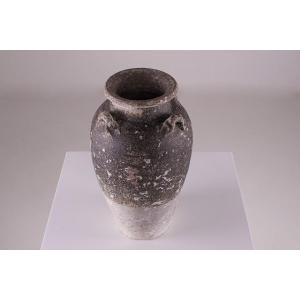
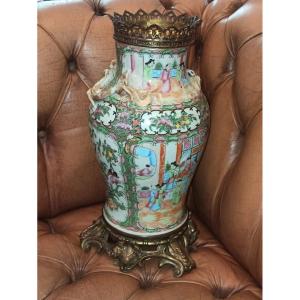
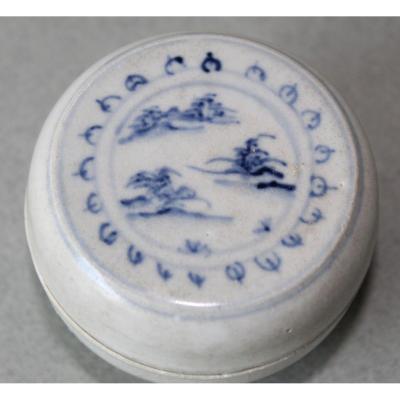
CHINA - Buddhist Eight Treasures Jar 八吉祥 blue and white 青花 Qing period (1644-1912) Large covered jar decorated with underglaze blue patterns, typical style called "blue and white" (青花, qīnghuā). This style is very popular and widely used in China from the Yuan dynasty to the Qing dynasty (1644-1912). Height 30 cm for a base of approximately 15 cm in diameter, without accident, weight 2.7 kg Good general condition of use. The designs on the vase include various symbolic objects arranged in an orderly manner, among which we can distinguish a vase with flowers, a parasol, scrolls, and other ritual objects. These items are part of the "Eight Buddhist Treasures" or "Eight Precious Objects" (八吉祥, Bā jíxiáng), symbols of auspiciousness and abundance in Chinese art. Underglaze blue ornaments: This technique involves applying a blue pigment (usually cobalt-based) to the body of the vase before it is covered with a transparent glaze and fired at a high temperature. The style and patterns indicate a Chinese origin, probably dating from the Qing period (1644-1912). Blue and white pieces were very popular at this time, both for local consumption and for export to Europe. The use can be decorative, to decorate homes and temples, because of their symbolic motifs and refined aesthetics, or utilitarian, for storage, as a container for tea, medicinal herbs or grains. Fast and well-protected delivery SHIPPING WORLDWIDE
300 €
Period: 19th century
Style: Asian art
Condition: Good condition
Material: Ceramic
Height: 30 cm
Reference (ID): 1418550
Availability: In stock
Print