



Officer's Belt Buckle – Condé Regiment – Ancien Régime Louis XV XVI Sbx25rco001
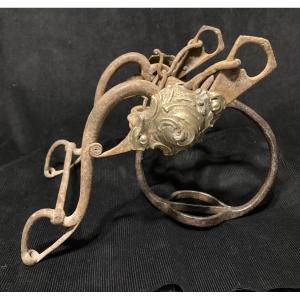
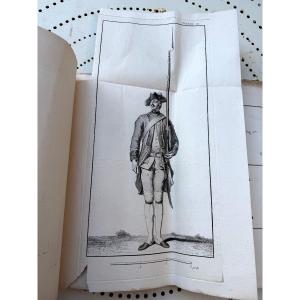
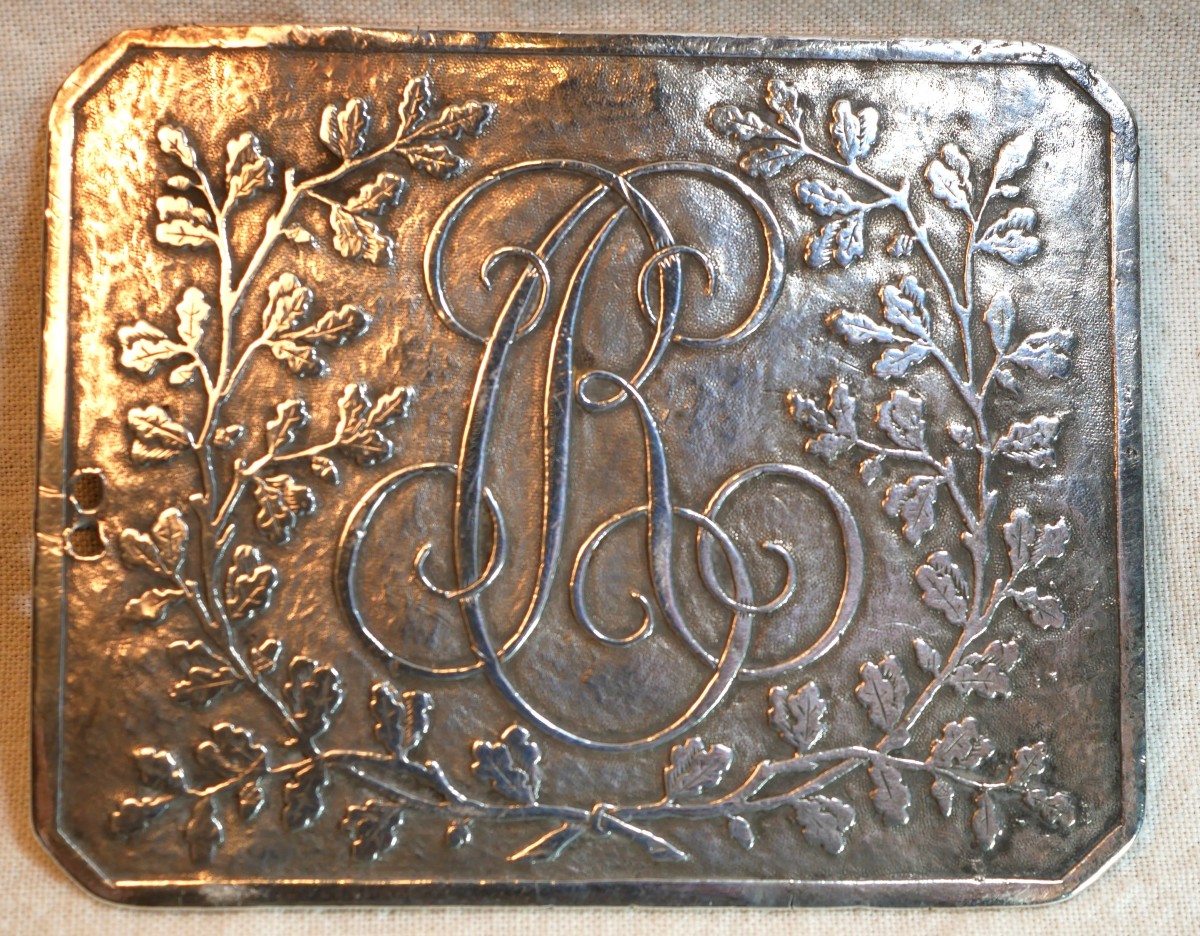
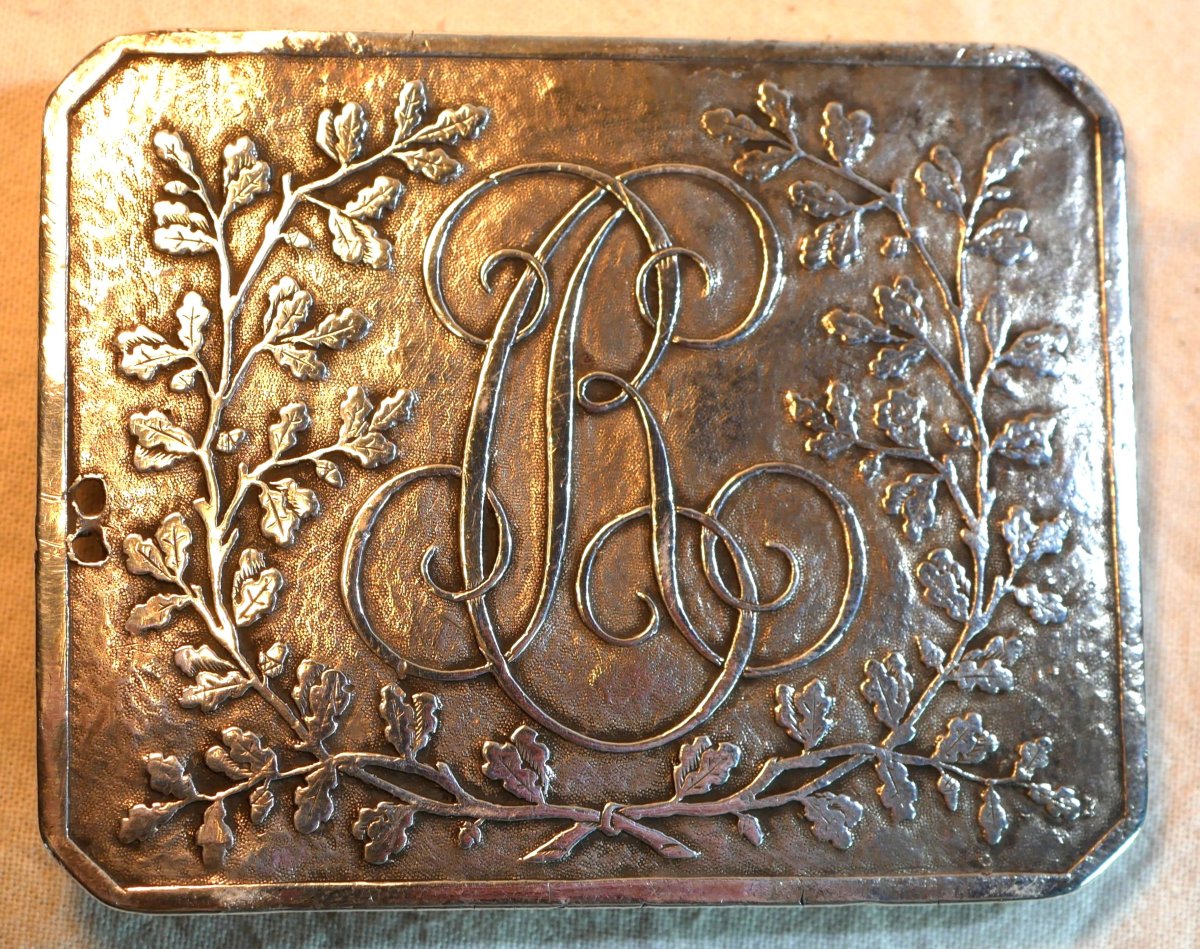
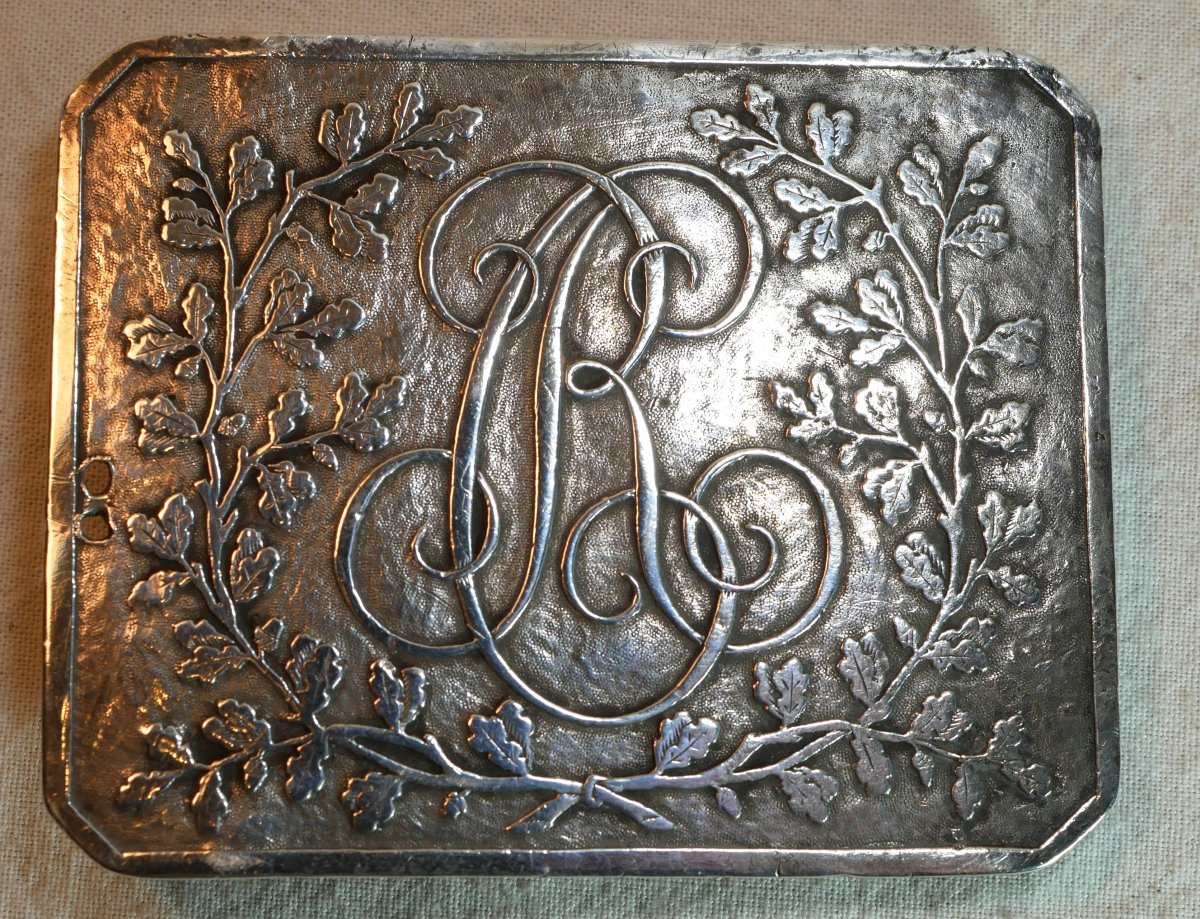
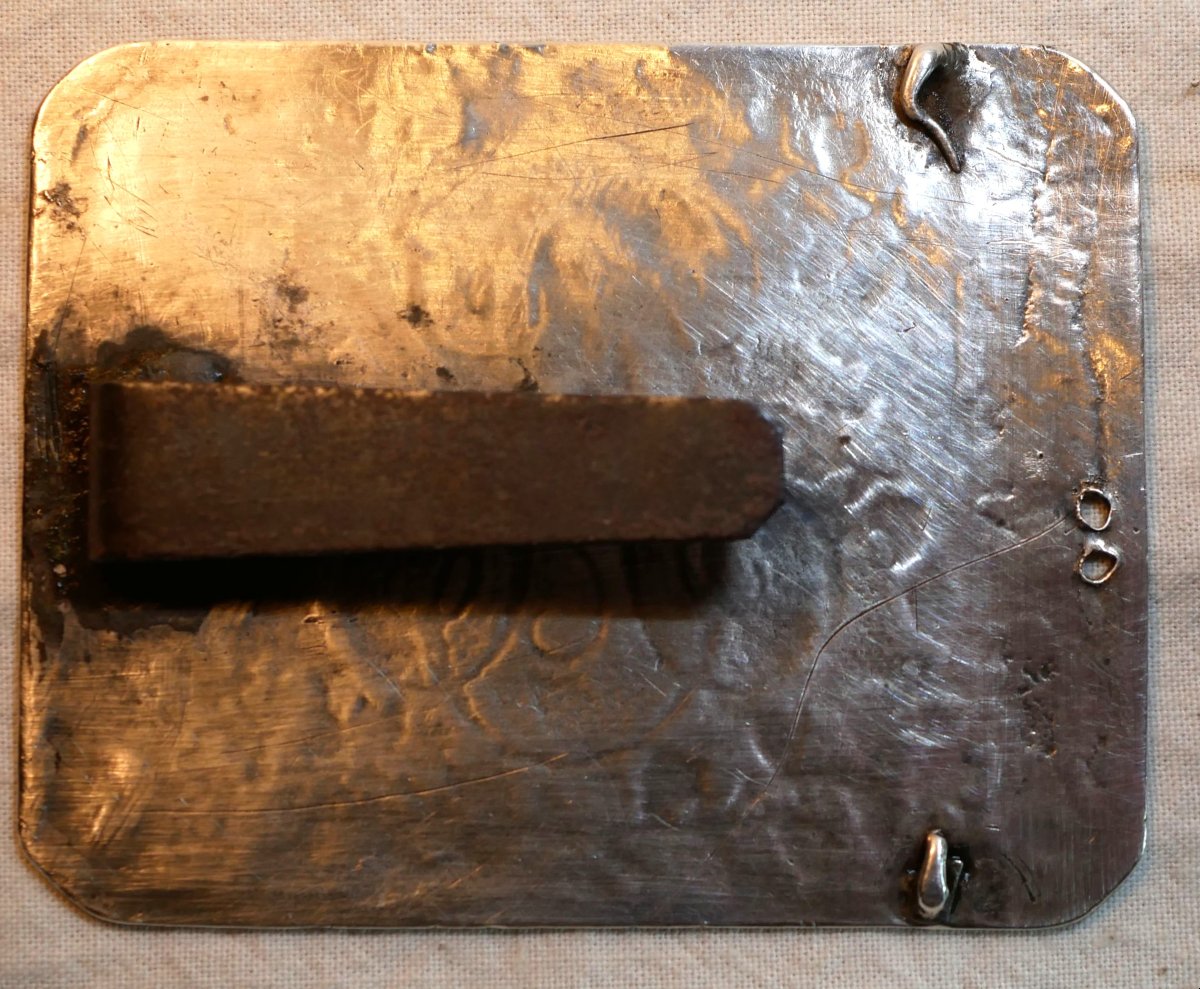
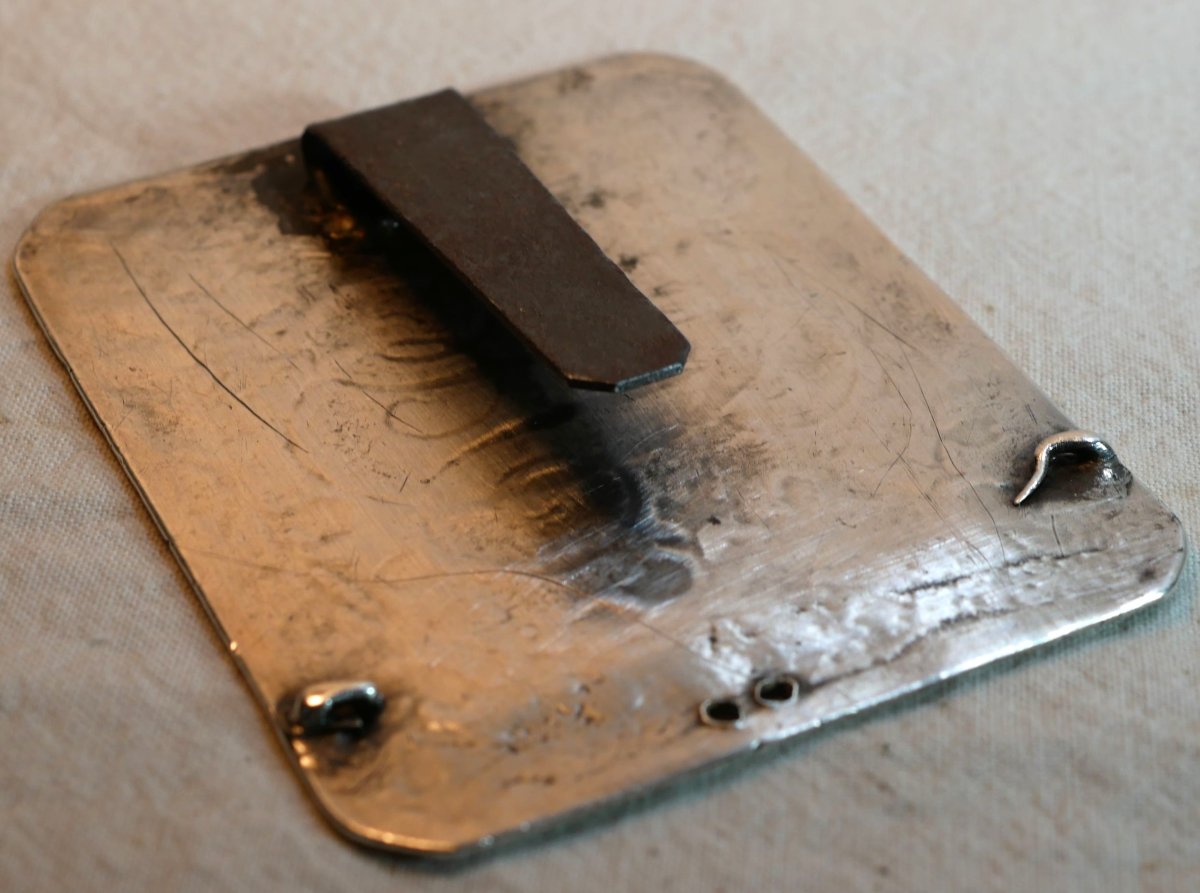
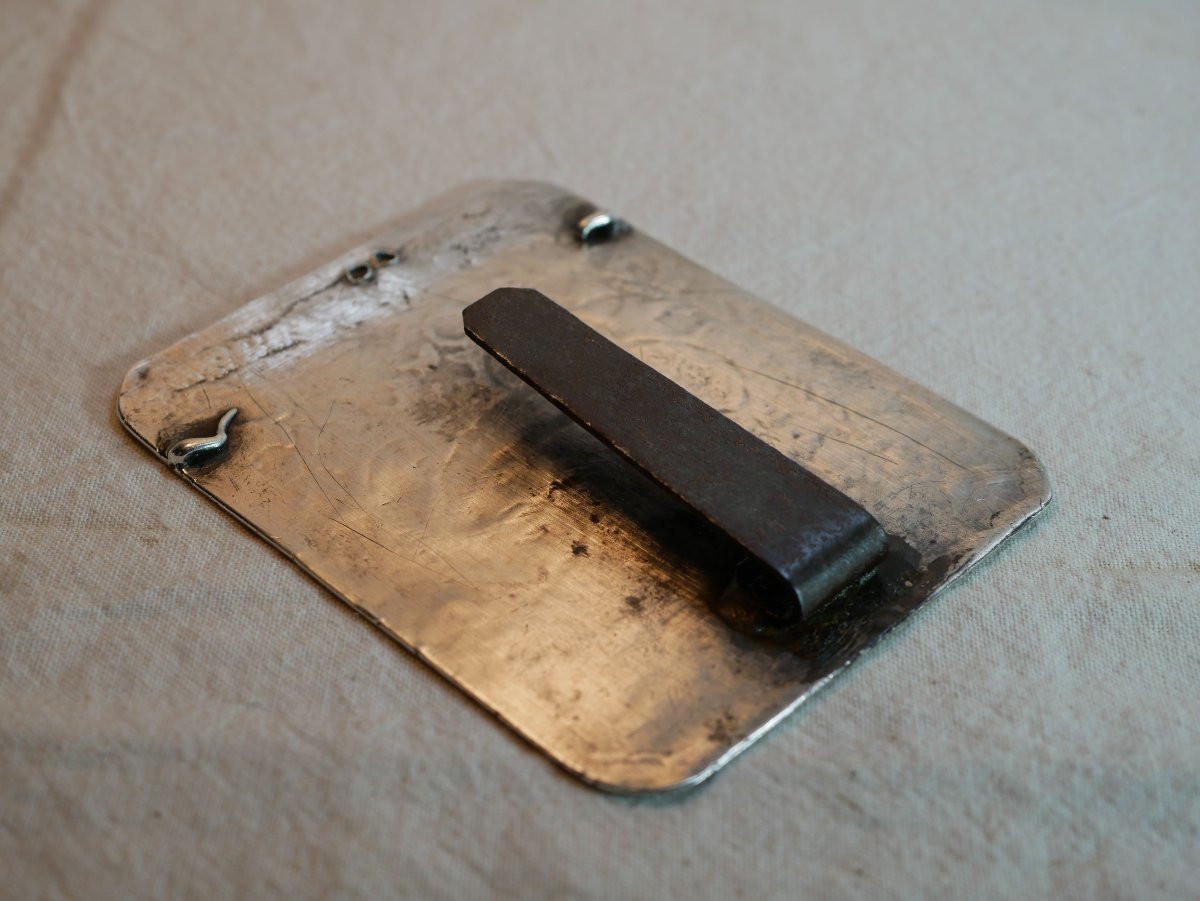
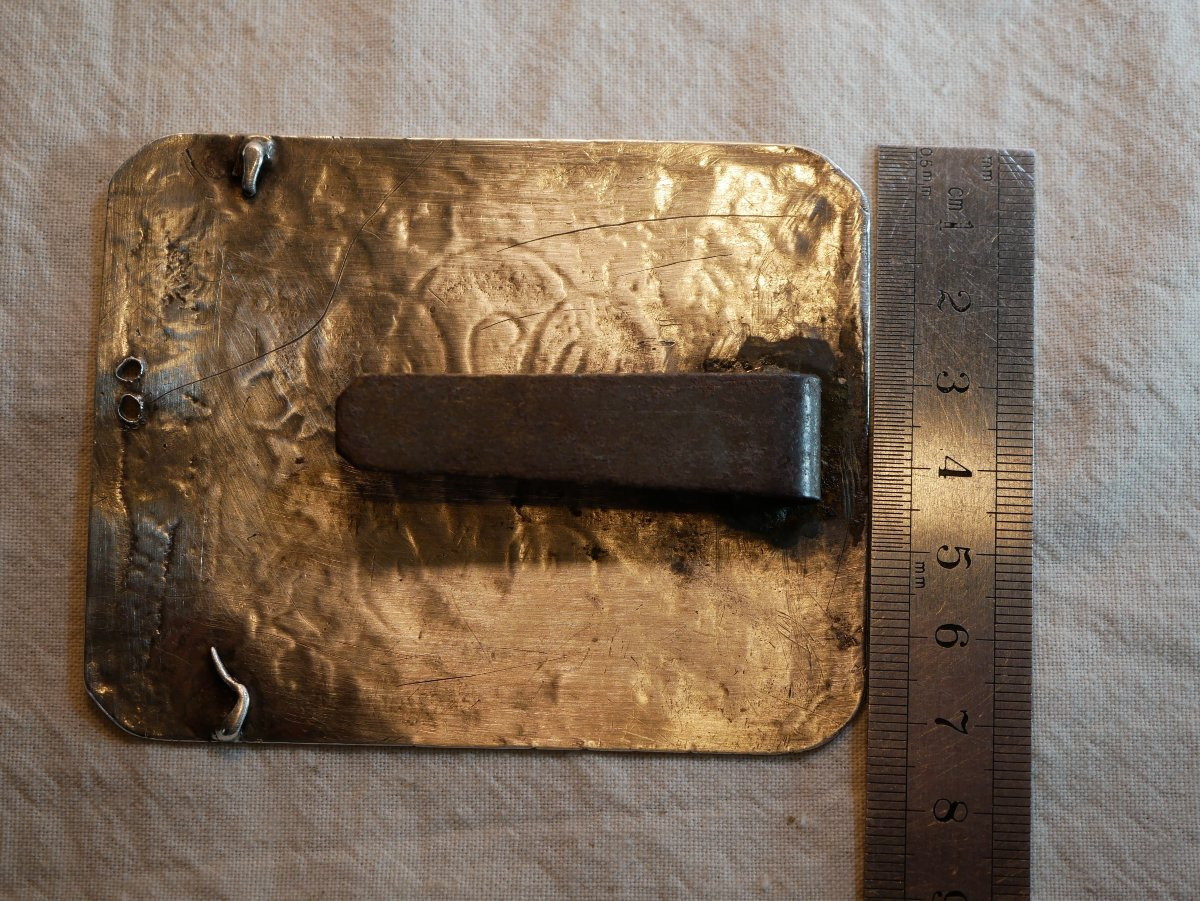
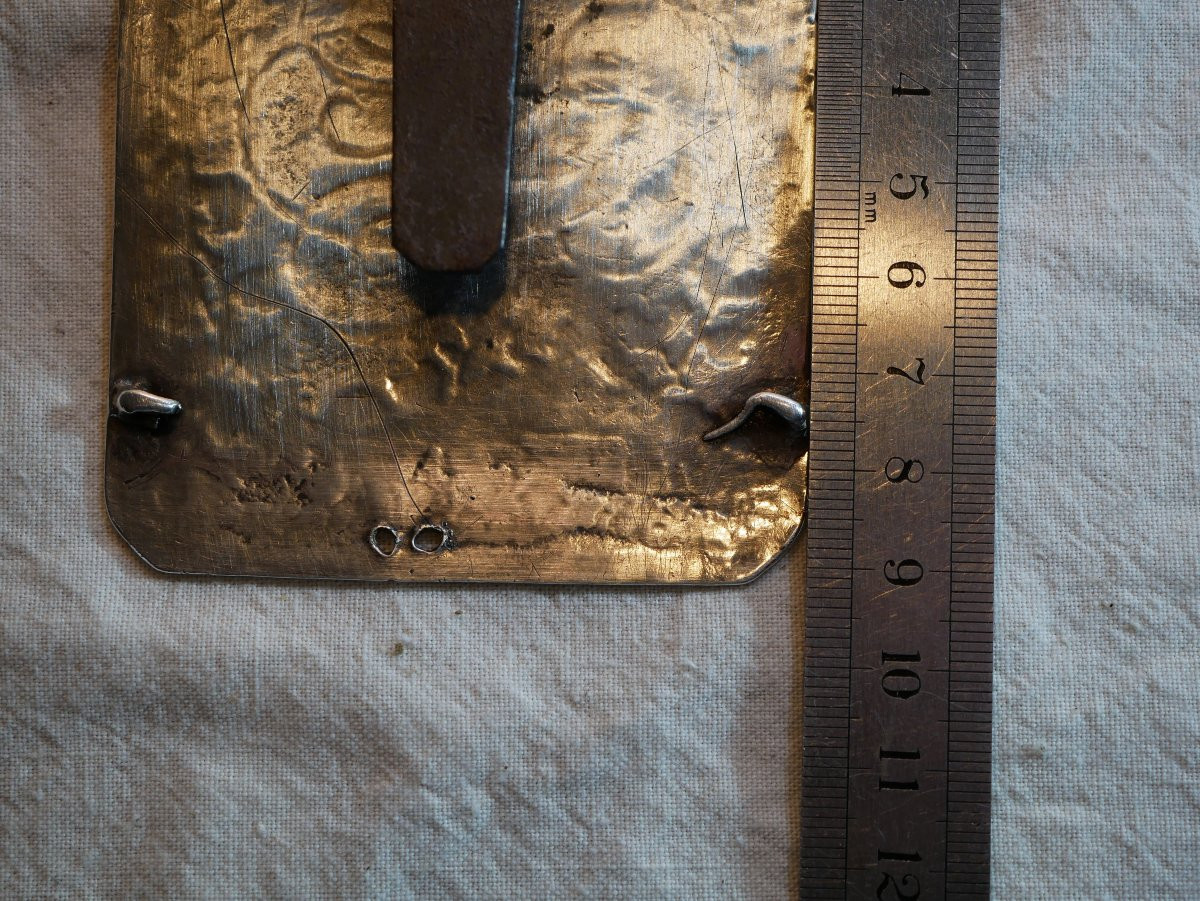
Officer's Belt Buckle – Condé Regiment – Ancien Régime Louis XV Louis XVI SBX25RCO001 Rare and authentic silver belt buckle, finely chased and engraved with an elegant central monogram RC surrounded by oak branches. Dimensions approximately 9.5 x 7.5 cm. Good overall condition, with signs of wear. Fitted with an iron hook, in good condition. Damaged original fasteners necessitated the drilling of two small holes for attachment to the leather belt — a strictly period adaptation. Provenance: formerly from a château in Lower Normandy (name will not be given). History – The Condé Regiment under the Ancien Régime. The Condé Regiment is one of the oldest regiments of the French infantry. Created in the 17th century and owned by the prestigious House of Bourbon-Condé, a cadet branch of the royal family, it is one of the so-called "proprietorship" regiments, named after their colonel-proprietor. It faithfully served the monarchy under Louis XIII, Louis XIV, Louis XV, and Louis XVI. The regiment took part in the major campaigns: the Franco-Dutch War, the War of the Spanish Succession, the War of the Austrian Succession, and the Seven Years' War. Under the Ancien Régime, officers of noble regiments like Condé came from the military nobility, often linked by alliances to the great families of the kingdom. Officers' belts, particularly those worn for full dress or certain parades, were personal purchases. They were custom-made silver plates, sometimes adorned with a monogram, as seen here. These plates are unique. The refinement of this plate, its silver craftsmanship, and its decoration of oak branches (a symbol of strength and loyalty) suggest a private commission from a jeweler for a senior officer of the regiment, probably a captain commanding a company, or even a major or lieutenant colonel belonging to the provincial nobility. Its provenance from a Norman château reinforces the hypothesis of an officer from a local noble family who served in the Condé Regiment in the 18th century. Nameplates or monogrammed plates of officers from regiments that owned their own are extremely rare on the market, most having disappeared during the reforms of 1791, the melting down of precious metals, or the upheavals of the late 18th century (French Revolution). This particular object is a Unique, a direct witness to aristocratic service under the French monarchy. Manufactured entirely by hand, 18th century. Solid silver plate, hammered and hand-chased. Reverse not industrialized, with visible traces of planishing. Hand-welded wrought iron hook. Wide horizontal hook (bridge) typical of an 18th-century belt system. This plate features a late Rococo/Louis XVI decoration, very aristocratic and personal. Two small old holes for repair and adaptation to leather (period use, not modern). The fastening system corresponds to the plates of infantry or cavalry officers worn on white or buff leather belts typical of the years 1760–1790. This mounting is very characteristic of plates from the Ancien Régime. Regarding the Royal Condes émigré regiment: During the Revolutionary period (1792–1795): Equipment became more standardized. Émigré officers often used simpler plates or plates with more symbolic meaning. Explicitly monarchical (fleurs-de-lis, full coat of arms, etc.). The decorative style tends to be either more heraldic or more restrained. However, a Royal Condé officer or his descendants could also have worn this badge during the fighting against the revolutionary armies of the French Republic. The large central monogram: Louis XV – Louis XVI typography. Broad and elegant scrolls. Absence of emigration insignia (no explicit fleur-de-lis, no political coat of arms). This corresponds to a privately commissioned piece for an officer during the reign of Louis XV or Louis XVI rather than a piece produced by an émigré army in the field. Dating: circa 1770 – 1788 (end of Louis XV's reign / beginning of Louis XVI's).
2 500 €
Period: 18th century
Style: Louis 15th - Transition
Condition: Condition of use
Material: Sterling silver
Length: 9,5
Reference (ID): 1705121
Availability: In stock
Print