THIS OBJECT WAS SOLD
Farahan Iran Rug 184 X 136 Cm







Farahan or Ferahan or Feraghan.
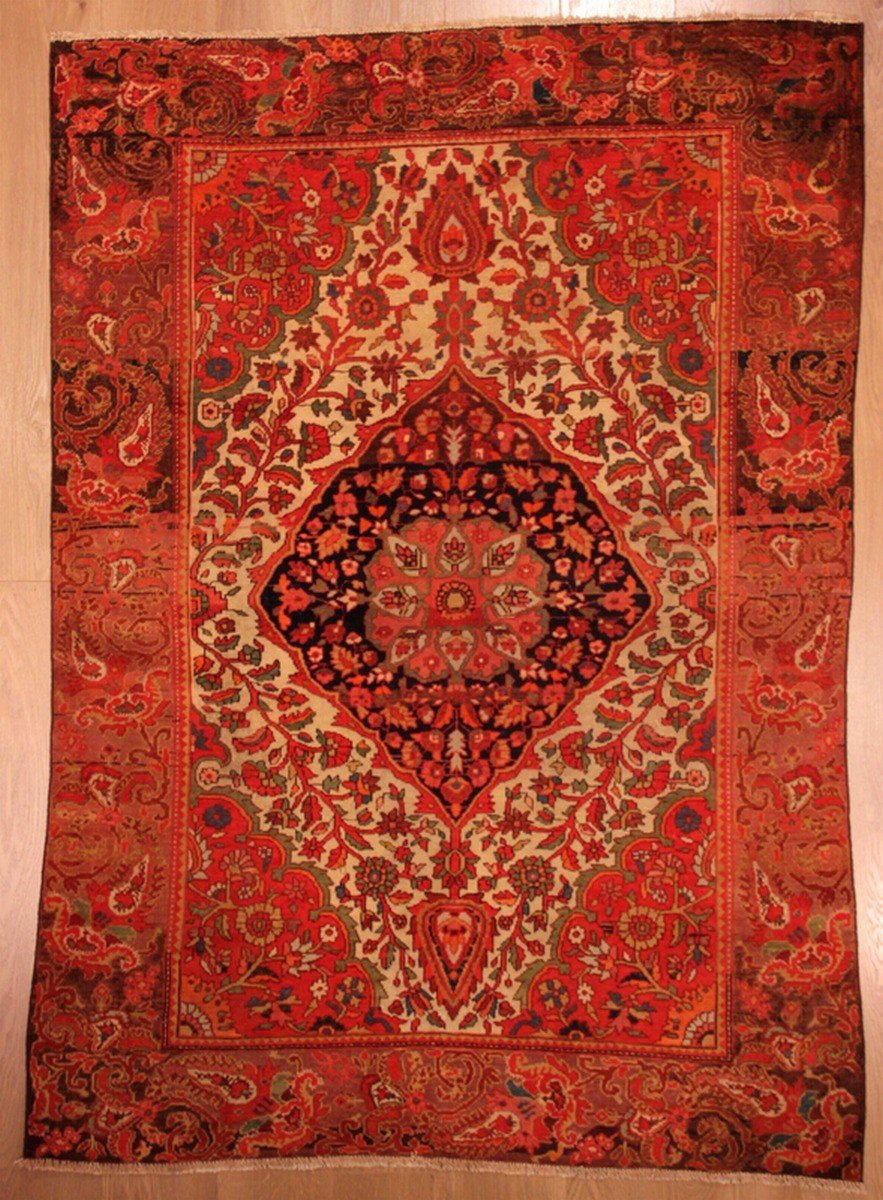
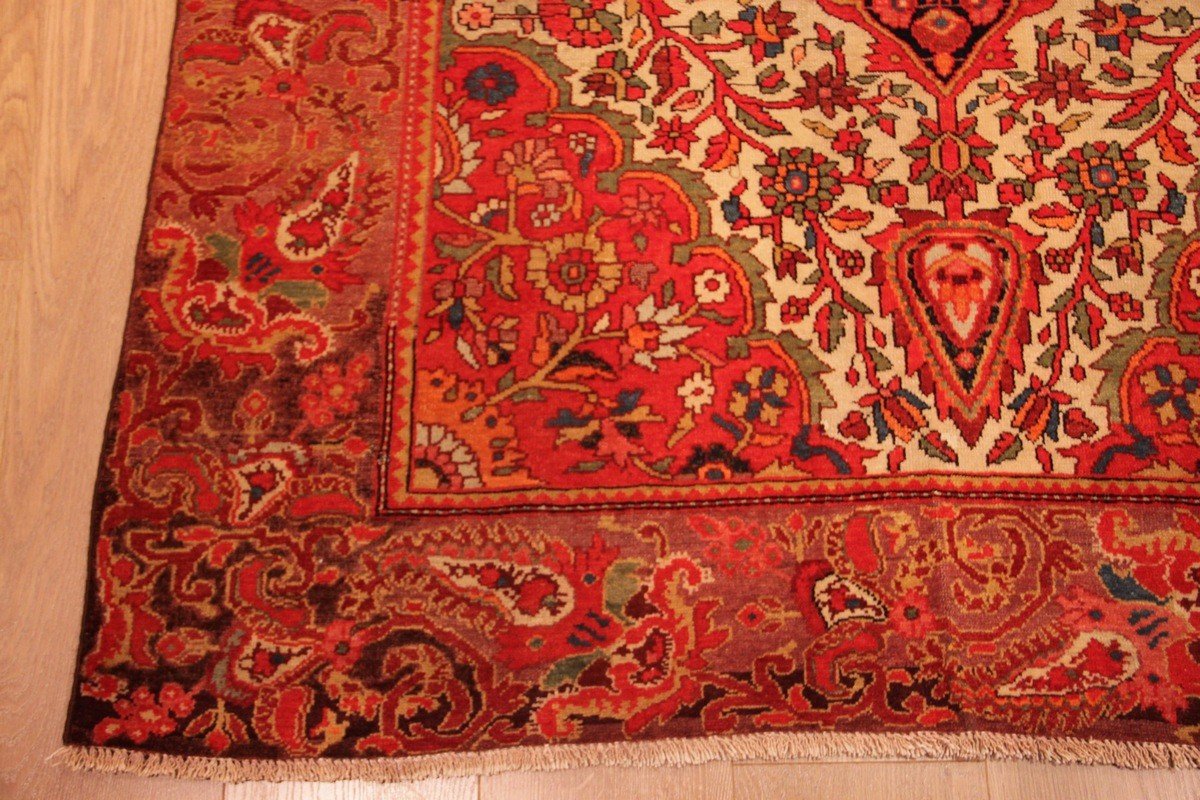
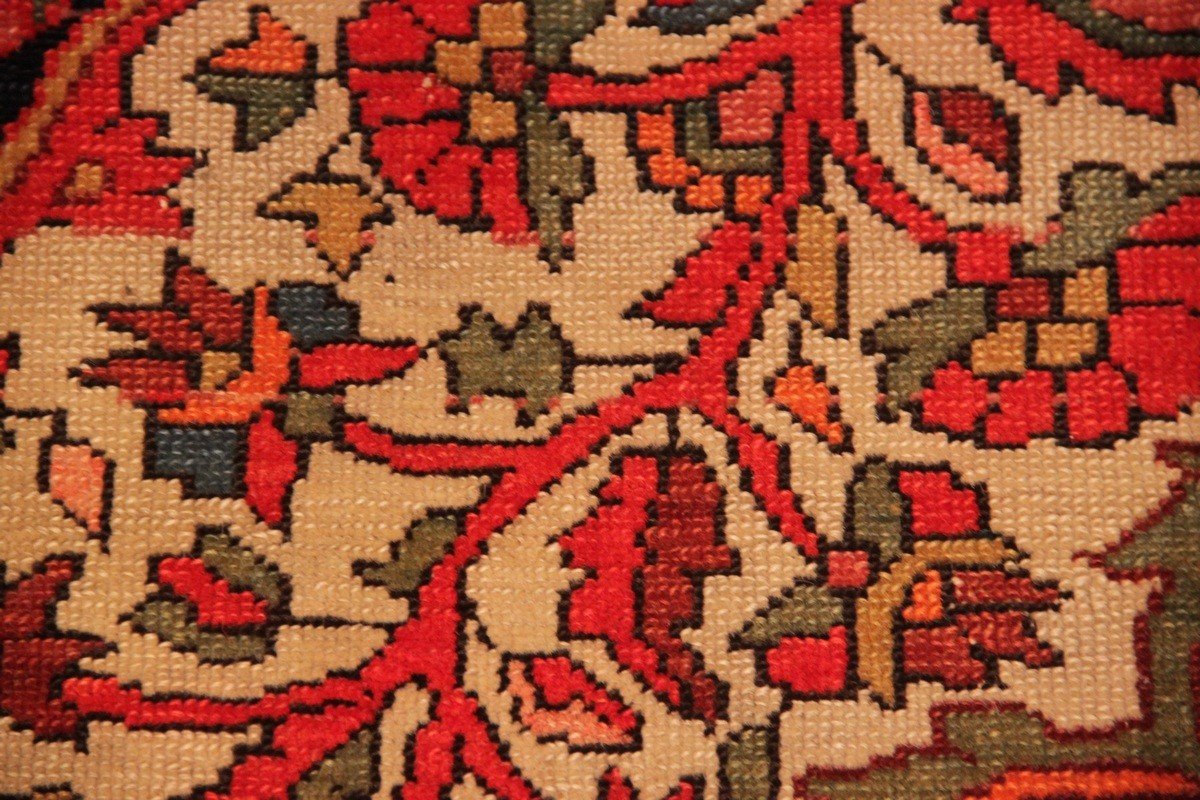
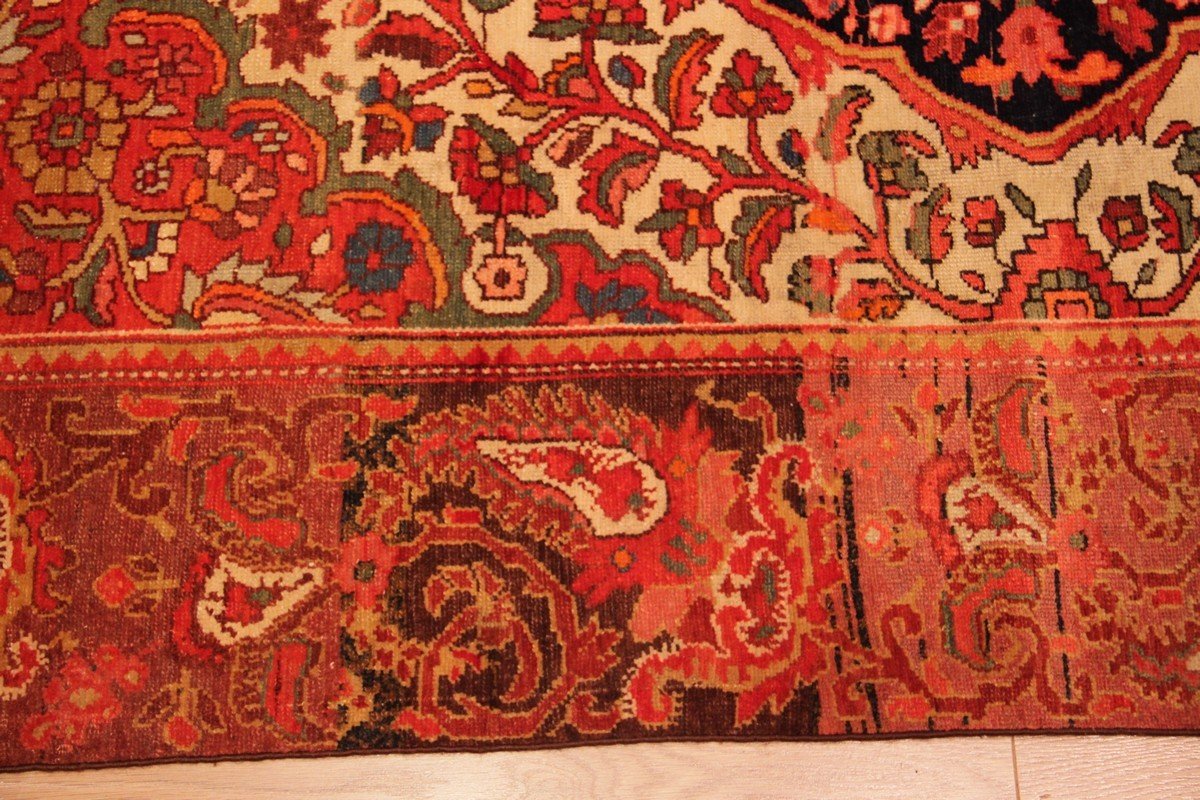
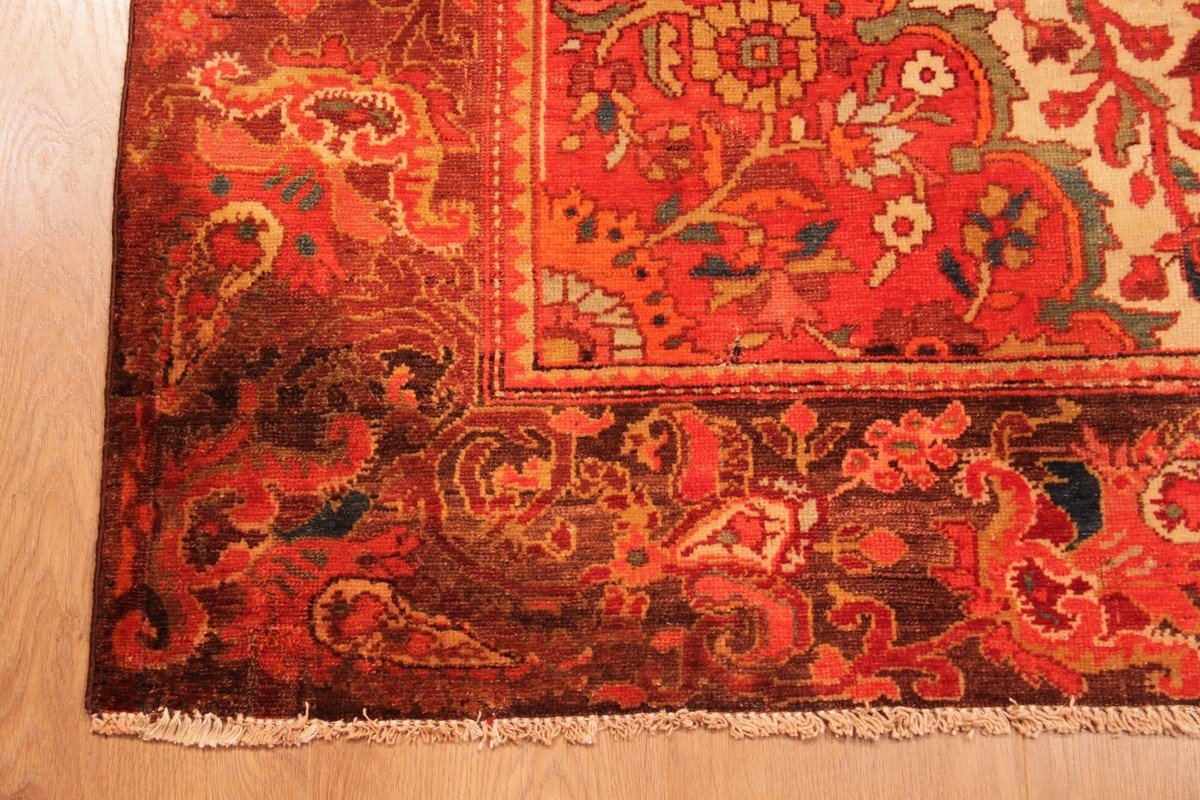
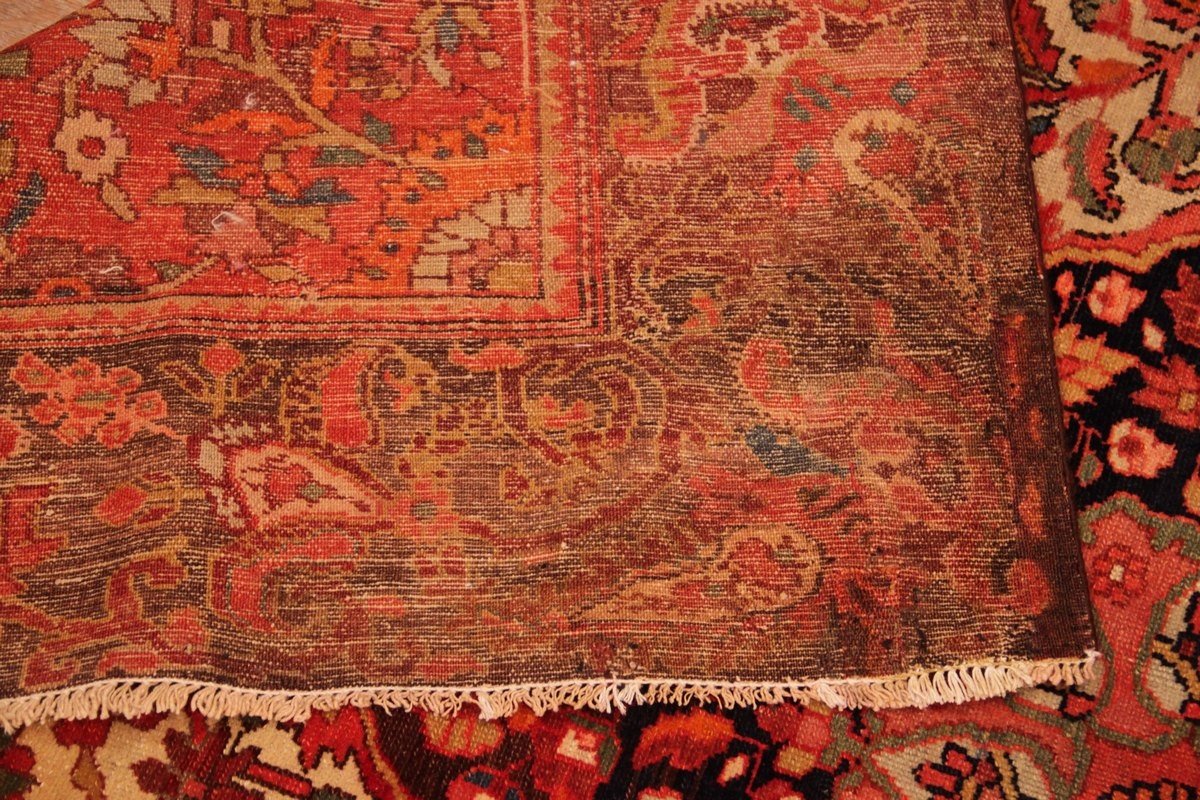
Iranian Kurk* wool rug, cotton warp and weft, circa 1880. Normal condition of use on the entire rug, given its age (140 years). Borders and stopping points restored in our workshop. Other restorations have been carried out over time. Rare.
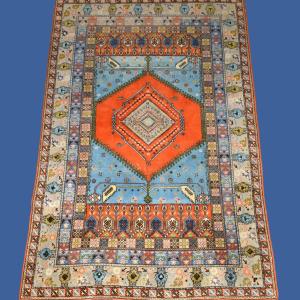
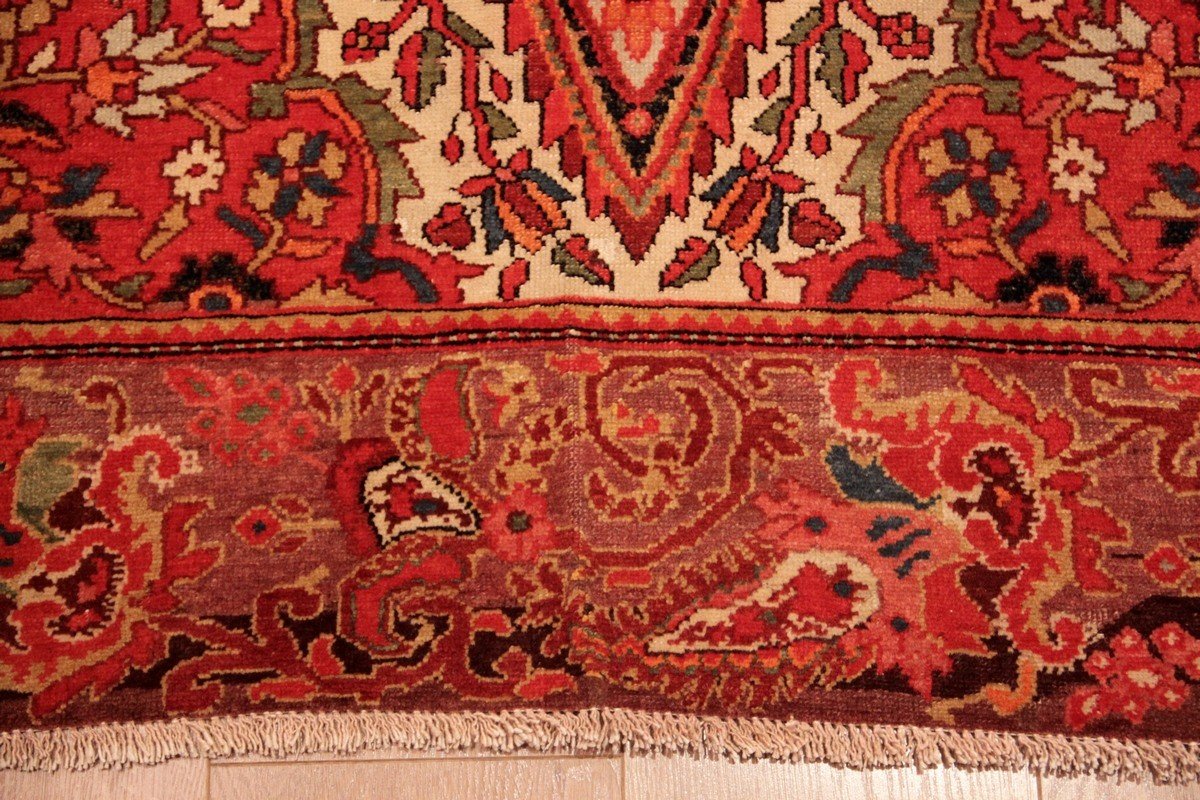
Located north of Arak (former name: Sultanabad), western Iran, the Farahan district included villages renowned for their quality of weaving. Very popular with the English from the 19th century onwards, Farahan rugs are resistant which in no way detracts from their elegant side. They are renowned for their sobriety. These are rugs that have a short pile with excellent quality wool, dyed from vegetable colors. Many Farahans have a central medallion pattern that is always well balanced, enhanced by a samovari** border. These rugs were often intended for the European market and more particularly for England. This elegant dozar format farahan is a perfect example of ancient achievements. The orange color dominates the entire carpet. A superb black medallion, with orange and green floral patterns, contrasts with the ivory field of the carpet. The main border features floral motifs and botehs*** and its abrached colors**** give a lot of charm to this splendid Farahan.
*Kurk wool: fine lamb wool collected by combing. Strong and durable wool.
**Samovari: this pattern consists of small flowers represented on the borders surrounding the rug. It is found on the majority of Iranian carpets. ***Boteh: Ancient pattern with different meanings. It can represent the transformation of Zoroaster into a cypress, symbol of eternity, but also into a drop of water, into a palm, into a tree. The term boteh means "flowering bush" in Persian. There is a similarity with yin and yang.
****Abrache: term designating a variation of tones in the same color.
Free Chronopost delivery for France and Europe. Do not hesitate to contact us by phone or email. (We ship our rugs and kilims by Chronopost or Colissimo, at our expense (up to 30 kg) in mainland France and Europe).
Iranian Kurk* wool rug, cotton warp and weft, circa 1880. Normal condition of use on the entire rug, given its age (140 years). Borders and stopping points restored in our workshop. Other restorations have been carried out over time. Rare.
Located north of Arak (former name: Sultanabad), western Iran, the Farahan district included villages renowned for their quality of weaving. Very popular with the English from the 19th century onwards, Farahan rugs are resistant which in no way detracts from their elegant side. They are renowned for their sobriety. These are rugs that have a short pile with excellent quality wool, dyed from vegetable colors. Many Farahans have a central medallion pattern that is always well balanced, enhanced by a samovari** border. These rugs were often intended for the European market and more particularly for England. This elegant dozar format farahan is a perfect example of ancient achievements. The orange color dominates the entire carpet. A superb black medallion, with orange and green floral patterns, contrasts with the ivory field of the carpet. The main border features floral motifs and botehs*** and its abrached colors**** give a lot of charm to this splendid Farahan.
*Kurk wool: fine lamb wool collected by combing. Strong and durable wool.
**Samovari: this pattern consists of small flowers represented on the borders surrounding the rug. It is found on the majority of Iranian carpets. ***Boteh: Ancient pattern with different meanings. It can represent the transformation of Zoroaster into a cypress, symbol of eternity, but also into a drop of water, into a palm, into a tree. The term boteh means "flowering bush" in Persian. There is a similarity with yin and yang.
****Abrache: term designating a variation of tones in the same color.
Free Chronopost delivery for France and Europe. Do not hesitate to contact us by phone or email. (We ship our rugs and kilims by Chronopost or Colissimo, at our expense (up to 30 kg) in mainland France and Europe).
Explore similar pieces and discover your ideal find:
Rugs, Carpets